


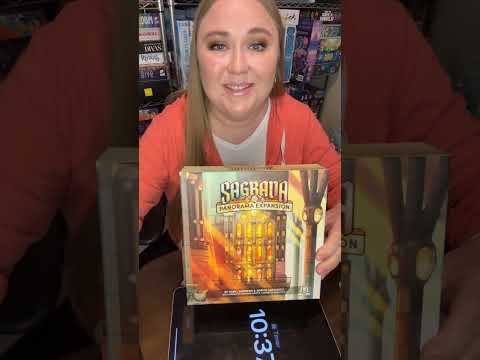

Sagrada: Panorama Exp Deep Dive
Sagrada: Panorama Exp is an expansion, not a standalone game, so everything in this article assumes you already own the base Sagrada box. What the expansion adds is a set of new modules that change how dice are drafted, how players score, and how much they rely on one another. Reviewers describe it as a way to push Sagrada toward more interaction and more planning while keeping the puzzle-like feel of placing dice into a window grid.
What the Community Thinks About Sagrada: Panorama Exp
Jamie of Tabletoptiktok presents the expansion as a set of optional add-ons that make an already beautiful game feel fresher, and is especially enthusiastic about the way it adds interaction at the table. Grant Lyon, who runs through the new expansions released each month, takes a more measured tone. Grant highlights that the cooperative element is a genuinely new idea for the series, and points out that several of the other modules are returning ideas with refreshed art rather than entirely new content.
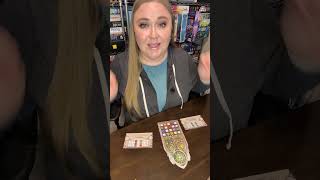
One creator takes a very different angle by turning the expansion's dice pool into a timed challenge. That creator uses the new systems as a quick brain warm-up, and the result shows how fast the planning becomes tight once the clock starts. Taken together, the reviews agree that this expansion is about more decisions, more connection between players, and a sharper sense of planning.
Core Mechanics That Define Sagrada: Panorama Exp
The Light Board and Shared Dice Pool
The most discussed change is the new light board, a personal board that gives each player dice to plan around. Rather than drawing everything from the common supply that gets rolled each round, players combine dice from the general supply with dice from their own light board. Jamie explains the flow simply: the normal placement rules still apply, but the second die you take now comes from your own board. Jamie also notes that the new dice tray speeds up play, and because you can see what is coming on your light board, you can plan a few moves ahead.
Shared and Focal Point Objectives
The second system is the scoring layer, and the shared objectives are the biggest novelty. These objectives sit between neighbors on either side of you, and they can only be completed by working with the players to your left and right. Grant stresses that Sagrada has never had cooperative goals before, which makes this a real change to the series. Jamie calls the shared objectives a way to score mega points while creating far more interaction. The private focal point objectives change the scoring logic as well. Instead of rewarding a particular color, they award points for the pip value of dice placed in specific spots on your window, so the question shifts from which color you need to where your highest numbers belong.
The Sagrada: Panorama Exp Experience
Interactive and Dynamic
The expansion's most distinctive feeling is that the table stays connected. Because shared objectives depend on the people sitting beside you, you cannot simply race toward your own goals and ignore the rest of the group. Your neighbors' placements matter for your score, and yours matter for theirs. Jamie describes this as super cool, and the modular design means groups can mix in one, several, or all of the new systems to dial in how much interaction they want. The result is a Sagrada session that feels more like a shared negotiation than a solitary puzzle.
Rewarding Mastery
The planning depth is where the expansion rewards repeated play. The new systems ask you to read your light board and the shared supply, decide which dice to take, and imagine the next few turns. The creator of the timed challenge found the pressure intense: a miscounted die meant a yellow placement was no longer possible, and even a reroll could not save the turn. That moment captures what reviewers keep returning to, which is that the game rewards players who have a feel for planning ahead with their colors.
What Makes Sagrada: Panorama Exp Stand Out
Existing Sagrada owners are the clearest audience. Grant notes that the expansion's content works with the previous version of the base game as well as the refreshed edition, and that some modules are the same as earlier expansions with new art and graphic design. Players who have found Sagrada too solitary should appreciate the shared objectives, while players who enjoy thinking several turns ahead will likely get the most out of the light board.
Potential Drawbacks
Jamie is clear that you need the base game, so this is not an entry point for newcomers. Shared objectives also mean your score can rise or fall with the choices of the people beside you, which some players will find less comfortable than a purely individual race. The extra planning can feel tight in short sessions, as the timed challenge shows when a single miscount locks a player out of the moves they wanted. Players who prefer a loose, low-stress session may find the added layers more demanding than the base game.
If You Enjoy Sagrada: Panorama Exp
Sagrada: Panorama Exp is a worthwhile pickup for anyone who already enjoys Sagrada and wants more to think about. The light board and shared dice pool add planning, the shared and focal point objectives add interaction and a new scoring angle, and the modules can be mixed to suit the group. It is not presented as a reinvention of the core game, but it gives the existing design a meaningful new layer. Fans of the base game should look at it closely, while newcomers should learn the base game first.
What Reviewers Are Saying
"This also makes a lot more interaction in the game and is super super cool to have these shared Panorama expansions. Then we get the new light board and every player gets this."
— Tabletoptiktok
"If I'm first, I take the dice that I want. All of the normal placement rules apply, but my second dice now comes from here."
— Tabletoptiktok
"And so, you know, there's never been any cooperative stuff in Sagrada before, so that's kind of an interesting twist on the game."
— Grant Lyon