Beyond Solitaire Podcast 252: Jeremiah McCall on Historical Problem Spaces
Games in This Video
4 games are featured in this video — they unlock as you watch.



Transcript
And now for a quick word from our sponsor. I am proud to announce that the Beyond Solitire podcast is sponsored by Central Michigan University's Center for Learning Through Games and Simulations. Their upcoming project, Line by Line, will crowdfund on Backer Kit this October. And you can find my interview with the designer TLock VS in the show notes. CJS's most recent project, The Blue Way by Jason Morning Star, is also currently up for pre-order. It's an amazing RPG about oppression and identity, and you should check it out. For now, though, let's get on with the show. Hey gamers, this is Liz Davis from Beyond Solitire, and this week in the pod, I have a very special repeat guest. This is Jeremiah McCall. Uh he is a fantastic high school history teacher and also an expert on gaming in the classroom. So, he's here to update us on uh his book that is out now, Designing Historical Games for Classrooms, a practical guide for educators. How you doing, Jeremiah?
Oh, I'm great. I'm so I'm so glad to be here and talking with you, Liz. Thanks so much.
Yeah, it's always fun. So, um I guess I'll just start with like, you know, you design games for classrooms. What What designs of yours are running in your classroom right now?
So, that's a great question. Um I So, this has been like the busy year of busy years for me. Um, I'm doing a lot of work with a new design lab, uh, game design lab with my ninth graders in the school and stuff like that. So, that means I haven't been able to work on my designs as much this year. Um, the first one that I'll go into the classroom is my uh, uh, day agricultur 2 uh, peasant agriculture simulation. I had a simple one I've used for years and I decided I wanted to go crazy because I'm really interested in Roland writes as maybe the superior method for history games in history classes. Um but we don't have a Yeah. Yeah. We don't have a lot of them. There's not a lot because I keep scouring for games even like fantasy games to see where that are rolling rights. Um it's it's it's it's the footprint. It's the logistics right? You can print out uh as many copies as you need and custom dice. Like I love roll through the ages and I use it in my classes, but I have a roll and write called um Oh, I think I think I talked with you about it before. It's called um uh Path of Honors. It's the Roman political election one.
And um yeah, and so I kept that with just simple, you know, uh six-sided pip dice. Um, and it's so easy for any teacher to then just use that. It's so easy to clean up, you know, and and if it's a large scale game, you can have it for as many kids as you want in the class. If it's like particularly if it has solo properties. So, um um so so my agriculture one, I decided to come up with like a on steroids version, which if I Oh, let me just show. Doesn't this do podcast, too?
Yeah. So, there'll be people listening and watching.
Okay. So, look at that sheet. Is that not the most complicated rolling right record sheet you've ever seen? Um,
no. Because I played Hrien's Wall. Um,
oh my god. Which which I have, but I have not played.
Jeremiah just showed us something that was very lots of check boxes, people.
So, I'm I'm going to do that next week. I'm going to take a leap of courage because we've had stuff going on. So, my honors class, we have not had time for serious games. And I'm still a little nervous because I had my friend uh uh Venicious Carv Marino Carvalo give it a look and say it was it worked, but I have not tried it with kids yet. And it is it might be an interactive recordkeeping exercise lesson and not an actual game. But we're going to find out next week. So that's been the big thing on my mind. Um, so okay, actually out of curiosity, how often does it happen that you try a game with students and it becomes more of an interactive exercise than a game? And then what do you do in like the wake of that happening?
Yeah, so I ran one last year that was like, oh, I got I just went so down the rabbit hole. It was called Donna Cities. And um I and by the way, we can talk about all this stuff too and just meet again sometime and talk about the book. I'll talk with you forever. uh um um Donna cities and it was like the first cities in Mesopotamia and I connected with an archaeologist whose specialties are in that and you know as you know right one of the random nice things about us having PhDs is we don't mind like cold calling people and just being like hey can I you know like ask you stuff um and so um anyway so I did all this research found out that it was more complicated as usual the model for how Cities arose. And so I made this this game about it. And I had my cool color poker poker chips and maps and cards. Uh it was basically a a kind of action drafting. Like basically you got three cards uh three action cards every turn and you could only play two of the actions and they were very limited because there was like almost nothing you could choose to do that would actually historically fit because like they didn't have trade and stuff.
Anyway, big thing. Got it all worked out. I love it. Run the prototype with my ninth graders. And oh my gosh, what a fool I am. Like, first of all, like, first of all, I know I've been doing this for decades. The first game that ninth graders play of yours should not be that. They're still not even used to board game historical stuff. So, and some people were getting it and some people were not. And it was a lot of management of me talking them through. Uh several of my classroom designs involve me kind of almost game mastering it. Not because there aren't tight rules but because I can keep people synchronized. So basically what I did is I went you know I went teacher on it and I said we did a debrief at the end and I said you know this worked well and this didn't.
What do you think came out of it? And I was pleased. They actually did come up with some things like for example the importance of agriculture and how economic disasters like that could affect things and how uh these leaders in these in these tribes for lack of a better word like gathered together and gathered like people in their groups together and that's how the first cities formed. So I was okay with it but and then I stopped teach I didn't teach ninth graders this year. But what I'm going to do is to kind of fill out your question is I'm actually going to teach it over a week rather than try and get it done in one or two bells and do bits of lecture along the way which I've never really done before. So like the parts that historically are like spoton on and be okay let's just take a moment have your notebook nearby let's go through um this was the the um ubied uh culture in early Mesopotamia. episodes like let's just go a little bit through like hering and agriculture and here's some things. Let's spend 10 minutes. All right, let's play a little bit. Okay, tomorrow let's do a little more. Let's play a little bit because it's a lot of time. So, I have to figure out a better way to leverage the time spent there.
And I think that's the way to do it. But yeah, you try something out and then the teacher part of you says, "Okay, well, let's salvage some learning." And the debrief's the place to do it if it doesn't work out. And the kids learn that you take risks, that you try things, and you make mistakes. So
nice. All right. So we having established all this experience that you have, now let's talk about your book. Um so um what you've written several books over the course of time, uh but what led you to write this one and uh what is it going to do for the people who pick it up and read it?
Oh, I'm so excited about this book and so nervous at the same time. Uh, right. And Ju just liked getting out a board game, I'm sure. Although I have yet to actually like, you know, do that on the Night Witch level. Uh, and I think you've done like several other things that like you're you're so fast. I tell you, you've become prolific. Or at least you got a lot in the hopper.
I always have a lot in the hopper. It's because I'm addicted to being busy and I wake up.
Yes. Yes. And I channel that into books. I keep saying maybe when I retire I can actually get a game like to publication, but we shall see. Um um so I finished up a second edition of Gaming the Past, which is my book on how to use video games in the classroom in about I don't know 2023, something like that. And I was looking for my next book project just like you because I have to stay, you know, busy with things. And I had two choices. I could do like the academic historical problem space book that I have in mind that I want to do before I stop writing books, whenever that is. Um, and I think we've talked about historical problem spaces. Um, and um, or I could write this book because I had spent at that point 20 years on and off having kids design board games and 10 years straight having kids design interactive text games. Um, and I was like, you know what, this is probably more useful to educators. And and I wasn't that excited about it. I was like, oh, it'll be fine. I know how to do it. You know, it's a procedure book and and and I'm pretty good at writing procedure books, I think. Um, but I wasn't like jazzed. I was more jazzed about the historical problem space because like, you know, this is like that presses my brain more. Well, things kind of turned around. I really started realizing somewhere in that time. Um, I realized that and a lot of people helped me see
that that my historical problem space framework which was used to analyze games is really a method for how one could construct them. I think any designer anywhere if they want to. Um, but certainly educated designers. Um, and so I started getting into board games and geeking out about mechanics and how specific mechanics represent history and realized that, you know, I put I put it in footnotes so that I didn't bore people who didn't need this stuff where I could talk about, you know, this or that kind of like uh secret sauce insider baseball part or whatever. Um, and I always knew that I wanted it to be about board games and Twine and and then yeah, as I just kept going, um, there was a fair amount of excitement, you know, a fair amount of excitement, right, is when 10 people on your social media say, "Hey, this sounds cool." Uh, and when Liv Davidson, you know, asks me to like talk about it. Uh, um, and so yeah, and so it developed from there. And then so really it's it turned into a labor of love. And if it what I'm hoping is it moves the needle for two things. One that more history educators and maybe humanities educators because at the end of the book I try and point out that anytime you're making a game about problem solvers in a world uh which is a lot of fields you can use this framework. So, I'm hoping move the needle for history educators. So, maybe
they're designing some games for their students, but then this this the secret sauce, the number one is if you can get kids researching and designing their own games. Um, so I'm hoping I make a difference. I'm hoping that some people have uh classes that they feel are more powerfully engaged um as a result.
Yeah, that's really good. So, you know, I I'm sure you talk to a lot of teachers who are trying to kind of embark on this project. I mean, what you do is really cool. Um, if I were still in the classroom, I'd be looking at thinking, I want to do that. How do I do that? So, what is like the number one obstacle that gets brought up to you to starting down this path? And what is your advice for overcoming it?
So, it's interesting. I I haven't I haven't had a lot of people talk to me yet about this. they're usually talking to me about how to use board games and video games in the classroom. So, but if I, you know, but if I, but if I infer from that, it it's always time and logistics, right? It's it's, you know, how h can I sacrifice the time I need to spend on other things and how am I going to actually manage and do this? Um, right? Because teachers have so many things and you and I both taught in independent schools. So we had luxuries that so many of our colleagues do not where they have a school curriculum or a county curriculum or whatever but they have and then I the world like the world heck has freez frozen over because I am teaching AP psych now. Uh and let me tell you it's I know it is my first AP course. It is my first psych course and let me tell you uh wow is there a schedule um and so um I think that's the big one but I think the other thing um you know and I say it in humility because lots of people have lots of great ideas you know and it's not like anyways I mean you know it's not like everything I'm saying has never been thought or anything like that but I think I'm good at systematizing and simplifying um all that is to say um just a method. How do you play games in the class? How do you make games in the class and not have it just be projects,
not have it just be like um go to the maker space if you have a maker space, right? And make something pretty or how do you spend all your time artistically designing cards? How do you do it? So, it's history. So, you're doing history content. Um, and that's hopefully what the book does too is is that and I think, you know, from people who I always love it when people email me and reach out for help. They seem if they haven't asked that when I point them to some of the stuff I've got because I got lots of stuff for free on gaming in the past. They seem really positive about, wow, I just didn't think about just breaking it down so I know in a class how am I going to debrief it? What is it I'm trying to get them to do so that I don't feel like, okay, they played through the darkest of times there's a good video game or roll through the ages of the bronze age or you know and and but they didn't get anything out of it.
So I think that's the number I think after logistics and time it's just how do I get a handle on this because the teacher may not even have an approach to it. They may just be like cool I'm seeing it. I love it. Games are incredible but I need a little bit more support for how to do this. That's what I'm hoping to do.
Nice. Um, so, okay, you've mentioned a couple rolling rights now, including Through the Ages. So, I'm gonna come back to this, but um, you know, we we discussed this some before, but you know, you're talking about like how do we make sure that they didn't just play a game when it comes to assessing performance? You know, obviously part of having students design historical games, they're doing research and you can infer things that they've learned from the design.
Yep. Um, but how do you how do you separate out, I guess, just game design from the intent behind it, especially with new and young designers who don't necessarily know how to express themselves in this medium very well.
Yeah. And these are and these are great because, you know, these are things that I'm trying to do in the book, too. So, that it's a fantastic question. So, I think there's different approaches and and I guess at this point I'm also comfortable enough to say that um everybody's got to find their own road, but in the humanities um I want to be careful here because I'm more open-minded to discussion, but it is my reasonable considered experienced opinion that uh LLMIs have almost no good use, if any, in humanity's education. Um a a and that shocks a lot of people and seems like fighting words. But the way I try to keep it simple is and this is simplifying my science friends.
PE p doesn't get used enough, right? You have to have a classic. But pake friends, right?
In humanities, we want to know who made the bolt, what they were thinking when they made the bolt, how they thought the bolt would shape the world, how other people looked at the bolt, thought about the people that made the bolt, talked about people who made the bolt, and experienced the bolt, so that we can have humans talking to humans about humans. In engineering, all that matters is if the bolt matches the stress test. And that's simple. I love engineers. I got engineering friends. But at the end of the day, right, the question is, does the product do the product thing, but in humanities, particularly in education where we're trying to get them to learn and think and stuff, it's process. So, I have to struggle with this a lot, right? Because not why not just vibe code a game. And you can actually vibe design a game. And I haven't. I don't do that. And obviously, right, the board game community, or at least the people I hang out with, are very stressed, angry, opposed, concerned. I mean, there's spectrums, right, about creatives um having their stuff swiped
by, you know, so I, you know, don't need to go down the whole rabbit hole. Only reason I bring this all up is because when I think about LLMIS in education, I'm thinking about how do we know the process, which is what your original question was. So for me, for me, it's documentation. And and one last thing, anybody can fake anything. So nothing I'm saying is foolproof, but I go in with a goodwill attitude. I try to inspire and encourage, and I assume that my kids want to learn. I'm in a rarified air where I can do that. Not everybody does, but we, you know, but we got we got some joy going. I'm working for some joy. So, that being said, because it's amazing school. Uh uh Cincinnati Country Day School, you're amazing. I couldn't have done anything I've done without them. Um um two things, annotations and a rule book.
With board games, they have a rule book. That's not just the rule of play, but it includes two things. It includes annotations, and the annotations have a very specific set of guidelines. You got to tell me how the game mechanic either matches the historical evidence and then you cite it or does not match the historical evidence and then you cite the evidence that shows it doesn't match it, which is a little hard, right? It's bit right and explain why you put that in there. So, the way I explain it to my kids is I want you to know your history and demonstrate it. I want you to know your game and I want you to know why you made the choices you did because that to me is the learning part. Um, and then they do a big designer statement, too.
Um, so I actually don't assess the prototype very much at all. Um, most of what I'm assessing is the rule book and the annotations with the prototype being a measure of that. But there's there is no aesthetic grade on the prototype. Basically, my only prototype part is does it in fact represent a reasonable uh functioning historical problem space. So, so I have a little bit of guard rails, right? I don't go, "Yeah, you can make a blue dot and write me 500 5,000 words why it doesn't fit the evidence." That that that's not okay. You actually have to be trying as part of your rubric to be approximating historical evidence. But documentation, explanation, and it and we may shift to presentations. That may be a way we deal with the problem of how do you efficiently do text and make sure people are doing their own thinking. Um but that that's it for me.
It's the commentary. It's the crit self-critique and stuff like that.
Yeah. Yeah. I mean I I definitely agree with you that you know I I see the appeal of games in the classroom both because obviously I like games. I think they're fun. But um teaching people to show their work
and talk about their process. To me that's always been more important than like can the students spew out a fact
because facts you forget but learning the process of learning or like learning how to tackle a text. Those are things that like grown adults are struggling to do. Yep.
Um in this world and so yeah, I fully I fully second that. Hey, let me let me throw out a pitch here right now because you just set me up perfectly. So, Cincinnati Day School, my fantastic school, I have been working at this is my 25th year and it's 100th anniversary the school and this year I we launched I'm leading I'm the director of what we call the design lab. So, we got all the ninth graders and they're coming in every other week. We basically worked it out so we could take one history bell every other week because we didn't want to add to their workload. So every other week me and my partner my colleague uh Jamie back who is uh maker space computer science mathematics was an engineer fantastic partner and what we're doing is the ninth graders are working in collaborative teams based on picking uh one of four uh research topics that are global issues right now.
We've got uh access to water uh clean water uh affordable adequate housing uh AI and sustainability and what is the oh and immigration and migration and the ninth graders we are teaching them how do you take notes how do you work in a team with project managers and stuff like that how do you show metaccognition so that you can get what you need which includes don't take notes for an essay if what you're going to be making is a game, take notes for the components of a game. Um, and so they'll be working in groups all year. So they're going to finish like paper prototyping end of the semester and then they go more into Jaime's Bailey Wick and they're going to be maker spacing a nice looking prototype. And the sixth graders in our middle school are the audience and are going to play the games. Um, and that involves like actually interviewing the sixth graders early in the year saying, "Hey, have you played board games?" and stuff like that. So, all the stuff you're talking about about the real thinking, uh, that's what we're really trying to achieve here. Uh, it'll need improvements and tweaks and everything like that, but I'm just so excited. So,
that's awesome. I'm super happy. Like, I love hearing about all like the progress. It's a little different every time I check with you about what's up with the school. Um,
I'm trying I'm trying not I'm 54. I'm trying to move forward. I'm trying not to rest on whatever laurels I have.
So, uh, with that in mind, I guess the question is, so, you know, you've you've written several books. This is your new one. Um, how does it fit into your like overall program, and are you planning to write follow-ups that build on this one?
That's a great question. So, most of my books, right, this was my seventh book. Most of my books are Roman history books. Um, and I've kind of alternated between them based on whether I've been feeling like I want to scratch that historian itch. Um, right now at the moment I'm out of Roman history books for a bit. Uh, I I wrote like rivalries that destroyed the Roman Republic and I love that book and some dude gave it a one on Amazon for no reason or dudet or non-binary dude. We do don't have to be gendered about this. I don't know why I duded. Um, so, um, gave me a one and, uh, so and nobody's giving me like a Oh, oh, wait. Okay, if I'm going to rant for 30 more seconds. I had a former student write a beautiful review on Amazon of it and it was there for a year and now it's gone. Anyways, so that's that was kind of like my that was my like best effort at the time. Like I did everything to try and make it interesting topic and stuff. So, I'm I'm good for a while on that. So the question is, yeah, I think that I've got two things I want to work out. I want to work out historical, well, three historical problem spaces.
There's an academic book there that I think will be of interest to designers and educators because I try and keep my historical game study stuff approachable, but is really kind of looking through more broadly how do history games tell history and looking at genre. And uh it's funny, a lot of people are identifying me as board game historical game studies guy now, which is funny to me because I've been video game historical game studies guy now for a lot longer. But my renaissance for the last four, five, oh god, 2018, eight years has been board games. So I want to do that. I am interested in people who are in three groups. And I'm not entirely sure how this fits. And I have complex thoughts, but there are people in, and you'll see why I have complex thoughts in a second, human resources and corporations, disaster management, and military war gamers who think the book concepts are interesting and might be applicable. So, I am curious about that uh idea of, you know, if it's humans in a world solving problems. Um, but that would kind of be later on my list if somebody wanted to work on that. That's not going to be like I'm going to write a book on that. But then the other thing is um I think I want to I think I want to just getting out get out there more worked examples. Like here's the number one thing that I think is in my book, but I think I under I don't know if I presented it strongly enough and it
started to really click for me when the book was going to print last year and I would have changed it here and been like no you have to listen to this. Here it is. Here's the thing. If you get students to design a historical problem space game, so they got agents with goals and they're in a world and there's stuff in the world, resources and tools and objects and stuff and they get to make choices to reach their goal. I think everybody, every teacher reading that book and absolutely every game designer reading that book will get from the fact that it's a problem space and you have choices to make and I use the term decisions that there's not one optimal route because there's no problem if there's an optimal route. It's not a problem space, right? You just right. If you're playing shoots and ladders, there is no problem.
You roll, you go. If you're playing, you know, uh, roll through the ages and you're always going to win if you build the work, if you use the worker, then you're just going to roll worker dice. So, good game design, right, has tradeoffs. And we know this, and I think that that's in there, but I have had kids, ninth graders were showing this to me last year, not all of them, where they would research something like, oh, I had a classic example. Some kids were researching art. I don't want to out anybody because there's nothing. They were, they're great. The kids are wonderful. It was just me trying to think through how to support them. But like, you know, like think about like a ruler building a palace or something like that. And you think it's really cool as a student and you're researching and we have the archaeology and everything like that and you want to do the ruler building the palace. Great.
What's the problem? I mean, you could make one, right? And you could absolutely make a gaming one. And I should say that that the games I'm trying to teach my students to make and I talk about in this this you might think this is fascinating. I hope history game developers designers like yourself do. The games I'm trying to develop, the problems are inherent in the content. It's the problems that historically they had that I'm trying to analogize, not gamey problems for a lack of a better word. So, like I have I I love the lock in dice mechanic uh that Roll Through the Ages and Yatsi have and I used it in my Path of Honors, but I prefer not to have those be the primary things because you do on a broad level, right? Say resources are tight and I'm trying to show that and stuff, but that's a very gamey problem. And I like to have more problems like which do I choose? What's the tradeoff, right? I could do this, but I lose something or I could do that and I lose something. Um, so that would be my number one secret sauce trip uh uh tip. Make sure they have a problem when there's a problem space. Um, so I would like to explore that some more. I think there's still more to be said. Um, and who knows, maybe I'll flip over completely and start actually interviewing kids and like figuring out how they're experiencing all of this. So that's I think where I'd go.
Interesting. Okay. Well, I guess it's lots of future podcast.
I know, right? Um, but for now I really want to know uh why Roland writes.
Okay, so I think that Roland writes um I told you about the logistics and that's a number one thing that you can just print out new copies and it's great and you can use it with a set of dice. Um, and I know from prototyping because if you're designing games for classes, um, you know, I my biggest classes tend to be about 16. Like my site classes is is really big for us with 20 kids, but I can't really do a lot of games in that though. Next year once I've mastered the site curriculum, there will be games. I promise you. Um, but with my history classes about 16 is the top. But here's the deal, right? If you're making games for I mean le let's assume you're making them right if you're buying them right that's an issue too you got to buy your your you know four copies or five copies um and so um and Roland writes if it's a less expensive one that can help but when you're designing them right even if it's a game that 30 people can play if you need 30 sets of components that's huge well if you make them for four to five kids. I have games like that, too. You still need all those components, right?
Because you have all those kids playing copies. I'm really not a fan of pair up as a player because I think it limits one kid from experiencing, you know, like the hot seat of making decisions. So logistics is big, but I think that you can express some pretty complicated and interesting things in a roll and write that maybe a little more straightforward because the fiddly bits are down. Maybe I don't know. I mean, let's let's put this up again. This is crazy. Okay, this has the family members and like their age and this is the labor power they have. By the way, the first one of this that I have on my website for anybody to use for free is orders of magnitude simpler and people love it. So, I encourage you to look at that one. And this is like where you buy special goods and and and here's where you get like your fruit trees and stuff like that.
So, that's a lot of stuff you can pack on almost like a console, right? You got your little command central here. And I just think that
I just think that from what I've seen like again I am such a fan of roll through the ages. I just think they uh Matt Leok I think I think he just hit it with you got resources, you got different ways you can use them to and there's tradeoffs and it gets some really complicated concepts. Um and and I think that's great and there's just not enough. So, like there's that one. And I have not played I have not played uh uh Hrien, you said. What is it?
Oh, well, Hrien's Wall. Yes.
Yeah, I have it because I think it's your recommendation. I have it, but I haven't opened it up yet. And so, um that one
board game arena. So, if you want to play with me later, we can
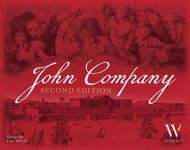
We've got to do that. We've got to do that. So, I think, right, I would assume that one like I know that has like cubes and stuff, but you probably could roll and writeify it, right? make it like an actual sheet if you wanted to. Um, and if you can, again, that takes really complex ideas and I if you're doing resource management, it lends itself so well to that because you've got sort of a spreadsheet sheety thing going on. Now, I'm not saying they should be over complicated like this one. I made this second one because I wanted to capture a little more. Um, and I knew I was going to be using it with honors kids who are really sweet and they'll just do it and be glad that I'm not talking at them for once. Um, I would not use this with 14y olds, but it's good for that. The downside is it's not as flashy. There is absolutely something to be said for moving fiddly bits, playing with fiddly bits, and stuff like that. So, it is a tradeoff there, but I just So, here's my dream, and I did not achieve it, and I'm going to try and achieve it at some point. Uh, Cole Worly was kind enough to give me uh access to the assets for John Company second edition because I had not played it, but I had studied it intensely and clearly, I mean, oh my god, what an amazing game and what he was trying to do. And I was like, I want my honors kids to experience that East India Company internal rivalry stuff. And so my thought was, I bet you can roll and
write it. And I tried, but I and I and I didn't succeed completely, but I don't know that I gave it as I mean, I gave it a lot of time, but I don't know if I gave it as much as as I could. But I could just see a world where you could take something like that and you know and right you had families and they had factories and they had positions and all of that could be represented and maybe you do have a little few cube markers so it's not as inefficient to like check everything off. But I just feel like you could strip down some really complex games to some more core trade-off question models that way. Um, and when you combine that with the fact that it requires you a piece of paper and dice to start designing it.
True.
I just think there's something there. So, I got this I found this game at Halfp Price Book. Do you guys have Halfpric Books?
Yeah. Yeah.
It's amazing. And
I spent a lot of time there.
Yeah. And I And I don't I'm like on a I will not buy any more board games unless I'm either researching it or I know I can find somebody to play this right away, which means I buy very few. I found one the other day and I won't remember the it was like light and dark or something like that. It was a little box. It was a role playing or a strategic role playing game but it was a roll and right and it was like I looked it up because you know I always look it up on on BG and it was like 4.75 out of five which I understand it's controversial but I actually think their ratings of difficulty are a pretty good guide to what you're getting. You just have to remember that a lot of times I I've found people raise the score if there's lots of fiddly bits and once you learn to play it might be significantly easier. But I grabbed it the other day because there's just not a lot. Right.
Most Roland Wright games are um I think more like like I think uh Jeff Engelstein's pinball is supposed to be fantastic, but I don't think that really gives me a guide for how I'm going to do my stuff. And then there's a designer who does print uh print and plays who does he did 1576 and then he did a series of 76s and they're expedition ones and that's really cool too. Um um but only if you're doing kind of like a movement. Oh my god, since you're geeking me out here. Cgraphers.
Oh, I like that one a lot. That's a lovely one. Right. A buddy of mine got me into that and I was like, so my first move was like, I can have my 79, 80 year old parents play this because I make them play board games with me at uh holiday time because it's good for them and it's a way to socialize. And on my short list, which means I ain't getting to it this year, uh is a cgraphers's first cities. So the idea is right you have those cards with the trains you have to do but the trains would follow into like four types. It' be like agricultural land or urban space or something like that and you follow them through but then there'd be some kind of mechanic where scoring was based on events that got pulled. So oh and like city walls would be one of them. So and somehow it'd work into trade-off. So if you built a place with a lot of urban space, but you didn't have agricultural land at the end, your score would go way down. You'd you'd almost have like a check if the model works at the end or something. And if somebody pulls raider cards and you didn't do lots of city walls, then your score would go down. So you'd be making choices about like kind of your ideal city um and then have real world events tweak to kind of go along. It would work. It would work so well. It would work so well for ninth graders. I'll be jealous if you steal this game, anybody in the world, but I don't have time to make it. So, make it and give me free copies. Uh uh because as we know, ideas
are actually easy and it's the hard work that makes all the difference.
That is the truth.
It is. So, you know, and I did that new new designer thing too. I remember like eight or nine years ago when I would read, you know, like don't worry about like don't don't put non-disclosure agreements on your cheap prototype. It's like that's not what's going to make it. It's like somebody actually going through and doing it. Um, so anyways, I just think there's a lot and it could be rolling flips, you know, with cards, but man, I think there's a lot of historical situations like I had my kids last year take roll through the ages and just for like a two class exercise said repurpose this for Ming China. Okay, you make whatever game you want,
but it's got to be about Ming China. And I actually was going to have them do it like the imperial system, but then some of them wanted to do like trade and stuff. And I said, the only thing is you have to use as many of the mechanics from Roll Through the Ages as possible, and it's a rolling right with a record sheet. Um, so if anybody out there is feeling jazzed, I don't know what how I became I don't I don't I don't there's not a lot to know about rolling rights because there's not historical because there's not enough out there. But I guess I'm somebody who knows more about them than I probably should. Uh
these things sneak up on a person. So
So would love to talk about that. So yeah, rolling right.
Amazing.
Okay, we don't have
Make one for us. I'm sorry.
It's on my mind. It's on my mind. Okay, so we you've got a class coming up soon. So I want to ask one more real question and go on. So okay, my real question here and I've been kind of thinking about this um in in the lead of talking to you is okay. Okay, so you've talked about gaming in classrooms and now designing games for classrooms. Do you think that this is something that people should do even if they are not experienced gamers?
Do you mean like in the classroom?
Teachers.
Yes.
Like should you add this to your teaching toolkit if you do not game and you do not consider yourself a gamer?
Yeah. I I am starting to get more ranty uh after this book. Um, and and I know you know this, Liz, but audience, kind audience, I I'm open to being wrong. I'm open. So, when I make these like ranty statements, you know, I it's okay. We can talk about it, but I'm getting to the point where I'm thinking this is it's not the only way to teach. You got to teach in lots of ways. There's lots of lots of tools in the toolkit, but putting this in here, I think, is perhaps, I'm going to say it, the quintessential 21st century way to learn about human humanities topics and history topics and social studies topics because it's agents and systems. It's about agents and systems. And it's about we have choices, but we can't choose everything.
And we have systems that limit us and systems that empower us and we got to figure out how to work through that. And if you understanding that somebody could decide I mean we're working with kids, right? Somebody could decide not to put the interest into that, right? Folks, I teach real classes, too. Um, you know, so like I was saying this to one of my colleagues yesterday. How is it possible that not every ninth grader is transcendently overjoyed by me coming in and talking about game design? I mean, how is that possible? And I am teasing. My favorite saying is it's like I work with children, but I love But I love working with kids. I love what I do. Anyways,
yeah, I miss the kid part of that work too a lot.
Yeah, exactly. So understanding lots of blemishes and imperfections in practice, I think it's the quintessential because of those agents and systems and I think to the extent that you can do it in the ways that are authentic to its spirit, the crafting on paper, the crafting with physical objects, and the twine because we don't talk about that as much here because we like to geek out about board games, but the interactive digital texts. Interactive digital texts give you a focus on explaining in words agents actions and why they do them. So it's powerful too. I think these are the quintessential things when we're talking about information retrieval which it's a right. It's a it's a debated thing whether an LLMAI should actually be trusted for information retrieval. But even if but Right. Exactly. But okay, assuming we could get all information in the world and it didn't matter what the context was and all that factual information, factual there quotes was valid, we would need to learn how to think then. And so I've always been compelled by the idea that we should not be teaching rope memorization of facts as our primary thing. Though you do need to know know stuff. You got to know stuff.
We should teaching Yeah, I know, right?
But I always learn stuff in context anyway. like stuff I've memorized leaves my brain so quickly.
Yes.
And I I find that it's much easier for me to remember stuff if there's like a net of context to put it in.
Totally. And so I think then, you know, the debrief there becomes important. You don't just give them the game. You remind them along the way why they're making the game. You talk about agents and systems and at the end, right, you talk with them about what they designed and stuff. So yeah. So, so you're combining it, right? They research a topic that's of interest and you know you can restrict that as much as you want. That's fine. You do you. You can say I want everybody to do you know Emiline Pankhurst and the British suffragettes or you can have them research their own like I do. But they're researching. They've got to come to grip with serious questions about how to solve and they've got to implement. They've got to create a systemsbased implementation that will teach others and and and and you know blah blah blah. My rant, history's didactic, right? Anytime we say this is a reasonable way to look at the past, we are in fact saying at some level, right? I want you to be persuaded this is a reasonable way to look at the past. Airgo, haha. Yeah, we we are teaching. And that's true with your board games about the past. If you think they're reasonable ways to look at the past, it's true with all the flaws and the comp, you know, stuff like that. So yeah, they're creating systems models of agents in the past, dealing with that and presenting it in a didactic form of a board game. So yes, yes, yes. I think that teachers who have never done this before. I think teachers who have never played a game before should really investigate this. And and I am not everybody's cup of tea, but
I can help so much. Don't you don't have to buy the book. Just send me an email. I will work I will work for you for free. Um, and I think we used to I think I think the the kind of I think there's an approach to games in the classroom that doesn't work for high school and college as much because it's more about why games themselves are valuable, not the content. And games themselves are valuable. I'm not saying that you just you have more than that going on once you get to about nth grade and up, eighth grade and up. So there has been an approach and I've been doing like game and learning conferences and stuff for 21 years now. There's been an approach of just let the strongest student in the class lead the class.
They'll teach you how to play the games and all that. And cool, empower kids, absolutely, but that's not going to help you through the meaningful content approach. Um, so don't worry so much about not being able to play the game. Have them make tic-tac-toe as a historical reskin. Contact me and I will help you to the utmost of my ability and enjoy doing it every moment. I guess those are my bottom lines. Yes, teachers should be doing this as some part of their as some part of their toolkit.
Love it. Um, okay. So, uh, just sort of the bottom stuff. Uh, what have you been playing recently?
Okay. I was hoping I was like, man, and I still got like seven minutes at least. So before I have to start talking about Hijgemony again and Antonio Grahamshy. Um speaking of which, have you seen the Hijgemany game? The big one.
Yes. I have not played it, but I have it and it's like kind of I've been eyeing it.
Well, and I think and and and I was getting some good input from a friend of mine and I forget what his name is on Blue Sky, but Carnack is his like is his handle. And that's a game I have not played it. I just looked at a kit that somebody had that I go that should be a roll and write. Maybe a roll and write where there are four different different sheets for the four different like classes or whatever. Anyway, um
hell yeah.
Yeah. So, uh as far as board games, you know, I've been jazzed about cgrapher. I am in the sad position where my math teacher buddy, shout out to Corey, and I have not had free bells shared for years straight. And so we started this one because we could do it in 20 minutes. And we played it just enough to realize we weren't quite doing the rules right. And so we're going to go back to it because it's
excellent. So this is Palom Caesar, everybody.
Yeah. It's a It's like I'm going to misrepresent because it's been like six months, but it's like it's more like area control and like token like Yeah, like that. And it's really fascinating. I'm loving cgraphers. Um what am I doing for physical games right now? Those are the only physical games right now because my friend has been taken out of commission. I want to get back to um your buddy and I'd like hopefully my buddy, but I don't know him as well. Dave Thompson's uh Undaunted. But right now, I've been in video game mode. Uh so the two I've been playing though, which are very relevant to a board game. One is The Last Spell,
which is a turn-based rogike uh where the zombie hordes come to your cities and it's pixel art graphics uh and you're moving them around and smashing zombies with like blaring rock music in the background. Um and then finally, I'm going back to Marvel's Midnight Suns, which is a turnbased Great game.
Well, I bounced hard off it the first time I did it because quite frankly, I wasn't sure I was completely behind the your heroes don't really die, they just get knocked out because I like the XCOM sort of like, oh no, I I lost Bob, you know. Um Um but I I I've given it another shot because I know because I've always loved that universe. I was a comic collector. Uh and I'm really enjoying it this time. Um so those are kind of my games right now that are keeping me sane.
Excellent. Yeah,
those all sound great. Uh, and then I've been uh kind of looking at your website periodically throughout this conversation because I like to see all the new things from too. Uh, but um, where do you like to be found online if people want to track your work?
So, gaming.net's always a good place. I've started a blog series, a devel development diary for that game lab design lab I was telling you about with the ninth graders. So I give uh reports that's that I think that would be very interesting to anybody interested in game design about real world topics but I think teachers might find it particularly fa not fascinate that's too long a shot but good um so gamethepast.net ET is a good one. Uh, I love Blue Sky Communications. So, there I What am I on Blue Sky? I don't even know. I left I left that other site so long ago. Uh, who am I? I Okay, wait a minute. I am Wait for it. Gam in the past.
Nice.
Game in the past. All one word. Um, honestly, honestly, honestly, honestly, cold email. Oh, no. You know when you put up different webs web web pages and then you lose There you are. Okay, you're back. Uh jmc.hstgmail.com and I think it's everywhere publicly. And yes, the AI scrapers have now been writing me about all seven of my books, giving me these detailed summaries that they got from Amazon and telling me that they want to be my literary agent. And yet I still
see the little number next to my Gmail and have hope in my heart that it's a friend like you or somebody who wants to ask me about games. So you just you just send me a message. So those are my ways.
Excellent. I of course can always be found everywhere as Beyond Solitire. Uh but Jeremiah, thank you so much for coming on. It's so good to check in with you and see what you've been doing. You're doing some of the most interesting work in the business and I think it's under appreciated. Um, and I'm super glad to,
you know, to try to to talk to you some more because I really hope that more teachers adopt some of what you're doing. I, as a student, would have loved it, as a teacher would have wanted to do it. I think it's great.
Well, Liz, you know, I know you're not seeking it, but I'm just such a fan of you and your work. So, it's just such a pleasure every time I get to talk with you. So, thank you. So everybody out there, please check out Jeremiah's work, especially if you're a teacher or a student who would like to convince your teacher to do something funny in your classroom. Um, but um, uh, you know, as usual, please like, subscribe, comment, ask questions, and most of all, happy gaming.
Happy gaming.