Impressions: Castello Methoni, Coloma, Sabotage, & Sorcerer City


Transcript
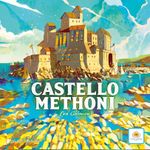
welcome to the jungle cams impressions vlog as you can see I'll be covering four games today and I'll be going through them in alphabetical order now I do want to mention that if you would prefer to listen to this video instead of watch it on YouTube that you can do so by looking for the junkets games podcast where ever you normally listen to podcasts now Before we jump into talking about games I would like to ask that if you enjoy this video that you please click the like button for it down below as well as the subscribe button for the channel also if you would like to directly support the channel and the creation of future vlogs like this one then please go to junkets Gamescom slash support there you'll find a bunch of ways that you can really help things out and some of them come with cool perks like voting on a couple of the videos that I fell me to one of them alright let's now start talking about games and the first one of these is Castello muthoni now this one was published by mandu games at Essen last year and the designer of this game is Leo Kolev Eenie now he designed a game called Mason's that was published back in 2006 so a long time ago and from what I understand that there are some connections between Mason's and Castella muthoni now I don't know much about Mason's beyond that it has some slightly different components and you roll dice in that game or has in castelló muthoni there is no dice but there are carts now speaking of that let's talk a little bit about how the game plays before I discuss my two plays of it now in this game you are trying to take over territory in the middle of the table and there is a map with a bunch of triangular regions on it now on your turn you're gonna take a couple of actions and the main thing that you do is you discard a card from your hand that has terrain on it and you then put a wall down on the line between two triangles on the map or one of the two
triangles matches the terrain of the card that you just discarded now once you put that wall down you put a little cube I think it's a house of your color on one side of the wall in one of the triangles and then you take a cube from one of your neighboring opponents and you put that down on the other side of the wall so right from the get-go this is actually the reason why I was interested in this game I love it too when when you're playing games the actions that you do and the things that help you out also help out your opponents now in general your opponents are never going to be sad about having their houses put down onto the map so that means your opponent could take their turn and to put your house down which actually helps you out now once you place walls down so that they enclose an area essentially the walls all touch each other then you have to essentially buy that area now the way this works is you have to spend money to the bank for the terrain but you also have to give money to each opponent for each one of their houses that they have in that area so my putting opponents houses down into spots where you actually want to enclose those spots you have to pay them money and every single money in this game is worth one point at the end of the game so you are giving points to enclose these areas but the areas are worth points to you at the end of the game usually more than the money that you are spending well definitely more when you are buying the plots now the game gets really interesting when it comes to completing areas adjacent to previously complete areas now what happens is you complete that area like normal you pay the bank for the land and the people for their houses and then you have the chance to annex the adjacent complete area now when you do this you have to pay just
the person who controls that area who bought that area and you pay them not only for the land underneath in that spot but also for every single house and villa in that area regardless of whose colors those are so that means if my house is put down into an area that someone to my left is going to enclose up and then somebody else annexes that then that person who made that area with my house gets paid for my house you only get paid for your stuff when you actually buy the land from the game and to not annex it from your opponents now I mentioned villas because every time three houses of the same color are within a domain they turn into a villa and instead of spending three money for those three houses you have to spend five money for that villa so what this means is this is a wacky game of area acquisition and control because you are constantly playing cards out to play walls out to buy areas and annex pots from each other and you are just throwing money back and forth now one key thing about this game is that there is a closed economy for money you deal out all of the money at the start of the game except for a couple off to the side and then a few on the board that incentivize people to go to specific spots now what that means is at the start of the game everybody has some money but if you do some stuff and then somebody annexes your area and they give you a bunch of money and then maybe that happens again suddenly you have a ton of money which means you could annex a gigantic area on the board but if you do that then maybe you're spending like eighteen money and you're giving that to an opponent and in my experience it seems like winning scores in this game are like 50 or so so the idea of giving that amount of points to somebody else is really fascinating although you would
only do that if you are obviously gonna make more points for holding the area now I'm trying not to go into all of the nitty-gritty specifics about how many points this is worth and how much money that costs overall but I'm sure you can get the idea now that this is a really wacky game and it what it the kind of game state that it gives the players is a feeling of impermanence for sure it's a very tactical game but also just some really interesting moments where you're trying to figure out which opponent to help and then when you're trying to figure out if you want to buy things you have to decide is it worth it to you now when you annex a region from an opponent you don't pay anything to them for the stuff in there that's your color and this is a really interesting wrinkle because it means if I put some houses out or some of my houses go down and somebody else buys that area and then it gets an extent 1/9 then my stuff is still in at that area and if somebody else annexes it then they have to pay the controller for my stuff but if I try to annex it I have a discount because I don't pay for my stuff so that means if somebody is leveraging the fact that one of their opponents has a bunch of their stuff in their area that's fine until that opponent decides they want to buy that area and it's gonna be much more cost effective for them considering they don't have to spend the extra coins and coins our money so that's kind of a general idea of how the game plays and some of my feelings on it and now I'd like to talk about my two plays now this game plays up to five players and I've actually only played it at five players which is a little bit unusual usually when a euro style game plays up to five I usually try to play it at three or four instead but the two opportunities that I've had to play this
one had five people now I'm happy to say that the game seems to work out pretty well at five because I am really enjoying this game after two plays now that I have some more nuanced opinions about this so I'll get into in a second but something kind of interesting happened between the two games in the first game it was a first play for literally everyone and based off of the people that were in that game it seems like there was a lot of kind of random decisions happening I mean people weren't playing poorly but they were kind of going for this and going for that and really not focusing in on any specific thing and the board ended in a really funky way like we had walls all over the place if sized terrain in lots of different areas now out on the map there are these spots called at markets that again I don't want to go into the specifics of but they are good you want to control these markets and in that first game people kind of went after the markets but not super they were kind of doing other things just trying to make big areas but then in the second play of this game which again was five players people were all about those markets there was so much focus on controlling those markets early in the game and the markets are on the outside of the map so what ended up happening is we all went hard to make markets and then we of course grew next to the markets and annexed markets away from each other because it's good to control markets and then we also kind of built around the outside of the map a lot in that second game so when the dust settled at the end of that game the map looked totally different which was kind of interesting to me and I didn't mention it but the game ends once all of the walls are removed from the supply at any one point in the game so it was fascinating to see two five player games
with very different endgame states the middle part of the map and that second game was almost untouched we just went so hard around the outside which obviously I think used more of the walls and there were some really inefficient domains in that second game so I think that things have gone could have gone slightly differently with somebody doing a slightly different thing to cause an annexation to rip a bunch of walls off of the map because I didn't mention this but when you annex you actually remove all of the walls that are on the inside of that area so at this point I am really curious to keep on playing this game in general I don't actually like area majority acquisition control type of games I'm more into you know engine building an indirect player conflict but the way this game makes you feel like you get stuff when it's not your turn and also if somebody annexes your area away from you well sure they probably are giving you more less points and then you just lost for that area but now you have so much money in front of you that you can look out and annex somebody else's so there is almost this like a hot potato game with a pile of money that kind of happens throughout the game we're at the start the money is diffuse and then it starts to clump up a little bit into this bigger bigger clump and then at the end of the game somebody is probably gonna have a ton of money in front of them like 30 or 35 money but then almost know a territory out on the board and the question is are they gonna be okay like are they actually gonna win with the not much territory but a ton of points in their money on in our first game the person who came in second had essentially zero map conquest but they
had so much money that they actually ended up being a second place which was kind of peculiar and interesting and fun for me all around I think that this game does some really neat ideas I really want to try this one at lower player accounts though specifically I think four might be a little bit better you actually play with less walls so there is a adjustment for that overall but there's a bit of downtime I suppose in a five player game it takes a while to come all the way back around to you even though the turns themselves aren't at that slow overall that's just a lot of people fortunately things could happen like having your houses put out in the map before you actually take your first turn which is definitely a really neat idea so yeah I am happy to have this game this is technically the only game that I bought from Essen I did not go to Essen Germany this last year but I had some FOMO fear of missing out and so I used the cardboard Caravan through I think BoardGameGeek to order this one specific game out of all of the rest of them I don't know for some reason this one really called to me and it was not necessarily cheap so I am glad that I am enjoying it and finding it so peculiar weird and fun considering I did spend a decent amount of money on it so yeah I am planning on playing this one several more times each of my to five player games came in at about an hour maybe a little bit over that so when I think about potentially playing this with three or four players that will be an even quicker overall game for a wacky experience and yeah I think that's gonna wrap up all my thoughts on that one well let's now move on to the second game and that one is Coloma now this is a recently published game I'm not sure exactly when it was funded through
Kickstarter and a friend of mine back to on Kickstarter and brought their copy to game night in this last week they asked if people wanted to play it and I said yes I do for one specific silly reason and that's because I knew that in the middle of the board on the table there is a cardboard piece with magnets inside the cardboard and another piece of cardboard with magnets that kind of stick together in a really cool dial sort of way I didn't really know anything else about the game beyond the fact that it had magnets and pieces of cardboard that stuck to the board that was enough so we ended up playing a five player game of this it actually plays up to six and normally we would be reticent to play a five-letter game for the first time for everyone however this is a simultaneous decision type game now the way it works is on your turn or I guess on everyone's turn at the same time everyone's gonna pick up this dial and it has one two three four and five written hinds with a another piece of cardboard in front now you're gonna set the cardboard to show just one number and that is the location that you want to activate for that turn now in the middle of the table with the aforementioned magnetic cardboard there is this wheel of five different action spaces now once everybody has made their decision you flip them over and you put your worker Pioneer person onto the spot that you wanted to activate and then you check to see if any one spot has more of those workers than any of the other five spots if that's the case then you take the little magnetic piece of cardboard and you flip it over to the area that had the most people because that is a blocking tile now on it the actions in the middle of the table there are two
actions that you are going to be wanting to take but that little top magnet blocker is going to block one of those so what that means is if you decide to do the action that most of the people decide to do in that turn then you will only get one of the two potential things that you could have done so you are certainly incentivized to try and to go and activate areas that you think other people won't go to and of course everybody is simultaneously making this decision now when it comes to what you're actually doing with these actions it's relatively basic tableau building stuff but basic actually sounds kind of negative I don't mean that it's as simple that's a better word now there are spots that just give you resources like give you money give you gold that you can certainly use there are other spots that let you play cards out from your hand into a tableau area now a nice thing about this game is the fact that every single card in your hand has the same exact cost that simplifies things but they all do different things and the I guess every card has two costs technically again the action spots have two potential areas and there's a different cost for each if you would spend gold or money but I'm trying not to go into the specifics too much so when you go to that spot you play these cards out and now in the future whenever you activate that specific one out of the five actions if that action matches the number of the card that you just put in your tableau you get the extra activations of the stuff on that card the card that you played also will always give you I believe it was six victory points and obviously victory points are good so what that means is you are trying to get resources and then you're spending resources on other spots
to build out cards in your tableau there's another location where you can move a caravan on a map and this map will give you access to a whole bunch of resources primarily little workers little pioneers that you could use for the last mechanic that I should probably mention which is a shootout without loss now the structure of this game is you're gonna play through three overall years and within each year you're going to do five of these actions so you're going to do 15 actions in the whole game now at the end of each year you have to check to see if there is and if there is more of the player a little pioneers on the outlaw spot than the actual outlaws now outlaws are gonna show up when people take these barrel tokens which give them bonuses and again I'm not going into the specifics but if you collectively defeat The Outlaws then the person who helped the most is gonna get a really big bonus and second and third gets tough and if somebody did nothing they actually have one of their little people died and that's gonna be negative points now if everyone collectively loses to the outlaws well the person who helped the most still gets tough and the person who helped the second most still gets tough but it's less and then it's more punitive for the third fourth etc people so you are certainly trying to keep that in mind while you are trying to do all of these other things and I was really impressed with this game I wasn't super sure about it once we finished the rules and started playing but I really enjoyed the ancient building aspect of this game when it came to putting those cards out in front of you I believe everyone has the same exact a deck of cards I can't remember exactly how many cards it was actually no I think it was 16 but either way there was a decent number of cards in that deck and being able to add on
extra actions to the actions you're trying to do in the middle of the table can make these ultra actions and the game has 15 moments essentially where you are you know inhaling and holding your breath as you put your person down hoping that the majority people don't go and activate the spot that you went to those are obviously fun I really enjoy that idea and the overall execution worked really well I think our five player game ended up take about an hour and a half and if we played with six players it probably would have taken about the same amount of time because in general not only are you making these decisions simultaneously but you can also perform the actions simultaneously there's technically a first player and for a couple of the actions going in order matters but that's like 10% of the actions or 20% of the actions so the vast majority of this game happens fully simultaneously as people are doing all of their own things now there can be some serious combos that you can pull off especially when you consider some of the bonuses that you have and some of the barrels out on the board and one on and one really cool thing that I'd love is the fact that some of the cards that you play out into your tableau give you a benefit if the action that you activate has the blocking symbol on it so normally you would think Oh blocking symbol always bad but no not in Coloma if you play out certain cards you might want people to all go over there because you don't want the regular secondary action you want to that blocking symbol to activate the card that you have in front of you to actually do some other cool stuff so the fact that the game turns its main penalty into a bonus for people potentially anyway is such a neat
idea overall so yeah I am looking forward to playing this game more I obviously don't have a copy of it in my collection but a friend of mine does I enjoy simultaneous action games I enjoy overall tableau building I enjoy pretty much everything about this game it's possible there are some things that I will grow to dislike if I play it some more but as far as an initial impression is concerned with this first play I really enjoyed it so hopefully I will have many more opportunities to try this one in the future all right let's now move on to the third game I'll be discussing today and that one is sabotage now I actually play this one right after I played Coloma at the same game 9 interestingly enough now this is a game that I backed on Kickstarter and I've had my Kickstarter copy for months at this point I don't remember exactly when it was shipped out to me I don't know maybe like 5 months ago or something like that and I've been interested in trying it all along but I finally was able to make that happen now this is a fascinating game because it only plays exactly 4 players I guess you can I think played 2 players against an app driven AI but I don't know the details of that now in this game two players are spies and two players are villains this is an asymmetric secret movement programming style game so what happens is these spy players are trying to infiltrate the villains lair and they are trying to deactivate their doomsday machines conversely the villains over there are just trying to hurt the spies trying to damage them enough times to get to their winning condition to slow the spies down so that their doomsday machine can go off and they're gonna win now mechanically the way this game works
is the actual box for the game unfolds into this massive screen down the middle of the table that kind of reminded me of captain sonar and then on each side of the screen there is an identical map of the lair now this layer is not big it's a four by four grid and each person is gonna put their own figure down onto the map wherever they are and as you are playing through the game you're gonna be moving your figures around the map and also trying to use various abilities that you have to try and to deduce where your opponents are so for the villains that they are trying to use motion detectors to find the spies and for the spies we are doing scans that try to find the villains now interestingly enough the villains when they motion detected they can do it anywhere in their lair because obviously it's their lair but as these spies whenever you scan you are going to essentially ask the villains is anybody in the row column or quadrant that spy is in so obviously that gives information to the spy but it also gives information to the villains because they know that that spy is in that row column or quadrant now that asymmetry is really interesting overall and it actually means that as the spies it can be really tricky to move because the main way that you move in this game it has a spy is you have to move and then you are forced to scan so you are constantly trying to figure out how you can out maneuver your opponents mentally as they're trying to figure that out and I say opponents because if you haven't figured it out just yet I played as the spies in this game so the way the mechanically the rounds actually work is each of the players on both sides have this stack of different action titles and you are going to
program exactly what you want to do with these tiles they might be moved they might be thermo they might be a hack which is the main way that the spies disable those doomsday machines and you have to program all this out and many in fact most of these actions require dice now at the start of every round one players gonna roll all of their dice and that every other player matches their dice to that so you know exactly what the options are for your opponents and for your partner and then you use those dice to activate the various actions now interestingly enough you can give the opposing side these cheat sheets that show you everything that you can do so as you're trying to figure out what you want to do on your turn you are also looking over there and you're like okay you know this role it was like a 1 1 2 5 so I look over there and like what can the opponents do or maybe it's 1 1 2 3 well 5 is the main way that the villains can actually hurt the spies at least at the start of the game so you're like okay I think we're safe they can't activate their stun gun so we don't have to worry about them hitting us so let's kind of move around with impunity and not worry about it and hope that we don't roll fives next round except the way that the spies win is by hacking those doomsday machines and the hack action also requires 5s now there is a little wrinkle to this in that the players that started the game with a couple modify cubes and those can add one or subtract one to the dice that you activate now interestingly enough as you progress along with your victory condition again with the spies hacking doomsday machines and the villains damaging the spies every time you move towards your victory condition you give the opposing team another modify cube so that means the
better you are doing the more ability the opponent's have to actually modify the dice to get up to the things that they specifically need so it's harder and harder to track exactly what they can do because you actually don't know if they're actually using those cubes so in this game we actually ended up winning as the spies and it was relatively close overall at the beginning that it was a little bit clunky if I'm being honest it was a first play for everyone I had read the rules like one or two days prior and it probably took us like 45 minutes or maybe 15 minutes to actually get started not because there are so many rules but because I was having a rough time actually teaching through all of these rules the game itself actually flows quite smoothly once you understand it the next time I play it I will likely be able to teach the whole thing in like 15 or 20 minutes but either way as we started playing the game we had a strange dry spell actually where for the first essentially four roles we didn't get anything over I think a three and as I mentioned the tax for both players effectively activate on a five so there was a lot of like posturing for the first few turns of the game and not really much happening as we're kind of going over here and going over there and I'm not gonna go into the specifics of it but each side also has an asymmetric way to unlock new actions so I think we were both sides were prioritizing on getting lots of unlocks to get new actions that would let us do a variety of other things for instance I got an action called tunneling which lets me move through the walls now an interesting part of the deduction of this game is from the perspective of the villains but well I guess both players but from the perspective of the villains in this case they were having trouble
figuring out where I was because I was doing these illegal things you know I was you know seemingly over here and next turn I was over there and they're like how could they figure that out and my opponents weren't intense it took them about a turn to figure it out but they had to look to the cheat sheet and be like okay it looks like John has tunneling because that is the only conceivable way that John could actually figure that out now once they knew that well now they know what I can do and now I have to play around that but there was like a turn or two there where they didn't understand that I was tunneling and I got a pretty good advantage there we got some hacks and on the doomsday machines now I think part of the miss on that for them and for everyone really was feeling unfamiliar with the game because it has some funky ideas and things that you're trying to think about as you're crunching all of this stuff now we actually seem to be getting into a really high lead as the spies we got a lot of the doomsday hacks in before we got damaged even once but then at the very end of the game essentially the last round there was a coin flip where our opponents the villains the way they programmed they weren't sure where I was and they thought it was one thing and then when the actual turn happened they missed and if they had hit then that actually would have been enough to put us into sudden death where either side would have won once they hit their condition one more time so it seemed like we had a big lead and sure they didn't need to get a couple more hits in when the game was over but it was closer than it looked overall and it seems like everyone enjoyed it again it was a little rough and I apologize for that because of the teach and the start overall but I'm looking forward to playing this one more because it's got
some really neat ideas and I think the play experience will be more fun and smooth time because I fully understand how all of this stuff works the first time teaching it's like okay I understand I understand this but then you're like okay how do we unlock unlock Singh unlocking is different for this and that there's just a lot of this and that kind of thing it's like going back to the rule book the rule book was fine overall I think it's not very long but it's got big pages full of text so yeah this was a good initial impression I'm glad I have the game it's certainly an unusual gaming experience and for that reason alone I'm hoping to play this one at least a few more times to see if my enjoyment of this one is because I actually like the game or if it's just a novelty factor because the game it does feel so different all right it's now time for the final game I'll be discussing today and that one is sorceress City now I want to start this off by saying that I did do a paid sponsored tutorial and playthrough for this game that went along with the Kickstarter campaign now obviously they did not pay me for this impressions but they did ask me if I wanted a copy of the game to play and to cover my impressions for and I said sure so take everything I'm saying with a grain of salt because I was paid to make content for this game and I have been paid by this publisher to do content for several of their games but either way I have played it once and I want to talk about my impressions so keep all of that in mind now the way this game works is every single round each player is going to simultaneously and in real time build out a city with their tiles so this is essentially a deck building tiling real time game now at the start of the game everybody has I believe an identical
stack of tiles and when you build out your city you just put tiles addition to each other they are all square and you only have I think it's about a minute I can't member exactly how much time it is but you don't have a ton of time to build this out now at the start of the game you have more than enough time the deck is not that big and you're trying to put these down so that you're matching colored regions into large different shapes specifically so that those shapes match the goals on the tiles that you place now certain tiles don't have goals at all and other ones have that little shield then is going to give you the different resources in the game sometimes we want it along a straight area of that specific color other times you just want large amorphous areas that will give you a lot of at the specific resource based off of what color that is now at the starting end of the game you have more than time to actually build out your city you don't have that many tiles in your deck so you can build this thing out and then everyone will simultaneously score their city and they will be picking up various things alike influence magic gold and I believe yeah victory points or I think it's called influence now the game has this interesting thing where the magic is actually a wild resource once everyone has scored their city you then simultaneously select a card that tells everyone else what all of your magic is going to turn into whether or not that is going to be the influence the gold or the victory points so you have to figure out what people are gonna do because the person with the most influence at the end of the round is going to get extra perks and they will also get first shot at buying some new tiles that they can put into their deck so that's gonna be
the flow of the round you're going to be building your city then you're scoring your city then you're getting some bonuses and adding tiles now when you add tiles you have to spend the gold that you have so obviously building out your city to get a lot of gold is a good idea but in addition to buying tiles into your deck you also have to put monsters into your deck now at the start of each game you are going to randomly pull out a couple of different monsters a one for each one of the rounds that you're playing and each monster does something different sometimes they actually kind of help things out but they vary the gameplay to certain extents now you randomly put that into your overall deck and as you get deeper and deeper into the game that deck of tiles gets thicker and thicker but the overall amount of time that you have to build it at your city remains constant so an early game it's easy to build your whole city but late-game you might find yourself really going fast to get through all of these tiles and then at the worst possible moment you might pull out a monster that will force you to cover up a good tile for you or discard a couple tiles from the board and put it back into your deck or do a wide variety of things now I say that as a negative but though in the game that we played we did have a monster that discarded tiles and that actually gave us a new tactical thing to consider if we'd build things out that wasn't kind of working you could place out that monster to discard a couple back into your deck and restart and have another go at it but of course thinking about what tiles to take and how that's gonna help you is gonna take time and time is very precious now I've only played this game it with the final version once overall and it was a three player game nicly this game plays up to six players I believe because the vast majority of
the game does happen simultaneous now in our three player game we had essentially a complete blowout one of my friends won by an enormous margin and in our defense this is my friend Nick and he wins a lot of games he wins more often than he really should he's a smart guy a great guy too but he felt a little bit weird near the end of the game because the deck that he was able to build and the city that he was able to create in front of him was just enormous in its scoring potential with the tracks that you score you actually cap out at 60 for each of those things and in the last round and I think the second-to-last round he was capping out a couple of these tracks just getting an amazing amount of different resources which really helped him catapult up into easily winning the game now II's aliyah lost the game I came dead last and I think that's because I did not make particularly good that combined decisions and I also think I had some unfortunate luck with a couple of the rounds especially late-game a couple rounds I had several cards or tiles in my deck that I didn't get out because I ran out of time and that's because like the specific monsters that kind of messed things up and it caused me to act to think extra came out at really inopportune times in addition to that my opponents were both able to kill off several of their monsters from their decks so their decks had less monsters which means they had more tiles that were good for them compared to me where I was just muscling through mentally trying to figure out what I should do with these exact moments and and a couple of those rounds
some of the really high-scoring shields in my deck were down at the bottom of the deck and they didn't actually make it out onto the field so the overall experience I think was like maybe 45 or 50 minutes so it wasn't very long and I think in general I enjoyed it and my opponents enjoyed it as well but I don't think it necessarily blew any of us away my friend who won Nick while I say I think he enjoyed it he also felt like what he was doing was was like crazy powerful and he didn't feel like he was playing the game that much better than the rest of us and he pointed out that the way he constructed his deck meant that he kind of built a very similar city each one of the round he had gone really hard on I think it's a couple of the specific colors in the deck construction and the way the scoring worked he just found himself putting these tiles out and kind of building very similar combinations in that city obviously he did not build the exact same city each time because you have to shuffle up your deck but it felt to him like the different ways his cities kind of was created did not feel all that different from one round to the next especially near the end of the game I think part of that is because he and another one of my opponents was able to get rid of most of their monsters and those monsters can really be a wrench in your plans to force you to do different things with your overall city and I think par the reason I came dead last is because of well having so many monsters in my deck and not taking care of them not trying to get rid of them and also just you know obviously having to deal with the ramifications of what they did to my city so at this point I I think
I'd like to play this game again I don't think I am crazy excited to play it again because that experience that first experience anyway was a little bit strange of being completely blown out like that but I am intrigued by the overall ideas of it I think it could be fun to play this with more players although you're gonna need a very big table as you are building out all of these cities in front of you so for the moment it's staying in my collection I'm hoping to have more opportunities to give this one a try even though the first play for all of us went fine but didn't necessarily blow our socks off well at this point we've reached the end of this impressions vlog currently I have discussed all of the new games that I've played but it's very likely that I'll have another impressions vlog coming out somewhat soon because I'm gonna be in some opportunities to play a bunch of new games relatively soon so I definitely keep your eyes out for that I'm not sure what games those are specifically going to be but yeah another impressions vlog is likely can I come out in the next week or so so at this point I think that's gonna wrap up this vlog as always I'd like to thank everyone who's been supporting this channel including all of these producers level patreon backers if you too would like to directly support the channel and the creation of videos like this one then please go to junkets Gamescom slash support to see a variety of ways with which you can do that also if you enjoyed this video please click the like button down below as well as the subscribe button for the channel thanks for watching