From Keymaster to PickPocket Games: An Interview with Cameron Art - TCbH Podcast
Games in This Video
4 games are featured in this video — they unlock as you watch.

Transcript
Hello and welcome to the Cardboard Herald podcast where we talk with creative gamers and game creators. I am your host Eric joined this week by Cameron Art, CEO and owner of Pigpocket Games as well as developer on Harvest which is uh you know that we have kind of become Harvest Podcast at this point in in some ways. So, let me tell you, I'm not disappointed about it. Well, welcome in. How are you doing today? I'm doing great. Thank you for having me. How are you doing? I'm doing pretty well. It's nice. It's beautiful sunny day here in DC and nothing is going wrong. Everything is totally okay here and we're just not going to go outside and we are going to just record this podcast and ignore the rest of the world.
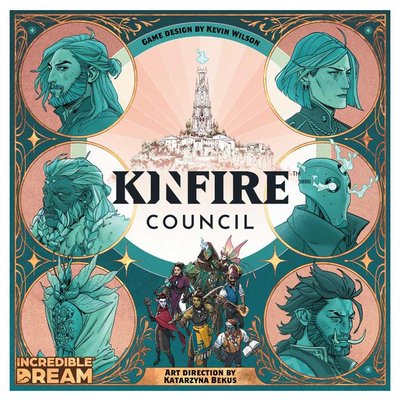
Uh is where we're at. Um but uh yeah, things things are good here. Um we're going to start off with the question we start off every week, which is what have you played this week? I'm ready. I brought I'm ready. I came prepared. We've been playing a lot of Kinfire Council, which I know y'all reviewed and thought I'd loved watching that review. It's such an interesting I bought this kind of totally blind, not knowing what I was getting into. I saw it at Gen Con. I had not played any of the Kinfire games before. Um, but just I had seen them and really loved the art direction that like drew me into their brand. Uh, and just saw it at Gen Con and was like, let's just take a chance. The owners were there and talking about the game and they were lovely. And, uh, yeah. So, we played that a little earlier this week.
Man, oh man, I'm intrigued by this game. I've only played it once and I'm just so ready to play it so many more times. the whole like almost traderesque mechanic going on of like do I want to commit to the cult or not and win is just so interesting to me. It felt very overwhelming on the first play, but I'm like so excited to dive in more. So that's been really I'm also I haven't started my journey into the Kinfire Zeitgeist. Jack Jack got the review copy of Delve and then Council. Uh, and I was I was tempted to pick it up, but I I I was making a point to not come home with too many games from Gen Con. I learned my lesson at packs. I came home with way too many games and then uh which I mean I feel like that's always that's the you know that's what you do at that's what you do at cons.
There's a stack back there. You can't see it. Don't worry about it. But I did pick up I you can kind of just see barely the box right there. That is the box for Kinfire. Uh, Delve. Yeah, that's one of them. I got Delve as well. I I played that in the airport while I was waiting for my flight actually after Jen. I really enjoyed that, too. That was great. I need to I need to get get to it. That is not what I've played this week. Uh, that is not on the list of games I played this week. Um, but uh yeah, I I'm excited. I I think I'm going to get Kenfire Council at some point in the near future cuz it it does just seem like especially after uh chatting with Jack a bit about it. It does seem like it would be a game that's super up super up everybody's alley, but my alley in particular. Um it's intriguing. Like I just and I love games like that where I walk away from a first play not really necessarily feeling like I understand the game yet, but I'm so intrigued that I want to come back for more. you don't get a lot of it. Like I'm like I don't know how I'm supposed to be playing this. I don't know where where the points necessarily are and how should I commit or should I commit to this whole like kind of rebelling option here. Um but I'm yeah I'm intrigued and I love walking away from a game just like oh I need to play that again because there's so much more there to discover that I just didn't I barely scratched the surface of. So absolutely. Uh anything else you got played this week? I got that one. And then I've also been playing uh Pillars of Fate. Played that with my wife just
recently. I played that this week as well. I I want to hear your thoughts. I love this game so much. I love lane battlers in general. I've been trying to design a lane battler for the better part of like three or four years. And I keep shelving it and coming back to it and shelving it and coming back to it. And this is one of those like I love it and I hate it at the same time because I'm just like, well, I don't think I'm going to design one as good as this. Like I just don't think it's going to happen. I really enjoyed this. It's so clever. Good. It's such a clever kind of use of the veiled fate. Yeah. Like voting mechanism. Um yeah, it's just really really clever and interesting and very Mhm. leans into play off the other player as much as you can, which I think is awesome.
I think it does so many things in such smart ways. I think that having one card per lane face down is I a surprisingly huge breath of fresh air for a lane battler, especially for what they're going for where it's like a it's meant to be like you can't know exactly what your opponent is going to be trying to do in each other. Very much you're trying to play off of the person just as much as you are playing off of cards. Like big chef's kiss on that one. You get one three special cards and you got to use one per round. You have to use one per round is always like I love that too. And there's like so much replayability in those. It's like 30 of them in there and you only use six in a game. Yeah. And they all are kind of gamebreaking in different way.
Well, and also the I pick one and pass the other two to your opponent. That's fantastic. So much fantastic. It's just brilliant. Yeah. Uh very I'm I'm also a very big fan of that game. Uh I got to play that this week. I got to play some of the the other two IV Studio uh smallbox games that they had at Gen Con. Um Graph is great. Graph is just like a really it's it's like I don't even want to say it's like one layer past Sushi Go, but it's just like it's in the same realm of like oh this is just a really solid card drafting tableau builder. Uh, I think the fact that you the the push your luck works really well with the card drafting. Um, yeah, that's fantastic.
I mean, I'm all over card drafting. So, and Ivy Studio just the the production value is so good. Like it's it's weird as somebody in the industry and a publisher to both like simultaneously love and hate another studio to just be like you guys are just crushing things at a level that I aspire to and it feels like you just keep crushing with every single one that you come out with. No stumbles so far. Um I have no notes on any game of theirs I've ever played. Like I'm just like this is fantastic and the production is astounding and the art direction is incredible. like yeah they they really know what they're doing. They got a great team. So speaking speaking of neat production, another game that I got played this week is uh Marsh Hollow, which is it's a game coming to Kickstarter, self-published.
Uh but it's it has done something that I don't think I've seen another role in right do, which is you like are placing Tetrisized blocks trying to like put out fires. You're you play as a marshmallow family that's trying to stop a fire that's killing other marshmallows. is the theme. Um, is it is it cutesy and fun or is it like kind of dark? Uh, it's cutesy and fun. It's cutesy and fun. There's there's some like dark undertones where you're like, oh, that's clearly like a very cutesy theme pasted on, oh, there are cultists that their goal is to burn all of us down. There are other cultist marshmallows that are trying to burn the forest down. I'm intrigued just on theme alone. But the the thing that I just was just like I never thought how useful this would be. the cards that they have that are just like, "Oh, you're choosing between these two like Tetris shape style things, uh, are transparent and you just put them so you can put them on your board and be like, oh, I can rotate it, flip it, see how it actually fits, which is like uh for before you then write for people who are like, yeah, for people who are not very like uh uh spatially gifted, it is a huge boon of like, oh, this is the ways that I can put this on board.
That's really clever, actually. So, I got that played and it's cooperative, so you all as a group are like trying to put out the fires on your own board, but collectively trying to put out enough fire that the entire force doesn't burn down. Um, really cool. Uh, I need to get it played a bit more. Really, really cool. That was my my first play of it. But I think that it was uh I just thought that was such a neat production trick that I just was like, "Oh, that's I just I am not very spatially gifted." So, it was a very big boost for me uh to be able to just go, "Oh, cool. Taking this. Oh, cool. This is how I want to put it." I I love spatial puzzle games and my I know exactly what you're saying of like my brain just works that way. But it's it feels like spatial puzzle in particular is like your brain works that way or it doesn't and there's no in between.
Like I love spatial puzzle games, but there's a good chunk of people in my group that their brains just don't work that way. They're just like uninterested in most of them because it's just it it hurts more than is fun for them to play those kinds of things. But something like that sounds really really interesting of like how do you make some an element of spatial puzzle in a game more accessible is is really that's really clever. So I'll check it out. Yeah, it has a few it has a few other things. I mean it is like a cooperative role in right which I have also just been like oh that's a fun little play on it. But uh I need to play it more before I have like a more like bigger grasp of it because uh we played it uh I played it with a person who had played it already and we just we did great. Uh and there are ways to up the difficulty if we were playing on like the easy mode, but uh it was very much a oh we we crushed this. We had no problems whatsoever.
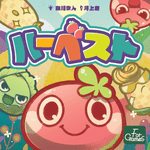
U so I want to try it out on some of the higher difficulties to see how it how it plays. But um yeah, that's those are like the two games I got played this week or well the the Ivy Studio games and then March Hollow. Um but yeah um thank you for coming on to the podcast. For sure. Absolutely. I'm so excited. Well, and one of the reasons we brought you on is we we had posted I was like Jack and I were going to do a podcast about game balance and I was like, well, let me just think of like what game do I think would be really fun to talk about in this context and I we talk about Harvest a lot on the podcast, so like I probably could have chosen something different, but I was like this is a game where there is just like there is a fair amount of asymmetry.
There is a fair amount of uh things that change every round. And so like is let's figure out that that was a good game to like talk about as a base. Uh and you left a comment on our post when we were saying like, "Hey, anybody have any questions? Please comment on this where you talked about how you and the devs team spent so much time play testing and pulling the levers of asymmetry um for Harvest." and I was like, "Oh, oh, that's great. We have a subject matter expert in the in the comments. This is amazing." Um, so on specifically one game, but yes. Yes. I think with, you know, we I think it's best for us to get the discussion of Harvest just on the table first and then we can move past it to talk about everything else. So, would you mind talking about what the development of Harvest looked like?
Yeah, absolutely. I I am always happy to talk about Harvest. I love that game so much. It is of any game I've worked on, the game I have played the most after I finished working on it. Like I still love playing that game. I just got my expansion in last week and have gotten it to the table already a couple times. Um yeah, so I I'm always excited to talk about Harvest because I I love playing that game. Like it's one of my favorite games I've worked on to still play now, which is not always the case for games. Like you spend so much time working on them that like by the time it comes out, you can get to a place where it feels like you've had your fill of it at this point because I've been playing it non-stop for six months, right? Yeah. But so both that and also just I love the the process of working on that game.
So uh I used to work at Key Master. I still occasionally help out with some things there. Um, I was primarily serving as a developer for them. They had brought up uh Harvest from TMG, as you all know, had been out of print for a long time. They really, really loved kind of the core worker placement mechanics going on in there, a lot of the farming mechanics that were going on in there. Uh, and reached out to Trey. This was before I had even known that we were even considering it. They reached out to Trey, the designer, and were like, "Hey, you have the rights to this. we'd love to talk about kind of taking a fresh pass at this game and seeing what it would look like to kind of bring it up to what we think it could be for for kind of today's standards. Yeah. Um so I think there were kind of two parts to that cycle. There was kind of a design phase of that cycle and a development phase of that cycle. I was not as involved in the design phase which was largely uh Trey and one of the owners, CEO, creative director does a lot of different things, juggles a lot of things. Uh Maddox Scheler um working through like what is what would this look like? Where do we think we could improve this and kind of redesign a lot of the core systems um not trying to change them per se, but kind of new takes on a lot of those systems um and expand it out a little bit. Uh, I was a little bit involved in that. I kind of jumped into plays as that was happening to give feedback and just be like, I'm really liking where this is landing or like, hey, maybe we're pulling too far away
from the original here. Let's like pull back a little bit. But for the most part, I came in and helped out a lot more when we got to a phase where core systems were very locked in and it was much more about how are we balancing? We knew we wanted asymmetric player powers. Um, we knew we wanted kind of asymmetric income abilities. and a lot of other stuff. There's a lot of different buildings in that game. There's a lot of uh gin tiles that go into the farmers market section that change from round to round. And it was like trying to find what is the baseline to build around for each of those different things. And then making sure there weren't ridiculous broken combos between each of the different things. So, um like the two biggest pieces of asymmetry there were the characters and your farmhouse income which you're getting every single round. Um, so a lot of the play testing was not just how do we try and make sure these characters are balanced against one another, but how do we make sure that there aren't any overly broken or overly weak combinations of character plus farmhouse? Are there certain farmhouse incomes that are just naturally going to work better with certain characters to the extent that it would be unfair?
Yeah. Right. Exactly. Dramatically worse. Synergies are fun. Like it's fun when you're able to like figure it out, but I Yeah. going too far is probably, you know, a good thing. Those and I think those definitely exist um within the final version of the game. I think what we were trying to kind of lean more towards is there might be some farmhouse tiles that are not as good for a certain character. Um but that more of them are. So you're getting like the majority of those tiles are going to be good with your character. There might be a few that are less optimal and that's where we kind of encourage a little bit of a draft at the start where we're saying you should try and draft your ideal combo. Um, so it was a lot of that and it was a lot of trying to balance characters against one another. How do we make I don't even know how is there eight in there? There's a lot that ended up in the final one.
um characters that have really simple abilities that feel like they are pushing you maybe towards a certain strategy or in a certain direction but also all feel very unique and also all feel relatively on par with one another. That's a lot that's very very hard to do that. Um and a lot of that was just as much as we could trying to get down to the numbers of it. What's the What's the theoretical maximum of kind of bonus action value that each of these characters could get if you theoretically played it perfectly and nobody else was going to interfere with you? What's the theoretical most benefit you could get out of each of these? Um, and then just a bunch of play testing and just so so so so so many games of just gathering data and getting we were tracking points scored, number of buildings you built, uh, how many times you went to the different areas on the board, how many times you harvested, what different crops you harvested. It was just like trying to gather as much data as possible. Um, and then hopefully get to a point where we have enough data that we can start comparing the characters to each other.
Oh, this is like dramatically overperforming uh when it's combined with this farmhouse versus every other farmhouse that it's played with. This is going on average 20% more every time it's paired with this farmhouse tile or every time it's in a game with these characters. Like maybe we need to go in and look at that and make sure it's not a problem. Um, so that was a lot of the process and that that took a long time as I mentioned. It was it was probably 3 to six months somewhere in that range of uh play testing and refining weekly. Um, like Trey and I probably got in anywhere from two to five games at multiple different player counts every single week of that game. um not necessarily always being played by us, but um a mix of play testers and internal team members and different things like that. So, it was Yeah, it was it was a lot.
Yeah, I loved it. It was great and I'm really happy with where that game ended up. Um, but it was we we discovered very quickly how hard it was going to be to to balance all of those against each other. And I think we did a pretty good job of I I think I think that the game itself is a testament to how how much work went into it and I think how good of a job you did. I'll say at least I I think everybody everybody here at the Cardboard Herald podcast uh is is in agreement on that. Uh I hope so. Great. Or else we I don't quite know why you tune in each week if you don't if you disagree with us on harvest. Uh but I guess the harvest podcast. It's the harvest podcast. So we should you don't like it the cardboard the cardboard harvest. Uh with with the development of kind it does seem like you went through a lot of data. Was there anything that you were like was there any feedback you got where people's views disagreed with the data?
like people had said, "Oh, this feels really powerful." But you're like, "I am looking at the data and that is not and uh that still happens now." I'll say like there's a pretty active almost competitive scene for this game on BGA right now. Um that has found new strategies and things that we didn't even find uh in the original play testing of the game that are really interesting. Um I think even still now I don't work at Key Master anymore. Mhm. So, I'm not uh privy to the BGA data as much as I used to be. But even still now there's there's people that are like really really insistent that there are certain characters that are not good. Yeah. They're just like this is unplayable.
This is not even comparable to others. I vehemently disagree with them. Um I I think from the data that we have and that we've seen and from Yeah, the play test that we have of just like we've we have seen the potential of how high you can get in scores with every single character and every single character can get really high scores and they and continues to like BGA especially like those players continue to push the bounds of what we thought was possible could even be a theoretical maximum high score in the game. Um, we have to get we have to get machine learning in here to just try to get the maximum possible score. We need to find it. We need to It's interesting. Um, yeah, there there were often times there were several characters that I think uh people felt were really overpowered or really underpowered. Um, and in the long run we just the data didn't really support that as being the case.
I think there are certain characters. What's interesting about Harvest is um one of the levers we were able to kind of pull with is how difficult is the character to play. Also, there are certain characters that are just kind of easier to to play. They don't require as much careful foresight and planning. Um the mice in the new expansion, I don't know if you guys have messed around with expansion stuff yet. We we have not we I think it's on the way. Uh okay. The mice are a really good example of that. That was kind of my pitch to Trey and I'm I'm really happy with where they landed. But it was uh a character that's just really really hard. Yeah. And it it's it's overall on par and balance with the others, but it is just harder to play. It's a difficult character to use. Well, that character only has two workers instead of three.
Mhm. Um, but each of the workers has their own special benefit. And there's just like very little margin for error when you only have two workers instead of three compared to everybody. Like if you mess up on one of your placements, you can get yourself in trouble real quick because you just I have a third less actions than everybody else does. Opportunity cost is a lot higher. Yeah. Yeah. Um, so it's stuff like that. Like I think there are certain characters that tend to be viewed as like this is either underpowered or overpowered and a lot more of it is just this character is too hard to play or maybe this character is really easy and I don't feel like I'm getting enough out of it. Um but yeah, that's that's where we tried to get as much data as we could to rely on the data where we where we where we could, right?
Yeah. And make adjustments as we saw. There were definitely characters that were unbalanced when we were play testing it. Like there were ones that we tried that were just like nope. And there is no way to make this any weaker. Like we just have to toss this idea out because there's we can't can't make this work. I think there are eight final characters in that game and I think we probably tested like obviously different versions of those characters but also probably more like 15 to 20 different abilities were tried at at various different times that just didn't Yeah. did not make it well I mean that's what you do the testing for. Yeah. Yeah. Um, speaking of which, I think from from an outside perspective, uh, I do think that there's probably some confusion over, you know, like what is the difference between designing board games and developing board games. Um, and you at least on your BGG page have credits for both. Uh, and on your BG page, you obviously have a lot of credits developing for Key Master as well as, you know, with your uh, with Pickpocket Games in your re-release of Thieves Market, which we'll get into later, but um, just as a person who has done both and a person who I think at least in the amount of credits you have on your your page, what is the difference that you think is like how would you explain the difference between designing and development to somebody who is is maybe Yeah.
So, I I got some strong opinions about this. Uh, oh, great. Talking about this for way too long. I had somebody ask me basically this question at uh a bar at Gen Con and we sat there and talked about this for like 45 minutes. Um, I think there's a big difference between design and dev. I think part of the reason I feel so strongly about that is that I think I'm really good at dev and I think I'm really bad at design. I don't think I'm That's the difference. A talented designer. Um yeah, which one can I do? That's the difference. Um maybe solo design excluding. I love solo mode stuff, but um I think design I I think this Okay, I'll I'll start with why I think this is important. Why it's important that there's a difference. I think it's really important for publishers. I think publishers, they're businesses. There is a cash flow expectation of a business to stay afloat, which often means you need to stick to pretty regimented schedules of when you're going to be releasing things. And when you're committing a budget and a period of time towards making a new product, you need to know how long it's going to take.
And I think design takes a lot longer and is a lot more uncertain versus development, I think, can be a lot more regimented and strict. So I think that's one important piece. I'll get into why that is, but I think that's why it's so important that publishers understand and recognize the difference between the two. Yeah. Is because if you sign something on and you're saying, "Hey, we've developed games this weight and it takes us about 3 months. This will take us three months, but you really need to do design work on the thing and not development work on the thing. It's going to take a lot longer than that." Um, so I think that's why it's important you know the difference. I think design is a lot more kind of what it sounds like. It it's if you're doing any sort of building of new systems um beyond refining current systems that exist, you're kind of in design territory. Yeah. If if um like a lot of what I just talked about for Harvest, like none of that is really in the changing any core systems of the game. Like the worker placement and the board was all pretty locked in at that point. Mhm.
Um, the way my tend to harvest work, the way points work, how long the game was, like how buildings are structured, how clearing is structured, like all of that has been locked in for a while at that point. Yeah. Um, we're not changing, oh, this character doesn't work with how building works, so we need to change the rules for building. Like, we're not that's design work. That's not development work. Um, so it's it's a lot more what it sounds like. is like if there are any kind of core systems of the game in terms of just like how you play, how you take a turn that aren't done, I think you're in design territory. I think if you could not publish the game as a final game, even if it's not perfect yet, you're not into development territory yet. like Harvest.
I think we could have not done asymmetric characters at all and given everybody the same farmhouse income of just like two coins and published that game and it would it would have been able to be published because the core game was done. Yeah. It was playable and it was fun. Um we're not changing any core systems there where this game isn't playable. Mhm. Uh and that was similar like we can talk about these market is a similar thing there where um we did some redesign work but then pretty quickly got to a point where it was like okay everything is pretty locked in here and really what we're working on is card balancing and making sure things feel like they're on par with one another and the costs are right but otherwise we could publish this game as is. We don't need to we don't need to do development work on this. We could publish it as is and it is a really polished really good game. Um maybe not really polished. It's a really good game.
It was. It is. I I played the uh original release of it and so I'm excited to see what what the changes are for Pickpocket. Uh I think in my mind that's the big thing I think when you when a publisher is going to sign a game um the question we ask at least at Pickpocket is could we publish this as is? Um that's like the big thing that we're asking and that's going to dictate is the work that still needs to be done design work or development work. the games we signed so far, Thieves Market and Lodge, which is our next game. Um, we I think Thief's Market was in a place where it was like, no, I mean, we could just republish this thing, but what we want to do with this is a lot more than where it's at. There's some core systems here that we need to redesign. We knew there was design work on that. That game took a lot longer to get done. versus Lodge. We got out of the pitch meeting we had with that that's designed by Peter McFersonson who did Tiny Towns and we said we could publish this now.
Like this is so good and polished. We we being us and wanting to put our own touches on it. There's things that we think we could clean up. We could publish this as is. Like that's how locked these core systems and this gameplay is. Um and so for us it was like okay so that means we're in dev space here. We can have a pretty strict schedule about dev. Design is going to be who knows how long that's going to take. I think that's the other thing is like design is a lot of exploration. Yeah. A lot more nebulous. Doing a lot of like what if we try this? What if we try this? What if we try this? Dev is pretty clear what you're trying to do. Yeah. Dev for us was we're trying to balance asymmetric characters and we're trying to balance asymmetric incomes and we know roughly what we want the strength of those things to be. Mhm.
It's just testing and making sure stuff is working right. Yeah. Um design would have been what parts of this game could we add asymmetry to? Yeah. Let's try adding asymmetry to this part of the board or this part, right? That's like really exploratory and who knows how long it's going to take to find what you want to do there, right? Like you're just throwing stuff at the wall and seeing what sticks. Um yeah, which is great. That's part of design. And like I'm not saying companies shouldn't do that. Yeah, design design is great. People should be designing board games. I think it's just important to know the difference of like design is going to be a lot more open-ended and exploratory. Development should be very focused. Yeah. In theory. Um as as a developer, like when you get a game and you find out like, oh, I'm doing design or sorry, development work on this game.
Uh what what is your process like? That's a good question. It does vary a lot from game to game. Uh like like I just mentioned like I think it's important to have very clear goals for that development. Um otherwise you're in I think you're in design territory. Yes. Uh so for me it's mostly like what I'm playing through the game. Oftentimes I'm playing it with the publisher or with people from the publishing team. Uh, and we're talk they're talking through where where they think it needs polishing and then I'm giving my perspective on here's where I see that it needs polishing and that might be that hey this needs more design work. I might think I don't think that you really want design work from me and I'm not a designer and this is not something you should pass off to me.
Yeah, I I have had games that I said no to working on because they didn't make sense for I didn't think it made sense for me to work on them yet. I didn't think that they were at the state that they needed to be for me to really come in and do what I'm good at. Um, so it's a lot of trying to take into account what is the publisher telling me, what do they think needs to be polished here? Where do they see kind of uh, you know, just cleanup work that needs to be done? Um, and where am I seeing it? I'm playing the game, too. I've got my own perspective on what I think is working and not working here and what's fun and what's not fun. Mhm. Um, and trying to make sure I'm on the same page. If it's with a third, like a a different publisher, right? It's not something I'm making. I'm not in charge of where this game's going to go. Yeah.
I'm not the one paying for it. Um, I'm trying to make sure at the outset that we are on the same page about what needs to be done. Because otherwise, I might do stuff that you weren't expecting or didn't want me to do. Yeah. Or you might want me to do something that I don't think needs to be done. Right. So, that's a big part of it is just trying to make sure I'm on the same page with the publisher on here's the work that really needs to be done on this. Um, and then from there it's I I try and get into a pretty regimented kind of schedule with it usually depending on what my availability is. It's it's I'm typically play testing it with external play testers, so like Discord group or what have you at like once a week at least. And then there's a kind of redev phase where we're looking at what we got out of those play tests. We're looking at player feedback, player submission forms, all that kind of stuff.
Um, taking that into account, seeing what we observed that maybe the players didn't because they're busy playing. Uh, and making adjustments and making tweaks and saying, "Here's the goal of those. Here's what we're trying to solve. Let's see if we did it. Yeah. Let's put it in front of more players again next week and see how it goes." Um, and playing internally happens a lot too. So, it's a lot of play test, iterate, play test, iterate, kind of getting into it. Exactly. What do you at at what point do you go what is the thing that clicks for you and you like basically put the final stamp of, okay, this is ready to go out the door? And I know that I feel like everybody I've talked to has been like every time you put a game out there is something you want to change after done more.
But I and I deadlines I assume play into this. But one of uh I'm trying to remember what it's called. One of the owners at Key Master, his name is uh Matt Aken. Really love him. He's a great guy. Uh I'm trying to remember what it's called. It's something law that he always references which is like a thing will take as long as you allocate the time for it. Mhm. And I that has stuck with me for a long time. It's like if we give ourselves six months to do this, it'll take us six months. We give ourselves three months to do this, it'll take us three months, you know, with within reasonable expectation. I'm not going to say, "Oh, I can finish this in one week and then it'll take a week suddenly." No. But like if you give yourself more time than you realistically need, you're going to end up using all that time.
Um, so I think setting a setting a schedule based on experience is helpful. Um, where it's like this is from what we're saying needs to be done and the workload that we need to be done and how often we're working on it. This is how long we think it should take. I think that's helpful. Mhm. Um, and like part of the nature of turning games into business and turning games into dollars is sometimes the thing's not going to be perfect and that's just kind of how it goes. I know gamers might not like like to hear that, but like publishers are on schedules and have budgets and they can commit what they can commit before they got to get the thing out the door. Yeah. Because they got people to pay, you know? Um, so I think a schedule is a big part of it. It's saying like here's the goals we're trying to fix. Let's get those goals fixed in X timeline. It's on me as the developer and the team or whatever team I'm working with to make sure that we have met those goals to the best of our abilities within those timelines.
Yeah, I think setting goals is a big part though. Even if the thing doesn't feel perfect, which it never will as many people will point out. Um, if it feels like you accomplished the goals you set out to achieve with that development kind of sprint or process, um, and I think you could be pretty happy with putting it out the door. There's always going to be more you could have done. Yeah, it's inevitable. Always. You hope it does well enough that you can come back and do an expansion. That Yep. I think that was uh that was Trey's Trey's hope as well. When we chatted with him when he when he originally had pitched Harvest to TMG, he was like, "I hope it does well and I hope cuz I have ideas for an expansion." And then uh when it got picked up by Key Mastery, he was I think really stoked that they're it did well enough to get an expansion.
Um, speaking of Key Master, uh, you were, uh, working for Key Master as a developer, so you had hands on a lot of the games that they have, yeah, had coming out recently. Um, what is from from uh, your perspective, what is the difference between working internally for a brand versus being somebody who is like contracted by somebody else? Um, it's a good question. I think it's it's really going to depend on the size of the brand and the company. Also, Master has been growing pretty steadily for the last four or five years. Um, really kind of explosively in the last couple years in particular. Um, at least from my perspective, that's I think that's a fair you can say.
But that that team has been growing. Uh, so they just have a lot more systems in place that you're working within. I think that's the big thing. Um, I'm not like Key Master is really where I've done the bulk of the work I've done in this industry has been with Key Master. Um, I've been in the industry for kind of five, six years. I would say like three and a halfish to four of that has been pretty much just with Key Master. So, that's been where I've done a lot of my work. Um, I think the biggest thing I've noticed working with them versus obviously working for myself or doing contract work for like I've worked with 25th Century Games as well. Um, that was much more on a just like projectto project basis and not like a oh, I'm like a member of a team here. That's was like the big thing with Key Master is like yes, I'm kind of a contractor, but I'm really built into this this team as it's operating here. um and not kind of my own independent thing. I'm operating within how Key Master works. I'm not doing things however I want to work, which is fine. I I love working with Key Master.
Um so I think that was the big thing. And it it's it's like the 25th century like I had a lot more independence there. It was a lot more like I'm hiring you out as an external developer to get this thing done and to do your process to get it done. and we're syncing up and meeting a lot and obviously still not totally independent and not talking to them at all. Right. But like there's a there's a lot more independence there of we're hiring this person to do this work and organize and make sure all this work happens. Yeah. First key master like I had a project manager and I have a creative director and a producer on the project and I have a pool of play testers that are at my disposal, right? like there there's all this infrastructure set up that I'm working within.
Um and I get to be which in some ways is great. Like I don't have to do all the things that I'm not necessarily good at like project management. Yeah. I get to do the dev part and there's all this infrastructure set up to support me in doing that which is really really great. Mhm. Um, so I think that's been like the big thing is is really feeling like I'm a cog as a part of a team versus no, I'm my own independent little team and I'm trying to make sure the client is happy with the work I give to them. Yeah. But I'm kind of doing it all on my own sort of thing, right? Well, yeah, thank you. Thank you for sharing that with about Key Master. I do think that I mean they especially over the last last couple years have really exploded. So I think that's totally totally fair to say. Um they have a lot I love masters so much. I don't it's I say I don't work for them anymore.
I have made it very clear that my door is always open for anything more harvest and my door is always open for any more solo mode anything. They let me do solo mode on harvest and on perk second edition. And I loved doing that so much. I would be more than happy to do that with that. How How do you approach like turning turning a multiplayer game into a solo mode variant? I love solo modes. I play so many solo modes and I I We could talk about this for a while, too. I'm I'm here for it. Listen, we got a podcast. That's We're here to chat. There's a lot of different ways to do it. Um, I've kind of drifted away from really liking the kind of I think more familiar to gamers Ottoa structure. Um, for the most part, I think it depends on the game, but for the most part, I'm not really interested as a solo player in having something that feels like a real opponent that I'm playing against.
I kind of just want to play my own game. And I don't think that will work for all games. Um, but you'll notice like for for Harvest and for Park Second, there is like this dummy player that's because it's important. Both of those games are kind of worker placement games. It's important that spaces are being blocked from you. Um, but that player is not scoring points. They don't have their own farm. They're not planting, and tending and harvesting crops, right? Like none of that is happening. They are just getting in the way. And that was by is intentional. It's by design. I was much more like, I love Harvest because of the kind of efficiency puzzle that this game is. If I'm going to sit down and play this solo, I don't need the hassle of managing somebody else's farm. I just want to have fun with my own little efficiency puzzle here.
Yeah. Um, so that was that was kind of where the starting point of that solo mode was. And then I eventually expanded into I was like this would be so fun to just do a bunch of scenarios for this and like add on weird restrictions and rather than it's kind of it's kind of making up for the fact that you don't have a player playing against you. It's saying rather than having you focus on what somebody else is doing or managing this artificial opponent. I'm going to throw some restrictions on you and that's kind of your opponent is figure out how to get around these. Yeah. What happens if I tell you you're not allowed to take strawberries anymore? Like, how does that change the game for you? Yeah. What happens if I tell you half of your field is poisoned and you're not allowed to do crops there at all? Like, how does that change things for you? Yeah.
Um, but that's where my mind tends to go. You'll notice in park second, there's kind of a very similar system there where it's like, yes, there is Ranger Teddy. It's kind of blocking spots and getting in the way because there needs to be, but he's not scoring points. He's not visiting parks. You don't have to think he's not doing track. I'm telling you, you just score as well as you can while this guy gets in the way. And if you want to add on some difficulty, there's a similar thing in there. There's conservation projects. Yeah. Which are like rule restrictions and goals that you're trying to achieve that make things more difficult and force you to change things up. Um, that tends to be a lot more where I lean towards with solo. I know people love like a lot of people use the phrase Ottoa for a lot of things. There's like actual Ottoma factory Ottoas. I know people love those. Um I have just gotten to a place where if I'm going to sit down and play something solo, I am like it's already a hassle to convince myself to do it. Those feel like an extra step of hassle that I just don't want to deal with. Yeah, I think it's kind of a lot to keep up with all of it and like manage an artificial opponent.
Yeah, the extra upkeep is it it is a lot of it adds a lot of work and I think that's part of I'm what scares some people away from solo modes. And I do I I like I love the idea of just we want to keep this game as kind of the same amount of upkeep you would have normally as possible. Uh, and the challenge is just get a higher score with these restrictions. One of the better solo things I've played recently is uh on BJ somebody released like Harmony's challenge mode where it's you start off with certain spirit animals and base animals and that's that is and harmonies already has I think a pretty solid solo mode where it's you know still getting a lot of the same like tight decision-m space that you would get if you're like trying to really run up your score. Um, and I think just the these are animals you have to you have to get them in play. That is if you don't get all three of these animals in play, you that's a very yeah, that's a very me kind of solo mode. Like that's that's that sounds great to me. I love that.
I just like it being my own little puzzle. Just let me play my game and try and solve this thing. Yeah. Um, I tried at Key Master. I don't know if I'm going to do any more solo mods for them. I hope so. Door's open. Uh, I tried to convince them that we should we called the harvest one Gary. Yeah. Which they really loved and they were really happy with how My wife hates Gary by the way. Every time that was the intention. Oh my gosh, I love it so much. The goal was like I want people to be like screw you, Gary. Like what the heck, man? We had I we were playing the other day and it was like my wife had played it once and then hadn't played it for a while. So, this was like her first time coming back. And this is also her first time playing at two-player where she was like, "Oh, we're gonna have Gary and like most of the time Gary had not been really involved and like it's the last she has two turns left and she needs to go to the store and then go do a farming action. Those are the two things she needs to do."
And Gary just obliterates her plan out of nowhere. And she just was in disbelief for for we had to take like a two-minute break cuz my wife was just like Classic Gary, why would you do this to me, Gary? I mean, you'll notice like on that Kickstarter video, we we had somebody do voice Gary, which was so fun. And we were like, we want him to be annoying. Like, he's well-intentioned, but annoying. That's the goal. He's like trying to help, but he's really just getting away. Like, that's that's his whole character. I love that. I tried to convince them that all their if they let me keep doing solo modes that we should just call all of them Gary. Yeah. And it should be this anthrop anthropomorphic cow regardless of what game it is. Regardless of the setting, it's just always Gary the cow.
Well, Gary the cow. I guess Gary the cow makes sense for parks. Um whenever it's not Gary in parts, unfortunately. Yeah, but I'm saying it would have made sense. Uh I could see Gary if you if you get a solo mode for Thieves Market, I could see Gary being in there. Yeah, he would make sense with this theme. I might have to get the rights from key master. I'm not sure. Uh well, but speaking of thieves market, this is a game that uh you as the owner, it's right there. Amazing. Uh as the uh CEO and owner of Pickpocket Games are uh you did some development work on it and you're now republishing under it uh under your brand. Um what was it that drew you to Thieves Market? I mean, I I really enjoyed the uh old printing. Uh I thought it was just a fun, smart, pretty light game. Um yeah, there you are.
I could show here's old versus new. Um and I I thought it was cool and I was a fan of it. Um, it had kind kind of fallen off my radar until uh you as as Pickpocket Games emailed Jack Eye and I was like, "Oh, I did play that game." Um, so I guess what what pushed you to have this be the first game under your brand? Sure. So, uh, Pickpocket, a big focus of mine, um, when I was thinking about what are the kinds of games that I want to put out if I was in charge, right, which I think people naturally tend to do anyways, just like if I was in charge, what would I do? You won't you wouldn't always do the same thing that that people who are in charge do.
What would I do? What are the kinds of things I would make? Um, I gravitate a lot. I love big heavy stuff. Like I just brought up Kimfire Council. Mhm. Oh, yeah. So overwhelming. I would not play that with most people, but I will play it with my gaming group and love it so much. Um, but I really have a deep appreciation for games that I feel like I can play with anybody. Um, and I think oftenimes that can be misconstrued as just like simple games. Uh, which is not necessarily what I mean. I think it's games with a core gameplay loop that's really simple that but that have the right amount of depth where I don't feel like oh I wouldn't bring this to play with my gamery friends at game night like market fits into that really really well of like I feel like there's enough depth in that game with the engine building and stuff that you're doing and the player interaction that it works really great as like an opener or a closer for a more hobby gamer night. Um, but also it's a great game for like Thanksgiving with my family that doesn't really play a lot of games. Um, just because like the core gameplay hook there is so incredibly simple. I can get them playing without having to really sit and give a teach. I can just say like roll the dice and take as much as you want and these are the cards you're going to be buying.
Take as much as you want, but if you take too much somebody's probably going to steal from you and we can just go, right? like I don't have to sit and do like a 5 10 minute rules teach. We just start playing. I It's very hard to do, but I love games that fit into that space. I think um like Cascadia is another one we talk about a lot as like a that's a perfect example of that of how much the hobby audience has like really hooked on to that game and really loves it and then how ridiculously well it's done in the mass market audience, right? Like it's just it's got such great mass appeal because the core gameplay of like how you take a turn is so simple that I don't really need to teach you the rules for us to start playing. We can just start playing and you kind of figure it out as you go. Yeah.
Um so I love games like that. I really wanted to make games like that. Beef Market came up a lot as like a great example game of like wrapped in with stuff like Cascadia. like there was a list of things that are like these are games that we would make. Um this is a great reference point for the kinds of stuff we want to make. And then we eventually were like I just worked on Harvest that was published by TMG who doesn't exist anymore. So the rights to that game were back. Each Marget was also published by TMG. Yeah. I wonder if I could just get the rights to this. Um so I just reached out uh to Dave the designer. Yeah. Um, I was like, "Hey, like I love this game. We've been talking about the kinds of games we want to make and this game keeps coming up as like a shining example.
I I assume you probably have the rights back. Do you? And would you be interested in us doing a new version of it?" And he was so excited. Yeah. I mean, it's it's been it originally came out almost 10 years ago at this point. Mhm. Um, so I think for him he was like so excited at the chance to revisit that game with just all the experience he's had since then and kind of this unique position of like that game did really well when it came out. The the original Kickstarter for that game did like 7,000 backers or something crazy. Yeah. Like way back in 2016. That's kind of bonkers. Um, so many people have played it and given feedback on it over the last 10 years that we had this kind of unique opportunity to like look back on just this huge amount of what did players really connect with and what did they really enjoy here and then talk about what does it look like to kind of redesign some of those core systems to kind of highlight those things that we really liked and maybe take out some fiddliness and make it even more accessible. Um, and then kind of put our own little fun spin on it. I mean, art and production wise, obviously, that was fun, too, to kind of what's a new take on this kind of system. It's it's still very similar to the original of like you're kind of uh have gone on a heist and you're trying to split up your loot, but we leaned a lot more into um obviously anthropomorphicness, but like a lot more into like Dn D almost as more of a reference point of like we want this to feel like a weird world of D&D
adventuring party characters doing funky stuff and leaning into like the humor of having some silly scenes in there. And yeah, if you pay close enough attention, there's a lot of like ridiculous amount of lore in the art of this game that doesn't need to be there. But we loved it because we were like that that feels like a D and D adventuring party. Like you have all this like totally unnecessary lore in here for fun. Like it's just goofy fun. Absolutely. I I mean I love that. I I love the theme of goofy D and D. That's that is I have played a lot of goofy D and D. It strikes home for me. I know some people are a little tired of the anthropomorphic trend and whatnot. But when we found we saw this artist and we were just like this feels like such a fun take on that that she has done a lot of like animal inspired stuff with some other publishers. Um, and it just felt like a really fun fun take on I just think that it the the theme of anthropomorphic animals is to me just not even really a theme. Like the theme is what they're doing. Well, and I think part of it is just like anthropomorphic animals can be just very much convey a silly uh undertone in a much better way than humans can. like it already is innately, oh, this is kind of silly.
That that to me is like the big thing. And also then, you know, the the art design is very uh I don't know. To me, it it makes more sense to be like, "Oh, well, this character is a rhino. Of course, it's going to be like big." Exactly. It's really easy to kind of lean into that. Okay. But Okay, but what if like we had like a twerp twerp rhino, like really skinny, flimsy armed rhino. This is exactly what we've been what we talked about making this crow is supposed to be like this religious cleric yeah kind of role. Um but because it's a crow, they're really easily distracted by shiny things. So they're also like secretly a kleptomaniac. And that was like just ridiculous. And so there's all these different cards in there of like this supposedly almost holier than thou cleric figure.
Yeah. Getting really distracted by the shiny gem being like, "Oh, but I gotta have that, right?" Like I need that. That looks nice. But that's really cool over there. Um, and I think you're Yeah, you're spot on there in that like that it's just a fun little building for leaning into it's a really easy building block to to do the rest of the artwork and the lore around um with kind of leaving Key Master and starting PP Pocket Games. Uh what what pushed you to start this company? Yeah, that's a good question. I think there are a lot of different contributing factors. I had originally been doing some self-publishing before I worked with Key Master. Um, I published a word game called Bowel. Uh, very small like tiny production print run while I was still in college. Um, and I really enjoyed doing that and I really liked that game. Uh, but very quickly got to a place of like I do not know what I'm doing. Yeah. like I I I am intrigued by publishing and I'm intrigued by this industry that I've kind of stumbled into. Um but man oh man did I not know what I was doing and I made so many mistakes on that game. Uh just on the on the business side of things more than anything on the logistical side on like running a Kickstarter just all these different things that you need to do customer service um shipping just so much and I was like I'm just out of my depth here like I want to be I'm intrigued by this.
I want to learn more about it and I think I want to do it, but I'm so out of my depth. Like I I have no experience in this. Um so I kind of just by happen stance, we moved out to uh Georgia. I went to college uh in New Mexico. My wife was getting her PhD at UG here in Georgia. So we moved to Georgia and I just happened to meet Maddox. Yeah. Yeah, who was one of the owners of Key Master. Um, and they were like to be in a place where they were looking to grow the team and they needed some help with a little bit of dev stuff and they needed some help with some customer service stuff and I was just like I'm desperate at this point to have any kind of experience at all, right? Like I know I want to be in this business in this industry, but I do not know what I'm doing at all and these people do. Like just what I don't care what role it is.
I just want to come learn more, right? Um, so the bulk of what I was doing at first was customer service stuff. Like I was doing a little bit of development work. Um, but I was doing a lot of customer service like community management stuff because that was a really easy like thing to be trained in. Yeah. Um, and then just over time like I think they saw the value in me as a developer a lot more than as a customer service person. So I shifted off of that. Um, I kind of ended up being much more in the developer design, solo designer kind of state for a while. Uh, but the the desire to still kind of be running the show. Mhm. Um, mostly in a way of just like again I think there's always a you think about how would I do this if I was in charge of things. Um, I wanted to do that. I had tried to do it but realized I didn't know what I was doing. Mhm. U but eventually got to a place where was like I I would feel a lot more confident about trying to do this now. Like I I just have grown so much in the time I've spent here. I've learned a lot more about the industry and have a lot more connections in the industry than I mean I had none before, right? Like um and it just felt like man I I stopped trying to do the self-publishing thing because I very quickly was like I don't have the skills for this. Uh but now feel like I've gotten to the place where oh like no I I I really know a lot more about this industry now. I know a lot more how this works on the business side.
Yeah. Um I have a lot more of the connections that are important when it comes to the business side and like the people that I can rely on and can help with things that I am not as good at. Um it was it was that combined with just being in a place like I I love doing development work. Um, but it felt like long-term that's not really where I wanted to be. It was like just in development work. I want to be more on the big picture side of things when it comes to I want to guide development. I want to guide creative direction on projects. Um, but I also want to be guiding just the direction of a company. Um, and making choices about what I think is best to to grow and make the kinds of things we want to make. So, um, yeah, that that was kind of it it was a weird in that there wasn't necessarily like one big catalyst that led to it. It was kind of a just over time thing, I got to a point where like, man, I just I really want to be doing more than I am right now.
And I love Key Master. I am like number one fan. Will remain their number one fan. I will always praise them. I play games with Maddox, one of the owners, every week. Yeah. Amazing. Yeah. good friends with that team. I love that team so much. Um, but it felt like there wasn't really the space for me to do that there, right? Is already a fairly well established company at that point. Have people kind of in those roles doing those things. Not at any like negative on me. It's just like we don't really need that here, right? We don't need to step into those roles here. So, it was kind of a I think I'm ready to go try and build the space for myself to do that. And Pickpocket Games was born. Why? What's the What's the story behind the name Pickpocket Games? How did you end up there?
Oh man. Yep. We need to work on our our uh your story. Our story a little bit there. Um originally I at one point while I was still at Key Master, I self-published one more game which was a wallet game. Um and I leaned into the branding of Pickpocket for that game because I was like I like it rolls off the tongue nicely. I like the cadence of pickpocket and man that works real well for somebody making wallet games, right? Like pocket-sized games. Pickpocket is great for that. Um, what I quickly discovered as I started looking at doing things again, I still loved the PickPocket name, uh, but then got to a place where I was like, we can't do wallet games. We like the only reason Buttonsh is able to do wallet games is because they've grown to the scale that they're at now of how many they do. They're just so cheap. It's very hard to build a company around making games that are that small without like a huge a huge quantity. It's like that's not I hope we return to doing small games at some point, but um that doesn't really make sense for us to do right out the gate.
Yeah. Uh and the name just kind of stuck still. I mean, we I I'm not really sure why we never really talked about changing it. Um, I have a co-owner also, uh, somebody who also worked with me at Key Master at one point. He now works at Restoration Games, but he's a co-owner of Pigpocket. Um, we never really talked about it. He loved the Pigpocket name. I think the we liked the branding that we had built out for it, and there was something really fun about saying the word Pigpocket. Yeah. And it kind of coincidentally works with our first game being a fevery game. It was great. Um, so it just kind of stuck. Yeah. Yeah. Not not too much more to it than that. Um, but you need to work on some better.
Yeah. You need like a better like maybe maybe you know you were pickpocketing him and got caught and then you were like, "Oh, you shouldn't turn me in. We should we should do a game development company." There we go. I like that. Could be good. Um, revise it. What games would you point to to say like these are the most influential for me as a designer slashdeveloper? Oh man. Oh, I let's see. That's a hard question. I definitely think there's certain ones that are like or long-term influential games and then there I fall into the trap of like letting my excitement influence me a lot. So, a lot of the times it's something new I've played that I'm really excited about that that starts like I see the influence creep into my work a lot.
Um, oh man, I'm trying to think about so like getting into games I followed the much very traditional path that a lot of people did which is like I played stuff like Katon. I played a lot more like mass market things. I really love uh and still do love a lot of stuff that Grandpa Beex has done like cover your assets. Love cover your assets so much. Skull King. Um a lot of card games. Uh Uker. Mhm. Like a lot of like very old school basic trick taking games. Um let me think if there's any other big ones. I think part of part of why I like the idea around trying to make games that are so highly accessible is that that really was my on-ramp into the hobby.
Yeah. Like I played mostly lightweight andor mass market stuff for a long time before I kind of started to dive deeper into heavier things. And now I largely play heavier things, but I still have like such an appreciation and love for games that are just so easy to get out on the table. Yeah. Like I can't I love Scythe so much. I can't just get that game out hardly ever. Like it is just such a big game and a big commitment even within my game group to get that game to the table and they love it too and it's still hard. Um, but man oh man, I can get love letter to the table inc incredibly right before we start game night or on a lunch break my wife comes home for lunch or like just an evening that we're like what do we want to do right like something really really simple like that so easy to pull out and play um so I think that tends to be my biggest like man these inspire me like pillars of faith is a is another good example of like current version of that That's like, man, oh man, this is just like so easy to pull out and go.
Yeah. And it's so clever and so interesting. Like my my hobby gamer Scratch is is or itch is being scratched by this game, but it's so easy to get out and get to the table, right? Like that's like there's something special about that. Um, and so I think those are the kinds of games that tend to influence me the most. Even though if you asked me what my favorite game was, I would probably lean more towards a lot heavier stuff. I love Tapestry. I love Tapestry so much. I love uh like Nemesis. Trying to look at what other like big games I really enjoy. Dinosaur World. I'm a big fan. It's that game is like the epitome of I would have never made this game this way. It is there's so much going on and is such a mess. It does not fit with my design inclinations, my development inclinations. I would have ruined this game if I worked on it. Yeah.
Because like nothing about it to me makes sense. And yet I play it and I'm like this is so good though. So in spite of the fact that I think it's kind of a mess. It is so fun. Yeah. Um so like I play a lot of those kinds of games and those tend to be like the bread and butter of what I enjoy playing the most. But I I kind of ironically think they influence me the least when it comes to like work that I do. Yeah, totally. Um, what do you have a game that you would point to like if there is a person who's getting into design work? Uh, one or two games that you think you you must play this game as an aspiring board game designer as a designer or like genre or just kind of game. One of the answers we've had recently was just any game outside your comfort zone.
That's a good answer. Um I like I think I would like point towards certain ones in different kind of categories of like uh mechanics. So, I I like I would point towards um Sushi Go as like this is just like a quintessential drafting and set collection. Like this is just such a great simple entry point into both drafting and set collection and it does both really really well and there's a lot of player interaction in there. Yeah. Like it's such a simple game. Um I think that's my biggest thing. designers. I think their biggest downfall usually is they don't understand always why games do well or why people enjoy them. Well, um I think sometimes they're expecting you to say something a lot bigger or something like crazier or really hobby oriented.
I'm like play something as simple as Sushi Go and try to understand why this game has done so well. I'm not saying you need to make a game like Sushi Go. Like why is this game so fun? Why do people enjoy this so much? Why is it so replayable? Right? like something like that is great. I also think uh I just point towards classics, right? Like like I think Splender is another great example of like this is engine building for the masses and it's so good and it's so fun and interesting and there's a lot of interesting player choice space in that game for people who want to get really into it. Yeah. Um despite not necessarily seeming like it may have that, it really does. Yeah. Um, I think if you're looking into the more hobbyish space, I think Wingspan is another good example of like on paper, I don't feel like that game should have done as well as it did. And I think Jamie would agree with that. He didn't expect it to, but it really has. And like, why? Why is that? Why are people responding so well to this? Why is it so engaging and satisfying? Like, why does this work? So, well, right. I think that's the big thing that I tend to point towards is just like you can be really really a talented, smart, clever designer um and be bad at making things that are fun. It's like yeah,
that's the big piece that you got to figure out is like for these games that have achieved like such widpread acclaim and success, like why are people having so much fun playing this game? Um, and so many different kinds of people having so much fun playing this game. I think that's that tends to be like my biggest biggest thing that I I point towards for newer designers especially. Absolutely. Yeah. You can make the cleverest game I've ever seen, but if it's not fun, it's not really going to matter. Yeah. I think that's that's a good just thing to point aspiring designers to is Yeah. The fun's the fun is the game. Yeah. And you can expand those principles to as heavy and as crazy of a hobby focused game as you want. Mhm.
Like if you can't understand why Sushi Go is fun or like how it is fun, then how are you going to understand how to make a 5hour long ridiculous space epic 5x, you know, like ridiculous things if you can't understand like how can something this simple be fun? Like you'll learn a lot from very simple games. Yeah, totally. Well, thank you so much for coming on to the podcast. Super stoked to have you here. Um, yeah, this is great. What So, where where can people find you? Uh, I know pickpocket.com is one place. Uh, even even pickpocket.games, you can just do that. That works, too.
Um, we're all over the place on social media. We are working on using social media a bit better right now, but that should be kicking off kind of in more earnest over the next couple weeks. So, this is a good time to go check us out. Pretty much everywhere we're at Pickpocket Games. Some places we're at PickpocketBG because of uh username restriction lengths, but should be able to find us pretty much everywhere. Uh, Thief's Market is available for pre-order now. Should be coming out in uh November, so getting getting here pretty soon. And then we've got a new game coming in January from Peter McFersonson, the designer of Tiny Towns called Lodge. Super excited about it. I think people are going to really dig it. That was the one I was mentioning earlier that was like we played it once with him and immediately went we have to sign this and we could publish this now. Like it's just so good. Um and I'm like honestly surprised it hadn't been snapped up already.
Yeah. Um it was one of those like we have to sign this now because somebody else is going to get it if we don't. Like this is so good. Um so yeah, keep an eye out for that. That'll be on Kickstarter in January next year. So awesome. Well, again, thank you for coming on to the podcast. Thank you to our viewers and listeners for tuning in and being an awesome community. Uh, if you have anybody else you want us to chat with, Cameron was pretty easy to track down because he came to he he basically came to us. I came to you, but I think we're I'll come chat again. We can make this a Harvest podcast. I don't We might need to once once once lodge advertising gets up and running, we can we can be in touch. Uh, harvest. Harvest Podcast. We have to do lodge, but don't worry about it. But lodge will be like a really small part of it. It'll just be harvest focused.
Uh but uh thank you again for coming on. Uh thank you for tuning in. I have been Eric with the Cardboard Herald.