4 amazing (and useful) examples of board game design theory | Geoff Engelstein
Games in This Video
4 games are featured in this video — they unlock as you watch.



Transcript
last thing you want is the combination at the beginning determines who's going to win it's like okay Bob over here just got that combination like there's no reason like what are we doing here yeah so that's it let's just pack it in exactly kind like Candy Land the cards have already determined Bob is going to win I mean I know in the Video Game World if you look at like um MOBA games um like League of Legends and stuff like that that initial draft of characters is super important you know games can be one or lost right there in that initial draft and then the next 45 minutes is just you know kind of a four gun conclusion and that's not a great design doesn't make you know it's it's not what people want to do you got to respect people's time yeah that's a really good point so Jeff really excited to have you on the show you're a guy I I've listened to for hours and hours and hours thanks to the ludology podcast back when I was living in Honduras I used to work at an orphanage and during the day I had a lot of time to myself where I was kind of like overseeing kids making sure nobody is getting hurt or you know running away or anything but for a long time I didn't speak Spanish and so I was like trying to figure out you know I couldn't communicate super well other than like hand motions in like a very small like kindergarten level you know version of Spanish and so I spent a lot of my time listening to podcasts about speaking Spanish but that you can't do that all the day all all the time and so I found ludology and so I would go back and forth between Spanish and ludology and just picking up game design and design Theory and so when you and Ryan Ryan Sturm is that I remember that right yeah like that was my favorite era of the ludology podcast
and I listen to them all and I listened to a lot of them multiple times and so first of all thank you for putting out so much content because you helped actually get me into podcasting I listened to so many episodes that y'all did and I was like I think I want to do this too I want to do an interview show and like I wanted to take it a different angle but I I don't know if the board game Design Lab podcast would exist if it wasn't for the ludology podcast so I really appreciate all the hours and effort you put in to doing that and um yeah man I just wanted to say thank you and just kind of publicly make make that know ah thank you I really appreciate app that and I also I also appreciate you where at first place I thought you were going was said you know yeah I used to I I used to listen to thec Because back when I was and I was sure you were gonna go say like when I was like 10 years old I was gonna be really sad so no it was that long that was and that's great that work that you're doing working the orphanage and Hunter that's um that's fantastic stuff so yeah man it was it was wild and um we could talk for for days about the kind of all the stuff that goes into that positive negative good bad and whatever but another thing is I learned that you have to have an outlet you have to especially if you have a job that's super intense and anytime you're working with children all day every day obviously that's going to be kind of crazy but especially when you're working with kids who have been traumatized and abused and have gone through I mean just hell and they're seven you know so they don't even have the tools to really figure things out like it was so difficult and one of the things things that really got me into game design is
that I needed an outlet I needed to escape I needed to kind of get away from what I was dealing with day in and day out and I needed to go somewhere else mentally and game design was a perfect Avenue that now I'm thinking about you know science fiction or dragons or like whatever the theme is but then also how do we get these mechanisms to line up and and I could kind of take my brain somewhere else and then and then your podcast was helpful in that too because I could then kind of like take these things and learn design Theory and different ideas about mechanism and all that and then apply them to what I was doing in it it was just a hobby for a long long time and then it just kind of slowly became more than that and so anyone listening to this that if you're going through a hard time because I know I've talked to designers that they think is is game design really worth my time like they feel like there's so many issues in the world there's so many problems there's so much so much wrong in the world and they kind of feel guilty about taking time out of their day to make a you know to make a game to make fun and I just want to encourage anyone listening to this that has ever felt guilty or felt weird about it I promise it matters right to bring fun into the world is important and yes there are any number of of problems and and tragedies and crazy things going on in the world that we can put our minds to but I think game design is is worth it and so let me ask your your perspective Jeff have have you ever run into a situation where you're like game design matters and you can like point to a specific story a specific person that you've met where you're like okay game design or gaming in general like really affected the world in a positive way yeah AB absolutely I mean just first off
you know two things so first just to kind of take a longer view you know I mean games and play are just so integral to The Human Experience and it's you know anthropologically it's really kind of considered this separate type of human activity you know it's not um you know it's it's not trying to raise food or do basic survival or things like that but it go you know it's it's definitely part of every human society and it goes back thousands and thousands of years and you know some of the first games were found you know 5,000 6,000 years ago in Egypt um every single civilization that's been you know archaeologically explored has had some form of dice or so you know something like that you know it's just so bound up in humanity that it's just you know it's it's obviously reflects something deep within us um but I you know on a personal level just I I always you know it always means a lot to me you know when people kind share their stories um you know particularly you know if if I've inspired people and I I you know it always it always kind of shocks me a little bit that you have that impact sometimes you know you just talk to to hear yourself talk but um uh you know like what you were sharing but you know one time I was in in in the airport I was in New York airport just waiting for a flight and I think I was you know talking to somebody on the phone I obviously was talking in some fashion I guess and somebody just walks over to me and he's like excuse me are you you know are you they your voice yeah and I'm like yeah he's like he says I I like
your stuff so much he says I just want to tell you that you know turn getting turned on a game design you know really you know saved my life I was in a really really dark place and you know I I you know just a lot of problems a lot of things going on and just like what you were saying you know this was in a in Escape but but more you know in in a purposeful way right it's not just it still it engages the brain I mean it engages the whole brain right it's both art and science and engineering and psychology and everything else that goes into you know thinking about a game and how to design a game and you know he just you know expressed to me that that it was just a huge turning point in his life to get into you know game design and seeing that that was an option that he could pursue do things like that so you know that was that was tremendous um and then similarly I've seen you know I uh I have a um uh a scholarship program called new new voices in gaming where we sponsor um uh people from underrepresented backgrounds to come to various game conventions and design conferences and stuff like that and we've had some of our people that it's literally kind of you know again changed their life they were you know in a different type of job wasn't what they were want to doing they want to do this and you know we brought them in got them you know networked them with some people and you know did you know it's it's not everybody but certainly a a decent percentage you know were able to turn it around and make a career and and change their lives and that's you know it's it's really gratifying to to see that so yeah you know
it's it's not just you know especially in the United States you know board games have been tarred for a long time as like this this kid stuff play things not serious you know adults shouldn't do it and you know I I really don't think that that's uh fair or or true or true to the history of humanity well I mean especially if you just take a step back and you look at just games in general right right so video games I saw this other day if I'm if I remember right video games make more money than movies and TV combined so oh yeah that's that's interesting people don't realize you know video video game industry dwarfs Hollywood right and it's you know and yet people are so obsessed with way more obsessed with Hollywood and all that stuff that happens and things like that over the video games yeah absolutely right and then you think about American football you think about Major League Baseball you think about the NBA I mean we're talking bazillions of and now all this uh gambling stuff is in there too where gambling is just becoming more and more mainstream for better and For Worse right well that's that's a game right all of a sudden you're gamifying these things fantasy sports you know fantasy football is one of the most popular things in the world as far as the American world like games are just everywhere constantly and humans going back to what you're saying a moment ago throughout history like we create games just that's just what we do like we are natural game creators if you look at kids playing on a playground they default down like the lowest common denominator is hey let's play a game and
then they'll just invent it on the Fly and the rules are absurd and everybody's cheating and it's kind of wild out it's the wild west of that game but it's still a game and there's so many interesting like psychological theoretical things on the background and that's why man I'm just so excited to chat with you you've been on the list for a long long time to bring on the show and just chat about like design Theory I think I think Tom vassel has probably played more board GES anyone else on the planet but I think you have talked about More Design like game design theory topics than anyone else on the planet and so it was kind of cool that yall were working together on the diar podcast for forever kind of with our powers combined and I'm just I'm just excited to chat about some very interesting topics but before we get into those specifically what's a good like working definition of design Theory like what exactly does that mean because I feel like it's kind of it's could be very very broad but in your mind what is design Theory so for me it's um it's it's a way to kind of generate tools or or rules of thumb when doing design you know when you're when you're sitting down to design a game um there's you know there's a a blank piece of paper right there's a zillion different ways that you can go there there's different there's so many different decisions that you have to make right and um you're you're trying to get to the best game you can possibly make and you know you can know absolutely nothing about games and you can end up ult eventually you know making a game that's really good you know there's there's nothing says that you have to have design Theory or rules or anything to you know rules of thumb
Etc to to make a great game you can just totally go through there and get there but if you you know kind of study games and you understand that there's you know hard one lessons from of so many different disciplines like we just you know talked about how games are at the intersection of so many different aspects of of uh human functions that um knowing some of the these rules and knowing what makes things tick is going to put you in a better position to make a good game faster or or make a better game in general you know if I'm studying film right if or if I'm writing a play I can I I don't I ne maybe I never saw a play and maybe I'll sit down and I'll write a play and it's going to be the most fantastic play ever or the best movie ever and it'll you know break new ground and just because I'm coming at it from from from a from a blank page but most likely it's not most likely it's going to be not so great and same thing when you're designing a game right if you're designing a game maybe you'll get lucky and you'll do something great but you know if you know you know like in a film if you know the types of shots that there are you know the type of pacing you know how to do you study edits and you study cuts and you study angles and you study lighting and you study cinematography and use of color and music you know there's all these different things that you study then when you actually go to make a movie it's it's not going to be a guarantee of success but it's going to give you a leg up and I think it's the same thing with game design theory is you know here's here's the types of mechanisms that have worked or don't work here's the types of
psychology that players bring here's some probability you know that you can use to bring to it you know you don't need to know probability to design a game but it's gonna be a lot faster if I can sit down and figure out on average how many turns is this game going to last if I do this or how often is someone going to get messed up when they draw their starting hand and it doesn't include this one type of card I'll get there through play testing but just a tool that you can use to shortcut things and to put yourself on the better track so that's that's kind of what I see as the role of design Theory yeah that makes a lot of sense it's the why of games right the behind the scenes that you don't have to know and it reminds me of that was our that was our tagline so there you go yeah yeah exactly it actually reminds me of my wife so she moved to hundur when she was 19 and we ended up meeting I had to go to hondur to meet a girl from Alabama it's kind of funny how that works out you know being from Alabama but she moved to Honduras and didn't know very much Spanish and then while living there immersed in that culture she picked up on the language and she could speak it fluently and her accent her Alabama accent disappeared she picked up on the Honduran accent to the point where if you were talking to her on the phone you would assume this is a person that was born in Honduras like she was so incredibly fluent but she could not tell you why about hardly any of it so if you were like why do you conjugate a verb like this she would say because that's how they that that that's just what they do like that's that's just how we speak here so she ended up going to language school after she was fluent to understand the why of all the
things that she already knew and so she's sitting in these classes she know she can Ace every test but she like when it comes to like conversation but if you said okay conjugate this verb she'd be like I have no idea well I don't I don't know and so again it's it's not necessary to know all the design Theory but like you said it's Tools in your tool belt that you can then step back and understand the deeper things that are going on to speed the process up to make a game better to understand why something is broken that was my issue for a long time I would run into design challenges I I don't know why this doesn't work well it's because I didn't fully understand probability or whatever else was going on with with the game and so I think it's just important to learn uh as you go and and get better so let's chat about some of your favorite design theory topics and some of these I think all of these actually are just wildly interesting somewhat entertaining and kind of funny the way they all work out but let's start off with the the shuffled decks so or card decks so like apparently if I shuffle a deck that is probably different than any other shuffled deck ever is that the case like like there's never been the same deck shuffled twice like help me understand this yeah so um one time I was I was reading um you know I I I was reading an article and somebody was saying you know just just mention him passing oh if you you shuffle a deck of cards you're probably the only person who's held that specific configuration
of a deck and me because I'm a crazy person I'm like huh I said I wonder exactly how probable it is that that's really the case um and so I went and I you know I I went sat down and I did some math and you know so I started with the number of different ways a deck can be arranged deck of cards 52 cards um I probably should bring up the number but it's a really really really really big number and I'll come back to that in a second but it's like you know 10 to the 37th or something it's it's just an insanely large number um and then I said well how how do we know how many times you know a deck has been shuffled so I was like well just you know what the heck just let's just say that every the deck of cards was invented around 1400 so how many people in the world have lived from 1400 until now and let's assume that every single one of those people has shuffled a deck of cards one time every day maybe it's high you know already starting with kind of preposterous right well so it's something right it get you somewhere right and so I I went through all the calculations and it turned out that the chances of you know that if you have a shuffle deck of cards that somebody else has has has had that same Shuffle Deck with like 0.000000 with like 27 zeros and then one or something like that right I mean it was incredibly small uh and this of
course is assuming that it's a reg regular Shuffle and stuff like that but it just you know it just for me it put into perspective how you know the and again this is just 52 cards right you know and if you compare with like other random things like you know a pot of water I mean how many molecules are there in you know a pot of water that's you know moving around and stuff like that it makes you think about quantum mechanics and and the the fact that that's random but things don't act randomly well it's just because there's so much of it that it's just on average it's going to be what it is but with just 52 cards I can create so many different starting conditions for players to have to deal with or for anybody to have to deal with that it's it's in essence it's Unique right every single game is basically going to be unique with a given set of cards depending on the game but um and I I've really kind of leaned into that principle particularly lately with um uh with some of my designs is the idea that you can take a small number smallish number of things to create a much larger number of conditions um so you know for example I've got a a new game coming out that I did with David Thompson called chonga which is about the Voyages of um Chinese treasure fleets in the 1400s which were led by the Admiral chonga U which ironically I guess was right around the time when the dec of cards was invented in Western uh in Europe but um uh you
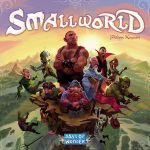
know he's sailing around the fleet sailing around and vising different ports in the Indian Ocean and we wanted there to kind of be different things in the ports so when you sell into a port you flip a card and it kind of tells you about the port well originally we were just making cards for the ports and it was um we're like we we weren't making it was getting too repetitious we didn't have enough cards for the port so I'm like let's use the power of combinatorics to expand on that right so basically we mean we now have two decks we've got a leader and we've got a port condition card I think it's actually called an encounter card and when you sail into Port now you flip one card from your leader deck and one card from the encounter deck and those two things combin so now instead of 30 40 or 50 different possibilities from a deck of cards now I've got two decks of 30 so now I've got 900 different possible combinations all of a sudden right without doing that much more work um and it also becomes very evocative so now I've got you know I've got the the stingy leader in the port that's having a you know a um a drought you know and it creates situations that now I can I can kind of build up those situations in my head um and it's similar to like guess like small world does that right so small world has the two different combinations of things so you know I I I've been really enjoying that as a design technique of this idea of taking you know small groups of things and combining them in different ways to give the players really big experience without a lot of investment
in in design time or in component count which of course is always important to try you know you there are certainly some games that come in 900 cards that you got to you know shuffle through and go through to get uniqueness but you don't have to do that and it's going to your Publishers going to be a lot happier when they only have to make 60 cards yeah no doubt it's a lot lower art cost in that case uh another thing another thing you're tapping into with that is this element of surprise right if I know that there's only let's say 10 possibilities that there's only 10 CS I could flip over okay there's a certain amount of surprise but like there's only 10 cards versus you know two decks of 10 so now there's a hundred possibilities of these combinations that's more surprise right there's more possibilities that it could be you know and now it's kind of interesting like I might be hoping for a certain combo a certain set or something close right you know it could be one of these 10 combos that'll really be beneficial to me and then there's that element of it's almost like that tension right and I feel like games that really lean into that surprise element in a good way right that's it's still it's not like endless it's not like a zillion different possib like no there's a certain number of possibilities and and you got to make sure that they're different enough so that you know card a with card B is different enough than card C with card B you know that you still you know that that it feels different so you got to work on that but yeah it's it's a very powerful technique um that you know certainly there's tons of games that use it but I I still see when I when I evaluate designs and talk to designers it's still it's not always at the top of
people's minds of something that they can do to add more variety to a game of just like you said or just take that same deck of 10 cards and split it into two decks of five you know you go from 10 to 25 you know without you know boom doing anything yeah it's a really really good point on the on I don't know downside is the right word but anyway on the other side of that well now there's also a little more play testing to be involved right it's like small world I can't imagine how many play tests had to happen with small world to make sure that one combination wasn't just like the killer of the game so that is something to think about any any advice there as far as like play testing and and figuring out overpowered versus underpowered combinations and maybe sometimes it just doesn't even matter like the cards come out and the cards come out like this is now this is a new game State and the players just have to deal with this combination as it is which is kind of interesting but what would you say as far as you know I I there's definitely ways to deal with that um you know small world deals with it by having sort of a mini auction basically to get those so if you really value something you can dig deep down to try to get it and if somebody you know goes all the way skips over a whole bunch of stuff to get down to it you know good on them and that's also going to give me a little bonus because I'm going to get some extra coins when I take somebody else um another way is just to either have the choice not be dominant in the play or or just have it um you know enough other Randomness and I actually thought about this but we're we just did a new game um one my early designs were all with my kids um and now um you know my my son's off working my daughter's off in uh she's works now for indie game studios um and and does uh designs for them so
I've kind of lost my play testers but but we we actually had the opportunity to design a game together um for uh uh for whiz kit which is going to be coming announced soon so I can't talk about it too much but it's super exciting uh and um you know we leaned heavily into the commentator so basically it's you know you get characters and um you know initially our initial design was like well you know you just get a character on on your your team and you're trying to do something with it you know and then we're like well let's just give them two just draw two and it just it just totally opened up the design because there's so many more combinations and you have to kind of put those combos together and decide who's going to work well together and stuff like that um but even so there's enough random in the system and there's enough you know there's three separate phases of the game and you have to have a different combo in each phase so even if you dominate in one you know you may not do as well in the other so we found that it kind of balances out but yeah it's it certainly makes the testing you got to look for those kind of killer Combos and there's always been games you know sometimes there's games that come out that have infinite Loops or just you know they got to be retroactively nerfed or whatever so right and that's that's a really good way to look at it and something to think about small world does that too you're not going to just have one combination for the entire game you're going to have two three maybe four know depending on how the game turns out and so you know a combination that really helps you early you're probably not going to have it at all middle or late and so I think that's another way you know a designer can can balance the game out where because the last thing you want is the combination at the beginning determines who's going
to win it's like okay Bob over here just got that combination like it's no reason like what are we doing here exactly exactly kind like Candy Land the the cards have already and there's there are games sometimes you know I mean I know in the Video Game World if you look at like um uh you know MOBA games um like League of Legends and stuff like that that initial draft of characters is super important and you know games can be one or lost right there in that initial draft and then the next 45 minutes is just you know kind of a four gun conclusion and that's not a great design doesn't make you know it's it's not what people want to do you got to respect people's time yeah that's a really good okay so that's that's cool let's move on to a interesting I didn't know anything about this I never had a colonoscopy so I you know I not not something not of that age yet huh no no not quite getting there getting there getting close not super excited about it but um let's talk about colonoscopies and memory and how that applies to game design because I was reading the the game Tech that you wrote for this super interesting right especially thinking about like in game like how things play out as the game you know comes to a close so tell folks like the general idea and then let's dive into the theory behind it yeah I I love this story so um back in the the 90s I believe it was they did a a study of um people that were having colonoscopies um and the level of
discomfort that they experienced during the colonoscopy um so what they did is they basic basically um they they ask people like every minute to rate their discomfort level on a scale of you know one to 10 or whatever it was and then they went through um and they did but they did two different groups of people so one they they had the full colonoscopy and the colonoscopy right at the very end of it is was the most uncomfortable time always it kind of ended you know ended and at the very end it was very uncomfortable uh by the way I will briefly interrupt this story to say colonoscopies now are very different than they were in the 80s or 90s I've had aop it was the best sleep of my life it was wonderful I woke up like super happy and excited so it is not don't don't worry about what you know it's not done the same way I got four young kids so what you're saying is I need to go get a colonos like that might be the best night of sleep I've had you know yeah because you know you got to get there early they you know you just kind of relax and hang out and they give you some nice nice medications they supervise you so you're all good yeah no it's wonderful um anyway once a week you're saying I need to go do this once a week well you know I'm not GNA get involved in your personal life man I do what you want to do but um it's um anyway so in the first one the first group of people they went through the whole colonoscopy like say 20 minutes I don't remember the exact time so it's was like a 20 minute procedure 20
minutes was kind of the peak discomfort level and then they had 10 minutes after that where they let the people kind of relax and unwind a little bit and then but they didn't tell you know they didn't tell them the procedure was over they just kind of had it going a little bit or whatever and then in 10 minutes they they stopped it so a 30 minute procedure the the second group of people they stopped the procedure right at that point of Maximum discomfort and it was but it was 20 minutes long so again the first group they was 30 minutes long um and the the second group was 20 minutes long but and they were going to look at it and say well they both had the same Peak discomfort you know but and and this other one was longer so they their initial assumption was the people that sat through the longer procedure would be less happy over all and then than the um than the first group where just you know yeah it was 20 it was only 20 minutes it was a shorter procedure um but what they found out when they went and they interviewed people later and they asked them to kind of rate the experience that the people that had the longer experience were much more favorable about the um uh about the overall experience and and their when asked to rate their over their discomfort you know whether I guess not whether they would do it again but just general the rating of discomfort was people that ended on a bad note were were much less happy with the procedure even though it was shorter even though it was it they they were they were uncomfortable for a
much shorter period of time they still overall rated it as a as a less uh pleasant experience um than the first group and they did this kind of study on some other different things and ultimately they came up with a the best way to fit the data because first if you kind of picture a graph I you can see me those you can't see I'm just making a graph of like a peak and then decline so their first theory was that the total unhappiness that people would have with their procedure was the area under the curve right so the fact that it was a longer curve and at the same Peak there was more discomfort under that curve those people would be less happy when they did all these other experiments they found out that the best fit to the data was what they called the peak end the peak end uh Theory which is that you basically average the the the peak discomfort that you felt at any point and the ending value of the discomfort that you felt when it right when it ended and so the first group that had the longer procedure they had the same Peak but they had a much better ending point whereas the second group The Peak and the end coincided and so it was much uh rated much worse even though there the time doesn't factor into it at all um and so when you're looking at you know and you know when and the flip side is true also on the good side you know when you have a positive experience um it's the the best moment and also the ending so ideally the peak End Theory
tells us if you're designing a game or making a book or a movie or whatever right you want the best moment in the game to occur right at the end of the game so you know I've played many games where there's exciting moments but then it goes on and it kind of ends with a whimper and you don't you know and I think intuitively people think oh yeah I'm not gonna I'm not going to be as happy as if a game that has that exciting moment and that's when the game ends right those are the moments when you get that final standup die roll or it's a big thing you're making the last attack I mean we all have those stories right remember those in moments so so when you're designing you want to make sure that you end at a you know a very exciting moment win or lose you want to try to do that for people to remember it um and it was interesting because I was reading that right when I we were we were in the middle of the design of of Space Cadets which was the second game that that we published um which is a Cooperative game of flying a Starship and um try to missions and at that time uh when I first read that the the way you you won the mission um you know you would win the mission by you know whatever the mission criteria were and you know shooting or something but when you lost the mission um you uh uh you you just took damage and sometimes the damage might hit your core or something like that but it wasn't I mean the enemies just rolled the dice and if they hit you they hit you and you died wasn't much you could do about it um and even
though there was a lot of really fun and exciting moments through the game we realized hey you know we've got this peak end problem the game always tended to end on sort of a a bummer note either way even you know when the mission was successful or went or the other way and so we kind of went back and we retooled and we added two new mechanics to it um on the good side in order to finish the mission you had to you had to jump out of the the sector so when you accomplish the mission goals you still had to charge up the jump drives and and hyperdrive out and in order to do that you had to do this little mini game the whole thing with space goodest is under time pressure everything is done under these 30 second little things so you had to basically to jump out you had to get a yatsi and during the mission you could earn cards that would let you manipulate the dice during the 30 seconds so you basically had to roll the dice and then use these cards to solve this little puzzle like how do I get this to be all fives or all twos or whatever and it was exciting because the whole team's clustered around the jump drive officer that's doing it there's 30 seconds on the clock you're trying to figure out how to use these cards s everybody's yelling and screaming and when you do it it's very exciting and if you don't do it you know you got to survive another turn the enemies are still shooting at you and you got to try to jump the next turn uh and you even if you fail you usually earn a little bonus card uh that'll help you next time and then on the negative side we had it so that when your core was hit instead of the ship just blowing up that the next round you had a chance to rep repair the breach there was a whole core breach miname that you had to go through and in that
case in it it was a very simple mini game you basically had a deck of cards and you dealt up a certain there were two Decks that matched with shapes and you dealt up a certain number of shapes everyone got a shape and you just had to shuffle through this deck of cards find the shape that you had and then pass it to your teammate and you had to find a certain number of shapes in the deck for 30 seconds were up but it happened at the same time as you're doing all the other jobs you're also trying to steer the ship and put up the Shields and do load the torpedo tubes and do everything else you're trying to do um to succeed in the mission while fixing the Corb um and so even when you lose even when you don't successfully seal up the breach it was frantic and exciting and dramatic and people just loved it even in losing people loved it and so you know it was one of these things you talked about like the purpose of design it's like I read this study and I was like immediately able to take it and make my game like 10 times better and it had plenty of other issues believe me if I was going to redesign that now I would make it a lot simpler there other things it's like every other you know early game designer itis is it was too complicated for its own good but I was very very proud we were all very very proud of those La those end game mechanisms both on the good and the bad side to specifically bring out that excitement bring out that CLX right at the end yeah definitely and this kind of TAPS into my own personal feelings like the games that I love the most are the ones that have a win condition more so than a okay now we're going to count up points and see who has the most victory points and then they win like I love that moment of
somebody wins the game like now it's over you know not oh we got to the 12th round and that's the end and now we got to count up like no I just I want to cross the finish line first or I want to blow you up or you blow me up like a very definitive moment that now the game is over and there's a winner and even in sports I don't know if there's anything more exciting in sports than a walk-off moment right bottom of the ninth you're down by a run and you you hit a two-run home run to win the game over play doesn't matter if the best I mean football you can kind of see it coming you can see them marching down the field they're getting in field goal range or whatever but yeah hockey is just like boom boom boom up and down the ice constantly it's yeah and now it's over like all of a sudden somebody hit the crap out of that Puck and it hit the net and now we're done you know and yeah football's like football's a little more methodical and messing with the clock and stuff like that but when you do have those moments that hail mry moment where there's no time left or even this past weekend Notre Dame play in Ohio State Ohio State had one play and either they score and win or they don't and they lose like it's the last play there's nothing else that's going to happen and they cross the goal line just barely got it in yeah I love sports I mean I'm not a huge sports fan but I love the concept of like the rules in sports and what goes on with with that I mean that was talking about endings I mean there was basketball has been experimenting with this Elam ending which I talked about in one game tag I don't know if you know that yes it's so much better yeah where you you have to have a game-winning shot it's so better I mean I like basketball generally except for the like the last
three minutes of the game is terrible everybody's fouling each other it yeah the last the last three minutes take 20 minutes to play it's like guys yeah no I love this new one where remind me it's they add a certain number of points so the way it works is yeah there's a certain time at a certain time of the like with five minutes left in the game or whatever there's a certain time period just based on the clock and so at five minutes left in the fourth quarter they actually just turn off the shot clock and they take they take the persons the team who's got the higher score uh you know let's say it's 77 to 75 they add 20 points or 25 points or whatever they had say 20 points they had 20 points to the leading team score and that becomes the target so the target is now 97 right if the if the other team had 70 leading team had 77 and then the first team to get to 97 wins the game that's it there's no more clock it it's shut off it's done so now yeah you could foul somebody you know but you're giving up points right and you have a walkow always the game right the game always ends on a on a walk-off shot right it game you know if somebody you know if it's 95 94 you know it's again it's sudden death you know it's good if somebody hits a three-pointer or whatever you know it's gonna so it's I I think think it's a it's a brilliant um rules-based solution to try to solve that endgame problem in basketball yeah maybe not for Middle School basketball because the game will never end because those kids next basket if anybody just scores any points at all we'll go home please right
but definitely for the professional even the like highend college level it's exciting right and you don't you're not you're probably not g to leave the stands like even if your team is down like there's still a chance there's always a chance right I mean you get to these points and you know you don't want it to be hopeless right so you get to you know you can get to a point in basketball game or a football game where you just you can't possibly come back I mean baseball you can always come back um you know but yeah I so I'm curious they've used it in the All-Star game I think and they've done it in a couple of different tournaments and things like that so maybe it'll start getting wider adoption yeah that's where I first saw it was the NBA All-Star game two or three years ago and I was immediately trying to figure out why don't y'all just do this all the time I I don't understand like this is such a better way to play but we'll see maybe it'll come eventually you know it's one of those things it's a slow slow change probably okay so a lot of that has also do with perception versus reality going back to the whole colonoscopy memory kind of thing like the people that had the longer procedure like you could look at a reality standpoint and go well that's obviously worse because you were in this uncomfortable state for longer but then the people that had a shorter one they had the you know they they would rank it overall as being a worst experience so I think that's another thing to realize if when you're dealing with players you're not dealing with rational people you're you're dealing with human you know and so our perception is a lot of times more important than reality especially when it comes to these topics
right and it's just something to be aware of even if you have a wonderful game that has a really crappy last two minutes that's what people are going to remember and so how do you fix that last two right yeah it's the experiencing yeah I I distinguish between the experiencing self and the remembering self right and and honestly the remembering self is the one that rates your games and decides whether it's refers it to a friend post about it on Instagram the experiencing self is is not right so if somebody's telling stories about your game afterwards and stuff like that you know I mean that's that's great that's what you want you want the remembering self to have had a good experience yeah that's excellent okay the next one let's talk about loss aversion this is something I talk about a good bit on the podcast and a lot of what I what I know is actually from the book you wrote about this topic several years ago and I read it many moons ago I need to go back and kind of read it again refresh but this idea that people hate to lose more than they like to win like the feeling of losing is a stronger feeling than the feeling of winning and anytime you have a situation where someone is going to have to give up something versus gain something it's not the same like that those feelings aren't balanced right and so you know understanding that as far as a game but tell me let's go deeper tell me kind of your bigger picture maybe even the like synopsis of the book right the kind of General summary and then let's like dive into the the game design Theory Parts yeah I love loss aversion that's um it's such a deep topic and yeah I could talk for forever about like I said I wrote an entire book about it
and its application to Game Theory but yeah the the basic idea is that like you said if you let's say you if you gain $20 somebody gives you $20 you feel good if you lose $20 you feel bad okay that's obvious but um but if you the magnitude of the of the of the uh experience is different right you you gain $20 you feel good but if you lose $20 you feel worse than you would feel good if you can take like the absolute value or the magnitude of the emotion the the the negative looms larger in people's minds um so you know as an example um you know they they kind of uncover this by doing experiments like they would ask people you know would you rather get have a 100% chance to get get $300 to win $300 or an 80% chance to win $400 and most people take the $300 100% than the 80% $400 mathematically you should take the the 80% the 80% chance with $400 on average Nets you $320 so from an expectation value standpoint you're better off doing that but most people won't and if you flip it around to a loss like I will tell you you're going to have to you're going to have 100% chance of losing $300 or you G have an 80% chance of losing $400 most people will choose the uh the chance of losing the 400 or versus the
20% chance of not losing anything um and um so that's you know just kind of one of these general rules is that people will take a sure gain over an uncertain gain but people will gamble to avoid a sure loss so so that's kind of the general rule in a nutshell and that it from that core psychological conceit concept you know which under underlies you know it it's there's just a huge number of different effects that can that come out of that and I explore a lot of them in the book um so and and there's and there's a tremendous applicability to um uh to to players and the way that you can work with their their emotions I mean one of the things that when you're a game designer right if if I keep going back to movies and books and stuff I I love like trying to compare games to other types of media even a video game right but if if I'm making a movie I've got a lot of tools at my disposal to control the emotion of the viewer I've got dialogue I've got the angle of the shots I've got lighting I've got music right I've got all that stuff I've even got that kind of in some video games to a certain extent I can do that uh in a book I have total control over that um in a game you don't have as much control over the players's emotional state because it's it's you know it's sort of a it's a sandboxy situation in
the first place you don't know you know you by definition things are kind of more open-ended and you don't know the situation you're creating for the players um you're also um you know it's usually in a brightly lit room and you know you don't have any control over the atmosphere players in a board game tend to have some distance more distance from the game than they do in video game because they have to keep managing the rules in a way and you know the process just the the bookkeeping and the maintenance of you know draw okay draw the cards and discard Now we move this token up here for the next turn and whatever right so all of that stuff kind of creates a distance and makes it very difficult for a game designer to to influence the emotional state of the players loss aversion is one of those few things that you can do that will give you those tools to emotionally manipulate the player is both you know either positive emotion or negative emotion and I'm not saying that it's good or bad to do that um sometimes you want the players to be anxious sometimes you want to design it in such a way that it's not going to make the players anxious right so it all depends on the effect you're that you're going for and and loss aversion gives you a lot of tools to to try to do that yeah one one thing as you're talking it reminded me the video game Metroid handles this in a very interesting way where if I remember right A lot of times in these different Metroid games you start the game full fully powered you've got all the abilities you have all the weapons you have all the cool stuff and then you play the game for a certain number of minutes and then something happens and you lose all of it and now you're back you're down to nothing you've got your
little peashooter you know laser gun and then you have to go throughout the rest of the game is finding all the stuff you're finding the armor and the weapons and all the abilities and you're you're kind of rebuilding what you had in the first 10 minutes of play yeah so I think is they're like could you do that somehow in a board game where you kind of give a player all the fun you know interesting things going on and then something happens and round two phase two that's all gone and now you're trying to like rebuild so you're you're almost just manipulating that loss aversion feeling in somebody in some way what what do you think yeah no I I've I've never actually seen that and I haven't I never played Metroid I was a little I a lot of those video games in that realm like hit me like right when I was having kids and we weren't playing video games but that's pretty cool I mean I like that both from a narrative device as well as an emotional characteristic I mean usually they force you to face like the super bad guy and you get your butt kicked early on and then you got to come back later when you're stronger and defeat them um but I I haven't seen it like that where you give the player a lot of stuff I know that in general players get very very agitated the the worst thing and I'm not saying that this is not a good design technique I'm just saying from a players perspective one of the worst things you can do is give players something and take it away from them um though the example I one of the examples I use in the book for this is um you know D and D was first came out uh back when I played it it was you back good times in the 70s and 80s back when I was in high school
um Undead creatures litches and stuff like that uh drained you of a could drain you of a level yes right and I've gone back and read some stuff and there's nothing that freaked player out more than the prospect of being drained a level um and even same thing like there was this game Wizardry which is one of the older video game RPGs going way back and there was this one creature I still remember it's called Murphy's ghost and it was only one area of the a whole game but if you face Murphy's ghosts or I think vampires could do too but they would drain you they could actually drain you of levels and it was just like the worst it was just like G and so it's that same idea of pulling it away and d and d interestingly has kind of softened that over the years right so the first edition first couple editions of D and D there was level draining just straight up that was it then in Third Edition they added a saving throw you could you could save against the drain um and uh that was in there for a while but then in fourth edition they just took out level draining completely and in fact even Pathfinder which was based off of D and 3.5 also even though they kept all basically all the rules intact from d and d3.5 they did take out Level Training that was like the only thing that they took out but I I've I include some quotes in the book but I found like tons of quotes from people online you know just basically saying like you know I I hate it worse worse than death I wish my character had died rather than go from you know 12th level to 11th
level or whatever because you know you're taking toys away from your players right and there's so there's so many games that came out video games kind of in the last five 10 years that are the levels are these massive puzzle spaces basically and you have to figure out how to get your character from the beginning to the end but then the levels aren't necessarily built left to right they they're built left to right up back left up back right and so if you make a small mistake you could literally fall from the fin basically right at the finish line all the way back down to the start and you could you could lose hours you know you might have it might have taken you five hours to get where you were and now you're back at the beginning and I saw a video it was it was like a compilation of the the angriest moments like that these streamers that are playing these games I'm playing them on stre on Twitch and just the the rage and anger and sadness and depression like all the human emotions wrapped into one from these players over a video game but it's just that that moment of loss where they feel like the last five hours was just a giant waste of time now it wasn't a waste of time because they had people watching them and donating and subscribing like it was a it's a business move right these these twitch streamers this is their job right this is their eight hour shift but the feeling of loss overcame any anything else involved and it was just so interesting and kind of hilarious to watch these people in this video and so
you know with those games I guess that's the point the stakes are so high like that gives you that tension where you know one wrong move and you're going to lose all your progress and that's kind of the point of the game right and then you when you finally beat it you get that Elation you get that that moment of epiphany and that's and you know as a game designer maybe that's what you're trying to do right that's the emotion that's the experience that you want but a lot of times I've played games that are you know just supposed to be basic kid games or whatever and they still have those elements in there and it's not you know it's not intentional it's just arbitrary it's not yeah it's just it's just like yeah the designer just didn't really think it through and you know they just create these moments I mean and even kids games will do it like look at Shoots and Ladders right I mean you go all the way back back right yeah is fun for everybody else except for the player that it happens or these games where you have to lose cards these take that games where they're taking but I guess as long as everybody understands you sit down at the table this is the game okay that makes sense and it's a short game whatever it's fine but the games that there's like one take that element and and that's it and you're sitting there it's almost like a Euro game you're just like everything's very thinky and deterministic and then all of a sudden an event pops up and you lose all your cards you're like what what like it just doesn't even fit you know it's like why why right I think that's nothing thing just to think about being intentional or my favorite thing which is the games that make you like swap hands with another player right which I see repeatedly in games and and and the designer is always like oh isn't that so wacky it's like it's wacky but it's not you know nobody wants that nobody ever
wants that everyone's got their own plans they're looking at their cards they're working things out you know and then all a sudden they've got something completely different so I remember this is a random story I remember when I was in Youth Group when I was a kid we we were doing this we had this like Road Rules kind of trip we're going all these different places doing these challenges having fun you know earning points the points didn't matter anyway just kind of a fun thing and there was one challenge where they gave us all of these dessert ingredients right vanilla ice cream and chocolate and all stuff and then they gave us all of these um other ingredients like spicy peppers and like random stuff that you would never put on ice cream okay and they said you're going to make you're make Mak an ice cream sunday right and then the the premise was that you're going to make it for someone else to have to eat it and so you're making like the worst concoction this terrible awful like crazy thing right and the group of kids I was with we started looking at each other we're like I bet you they're gaming us I bet you they're messing with us I bet you we're gonna we're gonna trade it and it's going to get traded back and you're gonna have to eat your own Sunday there's a Twist coming there's a Twist here and so we made a delicious tasty no spicy pepper infused Sunday and sure enough that was the trick right where you did have to give it to someone else and then they gave it to someone else and then they gave to someone else and then they gave it back to you So eventually after all these trades you ended up you had to eat you know you had to have your cake and eat it too and so everybody else was so mad but in a game you're probably not
playing the game yeah y yeah assuming that you know that's probably not how it's gonna happen right you're going to end up eating somebody else's spicy vanilla Sunday and so yeah it's just an interesting thing although maybe that's maybe there's another idea for folks out there to create a game where it's intentional that you are really and maybe that's the whole like I cut you choose idea right where I'm gonna cut something and then hopefully I get the thing that I want but even if I don't maybe I get something good so I think I guess ultimately you can do this it's again being intentional leaning into it versus just like because so there's a lot of there's a lot of cool stuff that that comes out of loss aversion so yeah if you're all interested um like I said I could talk about it for hours so I don't yeah yeah I'll put a link to your book so people can find it um but it's there's a lot of really interesting stuff I mean even uh is just the idea that if you if you give if you are gifted something if somebody gives you something and like tells you it's yours and take care of it that you value it more than something that's just like you know kind of random that you don't have you know just because you own it you you value it more than if you don't own it well that's the Ikea effect right you value cheap kind of mediocre Furniture because you built exactly and so you have this connection to it you want your players to have a connection with something so you know if they're if they're specifically kind of gifted granted something or they got to work a little bit for it they're it's going to be tougher for them to trade it away which you need to kind of take into consideration sometimes the trading games it's like you know sometimes people get kind of stuck in that that
they don't want to trade or whatever um or set it up like that we were playing um Railways of the world maybe I don't remember but it was some train game um and um uh you had to um rro Tycoon sorry rro Tycoon one based off the computer game and you had to it's kind of a key part of the game is you're supposed to you've got it you can take out loans at any point and in fact you really have to take out loans it's particularly early on to get your engine going and cranking and you know and then you pay him back you have to pay him back by the end of the game but you know it's very easy pretty much to pay him back those early loans you know because you you've built a whole Empire you know based on that so it's it's but we played once with this friend of my daughter's she was over and we played this game and she would not take a loan she did not want to go into debt she did not want to owe anything she did not want that the psychology of that hanging over her her head and so she had a miserable game just because she never really could get started because you need that money to kind of get going so it's just interesting in terms of the way it was framed to the you know framed to her as as a A loone and negative at something like that whereas um you know the rest of us kind of we're we're looking you know further ahead and we're used to games like that and we're you know we're less attached to it but you got to be cognizant of that uh and that's a whole other section of the book actually in mention was like framing um is whether you're framing something as a gain or a loss uh and
there's ways to do it there's ways to frame losses and gains and ways to frame gains and as losses which is used all the time in marketing and stuff like that uh but you can do it in your game too you know you can think about it um just a real quick example of that um is uh in my game pit crew um you uh you're you're trying to get your race car back out on the track as quickly as possible and then you start racing around the track and moving it and when you're fixing it it's a real-time game so when you're getting your car ready to go you're playing cars and it's super fast and you might make mistakes in fact sometimes you may want to make mistakes but if you make mistakes the idea was that you you want to finish your car fast because as sooner you get it going then as soon as you get your car done you can start rolling a die and every time you roll a six you move a space on the on the the racetrack um so the idea is if you get your car done if you're get like really stuck to try to get the right car that you need you can just throw anything down there get your car out fast and start rolling the die and you'll make up for it and yeah you'll have a penalty and when when everyone's car is done the last team that finishes doesn't get to roll the die at all but then you go back and check the cards and see who made mistakes and how bad the mistakes were and the first time we did the game it's designed to be like a family game lightweight midweight kind of family game we we played it and particularly with kids is they penalty points would move your car backwards on the racetrack they did not like moving backwards on the racetrack they would do everything they could possibly do when putting their car together to make sure they didn't get any penalty points right and that was not the game I wanted I wanted people to I wanted that as a decision
point that you might you know take a take a small penalty just to keep going and do something else that was good and uh so I just played with it and tried to come up with something and eventually I just changed it so that if you got a penalty point if you got two penalty points you didn't move backwards two spaces everybody else moved forward two spaces exact same thing there was no Finish Line it's just whoever was furthest on the track at the end of the game so it's literally exactly the same thing kids were fine no problem uh they didn't care about the other cars moving ahead as long as they didn't move back so that was an example where I was able to reframe something in a way that made it much more palatable for everybody that was playing at no real rules overhead or anything else it was a was a stupid change silly change um it actually requires a little more manipulation because now you got to move three cars instead of just moving one car but in the end everybody was happier with not having to move backwards yeah I love that also I was thinking about the loan game r t with the loans I'm wondering as a designer if you if you could figure out okay players on average take out four loans right around the first part of the game well in that case let's just go ahead and give everybody four loans they start the game with four loans yeah that's an excellent suggestion and just a good rule in general is if there's something that your players always do like on turn one for the most part you're better off just baking that into a setup or something like that don't don't bother with them doing it start on turn two like go ahead
and give them the resources that they always get for you know turn one like what are we doing we're just wasting time yeah that can be like an introductory turn right sometimes it can be good to get people into the flow of it without having to make super hard decisions but in general you're absolutely right you just just bake it in and just get on with your life yeah definitely okay the next one is one I don't know anything about so I'm I'm excited to learn about this one the Caribbean cup tell me what what that is or what that was and then like how it applies to game design so this goes back to our early discussion about sports and uh you know my my obsession with uh with sports and sports related things so there was a soccer tournament uh called the Caribbean cup um and it was in the 90s I'm gonna say yeah 1994 so a game against Barbados and Grenada and this was one of the qualifying rounds for those are familiar with like the world cup or the way these things usually work is they break the teams up into groups the groups play against each other and then you know that goes It goes on from there um uh you know who's ever the top ranked in each group advances to the to the next round so this was set up like that um and it was um they they got to this this round and it was a game against between Barbados and Grenada okay and the way that it the the tiebreaker rules worked okay is that uh Barbados needed to win the game but
they didn't just need to win the game they needed to win the game by two goals in order to advance if they only won the game by one goal then they um uh then they would not Advance uh and Grenada would advance so you know perfectly reasonable tiebreaker you know his total goals whatever um but somebody in their Infinite Wisdom decided that they were going to add a new rule into the into the game called the the Golden Goal rule which I guess this is again to make it really exciting but the in overtime a lot of times in overtime you know they don't it's a it's not the first goal that wins the game it's it's it's you know in soccer they'll play usually to the end of the period and they'll play a certain number of periods if it's still tied then they'll do a penalty kicks well in this one they decided they were going to try to amp up the excitement and they made it so that the first goal that was scored in overtime uh won the game ended it immediately but not only that but it counted as two goals oh it counted as two goals in overtime if you if you scored it um so some game designer off somewhere came up with this Rule and said this is cool this is no play testing right so the situation is that it's getting towards the end of the game there's like three minutes left Barbados is up by two so they're in perfect position to win the game to win to win
the game by two and go on to the next round unfortunately with about three or four minutes left in the game Grenada scores so now Barbados is only ahead by one goal so they try to score a goal but they've only got like three minutes left to score a goal so they try for like a minute and then the coach like calls a timeout and turns people over and realizes what they what they need to do see if you as as a master strategist can figure out what to do oh yeah you got to score your own net man they go back right and they score an own goal so they score on their own goal to tie it up with the hopes that it'll go into over it goes into overtime and they and then they've got a full 30 minutes or whatever it was 20 30 minutes to score the winning goal to go on so they figure they have a much better chance in overtime of scoring a goal than in just the next three minutes or two minutes so they score an onle Grenada is like super confused but then rapidly somebody on Grenada realizes oh they want it to go in overtime so they can win by two and Grenada realizes that if they can score in either net they will go on to the next round because if they lose by one they still Advance if they win by one they advance so they go out there they start heading towards their own goal Barbados realizes it at the same time and Barbados starts defending both goals you can see the video of this all
the players are totally confused the fans are totally confused nobody knows what to do both goals are being defended grenade is just kicking it up and back they can't get their act together to try to figure out which goal they want to score on there's only two minutes left to figure it out they don't it ends up tied it goes into overtime Barbados of course scores the winning goal and goes on to the next round there's videos of this match online it is entertaining it's also entertaining hearing the announcers try to figure out what the heck is going on and the coach of Gren was like completely livid at the end he was like you know he was like whoever designed this game was an idiot you know it's like and he's right I mean you know the the the rules can have such a huge influence on the game and you know it's it was interesting because well we you know I later right around that same time the World Cup was going on well when I when I first kind of learned about this the World Cup was going on and I just happened to notice there was a there was a thing going on where the US and Germany were um there was some situation where it was going to be advantageous for the US and Germany to play and end up in a tie or something I there was something going on where if they kind of collaborated or something that it would be better better for both teams or like
I've seen situations the World Cup where you want to face what you think is a weaker opponent because there was an upset so you can deliberately lose a game so you end up in the second spot instead of the first spot or something like that right and there's in the New York Times there's a column called the ethicist right and the the um just people sending questions so somebody sent in a question said hey would it be ethical for the US and Germany to just agree to you know just to play to a tie and not to try too hard and the ethicist came back and was unequivocal he said the point of soccer is your trying to win the game that is the that is the point and you know that's what people come to see and that's you know and that is you are subverting you know the you're you're perverting the game and by doing something like that now I I I I'm no ethicist I guess but I completely disagree with that right because what's the game right winning the game is winning the World Cup right you know that's the game the game is not to just win this US versus Germany game the the the game is the overall tournament and so often you see that these tournaments are structured in such a way that they create these perverse incentives for teams to underperform or whatever or like the the extreme example of the Caribbean cup that I just think it's so instructive for game designers to realize that that idea of an incentive that's that's the most powerful thing you've got you're not and you can never ever assume in any way
that your players are going to play the game the way you meant it to be played right right we have a saying in our family we play a lot of games in our family but we have a saying which is you play the game you're given not the game you want to play yeah you know and a lot of times and and so you know if somebody's you know if we're playing a family game or something and somebody finds a loophole and does it you know hey that's more power to them I'm not you know I'm not going to talk them out of it if they figured something out that's on the game designer that's on it you got to play the game that's there and and sometimes that's the case so you got to be really careful when you're incentivizing this stuff that you keep the players on the track that you want them to be on if you want play to go a certain way keep it that way you know make sure that that's um that that's going to work and you always got to think about these edge cases you always know that's that's what kills you is if somebody what happens if somebody never draws a card what happens if somebody you know never takes this action so you know you always got to think about that stuff of how people can undercut what you're trying to do and find these little loopholes um so I you know there's there's so many examples there's been volleyball matches that have been screwed up there been tournaments there's so many of these tournament setups that they need to hire professional game designers like us to get in there and actually design their tournament structures for them because it's not it's not good they don't they don't do it the right way so right that reminds me of a couple stories one I was at a play test night and I overheard this conversation at another table where the the game was
over designer was getting feedback and the designer like let's see he received some feedback feedback that he didn't like and he said well it's because you were playing it wrong it's like hold on hold on now no no you designed it wrong like that don't blame the player it's not the player's fault that they you know they saw something or didn't see something like you got to figure that out as the designer and don't blame your play testers but then on the other side thinking about the potential weird Oddities that can happen right so when I was in high school my senior year playing football with there there were seven or eight teams in our division and the top four would go on to the playoffs and the way the wins and losses like everybody was tied and so it had this weird breakdown of like you know the fourth or fifth tiebreaker was going to determine placement and we went into the last game of the season regular season where if we lost we were going to be Fifth and out of no no playoffs if we won we were going to be second in the division second out of four and so it was just like crazy like how like how coach how is this possible but it's because everybody was had the same if you know if we lost everybody's got the same record and we were going to be the odd ones out but if we win then all these other teams had to figure it out and they would be the odd ones out and so be aware of that in your game like if you can again that's where play testing comes in like you're probably going to have some strange things that can happen and just try to design out of those things and I've seen other games they just kind of say you know shake hands and play the game again like they they
couldn't figure out how to you know Define a winner you know after the third tiebreaker or something like that they're like ah I don't know play again so I don't you know it's interesting just culturally you know ties are so much more acceptable in Europe and really the rest of the world than they are in the US yeah not here we hate ties a ties like kissing your sister no yeah ties like kissing your sister is that the the say I should know that being from Alabama but anyway but yeah and and and this goes back to you know all the way back what we talked about with design tools and probability and stuff like that is just that you can't you know you got to kind of look for that stuff and you also can't leave in those low probability events unless you're really really careful about it because you know like we were game I was doing recently well the chunga game I was mentioning right we had a exploding dice system so you roll dice and if you rolled the there two sides of the dice you rolled them again right and and you kept adding results uh which sometimes are good and sometimes are bad and there was a thing where if you you tried to sell I I like it because it's very open-ended you can't guarantee like you were talking about you know we were talking about you that you only have those 10 possibilities you know what it is there's no guarantees in that game you know things can go horribly wrong and no matter how good you think you you chances are of passing it you could still fail well there was one thing that we have which was sailing the sailing action and when you sailed you would roll to see if you failed but as if you failed the sailing action to go to another place for each one you were in excess of the the total number of cards that you had put in there before before
you started rolling the dice is you could um you take a damage card and the way the game worked most of the time you would take like one or two damage cards most right but the way the game worked is you could if you ever got 12 damage cards the fleet sank and you lost the game well I I looked at it and it's like I've never had failed by more than than like two or three you know extra these explosions but I sat down and I did the math and it was like a one in 10,000 chance to get like 12 to get up to 12 from the exploding dice or one in 100,000 or something like that right it was really pretty tiny but I plan on selling 10,000 copies of this game right right and in each game the players are going to take like 20 sailing AC so now you've got 200,000 sailing actions that are being taken and so the chances of a one in 100,000 chance hitting it's going to hit two people out there that they're just going to all of a sudden just like lose the game because of this streak of D rolls and when you look at it like that you talk about you know you don't want to give people bad experience you know that's that's not odds that I'm willing to take I mean if I'm just sitting down I'm saying I I got a one and 100,000 chance chance of the Game ending right now in this role that's fine I can live with that that's you know that doesn't bother me but when you look at it across the whole scope of you know the game becomes like really
popular and a lot of people are buying it there's some people that are going to get stabbed by that so you gotta you got to be cognizant of that of even these low odds Black Swan type events that they're they're going to hit one of your poor customers your poor players out there and you don't you don't want that we changed it so we actually changed it so it was it we we gave people an so even if you were sailing if your damage got super high you could decide to like cancel the action and take a lesser penalty yeah but even I was looking at even like one in a million I could you know I changed some of the mats it was one in a million one in two million and then I was like that I can probably live with but that's the kind of thing you got to look at you you can't just brush those under the rug right this reminds me so you talking about framing a minute ago with loss of verion I I really like games that allow me the opposite side like if I do this one in 100,000 chance thing I automatically win like that's the oh I'm going to go for that like I know I'm never going to do it the I'm marry guy if you put a rule in your game that if you can you know if you can roll six 12 times in a row you will win I will just sit there all day and try to do it exactly because I want the moment I want the story the story to me is more important than the win or the loss really it's like yeah there is no way but I did it you know or you know or I didn't that's fine yeah my absolute favorite mechanism for that is um which I think is perhaps my favorite mechanism in all any game I've ever played is in the game Dune um the original 1980 uhon Dune um there's the Ben a jesser is is a
faction of space witches Sears whatever basically um and at the beginning of the game they write down who they think is going to win and on what turn they're going to win so I think you know the fman are going to win on turn five um and if that happens they win instead of the person that won not in addition to instead of and it's you know it's usually you almost always play with six players so it's you know it's very rare but when it happens oh my God it's so magical when you find and you know and also it just makes you super Peno the whole time because you think are they and in the books they're just very manipulative that's that's their big charact is there trying to move history in the direction they want and so you're just playing you're like are they just letting me win now are they just setting it up to make it too easy for me to it's just it seems to coming together really well here I don't know so it's that's that is my absolutely my favorite role because it creates those moments that you're talking about yeah I love that and it's thematic like it makes sense in the the story of the game yeah that's what's so only happens like once every 20 30 40 games right so it's the feeling of like playing poke poker like um Texas Holding poker and you know somebody flips over their Pair of Aces and they've got this Full House or they've got some kind of thing that's like okay I'm the winner and then you just like smile slowly flip over your your two cars you're like sorry buddy let me let me get those chips from you you know it's that moment right but it's but I love the Dune version because it it
again it makes sense it's not like random chance or like no it in the story it fits into the gameplay right and so that's oh that's so cool I would love to see more games kind of implement that in some way that it also kind of makes sense that's that's a really cool idea people are afraid to to leave those kind of hard edges in there people are afraid designers are afraid you know don't don't be afraid to put in stuff that's only going to trigger once every 10 20 30 40 games you know it doesn't have to all be there every time so right because like what we're you and I have both agreed on we are those players yeah like we want to see that happen we want to be the ones that that do those things and so give us give us that even though we're a minority probably I assume there's not as many people like us as there are people who just want to win at all costs like no matter what the W is all that matters but the cool moment moments and that's something I really like to design for and then play games that give me just the cool moment at the end maybe I win maybe I lose whatever but the story I get to tell that's what matters yeah I love that that's great Shadows over Camelot is one that comes to mind being like that where we we were playing a game think it's the last time I ever played this game because it was so like traumatizing but anyway we were playing it with my wife's family and her grandmother her sweet little grandmother who like she plays games but she's not a gamer or anything but we were playing and she turned out to be the traiter at the end and you know we were we're all playing like we're getting close to winning and like we're all you know getting excited and we can kind of see it like everything's playing out we're like we're gonna we're gonna win this game and then she takes the final catapult and she's like gonna place it
on the board and we're like no no no granny no like no that that'll make us lose and she said I know and put it down and she's like Gran and she smiled she's like I win like oh no but that moment you know that's such a cool moment right there at the end of the game but give players that opportunity that's such a cool cool way to do it but Jeff man this has been excellent D I've learned a lot I know people listening have have learned a great deal as far as design Theory goes closing thoughts one of the main reasons I wanted to talk to you about this topic is one to kind of put more light on it just to say hey this is something designers we we just need to be aware of you can dive deep into it but also from the angle of it's also a lot of fun it's interesting it's it's not just math it's not just algorithms and numbers there's so many cool aspects to design Theory and hopefully you know lighting a fire into people to go find find these things themselves right because a lot of the stuff you're talking about are just kind of random things you saw in the news or you saw like an article or saw something on Reddit you're like oh how does that play into board games and then we're connecting dots through psychology through math through just human interaction and things like that so that's one of the reasons I wanted to definitely do this episode but give me some closing thoughts kind of give some people encouragement as they you know kind of close out listening to this episode yeah game design it's it's a craft you know it's it's something that can be learned it's there's there's definitely techniques that you can do I mean you know if you look at like oil like painting right people that that
that want to paint there there's a certain amount of creativity and Spark that you need but you also need the tools of like how do I do perspective or how do I mix paints to get you know how does the color wheel work or whatever you know those things exist in the game design world and don't be Afra to to seek those out and learn them um but also to try to draw your own conclusions from playing games I love dissecting games after I've played them um or even just you know grab a stack of rule books and just read them you know just I have a giant I have a rotating stack of PDFs on my laptop for when I go on plane flights to to kind of skim through rules and see how different people approaching stuff so you know just absorb stuff you can from anywhere uh there's there's so much good stuff out there and you know like you're saying Gabe it's it's so it's not just like you know dry math probability but it's you know it's psychology it's art it's you know it's it's there's so so many different elements that come into designing a game and you can everyone can approach it in their own different way in terms of inspiration and stuff like that I mean I know like um for me when I sit down you know and I start doing a game I like writing a vision document and that's how I get started and in my vision document I put exactly what you were saying it's like what stories do I want my players to tell when they're a week later or two weeks later or year later right that's that's what I focus on but I know other people that they they've got a really cool mechanism that they want to start with and they build on that and I know like Ryan Lockett which really stuck with me because I just thought it was so peculiar but it it certainly has worked for him who's designed um uh above and below and uh sleeping
gods and all kinds of fantastic Games first thing he does when he has a new game ideas he he does the cover artwork he's he's got an art background so he draws the cover and that serves as his Touchstone for what he wants the game to be like and kind of how that's all the pieces are going to kind of fit together so you know there it's it doesn't I don't want it to sound like it's very technical you know like design Theory it comes from a lot of different aspects and you got to kind of tie into the one that speaks to you the most and use that to build out from yeah absolutely you're talking about memorable moments that Shadows over Camelot story I just told you was from 2014 that's nine years ago it still takes up space in my brain nine years n years later I also have a Shad outs over C Story the first time I ever taught that game I I it was my my kids and two of their friends were over the four of them and I I had never played it but I wanted to teach I wasn't going to play I was just going to teach it and help them through it but I deliberately did not put the trader card in the deck I like stacked the deck so I knew none of them were the traitor just because I you know just to make it a little easier for them and boy they were all just accusing each other left they didn't trust each other and I was just it was just so hilarious to me because I knew knew that none of them were the Traer they were just all so what was their reaction at the end when they found out that none I've never told them oh when they when they found out none the trader I I think they were just kind of angry at each other they just decided they were all just bad players exactly you're bad at the game that's awesome also the fact that you like take Rule books on on trips to
read like Light reading it gave me the idea like what does it look like to create a bathroom reader where we just put together like the most in rule book Snippets that we can find we take 100 games and just like clip out the most interesting little sections of rules to just Ponder to think about and like analyze them design Theory you know there's there's a thought for you but yeah we don't we don't already have enough that's very now you're narrow casting the rulebook bathroom reader all seven people who are excited about that would buy it that by multiple copies man Jeff this has been excellent where can people find you do you have any game games I know you've got like 51 pinball games at this point you've done which it's just it's awesome how many of those you my latest published Series has been the super skill pinball series um so there's and there's there's there's more on the way but the most recent one was the Christmas one uh the Star Trek one and the Christmas Version we're uh we're both fun to do um I've got as mentioned from GMT games chunga which is spelled zh n g he uh they have this special p500 program which is like sort of their own inside crowdfunding program but you don't actually get charged until the game is actually ready to ship they just use it as a way of kind of gauging people who are interested enough to pledge even they don't but they don't take the money till later so you can check that out there we got some previews and things for that um and also we've got coming up in November depending on when this airs I guess this should still be time um but right before BGG con this will be our fourth time
running tabletop Network which is a game design conference that's held um in the Sunday Monday and Tuesday well Sunday evening it's mainly Monday and Tuesday right before BGG Con in Dallas um at the same Hotel same same facilities um and then BGG conon starts on Wednesday so we're having some fantastic guests this year um We've Got U Matt leok Martin Wallace Eric Lang uh a whole bunch of folks um designers that are going to be there so you can come and we've got panels we've got group breakout sessions it's really cool so if you go look if you Google tabletop Network um you should be able to find your way uh to that um and then I'm on various social media blue sky and Twitter X or whatever it's called now I've lost track um and I'm at g engelstein on just about everything GE n g l s t i n awesome well Jeff really appreciate your time thank you so much for joining me on the show and yeah good luck with all the stuff I know you got work that you're working on that you can't even talk about like you got some cool stuff in the in the background too coming up here pretty soon yeah I wish I got I got a I got a lot of very exciting projects coming out soon so uh hopefully uh yeah please stay tuned I it it keeps me keeps me interested awesome thanks again for your time thanks for having
me