5 Great Game Dynamics - Specific Examples of M.D.A
Games in This Video
5 games are featured in this video — they unlock as you watch.



Transcript
everybody edo here and for this week's video i want to talk about five fantastic game dynamics the moments in play those fun exciting experiences which come from great mechanics right and create that player experience or aesthetic one of the things that i've talked about in the past i have a video on is mechanics dynamics and aesthetics it's sort of a game design game philosophy or framework for thinking about game mechanics how they become dynamics and aesthetics so i have a video i'll link it in in the um in the description but i wanted to talk about some key examples of the video is pretty old but i think there are some really great examples of game dynamics that i want to bring up and i wanted to also do it with recent additions to the permanent collection so we cycle through a lot of games here in the house um and for them to stay on the shelves around in other places here means i really really dig them for one reason or another or somebody else in the household digs them and um or means i haven't played it yet and i have to play it so there are some games that haven't been through but for the most part to keep a game means i like it but i wanted to do some recent additions though i mean a couple are a little bit older but fairly recent editions again briefly mechanics dynamics aesthetics is the idea that the game maker the game designer creates the mechanics or the sort of
rules for the game turns drafting diced rolls whatever then those mechanics work together and create dynamics or on emergent play or unexpected equi things or like this moment which i will talk about leading to an aesthetic which is the experience of the player so it's the developer over here the player over here over there and the aesthetics are the types of fun it's competitive it's like uh you know it's past time it's cooperative playing with friends one-upmanship it's you know a narrative or or like a fantasy it's some sort of fun engagement between the two so let's talk about an example so uh jurassic parks is fantastic it's uh one of my favorite games from 25th century i really do think it's their best and within jurassic park oh the mechanics are well there's a number of a number of dinosaur tiles that are in a hex on the table and i have a review of this if you want to like get more on how to play and stuff in my opinion but you're going to have a large hex like a hexapex is like a really large space of these tiles and what you're doing and so the mechanic is you lay out tiles and players use these chisels which are pretty cute to divide the large region into smaller regions so you're gonna between two tiles you're gonna like wedge your
chisel in there and start separating it and what you're essentially doing is you're taking this large mass and splitting it and once a region is cut off from the hole you take the smaller region and if it's all if it's one player who does it um they get the split at that region they get the larger half so if that region was like 11 uh they would get six uh and then uh the five would go to the um there's a character who's like a store and so mechanic one hex is laid on a table mechanic two it use these chisels to break things off mechanic three when you break it off you get half of what you broke off rounded up okay pretty straightforward good play you know you'd start if that if that's where it ended you'd like to be dropping things and breaking things off and taking it well they add a couple other mechanics the big one the area control mechanic is the idea that if i'm breaking off a region and another person starts assisting me in that region or not assisting me but also taking off that region then when it whenever whatever breaks we look at who contributed the most chisels and that player gets the first half but then the next player only gets half of the remaining half so in that 11
example first player gets six but the second player is breaking up five and they'll get three and if there was another player they would take that two and get one so like think about that mechanic for a second in the sense of the rules could be different the mecha that dynamic for a second the rules could be different the rule could say oh uh you split and you know it's in priority you split it evenly right but this isn't even this really leans to the winner so this great dynamic that emerges is you're trying to do things and cut off large regions but then other people are trying to do stuff do it at the same time and there's this great competition over the regions because of how much is at stake also because it's when you cut it off you could be doing a little small region but then on the other player's turn they could reroute it and make it bigger so you think you have the majority but then they make it bigger and now they have the majority and with more and more players it gets more crafty the game otherwise is simple there's like some special abilities in exchanging and you're like collecting these bones and you're creating it's like a little set collection where you want certain things which also helps with this other dynamic but the but that the way the tension that dynamic that experience around oh no like i might not have the majority more and then i'm not going to get as much and how do i keep it and the bending of the line and the carving really to me embodies that like the rules are one thing but it's when the rules start interacting with each other region
how much you get splitting based on the amount of players that's where it comes out and it gives us this like competitive um tension and the player experience from those moments and in the moments balloon up into like oh you did it oh no we're gonna split you got the bigger oh you got you got the piranhas you know you got you got your you know and because it's set collection you're like you got your tyrannosaurus rings and i don't have enough for my velociraptor whatever but so that's jurassic parks okay um let me go that was a small one let's go to uh a bigger one all right oh and so jurassic parks i think i backed on kickstarter and also bought a cop uh was sent a copy for a review cartographers i think i got a copy for review and backed on kickstarter so i think that's this one alice gardens was sent to me by a publisher um and i don't you know that's just that game meeple and was sent to me by blue orange um and for review and small world of warcraft i just purchased um so meeple and is this game where you're building out your um amusement park and in this amusement park you are placing um different um this box is a little messy in my review about this um insert in here but
you're building on grass and you're building a variety of rides you're building a variety of rides um and it's like a drafting you know you have a tap well and people are just buying out of the store um and competing over it what the and so so you know there's a variety of mechanics there how you place connecting tiles but the mechanic i love which also comes from it comes from but it's also in zul loretto is it do i have it in my hand is while everyone's going around and purchasing the the the you know venues and and and you know like different um you know like rides and attractions and stuff at the start of the round you have a bunch of buses with meeples on them now i'm not going to take all the meeples but based on the little diagram i want to like literally put meeple so this board is filled with visitors and they're like hanging off on the side and everyone's going and then at any point on your turn instead of taking your turn you can stop and go get a bus and so the mechanic is stop your turn you get a bus um you know other players can keep on playing but the dynamic that comes from that that is so awesome is it creates this experience where um you don't have a fixed number of turns per round
and there's this do i stay or do i go i want to call it push your luck but it's not push your lucky it's reminiscent of it but really it's because there's no luck involved it's a decision um i guess other players you do you think other players are gonna keep going but like hey i see that thing i want over there i see i really want yellow meatballs do i keep on buying or do i drop out early to make sure i get it i guess it's pushing up a little bit but do i make sure i get it and it creates this really fantastic tension around do i keep buying or do i go um and then for the other players is he going to keep going is he going to stop it creates this really nice dynamic around turns which normally isn't there if everyone gets the same amount of turns right and um you know it just plays well and it's and and then and then if somebody goes out other players just go quickly through their remaining turns um so somebody can be like it's not like out of the game but it really to me creates this nice um tension and sense of decisions around again if i'm gonna continue playing or not which you know it's just it's just not in that many games not there are games that it's in zulu red is another great one great ones but i really like how it makes what would otherwise be sort of a static feel everyone goes five times go until you run out of something blah blah blah and turns it into like going out to decision and so it's the combination of those mechanics that make it such an interesting decision including like how important different meeples are
making some meeples more valuable than other meeples and different meeples fit on certain rides creates a sense of scarcity and that also wrenches the dynamics of play and um and so i really think that's fantastic okay that was meatball and we talked about jurassic parks uh let's go to these small ones so let's talk about cartographers so in cartographers what you're doing is you are making your own fantasy okay and um this is sort of a different direction and in this fantasy map you are going to you know be flipping over cards and then people all have to draw different uh tetrominos or and so like i need to put a t thing in there or like a z or an else block or whatever and then you get to sometimes you just decide sometimes you're not but you're making like a river or a forest and the different symbols represent like villages and there's like the cards have an example of what it is but so here's the interesting one oh this is like when you're under attack let me see a card with like yeah so like hey this person needs to make an l and they can either do it with whatever torch without with like dirt or trees because it's an orchard so one of the incredible dynamics that emerges from here and this is a little bit different is you could have just been filling in
regions on a sheet and i don't you know this might have started out as a map it wasn't but by making it a map and providing some diagramming of what it looks like what comes out i guess this is a little different but i think it's still in the same category the mechanic is draw forest on a map but the way it mixed together with fantasy and the simplicity of art is you see all of these people young old not everybody but many people who start creating really ornate and fun maps right there there's this opportunity for artistic expression and aesthetic the aesthetic of expression having fun through creativity that this allows for because it's thematic because it's a map because it's simple regions where i don't have to i know where i'm doing it players start using colors players start drawing adding more things and then outside of the game people start sharing um the art that was produced from this there aren't that many games that allow enough options spacing and constraints such that people are sharing and showing off their art there certainly are some but it really it comes out of it those mechanics and again it's sort of this it's i wanted to bring it up because it's like this this left it's like well ed is that a dynamic mic well it's this emerging experience that comes from the opportunity around how these mechanics work
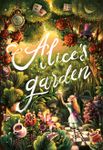
and different mechanics might have laid it out differently and from the development perspective how much were designers thinking about that player because again these could have just been colors they could have just been straight lines but by pre creating that opportunity for drawing in space created the opportunity for one of the types of fun to get from this was creativity and expression the other thing that's happening with these mechanics is you have limited space you're trying to fit different shapes you get shapes that force you to decide between do i want it here or there am i going to miss out there are different objectives there are all these other dynamics like the game itself is fantastic but i wanted to highlight that one because there aren't that many that fall into expression um i really like how it's done in the great dinosaur rush as you have some constraints about building dinosaurs but you're using small pieces that like sort of like anyone can make a cool and interesting dinosaur out of like these building blocks and you don't really need to be creative at all next up we have uh alice's garden i i think this is available in the states it might not be it was a company from russia that sent me a copy i assume because they're gonna be in the states but somebody was like where do i get it i'm like i don't know but in this game it's another game with uh tetris pieces of poem sorry i'm just not remembering it but basically uh and there's some similarities between these games but what you're going to be doing is you've got a very small grid
and you are filling this with different pieces and these pieces have um different types of things on them it can have roses or trees or fungus or guards it's based on um alice in wonderland and basically the mechanics are you have to lay them down you're creating different regions and they're scoring based on having chess pieces over the chess board guards touching guards the way the fungus work rose is just big regions and regions of roses because it's the queen of hearts and she likes roses so there's other things but the mechanic of taking your tiles has an interesting twist okay so in the beginning of the game you're gonna like pick any bag whatever this size bag and you're gonna lay out um as many tiles as players plus one and then everyone gets a choice right um and there's like a first player so the first player will pick the bag um after everyone has selected their piece and placed it the the second mechanic in this i really really dig it the second mechanic is all these pieces are in separate bags they're in labeled bags it would have been easier and clearly cheaper for them to just put pieces in and lay pieces out but what they did is they put them in different bags and the player who's the deleting the turn gets to pick the type of piece that's going to get used
because space is limited because of the mechanics around here the piece that you're choosing has a huge impact both to you and to other players so it creates this moment of decisions around well do i want this piece or that piece what do they want and like it gives you this sensation of like control and and feeling of like this is like a little decision you're like oh i'm gonna take the square and everyone else has to deal with a square and it passes around everyone gets a turn but it like it gives this the leading player like a really interesting dynamic and sense around the choice how it impacts them how it impacts other people and creates this tension with the other players that creates like this weird sort of puzzle based competition and sort of like it's not quite take that but it's just this really interesting feel it's a feel that i don't find in that many other places and it's because of the choice to use the shapes the choice to break them out separately the way that you're selecting them as players and that you can't move them once they're played placed so all those mechanics together bring about this experience and then the experience brings about the fun um so like i really like that one um and so to wrap things up fifth one here uh i'll i'll fix this later i'll fix it now because i'm compulsive i don't know i'm not even gonna get that closer get this close okay watch this
anyway uh okay i'm cheating a little right because like obviously small world okay no maybe not science if you didn't know small world of warcraft is small world with a warcraft theme and it's sort of like the best of small world edition and i love small world it is it is i've spent hundreds of hours playing small worlds over the years and uh it's one of my my favorite games i don't know exactly where it falls in the top 10. and uh in this game it's an area control game think risk uh this one's a little weird because they have floating islands and stuff but you've got regions and you're going to be placing your dudes which are square or little tiles on these different regions and on your turn you move them and if you have more than is in the region you take it um and if it's like the last place you roll a die they have chance there are all these interesting mechanics in here but the one and so this isn't like a new one this i could have done this with the original small world but this is a new edition um the one that really stands out to me and i love is they created this idea of going into con so it's area control as i mentioned and there's a couple interesting mechanics here one there are many many many different races in the game and they get paired up randomly with different abilities um and you see them in in a row in a market and on your turn at the start of the game you get to pick one and if you want
to skip and go down um you have to pay a coin on each but basically there is a a pretty wide power and implant impact and play around hey the mechanic is you select a race this race is composed of the main race and special ability those are randomly put together and that tells you how many you're going to get and these and these abilities and if you want lower ones you have to pay to that that kind of thing so like if you want to sort of skip the line you can but the thing that makes it and and again you're going to get they have this great thing with the different tiles these are the tiles that talk about but they have this concept of in decline and what in decline says is you're going through and you're taking over regions and your guys are getting killed and at some point either because you've expanded so much or you've got guys have gotten killed you like run out of people in a lot of other games you'll get people back you buy more people you get people based on the regions you control but small world has this mechanic where you make the decision to skip your turn which is big and go into decline you take your race you flip it over in almost all cases you lose their their ability there are a couple cases where you don't but you flip it over and then they are like basically one unit you like clear down to just one unit in each spot and um they stay on the board but you can't move them again a couple of special cases but you can't move them and if they were getting bonuses for being in mountains or whatever they don't get them anymore they're just sort of like dead they're like inactive in decline
units on the board but like if you've got a big board a lot of people on it i'm still getting points from them and in exchange for going into client i then get a new race i get a new race and then i on my following turn i bring them into the world like normally and then i cleared this way the the amazing thing here the dynamic around giving the player the ability to make this choice any turn they want technically you don't even have to go into decline in the entire game you could stick with one race it'd be rough but you could and there are a couple races that like they have weaknesses that break the rules so like they don't you don't lose guys when they get killed they go back to your hands so there's a couple i think it's fairies pixies in pixies i don't remember who it is in the basement but this one is the draenei um but you um you have that like do i go into decline yet and it creates this push-pull around how much territory you can do what's your score what have other people do done do i feel strong do i feel weak do i want to lose those abilities and like it's just this wonderful melting pot of choices now since for some people who don't like that much decision it can slow you down but it it's just so so cool like i really feel like they just do such a great job of it and like they're interesting characters and a pressure to to go forward and then you know sometimes people
because you can usually go into client two more times or three times in the same game depending on how aggressive you are maybe you don't want to go into decline because oh because then if you go into decline again that original the first decline race they get wiped off so if i had elves and they're still there i think maybe it was the l's that didn't die but anyway the elves are still there oh yeah it was if the elves are still there upside down i might not go into decline because no one's taken them yet so it then flips onto the other players so these these all stem from mechanics i i i think that and often time oftentimes when people talk about their favorite mechanics often talk about it this way but the thing that you remember as a player isn't the written rule typically isn't this it's this three four mechanics together that create this moment this feeling like this expression of play there's like other great ones i don't want to go through a ton of them but kenya with a lot of his card in lost cities or um battle battle line he does this great thing with just how your how many cards are in your hand and like do i want more options or how much like you can do it in the smallest moment you can make this cool decision tree in your little hand so it could just be a couple mechanics three mechanics sitting on top of each other in herbaceous just instead of drawing two cards and put one in the middle and put one in front of you the little tweak which is draw a card see it and decide do i want it or not
and if i want it or not the card i haven't seen does the other thing creates a much a totally different experience right one creates this tension and this choice and this moment the other one is just picked between two cards and i think it's the dynamics of play that bring out the fun the life the experience and thinking about designer making these mechanics to impact and make a player feel something is in the dynamics that's what you're going for make somebody feel something anyway these are all great games there are plenty of other great games um hope you enjoyed tell me which games which dynamic tell me a dynamic you of the game maybe the baseline mechanics and the dynamic and then how you feel from it i would love to read that in the comments anyway thanks so much bye hey everybody edo here and thanks for watching gaming with edo reviews over here on this playlist league and insider videos over here on this one subscribe share all that good stuff but most importantly play some great games thanks bye