Let's Talk Board Games #28 - My City, Xylotar, Loot of Lima & Knarr
Games in This Video
3 games are featured in this video — they unlock as you watch.


Transcript
hi everyone my name is Monique and I'm navine from before you play and welcome to another episode of let's talk board games where we talk about some recent games that we played yes so uh we actually have four different games that we're going to be talking about one of which was a campaign Legacy Style game that we've been playing for a very long time very long and we finally finished it and can actually talk about it but before we get to the games we do have a couple of things we want to mention the first thing is recently we celebrated officially our five years on YouTube yes uh years June uh mid June of last year last sure what I'm saying 5 years ago this when we first put out our very first video uh it was an unboxing for villainous it's now private it is now a private video we don't do unboxings uh so we just felt that it was not really um indicative of what we do on the channel uh we were just kind of experimenting with cameras camera angles lighting and stuff and just kind of put it up on the internet so I'm sure a lot of people who make content can relate that when you first start uh making content you start experimenting with all sorts of things cuz you don't really know exactly what you're going to the most interested in or what is going to land so uh we did do unboxings we did a few of them uh when we very the very first time we started a channel and I think I've privated all of them so far um but yes it has been 5 years since that very first video yeah I think we didn't really enjoy making them either I did I enjoyed making them enjoying them they took a long time so anyway we always try to think about how we're going to celebrate our anniversary our YouTube anniversary every year but then we just realized recently that we just don't like bringing that kind of
attention to ourselves I guess we we very much so prefer unfocusing on the games so uh if you'd like to help celebrate with us then uh do something fun I guess with your with your cat or a dog there you go if you have one at home or just treat yourself and let us know what you did and actually you know what we did do during our anniversary celebration we had a hard drive fail yeah so you may not notice but uh we went a whole week I guess without releasing content and it was not intentional so so I if we if our videos seem to be uh very close together within the next couple of weeks just know that we had one of our hard drives fail in the past week and some of the videos that we wanted to release weren't able to be released yeah things had to get pushed back a little bit so it's kind of compressing up against other videos so uh typically we try to release two three maybe sometimes four videos a week yeah um but yeah this time around uh we had a nice onewe gap which was uh maybe to you it it didn't it didn't feel any different uh but for for us it feels kind of strange it was on fire yeah not not having that and then we had to uh some of the footage that we had we had to end up re-shooting it so that's kind of the drag so so it kind of throws everything off on the calendar content creation content creation and some other unfortunate news that you may have heard about in the gaming industry unfortunately uh game Brewer which is a publisher in Belgium uh is shutting down um they do have some outstanding uh crowdfunding campaigns that they are committed to uh fulfilling and getting all done so I think they are doing a uh a massive sale on their website yes to
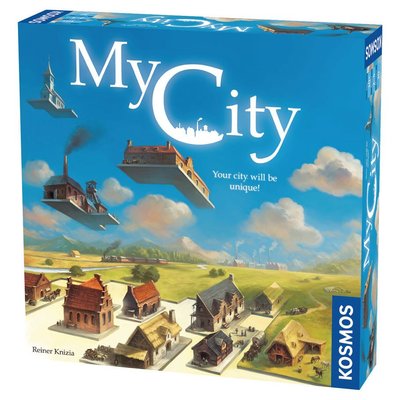
try to help fund um those campaigns that are still kind of outstanding and they announced this it's been a couple of weeks now so and I think the sale was a big success so I don't know what is still left in their stock but we have a link in the description if you're interested checking them out um we have worked with them in the past we've enjoyed working with them and it was sad news for us to hear as well so we want to do what we can to help spread the news about their sale yeah they always have a really nice booth at Essence Spiel it's like a really nice meeting point uh when you're there at the conv yeah they used to they used to have the pre did they have the beer they the ones that had yeah they had the beer on top it'd be like hey at 4 p.m. let's go over there like uh tell me about your day you know when when you're going and meeting up with other people and how they enjoyed the convention so that will be greatly missed um hopefully um you know hopefully something good can come of this though all right so then let's talk about some games now before we begin with the games we do need to mention that a majority of them all except for one were sent to us by the Publishers for review and we'll let you know which one uh wasn't sent by publisher sure so uh to start us off we have the big Legacy Style game that we took a very long time to play quite a while to play this actually not that big it's called finally did it my City My City so they actually have a sequel to this already just finish this one yeah so my city is a Tha laying uh Legacy Style game by rer kinia and when if you're not familiar with what a legacy Style game is it's basically a campaign where you play the same game over several sessions but things change and in Legacy G gamees specifically they can change permanently
and that is true for my city now uh because of that we don't want to show any spoilers really so we have limited images we're just basically showing you uh images of what the first setup looks like so it doesn't really spoil anything yeah so the the ultimate theme of this game is you're building out your city uh and then um different technologies will come out over the course of years I guess that's going by uh and so ultimately in the end you are trying to uh build out the best City and the best industry compared to your opponents and so the game has played over the course of eight chapters and each chapter is three episodes where one episode is an entire game the game itself does not take very long to play I would say about 30 minutes the bo says 30 minutes and that's about right yeah and that's per episode so in total you're going to get 24 plays out of the game because you don't uh restart any of the games unlike other legacies and so the way that each uh episode works is everybody has their own player board that is their starting City and everybody has their own set of of polyomino tiles and there's a deck of cards that shows every polyomino tile and uh one person is just going to be flipping over a card one at a time and each time you flip a card everybody needs to place that exact polyomino tile onto their board following some placement rules kind of think of it like almost like a flip in right but this is like a flipp in place uh so you can configure your polyomino different than all your opponents and so as you kind of uh make different decisions then that's how your city is going to kind of change for that particular episode yeah and each chapter follows a certain theme
right and we don't want to give away too much but there going to be stickers there going to be things that change the way that you score change the way that you place tiles and even uh bigger surprises I guess as you get closer and closer to the end of the campaign and the game does a fairly decent job of giving like consolation uh kind of uh prizes uh to those that are not winning the games because ultimately you want to score points right uh to win this so without giving anything away uh maybe if you come in second place or third place to get a little bit better technology going into the very next one right and then at the very very end of all 24 episodes there is one final winner and we're not going to give away who that was because we did actually play every single game of this uh on our patreon so we did them as live streams and that is why it took us so long because we weren't playing it you know just us on our own we were we always had to schedule it as a live stream with our patreon we had a lot of fun doing it it just took a long time like a little over a year I I think we said a year and a half we played this over the course uh but you know we had to accommodate for uh going to Essen one year or you know to genon things like that so um getting these live streams in was a little bit of a challenge but we ended up doing it all and we really enjoyed it and they are all there now so for anybody who ends up joining the the community at a later date you can watch all of the episodes in sequence if you'd like to play along with us so that is my city in a nutshell n what are your thoughts yeah I really enjoyed it um definitely uh you I I felt um you get a good amount of plays out of this you know most most games that are on your shelf you're playing I don't know I'm making this up
three to 10 times maybe depending on the type of gameer there are people out there who focus on a small subset of games and they play those over and over again but for people who like to play a lot of new games which I think a lot of people fall that category then you typically won't get the same amount of mileage you know from just any game as opposed to 24 that you're forced to play right with something like this this is one of those Legacy games that you know after your 24th game you know you can technically just this is the board State this is how you can play for me personally I think I got enough out of it I really enjoyed the 24 plays um it's nice always opening up that envelope and seeing like oh this is a new thing or oh what I was so focused on in the past two chapters you know the past six total like plays that might be obsolete now or that's like not as important as something that I have to shift my focus on so we really enjoyed playing it um at least I did and I I felt like I got a good amount of mileage out of it I will say I really enjoy games with polyomino tiles you know when we did the U Rosenberg series we did the ti laying series first because I love TI laying games I think I like them a little bit more than you do probably so this was really feeding into my style of gameplay now I will say um if you don't like polyomino that's what this is through and through like you are just going to be placing polyomino tiles forever and so uh I really like the chapter system because it didn't force you to have to do that for you know so long like you can sit you can play the three episodes in a chapter and then you can pack it up and play it again some other time and it'll feel like more fresh again you
know what I mean yeah because we played it over the course of an entire year a little bit more than a year uh it definitely there was moments though that you know you forget like what was in a previous chapter yes so I will say don't do that that's pretty long what we did yeah there's definitely a limit to the amount of time you should spend before playing this again because some rules uh hop in and out so if you're on a a much later episode and there's like a call back to a much earlier one then it's really easy to forget the the little rules that are in there especially by the end of the game so just keep that in mind but also keep in mind that you are placing polyomino tiles over and over and over again so if that sounds interesting to you if you know you enjoy uh that sort of gameplay then definitely try this because like nine said I thought it was really fun being able to open a new envelope because all the chapters are in envelopes and just see what new thing is happening there's a little bit of a story to it uh although not too much but it's very uh also it's uh the this is a very family weight game uh I feel like the overhead uh the box says 10 and up and I think that's right um so uh it plays up to four players so um I don't know I highly recommend it yeah I almost think the Sweet Spot might be two like this plays such a easy such a good two-player game what is nice though is uh it's all simultaneous cuz you flip over that's kind of why I said it's kind of like a like a flip and right but a flip and lay so everybody is just playing at the same time so you're not going to get too bogged down um the only thing would be if somebody's like agonizing over does this yellow stle go here here here what's the most optimal for them so that's the only thing but other than that it it's pretty quick yeah it's pretty quick it plays very
well at two but I will say some of the competition might be a little bit uh better at three just because when you're between two the the first and second sort of awards are not quite there yeah they're they're more polarizing in a in a first and second place versus a first second third and fourth mhm so anyway that is my city uh we are both very excited to play My Island now which is the followup to this but there you go Riner Kia poos highing there you go all right next up we have a trick taking game so this is a uh game called zitar it's designed by Chris Ray and published by bezier yep and this is a thematic trick-taking game yeah uh it has a silly theme I don't think it's going to resonate with everybody but I found it to be amusing and you know we both really love trick-taking games and right now we are in we are in a world of trick tickers there's a lot coming out there's a lot that's currently out yes and so in xylit the theme is something like okay there's this polar bear and this polar bear is a musician they play the xylit and that's what that instrument is and so there's a long backstory to it but basically every player is going to be building their own xatar and um the zitar is made up of different keys and those keys are the cards in the game they're they're colored all sorts of colors and uh those are the suits in the game as well and so the way that the game works is you're depending on the player count the game plays 3 to five and there are special rules for a two-player game you're going to deal out the cards and then you are going to arrange the cards of the person sitting
next to you from highest to lowest and then you're going to flip it over and give it to that person and they are going to lay out their xylit with the highest uh card to the left uh going downwards so you won't actually be able to know what the values of your cards are but you do know the ranges because this is one of those games where each suit follows a specific range and everybody has a key so that you can know what the ranges are the object of the game is for you to score the most amount of points by collecting tricks the way that it plays is pretty much a standard trick taking game the only thing is you're never allowed to lead a trick with the highest uh number in front of you and you can you know which one your highest valued card is because it's always going to be the one furthest to the left you you know where the yeah the position is but you don't actually know until you sus it out with you know kind of deduction um what the actual value is of your highest card sorry that was Dexter under the table uh and so when you play a trick it plays like a standard trick taking game in the sense that if I were to lead a trick everybody else who follows me must play the same suit and you can again you can see the suits because of the back of the cards they're colored uh that way and if you don't have a card of the same suit then you can play anything including the Trump which is red depending on player count and at the end of the trick whoever played the highest trump card or the highest uh card of the lead suit wins the trick and so you're going to get one point per trick so it's standard trick- taking in that sense but at some point during the round you'll also need
to bet so it's one of those uh bidding style trick- taking games where you're trying to bid on how many uh tricks you think you're going to win and the way that that works though is you're going to flip over uh you're going to reveal to yourself two adjacent cards that are in your xylit and of those two cards you're going to put one back and the other value is going to be the amount that you are bidding so over the course of the game or over the course of the round as you start to figure out like oh I think these cards are valued four and five and I think I could win like four or five so you say hold on guys I'm going to take a look at these and say I'm betting that I'm going to win four tricks you know by by by doing that so so you want to make that decision at a at the right time once you can kind of sus out that you know like okay I know I have an high enough value here maybe I I know I have enough trumps to be able to win uh enough tricks because if you do get that bid right then not only do you get the value of the points that you uh actually get for the tricks that you took so in that case four but you also get an additional five points for being correct on that bid and the round ends as soon as all the players have played out all the cards from their zitar and that's essentially how you play it uh what do you think um I think that it is very creative first of all you need a lot of space okay because uh you're putting out your xylit tar across from you and if you're playing a four player game you sort of set up the game in a square so everybody has to set up the zeyar it's a good Square table game yes it's surprisingly long I think the zlatar is 15 cards something like that it doesn't seem like
it's going to be that long but once you start laying it out you're like wow you need a lot of space for this and this does play up to five in a two-player game uh there are two-player rules and you still set it up for a four-player game so you will need the space no matter what um I think the game has some interesting elements to it and it starts off interesting because nobody knows the values of their cards uh but somewhere a couple of turns in about the halfway point of around if people are especially people who are really good at deduction or card counting you can start to deduce the values of people's cards and if it's not all of the cards at least some of them and that still makes a big difference because of the way it scores you're just going to you're going to get a point no matter what for every trick that you win so that's where it can sort of be a bit frustrating because if you were not dealt a very good hand and somebody was dealt a very good one then they can sort of uh deduce what you have and you're basically playing an open-handed trick taking game at that point yeah it's true and then also I mean half the element you know in a trick taking game is suits and then values well half the information is already out there like how many of yellows does Monique have she only has one so if I want to guarantee that she has to play that yellow then I'm going to make sure that she plays it right now if if I know that my yellow value is higher than anything she could possibly have because I've deduced other things and I can kind of bully her away so I guess that's part of like the strategy but that's also can be sometimes a pitfall when you're on the when you're on the bully end of it and can kind of feel like well I had no agency to do something about that because you know my secret that I only have one of this
particular suit yes and somebody did arrange your your hand as well so they will literally know if depending on how well they can remember it they will know what cards you have to an extent um and same goes for you too you'll know some information of somebody else's the rule in the game that says that you cannot start a trick um with your highest played card is helpful you know that is a helpful rule but it still doesn't completely eliminate that that fact so that was the main issue that I had with it other than that like I said it it does feel like uh one of the more creative trick taking games that I played you know if people people who who really love trick taking you know I think the both of us can can say that we really love trick taking and what we find is people just love to play more and more trick taking games you just like to experience them so ni little Buffet sampler yes so if you are if you are somebody who loves trick taking I still recommend that you try this because it is uh it is it feels very unique but just keep that aspect in mind uh try to play a little bit more strategically I don't know if you have recommendations how to how to curb that I guess but that is the only thing and one part of the game that I do uh think is interesting is the way that you kind of declare how many tricks you are going to win uh so as you start to sus out kind of the general ranges of what is remaining in your xylit and you decide okay in this moment I'm I'm going to pick up these two cards look at them making that decision in that moment like okay I think I'm going to win three or sometimes you you pull it and they're both threes and you're like well looks like I'm going to I'm going to try to make three work for me you know so that
part is interesting um in the in the game I do find that if your relative uh kind of cards are in the lower value uh and you see that somebody else has really high values in particular if they have a lot of the trumps um trying to be able to match them uh with guessing your uh with your uh bet to be as accurate as possible is going to be huge because you get five points for being correct so if you only guess that or if you only bet that I'm going to win two tricks the max you can ever score in that round to seven versus somebody else who could win seven tricks and just score seven points yeah so there is that element of if you see somebody has a really strong hand then maybe you want to try to thwart them in in uh them trying to get their bid right because that's just going to Compound on the score so that is element of the and I do find the bidding as because you can you you decide timing wise when to make that bid so if you wait till the very very end when you're only stuck with two cards you'll be forced to play one of them first and then you'll be left with a bid so you have to try to figure out when the timing is right for you right so anyway that is zyara this is actually one of a few different uh trick taking games that are being released by beer this year okay the next game we want to talk about this is a pure deduction game that came from us from a company that was formerly known as boardgametables.com now known as allplay and this is loot of Lima now this is a pure deduction game where you know a little piece of the puzzle as to where
potentially the buried treasure is yes this is a game designed by Larry Levy by the way and in this game like n was mentioning um everybody has their own player board there is a map of an island in the middle of the table and on that island there are two where treasure is located and it is your job to try to loc that by Rolling some dice and asking people questions now each location on the map is going to have a token associated with it there are three different types of terrain there's Beach forests and mountains and there are eight sections of the board so each specific location will have a number that pertains to the specific slice cardal Direction mhm as well as the letter that pertains to the type of terrain depending on player account at the start of the game each player is going to start with some of these tokens similar to clue you know I hate to compare this to clue but no any deduction good way to compare it yeah any deduction Style game has similarities to clue and that is a very you know wildly known game so just like in clue where you get some of the cards that are not the answer yep it is similar you're going to get some of the tokens that are not the locations of the treasure and then you're going to mark on your board which areas those are and everybody has their own sheet of paper to take notes of everything yeah at the setup of the game all the different tokens that Encompass all the different possible areas two of those will be out of the game and those are the two that you're trying to solve for so if you accept you know Northwest Mountain well you know for a fact because you're holding the Northwest Mountain token
that cannot be where the treasure is because you have the one uh the one token for it right and it's not going to stay Northwest by the way it'll have a number uh for the area it's just going to make it as easy to explain as possible yes but the way that the actual gameplay works is on your turn you're going to roll three dice and the dice have the different types of terrain which is why that bit is important as well as the cardinal directions so it's a north south east west as well as Northwest and all of the diagonal directions and of those three dice you're going to choose two of them in order for you to ask a question if you choose two dice of the same terrain then you are only going to be asking about that one terrain but if you choose two dice of different terrain then you're talking about all all terrain is part of the question now of the two dice that you uh you going to decide so if I selected a north and a South um die I guess then I'm going to choose on the board which direction um I am encompassing for my question am I going to go clockwise and I'm going to go from the north to south and asking about that entire area on the board or the other way around to north south to North and I'm going to choose one person around the table and ask them uh if how many tokens they have in that area and so that's pretty much the entire game and you're asking this verbally so everybody so on Monique's turn I'm also deducing something even though she might be asking the third player which might be Michael she's asking Michael hey how many tokens you have in this north to south I'm hearing this this is not secret information at all so I can still deduce on somebody
else's turn so you're always kind of taking notes yes and that's the only information that's going to be available to you in the game over and over there are three special abilities that you'll be able to use at some point during the game that help as well like on that roll one's like rrolling another one is asking a person a secret question one the one time that you can get information from them that nobody else on the table will hear but that's essentially the game now as you can probably tell um that's a lot of just vague information and that is sort of the root of the game play it's a lot of like Oh navin's north to Southwest area which is a large area he has three tokens but I have no idea where these tokens are not at all and now it's somebody else's turn and you're just getting these like little bits of information all around your map and it's up to you to take good notes so that you can truly figure out where those two missing tokens are out of like 24 or something like that something I think it's 36 maybe I something like that maybe maybe I'm wrong can't exactly how many different possibilities there are I would say you know most deduction games it is good to take notes this one it is absolutely vital to take not because um I am not a good note taker in in life in general but also in deduction games um and I find myself always about a third of the way through going like I don't even know what this is telling me like I'm asking these questions I know you have one mountain from like east to west
so what does that mean for me like how am I going to now use that to kind of solve this entire puzzle yeah um Monique and I have actually I I struggled with this game a lot in the deduction uh so we actually decided to play a co-op and I saw the way that she was deducing things and taking notes that was very helpful so um I I this one is very hard for me I really enjoy what I'm doing while playing it yeah but I just there's NE there will be never a time where I think I'm going to out deduce you you don't think you'll ever win this game I don't think I'll ever beat you in this game this game is really hard it's very different um from most other deduction games we played uh in fact we played this with Michael our friend Michael who has joined us a few times for three player game plays he his brain is like a computer and that session you know even he was like wow I I'm a bit it's I'm a bit at a loss for words because it is really hard and the thing though about the game is it's also kind of long because as you can see if you're only getting bits of information then now it's the next player's turn it's going to take a long time for you guys to solve this problem so it is a bit of a long game but I love it I really really really like lud Lima um I love love deduction style games more than you or do you like deduction you like them more than me okay so whole time I thought the two of us were the same on on enjoying no I do and I I I do enjoy this game it's just I just know that I'm just in it for the activity and I'm not trying to win at all like it's like maybe I'll try to figure something out yeah but
we've played it several times and every single time I'm like I'm lost but go keep asking questions let's just keep going yeah it's so fun because it's so hard and you're just trying to figure out like how can I try to get this solved sooner you know there is a two-player and I think you can play one player so there's a one and two player um mode for this now I will say I don't know if it's changed now but definitely the printings of the game that we have they came with a booklet for the solo and two-player experience because basically uh they've printed a bunch of scenarios and you can play it and look up the answers it kind of has that thing but the booklet that came in our game has incorrect information straight up ER uh I would confirm first on like the BGG forums or something if you plan on playing this game and you have a copy uh whether or not your booklet is going to have correct Solutions but we have to throw this out now as a sort of a consolation I guess they did release like a print and play scenario on BG it's on BGG not a print and play but a printable new version of this is what you me well it they actually released so much more content for it so for if you're playing this Solo or two player there there's a a document on BGG that has a ton of scenarios that you can play this with I will say it is a bit tedious to play two-player or solo because you constantly have to look things up via a chart and the way that they created the charts in the booket is booklet is really smart because it makes it so that in looking up one of your answers you're
not giving away information of somebody else's answer right yeah cuz you know how like sometimes like you look up something in a book it's like I'm accidentally drifting my eye and seeing the thing to the right so now I know two or three pieces of information this forces you to find a code go into a different page and then sus out what exactly that code means um on on that chart so there almost impossible to memorize it's a multi-step process basically but it also makes it a little bit more tedious for the sake and you have to make sure that you're playing the game correctly you're giving people the correct information because otherwise it's going to be a long experience that ends up falling apart so that is the one thing but if you can play the game in an ideal scenario it's it's fantastic in our first time playing the co-op we used this book not knowing that there was errors in this one known errors the company knows that there was errors in this but you know there's unless you look it up you know you're not going to know about that and we got about 80% through that game to discover that this was wrong cuz we were like wait that yeah mathematically there can't be four you know in this one area right right right and so just be aware of that if you are interested in this game uh highly highly recommend you look up BGG yeah but at least in the discovery of that we also discovered that there are so many more scenarios so if you enjoy playing this two-player or solo then you can play this for a very long time and if you want to play at Co-op you can do the solo scenarios that is the before filming this just mentioned that he would probably only want to play this co-op with me I think
I only want to play this Co-op yeah but it's fun like we did try it Co-op and I enjoyed that experience as well because we're both trying to figure it out together yeah and there's there's in that not taking that when we did play at Co-op it was I don't think it's an official variant or anything we're just playing it solo together um as we're crossing things off you know you're saying that like oh because of that this means this can't kind of like sidoku uh where you're just like this this does not you know this means this can not be here and then I'm I'm noticing that oh yeah because of that then you know this cannot be there so that handholding was really really important for me so I think that's kind of the only way I want to play this so anyway that is loot of Lima this is not a new game so if you played this game before I would love to hear your thoughts and any recommendations when 2020 2020 so it's been out for a few years but for all you deduction lovers out there I challenge you to try this game it's very interesting all right moving on to the final game for today this is the one game that we acquired on our own so navine got this game in a map TR M trade yeah oh yeah it is called canar canar I believe you pronounced the K I think it's officially canar okay would say this game is designed by Thomas Dupont and published by pandasaurus games and in this game game uh you are Vikings it's a viking themed game and you are doing things that Vikings do you're you're trying to level up your reputation you're trying to get crew to join you on various Expeditions send them off and you're trading yes and so the way that the game works is uh at the start of the game players will start with some crew cards and uh game playay is very simple basically on your turn you're either going to play a crew card
in front of you to your Tableau because you're going to be creating a tableau of crew members where each uh column each stack can only contain crew members of the same color so when you play for example a green uh crew member you're going to play them to the green stack and if so then you're going to gain all of the rewards of all the crew members that are in that stack and then there is a board that has uh crew members on it assigned to different colors then you will be able to gain a new crew card into your hand that matches the color of the stack that you played to so in this example you would take the one that was assigned to the green yeaha so the the board has uh just a color designation but what's the available crew member will not always be that same color it's just what happens to come out so the card you play kind of dictates the benefits that you're going to get uh based off of your Tableau but also which particular crew member is now going to go into your hand for further use in the future yes and in that example if I had played a green card I would take the crew member that's assigned to the green section but it might not be it might be a yellow card or a red card exactly but you're doing so in the hopes that you can continue to build out your Tableau and gain better and better benefits um some of the benefits are going to be stuff like gaining reputation or gaining uh the bracelets there are two different types of resources in the game and they'll allow you to do things like ignoring the color so if I were to play a green card and I didn't want the crew member that it was that that green section Ru I could break the rule alternatively on your turn if you choose
not to play a crew member then you can go on an expedition and there are some cards that are above the board that will have a specific combination of crew members that you need to turn in in order to go on that destination dramatically these are the crew members that have been with you and now they are the ones that are physically going out on that expedition yes and then you're going to place that expedition um on your board at the top because there there's a section of your board where I don't quite remember what the section is called but you're going to align it with these three columns and basically on your turn you can also turn in uh resources in order to trade and the amount of resources that you turn in dictate how many of those rewards you get so the more expeditions you go on the more benefits you'll get because it'll start stacking um above that section yeah ultimately the game is a race to 40 points uh as soon as somebody hits 40 points then that basically signals the end of the round or the end of the game and if you gain reputation you know there are are certain points along the reputation track that will start awarding you points every single turn and that's important because like nine said this is truly a Race So you're not trying to play the long game you're just trying to gain as many points as quickly as possible and that is the basic gist of the game play like I said it is very simple very straightforward um so what are your thoughts yeah I I actually really like this game uh the very first time I played it was uh kind of in ideal circumstances for me uh because we learned it on BGA uh one of our members in the patreon community was very kind to teach it to us so it actually got getting the actual physical copy played up and running faster yeah
that was actually a recommendation from uh members of our patreon community they said have you tried before and we said we had it and that kind of put it on our radar so after that we played it on board game arena like n mentioning that was the first time we played it and then N Found a copy yeah learning games on BGA or anything online for me uh there's definitely like uh significantly less enjoyment um but once I have understood the game going back now to like a board game arena to play this game up and running and I really really enjoy it also so this particular one uh it ends so much faster than I wanted to I want it to last a little longer yeah like it just it ends I'm like oh I wanted to keep going just a little bit more so uh it has kind of that addictive kind of play it does um and it is very much so kind of I don't want to say it's like Splendor it's like it's not like splend splendor but it has that same like tempo of Splendor it does it does that feels good um that I particularly like about those particular you're always getting something you're always doing something you're either going to go on an expedition and get a bunch of stuff from that or you're going to play a card into your Tableau and hopefully get a bunch of stuff from that so it's like this like reward feedback mechanism yeah what I do like about the live play meaning with a physical copy um is my my issue that I always kind of talk about is glancing at what other people are capable of in online plays I just I just don't go around and look at what is player one two and three doing I'm really just focused on what what I'm doing and maybe kind of somewh glance and when you're playing like around the table you can see Monique is
accumulating a lot of double green and double red crew members and that expedition that I really want requires double green double red so how am I going to like make sure that I get it first you know so there's a little there's for me at least when I play games there's more of that element in the physical copy and so that's what I really enjoy about this particular one very competitive but on board game arena I don't know if anybody else does this but in board game arena nine also doesn't read all the rules before going into a new game so but I I totally understand what you mean the first time I played it was in that game and my enjoyment of it was way less I thought like uh it's okay you know everything was so automated if you if you're if you go up on the reputation track it's going to give you the point every single time like you you can hardly keep up with things that are happening and you completely ignore everybody else's turn and so when we finally played the physical copy the cards are so well Illustrated they're very nice they're big like there is definitely a tactile aspect to the game and I just I enjoyed it so much more playing the physical copy like going going out an expedition and seeing the cards like you said all the options it it did feel more competitive and then actually aligning the cards it's more satisfying to play the physical copy of the game so anyway in the end for me I thought that I think this is a nice sweet spot you know it's a very uh quick playing game and in that that small amount of time you're definitely immersed in it it's very enjoyable and like we said it does have that positive feedback I don't know what the longevity of a game like this is going to be like I feel like this is
going to be like a few plays and then eventually it'll it'll move forward sure yeah this is one that like for me like when I go to a convention and it's like we don't really know each other you want to play a game that I can teach you in 30 minutes uh and kind of get in and out real fast um before you're waiting for that next big 2hour you know Behemoth game um this is one of those ones that I I could see myself bringing uh to a convention so anyway that is canar uh if you have played this game please let us know what you think about it because I am interested in that well there you go that is another episode of left hboard games if you've played any of the games that we mentioned today we would love to hear your thoughts because we really love hearing uh everybody's perspective um also if you end up doing anything to celebrate our five year we would love to hear about it uh and stay tuned because we do have a lot of content uh coming up in the coming weeks we apologize if it's a bit too much content but like we were mentioning we had a bit of time where we that we have to make up for uh and we haven't forgotten about the sui Series so that is still coming it's just a matter of timing for us and we're preparing for it now again thank you all so much for watching let us know what you've been playing lately and we will see you next time thank you bye