Impressions: Festo!, Gönnen Können, Stick 'Em, & Tichu
Games in This Video
4 games are featured in this video — they unlock as you watch.


Transcript
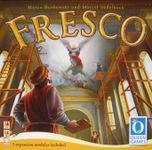
welcome to the jungin schemes impressions vlog today I'll be discussing four games that I was able to play recently and I will be going through them in alphabetical order now I do want to mention that if you would prefer to listen to this instead of watch it that you can do so by searching for the junkets games podcast wherever you normally listen to podcasts now the next thing I'd like to ask is that if you enjoy this video that you please click the like button for it down below as well as the subscribe button for the channel also if you would like to directly support the channel in the creation of future vlogs like this one and please go to junkets Gamescom slash support there you'll find a bunch of ways that you can really help things out and some of them come with cool bonuses like voting on a couple of the videos that I feel means month alright let's down jump into the list of games and under the first one is Festo where the next donation point at the end now this is a game that was published by a game brewer and technically it hit the European market in Essen of 2018 so a couple years ago now I actually saw this at Essen when I was over there and it caught my eye because it's a very bright game it's got beautiful colors all over the place lots of vibrant artwork and lots of colored cubes and whatnot and when I went to gamma two weeks ago they had the game set out in the open game night and they said that they are actually going to be releasing this into the North American market later on this year so it's gonna hit another marketing push essentially now let's talk a little bit about what Festo is now this is a worker placement game with a neat little twist now the way it works is you're going to go through several rounds and within each round there are two phases now in phase one you go in a clockwise
order around the table placing your workers down on to the worker placement spots in the middle of the board now I can't remember exactly how many of them there are there are many of them like six or seven or something like that and when you place your workers out you can put as many of them out as you want to on to as many different columns as you want to now there is one catch and that is at the start of each one of these rounds you will end actually the phases you roll two dice and that will block off two of the worker placement areas so you can go anywhere except those two spots now you start with I believe it was six workers so if you wanted to in this first phase of the round you could send all of your workers out and that's it now once everybody has a chance to put some of their workers out you go into the second phase of the round where you roll the dice again this will block off homes which could be the same - or different ones because it's random and then you once again go around the table having players but the rest of their workers out so that means right there at the beginning you have a pretty interesting decision of where do I put my workers how many do I put out now and how many do I hold back now the reason for this is because once we finished that second phase we will then go through and evaluate every single one of the worker placement spots and the player who has the most workers there we'll get a better bonus than everyone else I'm not going to go into all of the specifics of the gameplay but you are trying to have a majority of your workers in these different spots so what that means is in phase 1 you might seed out a couple of workers here or there to kind of show some of the stuff you are thinking about doing and then maybe hold on to a bunch to put them all out - in a second phase but you don't want to maybe put none out in the first phase because the spots that you
really want to go to might be blocked by the die rolls so what ended up happening is players played somewhat differently based off of the turn order actually you know if a player was able to be the final one to act in the second phase it seems like they oftentimes placed just maybe one or two of their workers so that at the end of the second phase they would have a lot of control of taking control of different areas because they had a lot of workers in their reserve still but of course that is a risky thing if the spot that you really want to go to is blocked by the dive roll now this also means if in the first phase you put down some workers and in the second phase the die rolls on to the spot where you put workers down well that's locked and that means no more can be put in there so that is kind of the tension push and pull and really kind of the mechanical gimmick of this game now what you're actually getting from each one of these spots is ingredients there they come in a wide variety of different colors and you are going to be doing essentially just recipe creation you're getting these different cubes and then at the end of each round you are going to go in turn order making these recipes on the far side of the board that require certain numbers of different types of cubes now I do want to mention that each one of the action spaces does more than just give you cubes in addition to that once per activation you could do the special action for that specific column now they vary there's a whole bunch of different ones one of them lets you get a wild good another one lets you get a couple of bonus workers that you can place out in the next round another one lets you actually move workers in this round and you can actually put them out in two spots that were blocked off by the dice so there
are a variety of little common wee things that people are doing as they're getting these cubes and also trying to manipulate things so that they can get more cubes that they want now the cubes themselves have a diminishing supply so if a lots of people go on to a spot then not everyone will get those so all of these things you are trying to balance and then of course we're having the right cubes to finish the recipes at the end so that's essentially how the game works realistically you do that to phase around I believe it was three or four times I can't member specifically and then once it's over everybody counts up their points and whoever has the most points wins now the recipes that you took give you points but also there is a pretty reasonable amount of points that you get for getting different types of recipes there are harder ones and easier ones and so in this play which was a four player game I made it my goal pretty much from the very start of the game that I wanted to try and get a full set of the different types I can't remember exactly how many bonus points it was but it was quite a lot like definitely more than several of the recipes themselves so right from the beginning I was gunning to try and get these different recipes done now you can fulfill multiple ones in each of the rounds if you can afford it but those ingredient cubes can certainly be hard to get in a large quantities anyway so I was actually very successful in doing this I can't remember if I did get the full set at the end of the game or if I was one off of that set but I did very well in fact I won by pretty large margin over everybody else now I was new to the game and so were two of the other players and then there was also somebody from the publisher who is there who taught the game to us and then also played it with us because there was nobody else around who was interested in playing it and it
seems like we all enjoyed the game I mean obviously the publisher will enjoy it he seemed to be really digging it though I think he definitely enjoys playing that game but when it comes to the three of us that were new to it we enjoyed it as well I mean obviously this is not a terribly deep game overall but I did find that twist on worker placement to be a pretty interesting one to work my way through in each one of the phases of the game there were some high and low moments as the dice where I wanted them to or really did not go where I wanted them to and then obviously we're trying to get inside your opponents heads to figure out where they are going to push to try and to take majorities so I think at the end of the day this is a game that I would have no problem playing again in the future there is a bit of a variability and replayability baked into the game too because in each one of the rounds there is a random event that comes out - they could definitely affect things it might make one of the specific actions on the board more powerful than before it might do other things that make it actually easier to complete recipes and that given round or a variety of other stuff I only saw you know four or five of them again I can't remember how many rounds the game was but there was a pretty large stack of them so overall I thought Festo was fun I think it's vibrant I think it's very quick and easy to teach overall I essentially taught you 90% of the rules just going through here without even picking up any of the little pieces so I think for a light to mid weight kind of entry level euro game with some need twists there's a lot to like over here and in the future if I have opportunities to play this one again I will likely take them up okay let's now move on to the second game I
will be discussing and that is men most alkalyn Conan which is obviously a German title I don't speak German and I'm gonna call it gun and Conan from this point on even though I'm sure that's also a awful way to say it in German but either way this is a new role and right style game that came out - in Germany very recently and I bought this one on impulse from Amazon de I saw that Eric Martin posted a tweet about it several weeks ago like four weeks ago or so and the game looked so fascinating that I went to Amazon de and I saw that I could buy it for less than $20 shipped all the way to California and I bit the bullet I just went for it because it looked neat enough and that seemed like a low enough price now interestingly enough I have not played my copy yet but two weeks ago I went to the gamma trade show and I worked with the BoardGameGeek team I volunteered with them pretty much every gamma these days to help them out with their stream now while I was there I was able to play Eric Martin's copy of the game I actually brought my copy with me but I still haven't played it yet and so Eric Martin taught the game to myself and Candice who was also a part of the BoardGameGeek team and we had a great time with it now let's talk a little bit about how it plays now when it's your turn in gone in Conan you are going to roll all of the dice in the middle of the table now these are standard d6 dice that come in a variety of different colors now after you roll your dice you will then look at your tableau of square car that are in front of you now each card has some dye requirements on them maybe you need to get certain sets of dice that are identical or perhaps you need to do an ascending set of dice or something like that and many of these
spots have color restrictions which means you have to use that specific dye on that specific spot now at this point after rolling the dice once if you can use those dice to complete one of the cards in front of you then you can and you can exce off all the spots and write little things in and that card is done and then your turn is done now it's pretty rare to do that on the first roll especially early on in the game so let's say you can't complete a card well then what you have to do is reroll some or all of the dice that you just rolled so you can lock a couple dice if you want to re-roll the rest and then at this moment everyone else around the table gets really excited because now that you have done a reroll they can take any one of the dice that you just re rolled and use that value to cross off one of the spots on their cards so what this means is they are going to make it easier for them to complete their cards in one go on their turn later on because obviously there are less requirements on those cards for them now at this point you've roll the reroll of the dice and it maybe you can't make it work again well at this point you can unlock some of the dice you locked earlier and then do another roll at which point all of your opponents are happy again because they can once again it mark something off once you do to re-roll so you are done and if you still can't complete anything and you can take two of your dice and just mark stuff off with them or you can randomly take a new card and add it into your tableau at that point you pass the dice to the next person in a clockwise fashion and you keep playing through the game like that until one person finishes a 3x3 grid of these cards in front of them now that is important because this 3x3 grid is where you get all of your points now there are two different types of cards in this game half of them are
scoring cards victory point scoring cards and the other ones are bonuses now the victory point scoring cards give you a condition maybe it's a Jason C's like this card right over here gives you bonus points if there is a blue card on top and on any of the sides are the ones maybe give you points for completed cards and rows or columns or other points for specific types of cards now the other type of card are the bonus cards now there are like five different types of them I think and they don't give you points by themselves but they let you break the rules of the game a little bit they might let you change the color of a diet that you are using in this moment or maybe add or subtract the bit values from DICE that you are using there are also ones that could be a wild color spot which means it'll match up better for the victory point scoring cards that might want specific colors so what you're trying to do is balance how many of these bonus cards you take which will help you unlock more opportunities to actually complete your cards while also taking some of the scoring cards if you have a 3x3 grid of scoring cards that feels like it's probably the best but you are really hampering yourself with not giving yourself extra value manipulations or color manipulations or that kind of thing so when we were playing this game I tried to go with a kind of medium approach I got a couple of the different types of the bonuses and then I picked up a scoring card that gave me points for the number of different types of bonus cards that I had so suddenly the bonus cards were directly worth points to me so I tried really hard to get one of each of the types or maybe not that many but I tried not to duplicate those cards in front of myself and then later on I was able to pick up another card
which gave me points for different types of these different bonuses so as you're playing through the game you're trying to really make this three by three grid the best scoring thing you can based off of the previous decisions that you've made now I suppose they should briefly mention that when it's your turn if you can't complete one of your cards but if you have a three of a kind or four of a kind you can use that three or four of a kind to buy new cards from a central face-up tableau to add those cards down into your area so you do have a decent number of options on your turn now at this point I've only played the game once because well we played this at Gama and while we were at Gama that's kind of when the coronavirus thing really got real in America so I go home from Gama and I haven't seen anyone else in person since then so I will likely play this again in the future you can't play two-player I just haven't played it with my wife yet but I really liked this game I loved the decisions that I was making I was a little worried at first going into it about the randomness of the game and a big part of that is because when I got the game into my house I went to BoardGameGeek and there were two reviews already on board game geek one video review and one written view review and both of them had a pretty big negative about how random the game was so I was kind of predisposed to be worried about the randomness I guess that's a problem with reviews and listen people who tell you what they think about games so I went into the game apprehensive but man it really just it worked for me I really enjoyed it there were some great highs some great lows I mean usually lows aren't great but like that moment when the dice don't do what you want to do or it's great for your opponent like it's still entertaining because you're still having a fun time as you're kind of going through all of
the stuff and there was a moment where I had just one die to roll and it needed it was an orange dye and it needed to be a four I think and I rolled it and it was a four and I literally stood up and yelled I was so excited for it we were playing this game and kind of the open area of the coffee shop it's indoors over there a gamma but well I surrounded by people I just yelled so loud I felt a little bit weird about it but I was very into the game I was super vested in it and of course Eric and Candice were just laughing because I'm ridiculous it all was so anyway when the dust settled Eric won unfortunately I really thought I was gonna win with that role which was just awesome it got me so many points man I really thought I was gonna have it in the bag and at that point Eric has said that he was undefeated at the game actually I think it was his fourth or fifth play and he had not lost at all so that's an interesting argument against randomness if the same person keeps winning over and over again but that being said they've also played the game the most so there's experience there but again I guess that feeds into the argument that you can't be good at this game and you know work around the the whims of the dice as they come out so I am very much looking forward to playing this one more in the future it is a super neat way to like calculate all these points use dry erase markers as you mark this stuff off and in a lot of ways this feels like a I don't know more advanced version of silver and gold there are quite different games overall silver and gold is also a game with cards where they use right on with your with a dry erase marker and I actually bought a copy of silver and gold I liked it so much at BG con last year and I
still haven't even popped it out of the shrink and now I'm a little worried that I might actually never play that game because I think I would just rather play gun in common so either way I have lots of high hopes for playing God and Conan more in the future although I will probably not have opportunities to play it with more than one other person for many months at this point because life is a little weird and I have not found one conan online yet but either way that's gonna wrap up my thoughts about this one big big thumbs up for me about Ghana Kannan okay let's now move on to the third game I will be discussing and that one is stickum now it's possible that you've heard of the previous name of this game which is it's the Challenger stick helm again a German name and stick helm what came out I think we looked it up it was like 91 I think or maybe it was 2001 I didn't do my research a long long time ago many decades ago this is a really old game yeah I'm pretty sure it was 91 so this is a trick-taking game that is all about pain I guess I mean obviously the new name is stickum and there is this thing again called a pain suit so I think let's talk a little bit about how it plays and then I'll discuss how this one play of it went now mechanically the way this works is it is a trick-taking style game where you're gonna play one card into the trick every single round and then whoever wins the trick gets all of the cards so that's really standard stuff now the way it works is in this game there are a number of suits equal to the number of players now if you're the starting player for that specific round you can play any card that you want from your hand and let's say I played a red card now that there is a red card out there the next person can
go and they can play any card that they want to in their hand so right from the get-go this breaks a lot of norms of trick-taking type games we have to like follow suits and that kind of stuff now you can play literally any card in any hand there are no rules for tricks for this you just want to play the cards that are good for you now at this point let's say I put that red 7 down and then the person to my left put down a purple 2 now there are 2 different colors and the way this works is at the end of a round if every single card in the trick is the same color then the player who put to the highest value of that color is gonna win it however if there are any colors in that trick that are different than the lead color then the highest non-lead color card is going to win the trick so what that means is as the person leading into the trick you are not very strong to actually win that trick at all you could play the most powerful card for that suit like you know the red 14 down and someone plays a purple one and that's more powerful than your 14 red so it definitely is a game about not continuing to win pots now that's the kind of a weird mechanical way that the game works but the way this all comes together is the pain suit that I mentioned briefly before now at the start of each one of the rounds of the game you're going to look at all of your cards and you're gonna pick up one of them out and put it facedown on the table at that point once everyone has decided you flip it over simultaneously and that card is your pain suit so let's say that that was a red card that I put down in front of myself it was a red - let's say now what that means is once this round is over and everyone has played every single
cards that they have in their hand we will then score points for the cards in our trick pile the cards that we were able to win from the tricks that you are going to gain one point for every non pain suit color card in your pile and you will lose points equal to the value of the cards that match your pain suit so that means I could have six non red cards which means I get six points but if I have a single red six then that's a negative six points also that red two that I put down to start off the pain suit is also negative points so that means I started off in the hole - two points so what you're trying to do is clot out tiny amounts of victory points while dodging the massive bombs of negative points that can be coming your way now obviously everyone can see what everyone's pain suit is so while you're playing these cards out there can be kind of groupthink moments where you try to all play specific color cards so that one person takes a bunch of negatives like let's say I led that read and write as my pain suit now this person plays a red and that person plays the red that person plays a red well at this point let's say I read it led with like a red 10 and the 10 is the highest then I'm in a lot of trouble because that's a bunch of red cards that are heading my way all of which are negative points this could be like negative 25 points at this point now at this moment the person to my right is gonna play the last card if they play a red card that's lower than 10 and I get all of these negative points and I am in a world of trouble however if they play literally any other color because it's off suit to the color that's out there and they win it they could win that with a purple one for instance and then all of those cards are
worth one point each for them as long of course as they don't match the same pain suit if they do then things get even more creative and strange so this game is all about playing the cards that you have in your hand playing off of your opponent's not being sure what your opponents are gonna do and then constantly being terrified that someone is going to manage to land that 14 value card into a trick that you are winning because obviously losing 14 points is a big deal so let's circle back to my experience of playing this game I've played it once I actually remember this being played a bunch in my board game group back in like 2009 and I never had a chance to play it because there was kind of this impression of like oh this is a really weird hard game and we were playing it so why'd you play something else there's a little bit of a vibe going on there so I just assumed it was a really complicated trick-taking game well it turns out it's not complicated at all in its rules but what actually happens when you're playing this game is your mind it just melts out of your ears trying to figure out how this all works because it breaks the norm so much and the strategy behind what cards you pick can be so hard to figure out now we were able to play a five player game of this we played it actually just after we played gone and Kannan and we played it with clay Ross from capstone games who is going to be publishing this again actually they got the rights to it so that's part of the reason for the rename they're calling it Sikkim with the capstone game's version he taught the game and we played it and we had so much fun with this game I mean maybe just the vibe was good we played this right after gone in Conan where I was at having a great time but we laughed so much there was yelling there
was laughter there were groans there were so many high moments as we played this game and it was a rollercoaster for the points as well the person to my left Justin kept getting so many negative points at the beginning of the game they were in the whole like negative 45 at some point at one point in the game I think we played through five full rounds like one round per player and like after the second round he was still at like minus 40 now as I was playing the game I was able to kind of float even in his five player game I I was kind of never doing great and never doing awful had a couple not-so-great rounds overall but then when we entered the fifth round of the game I was in third place I think I had something like three points so obviously the persons who had people who are below me were still negative at that point now I had about three points and Eric Martin had I think something like 17 points and play Ross had like 25 or 26 points he was doing so well at this point so I was sitting there thinking well okay third place is not bad for the first time playing the game we started playing through this round and it was obvious everybody was out for blood for the players who were winning so the first thing that happened within like two hands at the start of this round is Eric Martin got blown up for his pain suit he took like negative 30 points just a ridiculous amount so suddenly he was not at second place anymore he was way down and I was feeling pretty good I was in third place going into the round but still clay Ross had so many cars so many points sorry so many points in front of him so we keep playing through the round and here's the thing clays pain suit was a yellow and I had the yellow 14 in my hand now there were so
many opportunities in this hand where I thought about playing or not the in the round where I thought about playing that yellow 14 you know it would be working this moment to work in that moment but I kept thinking to myself no this could destroy clay I need to hold on to this for the moment if I'm given the opportunity to play this to just blow up his chances at doing anything so I kept pulling onto it kept holding on to it we started playing all of these cards in our hand it's like 14 cards in our hand it came down to the very final card in our hands and it starts off with a yellow card being led so that happens and then another yellow card comes down and then play has to put his last card down which is like I don't know purple something I can't remember what it was but it was not yellow which means it's now winning that trick and then Eric plays a yellow and I throw down my yellow 14 and I think played just about fell out of his chair it was amazing it was probably like negative 40 points in that one hand because all of us were hoarding the big yellows to try and blow the leader up for the game so then obviously that was the game being over I played the last card which was that yellow 14 and we counted up to the points and I won with a score of like 8 or something like that so both of the leaders were just knocked down from so far up and I know that maybe this was too much nitty-gritty detail for this impression slog but I just wanted to put you into that moment it was just so much fun and also it was cool to see that even a really big lead in this game is not safe at all clay was trying to play complete defense he was not trying to get any points at all he was just trying to not take any negative points he was trying to take no
risks overall but we were still able to orchestrate things to completely hose him over and we just had such a great time I mean he had a great time too he was laughing in anguish and all that happened just kind of in disbelief that that final round we were just waiting there to pounce on him and then have that 14 out there - it was just it was wonderful so I have to say that my initial impression of playing stickum was very high it was a wonderful moment but I also have to say that I like everyone else playing with a table like it was a good environment a good situation like Eric is great Candice is great clay is great justin is great we were just had this really good gaming moment going on and I can't help but wonder if this game would be a little weird if I played it with other people that I did not know very well I mean I'm not super close friends with these people but I already know these people so if I was to play this with random people overall it might be a little bit different especially if they had trouble with the idea of taking these points I think you definitely have to go into this game knowing that right there on the box it's got a person with like a pin like this is a game about pain this is a game about taking point negative points and doing the best thing that you can with it and I am enamoured I really really enjoyed it I'm looking forward to more plays of it I will likely try to acquire a copy of the new print run that's gonna come out from capstone games I don't know how much it's gonna be but I imagine it's gonna be quite cheap considering it's just a deck of cards it's bigger than a standard deck of cards because if you play up to six players then you have six different suits but still there's not a lot of cards in that box but there is a ton of crazy situations and wacky decisions you
have to make and I am very impressed I'm very impressed with Sikkim alright it's now time for the fourth and final game and I'll be discussing and that one is teaching now this is not a new game by any means in fact this came out in 1991 I remember now teacher was 91 and said shell came out in 1993 that's why I got confused so this is also a decades-old card game now in addition to not being a new game in general it's not a new game for me now I have not really talked about it much on Jong it's games but taeju is one of my favorite games ever I've played it more than any other card slash board game period probably about 150 games which is a lot considering t 2 games can vary from 30 minutes to 90 minutes so that is a lot of time playing this game over the last 13 or so years now let's talk a little bit about how teacher works and then I'll discuss my play and you know why I wanted to talk about it right now now mechanically this is a card shedding climbing style game it's not a trick-taking game that's a huge pet peeve of mine when people call it a trick-taking game but anyway the way it works is you deal out a standard 52-card deck it also has four special jokers in it now you deal that out to all four players because well I've only ever played this at four players technically there's rules for the other player accounts but I've never touched them now I say it's a four player game because this is a partnership game where you have a partner across the table from you and then your opponents are these other two people kind of right here so you're kind of in a square now the way it works is when you're playing through a hand of teaching one person leads into that hand with a pattern of cards now those
patterns can be a single card or a pair it could also be a full house or a three of a kind or a straight that straight could be a five card straight or a 11 card straight you could have some really big straights in this game now once a player leads a pattern let's say a five card straight then everyone else has an opportunity to play onto it and they can only do it if they exactly match to the pattern but do it better so that means if this is a five card straight that stops at an eight then only a five card straight that stops at a nine or better it can be played on top of it now this is important because what you're doing in this game is trying to get rid of your cards in general you're trying to get rid of them as fast as possible there are some asterisks for scoring and whatnot that I'm not going to go into right here but the goal of this game is to get rid of your cards as quickly as you can and you're gonna try to help your partner to also get rid of their hand as quickly as they can now at the end of each round you were going to score up the points in the piles of cards that you've taken and the first team to get to a thousand points is going to win now I've glossed over how you get points I'm not going to talk about it here I've glossed over a lot of things because the reason I love teach you is because of the teach you call obviously it's called that because that's the name of the game but when you are playing a hand of teach you and if you have not played any cards yet you have the opportunity to call taeju you just say taeju now this doesn't sound like much but this is what the entire game revolves around because once one person calls teach you they are now betting 102 points that they alone will get rid of all their cards before anyone else including their partner across the table now again you're playing this game to a thousand points so that means if you make your teach you then you just got a hundred points which is
one-tenth of what you need to win the game but if anyone else gets rid of all their cards before you do then you as a team collectively lose a hundred points now this is why the game length can vary so much i've played games that are 20 minutes long I've technically played a three hand two game once which took about ten minutes but I've also played like to our games to teach you because you just go up and down and up and down as people call teach you and then are not able to actually make that happen so this is where the stress and the tension of the game comes into play and this is also where the fun comes into play teach you does the best at simulating gambling without money of any game that I've ever played I suppose you could play teach you for money but I've never done that but the the feeling that you get when you call teach you is akin to gambling because you want so desperately to get those 100 points you want so desperately to not lose those hundred points and you really really just want so desperately to not to disappoint your partner across the table now what that means is this game is all about looking at your hand of cards and analyzing is it strong enough is this the best hand of cards around the table and I can I work my way through getting rid of all these cards in a pattern to actually make this happen and can I defend myself enough and if you did not call teach you but your partner did then you have this other meta game going on where you're trying to kind of read their mind for what they need so that you can kind of help them out if you take the lead you can probably try to put down cards that you think will help them to get rid of their cards there's just so much mind games and mind-melding going on with this game and the highs and lows are supreme as you are seeing these calls happen now it's to the point where in my
opinion a hand of teach you is not interesting unless one person calls teaching and in fact in the old group I used to play if nobody called teach you then we would call it a friendly hand and we just try to get through it as quickly as possible now there are ways to get a decent amount of points even as much as 200 points in a friendly hand and again I'm not going to go into the specifics but I do want to briefly talk about those four special cards that I alluded to earlier now one of them is the one it's a value one so it's obviously lower than two which is normally the lowest card in a standard deck now the person with the one gets to start things often it's a one and it can go into a straight it's not that interesting but when you play it out you could wish for a card and then the next time someone can legally play that card they're forced to which can be quite interesting the next type of card is the Phoenix now the Phoenix is a wild card it could be any type of card that you want for any of these different patterns which is great but if you have the Phoenix and you're scoring pilots worth a negative 25 points which isn't good next up is the dragon you can only play the dragon when a single card type of pattern is out there so you can't play a dragon with a pair or a full house just with single cards out there and the dragon is the biggest single card in the game and I'm gonna stop talking about scoring but the dragon can get points to your opponent's which you don't like but it could let you win the hand lastly there is the dog which is the weirdest card in the game with the dog you actually play it and you give it to your partner and then they start so you never actually play the dog amongst any of these other cards but if you have the dog and your partner is going for a t2 and you are able to win a hand then you can play the dog to give your partner the ability to continue trying
to get rid of their cards so there is a lot more going on to this game with Grande teaches and of course the minutia of scoring that I'm not going to discuss here but I wanted to talk about it here because I think it's an amazing game I obviously love this game overall and it was so exciting to teach this to new people to the game and to have them latch onto it so much now here's the thing about teaching I have not technically played it in about five years however in the previous five years I've tried to teach it several times and I haven't logged any of those plays because they kind of died after like two or three hands with people just not getting it now this game does not seem that complicated to me because I've played it a hundred and fifty plus times but for new players it can be a bit overwhelming with all of these little rules now when we were at Gama and playing such Ellen I asked clay if he'd played teach you before and he said no and he emphatically said that he would love to play it but he's never had an opportunity now I latched on to that because I love this game so much and he seemed so interested so the next night I was able to teach clay and Justin who also works with him at capstone games and I was able to rope in Eric Martin to help us out as well and this is key and I really want to harp on this because if my enthusiasm has made you want to try this then I have some roadblocks that I want to tell you about that I want you to avoid now if you want to learn how to play teach you and you are playing it with yourself and three new people it's probably not gonna work out very well the best way that you can learn teach you is to have one or two new people and then have two or three experienced people around the table now this is what happened because Eric Martin is a very experienced with the game I forgot to ask him how many
times he's played but he very very much knew the game as well so we were on different teams with obviously new people on the other side I played with Justin on my team and I was teaching this rule of the game and you kind of teach it in phases it was probably six full rounds maybe five full rounds before we taught all of the rules to the game to try and work them into it and they were loving it but again I've taught this unsuccessfully many times in the past where just I knew the rules and three people didn't and it was slow and sluggish and people didn't understand when they should call teach you and again if people aren't confident to try and just try and call teach you then the game is nowhere near as interesting the game is all about those teacher calls fortunately Justin and clay are experienced card players sounds like they played a lot of euchre and whatnot and they just jumped right into it like pretty much the moment I mentioned that a grand a teacher could exist which again I'm not going to explain the next hand play did it it's a 200 point bet and he I think he made it I can't remember exactly but it was just wonderful so exciting to see the game play out that way and for a rules teacher to have so many kind of dud teaches over the last several years and then have one that works so well just had me riding on clouds like I just like floated back to my hotel room that night I had so much fun with it because we just had collectively so much fun also there were some wonderful moments with just like zany things that don't normally happen that happened way before we would even it even should and there was this awesome thing that happened to her Eric was sitting to my left and a situation
would happen and we just look at each other with a smile and clay and Justin be like what and we're just like you'll find out in a second just because like just that the kind of mind connection of two people who have played teach you so many times but never actually played together was also kind of interesting especially when you consider that you know we've played it so many times but never together well so many of our conventions were the same and so many of our thought processes were the same and it's just interesting to play this game with somebody else who knows it so well but you've never actually been it worth before so I I strongly advise that anyone who's interested in playing taeju you try to find somebody who likes it who knows it already who can teach it with you if you want to try this with nobody who can teach it to you if it's like you and three of your friends and you're all new to it then my biggest piece of advice to you is call teach you do it as early as you can start making mistakes oftentimes people play to five hundred points instead of a thousand for their first play and the only way you will learn how strong your hands are and more often how weak your hands are the holes in your strategy is to call teach you and have it loose and if you call often and you tell everyone like you know let's just go for it like don't be too worried don't be concerned let's just if you think your hand looks pretty good if you got some aces and you got a dragon call teach you give it a shot you might not make it we might lose the points we could only stop playing after three or four hands but even if people enjoy those three or four hands then you're more likely to come back and play the full game overall so I should probably start stop talking about teach you at this point but this was just a great opportunity for me to talk about one of my favorite games ever in this impressions vlog it was a wonderful
experience and one last thing I do want to mention is that you don't actually have to buy this game you could play this game with a standard deck of cards that you buy because the standard deck comes with two jokers and those two other cards that usually have like advertisements on them we can just get out a sharpie and write dog Phoenix one dragon on them and play with that of course it is fun to play with the actual cards with a cool art and on it so I'm not advising people not to buy the game but I'm just saying if you are in a situation where you'd love to try it and you don't have a copy around you you can we actually used some ex casino poker cards at the Peppermill casino where Gama was and I actually have that in my convention back pack for the future I will likely play that copy again or I certainly hope to because I've kind of reinvigorated after having that great teach go by I'm like okay yeah I want to keep trying to make this game happen because it's so much fun so yeah I think that is gonna wrap up teach you and that's also going to wrap up this impressions blog at this point things are gonna get a little bit strange for a future impressions vlogs obviously the world is an odd place at this moment with shelter-in-place and you know the corona virus going around everywhere and all sorts of lockdowns happening I live in the San Francisco Bay Area that's been in a shelter-in-place mode for in ten days at this points and what this means is I've actually been getting quite a bit of gaming in but it's all been online with friends so for future impressions vlogs I think I'm gonna keep trying to do them but for games that I played online as I take screenshots in table topia or a tabletop simulator as
I'm playing through these games so I do hope that there will be more of these impressions vlogs coming out soon but I'm not gonna be really working through my review pile of actual physical board games that much I might play some of them to players with my wife Jessica but for the most part it's gonna be a little different in the future they're still board games obviously even when they're played online so hopefully I will have these coming out somewhat often but I'm not sure how many new games will be playing vs. games I already know and can teach other people on on the internet but either way I think that's good to wrap up this vlog as always I'd like to thank everyone who's been supporting this channel including all of these producers level patreon backers if you two would like to directly support the channel and the creation of videos like this one then please go to junkets Gamescom slash support to see a variety of ways with which you can do that also if you enjoyed this video please click the like button down below as well as the subscribe button for the channel thanks for watching