








A Game of Thrones: The Card Game Deep Dive
What the Community Thinks About A Game of Thrones: The Card Game
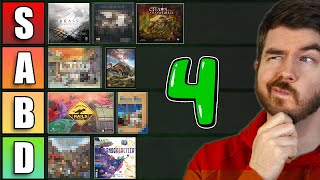
Community coverage of A Game of Thrones: The Card Game is limited, but it points in one direction: the living card game is valued for its theme and its table talk, and it is at its strongest with more than two people. Tabletop Turtle gives it an S tier ranking in a four-player tier list and argues forcefully against the idea that it is a two-player game. Box of Delights presents a full two-player joust between House Baratheon and House Targaryen, built from the core set plus several expansions, and frames the game as a contest of intrigue, betrayal and epic battles. Beyond Solitaire touches on the game only briefly, when Joe Schmidt recounts a convention session playing the Greyjoys against an ally who held House Tyrell. Taken together, the reviewers describe a game that works as a duel but comes alive when the table fills.
Core Mechanics That Define A Game of Thrones: The Card Game
Pre-built house and plot decks
The game does not run on a shared market where players buy cards mid-match. Each player arrives with a house deck and a separate plot deck assembled before play. In the Box of Delights setup, the plot deck holds seven cards, and a player chooses one plot from it each round. Each player then draws an opening hand of seven cards from the house deck after placing setup cards. Setup is constrained: players may place up to five gold worth of characters or locations, so with two three-cost characters and a location available, the reviewer could place only one location and one character. Some cards, such as Drogo's Tent, can be played as a location or as an attachment to the house card, a choice that affects how events that target locations interact with them. Fantasy Flight Games publishes the game, and the expansion cards that appear in this walkthrough show how much variety a deck can carry beyond the core set.
Round sequence and the house card
Each house card carries a round sequence printed on it, and the reviewer in Box of Delights highlights this as a practical feature. The printed sequence walks a new player through each phase in order, so there is no need to consult a separate reference sheet mid-round. The reviewer is careful to note that the house card is not just a reference sheet, it is also a piece of the game: within each round, characters already in play can challenge one another, and keywords such as stealth let a character avoid one of the opponent's characters in a challenge, so the same card that teaches the turn order also carries abilities that shape how a house plays. The result is that the printed structure of the house card helps new players track the turn while still carrying game effects of its own.
The A Game of Thrones: The Card Game Experience
Bluffing, alliances and betrayal at four players
Tabletop Turtle describes the four-player game as the place where bluffing, alliances and grudge holding come alive. Each round, the reviewer reveals the hand and commits to a single strategy card that sets the direction for that round, then uses a roll card to decide who is an ally and who is an enemy. The reviewer says the intrigue phase becomes a masterclass in manipulation, with players spending as much time outwitting their friends as they spend playing cards. That social pressure, rather than the raw card play, is what the reviewer credits for making the game feel like a full season of the television show.
Asymmetric house identity
Each house plays differently, and the reviewers pay attention to that identity. Box of Delights opens by separating each house's cards and calls the House Baratheon opening hand a tough one to set up. In Beyond Solitaire, Joe Schmidt describes a session in which they played the Greyjoys and invaded Southern Westeros with help from a partner who played House Tyrell. The Tabletop Turtle reviewer says each of their own decks is built around a theme, and enjoys the deck building for that reason.
What Makes A Game of Thrones: The Card Game Stand Out
Themed deck building
The deck building also earns praise. Box of Delights builds its houses from the core set plus several expansions, which shows how varied the card pool becomes once expansions arrive. Tabletop Turtle says the deck building is enjoyable even though the reviewer's own decks are built around a theme. The approach gives each house a recognizable character in play, which is the link to the television series that the reviewers describe.
Alliance-driven multiplayer
Tabletop Turtle makes the strongest case for the multiplayer format. The reviewer argues that the game is designed around four players, that it becomes a race to power rather than a mindless attrition battle, and that the mix of bluffing and alliance making produces memorable moments. The reviewer compares the four-player dynamic to Diplomacy, saying that a game of this kind is not meant to be played alone with one friend. Beyond Solitaire adds a short, positive account of a convention session that guest Joe Schmidt describes as fun.
Potential Drawbacks
Setup and first-game learning
The clearest concern across these reviews is setup. Box of Delights spends much of its runtime on setup decisions: which characters and locations to place within the gold limit, which cards can be used as attachments, and which setup keywords apply. The reviewer calls the House Baratheon opening hand tough, with an event card, two attachments and three characters that could not all fit the setup limit. New players are likely to face the same choices before they see any of the game's play.
Experience depends on the table and the format
The social play that Tabletop Turtle praises depends on who sits down. The reviewer's emphasis on outwitting friends and on loud, personal betrayals suggests the game works best with a group willing to negotiate and hold grudges. In addition, the two-player joust shown in Box of Delights uses a different format from the multiplayer game, which relies on title cards. The reviewer notes having played little beyond two players, so the walkthrough does not show the multiplayer rules in detail.
If You Enjoy A Game of Thrones: The Card Game
The players these reviews point to are those who want a theme that shapes the game itself. Tabletop Turtle frames the game as built for people who enjoy negotiation, bluffing and the sting of a betrayal, drawing a direct comparison to Diplomacy as the genre's closest touchstone. Players who like building themed decks from a shared core set, and who enjoy the expansion cards that broaden each house, will find much to like here. Players who prefer quick two-player duels with minimal setup may find the constrained setup and the format differences described in these reviews less appealing.
What Reviewers Are Saying
"It says it's a two-player game. It's not. That's like saying Diplomacy is best played with just a single friend. This game thrives at four."
— Tabletop Turtle
"Each house has a house card, and it's pretty good because it has a round sequence on there as well. So it helps you play through the game as well as having a function within the game itself."
— Box of Delights
"Andrew and I played this fantastic Game of Thrones game on I think it was Saturday night where I was playing as the Grey Joys and I ended up invading Southern Westeros with Andrew's help. He was Tyrell, so that was really fun."
— Beyond Solitaire