
Dark Souls: The Card Game Deep Dive
What the Community Thinks About Dark Souls: The Card Game
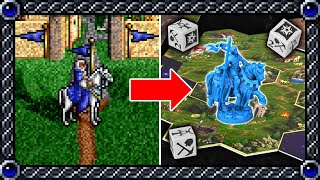
Reviewers who cover Dark Souls: The Card Game tend to describe it as a solo dungeon crawler in card form rather than a role-playing game. In a ranking of soloable dungeon crawlers, Robert, AzureDeath | Solo Board Gaming acknowledges that picking classes is the most RPG-like part of the package, but Robert still treats the game as a strong dungeon crawl that uses no dice. Robert's second video on adaptations of video games into board games returns to it with the same enthusiasm, praising how well its combat and bosses carry over from the video game. The consensus among these reviewers is that the game succeeds at its core loop of exploring, fighting, and returning to camp, while the main reservations concern how well it plays with a single character and how much lasting interest it holds. A third reviewer, TableTop Wolf, is much less enthusiastic and describes the game as simply fine.
Core Mechanics That Define Dark Souls: The Card Game
Deck as Health and Deck Construction
The most consistent explanation of the core system comes from Robert, who describes each character as a deck that also serves as its health pool. Taking damage means discarding from that deck, and upgrading means adding cards to it, which raises the character's effective health. Equipment is powered by stamina cards, so a player must add stamina cards of the right colors to make looted items usable. Robert explains the loop in sequence: the player gains Souls while exploring, returns to camp, and spends that currency on loot or stamina cards to improve the deck. The reviewer's point is that the deck is simultaneously the character sheet, the health bar, and the card pool, which ties every acquisition to the next fight.
Grid-Based Combat and Boss Patterns
Combat takes place on a grid, and reviewers describe enemies that move and attack in set patterns that players must learn. Robert says that starting monsters have "certain patterns" and that the boss encounters are "very interesting" because they require the player to learn how each one behaves before defeating it, comparing this directly to the video game and saying the game carries that challenge into card form. Because the game uses no dice, success depends on reading those patterns and positioning characters well rather than on luck in resolution. The approach gives the tactical side of the game a clear identity compared with other dungeon crawlers the reviewer covers.
The Dark Souls: The Card Game Experience
Dungeon Crawl
The experience reviewers describe is a steady march through a map, with each encounter testing whether the player's deck can keep up. Robert calls it "a neat like dark Dungeon Crawler where you pick a class and you go and defeat monsters and bosses," emphasizing the satisfaction of gathering loot and then turning it into deck improvements. The pacing is brisk enough that the reviewer in the second video says the game "plays relatively quick," which makes it an approachable session rather than an evening-long commitment. The feeling is one of gradual empowerment, where a modest starting deck slowly becomes a stronger one through careful choices.
Dark Tone Through Familiar Enemies
The tone comes less from written story and more from the faithful reproduction of the video game's threats. Robert describes the bosses as the element that gives the game its identity, noting that the translation to cards "really does such a good job at translating" the video game's combat. Players who know the source material will recognize enemy behavior and boss rhythms, which gives the dark fantasy setting weight at the table. The experience is grim in the sense that encounters punish carelessness, and the reviewer rewards players who study the enemies before committing their cards.
What Makes Dark Souls: The Card Game Stand Out
Deck Construction Tied to Loot
Robert singles out the deck construction element as the reason Robert continues to enjoy the game. Loot found in the dungeon must be paired with the correct stamina cards before it can be used, so each acquisition changes how the whole deck functions. Robert calls this "a very neat deck construction element" and says the game is quite enjoyable for it. The design asks the player to plan ahead, and the reviewer treats that planning as the source of the game's replay value. Expansions extend the same system, and Robert recommends them for the additional classes and variety they add.
A Unique Adaptation of the Video Game
Reviewers return repeatedly to how well the game adapts its source material. Robert says the game "really does Justice to the IP," and in the second video describes it as "just such a unique" and "cool game." The combat grid, the enemy patterns, and the class-based approach all echo the video game, but they are arranged into a system that stands apart from typical card games. Because the reviewer found that talking about it sparked a desire to play again, the game clearly leaves a lasting impression on at least one experienced solo player.
Potential Drawbacks
Weak Single-Character Play
The most common complaint concerns the solo experience. Robert recommends controlling two characters and says that playing with one is something that is not recommended, describing controlling two as "not that bad," but still wishing that controlling one character "worked a bit better." The second video makes the same point, noting that the game does not control well with a single character. Players who want a one-hero experience should expect friction, and the reviewer's advice is to build around two characters from the start.
Limited Staying Power for Some Players
Not every reviewer finds the game compelling. TableTop Wolf says they had owned the game for only a week, had played it twice, and were already planning to part with it, describing the game as "just Fine." Their point is not that the game is broken but that a game that is merely adequate does not justify shelf space in a collection that has room for stronger titles. For buyers weighing a purchase, this perspective is a useful reminder that the enthusiasm of Robert's reviews is not universal.
If You Enjoy Dark Souls: The Card Game
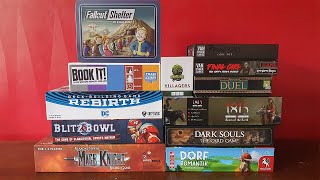
Players who enjoy Dark Souls: The Card Game's grid-based boss patterns will find similar satisfaction in Bloodborne: The Board Game. Robert describes it as a solo dungeon crawler with no dice, a short three-mission campaign, and a strong translation of its source material. Players who value how a video game's dangers come alive on the table will also appreciate Resident Evil 2: The Board Game, which Robert calls one of the best examples of bringing an IP into board game form. Its tension comes from scarce ammunition and the feeling of helplessness, which parallels the careful resource management that defines the card game. Both recommendations build on the same appeal: familiar video game challenges turned into table-ready decisions.
What Reviewers Are Saying
"Based on the loot that you obtain you have to choose the right stamina cards to activate the loot that you've added to your character deck. So it has a very neat deck construction element. I quite enjoy this game."
— Robert, AzureDeath | Solo Board Gaming
"Your character is your deck and it's also your health, so when you take damage you discard from your deck. When you upgrade your deck you add cards to it, which basically increases your health."
— Robert, AzureDeath | Solo Board Gaming
"I've only owned this game for a week why am I getting rid of it because I've played it twice now."
— TableTop Wolf