


Evolution: The Beginning Deep Dive
What the Community Thinks About Evolution: The Beginning
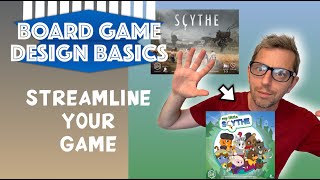
Adam in Wales - Board Game Design covers Evolution: The Beginning in a video about streamlining games, using it as a model for how a designer can take a dense design and make it approachable. The video describes it as a streamlined version of Evolution, the original card game from North Star Games, that keeps much of the same appeal while removing friction for newcomers. Adam‘s central point is that the streamlined version reaches very similar results to the original with a much shorter learning curve.
The Dice Tower‘s Tom Vasel mentions the game only briefly, as part of an ongoing ranking of titles on BoardGameGeek, describing it as an entry point into the Evolution family and saying plainly that Vasel has played the original but not this particular version. Pair of Dice Paradise‘s Chaz Marler also references it in passing, as one title in a catalog of hobby board games announced for sale exclusively at Target stores. Marler uses that catalog to question whether a big-box chain can ever fill the role of a friendly local game store, which places the game in a mass-market retail context.
Core Mechanics That Define Evolution: The Beginning
Flipping Cards Into Species
The most important change Adam highlights concerns what happens to a card once it is played. In the original Evolution, spending a card to gain a new species or grow population is an extra step: you discard the card and then adjust your components to show the gain. In Evolution: The Beginning, the card you would normally discard is instead flipped over. It then becomes a new species or joins an existing species as additional population. Adam calls this "a really slick way" of reimplementing the spend-a-card system, since the same economy of cards and population growth carries over without the discard step.
A Trimmed Set of Special Cards
The second structural change is a smaller pool of special cards. Adam observes that the original is full of special card types, each with its own effect. The Beginning concentrates on the subset that is most useful, most fun, and simplest to learn. Adam says players become familiar with those cards much more quickly than they do in the original, while being careful to add that this does not mean the same depth, so the trimmed pool is a deliberate trade of complexity for approachability rather than a simple shortening of the original.
The Evolution: The Beginning Experience
A Linear, Readable Turn Sequence
Adam spends the most time on how a turn is organized. The original Evolution moves through shared phases in which all players act together before the next phase begins. In Evolution: The Beginning, a player works through a complete turn in order, and then play passes to the next player, who does the same. Adam describes this as "a much more intuitive sort of sequence" that is "much more familiar to players who haven‘t played a lot of these more complex games." Because each turn reads from start to finish, a newcomer can follow what is happening on the table without tracking several phases at once. Adam argues that this streamlines the whole experience while achieving very similar results.
Getting Comfortable With the Cards, and What Comes Next
The second angle Adam explores is how quickly the game settles in once it is on the table. Because the special cards are fewer and more focused, players get comfortable with them far sooner than they would in the original, which means less time spent checking what each card does. Adam frames the game as a stepping stone rather than a destination. The full Evolution is more complex and, in Adam‘s view, offers more long-term entertainment, but only once players get past its initial learning barrier. Adam does not describe session length for this version, so the account of pacing centers on how quickly the rules become second nature and how naturally the game leads toward the larger line.
What Makes Evolution: The Beginning Stand Out
Built for Accessible Shelves
Adam describes the game as a smaller, cheaper package than the original, sold in mass-market stores in America. Adam says its primary function was to get into Target and serve as a stepping stone toward the Evolution games. Marler‘s coverage of the Target catalog lines up with that positioning, placing the title among releases meant to be found on a casual shopping trip rather than sought out in a specialty shop. The result is a product that asks very little of a family or a first-time buyer, in price, size, or rules.
Streamlining Without Keeping Every Darling
Adam uses Evolution: The Beginning as a counterpoint to the Agricola Family Edition, arguing that the Agricola family version keeps much of the original‘s complexity, including card interactions, scoring exceptions, and tile rules that players have to explain to each other, so it does not streamline the game as far as Adam would like. The Beginning, by contrast, replaces the discard step with the flip mechanic, trims the special cards, and swaps the phase structure for a sequence players can follow. Adam presents it as an example of a designer letting go of what does not serve the fun, which is the approach recommended to anyone trimming a complex prototype.
Potential Drawbacks
Less Depth Than the Original
Adam is clear that the streamlined version does not offer the same depth, calling the original "a much deeper game" that is likely to give players "a lot more long-term entertainment" if they can get over its initial barrier to learning. Players who enjoy the strategic layers of the full game may find this version lighter than they want. This framing suggests it works best as an entry point rather than a replacement for the original.
A Narrow Retail Path
Because the game was designed around mass-market distribution, its availability follows that channel. Marler presents it within a catalog announced for sale exclusively at Target, which may limit where hobby players first encounter it. Marler also argues that a big-box catalog does not replace the dedicated play space and hosted events that friendly local stores provide. Players who want to learn and play the game in a social setting may therefore need to find that environment elsewhere.
If You Enjoy Evolution: The Beginning
Adam‘s advice is to move up once the basics feel comfortable. The original Evolution keeps the same core DNA while offering a deeper, more complex strategic game for players who want more. For those who want to go deeper still, Adam points to Evolution: Climate and Evolution: Oceans as the next steps in the line. Tom Vasel‘s description of the Beginning as an entry point into the family fits the same progression, with the streamlined version serving as the doorway and the sibling titles offering greater depth.
What Reviewers Are Saying
"This is a much more intuitive sort of sequence. It‘s much more familiar to players who haven‘t played a lot of these more complex games, and so it streamlines the whole experience while achieving very similar sort of results."
— Adam in Wales - Board Game Design
"This past summer a catalog of 50 hobby board games was announced that would be sold exclusively at Target stores, and this isn‘t just a glut of more variations of Clue and Monopoly."
— Pair Of Dice Paradise
"I played Evolution. This is just an an entry point to it. I haven‘t played this particular one."
— The Dice Tower