







King of Tokyo: Godzilla Deep Dive
What the Community Thinks About King of Tokyo: Godzilla
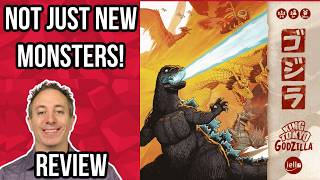
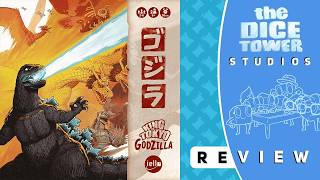
King of Tokyo: Godzilla has landed with solid acclaim from the board gaming community. Reviewers consistently praise it as a well-executed iteration of a beloved game, with particular enthusiasm for its thematic integration with the Godzilla franchise. The Dice Tower's Tom Vasel called it his favorite version of King of Tokyo and awarded it a 9 out of 10. TheGameBoyGeek emphasized that the game has stood the test of time and remains fun, while Grant Lyon describes it as a game that has successfully introduced many people to board games over the years. Board Game Hangover takes a more measured stance, noting it is primarily a reskin of the original with incremental additions. Across the reviews, there is general agreement that the new event cards mechanic adds meaningful depth, and the Godzilla license gives the game a strong thematic identity that resonates with fans of the franchise.
Core Mechanics That Define King of Tokyo: Godzilla
Dice Rolling and Monster Combat
At its heart, King of Tokyo: Godzilla is a Yahtzee-style dice game where players take on the roles of iconic kaiju competing to control Tokyo. On your turn, you roll six dice up to three times, choosing which dice to keep and which to reroll. The dice symbols determine your actions: numbered dice score you victory points when you roll three or more of a kind, lightning bolts give you energy to purchase power cards, hearts heal your health, and claws allow you to attack other monsters. The spatial mechanic of Tokyo itself creates constant tension. When you are outside Tokyo, your attacks only damage the player inside. When you are in Tokyo, your attacks hit everyone else. This creates a shifting dynamic where controlling Tokyo gives you power but also makes you a target. The game ends when a player reaches 20 victory points or when all opponents are eliminated.
Event Cards and Dynamic Chaos
The new event cards mechanic is what differentiates this version of King of Tokyo from earlier editions. Roughly a quarter of the power deck consists of event cards that create global effects affecting all players simultaneously. Unlike regular power cards, event cards cannot be wiped from the display and persist on the table, creating ongoing challenges and opportunities. When an event card is revealed, it might say all monsters lose health when rolling certain combinations, or that all monsters must pay energy or take hits. Any player can spend energy to purchase and remove an event card, gaining a special bonus in the process. This system adds a layer of political negotiation and strategic timing to the game, as players must decide when to invest resources in clearing a problematic event versus spending energy on their own power cards.
The King of Tokyo: Godzilla Experience
Fast-Paced and Frenetic Energy
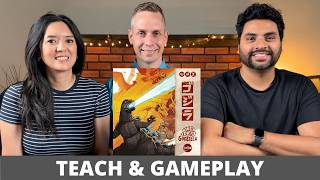
King of Tokyo: Godzilla plays in about 30 minutes, creating a lean, energetic experience that keeps momentum high throughout. The Dice Tower's gameplay demonstration shows a table full of rapid decision-making and quick turns. Players are constantly rolling, managing their health, and deciding whether to pursue victory points or attempt to eliminate opponents. Before You Play emphasizes the game's engaging dice-rolling mechanic and the way it creates natural rhythm in the play session. The event cards add unpredictability that keeps players reacting and adjusting their strategies turn to turn. This is not a game where you can plan too far ahead; chaos is built into the system, and that is very much part of the appeal.
Thematic Monster Showdown
The Godzilla license transforms King of Tokyo from a generic monster game into a specific, fan-friendly experience. Grant Lyon highlights that this is the first time players can actually play as Godzilla and other iconic kaiju from the cinematic universe. Tom Vasel praises the stylized art that appeals strongly to Godzilla fans. The evolution cards, which let each monster develop unique abilities, deepen the thematic feel. Godzilla can gain rugged armor, Mecha Godzilla gets devastating railguns, and Mothra gains healing powers. These powers feel earned rather than cosmetic, making each monster feel genuinely different to play. The setting of Tokyo itself, under constant destruction by competing kaiju, gives the game a narrative quality that elevates it beyond abstract competition.
What Makes King of Tokyo: Godzilla Stand Out
Asymmetric Monster Powers Built Into Every Copy
One of the most significant additions in this version is the inclusion of evolution cards for all six monsters as standard equipment in the box. TheGameBoyGeek explains that this inclusion of what was previously an expansion means you are buying a complete, fully differentiated experience right out of the box. Each monster comes with eight evolution cards that grant asymmetric abilities, meaning Godzilla plays fundamentally differently from Mothra or Mecha Godzilla. Tom Vasel emphasizes how much this matters: the powers help differentiate the monsters in meaningful ways, making each character feel like a distinct experience rather than just a cosmetic choice. This design decision meant that the Godzilla edition is priced similarly to what you would pay for the base game plus the expansion separately, but everything is contained in one package.
Event Cards That Force Meaningful Decisions
The event card system is widely praised as the mechanical innovation that sets this edition apart. Grant Lyon describes them as constantly throwing wrenches into the game and forcing players to change plans, while noting that chaos adds fun rather than frustration. TheGameBoyGeek identifies a subtle but important side effect: event cards make energy a more valuable and sought-after resource. In earlier versions of King of Tokyo, energy could be overlooked in favor of rolling for victory points or combat symbols. The event cards reward players who accumulate energy by giving them the option to purchase and resolve events for bonuses. Before You Play notes that the event cards add interesting dynamics that make for higher player interaction and more compelling strategic combinations between event resolution and power card purchases.
Potential Drawbacks
Component Materials and Box Design
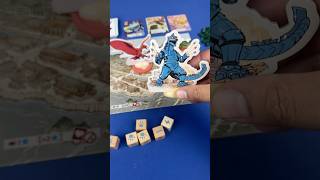
Tom Vasel notes that the wooden dice, while aesthetically pleasing and durable in craftsmanship, showed visible wear after heavy play at Dice Tower East. He expressed a preference for plastic dice in high-play-count situations. TheGameBoyGeek has a different concern about the wooden components: the energy cubes are now wooden instead of translucent plastic, and while components are objectively higher quality, the wooden cubes feel thematically less fitting than cubes that visually read as pure energy. TheGameBoyGeek also points out that the box comes with a removable insert that displays the title until you remove it, after which the front of the box is blank. For players who like to see a game's title on their shelf, this requires taping the insert back on.
Limited New Content Beyond Event Cards
Board Game Hangover delivers the most critical assessment, noting that the Godzilla edition is mostly a reskin of the original game. While the art and new monsters look genuinely cool and Godzilla finally gets to be the one destroying Tokyo, the actual mechanical additions are largely limited to the event cards. If you already own King of Tokyo with the expansion, the core gameplay changes are modest. The reviewer acknowledges the beauty of the visual presentation but suggests that players who already own the base game and evolution expansion might not find enough new mechanical depth to justify the purchase.
If You Enjoy King of Tokyo: Godzilla
Players who enjoy King of Tokyo: Godzilla's chaotic dice rolling and direct player conflict will find similar satisfaction in King of New York, which uses the same core system in a different setting. Those drawn to the asymmetric monster abilities will want to explore King of Tokyo: Dark Edition and King of Tokyo: Origins, which offer different aesthetic takes on the same engine. For players seeking more strategic depth in kaiju-themed games, King of Tokyo: Cooperative Game Spin-offs offer a collaborative alternative. TheGameBoyGeek highlights that this edition can serve as an expansion to the standard King of Tokyo base game, letting you mix monsters and event cards across versions. If the event card mechanic appeals to you as a way to add randomness and negotiation to a dice game, you might also enjoy games with similar dynamic board state management. The Dice Tower recommends that if you want just one version of King of Tokyo in your collection, this self-contained Godzilla edition, with all its expansions included, is an excellent choice.
What Reviewers Are Saying
"I also really like that they included powers in this. And they did a good job in this of making these powers really feel thematic. I like the fact that Godzilla can get that armor and take it off. And that the Mecha Godzilla has a gun that he can use. And they all feel really cool in their own ways."
— Tom Vasel, The Dice Tower
"I love the event cards in particular because they are constantly throwing wrenches into the game and forcing you to change your plans. It's chaotic, but it's also a lot of fun."
— Grant Lyon
"This one, self-contained, really well done. Like I said, it plays tremendously at six. You can play with fewer than that, obviously, but it's just nice to have that many players, and you're just chucking dice. If you know how to play Yahtzee, you'll like this."
— Tom Vasel, The Dice Tower