Impressions November '18 - Underwater Cities, Forum Trajanum, The River & 5 more!
Games in This Video
7 games are featured in this video — they unlock as you watch.



Transcript
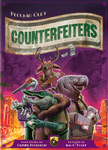
welcome to John kids games this is my impressions vlog for November 2018 and normally I would cover all of the new games that I played over this last month but I went to BoardGameGeek on a couple weeks ago and I played 26 new games at that convention so I decided to bundle those up into a two part impressions vlog series and I've already posted that so you can click the little I in the top corner if you want to check those out too or just search for them on the channel but here in this vlog I will be covering the eight other games that I played this month that were new to me while not add that convention now before we move on I would like to briefly ask that if you enjoy this video you please consider clicking the like button down below as well as the subscribe button for the channel also if you would like to directly support the channel and the creation of videos like this one in the future then please go to John gets games.com slash support to see a variety of ways with which you could do that including voting on playthroughs that I film each month now without further ado let's jump into the list the first game I'll be covering here is counterfeiters now this one is a recent publication by Quinnie Games I believe they launched this at essence field just a month ago or so and I was interested in this game for a couple different reasons and I was able to grab a media copy to try now those reasons are well three real reasons the first is that - the art is stunning it's got just a beautiful cover on the front I know that you know tulle did at the art for this game and he definitely does a great job with this stuff also just the components look great they have this big chunky workers that you're putting out there even though everything fits into a pretty small box now the second reason I was interested in this game is because I
knew that it was a worker placement game but I also heard that it was supposed to be very light and very quick supposedly like a 25 to 30 minute worker placement game and that is unusual like I haven't seen many of those so I was curious to see what that was about and the third thing had to do with the central premise of this game which is you are making counterfeit money and then you need to launder that into real money and at the end of the game your score is how much money you were able to hold on to once the game is over now when it comes into the actual play of the game it's a pretty straightforward worker placement experience you have it three workers and you're gonna put them out on two spots and if somebody went there already then you can't go there and the spots let you do things like make counterfeit money you can also upgrade your process by getting you know Holograms that you can add into your counterfeit stuff as well as different things like that you draft these cards from black-market and you spend some money for those and it might give you more printers so that when you go to print more money you print even more of these counterfeit bills and so you're trying to put all these things together to have these counterfeits and the counterfeit bills come in one at 2 & 3 star varieties now the better a counterfeit it is the more stars it has and the more money you should be able to will launder this into as you're playing the game now there are several locations out on this small player board where if you do that work replacement action it will move this police pawn down a track and that track is the timer for the entire game the game ends once the policeman hits the very end and as the game goes on it's going to be harder to launder your money and the easy places
like the shopping market the police are starting to catch on to your specific types of counterfeits so once you get about third the way through the game you cannot launder your single star bills there anymore and for the last chunk of the game you can't actually lunder anything at the the grocery store they they know about your counterfeits but you can still do things like do some there are other ways to wheel under your money I can't remember the name of the specific spot it's not the grocery store but another thing you have to consider is that there is this Godfather figure and whenever the police token it's a spot on the track that shows the Godfather and everybody is going to lose half of their money now because of that you want to try and hide your money so you can fly to the Caribbean and stash your money I guess in some foreign bank and then come on back and now you don't have access to that money so you can't use that money to buy more pieces to your engine but you also have it safe away from The Godfather now for the most part that's is the game we played this one and I believe three players and it went relatively well I mean there was no real moment of like oh that's cool or oh that's interesting and new it was just you know straightforward work replacement mechanics as we were just laundering tons of money now it was a little bit strange you have this paper money that you are playing with and in the three player game we ran out of money we had just been able to launder so much of our counterfeits into the actual real bills that we had to do a little bit of proxying there at the very end of the game and I went back and I read the rules a couple times they're quite short to double-check that I wasn't doing something wrong but it seemed like we
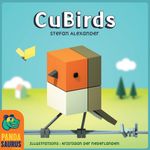
just were able to build some pretty good engines and I think that maybe we were not pressing the policeman hard enough when we thought that our opponents were going to when you get I would get over to these specifically the Godfather spot to force your opponents to lose half their money it's hidden how much money they have and I think we all played it very safely until we were all able to get all of our money into the Caribbean before the Godfather pawn actually had that spot so overall it was fine I don't really find myself particularly interested in coming back to it I don't think I will play this one again I guess at the end of the day it is a quick worker placement game I think our play was probably more like 40 to 45 minutes as we were going checking the rulebook a couple times to make sure we weren't doing something wrong because we just had so much money we were doing so well but yeah overall it seems to fulfill what it was trying to do but I was hoping to find something special in there and I didn't really see anything like that moving on we now have game number 2 and this one is cue Birds now I had not heard about this game at all going into essence Beale but I had a planned meeting at Blackrock the distributor and they were showing me a bunch of games and they showed me this one and it sounded pretty interesting so I was able to get a press copy of it now right off the bat the first thing you'll probably notice is the adorable art this game is called Q Birds which is like Cuba birds have these like very rectangular shapes looking birds and I just love the art aesthetic to these birds but mechanically what you're doing in this game is an interesting bit of set collection and push your luck so out in the middle of the table you have at these four rows of birds and every single row has to have at least two bird
types now there are eight different types of birds in the game and everybody has a hand of cards and when it's your turn you have to choose all of one type of bird from your hand and play it down either to the left or the right of one of the rows that are in the middle of the table now if when you place those birds down you have put them into a row that already has one of that same type of bird then you're gonna take all of the birds that are between the two like types so in for instance if a row has this skinny bird here and then a toucan and a parrot and then you put two more skinny birds on the end then you'd get to take everything between the skinny birds so I guess they kind of land on this line and all the other birds fly off into your hand so I would get that toucan and that pair it into my hand and then all those skinny birds would just kind of line out they're all in a nice collected pack out there on the line now you always have to have at least two birds on a line so if there's just one then you draw randomly from the top and so what that means is you are constantly trying to play your cards out in such a way to get the right birds into your hand because at the end of every turn you can cash in one flock of birds and if you look at the cards they have two numbers a small flock number and a large flock number and that's just the number of those birds you have to have in your hand so what this means is it's it's quite puzzling because you never draw randomly into your hand as you're playing the game at the beginning of each round you will get a random hand of eight cards it's true but in the middle of the round you just have to play with what you have in the middle so what that means is if there are a couple birds out there that you really need to make that set in your hand but you don't have any other birds that match that row then you look to other rows and maybe
you find okay there's a skinny bird up here and I don't have one in my hand so I will play a different card to pick up those skinny birds into my hand so that next turn I will have the skinny birds to place those down and pick up the actual birds that I want so you were planning a couple turns ahead trying to get the resources that you need to unlock the birds that you actually really want and there is a pusher look aspect to this game because at any moment if any one person has played all of their cards then the round ends and everybody has to ditch their entire hand so what that means is you have to make sure that you are not playing it too safe trying to build these gigantic flunks because if somebody just cashes out all their cards suddenly which I have seen happen they suddenly just put all five cards down and you're like oh the rounds over and you just lose like three turns worth of progress because you were just pushing like a little bit too hard now of course in that situation maybe you thought that you were safe and suddenly were not but you have to go into this game knowing that that situation can happen and I'm okay with that and I've played this game twice now the first game was that two players and the second game was that three players and I really liked it two players it was a you know very tit-for-tat experience as you were placing things down and only one person plays that you get to go right back in and it was a pretty close game in that respect and I lost that one game and I walked away from it thinking that was a cute game like I really dug the kind of Diaz going on here the ebb and flow of the rounds the puzzle of trying to work with the stuff that I have to get the stuff that I need to get to the things that are really going to give me points now the game is gonna keep going until one player has seven out of the eight
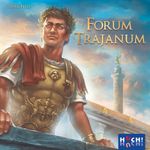
birds cashed in as flocks in front of themselves or if somebody has up to three or more of two different types of birds so it does not last very long I think the two-player game was probably 20 minutes and the three player game was probably about that honestly maybe 25 minutes or so because it's a relatively quick playing game but overall I've been pretty impressed by this I mean I've played it twice because I liked it the first time and I brought it the next week to the next day game night that I went to and it's a very small box and I can see myself continuing to slide this in to my bag as I go to game nights because it doesn't take up much space it's a pretty decent little filler style game and it's someone interacted with cue art and good decisions it just has a lot of stuff that I like and I'm looking forward to playing this one more next up we have game number three and this one is forum Tregenna now this is one of two games that Stefan filled has come out with over this course of this year the other one is carpe diem and I actually covered that one in the part one of my board game geek con impressions so you can check that one out if you like but specifically with respect to forum tour genom this is very much a classic style Stefan Feld game because many of his games just give you points for doing all sorts of things and this one is no exception now right off the bat if you are familiar with stuff in Feld's games you will know that he designed a game that came out six or so years ago called Trajan and this game is called forum Trajan and honestly the first thing everybody asks is oh is it a sequel or is it similar it's not the same at all I haven't played Trajan at this point but I know about how you play that one
and that's a very Mongkol a style game and this one has nothing to do with any event it's just a thematic connection now there are a lot of steps to this game it's a very strange experience and I remember when it first got announced I tried to read the rules and I got about halfway through the rules and had no idea how this game worked so I kind of put it to the side and said well maybe I just don't care a week or two later I decided to try the rules again and I read the whole thing and got to the end and decided I still had no real idea of how this game actually played so I took that as reason enough to say well maybe this game just won't be for me and I just proceeded to ignore it after that I flew out to ash peel and then while there I actually got to watch Otto's run-through of in this game and once I got to see rano playing it I got to see the ebb and flow of the turns I realized hey that looks pretty cool actually that makes a lot of sense now so I was able to talk to stronghold games and pick up a press copy of this one so that's a lot of preamble before I start talking about how it plays so let's jump into that now everybody is going to randomly put out all of these tiles in their color and a big grid in front of themselves and every single turn you are going to be dictated on two of these tiles that you will randomly draw and then see the other side too now there are rows and columns in this grid in front of yourself and you draw two cards and they say you know draw one token from the row with the ridge another one might say draw one token from the row with the bath house so once you do that you don't know what's gonna be on the back side of these tiles they will there are a variety of different bonuses like bonus resources or abilities but realistically your gun
trying to pull this off in such a way to leave gaps in your area because you were going to fill those gaps in with various buildings it's a bit of tiling going on there so now you have these two tiles and you get to look at the new side at the side of them and you decide which one of them you want to activate and then you give the other one to your player on your right that means you're gonna get one front player on your left and then when it's your turn you will choose a one of those two tiles to evaluate so you might not even use the one that you picked because the one that gets passed to you might be slightly better but this always means that you will have a decent amount of control over one of these two options now again these are gonna give you resources in a variety of different ways and then what you will do is you have to try to build things out into your area and you do that by spending different colored workers that match up with different colored buildings now if I build a single red building into my area in front of me then that means I can then send an emissary I think they're called one of your pieces that you have now used in the past that you flipped over you can now send that to the middle of the table and then trying to get some points by doing this a bit of area my control you're trying to keep your pieces adjacent to each other because you'll score points for that you're also trying to block your opponent's out so that they can't put their pieces adjacent to each other there is some color matching the things that you're doing there and honestly if I keep talking about the specifics of this it's not gonna do you any justice for the game it won't make sense but just so you know this game is all about doing the best you can with these two random things that you just pulled up then trying to build out the buildings in your own tableau you are going to score four times throughout the game and every
time you play there will be different scoring objectives and it has to do with the adjacency of the different colored buildings that are in your area and then you also score bonus points for these specific rows that have different colored grey buildings so you're trying to keep that in mind while you're also trying to match out in the middle of the board keeping all of your people close together but also having them next to scoring locations and blocking other people there are also tracks that you are following in this game there's just quite a lot actually going on even though when you are playing it it seems to go along at a decent pace the the when you are in each one of these individual phases they make sense although all together it can definitely feel overwhelming there's like a score modifier slider track on top of your board that will modify not only how you get some endgame bonus some end-of-round bonuses but also give you extra points for having clusters of people just everything seems to feed back into everything else and all of these things give you victory points now I played this one once and I believe we played it at four players and I dominated this game I won by like 30 or 40 points I had a score of I think 140 or something like that it was a really big advantage over even I think the second place person and then the other three people were all pretty close and I think a big part of that is because as I said you are trying to match these end of round scoring objectives for the patterns of stuff in your player area and I really follow those I did the best I could to activate those and then the number of points you get for those depends on this sliding point modifier so I really focused on sliding the point modifier over so I got
more points for every time I satisfied the conditions that happened in each one of the scoring's and that worked out really well for me and I don't think my opponents paid as much attention to that because again there are a lot of different things that you need to be paying attention to as you are playing the game so at the end of it it seemed like there was a lukewarm to positive experience or impressions coming off of the other people around the table I quite enjoyed it but I also won by a significant amount so I feel much frustration there but one thing I did walk away from the game with feeling was that I don't really get the game quite yet even though I did very well I feel like I am looking forward to trying this one at several more times to try and figure it out a little bit more it's like it was a pleasurable experience overall but it didn't necessarily blow me away I liked all the things I was doing you know obviously I did it pretty well but I do need to try this one more in the future to see if maybe I just liked it because things kind of fell in a good way for me or because I made some really good decisions it did seem like there was maybe a little bit more going on than I necessarily would have liked going into it but it's a Stefan Feld game and he does that in a lot of his games so as long as you know that going in then that's something good so I've heard really good things about this game from other people and I'm happy to say that I enjoyed it overall although again it didn't necessarily blow my socks off but I am looking forward to digging into this one more in the future alright let's now move on to game number four and this one is the little monster that came from lunch and stayed for tea now that is an adorable and very long name so I usually just call it little monster and this is a lightweight set
collection hand management style game where you are trying to race your little monsters around a banquet table now what you do on your turn is you are always going to draw a food card into your hand at the start of every turn and then if you have 15 or more food value in the food in your hand then you can play those cards out and then you have this tricky little thing where if you play more than 15 value then you have to flip over one of the cards you just played and if you are still at over 15 then that card comes back to your hand but if you are now under 15 then you get to evaluate all of the actions on the cards that are face-up now not the one that you flipped over so what that means is you can get over a 15 if you want to which is the threshold that you need to be and then flip over a card that has an action it would actually help out your opponents so you want to try and flip that over and not evaluate it now whenever you get over 15 that you are feeding one of your monsters and they get to move forward one space around the table but there are a variety of other ways for them to move forward lots of the cards have actions on them that say things like the your fastest monster does this or the slowest monster does that and you are trying to work that well there's also this crowd of other monsters that are rushing around the table now a big selling factor to this game has to do with the asymmetries now and started the game you randomly grab two monsters from this stack there are a lot of them and they give you different rules each monster has its own subtle tweak on the game some of them give you something at the start of every turn some of them give you conditional benefits other ones say things like well
one of them says you can't feed it until you discard a 20 food value worth of cards but then they move twice so that's a little bit more efficient even though you have to hoard a bunch of cards to make that happen now that's a big selling point for the game because you have variety of play because when you sit down play it a second time you'll get completely different monsters and probably play things slightly differently now when it comes to the experience itself I found the game to be cute I liked the action combos that we were doing with the cards we were playing oftentimes you could play a bunch of cards and like this will cause you to draw cards then move this forward and then move one of yours back to launch another one forward a couple spaces and you're trying to do same things in such a way that some of the conditions happen like if a card says if you're you know move your fastest monster but both of your monsters are on the same spot then neither of them are fastest so you can't do it so maybe you want to play a different card that lets you move one of them backwards or forward first so that you now haven't passed this monster so that you could activate those other things so you're trying to chain all these things together and I think that's the core of the gameplay that they were going for but at the same time this is a game where you're just drawing blind from the top of the deck at the beginning of every one of your turns and I did see several occasions where people just were kind of drawing blind for the top of the deck like three or four turns in a row without playing anything out because they kept drawing really low value cards and they couldn't even get up to the 15 threshold to be able to feed one of their monsters and move them while there are cards in the deck code that go from 1 all the way up to 9 so then there were other people who seemed to draw you know 2 cards and then that would get them over 15 they play them
out and they'd move now from a design perspective I was expecting that those high value cards would be the least powerful and the low value cards would be the most powerful when it comes to the actions that you're playing and it seemed like in general that was sort of true although one of the more powerful cards of the game I think was a 6 that seemed to be allow you to you're monsters like crazy and we couldn't help but shake the feeling when we finished that second play of the game that some of the actions felt like they should have been paired with different numbers and you know we've only played the game twice so not an exhaustive dataset by any means but overall I think the game did deliver what it was asking what it was promising anyway it was a lightweight game of like doing combo week hard type of action type of things I feel like maybe if some of the cars were balanced slightly differently I would probably enjoy it more I'm not sure where I am at it with with future plays I'm not I've not decided to get rid of it at this point I do think it has adorable artwork and the asymmetries between the monsters is cute so I could see myself bringing this one out and playing it again at some point in the future but I don't think I'm necessarily excited to make that happen unfortunately next up we have game number 5 and this one is spring meadow now the designer of this game is eBay Rosenberg and he's been on a bit of a Tetris puzzle piece design kick over the last few years last year he came out with Indian summer and I think 1 or 2 years before that cottage garden came out obviously a feast Roden is a huge euro game with this mechanic and patchwork came out even before that which was a two-player only game but
specifically spring meadow is being branded as the third game in a trilogy where you have cottage garden Indian summer and then spring meadow now I thought card garden was fine I think it was a bit more complex than it really needed to be I thought Indian summer was honestly awful I really thought that it was just a waste of cardboard in a box it wasn't really unfun game I almost wasn't even a game but so when I moved on to spring meadow I had very low expectations because I was so disappointed by Indian summer in fact I because of that I didn't even ask for a copy of this game I went to the spheal Weiss booth that essence wheel specifically to get a copy of the boldest and they just threw a copy of spring meadow at me at the same time and I was like well I guess I'll go ahead and try it so at this point I have now played the game twice and I'm happy to say that this is easily the best of this trilogy right here I don't know if I can necessarily compare it to patchwork because there are significantly different games but I can very joyfully say that spring meadow is a fun game now let's talk about how it works so everybody has a board in front themselves with a bunch of snow on it and you are going to be playing the game grabbing these little meadow tiles which effectively show you melting the snow back now the rules restrictions for putting these tiles down are really open you can put it anywhere on the board it doesn't have to be adjacent to other tiles or anything like that the only exception is that you can't cover up these little burrow holes on the board unless you are able to do a special thing and I'm not going to talk about all the specifics but for the most part
you could put these tiles down pretty much wherever you want to now when it comes to scoring you are only gonna score all of your complete rows from the closest to you spot all the way forward until you get to your first incomplete row where you'll get one point for thing on that first incomplete row so what you're doing on this game is you have this board in the middle of the table and there's this flag thing that moves around the board and it's very similar to a cottage garden in the way this works and you simply grab one of the titles that is associated with the row when it's your turn and you put it down into your area and you keep going until at the start of any one person's turn there is zero or one tile available to themselves and then you do a scoring you just count up and see how how good everybody has been and filling out all these rows and then the person who did the best gets a little token the first person to get two tokens wins the game now all that stuff works really well but the big reason why I like this game is because it incorporates a design innovation that that Indian summer brought in where some of these tiles actually most of these tiles at your place have holes in the tile now a big reason I was upset with Indian summer is that it had this cool idea of tiles with holes in them and the things that were showed the whole show that icon through the hole when you place it on your board gave you various bonus bonuses and it seemed like such a waste of a cool idea in any a summer and I think I remember at the end of the when I talked about that one in my precious vlog last time I said that I really wished that this whole mechanic was going to be used better and I'm really happy to say that it seems like spring meadow does it really well so what you're trying to do in spring meadow is you're trying to
build out all of these tiles trying to make complete rows but you are also trying to align these holes with the Burrow holes on the board because that will give you a couple bonuses with symmetric points and some flexibility but also you're trying align these holes up to be orthogonal adjacent to other holes now the reason you're doing that is because whenever you match those up next to each other you'll get bonus tiles in the form of rocks you can then put out on the board and they start out rather small and they are really good at filling in all the little gaps that you're puzzling has produced now what this means is you have a tie line game on top of a tie line game where you're trying to match all of these pieces then to fit with the holes that you have sorry with the gaps that you have on your board while also trying to position the holes on the tiles that you're placing so that you can extend out larger contiguous groups of adjacent holes because the bigger that group is the larger the piece of rock that you can put down onto your board and this really is just a race to fill these rows as fast as you can before all of your opponent's so yeah all together this game came together really well I've played it twice at this point I enjoy both of those plays I don't see myself getting rid of this one I think this one might be a decent standby filler for you know playing up to four people for you know 25 to 30 or so minutes with some decent puzzle 'action as you're trying to work all this stuff together it seems like a very honed in clean version of the mechanics that they were going for honestly it seems like all of the mistakes that were made in Indian summer were rectified within this game of spring meadow so yeah overall I am super
happy with it I think it's it's pretty cute I think Indian summer was a prettier overall game I kind of wish the Indian summer aesthetics were over here in spring meadow but I'm not gonna complain about that one too much overall it's a really decent game and I'm looking forward to playing it more let's now move on to game number six and this one is the river now this one is the most recent publication bind days of wonder games they put out things like Yamatai and small world and it seems like in general they put out one game a year and this is the publication that they have come out most recently now this is a definite entry-level work replacement style game with some nice art too and a couple neat twists and that was enough for me to be interested in trying this game out now from a worker placement perspective you have a set number of workers but actually they're not set because as you were playing the game you can unlock an additional worker but you also have to start to see Quester away and lose your workers once you build out your River establishment now as your playing this game every person has a tableau in front of themselves to the board and it has a sneaking River on it and as you're playing the game you are going to be picking up new tiles and you have to add them onto your River in the order of the river you kind of build it out and the farther along you go the more workers who are going to lose to actually maintain that River but whenever you do any of the resource acquisition and worker placement spots and that's one of the main things you do in this game like for instance if you go onto a spawn to gather stone then you look down to your board and you count up all of the stone icons on all of the areas that you have and that's the amount of stone that you get and then you have to store that to on these storage facilities that are also here on your River now all of the boards have
starting stone and storage locations on them but as you play the game and you draft new tiles to put onto your River that you build those tiles are much more powerful than the basic ones on your board so you are going to build a bigger and better engine while you of course have to start losing your workers for the rest of the game to actually maintain the size of your river now when it comes to what you are trying to get at the end of the game its victory points you are gathering these resources to cash them in to construct various buildings and the game will end on a couple different conditions and once it's over you just count up the points you got for the buildings that you made by cashing in all these resources but then you'll also get a decent amount of points for some pattern matching of the columns of your River area as well as some tiles in your river that will just give you endgame victory points so it's a pretty straightforward gaming worker placement gaming experience you know you have interaction as you go to spots that your opponents want to go to but when you're trying to gather resources everybody can go to those locations the biggest restrictor is the fact that there is only a set amount of each resource in the game so that means if you need stone and there's only one or two stone left over because everybody else is hoarding it then maybe you should do something else and wait for somebody to spend their stones that you can go back over there and grab it now I mentioned early on that this is an entry level gateway style game and because of that I think that it's not necessarily targeted at me I have played many hundreds of different games and I think that my impression of this game once I finished it up was that it was fine I enjoyed it I had fun I didn't win but I think I was in the middle of the pack and I could see myself playing this
one again but I can't necessarily see myself wanting to come back to it a lot I think that is because it's pretty simple and pretty straightforward now if the only games I had played ever were like Stone Age and Settlers of Catan then I think sitting down to play the river would be very exciting and I think I would really enjoy it because you know obviously Stone Age is a worker placement game that does very different things and I won't talk about that right now but you have dice rolling and that kind of thing but you also are acquiring resources to spend them to get points and in this game you have different kind of engine ability stuff that you're doing so it will feel familiar but significantly different to people who are entering the Hobby with a much smaller experience at four games and I think that for that entry-level position the river is really well positioned I think it is a really solid design overall I might end up playing it again in the future I might keep this one around to specifically play it with people who are not as familiar with modern board games and the wide variety that are out there but I guess for me personally it doesn't really have a spark that's gonna make me actively want to keep playing this one next up we have game number seven and this one is underwater cities and I am quite excited to talk about this game now for a little bit of background information the designer of this game is Vladimir sushi or Sookie I'm not sure exactly how to pronounce his name but he's designed games like pulsar 2849 as well as last will and the produções Club and a couple of the games that I have not played now all of these games are medium to heavy weight ish but mostly medium weight euro
style games and I have enjoyed the games that he's made in the past I thought pulsar was fine I thought the particles Club was excellent so that was enough for me to be interested in checking out underwater cities but then also when I looked into it more I found out that it was being published by delicious games which is a brand new publisher in fact I'm pretty sure it's the designer and his wife together who started this game this publishing company so I then became a little bit reticent like how is this gonna actually turn out like a first time but was sure will it even look good with decent art and then once I started seeing photos come out all of those fears went away because I actually think the artistic aesthetic in this game is wonderful they have a ton of different artwork on the cards but either way that's enough preamble I was able to get a review copy of this one at SM Steel for a discount paid you know about one through the cost to grab this copy and play it and I guess I'm just gonna start off by saying that this might be the best game that I played this year it is it is just so good alright so but the mechanics of this game it's a worker placement style game where you always have three workers which come in the form of these little action tokens and out on the board there are three different zones of spots that you can go onto you have a red zone a yellow zone and a green zone now everybody also always has a hand of three or maybe more cards depending on how things go and every turn you have to place one of your action tokens down onto a spot that nobody else has gone to and then you have to play a card now if the card you play matches the color of the spot that you just put an action token onto then you not only get to do
the action on the board but you get to evaluate that card if those two don't match then you get to do the action on the board but you just discard the card and you don't evaluate it so obviously you are very motivated to try and evaluate actions that match the cards that you're playing and there are so many cards in this game you play through three eras and each era has a deck of like this big and as you get into the later eras the cards get more powerful and on this game in this game at the end of each turn you're gonna draw a card back into your hands so there's a bit of randomness as you are filling your hand back up and there are other ways to draw cards as well but what this game forces you to do is think tactically like this turn trait I want to have a really good turn best utilizing the actions that are available to myself as well as the actions on my cards but also strategically because many of these cards that you're placing are engine building style cards they might give you conditional bonuses depending on you matching certain things on the board they might multiply things for you they might give you an game victory points many of them are action cards which you can then evaluate as kind of bonus additional actions when you go to certain spots out on the board and then at the end of the day what you're trying to do is build out this network of underwater cities in your player tableau with these little plastic domes and little tunnels and all these little buildings that you're building next to them like a kelp farm because you need farm and you can kelp as food to actually feed all your cities you have a desalination plant to get you credits and you can spend money doing all sorts of things there's also laboratories that gives you science which lets you upgrade all these things that you can do more stuff now this is not a short game
you always play through ten rounds and in each one of those rounds you take three worker placement actions so you're gonna take thirty actions throughout this game and I have now played a two-player game no sorry I've played a three-player game with friends and then I filmed a full two-player playthrough of this one and I posted it up on the channel so if this already sounds interesting to you then please go check out the playthrough I teach most of the rules to the game in the first 20 or some minutes and it should get you a decent vibe of how it plays now I absolutely loved both of these plays I had three players it was wonderful our game took I think a little over two hours maybe two hours in 15 minutes I have no idea how long the two-player game takes because I filled that one and it took quite a while to do that but I can say that in both of these circumstances while playing the game I was just loving all of the decisions I was making I really like the fact that you are drawing random cards into your hand that you guard then trying to work together into the various strategies that you've already been building out you are drawing so many cards throughout the game that even though some of the cards you will draw will just not work at all for what you're doing many of them will and they will kind of have you going in different directions that you didn't even think of like you might play a card from your hand because it matches the color of the spot you want to go to not even really caring about that card but now it's played out and it's in your tableau and if you translated you realize wait a minute I could actually do that like that card gives me a bonus when I build my second farm in a city and I wasn't really planning on doing that but now that I have that bonus just sitting on there because I played it a few terms ago I may as well do it so I'll play that second farm now I get a bonus maybe it's an extra steel and I
can use that to do various other things so the way all the stuff bounces around is incredibly satisfying on a tactical and strategic level and I I found myself walking away from my first play of this feeling like it was kind of like terraforming Mars the worker placement game you know it had that terraforming Mars vibe of just a gigantic stack of different cards and effects and you just draw through so many of them and you see so many as the game goes on and you try to piece them together into the different engines that you are making so yeah I think at this point the the biggest issue with the game is probably the length of play I'm not sure if I'm ever gonna play this one at four players when you play a four players there's really no difference the overall game clock you still go through all 30 of the rounds it just means that instead of sorry all 10 of the rounds with the each person taking 30 actions which means if you add a fourth person end you were just adding 30 full turns to the game and many of these turns you are really crunching through the different decisions that you have to make I've heard some horror stories already of four player games and that's going well over four hours I think that if everybody's familiar with the game then you could probably play a four player game and under three hours but with so much going on I'm not sure if you would ever really crack the two hour mark at least with the people that I play games with but fortunately it played really well at three and it played really well at two so I think as far as a brilliant euro game that I want to keep coming back to and I want to keep playing I will just play this one in circumstances where there's two or one other person who wants to play it with me and I'll just dis way people
from playing a four player game who knows maybe someone will come out with a decent variant to shorten the overall game length a little bit for the four player game to make that make a little bit more sense but another aspect to this game is it's a worker placement game which means when you go to a spot nobody else can go there so if you add a fourth person around the table then that's even more plans being disrupted because you wanted to go on the spot and somebody went there which means you now have to come up with a new plan to try and make all this stuff work now one thing I haven't even really talked about is the fact that three times throughout the game you are going to do a production cycle where you just run all of your engine and all of your stuff makes even more stuff and it's it's really interesting when you start the game you don't have much stuff and you can find yourself a couple turns in feeling really starved but then if you've done things right and after the first production phase you're just sitting in front of a mountain of resources and after the second production phase and even bigger mountain and you will find yourself burning through a lot of these to do a variety of different things and the game definitely scales in a way to have you just doing more and more stuff as you get more and more stuff to do and I think at this point I'm kind of talking in circles I don't have a whole lot more to say beyond the fact that this game was exceptional I see myself wanting to come back to this one for a long time in the future it was just such a wonderful hi of decision-making and you know interaction in direct interaction with your opponent says they're working on certain strategies and you're gunning after other strategies is just such a good game so that over so yeah potentially the best game that I played overall this year I think I need to play it a few more times and to try some other games out there because some good stuff has happened but it's a it
has an early lead I suppose okay at this point we've now reached the eighth and final game I'll be talking about in this vlog and that one is a winner's circle now this game is not too new in fact I think it came out I didn't do my research I think it came out in like 2007 8 9 something like that now I got my first copy of winner's circle back in 2009 it was actually a Christmas present and I think it was the third board game that I owned I had Dominion and I had Stone Age and then I got this one which is winner's circle now I played it a bunch in 2009-2010 and then my my copy got kind of beat up and what's happening in this game is it's a horse racing game and there are I believe 7 horses that are racing around the track and the copy that I had well a lot of the horses kind of looked pretty similar to each other he had like black and then you had dark brown and then medium brown and then tan and then light tan and then white and as you're playing this game it there were some times where you really had to pay attention to make sure you were moving the right horse now I haven't played it really at all for many years at this point but I have fond memories of playing it and also my copy is missing a token here there because it saw a lot of travel way back you know 10 years ago or so when I was playing this game a lot so when I was at Essen school this year I saw that there was this Korean board game publisher who was selling a new copy of this game that had pre painted horse miniatures and it was only 40 euros and I decided to just do a splurge and let myself buy that one because I remembered enjoying this game so much way back when and a big issue
with it was just the component quality so now I have a copy of this game with all these horses that are pre painted the jockeys are painted there's a number printed on the back of the jockeys shirt and the horse itself so you can easily match up and tell which horse does what so yeah I'm really happy I have this copy and I haven't talked about the mechanics of it at all yet so let's go into that briefly now what you do in this game is you're going to play through three overall races and at the start of the race you are going to put these little bit tokens down onto the various horses now technically if you play this game straight then you're supposed to just put the bids face up on the horses so you know what everybody and which horse they want everybody to go for but the best way to play this game is with the bluffing variant where you put your tokens down facedown and then one of the tokens you put is a zero now you have a zero two ones and A two and when the race is over you score a certain number of money based off of how well that you that horse placed at the end of the race but also how many bets you put on it so if you put a two down then that's a double bet they play through three races and whoever has the most points money at the end of the game wins and that third race all money has doubled so if you have a pretty poor first or second race you at least have a shot at having a amazing third race and getting back into the fray of things then when it comes to the mechanics of the race itself once everybody has done all of the betting then every person is going to in turn order when it's their turn they just roll this duck now on that die there are three horse head icons and then there's a saddle icon a helmet icon and a horseshoe icon so and every single horse has four different attributes then match up with those four
things so every time you roll the die you have a 50% chance of hitting a horse head and you have a one in six chance of getting the other three options now after you roll the die you then move one of the horses according to the number that's associated with the base on the die and then you flip the horse over so it can't move again until all the horses have moved so what this means is you have to go into this game with a betting type of excitement atmosphere because you have to roll a die and then you know get excited about how that die face went and you have to either move a horse forward that you really care about maybe you get a helmet and that horse that you've been on it was like eight or nine with helmet you're like really excited and you move the horse forward and you know maybe somebody else you know high-five see because they've been moving that horse as well then even though your bids are secret it doesn't take too long to figure out who really cares about which horse but also you might roll that die and it has a horrible die face for all of the horses you care about so instead you just flip over a different horse and make it move like one or two spaces forward instead of the 13 it could have gone forward if you had hit a horseshoe and you're fine with that because you didn't bet on that horse so you can skunk other horses kind of making them slow down now there's a wide variety of horses in the game but I think my favorite horse is called a regret it has awful stats for all about one of its things but that one that it does I think it goes like 20 spaces and the track is only thirty-six I think spaces long so you can have a lot of regrets bidding on that one horse but if you get lucky and you roll the dice right when you care about that horse and you get that simple it's a great moment as the horse just launches way ahead on the track and you keep playing until three horses across
the finish line and then you pay out money and then whichever horses in the very back will actually force the people who bet on it to lose money now that's the game in a nutshell and I was able to play a full five player game in this one a couple weeks ago and I had a pretty good time with it although I did walk away from that feeling like yeah five players is probably a little bit too much this is the kind of game where you have to play it fast you have to you know roll the die make a snap decision move the horse keep going and in that play we had one or two people who are starting to announce his paralysis on the options it was kind of like now come on this is a horse racing game they're racing around like make a decision pass the dial let's keep going because you want to have an excitement excited kind of atmosphere and that can be kind of killed by having a long moments of crunchy decision-making and what is supposed to be a pretty light horse betting guy rolling game so I am happy that I have this new shiny copy of the game I don't know how often it will necessarily see play but I am looking forward to playing this one more it's a game I've had forever really you know in my board gaming life anyway it's one of the first games I've had I'm now essentially upgraded into a new shinier better version so the old version is now I guess going to pass on and I think I'm gonna probably give that away to somebody and tell them that there's a token or two missing in there but yeah at the end of the day I think winner's circle is still really good I forgot to mention this was designed by Reiner keynesian if that means anything to you then you'll know that he's designed a lot of different games and he has done some really good stuff so yeah that's gonna wrap that one out I even joy playing this one in the past and I'm
happy I have a nice fancy version now okay at this point we've reached the end of this vlog I hope you've enjoyed it I hope that you found some of these various impressions interesting as I mentioned at the beginning of the vlog this is only eight of the 34 new games that I played throughout this month so if you're interested in learning more about lots of new games that I played recently then please check out that two-part BoardGameGeek on impressions vlog that I put out again you can click the little I in the top corner and that will take you right over to those you like so yeah with that I think we finished this one out as always I'd like to thank everyone who's been supporting this channel including all of these producer level patreon backers if you two would like to directly support these videos then please go to John gates Gamescom slash support to see a variety of ways with which you could do that also if you enjoyed this video please consider clicking the like button down below as well as a subscribe button thanks for watching