Beyond Solitaire Podcast 222: Jeremiah McCall on Designing Historical Games for Class
Games in This Video
5 games are featured in this video — they unlock as you watch.


Transcript
It's ad break time. I'm proud to announce the Beyond Solitire podcast is sponsored by Central Michigan University's Center for Learning through Games and Simulations. And as usual, they have exciting projects coming up. First, they have a spring course called Deep Dive by Doing Taught by none other than Kathleen Mercury. She is a very experienced teacher and specifically an expert at teaching game design. So, if you take her class, you'll be in very good hands. The course starts February 3rd, so register soon. There is a link in the show notes. Also, CLGs has a springtime crowdfunding project on the way. They'll be publishing a revised edition of Jason Morning Stars The Blue Way, a role playing game about the stories of cultures being assimilated into a larger empire. You'll be learning more about that one soon on this very podcast. For now though, let's get on with the show. Hey gamers, this is Liz Davis from Beyond Solitire. This week in the pot, I have a special returning guest. This is Jeremiah McCall. Uh he is a high school teacher, a game designer and game teaching expert, and he is also a scholar of historical game studies.
And I'm super happy to have him back. How you doing, Jeremiah?
Oh, I'm doing great, Liz. It's great to come back. Good nostalgia.
Yeah, I last interviewed you in 2023, and it really doesn't feel like it's been that long. I think I I think I mentioned the book yet then, but I haven't written it yet. So, yeah. And now it's due on Monday, uh Monday as we're recording. So, ah,
you know what? I think I'll just run this the day that your book is due, which is this Monday, so then everybody can be like, well, I hope Jeremiah got his book in.
I know, right? Exactly. Oh my gosh. And remember, as always, anybody out there, if you buy me a coffee, that's more than I make than than a royalty on one of these books. episode. Buy me a coffee and talk games with me and I'll make out ahead. But but buy the book, too, because it's like a labor of love.
Yeah, I we were going to talk all about it. I think it's very funny, by the way, that you also said this last time about your last book. And you mentioned, right? Yes. And you mentioned that you were procrastinating on this book that is now due Monday. So, are we in are we going to finish? Are we going to make it across the line? The sample chapters look good. We're gonna we're gonna make it. Yeah. I Well, I appreciate that. And I did a big uh revision on those. Uh I got to do two major content edits, which is kind of my big thing, you know, where you're throwing more stuff in and going, "Oh god, that looks really wrong. I need to fix that." And now I'm doing a final uh we'll call it a style proof. I mean, so so the thing like every once in a while like on my history history books, which are just for general readers, um they they get pretty well received. Um, I think you know there's people who like their Roman history niche like you. Um, and but eventually somebody will always say, "Oh, it's it's well written, but it's a little repetitive in places." And I'm like,
probably because I write them like a teacher, so I'm like trying to make this point still, you know, of something. But with this book, I'm like, you know what? If I say it five times, it's okay. It's a guide for teachers. They can handle me repeating the point. So, one pro one style proof uh and some content and I am typing in the changes this afternoon I hope and that'll take me three days and then it's due on Monday.
Woo!
Beautiful.
Beautiful. Yeah.
Uh so, um you know a few years ago you were planning this book. At what stage were you in at that time and like what has the process of putting the book together been like? Also, you should just tell us the title really quick so we can
you know I was just thinking that too. We jumped in so much. Uh, designing historical games for class, a practical guide for educators. Um, and now I forgot the question, just how did I get to this point?
Yeah. What's what's the development of the book look like?
So, okay. So, I started uh with, you know, and it's funny. I I' I've said this several times. When I chose this book, I wasn't super jazzed about it, and I am now. I was like basically it was like okay I'm not going to write another Roman history book because I just did that. So the options for books are I do what I'm still hoping to do which is kind of my big historical game studies work on historical problem spaces. Um, and it was like, I could do that, but you know what would probably be more useful is if I tried to kind of put down practices and have a gaming the past book, but instead it's for how to get history teachers to both design their own games and then the secret sauce is getting students to design their own games. Um, and I was like, yeah, you know, that's the more responsible choice. That one, you know, that that's more helpful. And I do try to make my little world, you know, better as I can. And then I jumped in and the first chapters I did because it's on board game design and choice-based text design, Twine shortorthhand, though you could use ink or other stuff for that. Um, and started writing the chapters about um, and I think I don't I don't think I had fully grasped um, side note by the way, remember when we used to be able to use grock as a word for understanding and it was a Greek word? Yeah. What the heck? I mean, uh,
it's from stranger to strange land, right?
I know, right? And then they took it from us. Anyways, um, so I'm not gonna use that word. I came to understand that my historical problem space framework, as some people had pointed at, really was a model for how to design design good games if you were trying to get historical content in class. So I started on the board game chapters and I wrote this like 60page single space chapter on on how do you take board game components and represent history in them and oh my god I was you know then I was just joy overjoyed about the whole thing because that's just the part that interests me. I am fascinated by how do you take historical ideas and represent them in games and how you know what are your misunderstandings that you represent in games? What are your understandings that you put in games? But then also how does just being a game [clears throat] make it turn out differently. Um so that was kind of the start
and then it went from there and it got better and it better and it got better and I panicked and then it got better and
panic is pretty normal.
Yeah. Uh so um when you I've read some of your chap of your sample chapters, but uh what kinds of things uh ended up being explicitly covered in this book that's coming up so that people who might want to read it know what they're getting?
Yeah. So I really I I I I focus a lot on practical or at least I try to in gaming the past and this book. I really want it to be helpful for teachers. Um and so um the there's kind of uh several key parts. So I started with um my historical problem space framework and it kind of does double duty because I do have scholars in the field that are using that for historical game studies but it's very much written for teachers and again I think we talked about this last time but uh as much as it sounds highulutin right all I'm saying when I'm saying historical problems based gamework is to take history content um and and I use this in the book I say okay let's assume for a second that we've about historical content. Obviously, you and I know because we've done enough studying and teaching that um that's a that's problematic, right? We disagree on the content. The content could be made up by fascists. There's all sorts of stuff that that can make historical content be debatable, and it should be, but leave that aside for a second for the purposes of game design and assume we've got some valid historical content.
To turn that into a game, you have to mold it like Plato. You have to come up with a player agent. You have to have some somebody the game's about. And it can be a collective, right? A group of people like in, you know, the old Civilization board games. Or it could be an individual like uh gosh, what's a good individual? Um I can't think of a board game right now with a good individual. They're usually collectives. Uh, right. Like the suffragettes or the I guess theoretically in uh in Dave
I'm Napoleon.
Yeah, that or I was thinking in Dave Thompson's designs you're kind of the squad commander in Undaunted. So that would be sort of an individual. Okay. So you got to have a player agent.
You got to have goals. No no no goals no game, right? And so the designer sets some goals and players can do that or not. Um and you're going to get make what I call action choices. You're going to make choices that lead you towards that goal. And it's in a game world that's got stuff in it. I call them art moes, agents, resources, tools, uh, metrics, um, and obstacles. Anyways, that's all that the historical frame frame uh, problem frame space framework is saying is these things are in all games and they work together functionally. So, this is talking about game mechanics. Um, and since they work together functionally, if you're going to critique them, you got to pay attention to the fact that the parts have to work together. You can't just make random aesthetic. You can make random aesthetic things, but you can't make mechanical pieces to your historical game that don't fit. So, winding forward, that's a really helpful model for design, I hope. So, I get into that. So, here's the historical problem space framework. Then, I just go through the basic design loop, right? Iterative design that we all know. Um, and then I do a couple of chapters on board games.
How do you take uh the historical problem space and put it into um um game pieces and game components? So, um you know, I'm hoping a lot of people will will find it interesting uh for the historical problem space even if you don't prefer to use that method though I think you kind of do whether you know it or not. Right. I think I think those will be interesting for Yeah. for experienced designers. So board game games then I pivot choice based text um how do you make choice pace text games um and go through in detail what are they and how do you do it based on historical problems based framework and then at the end of each of them so that's like for the educator designers like how I want to make a game for my class history class and I don't and I don't know a lot about game design or I know a lot or whatever and I want to explore this but then the two monster chapters are the ones uh for how do you get your students to go through? How do you guide it? How do you teach it? How do you assess it?
Sample rubrics, you know, what does this look like? So, that's basic structure. So, you're learning how to do design the games, but you're also learning how to teach the kids as they're designing the games. Nice. Uh, and then actually my favorite chapter in the book because so this is something that I always struggled with as a teacher when I was in that career path like trying to figure out how to get students to design games, how to assign games, how to assess the work, how to pace the work. Um, my favorite sample chapter of yours was the entire chapter about suggestions for how to time and grade um, a game design project. So obviously if people want all the details, they should get the book, but uh can you talk a bit about your process for like settling on how to structure that chapter and some of your suggestions for that so that teachers can get maybe inspired to try it? Um because I think it's tough to get going.
Yeah. You know, and happy to. And I was writing the intro as I tell my students, you're supposed to write the intro last. And I was writing the intro last and one of the things I said is like um you know there's a there's a well-kept secret. You know I was trying to be edgy and and introduce people and stuff in. I said there's a well-kept secret. A lot of us know that game play and analysis is great in history classes. There's not as many people that know that the real magic is when you have a student design a game, a historical game. Um the way that I'm proposing it, it is a major research project. So I already have and that's sort of like point one I guess to your question is this is based on the practices I've been developing for gez I don't know 20 plus years. I've been teaching 25 years. I think I've been doing game design with my students for 23 or something like that. Um so you are so so the students are researching, crafting, prototyping and testing but then also doing some pretty intensive historical work at the end. So what what I so what I do then is um I try to follow you know what what I've learned as best practice over the years. So point one, what do you ask him to deliver? All right, backward design, right? Educators are supposed to think about what's the assessment going to be?
what's the thing that you want them to do first and then you work back from there to get them uh ready for it for it. Um and boy, I've always believed that I my first few years as a teacher when it's like I mean it no disrespect educators out there that's great if you do it this way but it would drive me nuts if I just taught didn't know why I was teaching anything in particular and then later came up with the assessment. That's not how my brain works. I I know what I want them to be thinking about and I try to teach them to be able to do that essay or that thing. So, what's it look like? So, I start with the rubric then. That's why I'm doing it that way in that big chapter. You know, here so here's a checklist. This is, you know, what it all looks like. Here's here's um a rubric for grading it. Um and you probably noticed um I focus on uh a rulebook. I this is actually a pretty writing intensive process. I give lots of different opportunities for teachers who want to make it more about physical components and design and things like that. I find I want them to design, but I want to have an annotated rule book because that's how they get the historical footnoting and documentation and stuff in. So, I start with that. Um, and then, um, it's it's steps it's steps that I've learned over time. So, first thing you got to do, right, is generate an idea. Uh, I was just having this conversation yesterday with a student.
Um, you know, one of the things that jazzes me so much about this is the research all has to be practical and systemsbased. You you useless facts are pretty clearly useless. For example, I had a kid yesterday who wanted to do a uh game on Roman diplomats. Um, and I was like, Roman diplomats? Uh, not not really. That's not kind of how Romans did things. things. I mean, they sent some
diplom spear like
Yeah. Exact right. Exactly. I mean, some dude [clears throat] from the Senate, right, to go like seal the treaty or whatever, but there wasn't like a diplomatic core with stuff like that. Um, and and the kid, great kid, just got excited about the idea of foreign relations with the Romans. Well, so the first step is you got to pass the litmus test of do you have an identifiable player agent? Do they have clear goals? And then the part that breaks everybody's brains but is the lifeblood for us historical designers is what are their action choices? What could they actually do to reach their goals? Because if you can't answer that, you can't make a game about it. Um and so I talked with him a little bit and I was like trying to steer him. I was like maybe you should do the Republic, you know, in the Mediterranean fighting against other states then you could have diplomas and stuff. And um and and he was like yeah that makes a lot of sense.
And then yesterday we were working forward on on the design. The paper's due in in a week. Uh and he came up with the Senate growing as an institution and becoming more and more powerful in foreign policy stuff in the republic. And I said that's fantastic. What are the choices and there were no choices. And so the reason I bring this up, he's going to make a great game. But I think the thing that's more exciting is not only is he gonna great make a great game, he's his brain is working. he's doing historian work. And so the reason the Senate thing doesn't necessarily work is it's not enough to be a jazzy topic. You've got to conceive of it as a problem space.
Um so that's all in the first part like how you get PE uh kids to brainstorm and research and stuff like that. Um after they've done that, I'm finding for board games um I am now requiring a paper. Uh, I have found that, um, so with the Twine games, with like the choice based text, um, you're writing so much anyways and you kind of have to plot it like a choose your own adventure, right? Here's my here's my choices. This is what happens as a result. This is what happens as a result.
I don't need them to write a paper because they're kind of writing that structure already. with a board game. I found if they don't give me a detailed historical problem space with documentation, then it's gonna get loosey goosey um on their stuff. So um I'm still good, right? Because I'm still talking and you're doing a job.
No, this is good. So I really like this idea that you're kind of forcing them to really think about a problem instead of just kind of like a report. Um because one issue that I always had with my students is they wanted to like learn a fact and then tell me the fact and consider like okay with the transactions done can I have my A
but having to define a problem and then make players interact using possible solutions like that's a very different way of engagement.
I'm so excited you see it. I completely agree. Um um it's it's it's I it focuses research which you know you you and I both you know did our did our grad work. So right I mean when did we ever Yeah. So when did we ever like just generically research? I'm just going to read some stuff and just see what's interesting. I mean maybe if you had some extra time maybe. But usually right we had a question. We were trying to figure this thing out or something like that. Um, and so I've always felt that we have to be better about teaching research to our high school kid, every kid, because you don't just, you're not supposed to just research for inspiration. Like if you're actually doing academic research, you're supposed to have some initial questions and you might hunt and gather a little.
Wikipedia is fantastic for an initial question, but you're you're looking for things. Well, yeah. So having to figure out that problem space for those for those identified agents, it clarifies what is useful and what is not. And um I'm still I'm not I want to leverage that even more. I think there's ways because I'm still growing. I'm 53. I've got
I think I certainly at least 16 years in the classroom. Uh one hopes, knock on fake wood. Um but um I want to leverage more this research skill and be more explicit with the kids about how this could be useful other ways. You know what I mean? So right now it's the rich product. It's they're they're doing the research and they're designing this thing and they have to implement and everything like that. Um and it's really useful like you said. It's not just a fact repeating it. It has to be useful. And boy, their brains start cooking when you say, "What are the choices?" Um, but I'd like to see if I can be even more explicit of that in the future, but I think this book paves the way for doing that.
Nice. Um, I also want to talk, I think, about how you assess student work uh in these games. So, you've already kind of mentioned that really what you're looking for is a problem space, but like you know, I put a lot of prototypes on the table that blow up in my face that just need so much or sometimes maybe they don't deserve to exist at all uh as a as a published game like they deserve to exist as art that I attempted.
No, I understand. I'm [clears throat] with you.
Uh but um you know, how do you handle like the I guess uncertainty of design and of creative work
when you're demanding that work in class? because that's always something I struggled with. Um, but on both ends, as a student, it always made me scared that I was going to mess up and lose my A because I cared a lot about that. Uh, and as a teacher, I was always managing student emotions around it.
Well, you know, and that's a great question and that's why I approach it this way. I guess my bottom line has always been give me something practical as a teacher. I mean, educators need to know how to implement and they'll do their own creating and adapting on the side. So I don't I don't think you know my rubric anybody has to f if they want to follow it point by point fantastic I'm glad it's there as a structure if they want to adapt it that's great. So yeah that question you know how do how do you assess that is very central. So what I've found is that um [clears throat] for me that historical thinking like you said to be able to be able to research meaningfully implement and construct right they're applying it at a high level create and and imagining right they are reconstructing history except for in a book form they're doing it in a game form so I'm interested in that and then and then the really big thing um I want um because like my thumbnail definition that I give my students is history is a a selected imp interpretation of the past or selective one. So I want them to understand that.
Um and so the question of here's this game feature. If it fits my evidence, I know it fits my evidence and I can demonstrate it. If it doesn't fit my evidence, I know it doesn't fit my evidence and I can tell you why I did that for the purposes of the medium. That's what I want my kids to be able to do. So, at the end of the day, I'm trying to create experiences where they're thinking is really challenging, but the design itself is not the thing they're being graded on. So, re way I do that with board games is I have written parts be really important. For me, the most important part is the rule book. And the rule book has to lay out all the steps like a proper rule book, but it has to be annotated in my rubric. You got to have footnotes. You got to tell me what sources back things up and you have to explain in each one like footnote you give that process. No, this did not fit my this did not fit the evidence, but I thought it was reasonable for people to act this way because whatever. and like younger end of the secondary scale that defense I thought it was reasonable cuz whatever you keep it pretty light you just want them thinking
you know
undergrad level of the scale or graduate level of the scale because there are people designing games now for master's thesis and things like that um you want them to really be able to go in and construct a counterfactual and be like this is why it's going on right
so so the rule book is what gets most of the grade and then they have a designer statement at the end which
oh my god Gosh, I will make this plea and I am a hypocrite. I am the world's biggest hypocrite because I don't think I've finished more than one single design statement for the five or six games I've made. Historical game designers, make a design statement. Your game is so much more useful for classes and the world if you say, "These are the liberties I took. This is what I was going for," you know, and stuff like that. So, I make my students do it. Um, and that's how I kind of get that. the assessment is on the places where they're thinking the prototype need merely be functional and it will break like you said. Um I used to do one round because I I didn't have enough time and now I've structured the class this year where they will definitely get to do multiple iterations um because I want them to have that experience too. That's a good life experience. But yeah, I'm trying [clears throat] to find the places to assess the thought the most and let let the joy of the game design, you know, draw them through that while they're doing really hard thinking.
Yeah, absolutely. Um, so the other question I kind of want to ask that I just think a teacher listening to this or just anybody who's curious about how you implement something like this, uh, would ask, which is scaling. So, if you have to teach history or you have to teach English or whatever you're teaching and you have curriculum beats you need to hit, how do you scale to fit in a game project? Because I feel like you have a lot of freedom to do what you want to do at your job and it's for the best clearly. Um, but a lot of teachers are working in much more restrictive environments. So,
what do they do?
So, um, uh, little side note there. Um, one of the things I came across because you were talking about like other teachers or other people. Um, one of the things I sort of came across and I kind of knew it but I didn't say it is um, any game about a world uh, follows the historical problem space framework. It's just not a historical one necessarily. So I kind of got clever and I called it an agent agential problem space. And the only difference is you don't have necessarily historical material, but you still have a player agent and goals and things like that, right? Everything from Mario Kart uh to uh Night Witches uh to uh you know my rhetoric and revolution game. Um so this is actually a method that if somebody wanted to take the time I only spend like 500 words in an appendix pointing out look teachers, science teachers, social scientists, right? anybody who's making thing talking about the world and how it is, you can make these games too.
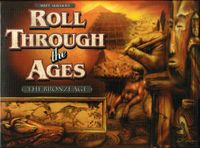
Anyway, so but back to your back to your statement. Yeah. So, I guess what I would say is the way I would do it is um I would focus a lot on the creative brainstorming and not as much on the design uh process if I were if I were scaling it. Um I could I did a board I I tested this out the other uh a few weeks ago. I had had my students play Roll Through the Age is the Bronze Age, which I like a lot in my classes. Um, and I had them play it in my honors modern world, not because it's based on modern world, but because it's theoretically kind of a loose preodern state thing. So, I was like, "Hey, let's play this for a second and see." Um, and they played it for a day and then I was like, "Let's try this. I want you guys, you got two days. We just finished Ming China. make me a game about uh the state of Ming, China, where you take this game and just adapt it, you know, not it can't be a complete re it can't be a direct rescan. You can't use all the same things, but you can take as much of it as you want and and move it into pieces. And it took me two days and it got them really thinking about power and control and choices in those couple of days. And they were really excited to have two days to sort of think in this way. Um so what I would say is I'd find I'd find smaller moments. Um, I would not do research. I would instead have kids read a text that everybody was using or base it on a lecture I did. So, I would pick the content. Um, and I
would make it like initial prototype and I grade them on the design statement. Um, I wouldn't grade them on the prototype. Um, and that's how I'd fit it in. I think mallest you can probably do a board game. going to game jam it up and have it just be a this is a creative exercise that gets you thinking about agency and history. You can do it in two days, two class periods. I mean, I'd take one homework, two class periods and one homework. Um, and you could say, "Okay, day one, problem space this
reading I gave you. Day two, turn it into a game." Um, you know, and then overnight find somebody to play test or just write it up. um twines, the choice-based texts are even faster because there you're just laying out choices. Do you do this or this? Um I have not done this yet. I keep saying I should do this. I keep writing this in my books, but just take anything you're talking about with an agent and have the kids really quickly make a set make a choice tree. Okay, you're sorry. I'm not I'm not all about like state agent males persecuting people, but Hammurabi is just such an easy one. Okay, so it's like you got Hammurabi, right? What's he trying to achieve? Okay, he's trying to achieve this and this. What are some choices he can make? Or he could do this or this.
All right, map it out. What would happen if he had done if he had done those things? Yeah.
Um or you know, more interesting, you're a Babylonian woman in the law code trying to get a divorce and the laws aren't that easy for you. You know, what are your options? Map it out. You know, you can do this or this and then what happens? That can just be that can just be a a class exercise. And I got to say, um, that framework, I mean, you know, I, in all humility, it really works for let's take an agent and let's think agentially. And there's problems with that. We don't always know our goals. We don't always rationally seek our goals, but it's really useful if you want to try and think about somebody that way. So, that's how I'd scale it down. And then you can do and then you could do a bigger thing in a week and then two weeks could be bigger and and then you start to scale in more research and then you start to scale in more design. So if I was doing like a twoe board game project where it was like you know two classes one week and two classes the next week or something like that then I would probably well one of two things. I would decide, am I more interested in them actually making the gamy part or am I more interested in them in get doing the research part? And I would lean that way.
Nice. I'm also thinking about those choices like that'd be so fun to do for like a battle and think about like military strategy and weapons and like tactics even.
Yeah, for sure. Yeah.
And you know, and there's a reason, right? There's a re um there was a great article by Javier uh Rubio Campio uh wrote it in 2024 um and basically he took the board games the board game geek database and pulled all the historical games out of it and he got 6,000 hits maybe out of the 100,000 games that are on there [clears throat] or something like that and did some did some data analysis and shocking Liz would you believe that the vast majority of games were on War and Empire fire.
I'm so shocked.
I know.
Never imagined,
right? How could it be? Um, how could it be? And and and I think obviously uh you know, Western society, as problematic as that term is, we have way too much fascination with war and war and empire. However,
I think there's also a design reason. The design reason is what gets more agential, right, than a commander saying go there and seeing what happens or a lieutenant saying go there and see what happens. What gets more problem spacey than I, you know, I am trying to control this population and get my taxes and stuff like that. Not endorsing any of that in any way, shape, or form. All right. Don't be evil people, please. Um, but it's already kind of problemspaced. Um um I think yeah I mean it's almost like you know how there's those teachers who talk about wars a lot because they like the concreteness uh of it. So um yeah but that being said I you know I I enjoy crafting military history games myself too and yeah it's so it would be so good for a choose this or this or this or this or this or this.
Yeah, that makes a lot of sense. Um this always leads me to so many other questions. Um,
I got so many answers. Some of them are good.
Hey, you know, if only some are good, it's it's that's that's enough. Um, so I guess my question for you is what is the state of educational gaming at this point? Like how has it changed since we last spoke? Because I feel like it's getting hotter. When I was at UK Games Expo, there was an entire like panel like thing. I think it's a day long thing about um educational games. So, it's hot in the UK.
I feel like more teachers are talking about it. Uh but as somebody who's just kind of been on the scene watching everything evolve, uh what does it look like from your perspective?
Yeah, that's a great question. Um I'm glad you've seen some of that. It's hard for me to know sometimes um um uh where things are going. I think right education is so slow in picking up things sometimes and it has been so slow with games. Well, yes and no. Okay. Right. Because in in the late 60s, early 70s you had this simulation wave and it went through the 70s where teachers were like we got to have social social science simulations and it's great stuff and this is awesome. I remember when I first took my first uh high school job 25 years ago. Um and I just combed the library for books about game design and stuff like that. And that was it. There w hadn't been any so like I I started teaching in high school in 2000. So in 2000 you had to go back to the 70s to get anybody talking about any of this stuff mostly. So it was that heyday and then and then it kind of went away and video games have been slow uh to kind of come in and I think people are starting to get that some. Board games have had to have a renaissance. I mean I'm I'm living proof. I right my my initial well my initial work in high school games was board game design. Then for various reasons I was in a school where well this wonderful school where I could look at computer games. And so I really worked on that. Now I've really kind of
been focusing on the board game side and the cho and the choicebased text because um there are more games out easier. You know I was trying to think about this the other day Liz in 2000.
So I know people complain about the board game rating difficulty ratings. I have found that generally it's a pretty reliable guide that I have to be around a two for my uh uh open for my non-tracked ninth graders and for my honors tens. I can get up to three on difficulty, but I'm going to have to really manage it. Um um but that's me. I I I'm not I want to be efficient and use time but as little as possible to make sure we're getting it. Um, so I don't think there were a lot of historical games that were around two difficulty in 2000. I mean, katan, but katan it took me years to appreciate that you could do imperialism with that because it's it's so generic, but like what was there? Roll Through the Ages hadn't been created. Seven Wonders and Seven Wonders Architects hadn't been created. These are my go-to like uh games that are playable in class. Uh, well, Gricola was never easy, so I didn't use it. Parthonon was pretty good. Oh, the Grizzled that game the Yeah. So these games like that, they just didn't exist. So maybe that's partly why I didn't do board games at first. So that's got to be helping teachers, too, is this that the materials are now more uh are more doable. And yeah, we've seen some things. I know that uh Gen Con or Origins maybe had talked about having a gaming an education panel. Jason Matthews had told me about it, but I don't think it's actually transpired
yet. So, [sighs and gasps] I it's it's it's so hard to know because we just don't have a lot of people talking about it like in any way that the rest of us could access. Um, so by the way, if you're out there folks and you're using games in any way, particularly in your history classes, um, but any classes, you know, let Liz know or let me know. It's just nice. I tried to build a community once say, "Hey, we'll make a list of people doing this and and nobody responds." And it's not because nobody's doing it,
right?
It's because we're freaking busy.
Yeah, there's that,
you know, and we got other things to do. Um, so I'd say that's point one. Um, the other thing is, um, and I don't know, I'm just I'm just throwing this out out there. I I actually don't know what the situation is. I would think that there would be some teachers who are resistant to some of the more grand claims that edtech games and school advocates make. And I love edtech games in school people too. Um um no shade on them. But what I have lived through is I was going to the original games learning and society me uh meetings up at you Wisconsin Madison with Kurt Squire and Constant Steiner and all that. I did my first national talk on games in history in gez Liz 2005. Uh so 21 years ago I they were like hey we'll pay for you to come out to LA and I'm like oh my god this is amazing. They want to hear stuff. Anyways my my point is is is this there has always been a road towards games are great as games and let's put them in because they're games and not necessarily because their content ma matches. Um, and so, you know, Edutainment obviously got the biggest hits for that. Like, I mean, for making this stuff, you know, the chocolatecovered broccoli, the math blasters where, you know, you're going to go through a sewers and battle aliens and when you come up to the alien, it'll give you a math problem and it has absolutely nothing to do with the world.
But like, that's not how you beat aliens.
It's like, I will multiply your butt, alien. You watch out. Um um I still remember because I played it once. I played Math Blasters like just once at some point like because I was like I got to see this so I can see what's going on. And I'm zooming along in these underground like layers or whatever and I show up and then these math answers show and I'm like oh my god.
Um I think there's a lot of teachers who would be skeptical that particularly as they get into high school and content becomes more f focused discipline content. Yeah. Um um but I think a lot of middle school teachers would feel that way too if they're trying to get something authentically social studies. So what I've been proposing I don't know how well no known it is out there. It's an interesting question like you know I'm really famous to three people or something like that. Um yay. Um, but using games with historical content and critiquing them as histories, right, and talking about what works and what doesn't so that a you learn your evidence and argument and b you think about the systems. That's what I've always been proposing and I think more people are starting to see that maybe.
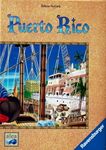
Um, but we got to keep pushing that. We got to keep pushing you don't put games in the history class because they're perfect models. that doesn't exist. Um, you put them in to critique them and to engage and to have people saying, "Oh, okay. How would I, you know, what, you know, what would happen if I took Puerto Rico and suddenly made the quote unquote colonists, right? We all know the the problem there where it seems very much to represent enslaved people historically, but they're labeled colonists, right? Bruno Fud's article on that. Um um what would happen if we took Puerto Rico and made the colonists the player agents? what would change? That's a fantastic question, right? That's that's the same kind of question as saying, well, what if we took, you know, this person's great person history and talked about like the Parisian, you know, uh, workingclass person doing these things. So, you're thinking systems, you're thinking critique, you're thinking that history is selective, I hope. Um, so I don't know. That's all that I think that's all hope for excitement. I really am hoping that this book gets more headway. I've gotten I've gotten a lot of good feedback from Gaming the Past.
Um uh I I wish I I would want people to know that Gaming the Past is about video games ostensibly, but it's the same critique practice for board games. But if we can start getting more teachers to get their students to do systems thinking through making board games and and choice based uh texts, that would be amazing. So that's more of a gush I'm wishing. I'm not sure what the state is. You see, you say you're seeing more people.
I feel like it's getting hotter, but uh I also think that books like yours, and it's one of the reasons I'm happy to feature it. I I think people need practical ways to incorporate this stuff. And
yeah,
you know, um, teachers are busy. They can't they don't have time to go research a whole new way to do things without some starting point.
Um, and so the more you can give, right, the better it is,
you know, and and and I'll say it again at the end at the end of our talk, but folks hit me up, right? My email is easily available. Gaming the past is my website. I take cold calls from people. Uh, and you know, or cold emails. Nobody calls anybody anymore. Uh I'm a millennial so I'm grateful for that. So
yeah. Yeah. Exactly. So like I am so willing to help you through your problem and I am so willing not to be paid to do that. All right. Just just reach out and and let me help.
Um so in your copious free time, which I'm sure you know there's a lot of that. Um you also design games. So what kind of game designs have you been working on since we last checked in?
Okay. So since 2023, I spent a lot of energy at that point. I have two Roman history games that I have loved that I think I could get into publishable shape. I know, right? If uh if if I could spend the time on them in my copious free time. So I've got one um that's actually up on my web page. That's another thing, folks. I have prototypes that are print [clears throat] that are made for classes. not made for classes like educational games, made for classes like I designed them so they could have that relatively easy to play footprint, not lots of materials and have some historical arguments. So I I so I had one called um uh Path of Honors, which is a Roland Wright inspired by Roll through the Ages, but turned into a Roman theme and tweaked and stuff. Um and I got that really polished and I'm actually I got to make a proposal. I'm really hoping um that your your uh patron Seish will uh uh give it a look. They they expressed some Yeah, this is interesting enough. Make a proposal and I'm going to try and do that once I'm done with the book. Um because that would be really cool uh to get that out um um um there. So, that one that one I I I was working on in 23.
Rivalries that destroy the Roman Republic. I had some good play tests with some publishers at Origins in I don't know 23 or 24. And the changes that need to be made, I just have not had the time. But it's a cool cool game. But what I needed to do is add more oomph to the characters so that you have more motives for doing stuff. Like the systems all work great where you're backstabbing and disrupting assemblies and stuff like that, but I need to create actual, you know, Kos and Ciceros and Caesars. So at some point I'll go back to that. Um but those were the two I was working on at the time. But then since then um I've had two two major successes um in the well one and a half. Uh so first is rhetoric and revolution.
Uh which I I had been trying to come up with a French Revolution game.
Yeah.
By the way, do we still do this on video?
Yeah, this is what the video go. So for
There you go. Look at that. Uh we're looking at a board that has sort of a range of like um it looks like political stances. Yes.
In the National Assembly and the French people.
Yeah.
And they got these little agent cards that like have like a a political persuasion and some abilities on them. So I was trying to figure out the the master French Revolution game. And there is one 1793 which I got copies of for class and have not actually taken the time to learn it. Because by the way, pro tip folks, you better learn to play the game before you have the kids play it. Um, [clears throat] otherwise that's not going that's not going anywhere fast. Um, and so what I did is I I decided, okay, I think I can make a game about this like early two year and a half in the French Revolution when this first national assembly is making a constitution. I I'm basically I can simplify it. No bastes are being stormed in there. no women marching on Versailles and dragging the king back. Uh war has not been declared yet. The king hasn't run away. So this is a period where the legislative assembly is mostly rhetorically arguing with each other and using themes to try and pass these different laws and the salons where men and women are are meeting and hosting and thinking are being run and newspapers. So once I got it to that um I was like, "Okay, I can make this game." And it took me a while uh the first design. So, so the problem I was having, right, is like on a simp simple level, you want your conservatives, your moderates, and your liberals, or as I tend to call them, your right, middle, and left in the revolution.
Yeah.
How do you compete for laws when the obvious play mechanic should be a vote, which would give you a binary, but you don't want a binary, you want a trinary, right? you want. Yeah.
And so what I finally came up with is we're not going to hold votes like people raise up. I was going to have it like that, like you just move meles and it's area influence and whoever gets the most votes wins. And I was like, no, no. What we're going to do is you still move meles for influence, but what's going to happen is there's going to be a percentile die roll. And the closer it is to 100, the more left the law is. And the closer it is to zero, the more right the law is. And the middle is that middle range. And so the game and and this really and I was like, "Yeah, this will work." And so the game became how do you either persuade the meles in the assembly to go left, which would give you a plus to the die roll, or right, which would give you a minus, or moderate, which would neutralize. And how do you get the law itself through your speech work, the current proposed law to move left or right?
Right. So first draft last year, I had um versions of the law. So if you if you if you tried to propose this law, there was like a conservative version and a liberal based on historically what they were arguing about and they had different number thresholds. Okay? And then they could play the game and the agents and they give speech cards and the speech cards would give bonuses and it's all modifying this uh die roll and I had no trackers live. It was the most arithmetically complicated, annoyingly so game. And my honors kids were so sweet. They were great about they were like, "Yeah, we should do this again." But you had to keep track of all the math. Oh, I played this many theme cards and my ally in the on the table played this many theme cards, so that's plus 20 plus 25.
So I Oh, and if you didn't pass the law according to your political persuasion, it went back into the pile and somebody else could try and pass it in their political persuasion. So nothing was getting passed. Everybody was failing to make their roles. Two fixes and this year it went great. One, a tracker. You just have a tracker keeping track of the current points for and against the law based on people playing card. Get rid of all the math. Uh and second one a die roll where one version of the law is going to pass no matter what. Um so you're going to put the propose the law people are gonna be players are fighting for it but there will be a conservative or a moderate or a liberal outcome to that law and then you count up the number of laws you got and decide which group wins. Uh and it went really well.
Play tested it my second big class play test um last week or the week before and it went really well. Um, [clears throat] so that was one. Um, and the second one is Dawn of Cities. Um, I wanted to make a game about how Sumerian cities form. And
yeah, I know, right? Because it's like I'm trying to make games that fit my curriculum. Um, because one of the big things about bespoke games is they're wonderful and polished and pretty, but you have to bend your curriculum around them if they're not really what you're trying to do. Uh, ancient history is bad for that. It's hard to find ancient history games that fit a general survey curriculum. Roll Through the Ages, Seven Wonders. Those are good. Um, you know, uh, I would love to try, uh, uh, Mabel Holland's, um, uh, Nika. Um, but how bespoke? Like, how focused is that if you're not doing
It's a little too sassy for the classroom, but it definitely
Yes, that's what I thought. That's what I thought. But I loved the idea. It's like, yeah, right.
Oh, no. It's a blast. Yeah, you should definitely have a look at it. and um maybe talk to her about whether she's okay with you doing like a despiced version for class.
Oh, that's a really good Yeah, that's a good point. I I will I do want to give it a look. Um so anyway, so I was like, okay, I'll make a game about Rise of Cities. That's on my curriculum. So I thought I won't you know just really simply um not too much in the weeds, right? Oh, you had farmers and then the farmers had surplus and so that played for specialists and the specialists had to go somewhere. So they went to the cities. So that was what I was going to do. I found this article on Mesopotamian cities, rise of the first cities, cold emailed uh the archaeologist who's in charge of the digs in one of these cities.
Yeah, I get it.
Love the internet. And he was great. Um and he was like uh um he was like uh um what was what did he say? It was Jeff Emberling. He he he oh basically was like yeah that's not how cities formed at all. And so and so and very nicely about it too. And so I started doing research like I want to do this. I want to make a game around this guy's research. And so it was hard because the the the long story short is the culture that came before Sumer, the ubeed culture had almost no prestige goods. So everything they were doing was from food surpluses and they were using it in ways to be prestigious.
in ways that created a city because it helped them but not through specialists. There were no jewelers, there wasn't trade or it's really hard to make a game when all you've got is food basically as your thing. So I worked it and I worked it and I was talking with him and he was great and supported me and I came up with this model and the and basically you're an elite household head where a household can be hundreds of people and you're getting food die rolls for your farmers and keeping track. It was meant to be sort of rolling right because it's too many cubes to keep track of and rolling rights are awesome for the class uh for logistics. And um you basically had to decide okay are you going to feast because that was a big thing that elites did in preities. Uh feast and sacrifice uh build a nice house out of mud brick because you could always have a bigger house and they apparently did those things for the feasting and sacrificing. Uh what was the third one?
I think the third one was expanding. I kind of made that up. You're just generically getting villages outside in the hinterland to follow you and oh, and building and and Oh, I'm sorry. Yeah, I had that. And so I made this game where you're basically all trying to get prestige because that's what's driving them and find that the city makes it easier for you to go for prestige. And the way cities did this apparently the earliest ones is disputes between h household heads so you didn't kill each other
defense but not a lot of it because there wasn't a huge amount of battle going on as far as we can tell in that period but some defense and public sacrifices. And so I basically made this game where all your elite stuff there could be raiders and law suits and you would suffer more economically and prestige- wise if you didn't work together. And the only way you worked together was by building these urban institutions, a temple, a meeting space. Um, so it's I mean I was pleased. I gotta say that's a
since I haven't done a good implementation yet, I'm going to say I think that was a pretty good design insight that that's what you need.
So, so I made this prototype. And as always, it's too Oh, wait a minute. If we're going to show pictures, man,
my my Jamie back, my awesome ally in the maker space, made me a fantastic map. And you put poker chips on to represent your farming villages.
Yeah. on this big so so listeners this is a big and I never watch YouTube either I always listen to the podcast this is like a 3x3 hex map uh 3x3 feet hex map with like a city in the center and a river going through and then you have all these colored places gray and gray so
you know what the beautiful thing is about that map completely unnecessary you could write it on a piece of paper but man the kids loved to put their poker chips on there to represent more villages that they were persuading Look, feel good.
Maps feel good. Moving pieces. That's the problem. The downside of a roll and right is people like moving pieces.
So, I try to do both like bits of piece moving, but like recording things that are sort of like grain. Um, anyways, I tried it. I tried it in five different classes. Way too complicated. They're always too complicated when I first run them. Saw the promise in there. couldn't make it through in the time I had and did two things. One said, "You know what? There's so much content in this that I can intersperse it with lectures. I can actually have a week that we spend on this game where I spend 15 minutes talking about food systems and then we play and go forward a little bit. Next day talk a little bit about
buildings or whatever and move a little forward." So that was the first thing. And then the second thing is I got a bunch of like particularly brighteyed and bushy tailed ninth graders of mine and said, "Hey, what if we can find like two hours during a class day where I revise this and we play it again." Uh, and they were overjoyed and I was overjoyed and it was really hard to find the time, but I found the time. Um, and they play tested it again. And so that made a lot of progress. So the first one, the French Revolution, it's good. It's going. I don't think I'm going to be doing anything more until I want to expand it. But this Dawn one next year is going to really be like the money one. I hope the one where I can really make it work. So those have been my projects.
That's fantastic. So we're coming up on an hour. Honestly, we could just talk forever because there's so much to say. Uh so clearly just another couple years we'll have to reprise this conversation, but for now, uh what have you been playing recently that excited you or brought you some joy?
Oh my gosh, that's a great question. So uh let me look what Oh. Oh. Oh. board game world. Cgraphers. Oh my god. Do you know cgraphers?
Yeah. Yeah. The road, right? What the
So, uh, I have a buddy of mine here who's a math teacher who loves games and we used to share a free period and I would make him play all these history games for research. Air quotes listeners. Um,
it's very important research. Don't discount your scholarship.
Yeah. And sometimes I used them in games. Sometimes I use them in classes. So, cgraphers, I have a colleague at North Carolina who was making a a version of this for archaeology class and doing Aztecs. And I was like, that's fantastic. I don't know this game. I got to know it. So, my math buddy's like, and we have no free bell this year, so we're both like sad all the time. And he's like, hey, have you seen this game, Cartgraphers? You can play it in 20 minutes. I'm like, oh my god, yes. Club's time is 20 minutes, and neither of us have a club this year. So we started playing it and he did the one thing, the master thing. If you have not done this yet, for God's sakes, buy colored pencils for the core things you put on the map. Revolutionizes it. I understand production-wise why they couldn't put in colored pencils for all the players, but oh, it's a coloring exercise then. So, um, so I started playing that and then my litmus test for an easy good game is one that I can teach my like almost 80-year-old parents. Oh, shoot. I shouldn't have said that. They don't like that. My 70s yearear-old parents uh to play.
Your gracefully aging parents.
My gracefully aging parents were really good and play board games with me. Um, and so we played it over the o over uh the winter break and it was fantastic. So that's brought me a lot of joy. Um, with with video games, I've been in a bit of a dry spell, but I've been uh getting back in. I kind of go hit or miss. Um, I have just decided unabashedly that I am a turnbased tactics uh uh video game person. And I think Final Fantas, you know, XCOM type games. Um, so I've been going back to like this game called Phoenix Point, which was the original designers of XCOM, and they made their own version. Um, and I love it. It's a great game if you love those. And apparently I put in 200 hours in the last couple of years, but I was like, you know, still haven't beat it. I'm gonna try again. So, that's been bringing me some joy uh too as well. Um, and I am so excited to get back to game design once this book is out on Monday.
Drink your coffee, everybody. Uh, and let's hope for the best.
You're going to be free soon. And with another book to your name. All right. And so people um can find you. You you know you've mentioned you love to be found online. Um you love it when people contact you. So uh for the people restate the title of your book and then where they can contact you and follow your work.
Fantastic. So designing historical games for class uh a practical guide for educators and route is going to put that out. My understanding is takes about six months to production time. So, if it's if it's in their in their hands on February 2nd, theoretically, we're talking August open. So, maybe some teachers could get it a little late for the beginning of the year, but but close. Um, so, uh, yeah, and then in the meantime, absolutely hit me up. Game in the past. I'm on Blue Sky. Uh, I haven't been on the Evil site for several years. Uh, no, I mean, again, different people have different rationals about how they want to do things, so that's totally cool. I'm not judging. I just couldn't do it anymore. So, I am on Blue Sky. I'm even on Mastadon. I did that. Uh um and then I'll throw it out there.
jmc.hstgmail.com. Uh the only people that are abusing my email now, oh my god, I'm getting so many spams that are AI generated from people who want to take my books and make me rich.
It's a new genre of thing. I get hit every day. It's like, and they're really quite amazing. like AI is like basically clearly scraping from the net the discussion of my book and then they write this long letter that they didn't write which by the way Liz uh thank goodness you're so nice about me talking so much because I'm talking so much but um um this is not this is not a how to use AI book. I really don't delve into it because I don't want to get into the AI wars, but philosophically I am absolutely convinced that in the humanities we are about humans talking to humans about humans inciting humans. Um, and [clears throat] writing is about process, not product. And game design is about process, not product. If you have a machine do all this stuff, then the child doesn't think and the child doesn't learn. So I uh offer ways if if you're feeling as an educator that you can't escape written that if you give written projects then you're not going to get uh authentic work. I give presentation ideas and things like that and everything like that. Um but this is not about like having AI make your game.
This is this is a very much having humans do the thinking and learning. [clears throat] So there's my little you know service announcement. good because I 100 1,00% agree with you. Uh Jeremiah, thank you so much for for coming on the show again. It's been such a delight to have you back and I'm just looking forward to future work.
Thank you so much, Liz. I can't I can't wait to come on again when something's new.
All right, everybody. I can be found everywhere online as Beyond Solitire. Don't forget to like, subscribe, comment, ask questions, and most of all, happy gaming.