Beyond Solitaire Podcast 158: Will Thompson on Winter Rabbit
Games in This Video
7 games are featured in this video — they unlock as you watch.


Transcript
it's adbreak time I'm proud to announce that the Beyond soliter podcast is sponsored by Central Michigan University Center for Learning through games and simulations although the kickstarter campaign for their most recent game hydrologic cycle has ended you can now pre-order copies of the game so go and support science games if you are so inclined their next Kickstarter campaign for eyeball to eyeball a cold war simulation game will launch in late June CGS also continues to offer classes in partnership with Gen Con their next course will be intermediate roleplaying game design with aloy Lanta and that starts on June 19th I know it's going to be great aloy is a fantastic teacher and all of his previous students say so I also want to mention that SD hcon is testing an online convention on June 8th it's a whole day of historical gaming through Discord with tons of demos talks and panels I won't be there this time but David Thompson will be there for both of us to demo night witches and I know there are a lot of other really really cool events happening tickets are very cheap and it's a fantastic time so you should go to sdh his.com for more details and with that let's get on with the show hey Gamers this is Liz Davidson from be on Soler and this week on the pot I have a very special guest this is Will Thompson he is a game designer and a publisher through absurdist Productions How You Doing will I'm doing good happy to be here yeah I haven't talked to you in a long time now since you were a Zenobia award finalist yeah that was a couple years ago now yeah so it's excellent to like you know re to continue that conversation um and actually one of the reason we're doing it is because your entry into the Zenobia award uh winter
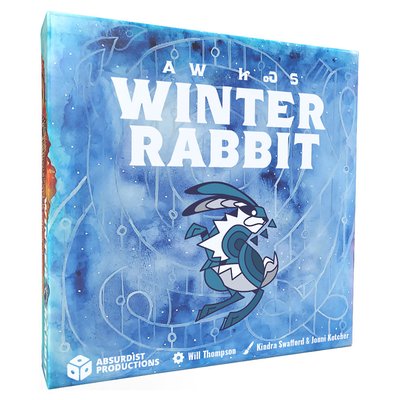
rabbit uh is now in prep for publication that's right excellent y we are um currently finishing up the art uh production and we're planning to launch it on Kickstarter in uh hopefully July fantastic that's awesome news um so uh for people who did not follow Zenobia the first time around uh would you just kind of tell us about winter rabbit what it is sure yeah winter rabbit is a board game that I created it's based on um Cherokee culture and folklore so the idea of winter rabbit is we're playing these animal characters from Cherokee folklore so we're we're bear wolf rabbit otter uh not rabbit we the other characters rabbit's sort of like uh also there but rabbit in this in this um in these stories is a trickster so rabbit just wants to kind of like mess with everybody and do his own thing so in the game it is um it is sort of a worker placement game I've kind of called it a hidden worker placement game because it's got this mechanic where you are drawing workers from a bag your little villager tokens from a bag you can look at them and then you place them face down on on on locations and once you have enough then the uh resource is produced so it kind of has requires people to work together a little bit but also those could be a rabbit and if it happens to be a rabbit the rabbit steals everything and moves that away so the goal of the game is basically that we're working together to prepare our village for winter we are we have this this communal goal it's a semi-cooperative game of
getting all of the resources we need for winter but then we're also competing because everything we do to contribute toward that goal is getting us points um um that we you know basically if we make it if we we're prepared for winter then whoever has the most points wins um and you get points by completing tasks for other people which get you points and get them a benefit you get them by building out the village and by telling stories that change the rules and give like Universal benefits for everyone um that's that that's like this this the simple breakdown of it um uh it's built around a lot of these ideas of we want like positive interactions we want this semic Cooperative idea of you know if we if you sort of like go too hard and too competitive and mess with everybody then like you could end up failing the thing for everybody but also you want to kind of balance the the the the the universal goal with your personal goals to try to like to try to win um and it's got some ideas of sort of conservation built in there where you can uh produce more resources immediate medely but then that causes um the game to be a little bit more difficult to produce those resources in future seasons and future rounds um so there's like these these different kind of balance elements built into it as well oh that's awesome so you know for people who again weren't following it through Zenobia you know Zenobia is a historical game contest winter rabbit is a game about folklore um if you were to
answer the question in what sense is it a historical game so uh yeah this is something that I like I think I definitely had a different take than the other Zenobia entries because a lot of those were you know about particular historical events um and things like that and um winter rabbit went about this a very different way so in Winter rabbit I'm looking at sort of cultural ideas so it's looking at you know the stories that were told but also about this idea um primarily this idea in Cherokee culture called uh gadugi which is sort of um you can kind of Translate like like like communal work or like doing community as a verb right like it's um kind a little rough to translate but the idea basically is that we are as a community coming together to make sure that everybody's needs are met and so the game is in a sense trying to show that contextually right within within the game um as well as just kind of get across this idea of you know what are some of the cultural values that exist within Cherokee culture like traditionally um and so it is looking at history in in in in in that sense right in the sense that like we may be looking at stories that are fictional but they tell something about a particular time period a particular culture and a particular set of values within that culture excellent and I remember the last time we talked about this uh we had a really fun conversation about um some
actual stories that this is based on that are quite funny um what is your current favorite win a rabbit tail my current favorite um so oh I've got I've got several um there are okay so there's there's one that's that's a little weird to a western audience so it's this one where um the bear invites rabbit over for dinner and when he's cooking dinner he kind of like Cuts himself and lets out a little bit of like oil like grease to uh to cook with and yeah which is sounds disgusting right but bear grease was sort of like a traditional ingredient for like a cooking oil right anyway so he does this and he's fine and the rabbit's like oh that's really that's really cool that's really weird um and so then the next week bear or rabbit invites bear over for dinner and rabbit tries the same thing and just passes out because he is Tiny he is skinny he just passes out and the Bear's like oh my God you can't do that you know you can't you don't have this this fat built up like I do you can't do that um and there's you know one story where the bear just kind of patches him up and goes on and there's like a longer version where um the bear you know he sort of panics he goes out looking for a doctor somebody to help save the rabbit because he's just hurt himself and um the the vulture is like oh I'll take care of him and so he's like but you gotta leave me alone in the room by myself and I'll take care of him and then of course that doesn't go well and then you get this this whole
scene with the the the terapin like shooting an laying on his back shooting an arrow to like shoot the the vulture and get him to drop rabbit and eventually the rabbit's fine but it's just like a whole mess um and one of the things that I really like about these stories is that it it's so different from it's different from the stories we tell today but it's also different from traditional like European stories because it's just got this different way of relating to things right like this different this different way of telling them so really like that one a lot um I'm probably going to be working on another project for another company that involves some Cherokee stories too and so I've been reading a lot about um a creature called Lan which is often referred to as the horn serpent so it's like a giant venomous snake with antlers and wings and poisonous breath and it shoots lasers from its forehead it's a crazy thing in Cherokee folklore um and I'm going to be working on another project related to that so I've I've been reading up a lot on that too and I think those are really cool stories because it's really like the dragon right it's like the the the big bad Dragon creature kind of thing from this folklore um and you know that contrasts a lot with the like really kind of like fables that you tell with the animal Stories versus like these other ones that are like got these big monsters and like really crazy mythical things like crazy mythical things right but I don't know if that's the best way of saying that but you know really cool stories either way
definitely um so how would you say that winter rabbit has evolved uh since its time as a Zenobia entry so it's evolved quite a lot so there are certain things that are uh that are definitely the same so like the core of it of the the um the way that resources are produced through pulling the Villager tokens from the bag and everybody like they go on the you know they go on the spot to produce the resources um that is all very much the same same um in the Zenobia version um we also had these player boards that had uh tiles so when you're building out your section of the village you were buying and placing tiles that had effects based on where you place them and things um and that has changed a lot so the the the the village has just turned into cards so I've simplified that a lot um because the placement of the tiles wasn't really didn't really matter like so much to the rules like as the as the the effects of the village cards evolved and the village cards are what you use to kind of build out your personal engine as those evolved the position of them didn't matter so much and so he just turned those back into cards but the most important thing is that um in the Zenobia version the uh the main tasks that you did to get points and prepare the village for winter um in the zobby version they were in a river kind of out in the middle of the table and once you complete one of these task cards it's gone um and another one comes out and the big problem with that was that people were having a hard time like planning ahead they were having a hard time like
preparing for their turn because the card that they were going for might just be gone by the time it gets it back around to them so that got changed a lot and now we've got a really cool system where um you have a hand of task cards at the beginning of each season every player is playing one task card and that task card stays out for the entire season you cannot complete your own but other people can complete yours and they can complete it multiple times they can complete multiple task cards on one turn and the Tas card doesn't go away when it's completed it just stays out there and what test card is is you pay some resources to complete it and you get points it progresses The Village toward being ready for winter and the person that played it gets a a resource benefit as well so if I complete one of your task cards you might gain a wood or a crop but then I get some points for it so there's uh it's simpler it means that the goals are always out there for the whole season for people to play so people can plan ahead more and it also means that um you you have like some strategy about what you choose to play like do you want to play something that's going to benefit the overall goal of the game something that's going to get you what you need something that minimizes your opponent's points like there's different considerations and how you choose to to pick pick and play a task card excellent I'm looking forward to to seeing it and it's it's full it's full Glory uh so I guess the next question then is what made you decide to publish it through absurdest Productions um so we had considered a lot of things we considered going through some other Publishers I had a couple offers um and it was a
really complex decision because and and I kind of went back and forth about it a lot um I have some certain very particular goals that I want for the publication of this game for instance I wanted to make sure that we hired um Cherokee artists to do the art because I wanted to make sure that everything was as authentic as possible um and so we were able to do that we've got Kendra sford who is a really awesome um uh illustrator watercolor illustrator and k um and Johnny catcher who is a great digital artist doing our graphic design so we were able to do that um and that not to say that another publisher wouldn't have done that but that was definitely something that was a um that that was like a a uh noo you know if we couldn't do that um and it's also just a matter of wanting to keep control of this to to build up my own brand and my own business I just felt like that that that this was a good place to do it and to keep it to keep it here um for those reasons um and I think it's going pretty well I'm really happy with the decision um to do so um and like again there's lots of really great Publishers out there out there who I think could have done a great job with it but um being completely directly involved like this um I think was the right decision for this particular game awesome the other thing I noticed about this game is that um it is it has an alternative title that looks like it's Cherokee is the full game going to be published bilingually so yeah the the
if you look at the logo the alternate title of the top it says um and in Cherokee characters goist which just means winter rabbit in Cherokee um the plan right now is for the game uh to be to feature both languages on most of the components so um all of the cards will have the titles in both Cherokee and English um the the player cards and reference cards will have one side in English and the opposite side in Cherokee um I want to eventually I'm hoping to include a um a Cherokee language rule book in it as well now the effects on a lot of the cards I wasn't able to make them like uh language independent or anything like that and it's not really possible to like do duplicates of those cards so the effects are going to be in English on the base game but I'm hoping um to be able to also produce a card pack that you can get as an add-on that keeps it entirely in Cherokee because I I really do want people to be able to play this game entirely in the Cherokee language um if they so choose nice so um I guess it leads to a question of you know so you're taking this to Kickstarter um you want an audience that is a Cherokee audience to really get the most out of this game uh and you also want a broader audience to engage with the game so let's start with um with I guess the group of people who would be able to play this entire game in Cherokee that's so cool um so have you been play testing this game with I
guess both subsets of people uh and what kind of responses are you getting or expecting uh from people who are from within Cherokee culture yeah so those are good questions um I have most of my PL tsts have been with hobby Gamers with like that sort of core group um but I've definitely shown the game to a lot of uh Cherokee People um we've worked directly with a cultural consultant because I I'm myself Cherokee but I also wanted to work with somebody who was a first language speaker who who knows a lot of details about the language language and the culture that I may be missing and I think it's also just really important for anybody working in a minority culture to just have a second opinion on those things so I'm working directly with somebody to make sure that those things are accurate right so that's all part of it um how will Cherokee people react to this so like so far everybody that I've shown it to is is super excited right like people just excited just to see that the language and the stories are represented in this form um I think I've had people talk about wanting to use it in classes and wanting to um bring it to just different events like I think there's like some some really excitement about that um but to be clear this game is also it it is squarely like in the hobby game market right like this is a strategy game it's um to a hobby game gamer it's probably like medium level of complexity to like a Casual Gamer somebody who who's not in that space it it it's got you know several pages to
the rule book right it's going to be a little bit uh a little bit much for some people and I'm recognizing that too so I'm I'm really trying to like balance this line of like I want it to be focused toward people who um I I want it to be a solid entry in the hobby game Market I want it to be something that that Gamers can really like sink their teeth in to and really enjoy and even if they're not part of the culture have no knowledge of the culture whatsoever can get an idea of it and get an idea of like what this game you know is trying to convey right but then also something that people within the culture um can uh can see and appreciate and on a different you know a different level too um it really is a hard thing to balance right because I know there are there are plenty of you know Native American people Cherokee people who are Gamers and also a lot of people who are going to see this game and are going to want to take a look at it who maybe don't have a lot of hobby game experience um and I want to make it accessible to them but I also want to keep it keep it squarely within that hobby game like level of Interest right um I don't know if that answers the question but that's definitely like a thing that's on my mind right is like is is looking at this and I've I've come to places like I was at the um indipop um conference in Oklahoma City um a couple months ago and I had a few Cherokee People come through there and one of them was was an elder who is a language
teacher and she like I showed her the Prototype like I I showed her some of the cards and she just like was so happy and smiled and laughed and like I cannot express to you how like good it feels to see somebody just like give it that level of approval and excitement from somebody who is a a first language speaker an elder who's who's looking at it like that so like that's something that's really important to me and like really really makes me happy but um but I also want it to be something that you know Gamers pick up and go this is just a really awesome game regardless of it having to do with anything um with anything cultural right I want it to be both absolutely so I fully believe it's gonna be an awesome game to play uh but for also also for people outside of Cherokee culture like what are you hoping I guess that they pick up from playing your game right um so I feel like there are histo like throughout the the sort of history of of board gaming right like there have been a lot of depictions of uh Native cultures indigenous cultures that are not the best um and some designers and some historical Games and Things have done a really good job with it but the vast majority of them I feel like are really not that great um there's a lot of conflating different cultures a lot of stereotyping a lot of things that just don't fit with this what I would really love to see I want people to be able to see just at a first glance I want them to see the art right and see see an art style that is not
um Southwestern it's not like the the what they might expect to be Native American art but also they can look at it and go yeah this is this is this is Native American art but it's different right and I think that the artists we've gotten to to work on the game have done a really great job of that and I think from a first glance visual standpoint I think that's going to be something that that um people recognize after that like I want people to see um these little Snippets of the stories get like just a familiarity with that like there's a lot of people who probably don't even know that um the Cherokee have their own writing system their own syllabary right and so just like to experience that and see that just to get this even this base level familiarity with like these things exist and then to take a look at the the way the game makes you play where it makes you balance personal goals versus the community goals balance like it mediate needs versus thinking a little bit more long term and to think about the strategy that they play kind of in those terms I I I hope all of that comes across and I believe that will give that that would be a good entry point for a lot of people into you know seeing some cultural elements that they may not have otherwise been familiar with excellent uh and then you know I kind of want to Circle back you talked about um getting a cultural consultant um you know I I had really never thought so I think part of is it you know we I think as a community right often see a cultural consultant as somebody who just
kind of gives the okay for things and I don't think that that's actually what they're supposed to be used for right um but what was your experience of having a cultural consultant and how did it feel to consult someone about a shared culture so it it it felt it felt good and really important so like in my particular case um it felt very validating because I have done a lot of background research um and a lot of work to bring this game up to where it was um and presenting that to our cultural consultant and having them go through and go actually this is all really good and they pointed out a few details um that I needed to change which is great um they also were a translator so they provided me with trans translations because my language skills I'm I'm a very early learner you know I've been working on it for a while but it's very difficult um so the language translation stuff was really important but that validation of knowing that I've got things right right that I've done my research I I I know what I think I know but then somebody else looks at it and go yeah couple little details to change but otherwise you've got that right and that gives me like this backup because it's really really important to me that this is authentic that it really does hit all of those things because I want that to be expressed to an outside audience that way but also because anybody that is Cherokee I want them to know that I want them to see it as legit right I want them to see the work that's been put into it and I want it to also
be a tool that helps people convey that knowledge forward right there's a lot of things that go into that and um yeah it is just really important to have a second opinion to like not know that it's on me and by the way like not even just our consult cultural consultant but also like working with Cherokee artists at every meeting that we've had we've sat down and talked about things we talked about the history of things how things were depicted and like maybe I was using a reference image that wasn't period appropriate or maybe we have to change this particular symbol or look at something differently and there there have been like cards that we've changed just because we we as three Cheroke people talking about decided oh that doesn't actually make sense in this context let me change the theme of this card you know I can keep the effect and have it just be something else so that it fits um it's you know culture isn't something that you can just that one person just knows everything about right even if you're part of that culture it's the existence of it like what it is is a shared experience that people talk about and and share between them so it's really important even if you're working within your own culture to have somebody else that you can talk about to make sure that you've got those things right because there's always going to be things that you miss right especially when you're working in something like this like where it's it's a it's a minority culture within like the the greater you know culture of the United States that we're trying to like understand what comes from one what comes from another um but yeah I think
cultural Consultants are very important and like you said they should not be something that just sign someone who just signs off on stuff like if anybody's out there's watching this and they're making a game about a culture whether it is or is not their own like bring on a cultural consultant early in the process don't finish your game and then bring them on to sign off bring them on early on run things by them and that way you can catch issues and change things before you get something locked in because as I've also worked as a cultural consultant on a few things and sometimes people have things very like locked in toward the end and it's like well that's not really appropriate but you can't change it now so you should have you should have said you know you should have talked to me or talked to someone much earlier in the process I think it's a very important thing to do yeah I wouldn't want my name in that role book if I didn't actually me right uh and then you know you mentioned being an early language learner um that is I'm I love talking about languages and learning them uh so uh how has the process of working on winter rabbit I guess brought you closer to the Cherokee language and uh how do you improve in in practice right so I um as much as I can I hend like a Wednesday night uh study group um there's a lot of like resour there there there are a lot of resources out there to help learn the language that um the tribe or and other organizations have provided um now that
said the resources are definitely much much fewer than you would find and you know if you were learning Spanish or Chinese or French or something right like there's way fewer resources but they do exist you know and they exist to different levels for different languages of course and luckily with um the sherokee language there are there are quite a few resources out there but it's a challenge because it's about as different from English as a language can possibly be um and um so I it it is challenging um but I you know I want to put it put in the effort to to work on that you know I've I've learned how to read the syllabary the alphabet and um some some of the basics and I've been working on it for a while you know off and on but overall the game has really brought me closer to a lot of things a lot of things in the culture you know I mean I grew up knowing some of these stories that are included in the game but there are a lot more that I didn't know um and as I've been working on it I've dug in a lot more to that I've learned a lot more things I've it makes you think about the way you're having interactions in the game to make sure that those fit with the sort of ideas you're trying to express um I've learned a lot more about um sort of some of the iconography and like um historical like patterns and things because a lot of those are reflected in the uh graphic design of the game and so there's there's all
kinds of details all kinds of things that I have dug into so much more than I probably would have had I not been working on this and I really think that that's been a great experience for me I really love that learned so much from it you know um I've learned so much about game design but I've also learned so much about my own culture and language um and I've and also been able to work with some really great people in the production of it awesome so it sounds like winter rabbit is a deeply personal project and I'm I'm really excited to see it I I like playing games and feeling like I learned something about the designer as well as the theme of the game and and the game mechanisms um so does it make you more nervous to release that into World in something like paleo vet which is an awesome sounding game about being a dinosaur veterinarian and that's a previous game released you know um if you talk to my business partner about this like he would probably like Express this to such a degree that he can see the way that I am so careful about every detail of winter rabbit and the game the winter Rabbit game has taken a long time to produce like paleo Vette came together rather quickly right and it is a good game and it's it's a lot of fun but the basic mechanism pay vet like we we pulled those together and created those really fast compared to Winter rabbit and part of that is like because winter rabbit's a little bit more complic complex of a game um it's a semi-cooperative game and semi-cooperative games I have learned are just really hard to make um but also
then also making sure all of the cultural aspects and all those details are correct yeah it's definitely a very personal project to me and um and and and I've put in a lot of time and effort to to look at all those details and make sure all those things are exactly exactly so right um it's very interesting um I've I've learned a lot about game design through this process so I think you know anything I do in the future will probably come along a lot easier um but yeah contrasted with something like paleo vet um this was a much more difficult project uh yeah and you also mentioned that you know you kind of wanted to have a lot of the production of this one in house and that you were glad you were able to sort of shepher this game every step of the way uh you mentioned earlier in our interview that you've got another game about Cherokee stories coming out from another publisher um what made you choose to do that one with someone outside and what are what are the kind of differences that make that workable for you so my my other project um I'm can't announce what it is yet but it is I am working with coyote and Crow um right so um I met Connor who was the creator of K and Crow a few years ago um and and uh he brought me on to write a little bit in the KY and Crow rule book um and so and then i' I've continued to work with him you know one of their um stories of the Freeland Adventures um I I wrote that um I do some RPG work as well and then they've got some more projects coming out um and I'm going to be working on one of those as well that
kind of features some aspects of um Cherokee folklore and culture in that particular um in that particular uh product so I I'm not going to say too much more about it right now but um it's been really great working with um coyote and Crow um and I I hope to continue that relationship as well excellent and then kind of going back to absurdus Productions um what are some upcoming projects for your own Publishing House like do you want to do something that's as intense and personal as winter rabbit for your next project or are you hoping to kind of do some light stuff and then maybe come back around so we're doing kind of a mix um we're doing kind of a mix of things so win is definitely our next one like I said we're trying to bring that to Kickstarter in the summer um after that we've got a few other projects and I'm uh most likely one of my business partner Dave's games is going to be the next one he's got a really awesome hidden movement game that um is more or less design finish it's a really really awesome two-player game um and most likely that one will be our next project um after that we've got a few other things um I've got a role play project a role playing game that I'm working on um we've done a couple of um solo role playing games and we might continue some more games in that series um and then I've got a few other um few other board game prototypes that are in um you know early stages um so we'll see what comes up um depends right like a lot of the
things I'm working on have been a little bit um lighter because I just kind of like that's the direction that uh I've been kind of pulled in to make some like um lighter and easier games um and part of that's just because also like those are the games that I'm I'm bringing to the table like in my own game nights and stuff right like a lot of my friends are not so much being pulled to the the big heavy games so I'm I'm looking at and feeling uh kind of feeling The Vibes with some like more medium to light kind of like games so yeah there's a lot of stuff I'm working on I'm always messing with something and I jump between projects a lot so we'll we'll see where where it heads yeah it's also clear that some of your projects are RPGs uh versus something like wi rabbit which is a more pure like tabletop game um do you have a preferred game type to work on not at all um yeah I I am just kind of add when it comes to this like I bounce between different types of projects sometimes I'll get really inspired to to write and work on an RPG sometimes I'll have a good idea for a card game and I'll just dig into that like I bounce between things so much and for my own workflow I really just find that like whatever I can like grab onto and kind of hyperfocus on that's what I'm GNA work on um so I'm all over the place right and that's also just like the way I play games like I love big complicated stupid games like Warhammer 40K like I play that but then I also love like little
card games and you know Hobby Games role playing games I I like the full mix excellent and then do you find that um that you can express different things through different types of games so you've worked on Cody and Crow but I feel like winter rabbit is meant to be evocative in a different way yeah it is I mean Cody and Crow has this very like indigenous futurism kind of take on it right like it's it's in that like the adventure that I wrote for that was called Raiders of the barrial mound right and I wanted to do something that was like the flip side of a Tomb Raider Raiders of Lost Arc thing where you're going out to find the people that stole the artifacts and bring them back so I'm telling the story in this very like kind of in in that kind of way where I'm looking at like something in popular media and flipping it right with winter rabbit I'm looking at how I can express culture ideas through board game mechanics and I'm looking at a way that I can take aspects of like Euro games and make them have like an indigenous twist right so I'm looking at that then there's also games like um transformation which is a solo RPG I did and I wrote that one really based on my experience during the pandemic because at that time I was sort of like stuck in a house with another person and that gets very difficult at times and so transformation is this game about you are changing into something right like you start mutating and changing into something you don't know why or what but you're dealing with it and the person that is living with you
was dealing with it and so I just sort of took that personal experience and sort of pushed it to like the horror extreme of it and and wrote that game based on that right so I do try try to bring in like these ideas and and and experiences to games and I usually try to have like some kind of some kind of idea that I'm trying to express through the game um so yeah I I I yes um and then what um what other themes from Cherokee history or culture do you have an interest in making games about in the future so I've thought about a few different things um I've thought about some a a game idea that was based around um pottery making um and the patterns on potteries or the pot patterns in baskets and so those are ideas that are kind of way back there um one RPG that I'm working on or I've got a couple of R RPG ideas one of them is sort of looking at um the experience of the trail of Tei which is is a really really sensitive thing and something that I've kind of picked up and put down because I want to handle that with extreme care um another RPG that's just sort of setting people not Cherokee specific but having a setting that is an indigenous Community like a worldwide wherever you want it to be kind of indigenous community and the experience of playing in that kind of environment rather than in playing something like a medieval Society right so something that
is that is you know pre-money you know tied very tied to a community in a land not murder hobos running around getting loot right some a very different kind of thing so I've got some different ways that I'm trying to bring those things in but um yeah all of those projects are still very much in process excellent so just I'm just going to try this question um so you mentioned you know you you're so you're interested in kind of expressing things that are not like stereotypical in our games uh and that you've also kind of looked at things like Euro games and thought oh how could I like make this Cherokee what are some themes in games that you see often that would just be cut um if we were able to I guess cut games off from like Western culture real large so one of so I in creating winter rabbit and very ear early days of kind of thinking about this I was thinking about things like Forex games so I think the Forex framework is very much built on a sort of colonialist capitalist kind of idea so the you know uh what are they uh explore expand uh exploit exterminate like very hard core colonialist kind of ideas so for my concept I tried to like create a different framework it's not really like a one toone anal long but it's a little bit like that I call it for sees so it's um cultivation continuation um what is the other one I can't remember cultivation
continuation um uh conservation and um competition so rather than um trying to constantly expand you're trying to like maintain and continue what you've got going you're trying to cultivate what you have and and produce more from what from a limited set of things rather than continually exploiting things and you're also trying to compete in a more friendly sportsmanlike way rather than completely demolish your enemies so I tried to take these ideas and in the in the winter rabbit rule book there'll be kind of a little paragraph explaining this concept right um take these ideas that fit a more indigenous worldview and use those rather than things like the Forex framework that definitely is um as a colonialist kind of idea right so that's that's definitely like an example of kind of what you're talking about I think yeah do you ever have a hard time like I know intellectually that I'm a product of my environment but I don't know that that gives me the perspective to kind of separate all the time have you like you know is that challenging for you even in the making of winter rabbit yes um it is a challenge you know and I mean and to be clear I don't think there's anything wrong with playing something like a Forex game like I like war games I like hardcore Destroyer enemy competition games sometimes but you do have to like look at these things in context right like and it does take like a specific effort
to think about not just the theming of the game but also the mechanisms involved to see what kind of interactions they you know they they're pulling out of the player like is that fitting the kind of thoughts and ideas and framework and like I you know don't always do that when I'm just casually playing games but when I'm designing like that's definitely the Forefront of my mind like what kind of interactions are play people going to have and are those interactions like appropriate to the theme and like tone of the game um but you know like I think the main thing about like the industry as a whole and like the games that exist out there is that there are just a lot of games focused on Western culture focused on um sort of capitalist kind of ideas focused on colonialist kind of ideas and those don't necessarily need to go away some of them should go away not all of them um but we definitely want more games that are looking at things from different ways like different perspectives and I think that's really why things like Zenobia are important because you're bringing in historical perspectives from people of diverse communities um who are going to look at these things in different ways right and as a player I think players really benefit from this because you're going to get very different experiences like another one of the Zenobia finalists Molly house I love that game it is another semi-cooperative game um that Co that um worldly gig games is publishing um and it's it's it's so
different from any other like uh games similar games that I've played that you know I'm like this you know this guy has a very different this person has a very different perspective you know that they're bringing to games and that kind of diversity really does make a difference in the experiences we can to have and as Gamers we should be looking for that right like we should be looking for like the widest perspectives we can because we just love playing these games and we want new experiences that's how that's how you get them right absolutely and you've kind of led me back around it into uh something I did want to ask which is as somebody who's a previous zobia contestant um are you glad you did it and if you could go back and do it again what would you do differently um I am very glad I did it so Zenobia I got I got to work with some really great folks um I you know the the mentorship and the feedback that I got really helped um the process of it really pushed me because I was starting to get to a point where I was a little bit burnt out on winter rabbit I wasn't sure where to take it and this game this this competition really like pushed me forward right it got me to like get over a hump and and finish the game um and I made some really great friends through it so like I still communicate with a lot of the other finalists um who are awesome people and um and I'm really great I have that what would I do differently um I don't know if I would do a lot differently I think it it it was definitely a challenge because it it it it pushed me a lot in a very short amount time to produce to produce a lot
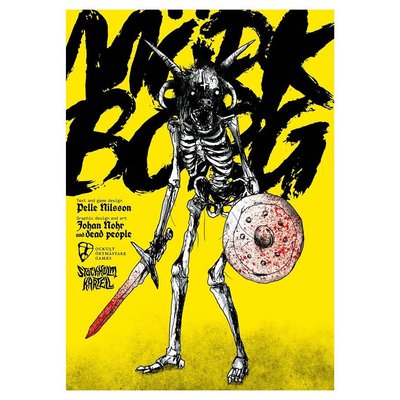
um but I think that was ultimately good for me um and um and I think the outcome of it you know win Rait took second place uh the game that won first place um is fantastic um a car's game that he made is a great game I think he absolutely deserves first place so I don't think I would necessarily do anything differently in this in this in this case um I was very happy with the outcome excellent uh and then I guess uh I guess we can move into softball questions so you make a lot of games um you are clearly really working on a lot like that's some impressive Creative Drive what are you playing right now that is making you happy what am I playing lately oh let's see um lately I've played um uh what is it called what is the the big uh Zoo um game arova Arc NOA yeah I played Arc NOA recently I like that um Scout uh been really good i' I've really enjoyed some little games like Scout um I recently picked up a game called burn the fort which is by another indigenous designer um and that one's super cool um and oh what else have I played lately um I've been playing some RPG games I've been playing Mor boorg um and um let me think uh that's about I can think of at the moment yeah fair enough and then if
people want to follow you online uh give us the plug where can we find you where can follow your work and um where can uh where can we go check out more winter rabbit so uh absurd Productions is my website so absurdus productions.com we are absurdus Productions on Facebook and Instagram and we're on uh blue sky under the same name um and you can also follow winter rabbit on Kickstarter right now um it's the the preview page is up so you can take a look at that and follow winner rabit directly on Kickstarter if you want fantastic I'll make sure all those links are in the show notes everybody um will thank you so much for coming on it's been so awesome to catch up and uh and check on the progress of winter rabbit thank you so much all right everybody uh please like subscribe comment ask questions most of all happy gaming