What is the Rule of 3 In Board Games?
Games in This Video
4 games are featured in this video — they unlock as you watch.



Transcript
I play a board game I often wonder how the game itself gives players a sense of choice and agency whilst maintaining a sense of restriction and competitiveness and it got me wondering about the rule of three in games and I know the rule of three began in video games like Super Mario Brothers where you'd start off a level it'd be really easy they introduce a cool new technique like jumping on a creature and then they get you to test that uh skill out in the middle of the level before throwing everything at including the kitchen sink in the final Arc of the level this three-stage process was something that really uh intrigued me and so in this video we're going to be looking at how board games use the rule of three to create some interesting gameplay experiences and believe it or not we are going to be showcasing a lot of games in this video so buckle your seat belt get ready because my name is Danny I'm Australian modern board gamer from Australia who loves sharing my passion for this hobby with you my friends and my family come and join me on this journey hey Danny hypothetically if you were stuck on a island what three items would you bring I said three items not three of your favorite board games the first game I want to introduce to you is to kaido Duo which is a reimplementation of the four-player
version of the game in this version which is only for two players players are faced with the rule of three multiple times fact I think this version of the game uh has literally made me sell the original copy of the game because I don't think I'm going to play any other Tak other than this players on their turn are going to be rolling these three wooden dice each die corresponds to one of the three different characters that players are going to control the artist The Merchant and the Explorer the Explorer is going to move around the outside of this island of shikoku and the painter is going to move in the different regions and each region has different symbols associated with them and then you've got the merchant who's going to travel from town to town drawing gifts from a bag and then selling them at different little shops for the monetary value that's shown on these little tiny gift tiles on your turn you're going to choose one of these Dice and the dice is literally going to tell how many moves that particular character can take I choose the paintbrush D that's going to tell me how many regions that painter can move you've got the tri factor of choosing between the three different dice you're also looking at the number of exact moves that you'll need to take if you take that die so if you're trying to land on a temple or a garden space space and that uh die number doesn't match the Explorer position then you're not going to really want to take that die so the
second choice you're going to think about is the fact that this game has three endgame win conditions if you get uh six of these golden coins uh from the merchant you trigger the end of the game if you get to the ninth level of the temple track you trigger the end of the game if you sell your last painting you trigger the end of the game and you can see where this is going you're choosing from one of the three dice which then moves one of your three characters which then pursues you down one of those three endgame uh scoring conditions and so you're trying to balance not just two things but actually three things at the same time and you're watching how your opponent reacts and responds to what you're doing not only that there are three abilities at the top of this board fighting for which of those abilities you can use for your character this three layered strategy and three layered choice and three Pathways to Victory just makes this a really cool example of how the rule of three can be implemented the board game inage is one that uses this rule of 3 design element very impressively not to mention these really cool shaped territory tiles which are essentially three hex tiles joined together that really creates this very visually striking landscape now whilst at first glance this game looks like Miniatures on a map which it actually is but there's a lot of card play involved and a little bit of social dynamics which I love in these sorts of games
there are three Victory conditions that you can kind of VI for you can satisfy one two or even three on a particular round and three is really hard to actually pull off you satisfy at least one of those Victory conditions or two or three you actually announce it out by wearing this crown and say hey everybody I've reached one of the victory conditions and this makes everybody aware that you're about to win and this creates some interesting Dynamics cuz all of a sudden everyone turns against you and is just converging on you and trying anything in their power to stop you which is a really actually uh fun way to see out a game because throughout the game you're going to have multiple people saying I've got a victory it's almost like you know when you say uno in the game Uno when you got one card left that's kind of like what it is and everyone's like quick play that draw two to make that player um draw two cards to stop them from winning this kind of has that sort of feeling about it too what's really cool is there's three different types of cards your action cards which you draft that could be moving your Clans into adjacent territories or building a sanctuary or initiating a clash and the way the draft works is really cool because you get to hold on to your card and then as more cards uh get past around you can either relinquish that card or take another card that you think ooh this is a much better action is a chief in your territory you get to take the advantage card for that territory and epic tail cards which are like instant cards so not only do you have the three Victory
conditions you've got the three different types of cards and you've got that Tri factor of trying to navigate this geography in this game that makes it so powerful one of my favorite Japanese themed Euros to have come out in the last few years is a game called The White Castle it's a really tense and tight game where players are literally going to have n turns only to try and maximize all the different Combos and effects and bonuses that they can shurn throughout the game it creates a very crunchy tense and laid experience and it also comes with this really cool design element where everything comes in sets of three the first element you'll notice in the game is that the game comes with these three dice Bridges where you place the dice in numerical order from lowest to highest plays on their turn are going to be drafting a die from the one of the Three Bridges by taking it from either the higher end or the lower end they're going to be then placing that dice somewhere out in the castle and each castle room has cards associated with them that have these dice colored symbol tokens next to them and when you place a Dy there you get to trigger the effect based on the color of the dye that you use if you place a Dye of a lower value than the one that's there you actually have to pay coins and if you place a diver higher value than that than one that's there you get to actually gain coins so the numerical value on the die
is going to influence how you gain money which then helps you to trigger the particular action that matches with the color of the die that you've placed with the card that it's connected to and then that is going to have a consequential action on other areas and regions of the board the the castle itself is actually in three levels you've got this lower level the middle level and this top level and as your courtiers climb the three levels they're going to be able to gain little bonuses help you to score points at the end of the game but each level provides different magnitudes of bonuses that you can get so on this yellow level the cards often divided into three sections and so the bonus you're going to get is going to be a little bit more minimal compared to the middle level of this Castle the middle level of the castle as you place a die there it's going to cost you more Pips but the effect is going to be far more gratifying for chaining out all of your effects the other area that has a rule of three is this kind of warrior training Zone where basically if you pay iron you can kind of build the armor for the warrior they'll go into the training Zone they'll get you the bonus that's listed on these little Arch tiles and then the number of uh Warriors you have in this zone is going to be a multiply effect for the end game depending on where your courtier is on the levels of the castle you've got uh three rounds
you've got three turns per round in this game you've got three types of uh workers you got the gardener who will get you points at the end of the game but if there are dice that have not picked from a particular bridge at the end of the round the garden will get you an end of round benefit You've Got The courtiers Who SC the building and then you've got uh these Warriors so this game really takes this idea of the rule of three and weaves it into so many different strategies Aqua is a board game that incorporates this rule of three into each and every puzzle piece and basically this game is comprised of lots of hexagons each hexagon is divided into three sections and each section has a coral pattern associated with it the idea of this game is that you're connecting these Coral patterns to then attract uh different uh species to the coral and then if you've got enough of those uh small level species they'll attract larger species that will cover them up you're trying to create hexagons and so when I connect um one of these tiles together if I create a hexagon I get one of the matching colored small animals that covers it on my player area and this will give me points at the end of the game including any surrounding touching coal that creates a a section of four or more I've also got these objectives that I guess are public objectives that everyone's vying for and each objective is connected to one of those small species so this objective will only apply to the species that's
connected to it so for all the turtles that I have this scoring objective will trigger creates this very interesting spatial puzzle how do I get these rhombuses to make regions where I can attract small animals and can I create clusters of those regions to track the larger animals which are also uh made of these different shaped hexagons that are connected together these kind of follow the rule of 3 to there's three hexagons here as you build out your Reef you've got this base lay of coral then you've got your small animals and then your top tea animals on top this kind of three leveled in a very vertical and physical sense of the description is what makes this puzzle uh spatially interesting as well as tapping into that sense of progression too that in the game worms span the market area has three face up Dragon cards three face up cave cards that players can draft and choose from alternatively players can wing it and draw it from the top of the deck the other thing that comes in threes in wingspan and worms span is the fact that you have these three rows on your player board in worms span you've got the Crimson Cavern the golden Grotto and the amethyst abyss and basically players are exploring each cabern and as players explore the Cavin they'll gain bonuses from these cave cards and then they'll also entice dragons to come into those caves they then use their Explorer to travel through and explore the caverns
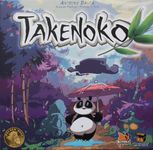
to then trigger any explore effects that happen as they go through kind of creating almost three little mini engines or three chains of bonus actions that players can kind of use over and over again the idea of having this TR factor or triy pathway through a game or having three open choices not only constrains players to not taking too long on their turn and limiting the scope of what they're contending with because sometimes a market row of five 7 nine or imagine 11 different cards is probably going to take a player way longer to think through that three card limit means that you really got to make a tough and very definitive Choice family weight board games like takenoko often toy with this idea of a rule of three stretching plays in three different directions at the same time creating this sense of internal conflict and internal struggle as you try and do everything that you really want to do and games never really allow you to do everything and that's just part of game design giving you that feeling that oh you could almost do all the things that you set out to achieve this game really uses that rule of three quite well you've got the three different types of bamboo with Kink being the rarest species of bamboo and the green being the most common species so that in itself creates some interesting tension points as you contend with the objective cards which
is the primary way of uh scoring points and triggering the end of the game whilst at the beginning of the game you might decide to influence the layout of the actual Garden so with the three objective cards one of them focuses on the structure of the plots and which particular ones need to be irrigated you've got all the uh you've got two other objective cards which includes ones which focuses on growing the bamboo and another one that focuses on when the panda eats different types of bamboo the three objective cards provides you with three different kind of mini goals to kind of work towards everyone is building in this shared Garden yes you're collectively building a beautiful garden that will satisfy the emperor but you're doing it for your own benefit and you've got these objectives that you're trying to really compete for but other players are kind of inadvertedly thwarting your plans you've also got three different types of improvements fertilizer to help double the growth of your bamboo uh irrigation ponds that help you to reach out in those external sections of the garden which water cannot get to and you've also got uh tiles which prevents the Panda from consuming bamboo protecting it is in this secret habitat I think I avoided this game for a very long time uh when it got released of quite a while back um and ever since holding off and then finally getting a chance to play and owning it it is probably now become one of my favorite worker placement games of all time and it's all down to its
ingenious use and twist on worker placement I think I avoided it mainly because I thought it was just going to be about battling which there is but it's actually feels a lot more yuy than um a lot of other Viking themed games which I really really enjoyed about this one now what's really cool about this is that there are three different types of workers and in the game basically you have a worker you're going to place a worker down in an empty spot and pick up another worker from another spot and then you're going to hold on to that worker on until your next turn you get to initiate the action of the place where you place the worker you get to take the action of a place where you took the worker and the whole idea of this game is that you're Gathering all these resources so you can go out into the harbor area and pillage all these little ports and then head further up into the mainland and then raid The Outpost the monasteries and the fortresses to gain all of these cool little Goods that you can use to obviously get victory points of course board is kind of divided into three sections you've got this initial Port area which has like your base actions then you've got this middle section it's the harbor section where you can gain resources and start your initial pillaging and uh kind of build up uh your little uh Viking crew through the use of these cards as you go and then once you build up your crew you can sell and head to the very far distant more richer wealthier upper class region and
uh take from them as well sense of distance is really apparent in this three-stage structure and I like that it kind of reminds me of like um a three story arc in a movie where you got the setup then the big initial complication and the climax of the story in addition to that you have three different types of workers you have these uh black ones these gray ones and these white ones and what's really interesting about this game is that at the beginning of the game every player has access to the black workers and you don't actually own any of these worker pieces you simply borrow them and hold them for a while and as you get further and further out into this Harbor section you'll be able to unlock these gray workers now you can only get gray workers if you pillage this part of the board and you'll see further and further along that to get to the further end of the game you need to access these white workers and getting the white workers is the only way for you to be able to exploit the usage of the end of the board and Cena 1347 is one of those games that has a really quirky historical theme it's all about eradicating the Black Plague in Italy these cool worker placement worker movement elements in the game as you're moving your little meeple around the city activating actions fighting the plague burning rats and you are acquiring or quarantining people in your little houses before deploying them onto this really cool circular dial how this
game kind of uses the rule of three is all centered around the three different types of workers or three different types of citizens that you've got to play with as well as the this uh dial that's kind of split into thirds as you rescue different citizens so you might rescue a nun or a builder or a noble and then you place them into their respective Estates the builders kind of go into the building region the Nobles go in the garden section and you've got the nuns which are in the church section and as you move your little marker along one of the three different tracks you actually trigger some of the actions that those citizens are actually residing in if it's going down the church track you might be able to build and you might be able to acquire fire tokens and I love the Synergy that this game has in allowing you to decide which of the three types of citizens you want to kind of focus on because it's going to be really hard to be able to focus on all three so you're really kind of dabbling on either one or two and neglecting another and then which of the three tracks are you actually going to move so every time you get to choose to move or sometimes you're actually forced to move up one of these tracks which of these are you going to actually upgrade and maximize throughout your game main game board also features the three different types of tracks the fire track the Royal track and the church track the fire track you ascend the more you get rid of those play cubes throughout the game you can then get rewarded by
getting bonuses along the blue track if you really want to unlock more workers to give you more options you're going to send the red track or the Royal track and the Church track is going to be able to help you um I guess give you more flexibility on this kind of little circular track that's on your playboard and so you've got to really think am I going going to go really heavy and help eradicate this play or am I going to really focus on developing this circular uh wheel in front of me to help kind of elevate my strategy BS of time as you guessed it is a game about building your own Chronicles players in this game are going to be uh paying uh pens or papers in order to take these pages from their player area and craft them and weave them into their three books there's the science book there's the exploration book and there's the inventor book each book is basically a deck of different strategies which plays can kind of initiate their effects to as they turn each and every single page so as you add more red pages to the red book every time you turn the page you'll be able to Garner a new benefit and when you close the book you'll be able to Garner all of the bonus effects that are listed at the bottom of the pages and then you'll be able to open the book again and reuse some of those effects and synergies this game really exemplifies the use of the ruler 3 in board game design first of
all each player is managing three different types of books at the same time uh each book has its own focus and way of kind of working you've also got these three tracks that are associated with the three different book types and players are ascending this track in order to gain bonuses that helps their book to kind of flourish synergize and give them the points that they need to win the game as players are crafting their books players are trying to create books with particular set icons either three with different icons in the green book or four without a with different icons or four with different icons plus the exploration icon you've got the yellow book which is all about getting the right icons in sequential order which is all about getting particular symbols and getting that combination Splender jeel is a game that Taps into this rule of three incredibly deeply even more so than the original base game first of all you've got these three lever jewelry cards where basically the bottom level or level one cards are easy to get get because they cost a lot less and then the level two and level three cards cost a lot more and the combination of jewels that you'll need will be a little bit more complex what's really cool about this game of Splendor is that any card that you buy especially the cards that look like this that have uh gems on the top can be used to purchase other cards later on so once you play two Ruby cards you'll always
have those two rubies to help you access and pay for higher teed cards this three tiered card system is what drives some of the crunchy decisions that occurs in this game and that three tier system kind of gives you that sense that you are progressing further and deeper and higher into the more difficult and challenging levels of the game and because uh both players are kind of vying for the same sort of cards and trying to get the right combo that creates a cool tension point that you'll need to invest in several level one cards if you want to access those level two cards and then to access the level three cards you need a combination of level one and level two to get to those level three cards and in this game the level three cards feature these Crown icons and that brings me to another Tri Factor this game includes the use of these Scrolls there are only three of them and because there are two players this game really toys with that sense of being the odd one out or having that odd Advantage you could be the player that has two Scrolls and the other player might have one or you could find yourself in a situation where you have all three and I guess denying the power of the bonus Scrolls to the other player this rule of three really plays into the tug-of war feeling uh that a lot of these two-player games have and so by having the power of the scroll and holding on to it or using the scroll you're going to be able to get bonuses like getting pearls or getting a choice of a token from the bag there's a lot of
cool advantages to having this and I think that is a really cool design element the third Tri factor is the fact that this game the end game is triggered by one of three different ways either having 20 points all across your Tableau having 10 Crown icons in your Tableau or having 10 points of one particular color so what did you think of those board games that use this rule of three and I think it's always really fascinating to see how game designs can really influence how we feel and how much we enjoy a game and something as simple as three options and giving them to players and letting them feel the tightness of those options is something that really makes us come back to a game time and time again now I've had a really enjoyable time going on a deep dive into this topic that kind of sprung into my head one day and if you really enjoyed the content that I shared with you today please consider liking and subscribing to my channel um and if you really want to support this channel further and support me further please head over to my patreon page and support me over there there uh otherwise if you want looking for some more board game content there are hundreds of videos on my main board game page feel free to explore them out and I look forward to seeing you again soon this is Danny signing out I'll see you again next time goodbye