Beyond Solitaire Podcast 248: Isaac Vega on Rose Gauntlet Entertainment
Games in This Video
5 games are featured in this video — they unlock as you watch.




Transcript
And now for a quick word from our sponsor. I am proud to announce that the Beyond Solitire podcast is sponsored by Central Michigan University's Center for Learning Through Games and Simulations. Their upcoming project, Line by Line, will crowdfund on Backer Kit this October. And you can find my interview with the designer, TAC Vias, in the show notes. CJS's most recent project, The Blue Way by Jason Morning Star, is also currently up for pre-order. It's an amazing RPG about oppression and identity, and you should check it out. For now, though, let's get on with the show. Hey gamers, this is Liz Davis from Beyond Solitire, and this week on the pod, I have a very special guest. This is Isaac Vega. He is a game designer, and he is the CEO of Rose Gauntlet Entertainment. How you doing today, Isaac? I'm
doing so great, Liz. Thank you so much for having me. I appreciate it.
Yeah, I'm super happy to have you on. Um, I remember Dead of Winter all that time ago and like your whole career arc has been really awesome. Um, and so for people
for people who are unfamiliar with Rose Gauntlet, it's both a publisher and a foundation. Is that correct?
So we actually run two separate companies. Uh, one is a nonprofit which is the 501c3 um, which is a Rose Gauntlet Foundation and then we also run Rose Gauntlet Entertainment which started first which is the board game company. Uh when we originally wanted to do some more um like volunteer work like uh reachout stuff along the lines of what we do now with the foundation, we originally did it with uh the Roosevelt Entertainment, but we found out like volunteers, things legally, donations, all that kind of stuff can't really be taken by a a for-profit company. So that's why we ended up starting two different companies.
Interesting. Okay. So you didn't that wasn't the initial intention. It's just like what happened because of what you want to get done.
Exactly. The initial intention was just to like reach out to the community and uplift the community in any way that we could. Like it was something that we felt very um strong about as a company and as just two individuals who've been in the industry for a really long time. As a a gay bipok person in the industry and Lindsay as a woman in the industry, like we've certainly seen our share of different different adversities and different feelings of like feeling like the other uh in certain places. And we wanted to make sure that we were trying to provide spaces for people to feel like more community um when they felt a little bit more outcast. And so we kind of started we kind of continued uh uh an event called Big Gate Dinner that I had even started before we even started a company. Um and it was just something that we kind of ran underneath the the company. But then when we expanded to doing the BIPO lounge at Gen Con, that's when we really kind of had to change things up and uh accept donations and really kind of make sure that we could we could fund this entire thing for a long time.
Fantastic. Um so I want to come back to this, but uh tell me a bit. So you're the one who's on the podcast, but yes, you have a partner in crime, uh Lindsay Road.
Yes.
Um what made y'all decide to go into business together?
So Lindsy Road's like my best friend. Um, we met a long while back. She actually volunteered for Pla Hat Games back when I was working for Pla Hat. Um, and that's how we originally started getting to know each other. She came to the conventions, volunteered. We worked alongside each other. You know how it is at those conventions. You're you're working hard. You're you're grueling together. You're not being able to go to the bathroom. You're not being So, you really you really start bonding with the people next to you. And then you en you certainly enjoy the evenings and party a little hard and game and like uh you know like and get to know each other really really quickly. So it's a lot of fun. Um and that's how we started things. And then eventually we started trying to meet up outside of conventions and we've been at other things and Lindsay started getting more interested in actually moving her career over to the industry as well. And as that kind of continued year after year after year, we started talking about like it would be great to work together one day. We just we just absolutely love uh the vibe of being able to like work at conventions together. We have so many interesting ideas. Like we'd we'd love to see if we can make something work.
And then when the pandemic hit, I had right before the pandemic, um I had decided to step away from Pla Hat Games. Um Plaid Hat had the opportunity to purchase itself back from Asmo Day. Um so they decided to go ahead and do that and I decided that I kind of wanted to go off on my own. I felt like I had learned a lot at Plot Hat [clears throat] Games, but it was time for me to really understand like what I wanted for my next step and what I wanted to kind of pursue in the in my career either as a board game designer. I had considered even going into politics. I considered other avenues, comics, things like that. Like I was just like, I'm going to take a little break and try to figure things out. Uh but then when the pandemic hit, my entire political uh uh uh aspirations kind of fell to the wayside because like, oh, can't go outside anymore.
and meet it with in community with people. And then I started a few other things, but Lindsay and I just kept talking and eventually kind of get to the point where it's like, hey, like, you know, we're both we're both in positions that we can actually make this happen. Let's go ahead and look into it. Let's see if this is something we can make work. And then, um, in late 2020, we built the company and in early 2021, we announced that the company was in assistance to the public. And um we're really excited to uh kind of like push forward with uh the new games that we want to bring out to the to the masses.
That's awesome. So uh I think about this a lot because um my primary co-designer David Thompson is also my best friend. And I feel like we designed a game [clears throat] together as we were becoming better friends. And I look back and I'm like I really rolled the dice on this. Like we could have ended up not friends as working together, but instead we're super tight. So what what kind of care do you put into your relationship with your uh business partner and best friend to make sure that things stay good on all levels?
We had always said straight from the beginning that our friendship is first and foremost most important. Um anything that gets in the way of that is not worth it, right? Like um so any sort of struggles that we had, any sort of moments that like the business was really frustrating us, we kind of checked in with each other. We're really good at checking in with each other. Just like how are you doing? like how was your weekends? How's how are you emotionally doing? Like are you having a good day? Are you having a bad day? Um and like we we pretty much start most of our meetings each week being friends first and then kind of stepping into oh yeah, we own a business and like let's go ahead and get this this stuff uh uh sorted and get the stuff out of the way. And it usually kind of puts us right away in a good mood. Um especially since we're also long distance. Like listen, Lindsay is based in Michigan. I'm based here in uh Dallas, Texas. and I'm shortly going to be moving to Madrid, Spain.
So, there's a lot of there's a lot of um uh uh communication skills that we have to develop when we're so far away from each other. And we just we talk every day. We make sure that we are checking in with each other first. We make sure that our friendship is first. If there's any sort of frustrations, we kind of sit back and say, "Hey, how can we how can we repair the friendship? How can we make the friendship work?" We've never really gotten to a point where we've gotten into a fight. I remember like I remember one little tiff we had at Gen Con a few years back and one of our one of our um friends and volunteers at the time it's like I apologized to him and said I'm sorry we got into a fight in front of you and he was like that was a fight. So like our stuff is super super mild in comparison. It's like it's just a strongly worded discussion for a moment. We we don't like we don't care like at the end of at the end of the day like you know this this is an amazing thing that we're doing together. We're very very happy that we get to build a company. We get to make board games. But the entire reason that we love board games so much is because of the human connections that we're able to make through board games.
And if we're failing at doing that with each other, how are we going to be able to convince other people to do the same? Um so like first and foremost for us, the friendship is most important. Like um and anything that happens with the business that gets in the way of that is not worth doing, right? Like even even if the business falls apart, we're just like friends first. We can do anything at this point. We've been we've been doing this for almost six years at this point and we're just like, you know, even even if this business falls apart, we'll do something else together because we love working together. We just enjoy being in each other's lives in this way so much.
I love that. So, you're also a collaborative person in your design work. So, many of your designs are co-designs with other people. So, I know Dead was with John Gilmore. Uh Keystone was with Jeffrey Joyce. Forgotten Waters is also a co-design. Um, how do you decide, I guess, to enter into a design partnership and what do co-design relationships do for you in your practice as a game designer?
I think it's like every every situation was a little bit different, right? like um with with John John was working on something that I thought was really interesting but it wasn't the direction that I would have take anything like so I was just like hm John let me like this is an interesting idea for zombies but let me take it and let me do whatever I want to it and then I'll bring it back and then if you like it we can work on it together and so like because we had we had done like a game day and stuff together so I took it came back had changed pretty much practically everything, but everything was starting to hit in a way that just wasn't working the time before. And he was he was really excited and like we kind of kept kept just collaborating and moving forward with that project. Um, and yeah, that ended up being great. Uh, especially because like at that point John wasn't a professional in the industry. He he was just he was just someone who was like a big hobbyist, right? So, he didn't really know uh the ins and outs of game design. And like at this point, that was my third project.
Um, and uh, like also then with Joe and Beastro who worked on Forgotten Waters with me, they were both employed by Pad Hat at the time and we wanted to kind of do this big epic. We had seen how the Crossroads series kind of dipped a little bit after Gen Z and I kind of want to bring it back under my reign and I was like, "Hey, let me let me let me let me handle something. I kind of have an idea here." And then Joe had talked about like pirates and always just been interested in pirates and stuff like that. So, we kind of sat down one evening while I was at his house and I was like, "What if it worked like this?" And he was like, "What if it worked like this?" and things like that and we went back and forth and we just had a great time talking to each other kind of bringing this design to life. Um, and then it went from there. Beastro was already the writer at Plaid Hat. So, the amount of writing, sheer writing that was uh introduced in Forgotten Waters, just in comparison to some of the other things that we had done in the past, we definitely needed someone of Beastro's caliber on the project. and he was just so fantastic that we was like at this point like this project is you know 50% writing right like even though like even though like we were kind of writing things that Beastro was rewriting o over and like doing different campaigns it didn't really make sense to not include him as a designer because so much of his um flare was also brought into the game that wouldn't have been there without him right um so it was kind of just like the situation the situation made sense to have us all three be designers on that project Um the project was also really long. Like all of all of these all of
these code designs except for the one with Jeff was pretty long process. Um and uh with Jeff, Jeff was kind of a new designer that came on to Rose Gauntlet. And Jeff presented a game to us that we thought like, okay, this works pretty well. But as we kind of continued honing it down, honing it down, we're like, there are some there are some flaws in here that we need to fix. And um there were some things that I wanted to add in with the solo edition that I was like, "Hey, let me go ahead and uh adjust this. Let me see if this will work better." And I kind of presented something that we all ended up being on the same page about. And that's how I came on as a co-esigner there as well. So it's it's really kind of just dependent on the situation. Like each each one of those situations were a little bit different. Um but and a lot of it is is kind of like I'm I'm usually brought in in in in a capacity of like, okay, I've been doing this for a while.
I have an understanding of like how to make this something that's going to attract audiences a little bit more, be really interesting to audiences. And um I just have a lot of ideas when I see um see other designs like um there's a lot of things that I would change about designs that are already already released out there that I would love to like reach out to designers and co-design on. But I also really enjoy just designing on my own and kind of just creating the world in the box. I end up bringing a lot of the initial world development uh to games. So I kind of open open that door a lot more than sometimes other people can.
Nice. So speaking of having a lot of experience and being ready to kind of like move on to your own thing. So you mentioned earlier that that's kind of how Rose Gauntlet emerged. How does it feel to I guess be your own creative director and self assessor of what you're going to publish?
Yeah, it's it's fantastic. It's definitely it definitely answered that question of like what was the next step after Play Hack Games, right? Like what is what is the thing that I need to learn now that's going to take me to the next level in my career and really being the owner of my own company made a lot more sense uh than kind of just continuing on at a place that I'd already been established as like the VP of the company for a while now. Um so it certainly gave me a lot more understanding of like other decisions that had to be made uh in order to make a good product. Um it also put a lot of pressure uh for sure on just like making sure that you have an understanding of the industry in a way that you think that these products are going to be able to uh pierce through the noise of just the sheer amount of things that exist out there, right? Um so it's there's that thought process too. It made me widen my scope of like understanding what it is to design for um for making sure something is accessible versus I believe this is interesting and I think that audience will gravitate towards it.
Right? I also now think a lot more about like and it's not like I never did because it was certainly a part of the process during plat but I think it's just like it's so much more in my control as to like yes we are going to make this $10 more expensive because I believe in this project in this way um or no this project has to hit this price point and I have complete control as to what's going to be taken out in order to make sure that it's going to hit that price point. Um and then there's just more a lot more decision processes when you talk to the factory, you talk to the graphic designer, you talk to the artist. Like um it's just a lot more mind space that's taken up. It it does it does uh dissolve the amount of time that you get to actually just be a designer, right? Um so that is the other that is the other problem that you just do have to wear so many so many hats um as a company. And like we called it Rosevelt Entertainment not just because you know we thought it was a fun name but we also wanted to expand beyond just board games at some point which is something that we still consider. So like those are other things that I have in the back of my mind that is like okay as we continue developing the company how do we how do we continue expanding what Rose Golin actually means?
Okay, I'm curious. Uh, but before we go there on the board game end of things, uh, what makes a game a Rose Gauntlet game? Because I think that there are some from designers who are not you, if I recall correctly.
Yes. Yes. Yes. Yes.
Uh, one thing we
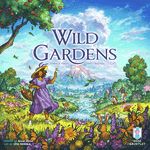
Yeah, definitely definitely something we focus on is like do we do we think it's going to fit with an audience that we've already been able to accumulate. So, like a lot of our earlier stuff, uh, for sure has been nature-based, uh, easy to get into. Um, how what kind of mechanics does it offer that's just a little bit different from what's out there? Um, but we also want to create a world that really feels very um in ethos of what we what we want to see in the world. like um if you look at something like Wild Gardens or even Keystone and how their stories play out in their solo scenarios just it's very charming and positive on like the world that we can create. Um the commun the the community that we can build through these types of experiences, right? Um uh with Keystone is very much like science forward and showing the work that scientists are doing in order to keep these ecosystems uh um in good in in a good place, right?
and make sure that these keys animals are being taken care of. Um, with wild gardens, it was definitely that something that also showed like, hey, like you can build community through so many different things. Foraging is one of them, board games is one of them. Uh, and why not have a kooky little adventure along the way? Um, the bird series was very much like how do we take that ethos and then like bring it out to the public? How do we how do we expand the amount of people that are actually gravitating towards our game? So we wanted stuff that was a little bit more introductory, a little bit more easy to easy to grasp so that people that have never touched support game before could also enjoy ro scholar products. And then we also wanted to take those lessons and start telling deeper stories. And that's kind of like why something gone to Gaia.
It it came into place. And it's like how do we say something impactful while also still you like pushing pushing the um pushing the the design uh acumen of like being able to bring something bring something to life that's really interesting. Um and just also being able to say something that's really interesting. So it's it's always about like what what is what is the intention of how we're going to be affecting the community in general, right? like it's not necessarily it has to be this theme, it has to be it has to be this weight. It's like what are we trying to say right with and why does this product deserve existing right like um so and then of course on top of that we have the amazing artist Liz Manold who they're able to bring so many of those ideas to life and just like we we definitely spend a lot on the beauty and the attraction to our games as well.
Nice. Uh, so you have an upcoming release that I admit I'm super curious about off the cover art alone. Uh, called How to Raise Your Kaiju.
Yes.
Uh, so um, what is the I mean the I guess the premise is raising Kaiju, but how did you speaking of like, you know, things that you want to kind of contribute to the world? I feel like this actually is a fit thematically with the stuff that you've been talking about just now, but um, you know, how is this game going to work? What does it mean to raise a kaiju?
Yeah, I just thought it would be interesting to kind of approach a game from the perspective of u like something else in the world existing and just trying to survive, right? Like um like hey like you know we always think of these kaiju as like the menaces, you know, that are that are taking taking uh uh that are against us that we have to defend against, right? And we don't see we don't like a lot of people don't think about like some of the other lessons of like what what these kind of kaiju stories kind of tell and like how we we are just as destructive like we are we are problematic like um in so many different ways. And I thought like oh what if we approach it from like you're just a parent trying to raise your kid and this is your morality. This is what you're doing. you're just trying to to, you know, have your Kai Kaiju babies out there and they're moving they're moving throughout the world and it's just kind of a funny way to kind of hook people into having just like a slightly different perspective on something they feel like they know a lot about already.
Well, it looks adorable. So many compliments.
Thank you.
Uh to Liz as well. Um, so this I guess I want to now circle back around to um, talking about Rose Gauntlet Foundation. So you have this awesome business that is growing
and then when you split off into a foundation, I guess what did that
add to your workload and how do you balance
Oh my gosh. So, uh, when you when you run a board game company, um, most board game companies around our side, our size are going to be running with a lot of contractors, um, that are part of the team. So, you have a lot of other people that you manage outside of just the main team, which right now is just me and Lindsay. Um, so, but we also have contracted artists and graphic designers and editors and writers and uh, marketers and things like that that we have to like also manage. So, there's a management of that entire team. When you run a nonprofit, you also have a board and you're also running that entire team and you're also trying to motivate them in different ways. And not not saying that we don't have wonderful relationships with our contractors. We have they they provide amazing work. We we we love and care about them greatly, but we pay them and that also is a big motivator uh to make sure that those contractors can do what needs to be done. When it comes to a volunteer work, it becomes managing people's emotions and making sure that everybody feels valued. um because we can't necessarily pay them for the work that they're providing us, right? Because like it is it is it is it is us trying to provide a service to the community. So the funds that the Rose Gauntlet Foundation receives is in order to make the events that we're trying to run make happen. So therefore, we don't necessarily have a salary. We'd love one for some of our team members in the future. That would be amazing. Um but like right now that that's just not possible. So it's about motivating them through other things.
We've had many um board members that have been on for since the inception which has been fantastic. Um and we just appreciate them so much and they've done such a great job. But we've had also like a lot of turnover because at at the same time too people's lives happen. There's other things that end up taking priority that they have to go ahead and put into into focus. And you know money is especially for a lot of people nowaday money is a big big reason why you have to kind of focus utilize your time right. Um, so you have to really focus in on that and when when volunteer work gets in the way of you being able to provide for yourself and your family, that's really difficult to keep them motivated and make sure we keep the eye on the ball and move things forward. So, it's a completely different management style and making sure that we can kind of keep things afloat. Like, it certainly isn't as much work as Rose Gall Entertainment. Rose Galllet Entertainment is a day-to-day endeavor, right? Like every day there's something new that we have to kind of deal with.
um the foundation can sometimes sit a little bit dormant uh especially during when we're not like directly coming up to a a convention. Um but things build up really quickly and then there's so much work and stuff like that and it's about getting everybody remotivated like hey we got to get this stuff done and like let's let's make sure that we're providing a good event this year. So it's different it's different things. It has a lot of the same uh problems, but at the same time too, it's it's it's a completely different game when you're when you're trying to motivate people without being able to pay them.
Absolutely. Um, so the Rosland Foundation focuses on events centered at conventions. Uh, what made this the best angle for y'all to give back to the community and what makes a good event? Yeah. So for us, we we just kind of approached it from what we felt what like was missing in our lives, right? Because like um when I started Big Gate Dinner, even prior to Rose Gauntlet, um it was just from feeling like, man, I go to these conventions every year. I don't meet another queer person. I don't get to game with another queer person. I don't know another queer person, right? And it's just like I know they have to exist, you know, in this space. Um, and it was around the time where I started seeing a lot more content creators being um, LGBTQ and like, okay, let me reach out to these people because at least they're facing forward and I know like what who they are and what they're saying a little bit and we have, you know, some mild relationships, but we never actually got to sit down and become friends. So, I really just started it with three other people and I was just like, "Hey, let's let's get dinner, you know, and it's big gay dinner. We're all gay. Like, let's have a good time, you know." Um, and that ended up being so much fun that we just kept uh I kept inviting other people. And I just tried to make sure that like I was I was luckily in the position that I could um afford personally to be able to cover the tab um on all of these like uh uh small dinners because I didn't want I didn't want money to be a factor as to like why someone couldn't come to the
dinner. And I wanted to also make sure that it was something that felt um special, right? like um I didn't want it to feel like it was a oh just here's here's some pizza you know and like that's all you know like like like every other get together here's some pizza here's a beer uh good luck no I wanted to feel like hey like no we put some time into this we we we we went to nice nicer restaurants they may have not gotten to um when it was beginning we then started hosting catering at you know my friend's house who was in Philly um so uh we were able to do that when the when the group got too big for a restaurant and then and then we started uh hosting it outside of a event space called Industrious um that uh my friend Laura was able to uh hook us up with there near the show as well. And that was amazing and we were able to just grow and grow and grow that that um community up to 100 different LGBTQ people. Um, and it was just this amazing feeling of being able to walk into a room and say like, "Hey, like there are other people in this industry that are like me that are experiencing uh it's, you know, are are going through a lot of the same challenges that I'm going through and they're also queer and they're also trying things out. They're also um experiencing a lot of the different struggles that sometimes queer people have to deal with in the industry. And it's just an opportunity for us to be able to talk about it, to be able to share our resources, to be able to share our knowledge um and being able to um just really establish community. There's been so many people that have come out of this with like they've gotten access to new jobs.
They've been able to meet other people that have given them a leg up um in the industry. There are people that like, you know, were just kind of mildly interested in the industry and then suddenly now like the fire kind of grew underneath them because they were able to meet so many people that were like them, right? that show that like you can do this, right? Um sometimes when you enter the industry uh and you feel like you're underrepresented, you it's really hard to see um that you can actually make it happen because it's a very hard industry to make things work in, right? Um there's a lot of passion. Um there's a lot of love for the industry and sometimes that passion can be taken advantage of. Um, and being able to talk to other like-minded people that have gone through maybe some of the struggles that you've gone through is able to kind of help you get another leg up. But as the big gay dinner kept growing, um, and be started becoming part of like what Rose Gauntlet was uh, interested in hosting and paying for and doing, um, it was evident to me that the the the crowd was still leaning a little bit more towards uh, white people, right? And I kind of wanted to see like, hey, like there is another side of me, right? Uh uh that also feels lacking. Like I I walk into many uh uh board game spaces and I often feel like I'm the only bipok person in the room, right? Um so and that also was starting to weigh on me, especially in the wake of everything that took place during COVID and the protests and all of those things that we, you know, we as a country were starting to focus on a little bit more
as well. Um, so I wanted to make sure that there was another space that we could also then focus on helping bipok folks folks meet each other because this this industry is so wonderful in so many ways. And being able to connect with other people of color that are also big board game fans is something that a lot of people a lot of bipok people never got the opportunity to do because it was less likely for you to play board games in your home or less likely for you to have the space even to be able to host a board game night, right? Um, so there's a lot of ways in which, um, being able to meet other BIPO people that were interested in the hobby just kind of helped it up lift you and see that, hey, this hobby is not just something that I can thrive in, but it's also something that I can enjoy fullheartedly with other BIPO folks. And I could tell like especially in my own my own experience, my own family, like like as much as like I loved what I was doing, I barely ever really shared very much of what I did with my family. Like it was only because my brother started also working for the company then it became a little bit more part of our uh of my family's experience. But um yeah, it was it was it was something that I definitely wanted to see more of.
Um and uh once we reached out to Gen Con about possibly doing something with them, they had already kind of been thinking along the same lines with the Bipok Mixer. Um and they really wanted to see that not just expand to people that were interested in the industry, but also just to the public in general. Um, so we originally were thinking of just kind of doing another big gay dinner style event where it was just one night an event where people would come together and ended up taking on the task of like no we're going to be hosting this four days long and like doing it for the whole show and for the public not just not just for uh industry professionals. So, um, that was awesome. Very excited to be able to do that. But it was also a different beast [clears throat] and definitely something that after doing it for one year, we understood that like, hey, the cost of this is beyond what Roosevelt Entertainment can support on its own and we will need um we will need donations, we will need we will need volunteers.
Uh, we will need to have more organized structure with all of this. Um, so in order to do that, we decided to start the foundation.
That makes a lot of sense. Um, so, uh, the Bipok Lounge is a place that I have met people from year to year and so it's a lovely space. It's always hopping. Um, but how do you, I guess, ensure that you're getting the message out about where it is so people who are interested know. And then, you know, even I think within a space that's welcoming and for you, we're a bunch of nerds like you can be pretty shy. So, how do you I guess like make sure that that space
is doing what it needs to do in terms of being welcoming and helping people break the ice enough to connect.
Yeah, that's why we have our volunteers like right there at the front of the entrance like welcoming people in, letting them know how the space functions. Um, we have people that are teaching people how to play games. We have mentorship signups that people can sign up for and being able to uh meet with other professionals in the industry if they're interested in getting into the industry or if they've been in the industry for a while but just need help kind of getting past certain different milestones. Um we try to make sure that we have people spread the word from year to year because one of the things that was really difficult with the Bipok Lounge is the amount of push back that we got um from the industry uh in in general. We even got featured on right-wing right-wing um um news cycles. Uh in the beginning, of course, after after we proved the the system the first year, like uh it was it was something that of course they just gave up on because they like at the end of the day like they're never going to fight as hard as as we are, you know? Um so like uh it was it was something that we had to kind of like do do in pieces, right?
like we couldn't just like advertise uh this all over the place because we had to also think about like the safety of the people that coming to this event especially with the BIP park lounge even because it's open to the general public uh you know and not just industry professionals. Um so it was something that we wanted to kind of do in pieces. We started we started doing like little events uh or we started letting people know about like hey this is going to be happening through through the grape vine of people that we knew right um and year after year after year people started understanding like hey this is a space we even had events uh even last year run through the bipok lounge um events uh or through the normal event system but that also caused some other problems so we're always kind of adjusting right on how to make sure that we get the word out there um the mixer is also a great uh source that we host in the same space. Um, so a lot of people come to Mixer and then realize the space is actually there for them the entire show. Um, so that's fantastic too. And then like we go through our social media channels. We, you know, word of mouth. We tell people at the other events that we host that like, hey, this is something that you can utilize. Gen Con. We go around different companies and let them know like, hey, like, you know, if you have any BIPO team members or people that are in your audience, like feel free to let them know that this is a space they can utilize, they can go ahead and have meetings in or or meet with clients in and things like that, too. So, it's just about trying to get the word out there as much as possible, letting people know that like this is a welcoming space. Um, and this is a space for them to be able to find community with other people or just also just relax and walk into a space where you can feel comfortable and
see see so much of yourself represented in.
Nice. So, you talk about kind of experimenting with events from year to year. Uh, what types of events are you finding are the most successful that you want to double down on? Um, so we definitely like what we definitely have found like we kind of ramped up a lot of like complications. Like one of the things that we ended up doing is we kind of stretched our team a little bit too thin where we were having everybody like everybody has to be teaching a game and everybody has to be doing this event and everybody has to be like uh like at Big A dinner we had like uh uh decorations of like um of uh ornaments and things like that and we had like people making friendship bracelets and things like that. But as we found like our team kind of uh uh uh dwindling from year to year like we because obviously volunteers eb and flow they come in and come out. Um right. So like we found like getting everybody up to the point of like understanding how to get everybody connected there was a little bit more complicated than just also like hey just just take the time to connect with someone. Take the time take the time to let them know that they're welcome. teach them a game that you already know, right? Like um just having our team refocus on like the the the welcoming aspect of it instead of making it so specifically organized and specifically this because like at the more that we make it feel like it has to be something that you have to sign up for, you have to experience in a certain way, the more it kind of sometimes gets in the way of people having natural connections. So we've kind of stepped back a little bit from like very specific things. Um, but we still run
our mentorship program at the Bipac Lounge. We still make sure that like people can go ahead and uh come up to me or Lindsay or anybody else that like they would like to have a little bit more one-on-one sessions. We we also try to make sure that like people can reach us out to us after the show if they have any sort of questions or communication uh or communications that they want to have uh with us about like ways that they can continue doing their career.
Nice. Um, so speaking of being stretched thin, you are doing a lot. How do you, um, and this is a question I'm curious about as like personally too because I'm balancing a new kind of management job and also my own design life. Where do you fit the design in and how do you schedule your life so that you are giving enough to that part of yourself and spending time on creative work?
This is something that we're still always back and forth about. Like there are certain times throughout the year that like certain certain things are going to demand more of us. Like if we're throwing things into production, we have to really focus on editing, making sure that all production files are right. Like um if we're focusing in on developing a new product, we have to then kind of like make sure that we're not setting up as many meetings and like setting up as as many other things that can distract from developing a new product. Like Lindsay and I have gone back and forth with our schedules like and it's always something that we're readjusting. We're trying to take a one creative day a week right now. So, we hyperfocus on making sure that like, hey, this is a creative day. We're not answering emails. We're not we're not setting up meetings. We're not trying to uh we're not trying to um uh distract from from the fact that we need some time to be able to create. Um but it is it is very difficult. Like it's it's not something that I think like works for everybody. Every creative is going to approach being creative in a different way. Um, and sometimes you just kind of need like I I I very much need like, hey, I need to go and game for a little bit. I need like a week off to just like enjoy games, see see different mechanics, see different uh see different things that are happening in the industry, see other people light up about games, right? Like in order to kind of really like spark that new new uh design bug in me. Um, uh, I also I also need just like some of my like, hey, like I just need I need to
just have a couple days where I'm just like writing and scribbling in a notebook and like doing doing weird stuff. And then there are some times where I just wake up in the middle of the night and I just like go crazy like and just like, "Okay, Lindsay, I have a whole new game. Like this was designed last night, right? Like what do you think of this?" Right? Um, so I'm a little bit more haphazard. Lindsay is far better at being um more uh regimened with the schedule. Um and she's she's really really good at making sure that she can she can take that time uh uh and like okay this is this is what we need to focus on this week and this is what we need to focus on right now. So she's much better at that than I am. Um but like I think that's what's also very beneficial about our company is that we kind of both work a little bit differently and we can kind of push each other to be like okay you need to be more creative, you need to do more of this. You need you need to be more regimened. you need to do more of this and we have a very good symbiotic relationship when it comes to that kind of stuff. But have we figured it out perfectly? No.
No. It's always it's always going to be of the demands of the company. There's there's certain things that end up being being more uh of a focus. Like right now, we're really trying to focus more on marketing because we finally have more products uh than we've ever had in our catalog before, but now marketing is something that we really need to focus on. And again, because it's just me and Lindsay that are full-time, we have to figure out ways in which we can add that to our schedule, add that to our expertise, and take time to learn certain things uh in order to make sure that we're experts in that area as well. um to be able to move forward with making sure that the company is successful and healthy as a whole. But that's also going to take away from maybe developing a new product or or uh working on refining like um an expansion for another product or trying to do something that's community oriented or would be fun uh to make the community really excited about like uh the project that we already have, you know? So, it's just like it's a lot. It's a lot and it's it's a hard thing to do. And I think I think just the biggest thing is be kind to yourself, right? like um this is games, right? Like we make games.
Like it is hard. There's a lot. It is a job like any other job, but at the end of the day, we're making games and you have to have some sense of this being fun in order for it to be worth it. So, just take it easy on yourself. Be kind to yourself and like, hey, like at the end of the day, you could be probably making better money doing something else. So, if your focus is just money and making sure that it's the most successful thing ever, like go do something else. This is this is this is gaming. Have a good time while you're doing it. Um, and enjoy that because it's going to come through in the products. It's going to come through in the ethos of your company. Um, and how you interact with people uh at shows and things like that. So, uh, it just it just really depends. I'm sorry that that's not a really like perfect perfect answer.
I mean work's not perfect. So how could the answer be right? It's all it's all a process.
Um but this makes me wonder. So you mentioned that you have contractors for things. So how do you balance between feeling like you need to be an expert on something and okay well I will hire someone who can do this for me because you're talking about you and and uh your partner wanting to be
more expert in the area of marketing. Um
right. It really it really depends on like the ups and downs that we've had as a company, right? Because like there are certain things that we we've hired other people for and we thought like, oh, they're going to handle it great. That's their resume. That's their background. There's one, oh, that didn't go the way we expected at all, actually. Um, and like, oh, we were expecting this to be f fantastic. So, like, no one's going to care as much about your company as you do. Like, it's it's just the truth, right? So having an understanding of every facet of what your company does is really really important to making sure that it's being managed correctly, right? Because I can't necessarily tell a marketing team whether or not they're doing a perfect job unless I understand some of the terminology of marketing, right? I I don't like or if the same thing with like an editor, if I don't trust my own instinct on being able to say like, hey, like this is actually this actually would be worded better this way or this story would actually be more impactful if we said this, right?
Um, same thing with art direction and like artists. Like if you don't have a good eye yourself, how can you manage an artist to make sure that they're bringing something to life in the way that you want to see it, right? Like so there's so many different different things that you do have to have some sort of understanding in um in order to do it well. Like there's there's plenty of things you can learn. There's plenty of people that luck out with the person they partner with and they're just fantastic, right? And end up taking a lot of that worry off of your plate. Um, but I think especially when you're running a small company, like the more things that you can continue learning, the more things that you can continue um, uh, putting in your tool belt, like the better you're going to be at managing other people that you bring in to be able to bring your products to life or manage your company in a smart way. Um, but it is difficult because like as you bring in people, you never know how they're going to go ahead and manage what you put together, right? and uh you just have to continuously continuously put your faith in other people and sometimes like that doesn't work out and that you have to make adjustments but you know be respectful along the way and accept that you're going to make mistakes like there's there's plenty of mistakes that we've made um and then the other thing that really comes into play too is that like there's certain things that like you just have to worry about the budget, right? like I would love to hire every person under the sun uh to do this task or this task or this task, but like is it something that me and Lindsay can handle? And if the answer is yes, right?
Like then is it worth it for us to spend some of the budget on this task versus another task, right? Um so the budget is also constrains what we can and can't do with with other contractors as well.
Makes sense. So, uh, just in case things could get more complicated, you're also now doing an international relocation to Spain, as you mentioned earlier. So, uh, why Spain and how is that going? I'm so curious.
Oh, yeah. Well, um, the process, my visa's in, I'm selling my house, so hopefully everything's going well. Like, right now it's kind of out of my hands. I keep telling everybody that I'm in limbo um because there's so many things that I can't control now. now it's just everybody else gets to control it. Um so so as of right now like things are going well and the reason that I chose Spain is because I knew I wanted a change of pace. I kind of explored some different uh cities in the US uh late last year. Um and kind of thought like okay like where do I want to live? Because this is kind of the first time that I've made a decision of like where I want to live. like every every other place that I've lived has has been like, "Oh, because I had to go there for school or because I had to go there for work." Um or because like that's where my family is, right? Like it wasn't necessarily because like that's what I wanted to do. Um and I'm luckily in the position in my life where I'm just going to be like, "Okay, well actually I can now decide where I want to live, right?" So I took a little bit of time to explore some different cities. Um and one of the cities on my list was Madrid. And I was just like, Madrid sounds awesome. Like there's so many there's so many uh there's so many great reasons to live in Spain. Um health insurance is a huge one. Um uh uh you know the fact that I speak Spanish and could also brush up on my Spanish skills. Um as well. Uh the LGBTQ community is really thriving in Spain.
Um is one of the best countries in the EU to also be gay in. Um which is also nice. Um, and yeah, it just it seemed like it would be a good place for me to kind of uh try to build a new part of my life. Um, and then when I went there uh early last year uh or no, early this year, so much has happened in the last last six to nine months. Um, uh, yeah, like it's it's been it it was amazing. Like I I just enjoyed myself. I never felt in my life um somewhere that felt so immediately like home. um that I felt uh an extension of the place that I was living was also outside of the streets, right? Like um it it's always been like, oh, this is my house and then when I go outside it's like it's everyone else's place, right?
Like and there I felt like it's it's no, I belong here, right? Like this this felt it felt right. So, you know, I hope that feeling continues. I hope that, you know, I hope that everything the process goes smoothly, but uh it's the adventure that I'm at on right now and I'm very lucky that I'm in the position that I can go ahead and make that work for myself and hopefully it works out.
Hey, fingers crossed for you. That sounds fantastic, honestly.
Thank you.
Um so, also earlier in the episode, you mentioned that you thought at one point about going into comics um instead of games.
Um what would that have entailed? Uh, and what comics do you like? I'm a comic book reader, so just curious. [snorts]
Well, if um if uh uh anybody's ever seen like my work, um uh one of the things that I've always said is what I enjoy so much about board games because I originally wanted to be a video game designer. Like um that's what I originally wanted to do. But then when I went to uh video game design school, which there were very few programs in the country, uh my professor sold me and he's like, "No, no, no. You don't actually get to design the story. You don't actually get to design uh the mechanics. you what you're going to do is you're going to code and you're going to make 3D models because it was very different worlds than um the indie boom that we have later on in the video game industry. Um so I was like, "Oh no, that's not what I want to do. I don't want to make 3D models. I don't want to code." Um I like in retrospect now that I understand what it is to run a company. You you do need some of those skills. Even if you just want to um um the designs and the stories and things like that, you do need to have some understanding of that. Um, but when I dropped out of school and then came back, I started meeting up with some friends who had moved on from like Magic the Gathering and Dragon Ball Z style card games and then gone into board games and I was like, what is this? Like these look like whole little worlds in a box and like I was just like I can I can do it from the beginning to the end.
It's just paper and pencil and I can figure this out, right? So I started designing my own stuff and it really did feel like I could create a whole world in a box, right? And as I continued uh developing my designs and developing the games, the games that I felt most attached to are the ones where I really could world build the most, right? Like Ashes, Dead of Winter, Forgotten Waters. Even here with Kanagaya. I'm the story developer of Kanagaya as well, even though I'm not the designer, right? Um, so like there is there's there's so much that I love to express through board games, but as as uh anybody who's designed a narrativebased um uh board game can tell you, sometimes the game gets in the way of the narrative.
Sometimes you want to say something that you can't really say or you can't really explain or or or push a little bit further um because of the fact that like, hey, like you don't want people to get bored. you can't just go ahead and read them all, have them read all of this stuff before they actually get back to the gameplay. So, comics were kind of another uh uh medium um a visual medium that I could go ahead and express the way that I wanted to tell stories, but also in a visual way. Um, but uh I say comics, but really I'm more of an anime fan. I'm more of a manga manga guy. And like anime is like a a a big deal to me that like some of my favorites are are One Piece and um uh uh Full Metal Alchemist and all of these all these like amazing classics, but also like a lot of the new stuff that's out there.
Um like uh uh uh what do you call it? Uh the Delicious Dungeon and uh Freein are also like great stories that I love uh looking at. And to be honest, I was never really that big of a like manga reader. I have become more of one over time. Um, but it really was just in those IPs that I was just more interested in. And I just saw how I started looking at the way that anime was translated from manga into anime. And I was just like, "Oo, that's really interesting." And how they decided to make that decision or what they decided to bring to life there. Um, so as I as I like continue in my current career once the board game side of Rose Gauntlet has really kind of taken off, there's these stories that I've had in my back of my mind for years, years, years. probably even some of which that like I've had developed in the back of my mind longer than I've been a board game designer. Um that I knew would never be able to be told in the way that I wanted to do it justice in in a board game form, right? Um it would take away a little bit from that experience of how I wanted to tell those stories. So my hope is that one day we get to the point where I'm able to take a little bit more of an experimental path and try to release some products that would be more based in either the manga comic setting or even if it was just ended up being some sort of like novel or short novella or something like that. It would be really cool to kind of explore in that way. I don't think I'd explore uh the RPG side of things. I think that's more Lindsay's realm. She's fantastic at RPGs and she knows that
that area a lot better than I do. But I really want to be able to control the arc of a character and um I really enjoy doing that and I enjoy building worlds around the around characters that have to live in those worlds, right? Um so it's it's just a lot of fun for me. It's really enjoyable. It's something that I've gotten to do a little bit of with all board games that I've worked on, but I really kind of want to explore that further as I continue hopefully getting Rose Gauntlet to a place where we can kind of take that experimental uh uh turn in some of the things that we produce.
Oh, that's really cool. So, when you mentioned earlier that Rose Gauntlet may eventually go beyond just board games, this is what what you meant.
This is definitely one of those things, right? like a um uh we even announced like early on there's a project on there on our like like calendar preview list. There's a project on there that is actually a narrative like like a story. It's not has it has nothing to do with board games. Now we've since kind of taken that I think off the agenda because we're trying to actually make that make make things that are like uh in place like Gondagaya even even Gondagaya we originally developed that story um before we even signed a game like we ended up signing the designer's game um after I'd already been working on the story and I was like oh my gosh this game would actually work really well for Gaia and then we ended up merging uh those two things. So like there there are certain things that like we we just have in in the back right now just kind of uh uh seeing if like one day it's a perfect opportunity to bring in the wife. So hopefully one day soon
I can go ahead do that. But like like like I already said, there's many many things we have to focus.
I um I'm very interested in games and narrative and how they interplay. So uh we could talk about that for a whole other hour, but we won't. However, it sounds like I'll be having you back on at some point in the future. Um, but for now,
you get softy questions. So, the first is, what is a game that you've played recently that brought you joy?
Game that I've played recently that brought me joy. This is always so sad because I don't end up getting to play as many games like I used to that are not like things that we're testing. Um, but let me think. Uh, I know I played some at Gen Con. Um, I'm pretty sure I'm going to butcher the name, but um, DI diipar. It's an oink game in which you have all of these like little um these little these little uh uh trinkets in your hand. And the entire point of the game is that you're trying to push um you're revealing a card and the card has the amount of trinkets that you need to keep in your hands and the other trinkets that need to leave your hand, but you can only adjust what's in your hand with one hand. So, you're kind of like pushing stuff out with your finger and trying to do that. and everybody's trying to match the card that's been revealed as quickly as possible. And I think it's just a really clever little dexterity game that is something I hadn't necessarily seen before. Um, and then every time you complete one of those cards, you get a little bell in your hand, but then you also have to keep that bell in your hand along with the other trinkets. So if you're if you spill the bell, you've lost all the progress for you trying to actually win the game because you need five bells at the end of the game. So it's it's a really clever little a little game. uh that they put together that I thought was really really neat and uh everybody like was enjoying it. I had played it at PAX Unplugged last year, but my friend picked it up at Gen Con um this year and I was like I'm terrible at this game, but I think a lot of people enjoy it. So definitely pick it up. And then we played it again that that night at Gen
Con and people absolutely adored it and they had a great time. Um so that that was a lot of fun. Let me see if there's another game. Trying to think something heavier that I've played lately. So many little there's so little heavy games that I get to play now.
I think that's a that's the one that stuck in my mind the most to be honest. So yeah,
fair enough. Um I spent my weekend uh messing around with Amabel Holland's Swords Against Beginners box. And
what's cool about this one is like is it a game? I don't know. It came in a games box. It came from a game company. Close enough for me. Uh, but basically it's it's a fake found object game where you get like this box that purports to be like an incomplete RPG module with like a zen and a letter and like some other stuff in it
and piecing together
things about the life of the owner
and who they were with and like what the game like kind of brought out of them.
Um, and it's fascinating. That's awesome. That's awesome. Uh, one of the other games that I just uh uh remembered is I don't know if you've heard of forget what company made it, but Frosted Blooms. We heard about that game.
No.
Um, so this one I think it's called Frosted Blooms. It might be called Frosted Tulips or something. But what's really neat about that game is that it's like a uh like you're trying to select like different like tetra style like sets of flowers. um and you're building like this kind of like garden, right? Uh and you're trying to do it in different ways in order to score points. But all of the different like tetra style pieces um are these beautiful little flowers that have like this kind of like a glaze of like sparkle effects on the edge of them. And it's a gorgeous looking game. The puzzle is really really good. Um and it's just like so chill. It's like a wonderful game to just kind of talk like enjoy like put put things together. really solid solid interesting game.
That's really cool. I have to check that out. I just looked that up. It looks really pretty.
It's so pretty and it's not that expensive either. It's a great price point. It's really cute. Um very very smart design.
Amazing. Um and then just one final question, which is if people want to track you and your work, where do you like to be found online?
Yeah, you can definitely find us on uh ww.rosegrantley.com. We're at Roseglet on Instagram, Facebook, Twitter, um, all those things. We really, we're really a majority only use our right now because all the other social media platforms for gaming haven't really been taking off. Um, but yeah, feel free to reach out to us there. You can you can email contact at roseguntoluntlet.com if you have any more direct qu questions as well. Um, and then if you have questions about the foundation, uh, you can also ask them at uh, info@rosegletfoundation.com. Fantastic, Isaac. Thank you so much for coming on the show. I really appreciate your time. It's been lovely to speak with you.
Thank you so much, Liz. It was great talking to you.
All right, everybody out there, please like, subscribe, comment, ask questions, and most of all, happy gaming.