/pic4930887.jpg)







































Azul: Summer Pavilion Deep Dive
What the Community Thinks About Azul: Summer Pavilion
Azul: Summer Pavilion holds a special place in the hearts of board game enthusiasts as the third entry in Michael Kiesling's acclaimed tile placement series. Released in 2019, this 2 to 4 player game has captured the attention of reviewers across multiple channels, each recognizing its distinct position as both an evolution of and departure from its predecessors. The game has resonated particularly with players seeking deeper strategic engagement and more rewarding puzzle-solving experiences than the original Azul offered.
Core Mechanics That Define Azul: Summer Pavilion
Drafting with Wild Card Precision
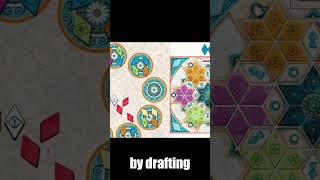
At the heart of Azul: Summer Pavilion lies a sophisticated drafting system that separates it from its siblings in the series. Players select tiles from factory mats scattered across the table, taking all tiles of one chosen color and leaving the rest to fall into the center pile. What elevates this beyond the original Azul is the wild card mechanic, which shifts each round. One color serves as a wild tile for the entire round, allowing players to substitute it for any color when paying for placements. This system creates multiple layers of decision-making, as players must not only consider what they need immediately but also anticipate what wild color will be available in future rounds. Many reviewers highlighted this as the best feature of the design, transforming straightforward drafting into a tactical puzzle where each choice ripples across future turns.
Tile Placement and Star Patterns
The placement phase represents a substantial departure from its predecessors. Rather than creating simple rows and columns, players construct patterns around seven distinct circular areas on their board. These circles are dotted with various symbols including circles, stars, and statues. To place a tile, players must spend matching tiles from their hand according to a numbered cost system on each space. A space marked with a 3 requires three tiles as payment, with one tile remaining on the board and the rest discarded to a central discard tower. This spending system creates constant tension between accumulation and management. Completing patterns around certain symbols grants bonus tiles, which can then be used to fuel further placements. The scoring rewards adjacency, with tiles gaining one point for themselves plus one point for every orthogonally adjacent tile. This builds naturally toward more spectacular scores as patterns develop, making the mid-to-late game feel increasingly rewarding.
The Azul: Summer Pavilion Experience
Beautiful Components and Engaging Theme
The game maintains the gorgeous visual presentation that defines the entire Azul line. Reviewers consistently praised the colorful tiles, vibrant aesthetics, and the tactile satisfaction of manipulating game pieces. The theme of Master Artisans completing the Summer Pavilion for King Manuel I provides thematic coherence without overwhelming the mechanics. The board features an elegant diamond-shaped tile layout with clear visual hierarchy, making it immediately clear where patterns can form and what bonuses await completion.
Engaging Decision Space and Brain Burn
Multiple reviewers emphasized that Summer Pavilion delivers substantially more thinking than its predecessors. The combination of tile availability, wild card planning, cost management, and pattern building creates a rich decision tree on every turn. Players must simultaneously consider their own board development, the bonus tiles currently available, the tiles other players might want, and the approaching wild card colors. One reviewer noted this is the most complex Azul game by a significant margin, with the tile placement phase naturally extending game length. While this adds depth appreciated by experienced players, it comes at the cost of accessibility, making this the least newcomer-friendly entry in the series.
What Makes Azul: Summer Pavilion Stand Out
Strategic Depth Beyond Pattern Building
Where the original Azul asked players to manage patterns efficiently, Summer Pavilion demands genuine strategic planning. The six-round structure is generous enough that multiple paths to victory remain viable throughout play. Some players focus aggressively on completing circular patterns for bonuses, while others build a broader collection of completed patterns or rows for endgame scoring. The variable wild card system ensures that even familiar strategies play out differently depending on the sequence of colors. Players frequently find themselves building up tiles in their hand to prepare for future rounds, creating moments where holding more than four tiles becomes a tactical choice rather than a penalty to avoid.
Satisfying Tile Placement Mechanics
Reviewers consistently highlighted the joy of placing tiles and watching patterns come together. The cascade of adjacency bonuses creates genuinely satisfying moments when a well-planned placement generates substantial points through clever tile placement. The game avoids the frustration of forced tile drops that can plague the original Azul, instead focusing the tension on cost management and pattern completion. The bonus tile system adds a catch-up element that prevents runaway leaders, as strategic tile placements grant access to the most valuable colors for other players to draft from the central display.
Potential Drawbacks
Length and Downtime Considerations
The most significant criticism across reviewers concerns game length. A four-player game easily stretches beyond 90 minutes, and the tile placement phase compounds downtime as players take turns around the table making individual placements. The decision space, while engaging, means players frequently pause to evaluate options before committing to placements. This stands in sharp contrast to the original Azul, which typically wraps up under an hour. One reviewer specifically noted that Summer Pavilion is the slowest Azul game by far, with the tile placement phase representing the primary culprit. For groups that prize brisk play or have limited gaming windows, this extended length may prove problematic.
Complexity and Learning Curve
While engaging for experienced gamers, the ruleset introduces enough mechanics to intimidate newcomers. The combination of drafting phases, cost payment, bonus tile selection, and scoring conditions creates multiple systems that interact in non-obvious ways. Scoring in particular adds layers of complexity unknown to the original game. First-time players often require careful explanation and may struggle with planning around the wild card system. Multiple reviewers explicitly stated this represents the least welcoming entry point to the Azul series, recommending the original game for new audiences despite preferring Summer Pavilion themselves once learned.
If You Enjoy Azul: Summer Pavilion
Players who love Azul: Summer Pavilion frequently gravitate toward other abstract tile placement games with deeper strategic consideration. Azul, the original, provides a simpler but still satisfying entry point that shares the gorgeous components and elegant tile-drafting core. Azul: Stained Glass of Sintra occupies middle ground between the original and Summer Pavilion, offering more depth than the first game while remaining more accessible than this installment. Patchwork delivers similar tile-placement satisfaction in a two-player context with a distinct quilt-building theme. Players seeking continued puzzle complexity might explore Splendor, which shares the resource-management and tableau-building satisfactions, or Calico, another color-placement puzzle with a charming cat theme.
What Reviewers Are Saying
"Summer Pavilion simply offers more depth of choice and more options in general. As replayable as the other games are, I think Summer Pavilion has more depth and more scope than the other two."
— 3 Minute Board Games
"The wild card system opens up so many decisions about what to draft, play and keep. However, the combination of more choice plus harder scoring makes this the Azul game that is least friendly to new players."
— Getting Games
"I like summer pavilion a lot more than the regular azul. It's a real fun one. The tiles are really nice, colorful, fun to look at."
— Our Family Plays Games