Impressions August '19 - Ragusa, Dilluvia Project & 5 more!
Games in This Video
6 games are featured in this video — they unlock as you watch.




Transcript
welcome to the jungin schemes monthly impressions vlog today I'll be covering these six new games that I played throughout the month of August 2019 and I'll be going through them in alphabetical order now before we jump into this list I would like to ask that if you enjoy this video you please click the like button for it down below as well as the subscribe button for the channel also if you would like to directly support the channel and the creation of future vlogs like this one then please go to Jonah's games.com slash support there you'll find a bunch of ways you can support the channel and there are some pretty cool perks that go along with some of those including voting on a couple of the videos that I film each month all right let's now jump into the list and as you can see the first game is de lluvia project now this game was first published in 2015 by speed works games and just this past gen con' tasty Mitchell games has taken on the license for it and they've put out their own version now as far as I can tell the difference between these two versions is a pretty minimal one action spot had an and turned into an or and then beyond that there are some icon changes overall and there's a slightly different rulebook now what's going on in de lluvia project is everybody is trying to build down to a city that's floating out on an island in the sky now mechanically what you're doing is we're complacent at the start of the game everybody has six workers in front of them five of them are regular and one of them is a super worker now when it's your turn you can send out your workers to one of the many worker placement spots on the board and like many of the style of game once you go to a spot nobody else can go there and in this case once you go to a spot you get to immediately do the action now the first kind of tweak that this game brings to the worker placement style has to do with a number of workers you can send over there now I'm not saying this is the first game that lets you send as many workers as you want to but this
game lets you send as many workers as he wants to and that's a pretty new idea for me as far as the games that I have played so some of the locations you can't but most of them you could just send all six of your workers to that spot on your very first turn if you wanted to like you could send them all to the resource location and then you'll just come back with you know a pile of resources and that would be your one turn for the entire first round of the game now you're gonna play through seven rounds in this game and you really need to be strategic and think ahead about what you want to do within that given round because obviously if you can send three workers over there to get three resources and then two over there to pick up a couple money and then a couple over here to claim some territory you have to make sure that your plan is going to come together because what you're actually doing as you're going through all these actions is you're collecting these resources you're then claiming territory out on this map and then you have to actually go to a building spot to construct these tiles out onto the map there are one by ones two by ones and two by two shapes and when you put them out onto the map you immediately generate some income or at least you immediately push your income up and at the end of each of the seven rounds you will generate all of your income now this income thing was kind of an understated mechanic as far as I could tell when I kind of read through the rules I was like okay cool this is a worker placement game and we're doing kind of standard worker placement things while we're building on a city but what happened when I play the game was about two rounds in I kind of sat there thinking wow okay income is super important this is almost more of an engine building game than it is really a worker placement game and that really has to do with that income because in that income area you are going to make
money every single turn you're going to make resources every single turn there are four different types of resources and if you make five resources as income you can just pick and choose which ones you want you are also going to make prestige every single turn as part of your income and this is a pretty interesting mechanics that goes along with the game now in general with euro games you can hear prestige and you're like okay procedure is probably just victory points but you would be wrong in this case because there's an extra layer to it into moving a project now out on the main board there is a score track all the way around the outside and every person has two different markers on it they have a prestige marker and they have a population marker now you win the game if you have the most population at the end of the game having prestige doesn't really do anything but to actually generate population for you because every time your prestige marker goes over a divisor of ten I casino 10 20 30 40 50 you will immediately generate prestige based off of how many buildings you have actually built down into the city so I guess the idea is you know your perceived level just kind of flows over and everyone's like wow yeah the red player has a lot of different buildings that are pretty great and then population kind of brushes into those really big cool red buildings I guess somatically speaking so to a certain extent getting prestige is kind of like getting victory points which is population but you can increase the number of population you get every time you hit over on one of those tens on the prestige track so it's really about trying to modulate when you're hitting these things at the right time and of course trying to get as much prestige as you can to keep generating those population points over and over so that is the general overview of much of what you're doing in this game although I have
essentially skipped over one phase of each round and that is the market phase so let's talk about that really briefly now there is a grid out on the board with all of these tiles on it and in the market phase everybody is gonna send their Zeppelin over to a row or column in this grid now you're gonna put this in turn order so I put mine right here the red player puts it right here the next person puts it right over there and then we go around in turn order again and each person gets to purchase the tiles that are in the row or column that there is upland token is pointing towards so these will give you resources they will give you ongoing benefits like every time you do this for the rest of the game you get an extra perk there are lots of one-shot bonuses like it discard this to get a couple free locations that you can claim out on the board and under what you were trying to do is really get the stuff that you need to piece together a good strategy and have the resources to do the stuff you want to while having enough money to actually afford these things now obviously you can buy these tiles in turn order which means the tiles are going to start to dry up and there's this really cool idea where if it's your turn to buy tiles and there has been one that's been taken away on your row or column then you actually make money for every single one of those gaps so your opponent's getting there early means they get the tiles that you probably wanted but at least you get a consolation prize of some extra money so that really is the general overview of a lot of what's going on in this game and I was able to play this game once at this point it was a four player game and I knew going into it that this was going to be a medium to heavy weight experience now at the end of the game I think it took us about two hours and 45 minutes or so to play the very last round we kind of rushed because we were playing at victory point
cafe and they closed at 11:00 and in that last round we realized we had like 17 minutes left and we said okay let's try to be snappy so while we were playing this game right there in the very first round of the game I was able to pick up a couple good tiles and I realized sitting there trying to plan out my first round that I could in that very first round build two buildings that would make more workers now I said that you have at these six workers in front of you as you're playing the game and you can get up to three more I think as you're playing and in general when you get new workers in work replacement games that's a really good thing to focus on so I said hey I can get two more workers right now in the first round out of seven I'll have six more rounds have any more workers than everybody else I'm gonna this this seems like a really good idea so I did that that was my entire first round I was able to get those buildings out by the skin of my teeth and right as I was starting to go into the income phase of that first round I started to think oh wait a minute that might not have been the best idea because when we got to income I made nothing because well I didn't make any buildings that made income I'm in buildings that made workers for me all of my opponents made buildings that made income like money or resources and that kind of thing so they for free we're like okay I get one money for this or you know I'll get take a black resource and I sat there thinking like wait a second it costs one worker to get a resource when you're playing the game when you're going through the main actions session of the round so that player across from me who built a building that generated a resource and of money well they kind of got a worker plus to a certain extent like a very pigeon-holed worker because that resource they got as part of income is
just resources it's as if they got an extra worker for the next round they could go on to any of the worker placement spots within the resource area they got to do that and they'd gone to a money which means to a certain extent getting those extra workers which are flexible that you can send anywhere is not that big of an advantage like just getting income in the money and in the resources and one on it really effectively felt like getting workers and to a certain extent that kind of bore out as we played the game more and more now I just barely got these two workers out and that meant I started the next round with I think one money and you need to spend a decent amount of money to pick up those tiles in the market phase that meant in the second market phase of the game I pretty much got nothing and in that second round I did have two more workers than any of my opponents but I didn't get that much more for that extra benefit because they've effectively cashed in the extra workers by getting those resources now that's slightly incorrect one of my opponents did get one worker and they put down an income building as well and actually no they didn't put down an income building they put down just one building so they started the next round with a bunch of resources and they were able to funnel those into income buildings and I'm going into too much minutiae here but what I'm trying to say is the general strategies that you think of when you're playing a work placement game don't necessarily bear out in de lluvia project because the income engine part of this game is so strong now as we were playing through the game something interesting happened we kind of didn't really realize how important for player mints there's a spot out on the board where you could go to modulate the the player order and for about three or four rounds of the game right in the middle we just didn't touch it we just
spent all of our workers doing other things and one player was first over and over and over again and we're like okay you know it's nice to get into worker placement spots before everybody else but what we didn't really factor in was the fact that they were the first one to buy tiles out there in the Zeppelin market now a lot of these tiles that you get a lot of resources especially once you get to the middle part of the game there are tiles that you could buy for one two or three money that will give you three resources now normally three resources would cost three workers and as I said at the start of the game everybody has six so that is a huge action potential that you gain by spending just a little bit of money and that player kept doing this over and over again getting all these incredibly efficient purchases out on the market and by about the third round he you know not very tauntingly said I have to admit I feel like I'm gonna run away with this game and we kind of looked at a situation and realized that at that point you know I was making like three or four money around and maybe like two resources and a decent amount of prestige I had a bit of a procedure to engine going and I looked over and they were making eight resources around and like ten money and we were just like wait how the heck did that happen and we realized it's because they had this huge infusion of relatively cheap from an action perspective resources to fuel out all of these big income generating buildings and the fact that they had all of this income and they could build buildings better and when you build more buildings you get more income and it really felt like it was more of a snowball type thing there was a moment right around the fifth round we were joking we're like okay it's not gonna be a case of art is he gonna double our score it's gonna be he's gonna be tripling our scores because it seemed like his income engine was so
strong and we're like okay well I guess we're all fighting for a second so as we're playing through the game like that's not a big deal we're kind of blaming ourselves because we just let that player just be first over and over again right around then we changed that and like I think I was the one who jumped up into first and that's some good tiles him whatnot but an interesting thing happened at the end of the game because when the dust settled on our scores that player did win but they had a hundred points and I had 80 points so it's not like they didn't end up tripling anybody score they didn't even double my score or the third place player who had I think about 72 points now the first plate fourth place player did have I think about forty three points they had some trouble really getting their engine going and this is an engine building game but it was just interesting to see that they didn't end up running away with a game like we all expected them to and the big reason for that is because they never got more workers so they had all of this income which gave them tons of resources and tons of money but the thing is I said way back at the beginning of this that you have to spend two workers to claim a territory out in the city well there is no income that lets you just automatically claim a territory so they were getting pigeon-holed or really really constrained by not having the workers to claim enough spots to actually build the buildings that they could afford the end of the game with a mountain of extra money and a mountain of extra resources because well they just weren't able to get the buildings built there was they essentially had a weekly situation and that's what really slowed them down now there was a tile that gives you extra points for having resources and money and thankfully they did not get that or else they would have done a lot better at the end of the game but that was kind of our general feeling at the end of the game you know there was everybody I see I think seemed to
enjoy it it was longer than we were expecting I was hoping this would be more like two hours and it was definitely closing on the three-hour level but I feel like all of us were quite interested in playing this game again now at this point if you are familiar with deliberate project you might be saying oh my gosh John you missed out on some key mechanical things you haven't even talked about there are these super workers and when you use them on a spot and you're the first person to send one of them over there you get a little perk and that's definitely a neat thing to think about and there's this thing where the buildings you construct actually get revealed every single round you don't have all of them available at the start of the game and you get some perks for activating those as they come in I'm trying not to talk about this for too long but just in general to lluvia project it was a good time for all of us I will say that it did not you know like my brain on fire like oh my god I have to play this game again it seemed like the decisions I was making we're fun but I also couldn't help shake the feeling that maybe in future plays if I played this like three more times I might feel like I'm doing a lot of the similar things especially considering the buildings come out in the same order every single game and it seems like there's a lot of incentive to buy the best building that's available out there so it's like I'm in the fifth round I'm gonna build the fifth building I'm in this expand I'm gonna try to build the sixth building and that kind of thing perhaps that's just us plank not playing the game very well and time will certainly tell as we get to play this one more and I think in the future I'm gonna try to play this one at three players four players was not by any means by just to try and get the overall playtime down so hopefully I do have a chance to play this one more in the future all right let's now go into game number two and this one is letter jam now I have played this one twice at this point I was able to play a demo copy of this
at origins a couple months ago and I generally don't try to talk about impressions of demo versions of prototype games so I didn't talk about it then but I've now played the final version of it now and I can talk about those two experiences now in the demo I play the six player game which is the maximum player account for letter jam and in my second game we played five players and what you're doing in this game is you have a cooperative word game experience I guess it's a very strange game and I'm gonna try to explain it as best I can here so everybody at the start of the game is going to be given a word and they're gonna be giving that through a series of cards that have letters on them now that's gonna be given to them face down and they're gonna shuffle those up and put them face down in front of you and everybody throughout this game is trying to figure out what their word is in front of them now you can do this with an app to generate those words or you can have people next to you kind of make a word for you and then hand it over to you and then the way this actually works is you're going to start the game by flipping up one of your carts it's gonna be facing everybody else around the table except yourself and you are gonna be trying to figure out what that ladder is once you think you know what that letter is you can put it down and flip up the next one and you're gonna be going through many rounds as you're trying to go letter by letter figuring out what your word is now how are you gonna figure out your letters well the way this works is once everybody reveals their letters then everybody's going to look around at all of the letters that you can see obviously it's all of them except their own and they're gonna try to come up with the best word that uses as many of these letters as they can once they have a decent word they might say something like I have a five letter word and it uses four of your letters
and then somebody else might say well I've got a six letter word and it uses five of your letters and someone says I know the best I can do is a four letter word so we say okay let's go with a six letter word person and then that person is going to take a stack of these poker chips that have numbers on them they go from 1 up to 8 I believe and they will then spell out the word that they sum they're gonna do that by putting the chips down in front of each letter as it goes so the first letter of the word that they have made up in their head they will put the 1 in front of that letter they'll put to in front of the second letter of that word and so on until all six of those tiles around in this example for a six letter word now in this case let's say they put the fourth a token in front of me that means I can see the tokens for the first second and third letter in the fifth and sixth letter but I don't know the fourth letter so I can write down all of those with a gap right there in the middle and then I can look down and say well what letter would work with this like what what word is this hopefully you can figure out what word it is and if you can't figure out what word it is conclusively then that's going to tell you what your letter is and then in the next round you'll maybe put yours down and reveal the next one now every single round there is one asterisk letter in the middle of the table it's kind of a a wild letter and oftentimes people will use this so that means many times you're looking now trying to figure out what your word is and you'll see two gaps one gap is the one that you know and the other gap is a wild letter and you know what's gonna be in that spot but you don't know what the letter that is so you might be in a situation where you might see a B and then two blanks and then a T and you might say okay well that could be but-- that could also be boat and I'm not really sure which one of those it is so maybe you don't actually put your letter
down and you wait until the next round and then maybe you'll get another clue and you can then piece that clue in with the previous one and say well what letter would work for both of those now this is a fully cooperative game and everybody is simultaneously trying to figure out all of their words and there's definitely some really great moments as you're all simultaneously trying to figure out what the word is now this game is being published by check games edition so it's pretty obvious that people are going to compare this one to code names which is you know obviously they're incredibly successful a deduction style sort of war game and in this one obviously and code names you have teams competing against each other but in this one it has kind of similar vibes as you're trying to do some deduction again but this deduction is more about the spelling of these words in front of you and it's a much less competitive experience in fact when I did a demo for this game back in origins the game was taught to us and we kind of started playing and I remember saying like well what's the win condition and I was essentially told a poll Grogan was being the demo or and Paul essentially said well we'll just we'll get to the end and you'll all try to spell your words and if you spell your word then great and if you don't well oh well and I was like okay well I guess it doesn't really sound like a win condition but okay whatever this is a demo so then I was able to play this game for reals and I got out the rules at the end and I just had to laugh because at the end of the rule book it says when the game is over if every player has more or less been able to figure out what their word is in front of them then everyone has more or less one and that's the wind condition I think the rule book strictly says more or less so it really seems like it's leaning into the fact that this game is really not about
having a score at the end of the game this is really not about being hyper competitive it's it's very much about just living in the experience of this game like this game is certainly about the journey and not the destination obviously the destination is fun because once you get to the end you then have all of these facedown cards in front of you and you have to try to sort them out in a way that you think is gonna make sense based off of your notes and then everybody can flip over the letters in a row and then they can see if they spelled something and if they did then that's great if they didn't that's fine you know you're not like letting everybody down you're not gonna be like crestfallen it's just gonna you're gonna laugh and you're gonna say oh my gosh where'd I make my mistake and then you're gonna go back and look at your notes and be like oh and that round when you said this I thought it was this and I could have been that and I didn't even realize it totally threw me off etc etc so this game was quite a bit of fun in the both times that I played it and it's not a super fast like filler type of experience either I think both of these experiences were around 45 ish to 50 minutes and that's not a slight against the game overall like it's definitely a fun time where everybody is actively engaged because again every single round you're all trying to figure out the best words simultaneously and then you have to just as a group decide who are you gonna go with now there's this really interesting emergent thing that happens and I love this the fact that well every time you sit down to play this game you're probably gonna have somebody who's stronger at coming up with words than everybody else now you cannot keep leaning on that player to essentially be an alpha type player just playing the game themselves because if they keep giving Clues then they're never gonna get clues about their own letters and you all can't more-or-less win if that person never gets Clues so
you're super incentivized to make sure that it's gonna bounce around to everybody and there's a little mechanic in the game to make sure that everybody gave us a clue once but in just in general you need to bounce around and you know somebody across the table might say I've got a great word and we're like no we're not gonna let you do one you've given like two clues recently you know nothing about your letters everybody else's father along their word and you are you need to just sit back well go with somebody else who can give you clues to make that work and I just really like how that kind of works out to create just a fun experience that really pulls everybody into the overall deduction as well as the overall just word building experience of trying to find the right way to give the best Clues to everybody around the table so that's letter jam I played it twice at this point I have a copy and I'm hoping to play this one more in the future I think as far as you know fitting this in at the end of a night or at the beginning of a night I think would really work for just general game night type things because well people can't necessarily fall in or out but I think as a spectator sport this is someone interesting overall and you know at the end of the day if you're playing this game and you're like 3/4 the way through and somebody else comes in and you want to play something else well there's not that much on the line you could say well let's all just try to figure out what our letters are now and then we can go and play something else because again this game is does not have scores it does not have that tension it does not have stress it's just like fun deduction and we're building with your friends okay let's now go into the third game and this one is Old West empresario now this is a thematic sequel to a game called Pioneer Days that came out back and I think Gen Con or Essen last year and this game is coming from TC Mitchell
games just like Pioneer Days now there are some more similarities between these two they are both set in the Wild West of America and both of them are dice crafting games so that means you are going to roll a pile of dice and then as you go around the table people are going to take dice from the middle of the table and then do stuff with them now in both of these games when you take dice from the middle you will then have options about what you want to do and at that point things start to differ between the two now in Pioneer days it was all about trying to get tools and try to hire a bunch of citizens that would give you a lots of endgame scoring conditions as well as some ongoing effects that game was really all about building out your wagon train as you're trying to dodge calamities and whatnot and in Old West empresario instead this game is strictly all about city building now as you're playing through the game you're going to be building out these tiles in front of you and they're all square now whenever you pull a die from a specific spot you have three different options you can do with I die the first option is you can simply take some money which players will pretty much never do for my experience that's a very rare thing the sec you could do is you can take a city tile that is underneath that die and put it out into your city in the unconstructed side it's kind of flipped over on the gray side now the third thing you can do is you can take a die from the middle of the table and then activate the buildings in your city that match the value of that die now in Pioneer days the dice were custom with some symbols on them but in Old West empresario all of these are just standard d6 dice they have a one two or three or four or five an at six on them so let's say you grab a three from the middle of the table
then you can activate all of the constructed buildings in front of you that say they do something when you have a three for instance maybe you have a building that says it will do a construction action when you pull over a three so that means you could actually flip over and build one of the buildings that are in front of you so when you take those tiles from the middle of the table it's kind of like the building plans are like the foundation for the buildings that you're gonna start putting together as you are fleshing out your town now this means you're going to be incentivized to try and intake tiles that have the same activation number if you have lots of tiles that activate on three then for one action you can do a whole bunch of things you might be able to construct something you might get some money based off of some other things you have going on and you might even be able to pick up more plans from the center of the table and put those out in front of you so you're really trying to build out a nice combo a kind of mild engine as you're building in on your town and all the while you're doing this you are also keeping in mind the numerous ways that you're gonna score points at the end of the game now many of the tiles are gonna score points based off of that Jason C like extra points if it's a orthogonal or diagonally adjacent to the specific type of color or not many of them will actually lose you points if they're next to something they don't like being next to so you're really trying to put these things out in such a way that they match up with the scoring that you like and on top of that many of these tiles have these little symbols in the top corner and those are I believe it was cotton railroads and oil now the person who has the most oil symbols in general is going to get extra points at the end of the game more so than everybody else everybody gets some points for a while but you want to have the most the railroads you're gonna trying to have in a line like a contiguous line so you're gonna score points for that in the
cotton you're just gonna get points for having the most isolated sets of it in your area so you're trying to put the right buildings next to each other based off in the building scoring potentials and the extra icons that are on top of all of these so as you're playing through the game you're going to be drafting these in the middle you are going to be activating things that will generate population and population our points in this game that's kind of funny both taste and virtual games I got have population has points with this one and alluvium project and once you get to the end of the game you're gonna score up a lot of different endgame conditions and see how you did now the game is gonna end when you run out of one of the supplies or once somebody has constructed 12 buildings in front of them and as you are playing through the game there are some achievements that everybody is trying to go after there's a bunch of different types and you're only gonna pull three out each game and those are gonna dictate some extra things like will you build your town out in a big diagonal based off and some points you get for that achievement one of them is be the first person to build a town with a hole in the middle so you have a full ring of your buildings and then nothing in the middle of it so you're trying to play to those and then when you get to the end of the game you see who did the best now we actually played this game twice in a row I've only played it twice at this point it was a game night about two weeks ago and I played a three player game and after we finished that first game where I did terribly we were just kind of like you know what what the game was out here let's just play it again that first play took probably about an hour maybe an hour 15 and when we set it up and played it again with the same three people the second play was about 45 minutes so I think a big part of the length had to do with us just being familiar with the overall tempo of the game as we went so this is not a terribly long game and in
that first game I was really going for a long game long game situation I was trying to build stuff up to have lots of really incredibly efficient high activation turns and then one of my opponents just ended the game way sooner than I realized by building out their 12th building and then the dust settled and I did really poorly because if the game had been twice as long I probably would have launched up and actually beat them so obviously I was playing the game poorly based off of how the game actually it works and the second game I tried to play around that and unfortunately in the second game I also came third unfortunately and I was just a point or two behind the second place person but in that a second game man one person was way ahead now one thing we did notice between these two games is that the person who won was the person who took the most of the Native American tiles now these are special types of tiles that don't actually have to be constructed you just take them and they give you a one-shot benefit and there are some extra points for the person who has the most in a specific a blob of them that you're trying to put together in your town but this also really lets you race to the end of the game so it seemed like the perks that you get from these really seem to fuel into players doing well and after playing this game twice I am nowhere near going to say like Oh taking the Native American tiles it's like overpowered or anything like that it just seemed interesting that the person who ended the game both times took a lot of those because again there it's a lot easier to get to 12 overall buildings when you take those because you only have to take them once you don't have to take them and then flip them over to the other side and I think that going into future plays I'm gonna try to pay more attention to the bonuses those give because there's a lot of tempo game that can happen from those overall things now
as you're playing the game every time you play you're gonna be given a role that you can play and they are asymmetric to certain extent every single one of these cards has a side that is the same for all of them and another side with a special ability now when you play the game you can choose which side you want to go with and you could do the plain one and other people can go with a special ones and that's fine and interestingly enough in our first game one person went with a plain one and then the other two people myself in somebody else went with the wacky ones and the plain person one so my first feeling looking at the generic ability that's on the back of all these cars it just seemed like it was weak but I don't think it actually was at the end of the day so there seems to be a really wide variety of different roles in here and I'm looking forward to playing this one more I just have not gotten to that many game nights over the course of the last four weeks which is why I'm only talking about six new games here and I think in the future I will certainly get this one played several more times largely because I like advise drafting I really like tiling and I like the fact that this game plays in under an hour a big problem I had with pioneer days is because is that it was long like it was like around two hours every time he played it and there was lots of downtime and analysis paralysis as people were trying to figure out what died to take and what die is gonna be left over and why not whereas in Old West impresario it just seemed a lot snappier now perhaps that's because of the people I was playing with I was playing with my friends David nickens and neither of them are known for being AP type players so they play quickly and they're both good a games in general so I think that's probably part of it but in the future I'm looking forward to trying this one out at four I certainly don't think I would mind that or be worried about the overall downtime with an extra
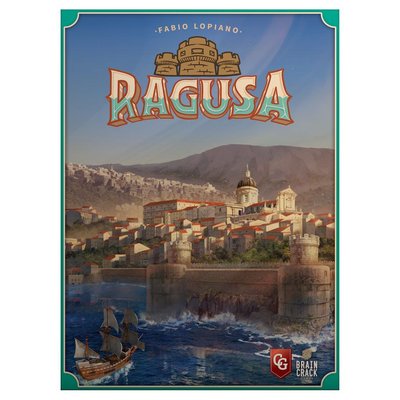
person considering how fast that first couple games were with three and I think this game would also be fine and two players because really the only difference is you've always rolled a number of dice equal to twice the number of players plus one so with four players there's gonna be even more variety of dice to take but of course more dice will disappear before you have your next turn so that kind of wraps up my feelings on old Wes and per sorry him at this point I am currently liking it a lot more than pioneer days there's a lot that I liked about pioneer days but in the end that one just it was too long and too much AP for me really to enjoy it whereas this one just hums along at a great pace lots of cool decisions and even though I have come dead last and both of the games that I played so far I I still wanna play it again I think there's a lot of cool stuff going on and you know maybe after a few more games I'll actually be able to have vibe for first place I think that would be a nice thing let's now move on to the fourth game and this one is Ragusa now this is the second published title from a designer named Fabio LoBiondo and the first game that he published or designed was Kali mala now : mala was a really good game I quite enjoyed that when it came out several years ago and it had this really strange idea where in Kali mala when it was returned you would place a token out and at the start of the game you had a limited number of these like usually like ten or twelve or something and once you did that ten or twelve times the game was over now in Kolding mala whatever you put a token out you would do some actions and then if somebody else put their token on top of you then you get to do those actions again so it had this action multiplying mechanic and the reason I'm mentioning that is because in Ragusa I definitely see a similar kind of design a thread going between the two I would not say
they are overall terribly similar games I just think there is a design idea going on of giving players multiple activations when it's not their turn so let's talk a little bit more about Ragusa and how this game works and actually I'm gonna start this off by saying I made a full tutorial and playthrough video of this one so if it sounds interesting then you should definitely go and check that one out certainly at least the tutorial where I teach all of the rules in a lot greater detail so to be more a high-level about what you're doing in Ragusa is when you're playing the game you're gonna have these little houses and every turn you're gonna put one out and once you're out and then that's it for the game so when you put a house out it's gonna go onto the map and it's full of these hexagons and whenever you put a house down it goes on to the center point between three different hexagons after you do that you will then activate all three of the adjacent spaces now some of the spaces on the map are rural spaces and those give you access two resources like wood lumber stone or a kind of thing and many of these spaces are in the city of Ragusa and those give you action spots those that you actually use the resources that you've made so for instance you might put a house down onto a spot to get some stone and maybe some olive oil and later on you might go over into the city and activate the spot that is gonna make or I sorry earlier you go on to the spot that has om send it later on you could go into the city and activate a spot it turns the olives you have into olive oil now when you are in the city this is where the action multiplier system comes into play because if you're the first person to go down next to the olive oil spot then cool you will count the number of your houses and you'll multiply that by the amount of olives you have and you'll make that much of olive oil now whenever
anybody else comes in maybe another person comes in and puts their house down then everybody who is there already also gets to activate this again so I spent a turn going there and making like maybe one olive oil head just one olive resource but then somebody else comes in and now I make another one even though it's their turn a third person comes in and I'm gonna make Avoyelles again so what that means is if you're the first person to get in next to one of these actions you might get to do it five more times or a total of six because obviously they are all hexagons now you can't be sure that every one of these will end up being completely filled all the way around but this game definitely incentivizes you trying to get in early everywhere no obviously that's not something that you can realistically pull off because if you're getting in early over here that somebody else is getting in early over there and then maybe you're gonna come in later and then do a thing which will incentivize them which will actually give them more benefits for getting there earlier so there's just lots of ways you can stack all the stuff on top of each other and I should mention a key aspect to this game and that has to do with can you actually build where you're going now there are two kind of backbone resources in this game you have would any of stone now whenever you place adjacent to those rural spots which give you access to resources you have to make sure that you have a number of wood equal to the number of houses you have adjacent to each one of those X's so if you put this down right here and you've put a house down over there in the past then now there are two houses around a hexagon if you kind of envisioned that and that means you have to have two wood now that's fine you could have to win test satisfy these and if you have two over here let's find that two wood can go for both of those and when you're in the city you have to do the same thing but now with stone so this means you
might be in a situation where you keep activating the wharf for instance that location lets you spend your commodities like that olive oil I talked about already and you can spend that for victory points so you might say well I've got lots of olive oil so I'm just gonna keep going there you know I go there once I turn olive oil two points I go there again and now I turn olive oil into points twice because I have two houses well now I want to go there a third time because I'm gonna activate it three times and I'll have done it six times now and that's great but you can only do that if you have two or three stones to put that second or third house down over there so you're definitely motivated to try and balance all of these things out and of course people are coming gonna come in and block all of these spots as you're going so as you're playing through the game you're trying to balance all of these things because there are lots of stuff going on here obviously making commodities is good because you can go to the wharf and turn those into points but you can also go to the market and discard your commodities to take these little ship cards those are gonna be worth points to you so that's another way that you can liquidate and on top of that you have the ability to gain these end of game bonus cards now they're hidden and they will give you bonus points based off of specific things you do and there's action spaces that will let you get more of those as you're playing and then you are also trying to build out the walls of Ragusa itself there's a spot that lets you put wall tokens down and you will get bonus points if you put them adjacent to the houses that you put down to get actions earlier in the game and there's another spot that lets you put towers down and these give you the ability to score bigger chains so the way this works and I'm not going to go into the details of it is at the end of the game you're gonna find your largest contiguous set of walls that just has your houses or your towers that kind of connect all of those things now your
tower might be on somebody else's house or your house might have somebody else's tower on it but it still lets you flow through and you can get a decent amount of endgame victory points by doing that you could maybe get like ten which is a pretty good score like 16 which is a really good score and at the end of the game you might have something like 80 points so that's a not an insignificant amount of points that you are vying for to try and you know win the game you're trying to as you're trying to put all these things out so my feeling for Ragusa and based off of my past feelings for Kali Mulla are well I like them both for sure and the difference between the action multipliers is that Ragusa can multiply a lot more in Kali mala whenever you put a token down onto a spot to to activate that location the maximum number of times you could activate is three times a fourth token goes on it actually keeps her token out and something else happens I don't need to go into those details but in Ragusa if you're the first person to go into a sought after hexagon area you are very likely to do that six times so that is a huge amount of bang for your buck now at this point I have played Ragusa three times at three four and five players it plays two to five players so I've covered most of the player accounts and my first mine gut feeling after playing it three times is that four players I think is a hands-down the best way to play this game the issue that I had that kind of emerged with the three player game it was fine but everybody kind of got to stone and then everybody went on to most of the city's bases twice you know it's a hexagon and you have a three player game so six divided by three is two and it was just kind of neat and orderly in
a way that I was not hoping to see in a kind of crazy competitive euro game where like I would go here they would go here and there we go there and then the hexagon is full and we move on and you know we wouldn't do them all at the same time but at the end of the game I realized there were just lots of areas there were two to two so when I played a four player game obviously four does not divide into six evenly so now you started to have extra competition as one person maybe even got three in there or it's you know one to one and it cetera as you're trying to fit these things in now that was exacerbated even more in the five player game because obviously there's six bases around there and five players which means just getting a second one down is somewhat impressive I mean I guess everybody each one of these spots has a decent chance to have at least one of those but I don't know if anybody got a third one down around any of the hexagons in our five player game now there's an interesting thing that happens with these actions because as I said building out the walls is important to getting those towers down is important for endgame bonuses going to the wharf and the market or important to get rid of your commodities for victory points which is a big thing now what happens and what seems to have happened especially in the fire player game but also in the four player game is the first person goes over to the Mason spot to build a wall cool they build a wall done then the next person goes maybe doesn't do that like you know I'll get back to that later the next person goes and they say actually I want to build a wall so they'll go there and now we both build walls I've now built two walls the third person or the fourth person over here is now sitting there thinking well two out of the six spaces on the walls are gone already so I think I'm gonna get in there while I can so they jump in and suddenly I get my third wall activation they get their
second and this person's like okay well now there's very few spots left him over at all so they jump in and it comes back to that first person who stoled just one round they said you know what I'm gonna wait one round before I go into there there's something else I'd rather do and now they're like holy cow if I'd gone there instead I would have had like four wall activations and I would have like 12 more points etc etc so this is a very consequential game now on top of all that in a five player game you're only gonna take in ninth in a four player game I believe you take ten turns and the three player game you take twelve so having even less turns makes your turns that much more important if you screw up one of them then that is and gonna have a really big impact on your score especially if you need to maybe in the middle parts of the game go over and go to a rural spot to get some more resources because you're like I just need a little bit more I need one more stone in there's another way to get stoned via fish but I'm not gonna talk about that here but you just go over there and you're like I'm gonna spend one of my 9 turns in this game to do this one thing to unlock these extra actions over here and that can be really painful overall like it's just a thing where in the first game that I played with some friends on my eighth turn of the game I placed here instead of there like two adjacent spots I spent I thought about them too and I went over to one spot and I realized later on that I would have won the game if I went to the other spot right there so like tiny decisions like this can have massive consequences on the game so I think the four player game really worked out a little bit better the five player game was was very chaotic like just having that many turns before it's your next turn when so much can change at the same time like it worked okay but I think four was better now I do want to say
that this is a game that it really punishes not playing well in the beginnings in both of the games that I played with my friends I've had a situation where one person near the end of the game just sat it there and said I don't think I understand this game and in that moment they had like five to ten percent the score of the person who is leading so that is a huge difference like somebody might have 50 points and they have five and they're like I have three more turns why do I only have five points what is happening what they noticed what happened with this game and that doesn't usually happen with your average euro game like if somebody's not doing well still they're usually somewhat close to the overall pack for your average euro game but this is a game where it seems like if somebody makes a couple flubs misses a tempo turn here or there and especially for their first game just doesn't quite understand the overall vibe and tempo of the game they could find themselves realizing that they're gonna do very poorly you know you know the one of those games I won the second the fifth five player game I won by pretty large margin I easily doubled the score of two of the other players I think there's one last thing I should talk about right now because we had a decent discussion about it in our five player game and that had to do with starting player advantage in this game there is no perk for being fifth or fourth in for instance as well but you know in a fifth player game in a 5 player game going 5th is is it felt not great for that person who went fifth and the person who went for it they felt like well you know three of these actions and four of these actions have happened already and sure they're like okay well I should probably go and try
to do something first before somebody else to try and make up for that but there's there's really no penalty for going earlier in the round and we had a long discussion about this and there's a decent sized thread on BoardGameGeek about is it overpowered to go first or you know be closer to the start in a player order overall and I'm not really sure where I land on this my first gut instinct was no no it's fine like you know okay you're going fourth well just do something else that nobody else has done like don't try to do things that other people are doing break off into your own thing but as we talked about it more I realized well sure they should break off and do their own thing and that's fine but I would still always rather be first I think I think you know to sitting there and realizing that every time I play Ragusa I would always rather be the starting player or go earlier a turn order means well there's definitely some sort of emotional advantage I suppose to going earlier and you know I've only played the game three times right now two times with other people so I don't have a real data set to go off of and that five player game I want but I was the second person to go there was a first person but it was their first play and it was my third so I think I was at a distinct advantage and in the four player game I don't remember what place in order unturned order the the person who won was so I don't have data to back that up but it just it just seemed a little bit often especially in that five player game the person who was in the fifth slot they felt had a definite and fun disadvantage overall where like so much it happened all right they're like well I guess I'm trying to play catch him they're trying to find a way to work my way back in and I feel like if everybody had played this game lots of times and was getting really good I feel like there might be problems where like it is gonna be hard for that fourth or fifth placed person to find a
spot to squeeze in to miss everybody's really optimizing everything overall but again I'm just kind of making guesses in the dark at this point I'm I'm looking forward to playing this game more our five player game was about an hour and 10 minutes or so hour 15 so this is a short game overall which means the overall impact of you know to the amount of time that you have for a game night whatnot is small and that means that this game will likely come out more and more versus a two to three hour game overall so looking forward to seeing how this one plays out more in the future I'm probably gonna really target the four player account and maybe kind of avoid the three player account I'm not gonna absolutely avoid it it's not bad but it just seemed like the contention that came up in the four player game just seemed to click a little bit better for other things that were going on I will say that playing Ragusa three times now has made me really want to go back and try calling well again I very much enjoyed that game in the past and the action multiplier system in that game is quite good there's a bunch of Airy majorities and why not in the game as well which I don't normally love but I think that there are a lot of really cool design ideas both of these definitely a commitment to a mechanical idea like that spark of like going to respond and get there early to get bonuses try to be everywhere you can't do it do the best you can I just think that Ragusa seems to pull that off pretty well and I'm looking forward to trying more alright let's now move into the fifth game and this one is radon - cow now this is a fully cooperative game that was sent over to me by the publisher it was not originally published in English and the copy they sent me was not in English but outside of the actual box itself they had a supplementary English rulebook and some
English cards so that I could end up playing the game even though a lot of the components I was playing with do not have English on them now mechanically what you're doing in this game is you're trying to survive in the city of Takai as it is being bombed by the Americans this is thematically sent in world war ii and i guess there was a lot of American Air Force bombing on in this overall area now radon - cow is a scenario based game and the game comes with I believe five different scenarios that set yourself up in two different positions that you're trying to do there's anyone's and there's some hard ones and we played the easiest scenario that one was I believe called doom port and realistically that scenario was all about just getting used to the base mechanics of the game and trying to feel out your characters so when you're playing this game you have to take on a character and it's not just like oh I'm playing the musician I have a special ability that I can play some music and that's all I do know in this game you do have a special ability where you can play some music to improve people's morale but you also have goals and aspirations and issues and what you're trying to do and as you're playing through the game is work your way through these three cards that go in order and they have conditions on them as you try to work your way through them now every character in this game is connected with other characters via a series of relationships in the game that we played it was a three player game I played the musician and one of the people sitting on the table was playing the student now we were connected because we were siblings the other person that played was the doctor and me as the musician was connected to the doctor because they were my love
interest I guess me as the musician I was essentially pining after this doctor character and that had mechanical ramifications on how he played through the game so when you are playing through the game you're going through a series of rounds and when it's your turn you were going to spend these stamina tokens and you can use these to search the rebel around you you can use them to kind of fix some rubble from some of the bombings and you can move around the map now as you're trying to do these you're satisfying various objectives but you also have these goals on these three kind of story art cards in front of you and the first scenario that we played was really all about focusing in on trying to do those things and me as the musician has this kind of lovesick strange kind of awkward musician I needed to end my turn essentially adjacent to wherever the doctor was I was kind of following the doctor around and it's kind of weird you know from a thematic perspective you're like following this other play around the doctor was trying to go to like memorialized sites because I believe all of her children had been killed in one of these bombings so they were trying to like make it a pilgrimage to with this shrine and then make a pilgrimage to that you know a specific building where something happened so she's wandering around the map that she being that person I was playing with I was kind of chasing after them and then the sibling my sister who was being played by the student character was also trying to make sure that I was staying out of trouble and they were trying to kind of be where I was or be adjacent or make everybody happy and that kind of stuff so we were all from a thematic and mechanical perspective kind of chained it to each other I was we sneaked around a map trying to deal with all of the
situations that was the things that we're going on because as you're playing through this game and you're using stamina you then have to eat food to gain your stamina back so you can keep taking actions this is not the kind of game where it's like oh every turn takes three actions and that's it no in this game every single action you take has to be fed with food and you only find food by scavenging in these areas now you might find rotten food and you can use that but your morale is gonna go down you might find a campfire that lets you cook that rotten food and suddenly now I guess it's better and you don't actually lose that morale you can find animal companions that can help you out as your plains in the game and there's just a wide variety of stuff now one thing that happened in the scenario that we were playing it was called again I think was called doom port is when certain situations happened we also had to take these bad cards that we had to get rid of before we got to the end of the game in fact our end game condition was just get to the end of I believe six rounds and have none of these bad cards stuck on us now when you had these cards on you it might say something like fear of the water and now you can't take any of the the fairies out they're out in the sea or it might be like I forget the specific names but I remember one of them me as the musician I lashed out and I actually damaged anyone who's on the same spaces me because I was getting erratic and on that in that round my sister character wanted to be in the same space as me so they actually went next to me to advance their story even though I essentially punched them and damage them based off of this card that I had and I had to go to a specific location to get rid of that card so from a mechanical perspective it's relatively simple right you're just you're moving around you're searching through rubble you're trying to find food so you can keep taking actions to move around and
satisfy your conditions as well as get rid of all of these impairments that are getting laid on top of you now every single round there are these planes that are literally flying around the board and they're gonna bomb every single spot that is in the row or column that's adjacent it's next to that plane and that means you're going to put a lot of these rubble tokens out so another thing you're trying to do is dodge these planes and you don't know where exactly they're gonna land you're gonna roll a die that could show one two or three and you can kind of plan around that you say okay well the plane can't get over to here so I'm fine or the plane might get here but I'm on a spot with a bunker so I won't take damage because if anybody loses enough health to match up with their despair value then they effectively die and that's gonna lose the game for everybody so you try to balance all of these things as you're wandering around and with our play I think in general we enjoyed it overall it was very easy but we were also playing the easiest scenario it had one star and it really kind of felt like a tutorial scenario to get yourself into playing the other ones the other types of things that you can do this game the other scenarios one of them there is a crash-landed plane and the parts have been strewn all across the city and the rubble piles or in the scavenge piles so you're gonna have to wander around doing all of these search actions trying to find wreckage of this plane that you could piece things together there's another one where the animals in the zoo have been I guess let loose and you're trying to corral the animals and save the animals from all these bombings that are coming in there are a couple of those scenarios that really change the overall mechanics of the game now as you're trying to play it so it seems like the base mechanics of this game are a framework for thematic stories to be told has about people who are just trying to survive all of these
bombings so that's essentially how raid onto cow when we play that a full three player game we I have not had a chance to play this one again I am kind of interested to see how some of the other scenarios work out specifically to see if they are overall harder because again this one was relatively easy but I also think that for people out there who might actually play this game in the future you probably should play that first one first not that the game is particularly difficult but it did seem like a good launching off point to really feel out how your character worked and how the overall flow and tempo of the game worked and I think at the end it only took us about an hour hour 15 to play so it was not a particularly long game and I think that it overall felt like it took the right amount of time for what it was okay we've now reached game number six and this one is roll for adventure now just like game number five this is a fully cooperative game and in this case players are essentially trying to roll dice to finish a bunch of minigames and time before the game actually beats them so mechanically what's going on in this game is you have a board out in the middle and it's four different triangles that are pieced together now on a player's turn you're going to roll a set of d6 dice their standard dice and then what you're gonna do after rolling is you will pick one value of dying from the pool you have in front of you so for instance if you rolled a one two twos two threes and four then you could choose all of your threes and then you put those out on 2 1 action spot on the board now mixed amongst those four boards there's effectively one ish spot for each of these pip values there's a one board that only takes once there's a board that takes two threes and fours and there's a board that takes fives and
sixes and then the fourth board can take any of those overall numbers so that means if I'm activating the 3s then I have to specifically go to the part of the board that will take threes and I'll put those threes down onto the board now those are gonna be out there and locked to their dice in my player color and they will stay there until a minigame it's achieved now there are different minigames for each one of these areas for the ones once you have a set of three ones in there then they what kind of unlock and then move on you have to do that three times overall for the twos threes and fours when you're playing with the basic version of the game anyway you're trying to get sets of four of these and once you get individual sets of all four of these then you're going to essentially unlock a gem and you win the game when you hit a certain threshold of these unlocked gems so each one of these zones yeah or three out of the four zones anyway give you ways to give the gems in the five and six zone what you're trying to do is just kind of I think you have to get like four or five of the five or six s and then you're going to unlock and get a gem they have to do a couple more and they have to do a couple more it's almost like an old style rotary phone like you're going even farther and even farther as you're committing more dice now the trick here is that once you actually put out those threes well you're sitting in front of that one the two twos and what I say two fours well now it's my turn still I've put out of those two threes have to roll all my dice again and do this again so now I have like three ones and you know a two or a six or something I'm gonna take those three ones and put them out and I keep rolling and placing dice until I have none in front of me and then we're gonna have monsters attack now the way this works is you're gonna draw the top card from a deck and the monsters are associated with one of the four different zones you're gonna put that
monster into the zone and then importantly if there is a monster already in that zone and it has a value lower than the new austra that came out then the previous monster will activate doing damage to the zone and the new monster will also go so that means as you're playing through this game you are trying to to satisfy all these minigames you're also needing to discard your dice to do damage to the monsters because every time you do six pips worth of damage to a monster you can get rid of it so that means if the low value monsters come out early and the high value monsters come out later they will actually double down and multiply the amount of damage that happens and if you if damage happens then it actually removes dice from these minigames so you're trying to thread the needle of getting dice down to complete the objectives before damage comes in but then almost more importantly if there are no dice in that area then the region itself is gonna take damage and if any one region takes the maximum threshold of damage I think it's like eight or so damage then everybody loses the game that is the way the game ends so you're trying to balance using your dice to activate all of these minigames while also using your dice to get rid of these monsters and while you're doing a lot of these things once the dice get used many times they actually go into the middle which is kind of like the void of oblivion or something like that and you still don't have access to them until you spend enough pips worth of dice on another spot to unlock all of those dice now let's say I did that turn I you know put all my dice out and now somebody else goes we go all the way back around the table and now it's my turn again but those threes are still out there like nobody has put two more threes down to unlock that minigame which means I am now rolling less dice and that means I'm
doing less actions so this game is really about trying to efficiently finish out these minigames to make sure that people have as many dice as I can in front of themselves because if I'm rolling two less dice and that's a lot less I can do on my turn so there's a lot of discussion that happens in this game you know you roll the dice and you're trying to figure out what to do and there is nothing hidden so I guess to a certain extent if you have one person with a big personality you know the Alpha player a type of situation they might tell everybody what to do but in my one play of this game it seemed like we had a lot of collaboration we discussed various options you know what we could go there well then maybe you'll do this and okay we'll do this but then which die do we unlock well who needs it more it's worth noting every single player has a special ability that lets them do something better than other people for me I could kind of reutilized ice from the ice cave somebody else could get some extra rerolls one person could do damage to monsters a little bit better and that kind of thing so when we were playing through the game it seemed like things were going really well I think we needed to get to five of the gems to win the game and we first three no problem and then things started to kind of slip a little bit and we owe that one region keeps getting ahead it's taking damage okay let's throw some dice over there to try and fix it and then at a certain point the the shadow master actually I can't remember the specific name of it but the big bad evil thing is gonna get revealed from the deck and this is kind of a special moment because now what you do is you roll a die and damage is gonna happen to one of the areas you know you don't know based off of the die and then every single monster out and the board is going to become activated by this evil monster a card that came out and then you're gonna shuffle that back into
the deck of monsters so you're gonna keep seeing that more and more as that deck of monsters gets thinner and thinner until you get to the very end at which point that monster that big evil monster which I can't refer the name of is gonna activate every single turn so what happened for us is that that figure came out several times and what seemed like an easy game like oh we're gonna sail to victory suddenly seemed to start to slip away from us and in the end we didn't win we only played it once but it seems like you know this kind of lightweight cooperative gaming experience but you know in my data set of one we're like oh wow we actually weren't even that close we were many dice away from being able to finish that one off and I think part of that was because we weren't really taking the monsters seriously earlier on in the game and you really do have to make sure to keep those down as you're trying to do everything else now every single one of the locations out on the board can be flipped over to a more advanced side so in that area where you just have to send it three ones and then it'll reset and then you send three more ones well when you flip that over and now you have a grid and you're trying to make rows and columns of ones to unlock all of these keys and when you do it in a certain order then or when you do all of them you can then unlock that gem from the area so I have not been able to play this game with the more advanced sides and I am hoping to play this game again I'm not in general a super crazy about cooperative games but and they can be fun in many circumstances and I like the collaboration going on here and the next time I play I'll certainly try the hard sides even though we lost the first game I just think that having a little bit of extra complexity to talk things through is certainly not going to hurt the overall experience and I'm curious to try out the different size to see how
they feel now in addition to that the game also comes with extra monsters that increase the difficulty overall even more that you could shuffle in and I did not use those at all so it seems like there's a lot of ways to add a little bit of variety into the game as you're playing from one plate to the next and if you're looking for a nice rolling game where you're gonna be talking a lot with the people around the table trying to solve all of these tiny little puzzles that make up one big puzzle and I think it's possible this game might be for you all right we've now reached the seventh and final game we'll be talking about today and this one was also sent to me by cosmos games now this one is tribes dawn of humanity and I'm gonna start this off by saying man I have made a tutorial style playthrough for this game it won the patreon poll for August so I made that one and put it up the tutorial itself was very quick so if this sounds interesting to you you should definitely give that a shot I think it's like 13 or 14 minutes to really see in depth how this game plays so let's talk about how this game plays so with Ematic aliy what's going on is each person is in charge of a tribe and you're trying to grow that tribe to success and have the most points at the end of the game now in this game points are bare teeth somatically you're taking these little bear tooth tokens and mechanically what you're doing in this game is every single turn you're gonna take one action from a row of these action types now in the first action on the far left is free and if you want to take any of the other ones then you have to spend these shell resources and you put them down on every single action you don't want to take and so you get to the one that you like so let's say you don't like the first or second but you like the third one then you'll put two shells down you'll take the third action you'll do that action and then you'll take that tile and put
it to the end of the line and scoot all of them over so that means it's kind of a conveyor belt of it the actions that have been used are over there and the actions that haven't been used are getting kind of piled up on the left hand side as more shells maybe get put on top of it as players decide not to take them now at the start of the game everybody has five shells in total so if it's a three player game then there are 15 shells in the entire system and as you're playing through the game you really have to decide like okay I really want to do this action but I have four shells that's gonna cost two of those shells instead maybe I'll just do the action at the front I don't terribly need to do it but it has two shells on it so now I could take that one and now I have it six shells for future turns when I'll be even more flexible well maybe that action is not too bad like I may as well do it and the actions that you're doing are pretty simple overall you can explore which is going to increase your own personal land size in front of you you have these hexes with a variety of icons on them you can also procreate which is just going to make more population and you can move your population around now the reason you are doing this is because the icons on the locations with your population are going to be matching up with these achievements out in the middle of the board every time you play the game you're gonna shuffle up at the base achievements the middle ones and the top ones and they effectively make a bit of a tech tree to a certain extent now when you what are the actions you can do from the main row lets you claim an achievement and that means you can look at to the board in the middle and the bottom ones might just say you have to have at least one population on a horse terrain if you do then you can take your token and put it down onto that achievement you will make some bare teeth and you'll get more if you're early Iran if you're one of the first people to go over there and then what
you'll get to do is increase your ability to do one of those things I've talked about already to make more population to explore faster to move faster and to become stronger now strength comes into play because on many of the spots where you put achievement tokens down onto there's a little lightning bolt symbol and that is gonna put an event into play now there's events that are matched up with each of these achievement rows and this is one of the more interesting mechanical ideas for the game honestly when I heard about this this is what made me say yes I want to try that game because in general when you hear about events in games there's something that's random you pull it from the top you do what it says and then it goes away and you hope it was good for you and you hope it was bad for your opponents now in this game the way events work is you do indeed draw them randomly from the top but you'll notice that the event shape of that tile exactly matches the shape of the action tiles that you're taking from the row you're gonna take that event and you're gonna put it on the very far right so it has now been added in to the overall action row and that event will only activate when somebody takes their entire turn to do that event now some of these events are just bad it might say disease you lose two of your people some of them are good it might say gain 3 points if you are the strongest or it might say everybody gets to move their population around equal to their overall strength so the strength of your tribe is very much tied into the events like most of the events have something to do with strength and many of them have to do with having more strength than other people or maybe if you take a tile and it says if you are the weakest tribe then you're gonna lose a point or two and so you might find yourself in a situation where that is the far left tile it's kind of an action but it's an event and people don't want to activate
it so they keep throwing shells on top of it to do other things and now you're sitting there you have like one shell in front of you are the weakest tribe and that that event out there has four shells on it and you say you know what I'm just gonna take it I now have five shells for the future I'm gonna lose a point I'm the weakest that's unfortunate but at least I now have some shells to do the things that I'm into in the future and from the two plays of this that I've done so far it does seem like shell economy is a imperative thing to pay attention to in the first game of this so I played about a third into the game I got rid of my last shell I figured you know it's fine I'll I'll pick up some shells as the game goes on I'll put this down over there but what happened was one of the other players started hoarding shells so now it came back to me and I had no shells which meant I had no choice I had to take you the far left action and unfortunately well there were no shells on it everybody else took all the shells so I do that action I didn't really want to do that action and now it's my turn again I still have no shells so I still have no choice I still have to take that one in the front okay well maybe it has one shell on it great I take that shell it comes back around to me and once again the the far left thing is awful I don't want it so I'm tempted to spend my one shell again to skip it but then what if somebody else takes that thing and then I have no shells and what happened in that first game is I felt like I essentially lost like four turns to doing things I didn't care about because I put myself in a hole that I couldn't get myself out of so I found when playing this game with I played this game a couple times now you really have to make sure to not find yourself in that hole like you pretty much never want to spend your last shell it seems like it might feel like it's worth it in that moment but the ramifications of all
of those future turns that might be bad like it might be five or six turns so you really get yourself back on your feet to having control that's just not worth it like maybe just lose a couple points and take those shells that are over there and give yourself the ability to launch into getting more points in the future so I don't think that's an issue with the game at all I think in fact I feel like it's a baked in design decision because obviously this is an important commodity it's the commodity of the game and getting rid of all of it is it's just not gonna work out well for you so overall I just thought the idea of the events being integrated into the overall action row was such a cool idea and it really works it works really well from the two games that I played you know at the start of the game you have that six or so events or actions I think but in the middle parts of the game I found there were times where there was like or eleven of these tiles out there like the road gets so big as people keep doing these achievements because this is not a terribly slow game like it plays in about an hour so there are gonna be lots of achievements happening and on most of those times that treatments happen more events come out so there might be like four events you know taking up these extra slots and someone might take the action that you want and it goes way to the end and there's like ten different things in the middle and you're sitting there on five shells which you thought was good and you're just saying well I guess I have to wait no I can't get to that for a while so I'll try to do something else and that means this is a pretty tactical game like there's definitely some strategic decisions you have to make with how you're moving these things around I mean when you are exploring you're randomly playing tiles out of the bag so you have to be tactical in that way like you might keep pulling horses out and you say I just need some wheat like where
are all other wheat tiles I keep playing horses this is bad but you might say okay well I pulled a lot of horses what can I do with that maybe I could try to use those to get some other achievements going on I don't need to go into the specifics of it but you can actually exhaust and permanently flip over some of your terrain to make wild terrain icons to claim some of these achievements so pulling the tiles out of the bag that you don't want it's not necessarily a bad thing you can definitely use those to get the things that you actually ultimately need so at the end of the day I think this is a neat overall game like it's a very streamlined experience it definitely has a kind of civilization building vibe to it in a very lightweight overall framework I feel like this is certainly a gateway level to have a game like teaching this game is super quick as I said the tutorial where I taught essentially all of the rules to this game and played it through a few turns only took me about 13 minutes so getting into this game and actually playing through the decisions is not part like the threshold is quite low I think if I was to complain about anything it's the fact that this game has been so streamlined that the events can be a bit homogeneous like there are no two events that have I think the exact same title but there are many that do essentially the same thing like it might say hunt mastodons for two points if you are the strongest or I might say hunt beavers I think mammoth beavers or something like that was one that also gives you two points you know there's a couple where it says that you lose a point if you are the weakest and it might be a saber-toothed tiger this time or it might be you know something else the next time so I just as we were playing through the game I definitely felt like I was hoping
for more advanced events in fact I think this the overall framework of this game works out so well I could kind of fantasize about a potential expansion for this game that just replaces the events with like more complex ones like I feel like you could really ratchet up the complexity of this game by just bringing in some events that really shook things up in a big way I guess the overall achievements that you have in front of you there they're relatively simple you know when you go onto them you get bear claw bear teeth and you can increase your ability to do the base actions and I feel like you could also potentially upgrade this game with a more advanced version of it with achievements that maybe added some extra things going on but I can't help but feel like the designer of this game intentionally streamlined all of these things out to try and make the game that this is you know the designer of this game is the same person who designed it nations which is a you know to our medium to heavy weight civilization euro game with you know a huge deck of cards and just an extreme amount of variety and all sorts of things going on so this designer can definitely do big meteor games with lots of strategy and this just feels like they were trying to hone in on what it is and I think to a certain extent I just don't feel any burrs with it you know it feels like a very smooth overall elegant design and I've been impressed with it so while I don't think I'm gonna be rushing out to play this one over and over again because the relative depth doesn't seem super deep I do think I will end up playing this game more in the future because it plays very quick it's super easy to teach and this is definitely the kind of thing that could be played at the end of a game tonight what people are like I'm a bit burned out but I want to play something at this point you're like well I'll pull out tribes dawn of
humanity because we're gonna be playing in ten minutes the decisions are decent and they're certainly good there's lots to think about and it's definitely not overwhelming in any way well that's gonna bring us to the end of this impressions vlog seven games is a little bit less than I usually do but my life is pretty hectic right now there's a lot of stuff going on so I don't have a ton of opportunities to go out and play lots of new games but I have to say that the seven games I played this month they were fun like I had a really good time I played a lot of really solid games lots of good euros are happening certainly a couple of good at city building games with de lluvia project and with Ragusa and I actually played both of those I had the same within the same night at one point like all about city building and yeah this is definitely some really cool stuff coming down I've just in the last day or two received several games I'm very excited to try in the future one in particular is eCos I can't commit to say I'll definitely cover that next month but I am certainly hoping to have played it so I can cover it next month and there's a lot of other stuff going on in my life so it's possible I will talk about even less games in the next one of these impressions vlogs but I will do what I can because you know playing games is a big downtime thing for me and I always love playing new stuff so I will certainly talk about it when I can as always I'd like to thank everyone who's been supporting this channel including all of these producers level patreon backers if you two would like to directly support the channel and the creation of videos like this one then please go to junkets Gamescom slash support to see a variety of ways with which you can do that also if you enjoy this video please click the like button down below as well as the subscribe button for the channel thanks for watching