What Separates GOOD from GREAT Board Games? TOP 10 Design Rules!
Games in This Video
5 games are featured in this video — they unlock as you watch.


Transcript
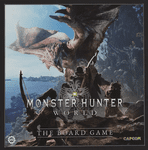
hello and welcome thank you for being here today we're talking about IPS books movies TV shows but more particularly video games right and how we take a video game the story The Heart the soul the mechanics and bring them into a tabletop setting I'm here with the creative director the the good enough product officer one of the founders of steamforge games you want to introduce yourself let them know what you do and why you're equipped to talk about this idea hint tell them about the IPS that you have thank you yeah so uh I'm Matt Hart I'm one of the founders of steamforge games and I've been lucky enough to work with a team to bring to life things like Dark Souls Resident Evil Monster Hunter uh amongst others Elden ring they wouldn't ring of course um we get to work with a lot of uh awesome companies and a lot of awesome IPS so one of the things I can say about steamforged games is that out of the companies that I know of that are taking and utilizing IPS in products though the whole foundation for the conversation they wanted to have with you is based off the fact we just got done with with playing through a whole series of uh Monster Hunter scenarios and I think there are other companies that do it very well but you're one of if not I mean you're certainly one of the best companies at taking an IP and bringing that into a tabletop setting where I feel very confident that I could have a person who knows the IP play the game
and very comfortably transition into a board game hobby space which is one of the biggest puzzles that I think is presented well it's very nice yeah in the board game IP world we all are very aware of uh IP projects kind of being terrible you take a video game you make it into a movie and the movie is awful right I mean you look at the like Assassin's Creed crossovers for that Mark you take a book and you turn it into a video game or a book into a board game and it can be very hard to take what people fell in love with in that product in the original medium that it was presented yep and bring it into another medium another full system yeah and have that that flavor still be there in fact one of my favorite IPS I really haven't liked the games created from it I'm not going to name names I'm not gonna like set that out there but I'll tell you afterwards one of the IPS that I I like desperately love I've purchased played and just couldn't bring myself to fully cover them on the channel right because they just they didn't sing to me in the way that the the medium that I fell in love with did and that's not true here with the games that you've presented uh you know Monster Hunter for instance the game way of sitting in front of us is one of these games you go off on these kind of One-Shot missions right you take down this giant creature and you've brought this flavor of movement uh of can you know consistent repositioning of of big threatening battles that let you still feel like you're being incredibly powerful and Incredibly Dynamic yeah you've introduced the mechanic of
sharpening the idea that your weapons don't always stay perfect in the midst of a battle that has you uh have to rethink about the way that you want to strategize it has you re or like re-engage with the creature instead of just just having this one-off like smash each other till you die and that's all stuff that the video game did very well that was unique to the video game that works here in the board game setting the same with like Resident Evil right the idea of peeking around rooms and knowing the layout of the map but not being sure what's going to be in there and suffering the consequences and discovering something that you didn't or weren't ready to deal with yeah it's all about this this slow exploration this tactical planning the maneuvering and positioning and having the limited weapons and The Limited ammo that you have having it and using it where it really matters and when it doesn't really matter shutting some doors behind you and ignoring the other things happening right on the board so I've talked a lot but that's the foundation for why I wanted to film this video and I asked you to write down some notes how you as a company approach bringing IPs over I don't know what these are but I would love to hear okay what are the what are the Core Concepts the tenants that you all as a company look at when deciding to take on an IP and then when asking the question how are we going to bring this IP into a board game setting in a way that is palatable not only to Gamers but also people that know and love the product you're working with already yeah so I think um I I I'm gonna love talking about this so I'm going to really struggle to kind of keep this to anything uh less than quite
a long conversation but I'll do my very best both of them yeah so try the show so I think um one of the things that that I feel lucky uh with with steamforged is uh I worked in video game development for for quite some time nearly nearly two decades working in video game development before uh moving into the table so in the middle of the video game Marketplace and I think that really helps did you step into what was what was the ground zero for steamforge what was your initial your initial IP so the initial IP was uh was Gilbert which is an original Ip uh and that was something that rich and I uh worked on in our spare time um we we put together a Kickstart Kickstarter was really starting to kind of emerge at that time uh and we kind of got excited about the idea of well maybe we could do a game we had this cool idea for this amazing world uh I started working on the game and then that started to kind of um really sort of like take uh get a gather pace and then about two or three months after uh Gilbert had launched uh I bumped into one of my old colleagues um and they said to me oh what are you doing now and I kind of said hey you know gilball and and this is you know this is what we're working on he said well he said you know I'm the uh I'm in charge of uh the Dark Souls franchise at the moment do you think that would make a good board game to which the answer was yes of course and he said well can you make one on so I absolutely we can you know so you didn't initially intend to do video game board game crossovers but your experience and relationships in that industry really set a foundation
from where we're going okay sorry so well so I think you know there's two aspects of that so so knowing the right people just helps you get the right conversations um understanding how video games are put together and and the core components of a video game that triggers the response that the players have really helps you understand why the players feel the way they do and how can we recreate a similar kind of feeling in the game that is that is one of the most important points that I've I've often talked about this which is um and this is probably sort of like Point number one is understand what the emotional response of the video game is so if you know how the players feel how the game is designed to make the players feel um it gives you a massive head start to making sure that if your board game can recreate similar feelings the players will then map that onto the original she might play through something like Resident Evil and write down words like claustrophobic absolutely or or pressured for time tension or something like Monster Hunter you just write down the word powerful yeah and that means design line doesn't have to be the same A and B mechanics yeah but I should feel like I'm squeezed or I should feel like I'm vicious and it doesn't mean the other thing I'm fighting is vicious but I don't in Monster Hunter I don't feel vulnerable unless I'm fighting something that is bigger than me by tenfold and then I know I'm in the wrong area at the wrong time instead I feel strong and they feel stronger and that's a different type so yeah so that emotional response in Monster Hunter is the the
the feeling that you're all powerful the discovery that you're not yeah and then that sensation of moving along that journey and realizing actually now I'm powerful enough to do it interesting so there's so that's a real emotional Journey that you go on and it's quite you know it cuts to the core of our our human DNA which is you know why do we like telling the same stories every time it's that kind of up against an insurmountable challenge Journey along overcoming the challenge feeling like you progressed discovering the new challenge and that's as a reason Point number one is is identify the emotional response of the player and look to how can we recreate that in in plastic and paper and cardboard yeah and it's not it's not about mechanics at all it's about the experience at play because of the experience of playing matches yeah one to one if it gives you the same feeling yeah then you're already in the right direction yeah okay um so Point number two is is almost as important it's what is the reason that players are going to play this and not the video game sure so how can you create a a unique proposition to the players to say we know that you love monsanta this is why you should play the board game as well as the main video it has to do something different and not try to replace yes you're not trying to say Hey you love the video game let me give you the video game on the table the exact same thing A to B Because You Love video games so why wouldn't you play it more well the answer then is I'll play the video game more you're right I love the video game yeah yeah exactly right what have been some of those puzzles
like think about Monster Hunter what was the answer here um so the the big thing um the the I think Monster Hunter captures is that uh collaboration around the tabletop now you know you're playing on your your Xbox on your PlayStation so on your PlayStation and you you know you've got voice comms you're channeling people you don't necessarily know them each all the time sure you're not necessarily able to have kind of in-depth conversations for me one of the Magics of of uh of tabletop gaming experience is getting together with friends or people I don't know and making new friends and having a collaborative experience and for me that that's one of the things that monster hunter world uh the board game does better because when you jumped into a party in Monster Hunter World which had the premise of doing this collaborative thing right you were smashing a big creature and you needed the help to win yeah but you didn't necessarily know or relate to the people that you were playing with unless you had a core gaming group whereas here when we're sitting down we are that gaming strategy the conversation yeah the very the very best experience you have when you're playing Monster World is if you go on with buddies who are your regular gaming buddies sure right because you have the relationships you have the in-jokes you have to you have the memories when you know you miss and so you're actually taking a part of the video game and you're saying that that's amazing but board game does this better yes than the video game franchise in my opinion yeah it it does it better we're around the table we're in person and we're interacting in a um in a much more controllable kind of time frame as well so you know in a video game it's real
time decisions need to be made quickly whereas a tabletop you're able to play at the pace at which your group is comfortable now some groups will really enjoy agonizing over everything again the exact perfect kind of response some groups will love that I'm never gonna try and make a game that stops you from doing that sure it's not my jam sure but for me playing loose and you know Lucy goosey loose and fast kind of just going in there and doing some stuff and seeing what kind of cool things happen that's more my style having a game that can cater to both kinds of uh kinds of groups and all of the Spectrum in between well that's that's our challenge so identify the emotional framework of the game yeah and what you need to bring over into the IP yeah then identify how the board game itself or whatever other IP you're doing can translate some part of that some part of that story some part of that mechanic system in a better way than the other thing make a different experience yeah have it be unique in in some form it's similar to content Creation in some ways like yeah no absolutely how do you how do you do it how do you copy how do you do it better right how do you make it watchable like yeah interesting okay okay number three um so this is this is really important and it's a it's a mantra that we remind ourselves of constantly is um uh the board game that we're making is not a simulation of the video game yeah it's not it's not a it's not a one-to-one it's not a one-to-one and it's such a delicious track to fall into where you kind of go oh but the video game does this this and this and it's like you have to remember this is a board game first and foremost so you know uh good mechanics good board game mechanics are
way more important than than a simulation of a one for one ratio so that's so hard to do though and I would love to hand you some IPS where the games themselves again I won't name names right but the games have been very true Recreations of the video game yeah on the table Yeah down to the point where there is an AI system running behind the scenes that the computer does for me and now I have to do for myself on the table right and it makes for a bad mechanic experience but a really interesting play experience but I would rather play the video game well if it exactly the board gear you're Australian back into that territory of well why don't I just let my PlayStation handle all this for me why am I doing why am I running the math yeah why am I drawing the cards why am I randomizing all this yeah so we we don't have multiple processes you know working all the time we have you know a fairly simple way I you know our capability for AI on a board game is is far less sophisticated than the AI That's available on a video game but some people still try so it's so it's not like but like I say I don't I don't know if they they try because academically they want to achieve that challenge I just think it's a it's a delicious trap there's a desire to so how do you avoid that trap how when identifying a mechanic that's really cool in a video game that doesn't necessarily need to be in the board game how do you decide that it doesn't need to be included or that it needs to be changed in a way that feels similar but isn't exactly a to a so that that's so that's the next point and I think this is true for for every game design not just for for video games on but because it it protects you against that trap decisions in games must have
consequences so you can't just do something for the sake of doing it right you can't have a mechanic that oh is what it does in a video game therefore we need to have it right or I think this is just a cool idea and therefore we need to have it it needs to have uh and hold its own place in the game engine so if you when you look at the game engine and you see how you know the the flow of the different um you know the different currencies that move through the game in the different game States as they move around every single component currency being things like health and damage yes absolutely stuff like that yeah and ball position and and everything like that um every single component part needs to contribute in a way that you're happy with and so as long as you kind of hold that Mantra it is much harder for you to kind of go oh well the video game does X therefore we should always have that in because you have to ask the question is this tied in does this does this have a consequence to the game we're playing or is it just a thing that exists because the video game did it first and generally the the you know what the video game does X is is usually a conversation star where we say okay well one do we want to recreate that one for one right generally the answer to that is no but but the immediate follow-up question refers back to what we're saying before which is well what does that do in the video game not what does it specifically do but what is it what does it do what does it mean what how does it fit into the video game what is the emotions video game designers were doing this as well in a way having consequences for the things they tied in yeah then you as a designer for a board
game have to identify the emotional or mechanical consequence of what they put into the video game yeah and ask for this new product that you're creating that has to be unique yeah how does that emotional mechanical physical consequence tie back into our product right it's it's it reflects it but it's not the same thing correct because the game you're making is not the same thing and I think that's so that's one of the so one of the it neatly leads on to one of the um the the key tricks that we we have is if we can create an emotional response and situations that feel familiar to you as a fan of a video game what we're actually doing is um so so as human beings we don't actually have memories our brain recreates memories from out external stimuli so we will talk about I don't know where you went on vacation last year you don't have a special part of your brain that's locked away with you know all the cool holiday picks you took in your brain and all the cool drinks you had and all that but what you have is the ability to recreate those memories when I say well where did you go what was the weather like on it and you're rebuilding those memories alive that's that's literally how the human brain works so it's a weird application for me too because I'm highly visually driven right when I fall in love with a book and I know I love a book it's when I stop knowing that I'm reading text and I start just seeing the words yeah and so like a memory for me I I feel like I have a place in my brain that remembers that memory right but what you're saying is that I'm creating a a visual Recreation of what I think
was there yeah and then relating that to you and then you're overlaying it onto onto what's caused that stimulation so take you know Resident Evil for example um hopefully one of the things that all of us will remember is that first time you walk down the corridor and the zombie dog smash through the glass none of us will ever forget that it was one of one of those moments that just slams into your brain as as this happened to you and you will always be able to recreate that memory and you remember the shock you remember the Lurch the square of adrenaline like the the kind of panic what do I do now this is the first time you've met the zombie dogs right what do I do now and all of those things kind of happen well how does a board game recreate that sensation it doesn't what it does is it it kind of it creates the event where the zombie dog smash through the glass and then you remember that if you remember how you felt at that time but because it was now caused by by what's happening at the tabletop your map in those feelings those memories those visuals onto what's happening so what what is this point distill this point down to us so this is uh we look to recreate memories from the video game we create memories from the video so you're working with an IP and you identify moments that people will have stimuli for yeah and then you're tapping into that emotional response they have in the game what can we do to make you remember that so you're not you're not just playing with a brand new IP that's reintroducing these experience you're saying hey our players likely have this experience that we share yeah how can we then tap into in in a way
manipulate their their memory and their fond fondness for this yeah in a way that'll be very satisfying so so yeah so there's a sort of similar but by way of analogy um I saw a really interesting um talk at GDC uh which is game developers conference in San Francisco for for video game development uh and it was one of the the the like the I think it's the lead art director the art director for Dead Space and what they talked about was during the opening sequence um one of the hardest things to do uh because it's super expensive is a perfectly circular object because obviously video games use polygons so everything is always straight edge so in order to create the illusion of a perfect circle you need a bucket a load of polygons to do that that's hideously expensive to actually run in real time and so what they looked to do was was have a number of lingering shots on super high res perfectly circular coffee cups and a globe and this that and the other in the very first kind of like couple of minutes of CG that happened in the video game and what they were doing is deliberately programming into your head that's a circle and you're like but you see the coffee oh my God that's the most circular coffee covers in my life you won't consciously say that but because as Gamers and consumers of this you instinctively know that is exceptional then what happens is is as you're playing the game and you're you're in real time and obviously the polycam has dropped right down you look at the coffee cup that's in the game it's not that it's not there taking all kind of objectives but you
remember how circular it should be exactly and then you're kind of going oh man this game's amazing where you can't have this animated smashing through the glass scene you're saying hey most of our players had this moment we're rocking on the hallway we're going to have dogs either do the exact same thing or yeah we're gonna have to do something similar but different enough yeah that it's Unique for our game experience but our our players are going to go oh my gosh yeah like instead of like running down the hallway towards you maybe you're like out in a field and they're jumping at like but but still there's that moment where you suddenly realize that correlates to this and my brain just just loves that that you're then mapping that high detail that comes from the video game onto the the components like West was talking about his verdict on Monster Hunter world came down to playing against
uh this little this little dodo style creature because he was like I remember specifically these little bird brains running around stealing eggs you don't have to deal with them right until you do and if you attack them they start lobbing stones at you and grenades that'll blow up and they hop around they're very annoying and we decided to fight it yeah and West was like this felt right I felt like I was annoying this little pesky creature with human-like appendages that was just lobbing stuff in my direction and I never should have messed with in the first place and so you were able to effectively tap it so here's the thing experience this is a real kind of peak behind the curtain if you took those abilities and that miniature and you transpose them with a miniature that looked differently but the exact same abilities but they just had different names that would not been as powerful an experience of waste 100 right 100 that's the magic interesting yeah okay that's kind of key so pull pull memories yeah and utilize memories and part of the game design concept or philosophy and that and that really comes from so one of the things uh the is a is a prerequisite for us at steamforge so you asked me around the beginning what do I look at when I'm out talking to Publishers and IP holders um one of the things that we we absolutely have to have is a resident Super Fan within the sfg team for an IP that we're working and you do and I will argue you do not pay them enough the thousands of hours that go into video game research I I mean I would
tend to agree I don't even know what they're paid or who they are but I know for a fact yeah they've spent more time in these worlds they haven't done they probably should have yeah they have indeed but what it does is it creates a really authentic voice is shortcuts a huge amount of research which is what I think you're alluding to I think a lot of people grab an IP and they they don't maybe have the experience or do the due diligence and I would almost argue that doing the due diligence will never be the same as having the experience because if I'm playing a video game right new from the perspective of a reviewer a content creator or someone who needs to make a board game from this video game yeah I am only going to observe it through the lens of that the same with someone who grabs that like a a IP for a TV show or a movie yeah suddenly you have this perspective that's skewed because you're creating content as opposed to a perspective that comes from the place of I'm a fan and I suddenly want to design in a world where I am part of this yeah the experiences I want for the other people that are presenting is one of those once the Genie's out of the box you can't put it back in so I couldn't say to someone play this game as a new player way we're going to make this as a board game okay you couldn't just couldn't because they're just changes so you're always in your team and your staff and the infrastructure you've built and and hearing where the love is yeah men saying great can I pursue that do I have those those networks those relationships yeah that's really cool yeah and you know and and so part of my job as as you know um as growing and leading the the development team is is seeding out or getting a sensation of a what people are
playing I know what the what the guys and you know guys and girls in the team like playing so that gives me a kind of Head Start seeding out hey have you seen this game does this look interesting to you seeing if anyone latches onto it that starts become you know oh I'll find out the show is like playing the heck out of battle brothers at the moment oh well that's very interesting I might kind of reach out and have a shot of the guys over there you know um so I think for me I would be um uh I would go with some degree of trepidation if we went into a game that we didn't have someone who had at least played it through completely I love the home before we started kind of developing it because I just I think it's too easy then to have an uh and is it inauthentic or unauthentic voice unauthentic voice when you're making the game so the authentic voice comes from someone who consumed the media as a fan first then they can go back and play the heck out of it and like you know yeah exactly like that yeah so I think that's that that's like a really kind of interesting and and it's an essential part that's hard to do um so the other part uh so what so another thing is um it's absolutely critical to have uh real attention to detail because fans of an IP consume that IP they know it they know it so we have to know it and we have to make sure that our game knows it so this is where the dissecting comes from you've already had yeah now they need to become the foremost expert on not only the game itself but also the fan Community yep okay and then the challenge is then is
then elevated when our version of the game is different from the version that they've interpreted interpreted so they need to interpolate that experience into the game engine that we're looking to build to make sure that the details we're putting into the game engine cross-reference back to the core video game experience and they don't feel like we're doing something silly now a side tangent on here though when working with an IP there's more people in the room than just you all as designers and developers and so when you have something like a fan response to a game that is not always what the original Ip holders impression of the game is how do you navigate what you want to include versus what the IP holder is willing to let you include like because you have to navigate this weird world of can we make our own unique art assets or do they have a Stranglehold on that can we introduce our own storyline or do we have to follow the script they've given us so you have to you have to walk this middle line I know it's Unique for each publisher so I don't want to talk about specifically you know the the challenges that you overcome are similar each each time but the you know the the outcome of it is is unique so the very best gains we make are the games where we're able to discuss up from uh and and the IP holder is able to kind of give us clear boundaries to within which we can work so it's much easier for us to know what is sacrosanct what is what what we have Flex on so simple things like you know um uh you know like working with from software for for Elder ring knowing that we can use the in-game textures for the
battle mats well suddenly that opens the door to us having you know a 50 60 page battle map book so I can now work with a team to create unique battle experiences because we know that the the asset creation is is an authentic asset because it comes from in-game we know that from software going to be happy with that treatment of it and it gives us having to create graphic design or artwork for a a single battle that I know for an indie publisher I've talked about you're talking you're talking 1500 yeah at a minimum per single we could never do a 50 page book if we were paying you know fifteen hundred two thousand dollars for for every page not the least of which is is each one of those will take one to two weeks of effort so you've either got to have multiple map makers or or your maps are going to take you over a year to make so that's so it's a lot of you know a lot of conversations you need to have now and this is one of the things where we work incredibly hard with the rip partners and build a huge amount of trust so working with Capcom on Resident Evil and Monster Hunter and and having done so consistently and faithfully and respectfully for the with the IP gives us a huge amount of trust from them in what we do they know it's the door to I could see a world you know five ten years down the road where the Resident Evil franchise has a standalone product that is that is built by the steam forward I do not Rook that is impossible but right now you work within the five years ago that would have felt
impossible of course of course yeah and I'm not saying it's resonating well necessarily maybe it's not sure maybe it's other IPS but building that trust and working within the framework and the guidelines they give you initially help stretch those conversations to a point where so when you have people screaming they comments they're like oh we want this or why didn't you do that or the Reddit community did this home home brew type thing and you're like I love what you're saying trust me as a publisher we do we want to support the fan Community right but but that might be a conversation five years down the road when that trust has been developed as opposed to something immediately right now yeah absolutely um so listen to the community and do your best to to respond to them uh within the context of and understand what they experienced during the game I think so so riffing off of that um paying homage to the to the super fans um and I think the way I'd encapsulate this is is saying Easter eggs are cool right so I always tell this story and I I I love telling that um so in in Resident Evil there is a specific desk that you can go to uh you can open the the draw and you can search the desk yeah now there's for some reason or another they put in a um an object in that desk if you search that desk 51 times the 52nd time that you open that draw and search it you get this specific item so we when we created the item deck that was there was absolutely specifically
stacked and ordered the 52nd item in that deck was that item so it means nothing to pay people for whom that means nothing but for people who mean something it means everything it's the world yeah so so look at the opportunity for me as a player when I see that reflected I immediately know without any other suppositions I know that whoever put that in knew what they were meant for me to find it and they were a fan of the thing I was already a fan correct like it's just that little like I love you signature at the end of a project exactly it's it's it's it's just by what we do not what we say because it's very easy for me or Sherwin or Jamie or whoever to kind of appear on camera and go oh yeah I love Resident Evil oh yeah I couldn't play enough of it but nothing says more how much we know about the IP or how much Sherwin knows about the IEP in that specific instance then these Easter eggs that are kind of lit through through the game so Easter eggs are cool the more obscure they are the better they are the more authentic your voice is and that that feeds off of having a resident Super Fan who understands what what Easter eggs important what memes are important what part of the game experience is important and make sure that we capture elements of that in the board game as well and so on the back of a vacuum seemingly starting downstairs uh any more major points you wanted to point out I think that so the bonus item is um all of that sounds great we cannot forget that not every player
of our board game is going to know the the original Ip so the game must be a game for people who don't know the IP the iPhone cannot carry Monster Hunter with three different names of players yeah West who knew it intrinsically right inside out right or was able to pull those Easter eggs and know them yeah we had me who I love the Monster Hunter world but I've never been able to spend time in it the way that you really need you to be part of the community yeah and we had uh you know we had uh Chris uh uh I don't think it even played here he never played the video game before at all yeah so those three people were able to approach this and all of us were able to give our judgment and our verdict on it right uh and that's key so so so making sure that like so an IP is not going to carry a bad board game right a bad ball game will ruin an IP so so it goes back to what I was saying before it has to be a good game it has to have good mechanics it feels like you're building on specific experiential things when it comes to the IP love yeah but that's not the foundation or the core of your game your game is a board game first and then beyond that is the love letter that you're writing to the people who know the game it's their memories and the Visage and the little cards that are that are hidden in the deck yeah but a foundation it comes back to like the mechanics and the system yeah and the experience you're trying to display and that can be separated from the IP yeah or it could be combination of the IP and be stronger because of it the combination is what we're aiming for yeah yeah yeah yeah so that's that's kind of you know I don't know how many
is that nine ten uh some number maybe some um but all I know is I love the conversation I mean I I I I love talking about it I do feel lucky that that we have you know a unique kind of blend of of my experience of video development the the super fans that we have in the you know in our creative team uh being able to pull it all together we do pretty rigorously follow this is that this is our creative process for for you know licensed IP and it what's exciting for me is seeing how that bleeds out into our original YP as well so so there are key elements of what we put in to our original Ip that really riffs off of the same kind of sentiments we're trying to create those kind of experiences as well in the in the games that we make from scratch cool uh at the end of the day this is just a conversation that I ended up enjoying enough I would have had it late at night over a glass of bourbon without anyone watching oh fair enough I don't want to Sharon I don't mind sharing no no I don't either but I about five minutes into this video I was like oh I'm just this is not going to be your 10 minutes this is not about them this is now that I'm curious about how this process works yeah hopefully you've enjoyed this uh whatever the case though whatever you do remember to do the important thing which I think is back iceborn is that is that the idea well I mean that's a good start okay I think uh I would like to go sfg like the steamforce Discord server we we hang out on there so all of the developers are on there chatting about games with people who love them so if this kind of thing resonates for you go
and hang out with us on Discord and lend your voice to the creation of some cool products yeah we'll see you next time