Using math to make your games better with Emerson Matsuuchi
Games in This Video
5 games are featured in this video — they unlock as you watch.



Transcript
what's up my friends and welcome to the board game Design Lab today talking about math got an episode from way back in December of 2020 and I'm talking to a math whiz a math leite Emerson matsuuchi a guy that understands spreadsheets on a very high level and we get into spreadsheets and we talk about using math to design games using it in play testing using it in balancing and making sure things are working at least in the theoretical level that then you can take to a table and see if it works in real life we talk about using mathematical models and figuring things out and a whole lot more and so if you're a math person I think you're really going to enjoy this conversation and if you're not if you're like me I think you're going to be able to take a lot of notes as well and just learn and just sit at the feet of a guy who really knows what he's talking about math is not my favorite subject in the slightest I am an English guy I am a word Smith I love literature I love books of of just beautiful stories I'm not a math guy but that's why I have invited the amazing the wonderful from Nasa games Emerson matsuuchi on the show because he is a math guy and he's been doing this for a long time developed some of the the best games on the market and I'm just excited to have you on the show Emerson welcome really glad you're you're joining me back oh yeah thank you for having me this is great yeah we were talking before we hit record that you know it's been like two and a half years or three years or something like that since you were on here p and you have
been very busy in the meantime developing just some of these amazing games these hits who just sold you know tens of thousands of copies you've been able to work on some really cool licens IPS and and all these different things and yeah I'm just really really pumped to to get into your process your system your spreadsheets for how math Works into the mathematical models behind games because you know it's it's something that like we were talking about before we we start recording like math probably ear undergirds 100% maybe 99.9 9% of all games on the market it's just a matter of realizing it or not but before we get into the topic who are you how'd you getting game design all that c thing okay all right my name is Emerson Matsui uh let's see I've been designing games since 2013 uh at a more uh serious level uh I've been designing games ever since I was a kid though so but I never made anything uh commercial until about 2013 uh prior to that I was a software developer a software architect a software engineer uh you an IT professional and that's what I was that that was my whole background and I think part of that experience of being in it and working with systems does does lend itself quite well to uh game design there's quite a few parallels between the two so that's basically my background very cool and you've developed some just really amazing games on in very different parts of the market you know you have reef and then you have
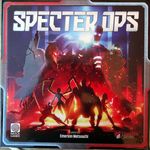
Spectre Ops you have Century you know the Golem Edition and spice Road Edition and then you have middle middle Gear Solid and you have volt you have all these different kinds of games and so one of the main things I'm really excited to hear about in just a minute is how in the world you come up with different mathematical models for totally different games you're talking about economics versus Combat versus hidden information all these different things you got going on but before we get into that let's get a good like frame for the conversation like a good working definition what is what exactly does it even mean when we're talking about math in board games okay so uh whenever you have a system and basically most games uh you know we can see them as a system of working mechanisms right so you have one mechanism so one mechanism would have certain knobs and dials that you can turn whether it be workers you place on a board whether it be dice that you are rolling or a a calculated Bluff that you're making to an opponent you know those are all kind of like different variables and those mechanisms really are the glue that holds those things together and allows the system uh to function by having one by changing one variable you're altering other variables within uh this the system and I know that sounds incredibly incredibly abstract and uh at some point during uh this podcast I hope we can come up with some like concrete examples for each of these different things what's the what what is a variable what is a mechanism what you know how do you define the system yeah absolutely we
will definitely get into the nitty-gritty of those things you know because I feel like this is something that's more important maybe than a lot of designers realized I know it's more important than I realized for a long time you know like I said in the intro I'm a ma I'm a not a math guy I'm an English guy I'm a word guy you know so anytime math came up in my games whether it was you know how much something was going to cost or you know the combat value for a a card I would just be like oh throw a two on it let's see what happens and then we'll play test it and you know maybe the the two Works maybe it needs to be a five maybe it needs to be a 100 I don't know but I I would just kind of throw numbers at stuff and then just see what worked and what didn't and it was a lot of trial and error but I know there have got to be better ways I know there are maybe some algorithms some spreadsheets some formulas that would probably help me in my designing and especially in my balancing of games and so I had to realize that and I'm still a long way off so I'm actually personally excited to pick your brain about how this stuff works just for my own design sake before we get into the nitty-gritty why is this important why should a designer be thinking about these things why why should math kind of be something that a designer really works hard to understand as far as their their game designs are concerned okay uh well part of it is that uh it does help you really get an understanding of how the game functions is if you could break down as many of the different aspects and different elements of the game play into numerical values uh because many of the hobby games that we play uh they they can uh they can have I should say the they're really composed of a lot of
different uh I call them scales like scaler values where they they range in value so for instance uh you know I'll use like say magic the Gathering as an example so you have like things like Mana cost right so that's one scalar variable you have like the creatures toughness and power so that's that's like another variable uh but then there's also going to be elements that are much much more difficult to really uh to to Really create a model around are those special abilities and things like that but you try to do the best that you can by trying to come up with some uh Baseline value uh and I'll give an example of what I call like a baseline value is let's say in a worker placement game uh so let's say every player has starts the game off with five workers so each worker gives you one action so now you can like kind of break it everything down into those actions as your most Atomic uh uh basic level in the game so it's the it's the smallest unit that you could break everything down uh and then once I find that Baseline and I've done this um with when I when I play test other player uh other designers games that I will try to break down okay what is the most Atomic unit that I can break everything down into as sort of like the basis for your your value formulas and what I be by value formulas is and I'll go back to the magic the Gathering example is that okay so you have this particular creature that has this power this toughness and
this this ability uh and the power and toughness you might be able to come up with a good formula that says okay well if it has a three toughness three power then the Mana cost should be around five or six you know you would come up with some formula based on like its Effectiveness against defeating your opponent then you add those special abilities and you say okay well this special ability uh in in most cases the expected value of the special ability will give you the equivalent of say like seven seven additional power which means that we need to ramp up the Mana cost by x amount so it's that it's sort of that Baseline value that you want to be able to break everything down into as the most granular uh metric that you can use and I'm sorry I I do this all the time I always like throw out jargon and um and a lot of very technical terms and I do apologize for that and I'll try to be conscious of it and try to like Define everything that I'm spinning out here so if there's any so Gabe if there's anything that I'm saying that doesn't make any sense to you please feel free to interrupt me and say hey what does that mean I'm not sure what you're saying and so forth oh yeah definitely and I'm writing I'm writing down all these words and phrases that I'm I'm thinking that people might not know what you're talking about even if ones that I do if if it's something I don't think that you know 100% of the listening audience is going to know I'm writing it down and we'll we'll definitely Circle back around to it but going back into the the why you know how has figuring out these different mathematical models and figuring out the math behind games how has it really sped up your process
or Has It sped up your process has it helped you in balancing games give me kind of the the more detailed look at how this has actually helped Emerson in his designing and really figuring out the math and how it all works together yeah well because of our current situation a lot of times I have to uh do a lot of Designing independently so I'm doing a lot of Designing sort of in a vacuum which is uh which is sort of like the antithesis of what you want to do with your games you generally want to get your games in front of people get play tests get feedback and things like that but what I've discovered is that um many times I can foresee certain problems happening because I could see it in the model itself where I see okay well I'm giving the players these powers and I see one power you know has the equivalent of seven actions while this particular power only has the equivalent of five actions and so I can what play testing has shown me is that um it's kind of rational or it's really given me the uh the the uh the results that I'm looking for in terms of okay well if I change this particular values I could see what's what what happens in the game so an example of something that's worth five versus something that's worth seven as the game goes I could see in their final scores okay this the expected result was that this player who uses this power is only going to get to this score while this player that used that power got to a score that was you know 20% higher than the other player uh so
I've been using a lot of math to kind of predict what's going to happen in the game um and the play test will then kind of validate what my predictions are and and I've done this uh a few several times to the point where like I feel fairly confident that I can do like I could validate most of the design uh and then bring it to a state where it is playable it's fairly balanced and then the real question that when I bring to when I bring my game to a play test group now is is it an actual enjoyable experience U and what I've discovered is that oftentimes I'll have a game that that works it's balanced the mechanics are sound but it may not be a fun game to play yeah that's definitely something to to be aware of we'll get into that in a minute and talking about math versus fun and you're making sure that ratio is what it needs to be to have a good game but it also seems like if you really understand the math for your game and how it all works together that you can really speed up your play test process because you might not have to play test quite as much because if you really figure out the math behind certain things then you'll just know I remember I had Darwin Castle on the show a while back and he designed Star Realms and he talked about at one point how he understood the math behind star real so well that it was very easy to come up with new cards and know basically how much they needed to cost in the game's economy and what they needed to do and and how much it cost to do this and that and the other because he just understood the math behind it so well to the point where you know he didn't have to create
a new card and then play test it a million times he could bring out a new card and then just play test it to make sure it was fun like you're saying because he understood the math and the cost how it all worked together so it does seem to make sense the more you understand the math the quicker your process can be have you found that to be true Yes actually uh uh quite a bit so when I first started designing you know uh I had to go through you know long periods of just trial and error because I wasn't familiar with how game Mechanics Work how they interact and how they can be kind of broken down into uh a logical model and so U as as I kind of grown as a designer and like we like I mentioned before the show that I feel like I'm kind of entering my sophomore stages of being a designer so now I feel like I'm getting a better grasp of how how the math and how the mechanism Ms relate to each other and how we can kind of break them down so that we can understand the values of different things the values of a workers uh spot the value of playing this card into your Tableau or the value of this creature that you put onto the battlefield and so forth yeah absolutely and I just want to say real quick if you're entering your sophomore phase that puts the rest of us or a lot of the rest of us in kindergarten and so goes from freshman to senior oh but anyway so let's talk about when that was a question that came in from the Facebook Community as far as like when do you really start thinking about this are you thinking about math from the very beginning like maybe even before you even start a design like do
you have kind of the math in mind for how a certain system will work or or is this something that kind of comes along in the middle of the end when should a person should a designer be thinking about the math oh okay well uh everyone has like a different entry point like a jumping off point in terms of creating like starting a new idea you know it's that creative flow uh and that's something that's probably very very individual to different designers but at some point in that initial process I think it is it is a good idea to just at least in the back of your mind think about okay well how is this going to how does the math work in this particular case now it may not be necessary you may want to just let the creative side of you just take over let the design you know design itself for a while let it just let it lead and you know a designer you follow to see where the design goes and then once you get to the point where you feel like okay there is some there's something here it has a hook it has the you know gen gen quality to it that you want to pursue it you want to you know uh iterate on it and you feel like it is a viable project and that's probably the time that you definitely need to then look at okay well how do we balance this uh how to how do we expand the design space for this uh and uh you how how can we uh validate most of the mechanisms that way when we actually bring it to a play test group we we already have like a checklist of
the things that we need we want to test uh rather than just testing just the basic mechanisms of whether they work or not whether they feel balanced or not you can validate a lot of that and then you can get you you'll be able to get more out of your play test uh sessions that way yeah and that makes a whole lot of sense all right so earlier you mentioned the word or the phrase baselines how do you come up with Baseline first of all what is a baseline when we're talking about game design and math and then how do you figure out what those baselines are do you have maybe some formulas some spreadsheets where you kind of plug the numbers in how do you do it personally okay well I I go through a process of just thinking okay what's the the most granular uh unit that I could break down a game into uh so I use the worker placement as sort of an example is that you have one worker is one action you know so uh one action gets you say two resources right so it's what it's what you can compare all the different opponents you can compare all the opponents to one common uh variable among them so and it could be it it could really be anything uh it could be the currency of the game that could be your Baseline okay what about like actions could it be like the number of actions you get on a turn and like how many things you can do with an action something like that yes exactly exactly then you can then you could see okay well this special ability will reduce the cost of something you know let's say for instance you know this ability reduces the cost of buildings by one resource right so and then uh let's say for instance uh you
have one worker can get you say two resources on average right so at the beginning of the game each of your re workers can get you two two of any kind of resource or whatever and you have but you have just received a special ability that gives you uh the ability to uh build a building for on less resource just as an example so you know that that's giving you a half an action uh benefit and if the game is say a set number of rounds so let's say if it's a 12 round game then it's giving you this uh essentially six actions if that player can if if building a building each round is something that they they do now let's say typically you only build seven buildings within the course of the game right then it's only say then it's values three and a half actions so you can see how you can start to like really do some valuations once you pick what your Baseline is going to be yeah absolutely and this will definitely help you when you're trying to figure out the balance of a game because you have a card that all of a sudden throws you know one player's average way off from the others and all of a sudden they're averaging two more resources a turn or something you know crazy like that that kind of messes up the economy of the game or the number of actions the players can take you know then you have to assess okay do I want this to happen uh or is this just part of the fun you know that players can exploit the game certain way and create these crazy Combos and do this but at least be intentional about it right right right and I I think that that's part of the fun of the game is that U you know the example that I gave it's so let's say you have an ability that allows you to pay one less resource for a for for
building a building in this is you know imaginary Euro game so it's but if let's say you have uh other abilities that allow you to build more than one building a turn or you could really leverage that so you get more value out of it right so then the value of that ability is really a very it's a it's a scale right so let's say a person goes for like a different strategy and only builds three buildings for the for the game they're not going to get as much value out of it so those so those abilities uh have a range of values it's not a set value uh and oftentimes you know games that have very very set values uh you can you can see the the math very clearly that everything everything seems to have a set value like if you if you do this you this ability gives you this two resources or this this ability gives you one resource for uh each round for the next three rounds right so that's a very very set value whereas I think the more interesting abilities are the ones that are variable like you don't know how much value you're going to get out of them because it's based on what actions that you're going to take in the game right because it seems like if you get too far down into the math of the game and you make it maybe too rigid that the game could maybe be solvable where a player goes into a game knowing okay I'm going to take this action on turn one this AC on turn two and they just almost have a script of what they're going to do and then the game almost kind of plays itself it seems like if the math maybe gets a little too rigid is is that true and is that something you really need to think about when you're maybe
dealing with the math Yes actually it's something I'm very cognizant about is that it the system needs to have sources of uncertainty and I think that's where some of the tension and excitement comes from the game is the unknown so you so let's say in a game you don't know how many buildings are going to be out and available to you right so that so that makes it an interesting decision okay well I I would like this special ability I have to pay for the special ability I want the special ability to give me a cost reduction for building buildings but I don't know if uh how many buildings I'll be able to build because John over here seems to be working on a building strategy too so you have player-driven uncertainty like that like what are the other players going to do and you'll also have uncertainty in terms of oh how many buildings are going to be out uh coming from this imaginary deck of of cards that you can buy maybe there's characters that you can buy or there are uh Viking ships that you can buy so it's not always just going to be buildings right so now it becomes it it it's it's becomes an interesting decision okay well I don't know how much value I'm going to get out of it but I but I'm going to try this particular strategy and see how it goes but if you make everything too transparent then and you could see exactly how many buildings you're going to have access to that your opponents won't be able to uh alter that then then you can essentially math it out like you said yeah and I've seen
some games you know apply some very interesting very fun very cool uh methods to avoid this kind of situation where they do create the uncertainty I know in in Gloom Haven you know you got the uh the enemy Decks that you have to reshuffle every so often like there's cards in there that you have to reshuffle everything back in there together and so you can't just count cards and go you know okay I know there's a one out of three chance of this that or the other like no there's going to be something that reshuffles those cards and so you you you can kind of get an idea you can count cards to a certain degree but not all the way so you can be certain but then there's a lot of uncertainty as well I know in Settlers of Katan they you know normally you roll the die and then the die determines the resources that come out during the game but you know a lot of people were bothered by how random that was cuz what if you know you never rolled an 11 and the whole game you never got a resource from that one 11 place that you had your your little Colony built or whatever and so they introduced a a deck of cards where you would draw cards and and you were guaranteed to get like two or three of a certain number uh as as you went throughout the game before you reshuffled so you could really could count the cards and you could know exactly you know what the odds were of you know resources coming out on on different spots and so I think think those are some cool ways what are some other ways that maybe you've seen or that you've applied in your own games to introduce some uncertainty so you can't just math out the game yeah so you have your typical like say rolling dice so dice as a resource uh so games such as like Sagrada use this to to great effect where you the dice pool is Is Random so the colors as well as the number of Pips on those dice is completely random but
it the randomness is given to you and then you have to then make your decisions based on that and your placement of those dice kind of dictate your strategy as to um what dice you're going to be selecting and then you also have the player uncertainty too like is Bob going to take that red number three that I really need uh and so forth should I plan around him taking that and so I think the um introducing that uncertainty either through a say deck of cards through uh dice rolls uh are your typical ways of introducing that level of uncertainty yeah and so is it right or correct to say that it's a little easier to add uncertainty with dice than it is a deck of cards just from the natural state of those components uh I wouldn't say that it's easier there they are different um so the main difference you I I'll I'll go into um what what I consider important aspects or the important differences between Dice and uh deck of cards is that um the deck of cards allows you a variable number imagine like a deck of cards if you treat it like a dice it's a dice with an you you define how many faces it has right but the one important thing is that if a card is out of the deck it cannot that dice cannot roll to that side so and I wanted to um kind of frame it like that to illustrate how dice are different so when you roll a dice you the same face can come up many many many times right so dice are have a much have
a I'm not sure what a good term is but they are indefinitely random no that's that's not an accurate term but I hope I'm conveying the correct sentiment that you know when you roll the dice the the previous results of the dice don't affect its future results is what I'm what I'm trying to emphasize whereas with the deck of cards as you're drawing the cards you're altering the probability of what you'll draw next based on what's already been drawn so it depends those they're basically two different tools that a designer can use and it depends on what uh what they're trying to achieve in terms of what what kind of uncertainty they want to introduce into their game okay yeah that makes a whole lot of sense all right so earlier you mentioned the phrase mathematical models what exactly is that in more layman's terms and then how does that apply in figuring out you know a game design balance what what like what do you use mathematical models for and what are some like interesting things that that maybe most designers don't even realize they they could be doing with these models okay uh I I call it a mathematical model but it may be a misnomer uh it's what I what's what I refer to when when I start to design a game I break it down into okay what are the actions that the players can do how can the players affect the game as a system so if you think of and this is probably going back to sort of my uh programming background is I'm looking at it as a system and I'm looking at how the players are interfacing with that system what knobs can they turn what what can they do to influence the game so like an example would be okay well
they can take a card as one of their actions and when they do take that card then it Alters what's what is the um the selection that the other their opponents have right so that's that's one way to see them influence in the system uh the other way is that they gain resources from say like a limited pool right so that then removes certain uh resources from the system that other players no longer have access to uh so I try to look at everything as a system so may be a better uh name to call it just a a game system rather than a math model because I'm looking at it more as a a system as I did when I looked at say software but underpinning all that is is sort of like a math where I say okay well this is uh this particular action has this much of a value or each these resources have a ver a specific mathematical value to them uh with Cent spice Road uh it is is it it's a very very transparent in terms of its values because we show that there's a graduated scale of values uh for the different resources and those resources will give you a set number of victory points when you uh redeem them for victory point card so the the values are very very transparent um in in other games the the values can be a little bit more opaque in terms of like you don't know exactly
how many victory points you're going to get from something because it could be based on other things so for instance something that will give you victory points for each red building that you have and I I know I keep going back to buildings but I I tend to I tend to like Euro games with buildings uh but that's also one where you you uh take a look at well how many red buildings are there so what is the likelihood of a player that's going for the strategy uh how many red buildings could they uh achieve so what is the where is the the likelihood of them getting say five buildings versus some something like eight and so forth like so you try to come up uh with sort of like your best math your best estimates for these particular values and then based on that then you could say okay well if this is my expected value for for how many red buildings a player can get then I know okay well I can value it at say five victory points per red building uh based on the values of these other cards that I have so and this is where the sort of the Baseline comes in so I say okay well every Victory point card should give close to the value of say 15 victory points and I'm just throwing a random number out there uh and I picked that a sort of my Bas line and I want all the the cards to have uh their their their median value hit around that that Mark so when I when I create this system I'm always creating it well because I'm no longer using uh
uh programming language now I'm just using numbers in my in my system when I'm trying to define the gameplay model for the game that I'm designing and that's why I've been calling it a mathematical model but I think it's probably better to call it a system okay cool and so tell me how a system like give me the the difference between like a system and a mechanism are those kinds of the same thing or how are you looking at those two different things oh okay I I think of a system as a as a collect mechanisms that are coupled together in some way okay yeah that makes a lot of sense all right let's talk about your spreadsheets tell me about like what you use for your games to figure out the math tell me about any formulas or algorithms or anything tell me about what what you personally have going on in your design process where you just got all these sales and and blanks and numbers and all that stuff going on tell me about that okay so right now I'm working on a city building game and I have the spreadsheet in front of me and I should probably send you a screenshot of this but it's a it it looks like a mess of numbers and uh and line items and things like that uh but what what I use spreadsheets mostly for is to just kind of like aggregate values so there's a lot of aggregation of values uh and and I do most of it's just really really simple math so I'm summing up you know columns to see okay well I have so many say residential buildings I have so many commercial buildings uh but let's say if I have say 20 commercial buildings and I have say 40 residential buildings if I
create a victory point card that gives one one Victory point for every commercial building and another car that gives one point for every Residential Building those quite aren't in line unless there's some other cost involved with acquiring those cards so that's where the spreadsheets really help me is that okay well I see that you know I'm looking on the column over here and I see well I have 53 population buildings and I have four 54 commercial buildings 49 industrial building and and so forth so now I can kind of understand okay well what is what is the probability of these buildings coming out to be acquired by the players and so if I have more of one type of a building I have to make some adjustments here and there and this is where I use a the spreadsheets quite quite a bit and this is uh a lot of the work that I'm doing now is work that I'm doing before I actually bring it to the play testers so there's a there's balancing that I can do beforehand now that being said I'm not sure if that is the best way this is is something that I've been experimenting recently uh say since around uh February or March I'm trying to see well how much of the um the design can I do uh working as as if I'm working with a piece of software uh how much can I do just um developing it in sort of a vacuum uh and see how does it affect the the end product how does what kind of a game comes out of this process so it's not something that I'm going to like recommend to your audience that that are looking to design games to go this step
and just start U making games in a spreadsheet that that may not be the the right thing to do but it is something I'm experimenting with I am seeing that there is some value to it it's it's hard for me to uh really Define exactly where those value points are why why does it make sense to do this why is would you recommend it and what elements of this whole process would would I say you know that you should avoid and so forth so I haven't gone down this path enough I haven't treaded uh this enough to be able to give those kind of U recommendations yet so but it's just something I want to mention that I'm doing right but I assume it's it's easier or better to have everything in front of you you can look and you can see the different numbers you can see everything at a glance you can say okay the red buildings here's the numbers here's the blue buildings here's the numbers here's the victory points you can kind of see the whole whole thing at once and maybe it's a little easier to wrap your your arms around the project as a whole and I feel like that's that's super valuable just to have the whole thing right there in front of you and then you can tweak things maybe a little bit easier and you know if you can see all the numbers at the same time it's like okay let me change red a little bit let me drop down yellow a little bit okay let's see what that does all right all right now I'm ready for my next play test and you don't have to ponder on it you can actually see it all right there you know at your fingertips yeah it does it it does um it is very helpful to say let's say if you have something that had that costs different kinds of resources you kind of want to see okay well what is the just the average cost of say this blue resource or how much uh let's say if you have like different building
materials as well as money as a as a resource to to build something well what percentage of or what's the average cost uh in money for all of the buildings and it helps to to sort of see these aggregate information uh that being said though it it may lead designers down a wrong path or you know uh because I've caught myself doing this I've made like uh wrong assumptions so I've actually created a design that that I thought was mathematically sound but there was a problem with my formula to begin with OR my whole understanding of the relationship between these numbers and in the first play test I saw oh there's something I didn't account for okay gotcha and so tell me a little bit more about your spreadsheets like how are they broken down tell me the the categories or like the columns the you know how everything is set up give me just kind of the the vi like paint me a picture of what your spread sheets look like on the screen okay I do have a couple of them now there's u in terms of the structure there's very little that's that's common between them just because the designs themselves are also so quite different I'm I have one with a city building game in which I'm breaking down uh all the different types of buildings uh I'm breaking down their costs their um their expected values uh in terms of like what they provide uh for the players in terms ter of say future resources or discounts or abilities and I have to break down
those abilities as to okay well what is the resource uh equivalent of those abilities because I'm using cost as sort of my Baseline for that and I have right now I have three different tiers of buildings so the buildings get more expensive but give you greater benefit so they're all they're in a tiered system and I have different tabs that uh that break it down by so I have one that breaks it down by building type I have another one uh that's one breaks it down by the cost because I want to see um so things that sort of cost a certain resource how many of those buildings are there so I break it down by resource uh because I was trying to make it thematic as well and sometimes things that are thematic aren't quite always balanced so I have to find I sort of have to find the excuse upon the balance point between those two uh and then finally I have a big sheet which uh itemizes uh everything so that I know what I need to put into to create the Prototype that's one and then I'll I'll just just as another one I started using Google Docs so I'm actually opening up Google Docs now or Google Sheets I should say so I have another one that which is a civilization building game and I've been uh I've been actually migrating my spreadsheets from Excel to Google Sheets just so I can access on different
devices and this one uh the tabs I have on the bottom so for this one I have uh in the civilization game you can encounter other civilizations so I call them neutral civilizations and they have a whole different set of properties so I have one tab specifically for that I have another tab for uh the technology tree for it uh I have another tab which is the um the geography tiles like what is the distribution of different types of terrain uh and what resources are accessible from those terrains so I have another sheet for that so I have everything in sheets but they're they're very very different from Project to project so I organize it based on what I think makes the most sense for that particular design okay that makes a lot of sense now earlier you talked a little bit about variables and how you know variables can come into play and mess with the math a little bit here and there so tell me about what some of those variables could be and then how do you account for them in the math like in the spreadsheet in the you know what's going on with the game okay so like for instance resources is like one variable like how much something costs so each V each resource has to have some kind of intrinsic value to them it's uh that players can use to gain some kind of advantage in the in the system in the game so uh so that is the in a lot of your games that's probably that's probably the most used uh metric or that variable
that I use is how much does something cost in terms of resources and you can tie that back to okay well what is the player's ability to get those resources and then you can break that down either by action like you can uh break everything down in terms of uh action costs so or the value of an action so let's say for instance this special ability is worth five actions uh you can break it down that way or you could say well this is this building gives you equivalent of say five resources and each action gets you two resources uh and so for so those are the variables I was uh mentioning is you have you have actions you have resources you have costs U and also any limitations too for instance If You Can Only Hold five Bild buildings right so that's that's another variable that you have to consider okay well the player that gets a building that allows them to expand their limit right now has a different uh upper limit for their variable of how many buildings that they can have so I try to I try to just treat each one of these things as a variable okay yeah that makes a whole lot of sense all right let's um let's switch gears just a little bit let's talk about software like that that you use do you have any any tips on like figuring out the math the probability ilities you know do you have tables do you have any do you have a calculator like do you have anything that you use Beyond you know spreadsheets that kind of help you figuring out the math behind you know a deck of cards or rolling of
dice or maybe you're rolling you know if I roll 10 D6 what are my odds or things like that any recommendations for oh okay I don't have anything in terms of the software but there there's something that I did uh several months back towards the beginning of the year is that I actually went back and I tried to uh relearn math because I did realize that like my formula that I was using for say permutations of say dice values or combinations of cards like how many different hands of cards uh can you get so I realized that you know I think that my my understanding of is a little bit off U or my math was a little bit a little bit off so I actually went back and I actually um learned the math for permutations and combinate combinations again so uh so I just went on the internet and I found some sites where I could kind of relearn this and in the process I was also uh relearning like integral math because I I was terrible at calculus so as much as you say I'm a math guy my here's my confessions that I was not really um super great at math uh I was good at math before calculus I think calculus ended up being my Achilles heel so I actually went back and I struggled with like uh integral calculus in high school uh so I actually went back and I tried to relearn it as well and I I saw what my particular issue was that it was hard for me to visualize a lot of the uh a lot of the concepts in in
calculus so so but going back trying to relearn it I found that I guess you as you get older you start to uh uh be a little bit more conducive to like different concepts different ideas than when you were in high school so I had a little bit better uh better understanding of calculus now I think uh although I'm still not I'm still not a math expert but I know enough to come up with close to the right answers sometimes yeah and that's really cool that you just literally went back and figured it out and learned it now how did that affect your game designing how did that impact the actual you know working on games and like tell me how calculus you came into your design process actually I've I'm this is funny I'm actually trying to find an application for calculus in a game but I haven't found it yet but what I did find is that going back just learning about just the more algebra related um math uh like for instance the comb like I said the combinations permutations those I use all the time when it when it comes to game design so I think that is really really important to just nail down how what the difference between them is and how to calculate them so for instance your example of okay well if I roll 10 dice what is the odds of getting all ones on all 10 dice right so that that's a really simple U example but let's say okay what is the probability of getting at least three
dice that are odd so then it starts becoming a little bit more tricky and I I think that being able to do to um write the formulas to be able to calculate that probability is important because in games you do have the situations where okay well three Sid sides have uh have axes right two sides have Shields and one side is blank so what are the odds that a player is going to roll five dice and get three axes on his results and you know those things really do come up a lot in game so so learning just going back if if anything I think that's really really important for game designers just just uh just nail down uh permutation combinations all the all the math related to probability so I think that's probably by far in the way the most important or at least what I found is that I'm using that math more than anything else and I think the the second most is that if you do a lot of like let's say war games uh so the things that have like uh movement or you're working moving on a grid and things like that uh I've I've done I've used a little bit of like the geometry that I was uh kind of helping my son he's you he's doing he's in seventh grade now so I'm helping them with geometry and I'm finding oh I'm using a lot of that geometry knowledge as well so but other than that like so far I haven't found an actual application of Calculus math in in game design yet well I think that would get into the what we'll talk about in a minute with the whole math to fun ratio if you can figure out how to make calculus fun I think you'll be a billionaire but uh but
the other stuff you're talking about makes a whole lot of sense now would it would it ever make sense to give players like a reference card with the probabilities like the tables of probabilities if you are rolling a bunch of dice and would it ever be conducive to give that that kind of thing to them or should you always kind of keep the math hidden to them in certain ways oh well I mean I think there's a case for both sides so certain certain games you do want the players to know the probabilities because it's part of the fun is to know your your odds and some you know the say the push your look game sometimes it's good to know your odds and then you know knowing that you only have a one in three chance do you push your luck right what do you have to you know you're weighing what you're what you're losing based on what you're gaining so I think in some games it makes sense to to show it u in other games I think it's you there's an argument to be made that you want to hide as much of the math as you can especially if in the case of a game that's very very thematic uh you want them to get immersed into the the story The Narrative uh the World building not necessarily all the statistics of rolling the dice for your attribute chicks and things like that definitely okay so before we started recording we were talking about the kinds of people who are who seem to be drawn towards this kind of thing and it's programmers it's you know people in Academia that are kind of more math oriented and maybe they're professors and things like that but it's also psychologists like there's a lot of people in in the realm of psychology that are game designers that also just get lost in the math of things so why do
you think that is like how do how do all these things kind of come together to be interconnected yeah I mean that's a really really good question I think games are a really really interesting medium and that it is a uh a blend of not just not just math but there's logic uh there's and there's a good dose of psychology in there uh so there are two designers that that I respect a lot and I know that they are um I believe that they're both psychology professors uh sen Lim and Dr F Sten and uh and I think that knowing how uh the mind works and how uh people perceive games and what is their their psychological U payout that they're getting from from this I think that's really important and that's sort of like the the piece that I would like to understand more about too is that what is it that kind of drives people so the other part of the model that I'm also trying to educate myself on is the incentive model like what is incentivizing players and that's sort of like this the psychology aspect of it it's like okay well why do players want to do this why do players want to play the game in the first place what is engaging about it right so there like for instance SE collection is a very very um very popular mechanic and I think that there is some psychological rationale behind that we like to there's sort of like an inner collector within us all that likes to see like a set of something we like to complete a collection and so forth so that that
there's a strong influence of those type of uh psychological satisfactions that really Drive uh the enjoyment of the game and that's something that you can't you won't be able to see in a spreadsheet right yeah that's a really good point and it's interesting like once you start diving into human psychology you know one thing we've learned about the brain is that it's an amazing machine for finishing patterns and the higher your IQ the the more intricate patterns you can figure out and complete and and keep going and whether you're talking about math and and you know if you see something on on a page and it says 2 plus two like psychological you want to finish that you want to write down four and you want to finish the pattern you want to finish out that equation or if you hear someone go somebody has to go dun dun and I do that in my classroom all the time when we're talking about psychology and different things as far as you know when you're writing and and getting into the psychology of of the characters and things like that is like create patterns for the reader to finish and do these different things and you think about that in terms of of your characters but also in terms of game design what does it look like to use math or to use all sorts of different things to create patterns that then players want to finish because that creates a natural incentive to get them to go do it you don't have to just say you know I promise you candy if you go do this like it just creates a normal natural thing for the brain to to want to move towards and so you know how can you use math how can you use patterns in your game design it's just a really interesting much deeper than you know picking some cards picking some numbers throwing it out
there and seeing what work what works it's it's a lot more interesting kind of path to dive into once you really get into the the back of game design the psychology of game design it's really interesting that you brought up music too um I had a pediatrician who uh this he was a very very good pediatrician uh that that had told me you know you should play classical music to your children and his rationale was that that the that music is actually mathematical so if you really break down music you realize that it is uh there's a lot of math Behind the Music and helps to develop the brain uh to be able to I guess compute uh values but using sound so it helps to develop that part of the brain and I thought that was incredibly fascinating and you know it's absolutely true that there's there's a whole underpinning of math underneath the music like all the sounds all the frequencies are based on math the SE the the steps of the frequency and which ones are harmonic which ones are I forgot the term but the notes that don't sound right together you know there's there's all this math behind it and then when I did when I thought about it even more I thought okay well music is considered sort of one of the Arts what about other things and when I look at Art I do see that you know there's there's quite a bit of math if you I mean it might be a
bit of a stretch but you know a lot of paintings and drawings and renderings are how how you know our the human eye perceives light and how colors and light and Shadow blend together and that's what that's what we see that's how our eyes interpret it but they're all just signals and this is the way like say a computer can generate an image it's it's all it's all numbers uh there was a math comedian that did this in uh this really really interesting um presentation where he showed that an image is really just just a a three bars of red blue and green and you can he actually created an image using a Google spreadsheet but he just made the cells so tiny with different values of red blue and green that he but he made a complete picture because he he zoomed out his spreadsheet to the point where you then saw the picture it was absolutely fascinating yeah well first of all the phrase math comedian doesn't come up very often and so that's super interesting just to even have that come up is that somebody could use math and then in comedy and again we're going to get to math to fun ratio in just a minute but going back to the whole music thing you know what really separates music from noise is rhythm it's timing it's patterns and like you were saying and and so I think the same thing can be applied to game design you know if your game feels too chaotic well the math is probably a little bit messed up there's probably a little bit too much Randomness there's a little bit too much going on that doesn't fit into Rhythm or
fit into patterns or fit into a good timing for things and something just to be aware of now maybe you want a super chaotic game that feels kind of noisy and that's totally fine if that's what you're going after but if you don't want that then you need to really think through the math and the patterns and The rhythms of different things and when they happen and how long a round takes and how many steps are in the round and the math behind the different resource collection all that different those different things just uh just be aware of those things if you're really trying to make a great game that's another really really great point is that uh there are certain games when you play them you feel like oh well this is a very elegant design and you know um going back to uh software I know that this is uh something that you don't usually think of when it comes to like say writing code but I've had co-workers we look at each other to code and says wow that's really elegant code now we couldn't quite pinpoint why we called things elegant right why are we using a sort of a term that you would would use to describe uh say like a Performing Arts you know something or say uh a dress or something something visual but we're using it for something that's very very pragmatic and formulaic right like like programming code uh but but it's sort of that sense that you get like everything when you listen to music you you listen and it it sounds right and I think in the same way we see we can see uh a game when you when you play it you see that everything fits in uh there's
nothing that that sticks out and we feel we get that sense that some there's An Elegant there's an Elegance to the design and we can't quite quite pinpoint it and there's some parallels between what we did in in software as in game design is that you know we are trying to achieve that Elegance by uh coming up with a A system that is that is it it works with the fewest number of Parts where nothing is extraneous and I think musical pieces are this the same way too is that you're you're trying to convey the The Melodies and the Symphonies with the fewest um external noises like you don't want anything noisy to be on top of that I'm not a musician so I'm not sure if these analogies make any sense or if they're even valid oh and by the way it wasn't math commun it was standup math that's standup math okay I don't know if that's any better but uh I I really enjoy his uh his um videos yeah I have to check it out all right so let's move uh on to a little bit different topic let's talk about balance especially when it comes you know into like if you have asymmetrical factions or you got a lot of different variable abilities that players have access to how do you use math to balance things especially when they're kind of naturally not say out of balance but they're naturally different because the way the game you know works because you have you do have different uh teams or different factions different abilities different things going on how in the world do you use math to make it all
work together so that everybody has a fair shot yeah this is a case where coming up with that Baseline is uh is very very important is that okay well in order to balance everything it needs to have something common to be able to balance from right so having a baseline uh so you can have all these different tractions with different abilities and different ways that they interface with the system but let's say if the game is based on uh victory points so in fact you can you could abstract any kind of Victory condition into victory points and vice versa but uh let's say that it's based on say victory points so in order for each faction to be balanced is that they they have different ways of getting to these victory points but their rate at which that they gain the victory points uh or their their ability to get the number of victory points in order to win should be roughly the same as all of the other factions but you can vary how they achieve that same goal so it so either you start with a Baseline and you know you you know what the the uh the smallest unit in your system is going to be and you base all of the actions on that so you can you know how roughly what the value of all these different actions are for a particular faction or you take it from the other side and you say well okay well the here are the victory conditions and we want them to be able to all achieve it within roughly the same let's say the same number of rounds right so that it's
going to be a tight race and it's going to be a balanced race between all these different factions because most of almost all the factions can get to a wind condition say by the 10th round right or the expected value of them being able to reach a victory condition is round 10 Rounds gotcha another thing I've seen I know eldrich horror does this where each character has the same number of total ability points but then they're broken down into the different abilities in totally different ways right and so the the number you have five abilities but then you have 13 points so every character has 13 points but then you know some characters have a four here and some characters have a three and some characters have a one and some characters have a zero and so it makes the the characters totally different as far as the numbers in each individual uh ability but total they're all the same they all have access to 13 at the beginning and so I think that's another thing you can do with the math and just say okay here's the common number here's the commonality like you were saying earlier here's 13 but then we're going to break it down totally different and then that kind of creates in a Natural Balance to to the game yeah but I would also say that they could have gone a little bit farther and give some uh some of the characters uh less than 13 attribute points let's say their you know their strength and Agility and their will is added too but they have a really really cool special ability right so I think that you know uh if you're if you're making all the characters have the same number of attribute points that means that you also have to make their
special abilities roughly the same across all the characters too so that's a really good point as a designer I would use this as an opportunity to vary the number of attribute points on the characters to then uh have more flexibility and More Design space and this is one I talked about before earlier in the the episode where I said something about design space this allows you to expand the design space so you can actually do more creative things with the abilities knowing that you have other ways to rebalance those characters yeah that's a really good point I've got a game I'm working on right now that has a lot of robots in it and and that's the same kind of thing I'm doing so you have a normal pool of X number of ability points but then you know some of these robots have really powerful abilities and so they'll have really low health and then some of them might not have as good abilities but they'll have really high defense and so trying to find ways to balance things out that aren't just you know specifically ability Point number total kind of thing but also finding other ways to uh to make it all work together together because iess I guess at the end of the day if the math is completely totally balanced that's fine but is the game fun and does it feel balanced because you know you could have per perfectly balanced math but players play it and go this game's totally unbalanced because they don't even they don't see the numbers behind everything and as a designer got to be super frustrating for like no everything is 2 plus two equals four everything is the same uh but it's how it feels so let's talk about that tell me about the fun to math ratio and and what have you found that that works have you found that you know you don't have to have perfectly balanced numbers
that maybe perfectly balanced numbers actually leads to less fun tell me about that oh yeah I mean as designers I don't think we should go after Perfect Balance uh but what we should strive for and um and this is sort of like my own personal definition is that a game doesn't need to be mathematically balanced the game just just needs to feel fair for all players and I think that's way more important so this is one of those cases where the perception is more important than the reality so as an example is with Spectre Ops uh it's not it's not actually a 5050 between the uh there's two asymmetric sides where you have one person who's hidden and then you have a team who's trying to hunt them uh and normally you think that okay well as a designer you should make the the uh the balance of the game 50/50 for both for either side to to win but I've actually skewed it toward one side because one side is much more desired uh role than the others right so by doing so like I I actually shifted the balance a little bit because then it feels more psychologically fair if that makes yeah that makes makes a lot of sense all right anything else from any of your games that you've worked on that kind of stands out as something maybe through the design process the play testing process that the math kind of really came out and you're like oh okay here's how I can tweak some things here I here here's a place where I can change some numbers you know anything like that in your own personal design uh something that I'd want to go back to you mean
just yeah just in general anything from uh one of your games that you're like oh here's a cool place where math was really interesting for how the game was created okay I I think the most um obvious example of where I use math was with Century spice road because that one the it's it's very very transparent in terms of the the values uh the interesting part of the game is the is the uncertainty element right so what cards that you get during the course of the game game is it's going to change from game to game and what hand of cards you're going to get is going to change from game to game therefore you know what combinations you have access to is is going to be different I think that's where the the fun of the game is is that it's a different puzzle each time even though everything else is is transparent okay cool um one quick questions came in from from the Facebook Community tell me about score tracks and like keeping track of the actual numbers in a game the actual score especially if a game has you know really high score you know 100 plus points I've seen some games that go even higher than that and players are really having to think through and maybe doing a lot of adding and subtracting and and anything youve found as far as like what is too much like what's too much of a cognitive load for players to deal with as far as the numbers like is a thousand too much like should should you should a designer find a way to turn that into a 100 and kind of scale things back a little bit and then also as far as like Victory Point tracks or or life trackers and keeping track of the numbers tell me just your your opinion your thoughts on those Concepts right right so I've uh I've had I critiqued um other designers designs
where they had uh very very high scores and uh one of my one of my comments was well I could divide everything by you could divide all of your numbers by a common factor so you because everything was done in say like threes right so everything's was in multiples of Threes I so well wouldn't it just make sense to uh just divide everything by three and and the the point I was trying to get across is that you want to use the the smallest number that you can to achieve the level of granularity that you need in the game so if you because smaller numbers tend to be more easy to digest more easy to calculate in your head so there some people do have the argument that it's easier to count by fives than it is to count by ones um so if you're if you're a proponent of that that's that's totally fine uh but just make sure that you use the most digestible numbers that you can but still achieve the level of granularity that you want you don't want to uh break down everything to such small numbers that you start to have um start to have like rounding issues in your balance right so if you know U if you all of a sudden take a game that where you know one card cost seven the other card costs you know 22 do you you don't necessarily want to turn one of them into uh one VP the other one 3vp because you're you may lose some of that granularity that you need right that makes a lot of sense all
right let's switch gears a little bit as we kind of close things out tell me about some of the games you're working on now is maybe some of the games that are coming out soon you know they're in the pipeline as far as the manufacturing goes they're kind of fresh on your mind tell me how the math came into play with some of these games I know I think it's foundations of Rome that is coming out pretty soon you got middle middle Gear Solid you got some really cool games and so tell about the math in those okay sure so with foundations of Rome it's a city building game and uh the math was fairly straightforward because uh it is very very symmetric so all the players have access to uh at least the base game all the players have access to the same set of buildings so so all the players have the same uh potential uh at the at the start so there's nothing that differentiates each of the the players it's as the game goes so the so the uncertainty factor in this game is the the lots that you have available uh so yeah let me take a step back and explain the game a little bit so in this game each player is building uh out a uh a communal building so it's not each player building their own City that all the players are building one city the city of Rome and so you are putting your buildings next to your opponent's buildings uh the interesting uh uh element of the game is that you get benefits from your buildings get benefits from the building that are adjacent to it but they don't need to be your buildings so you do want to take advantage of the buildings that your opponents have built so uh in order to
place your buildings you need to be able to acquire the rights to be able to build on a particular spot and that's where the sort of the auction comes so you can get what we call lots and once you have a lot you can then build your buildings on them and so the the uncertainty is that that that deck of lot cards is shuffled and is in a we call it the river where uh the cost of the leftmost card is is the lowest and the rightmost card the one that's closest to the deck is the most expensive and that's one way that we kind of uh reduce the luck of the draw as let say like a new card comes out it is the most expensive and there's also the level of uncertainty that the the opponents you not quite sure what they can do so it's it's also a game that is fairly transparent in that you can see what everyone else has there's nothing that's really really hidden in the game although we do have lots of stretch goals for hidden goals and things like that but just the base game it's a so like Sentry Spicer it's very very transparent and the uh the replayability from the game comes with the uh the order in which the Lots come out presents a different puzzle along this is probably the game that has much more interaction with the other players uh is that you're building a commun of uh one city so the actions that your opponents take is going to impact your decisions as well uh but
from a mathematical standpoint it was actually quite uh fairly simple in that there are three different ways of scoring or three different types of buildings that scored in three different ways but because it was all uh fairly symmetrical among their players they all have access they all have their own pool of buildings that they could choose from uh all I really needed to do was to to balance the three different types of buildings so that each one uh is uh is interesting so each building can provide the same amount of potential as the other buildings if that makes sense yeah definitely all right and so Switching gears to a seemingly very different game Metal Gear Solid tell me about the math and how it all played out in that one okay so B gear Sol is a really really interesting one from that perspective because it's based on dice uh and I think in in a way a lot of people have dubbed me more of a Euro gamer but I think I I tend to gravitate towards like amerit TR or more thematic Style style games uh because I I feel like that U that the there's a bit of more of an emerging Factor uh and so in this particular case we do want to hide the math as much as as much as we can we want to adhere as much to the theme as possible so in in that way we so a lot of the math was really about the probability of the dice that you're rolling uh we wanted to the probabilities to be fair and it to be under or give the players enough options
for mitigating uh the dice or to adjust those dice so then the interesting decision becomes okay when do I use my special abilities to alter these dice do I do them now or do I do them at a at a different point where it could be more consequential uh and so the the math under that uh I guess the other part of the math under that was to um not so much math but it was more just understanding the system of how the guards move so the math in that was really all about the probability the system on the other hand was really about how the guards move and what what is sort of like the procedure so this is where more a little bit more programming comes into place okay well there is an there is an AI and I'm putting you can't see the air qus that I'm putting out there for AI uh but it is just a system by which the players can follow and give the illusion that the the patrol has some sense of intelligence in terms of what they do so a lot of the emphasis was was built into that system itself very cool Emerson man this has been this has been awesome uh super informative do you have any closing thoughts anything you want to leave listeners with especially if they're they're sitting there maybe their brain hurts a little bit from trying to comprehend all these math you know things that are going on what would you tell somebody trying to figure out the math behind their game oh okay well first uh is like like I mentioned before it's just uh understanding combinations
uh just probability mechanics it really helps for all the games because all most modern Hobby Games have uncertain elements of uncertainty and you just need to know how how to model that uncertainty to understand that level of uncertainty so that that you can deal with it in your design so I think that's really really important uh the other thing is that um you know the listeners that are out there that are you know that would like to design or they're already designers and they're just looking for uh maybe tips on on this is take everything I say with sort of a grain of salt in that I'm also exploring this myself too so like I said I feel like I'm getting into my sophomore year in this in this game design University and and I'm still learning the ins and outs of this uh I feel like I've gotten a a good handle like I've I've kind of found my stride in a way but I'm not sure what is the best way uh to present this as sort of a a method a a system a process yet so it's it's an area that I'm still exploring awesome well Emerson really appreciate your time really appreciate you coming on the show Good luck with the all the games I know you have in development the really cool ones that are coming out soon and good luck with everything else you got going on right now yes thank you you too
Gab