Beyond Solitaire Podcast 206: Suzanne Sheldon on Restoration Games
Games in This Video
6 games are featured in this video — they unlock as you watch.



Transcript
It's ad break time. I am proud to announce that the Beyond Solitire podcast is sponsored by Central Michigan University's Center for Learning through Games and Simulations. On October 1st, they will be launching a new series called Art and System, which will be headed up by Tim Hutchings. The goal of the series is to showcase indie games and to push the boundaries of gaming. The first games to go to crowdfunding will be a revised edition of Liam Burke's Dog Eat Dog and Anthropy's Princess with a Cursed Sword and Timothy Kleiner's The Mountain Witch. This is a fantastic initiative that I'm personally excited to support. Also, if you want to help me keep the lights on over here on the podcast, you can support me at patreon.com/byondsolitire. For now, though, let's get on with the show. Hey gamers, this is Liz Davis from Beyond Solitire. This week in the pot, I have a very special guest. This is Suzanne Sheldon. She's master of fireworks at Restoration Games. I don't know what that means. So, we're going to find out right now. What is a master of fireworks?
Well, duh. Uh, so master of fireworks, I'm essentially the head of marketing for Restoration Games. I'm there to make sure that the sparks are flying and that the sparkles are in the air and that people notice our stuff. And so, I am theoretically a master of that. But at Restoration Games, I for a variety of reasons. I mean, we work we make board games. We're we're not doctors. We're not lawyers, as you know, Justin D. Jacobson, the founder, used to be. So, I think we kind of went with fun job titles. So, Justin, who's the owner and founder, he's the board game Necromancer, which, you know, ties to our thing. We have like production superhero is Lindsay, Chaos Wrangler, Meeple Mover, uh, E Epic Level Excelman is one of our game designers because he's an Excel master. So, you know, things like that. So, we have some fun with our job titles. So, Master Fireworks, aka marketing.
That's awesome. That's awesome. Um, so, um, I wanted to talk about board game necromancy a bit. Yeah.
This episode. Um, so first though, for people who don't know who you are, um, you have a whole past as a podcaster and a present as a podcaster. Um, and you have been on the game scene for a long time. How long have you been at Restoration?
I was just thinking about it's bananas. So, I side gigged for a while. I have this whole career before I got into board games. And so, I but with my side gigging, I've been with Restoration since 2017,
which is like Yeah, it's like eight years, which is mind-blowing to me. Even when I say that, I'm like, that can't be true. But, you know, time what what meaning? So, yeah, I've been there for a while now.
How old was the company at the time that you came on board?
Just a year old. It was very young even when I joined it. They had just finished they'd finished their first Kickstarter campaign and Justin had originally approached me uh before they had really gotten into it. But at that time I didn't know who Justin was. I didn't know who Restoration Games was. Just this random dude approaching me at Gamma being like, "Hey, I heard you know about marketing. I'm gonna start a board game publisher." And uh I was a little like, oh, I have a lucrative career, 20-y year career in advertising, or I could just take a job offer from this random dude at Gamma. So, yeah, it took me a little while to warm up to it, but obviously now I'm I'm in it.
You know, sometimes you just got to take the risk,
as you well know, right? That's that's the thing. It's it's I've never regretted it. There are definitely compromises and trade-offs by making that kind of switch, but for me personally, it's been worth it.
Yeah. I often say, and I mean it, even though it's probably going to become like an old person platitude one of these days, is that it was as important for me to take the risk for my own satisfaction as it was to be the sort of person who would I've thought about that. I am extremely riskaverse. So, yeah, making that leap, taking, you know, Yeah. Oh, that was I never huh, I'm going to think about that. I like that perspective, Liz.
Okay, so when uh people think about restoration games, um I think they think about Unmatched a lot, but um what does it mean to restore a game and what are some projects that people might have seen past and present from y'all?
Great. So restoring a game is our our tagline is we think that every game deserves another turn. So, Restoration Games specializes in taking older games from the ' 60s, '7s, 80s, and 90s and restoring them. We don't do reprints, we do restorations to bring games back to life for modern audiences. And obviously, there's a huge very direct nostalgia element to that. unabashedly. We we play on nostalgia, which just like gimmicks, gimmick to me is not inherently a negative thing. It It's only bad when it's a bad gimmick, but gimmicks can be good. And I think about the Wii, the Nintendo Wii, every everybody thought these controllers, these motion controllers were going to be a gimmick, and they ended up being amazing. So, they were a rad gimmick, right? And I think that nostalgia is similarly playing on that. It's only bad when it's bad, but when you can do it well, it's great. And one of the things that we focus on when we restore a game is what made that game so special originally. What did people love about it? And keeping in mind that people's memories of games they played 30 years ago when they were a kid might not be as sharp as they were feel they were. So, we really work to identify the heart of a game when we're restoring it. And one of our main things is we never want to make a game that's less than what it was. And we always want to maintain the
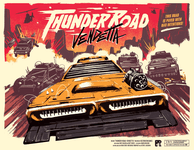
heart of what made the game special and bring that forward. And you know, arguably sometimes we succeed and better more than other times, but that's that's really our mission. Now, in terms of games, yeah, we've got three major as you we've released games. We've got three major things that we've kind of become known for over the last few years. Unmatched is one of them, which is our restoration of a game called Star Wars Epic DS. That's a tactical skirmish board and card game. But we're also pretty well known for Return to Dark Tower, which is our restoration of the8s Dark Tower, and for Thunder Road Vendetta, which is our restoration of Thunder Road. So, those are ones that people might really like. Oh, yeah. But we've also done a bunch of other games.
So, Dinosaur Tea Party is a little deduction game. kind of imagine multiplayer. Um, oh shoot, now I can't remember the who's it. It's based on a game called Who's It where you're guessing who people are. Oh, do you have a hat on? Do you Are you drinking tea? We took Who's It, which had a lot of uh blatantly sexist and racist tropes from the 70s in it and,
you know, but that's okay. And we took that forward and we changed it into dinosaurs attending an adorable tea party so that you could figure that out. And I love that game. It's done very well. like it's an affordable little deduction game that people really enjoy. We also, one of our um first few projects was also Fireball Island, which is a massive 3D vacay board with marbles rolling around, or even Stop Thief, which is one of the first games Restoration did, which um uh was one of the games back in the 80s that had an electronic console. You had this handheld electronic thing that you would tap on and it would beep and boop at you. and it was also a deduction game. So, we've got quite an extensive for such a small team over the years. We've got quite an extensive uh product line actually.
This is really interesting to me. So, okay, something like Fireball Island or Thunder Road, I was able to look up the old games and kind of see the direct connection between what it was and then what it is now. Um, but something like Dinosaur Tea Party, if you just bought that at a store, you might never know it had been restored, so to speak. or like I feel like Unmasked has developed an entire life of its own. I actually
I knew it was based on something. I didn't know it was based on like a Star Wars game. I had no clue. Um and so what is like the range at which you're willing to restore things? Like how far are you pushing it before it's no longer really a restoration? Or do you all think of it in those terms?
Oh, we do. And one of the thoughts early on was, hey, we're taking something that exists and just modernizing it. That's got to be easier than making a new board game. No. And and so we absolutely think in those terms. And I think when you look back, so Indulgence, one of the first games that Restoration produced, which arguably was poorly timed because releasing I would love to reprint Indulgence because it's a trick- taking game. It's a high interactive mean trick-Tick game and trick- taking games are great right now, right?
True facts. But Indulgence was our restoration of a game called Dragon Master, which had an iconic cover back in the day and things like that. One of the lessons learned from that is paying for unique card art for for dozens of cards is super expensive. And maybe we should think about that and consider that when we're selecting games or a game like uh say even Return to Dark Tower, what we thought we could do originally when we were going to tackle it versus what it ended up being vastly different things. And I mean, arguably restoring Dark Tower, be making it into Return to Dark Tower was vastly more work than just doing like a reprint of Dark Tower and that kind of thing. And just we're a relatively small team. We can only do so many projects in a given year. So the intensity, the range, how far we can or need to deviate from the source material. Absolutely. Huge consideration.
Interesting. How do you go through the process of selecting games that could be good candidates for restoration?
There's a few ways that we approach it. First and foremost, our founder and then our lead game designer who is Rob Davio, which you know, a lot of people know throughout
a small name.
Yeah, just just that guy developed, you know, who invented Legacy and Yeah. Uh, you know, they are they are pulling from games that they loved initially, right? and things that they know of. And then we just look at we take suggestions. So we've always had a widget on our website. What game would you like us to restore? And we keep track of that, right? And we know what people are asking for and the the range is wild. And certainly some things have always risen to the top. Dark Tower was one, Thunder Road, Fireball Island was a huge one, that kind of thing. And then now that we've kind of done some of the bigger titles, we we actively look at what games were out there, what games have an audience or have people still talking about them, what games look like fun as our brand has evolved. We're looking at what games fit our brand or would allow us to maybe grow our brand a little bit. And then we get together and we do once a year we have a team retreat because we're fully distributed and we'll play test those games and assess them and kind of say, "Yeah, we like this, we don't like this, this fits, this doesn't fit. This is two years down the line." That kind of thing. So, it's fairly collaborative nowadays as we are trying to find and select new titles.
So, when you say that every game deserves a second chance, to what extent do you mean it? Well, I that it directly ties to your question about how big of a range are you willing to do. So, every game does. Do we have the time, bandwidth, and energy to do the work necessary to give it that second chance? And sometimes those don't align. Why? But you're asking, it's such a fascinating why are you asking, Liz?
I just always ask. Something interesting always pops out. That's why I'm like a change rattler by nature.
I I will say that, you know, we have had a game that is a passion project for Justin that has been in the works softly in the background for years. There is a very not there is a relatively small existing fan base for it, but they're passionate. And I think in today's environment, if we could release this game in the next year or so, I think it would I think it would hit an audience. I think you would like it, Liz.
Okay. Now, I'm very curious. We can talk about it after we turn the camera off.
But it's it's a little quirky. Like, it's a little bit of a quirky title and things like that. And even though it has it's an interesting timing thing where I think the existing fan base is small the existing awareness is small but the way the concept of the game would be received in today's market in today's hobby community I think it would I think it actually shockingly aligns and for a 40 50 year old game to have kind of that alignment today is cool.
Yeah. No. Uh the other thing that's just so funny about the I just like the company name restoration like I think about it as a historian in some ways. So you think about like when you when you choose a historical project to do you're also choosing like what gets a second life
and you have a lot of choices about I guess how to present the history of games like oh what did games from the 60s through 90s look like? Well you can look at our catalog and get a sense but like what is getting left out what is being included? Like I'm always curious, right? So when y'all are thinking about it, do you is it purely about market or um are you also thinking about like well this would be cool just as like a blast in the past like can we modernize it as a project?
That's an interesting question. I I think it's both but you know we were we can only make games if we can sell them. I mean that's the reality right and so I think market is a big deal but market is a broad thing and
how we approach that and how that influences our decision um matters but like this game I've this secret game I've been mentioning like is there a market for it we don't know but is it something that the team is p like somebody on the team is passionate about and really wants to bring it back to life absolutely and we do have those discussions and each I think most of us on the team have a title that we're like oh maybe maybe could we could we and uh would really like to do and whether or not they we'll be able to make the bandwidth for it or not you know who knows but when we're talking about quote unquote market I think that that can sound really cold and really capitalist in a way but market is also what are people looking forward to how can what will this game what joy boy will this bring? How does it meet people with where they're at and the kind of experiences that they want? And for us, for example, I'm a I'm a coldhearted Euro player. I mean, the the less theme, the more wooden cubes a game has, the happier I am, which is interesting because that's very divergent from the type of games that Restoration actually produces. Now, I love the games we produce. And the fact that I adore Thunder Road Vendetta as much as I do really says a lot because that game is not a Euro game.
No, it's not a Euro game.
You know what we have found is what we do well, and I think this is partly because Justin, our founder, was really is really into tabletop RPGs and and has that background. Rob loves narrative games. think about pandemic legacy and how those have an evolving story that carries forward. I think that he has a passion point there. He used to be a comedy writer, all that other stuff. So, what has emerged is the games that seem to really spark with our fans that has grown, you know, that I think we have a fan base now after many, many titles. They look to us to be giving them an experience. They aren't necessarily minmaxing everything the way you would in some other type of games. They are experiencing the game as a story, as a moment, as something that they are sharing. And that's really, really cool.
And we are recognizing that. And so when we're thinking about market or what we would want to do, we also think about that. What can we give our fans that they want from us that they that we do well that we can fuel more of that for them. We're going to come back to that in a bit. But one thing I want to ask since you mentioned being like a cold Euro player. Um I'm an omniamer, so I have no judgment on this. Uh but um how has your work for restoration impacted what you play? Because theoretically you're also always scouting for potential future projects, which means that you can't always play the new hotness. You're going to have to go digging through our collective archives in order to find something new to restore. So, how much of that is a component of your gaming life and would you say is a component of life for game for gamers who work for Restoration?
Interesting. I think that from a scouting point of view, I actually, you know, I'm on the marketing side. I think the game design team does a little bit more of that, whereas we're a very small team. We're very collaborative, so we're all, to your point, always keeping our eyes open. And I keep on bringing things to the table that are like, "Oh, here's this weird 1990s tile lane game about tilting windmills. Let's try this." and everyone's like okay. Um but I think for me personally I know that where I was say 15 years ago to where I am today has completely evolved. I didn't used to like cooperative games very much. I would say cooperative games have evolved though to maybe meet me better with where I'm at and that kind of thing. And I think solo gaming has become huge in my life and I love it. I I never disliked it, but right, I think there's more options and things like that. And in terms of how restoration and our catalog or our scouting goes, I I certainly think that, you know, I so I let me take a step back. I got into board games in 1994. I can pinpoint the year because that's the year I also discovered Magic the Gathering. I live in the Seattle, Washington area where Magic was born and I found it through a friend and then I ended up in a game store and then in between games of Magic they had these other board games and that's that's how I found hobby board gaming. So I've been board gaming for 30 plus years which is
longer Liz than a lot of folks kind of in our content space in this industry. Right. Yeah.
But it's a lot shorter than a lot of other people including people like Justin and Rob. But one of the things that I think my decades of experience in gaming has really done, I really appreciate the evolution of the industry and how games have changed and grown and diversified and broadened thematically, artistically, mechanically. And I think when I'm thinking about restoration, and I I assume Liz, you would be in the same spot here. I love how it makes me pause and think about that and recognize how things have evolved and changed. Not just like, oh, look that everything's so much better, but really respecting the roots of where gaming was 50 years ago. And when you think about a lot of hobby board gamers today won't even really recognize that a lot of board gaming is rooted in wargaming.
Oh, yeah.
Right. and and things like that and much more kind of in your sphere of from a historical games point of view. And I I think the years I've been in the industry really helps me appreciate that and I think that I love that about my role in restoration and that perspective is not just appreciating growth but respecting the history.
Yeah. Okay. So, this actually leads I I just been sitting here thinking about this. This is it always works this way. Um, I was thinking about, so you know, I would say that as somebody who's in the war game community, you know, Fred Serval and I have a project called War Game Archaeology that we pick up intermittently and we're just reading old old issues in general and like playing things uh like D-Day. Um, but you know, for a lot of war gamers in our community, those Avalon Hill classics are still kind of like the best wargaming ever was, I think, in some people's minds. Um, and like I personally think things have evolved a lot, but um, you know, people also still want to play the old version, I think, as it was of a lot of things. So, how do you decide that something actually needs to be restored as opposed to reprinted because people might actually just feel a really strong attachment to the game as it used to be?
I don't I don't think that comes into play very much in terms of is this a game we want to restore? Do we think we can restore? Do we think we can bring it to a level to meet modern gamers? Because when you're talking about a lot of war gamers think that the original is the best or games from 50 years ago is kind of the pinnacle. We cannot and do not want to compete with that. We do not need to change that. Our restorations don't take anything away from the original game. Those original games still exist. Now, they may be much harder to get because of degradation and you know, just everything that you know how history works. But if you don't like Unmatched, that's okay. You can still get Star Wars Epic DS and play Epic DS with that rule set. If you don't like Thunder Road Vendetta, that's okay.
Thunder Road still exists and there's no harm, no foul. What we have found oftent times, and you know, I'll pat my team on the back a little bit here, is understanding, was that game 40 years ago better than what you can do today, or are you remembering it as better? is the feeling that you had when you experienced a game as a person 30 years younger, 30 years less stress, 30 years of growth, like you know that kind of thing. The experiences that you cannot replicate as somebody 30 years older, the innocence, the naive, the newness, the the shininess of something.
Is experiencing that exact mechanical structure going to give you that feeling again today? For some people, the answer is absolutely yes. But what what we have found is by restoring and finding the switches to toggle to bring it forward a little bit by the heart of the emotion. We find a lot of people respond positively to that.
Not that you know a war game from 40 years isn't
technically better. I'm not here to judge that. But I think it's pretty subjective ultimately in a lot of ways.
Yeah. So, this is probably both a design question and a marketing question, but from your end mostly, how do you handle how do you manage the nostalgia of players who are remembering a game? Um, and then their expectations for what the game is really going to be in its in its restoration because I feel like you want to feed into nostalgia is what sells the product, but also, you know, how do you how do you temper expectations for people who are maybe expecting something that's really close to what they had before and then they get something like Tearagon Society?
Dragon. Yeah. Dinosaur Tea Party. Tin party. Don't worry about it. But then it's funny cuz Restoration and Renegade games get conflated a lot because we have you know our name and we have games
and they did they did Tea Party Society. So it's kind of funny that that one that popped up. Go figure.
It's an interesting question and I have a lot of answers to it because I'm a very verbose talkative person. Right.
I'm gonna do is I'm gonna suggest that nostalgia doesn't sell the game. Nostalgia will capture your heart and interest, but we sell the game based on the merits of the game as a modern product in today's market to today's buyer. Um, but without a doubt, we want to capture your interest and and hopefully your initial favorite favoritism or or favorable view of the game with that nostalgia. Um, now in terms of managing nostalgia or expectations, really what you're talking about is managing expectations. And this goes back to my history as uh as a marketer in general like abroad. So much of consumer reception is based on what consumers expect in advance. And the problem that you have so often is when their expectations are here and you fall here.
But if you had set their expectations here and you fell here, they're happy, right?
Yeah. And so we're very open about, hey, this might not be the game for you if you there is a fan out there that is very passionate about Dark Tower and is very vocal wherever Return to Dark Tower comes up about why the original game is better. And for that individual, that is absolutely true. And that's fine. There's nothing wrong with that. But so you know that's part of it is just saying it's okay for you to not like our game. We understand we can't meet your specific everybody's specific personal preferences on that front. We have to think about you know a broader picture. The the next thing that we try to do is we try to be very transparent. I think we don't necessarily codify it in like a company charter, but being transparent.
Transparency and connecting with our fan base is one of our core values. And we try to be very open and very honest and just like here is what it is. Here is how it's different. Here is why we it's different. Sometimes it's very easy. It's like we don't want to put racist depictions of black people in our deduction game. Sometimes it's more complicated like Return to Dark Tower. Yes, you had this tower in the middle that was computerized that was maybe a little fun to interact to, but we do have new technology today and how can we replicate that emotional experience and that sense of adventure but not necessarily contain it that way and take advantage of that. Right? So I think transparency and communication around what's evolving and why really helps along uh you know that expectation base as well and sometimes we get people on board with that and sometimes we don't.
Yeah, fair enough. So when you talk about representation in games, you know, times have definitely changed um even from like the 2000s. I think about like jokes I used to think were funny in the 2000s and I'm like oh um so um I guess there's no way to future proof it but um yeah I mean I guess I guess my question is what sorts of things are you looking for um when you are checking whether games have aged well and then how does that also play into things like rules writing or you know characterization in those games like is that something that y'all are constantly on a watch for? I I feel like it would be hard, especially if it's a game you played and you remember as a child, it might not you might not know to be bothered by some stuff
and and a lot of people aren't bothered by it and and get a little confused when we choose to change that. Um
and ultimately, I'm going to say this with, you know, grain of salt. We don't care because what we're going to do is we're going to do what we think is right. And a lot of the the the cosmetic, aesthetic, cultural elements of a lot of these games are irrelevant ultimately to the way that you enjoy the game. The reality is is in Thunder Road Vendetta, how you presented any kind of setting, as long as you had some other key mechanical pieces in there, it doesn't matter. with the game like who's it or a game that we did called Conspiracy. It it doesn't matter if we convert a racist depiction of an Asian man from fu manchu to a a more realistic depiction of an Asian person and call it a culture war or whatever. You know, sometimes people will zero in on those changes just to pick a fight, but really it doesn't matter. Now, with a game like Unmatched, we're we're very conscientious of it and we're very mindful. We always use cultural consultants when we think that we're going to be touching on a culturally important element that's not our own, especially uh for example with Sun's origin, which is our feudal Japan set.
We hired a a Japanese consultant that did that. We also managed to find an amazing Japanese artist and and try to bring some authenticity to it. And it's a it's a game about fighting and big swords like it's it's not real life, right? It is a it is a uh fictional representation of real things for sure. So we have creative license but we want to treat them with respect and it's kind of again it's not necessarily codified in any kind of company charter but being part of a more inclusive and diverse hobby is core to our values. So it's it's not even it's just natural and it doesn't matter which team member you're talking about. We all share that value. So everybody is just kind of inherently looking at games from that angle and that's that's just to it. Now we can't future proof but I would suggest that these considerations didn't exist at all in the ' 60s7s and ' 80s. And so by having any consideration for them at all today that's a little bit at least we have a mindful reason why things exist. Do we miss the mark sometimes?
maybe will 20 years back they'll look back and well why did you do that at least we can say this is why we did it and this is how we did it with intent if that didn't hold up hopefully we've learned and grown absolutely okay so this leads to like a larger question I've been kind of contemplating as we have this conversation which is how do you handle rights and also like the input of original designers who hopefully in at least some cases right, are still around and and care about what happens to their game.
Uh, so I'm not necessarily the best person to answer this because I am not the lawyer, but you know who is the lawyer? Justin D. Jacobson, company founder and board game necromancer. And I think that with especially with Justin at his core is one uh one of the most generous people and one of the most chill lawyers I've ever met. like our contracts are dead simple, you know, and he's an attorney. He's like, "Ah, don't put in all the stuff that doesn't matter, that isn't enforceable. Let's just keep it simple, right?" And I love that. Uh I think it's partly how Justin is. I think it's the fact that Rob Davio had an extensive career at companies like Hasbro before, you know, he broke out and all this other stuff. We really respect the original designers. And technically on some of these titles, there's no legal obligation to recognize the original designer in in any way, but uh what we do um because it's the right thing to do. And so Justin and of course we employ other attorneys from a a rights point of view. We we we actually do searches. So a lot of older games didn't even list who the original inventor was because they may have been at a company like Hasbro or uh Mattel, right? And they may not have recognized that. So, we will do the digging to find who the original designers are and uh make sure that we're paying the appropriate kind of royalty for their original design. We will uh if they
original designer is available and wants to input, they are welcome to do that. Typically, we find that oftentimes they don't feel the need to. So, for example, on downforce with Wolf Gang Crommer once we had an agreement in place, there wasn't a lot of involvement from there and that kind of thing. But on on another example is Stephen Baker is one of our team members. Steven Baker uh if you look at his design cred we're talking Herocape. We're talking Battle Masters, things like that. In fact, we just restored Battle Masters. We literally restored Steven's game in front of Stephen and Stephen's like, "Yeah, it's fine." you know, uh, he he the role he played in that wasn't core design team redesign thing, but we we definitely recognize the original designers. We seek them out. We pay appropriate royalties and we welcome their involvement. And in some cases, and I cannot remember the specific game, unfortunately, and I feel really bad about this off the top of my the original designer had passed. So we were working with their child, their adult child, and that's been that was really rewarding because they were so happy that their father's work was still alive and still bringing joy to people and still keeping his father in the general awareness for the hobby. And that was that was pretty cool, too. So yeah, acknowledgement, respect, attribution, all of those are
are really important and I I love that about our company. I love that about our leadership that they value that so highly. This may not be a question for you given that you're not the lawyer. But um if you are digging and you cannot find an original designer, does that make the project a no-go or like a careful proceed?
No, it'll we would proceed. Yeah. I mean there's just some cases where you can't and and it is what it is and then there are some cases where you know as you know the ownership of rights can transfer even just in the last like if you sold a game design 10 years ago right the ownership of rights can transfer and it gets really clunky and weird now imagine going back 50 years right and trying to do that Fireball Island itself was was kind of bananas and it turns out the rights to Fireball Island actually exists in China a Chinese manu manufacturer actually owns the rights.
Yeah. Not a human being, not a board game publisher. It it was really interesting to go through that journey. Um
as well. So there's wild things that can happen in that. But yeah, we we we could proceed. Uh we would we would absolutely do our diligence, but we could proceed.
Yeah. Uh although I will say tit to game designers out there, know when your rights revert to you, and if you care about that, make sure it gets in your contract.
100%. 100%.
Yeah. We would we would love that if if every original inventor was properly attributed and easy to dig up and track down. No problem to us. We would love that. So a marketing specific question. Uh I think about this often because I also watch a ton of book and I think a lot about how marketing of things has changed over time. So you've had an entire career in marketing well before you came.
Yes, Liz. I'm very old. Thank No, I just mean you have a sense of perspective like like you were doing this before you paid influencers to like cover things for example because that culture had yet to rise at the at the beginning of a marketing career. So what makes what makes board gaming marketing different from things that have come before and how have you seen it evolve?
Oh, all right. Well, buckle in. We got another two hours, right?
Perfect. Yes. That's a huge question, Liz. And if we ever want to talk about it separately, I'm happy to. But board game marketing with respect, I mean, when I first entered the hobby at more of a contributor point of view, I I immediately recognized this, you know, 10 12 years ago. board game marketing compared to standard kind of like consumer electronics or other, you know, food uh marketing, it's at its infancy, it's incredibly immature and really haphazard. And I think there's a lot of reasons for that. Primarily, board games are a very approachable project for anybody to make, especially now, and that's only gotten that's only grown over the last 10 years. And you either have corporate conglomerates like a Hasbro driving these initiatives or you have dude at home person at home just doing their best maybe not knowing anything about marketing. And regardless of the size and scale of the producer, the margins on these products are still compared to a lot of other things. And when you think about marketing and marketing spend and what it would take to really lean into modern marketing things, the budget to do that quote unquote properly or traditionally just doesn't exist. That was true 12 years ago when I
started doing more things in the industry and that is still true today. It has evolved and changed. I would suggest it hasn't improved much on that front because the margins and the budget hasn't improved. What has evolved and changed are the tactics that are available that are more affordable just with the you know with the surge of the internet and the idea of an influencer or things like that that has evolved in a lot of ways but I don't know if it's better and there are still huge avenues of advertising or marketing that are just closed to the industry at large because of budgets. So there's that element. Uh in terms of how board game marketing, I mean obviously when I started getting into it, YouTube board game reviews were fairly light at the time. I mean there was channels and there were definitely a lot of people out there. But compared to what it is today, it was nothing. Tik Tok didn't exist. Facebook hadn't even exploded the way it is. Google hadn't kind of done this massive data takeover that it's undergoing. So things like paying for performance marketing, things like how you run ads, how you target, the kinds of influencers or content that are available, all of that is evolved immensely over the past 10 years again
for for good and for ill in some ways. And I think even we had this like this didn't exist, now it's surging, now it exploded. And now I actually think we're seeing this weird shattering of these new tactics just because of the nature of what they are. And I think that that's something to really that I know I'm watching uh very closely as, you know, year-over-year and we're looking at where we want to invest, who we want to support, and how we go about trying to spread the word of our games. It's brutal. I mean, I will say this in every podcast, show panel to my neighbors who don't care. The number one barrier, the number one challenge board gaming has is awareness. That is on the meta scale, on the macro scale of like people still don't know that these games exist. Period.
Yeah. And on the more micro scale, on the smaller scale, getting your specific game known, even amongst people that know these games exist, it's a huge hurdle. It's a huge hurdle. And all of the games coming out year and year. And the explosion of the number of games releasing actually doesn't help that at all. And how marketers or how just board game designers or how board game publishers try to tackle that is an immense challenge especially if you don't understand the world of marketing which a lot of small publishers or independent designers don't.
Interesting. Um if you had just one tip for somebody who's working with nothing and trying to market something that they made at home themselves, what is the one thing they should try to get right? That is a hard question. The one thing
versus the one thing that they should try to get right are a little bit different. The one thing you should do
is take advantage of all the free resources that are out there already to inform yourself. There are there are a lot of pieces of information or groups that you can tap into that will have more knowledge. And one of the things that I love about tabletop gaming, it's a generous community. Board game designers love sharing advice and experiences. Like you're here like make sure this is in your contract. It's important, right? And honestly, that applies to the people who are marketing games too. Like I will if you have a board game, like I just talked today a little bit about how important choosing your crowdfunding platform is depending on the type of game you have.
If you ping me on social media, you're like, "Hey, here's the five minute pitch for my game and where I'm at." I will give you reasonable advice on what platform you want to do. I'll give you that 10-15 minutes. I don't mind, but at least you won't you'll have some information and some knowledge, right? There's there's all those resources out there. And I do find that there are people who will go at it without that information, which is understandable cuz who has the time? bit um a mistake in terms of what you should have done. If you cannot assemble a solid cell sheet for your game, whether or not you're selling whoever you're selling the game to, whether it's a crowdfunder and you're selling direct to a player or whether you're pitching to a publisher, if you are not ready to put together a solid cell sheet, you're not ready. So that's if you are going to get one thing right up front and this is from a marketing point of view because when you think about what goes into a cell sheet that is critical information that you will message around for marketing.
You want to know a really dark secret.
I do.
I have never ever made a cell sheet ever.
And that's okay. I mean honestly that's okay because
I mean I could like I have the information of like what makes a game compelling. It is like you don't have to make a cell sheet, but if you can't if you don't know the things that you would put on it and the critical points, then that's that's what it is,
right? Like if you don't have an elevator pitch, it's not that you're ever actually pitching something in elevator, but you should be able to like sum it up quick.
Yes. Yeah. And you should, you know, how much is this going to cost? What's the general aesthetic? What's the theme? Like that kind of thing. All really, really important. So, I also want to ask you about something that I've just been going through over the last year and like you've already broken the ground, which is going from media to person who works in the industry. So, I've been like trying to figure out who I am in that regard over the past year. So I guess I want to know like how was that transition for you and how does being in the industry impact like for example your podcast with Mandy Salt and Zest that continues now. Great question. And it's interesting actually, Liz, I don't know if I've ever been asked that. Uh, which, you know, I started working with restoration eight years ago. So, in eight years, I don't think anybody's really asked me that directly. And I love that you have.
Ultimately, the nice thing about being in content so long before I started working with a publisher is I feel like I have the credibility of that. I haven't changed what I do or how I approach it at its core from then until now. And I think that that's a good perspective. If anybody's like, "Oh, what's Suzanne doing?" You know, that kind of thing. In all things, I think that honesty and transparency uh is important. So, even though I can say on this podcast, I love Thunder Road Vendetta. It's a great game. On my podcast, I would never review my own products, right? I would never review that game. And anytime Restoration Games comes up on my content, in my content, I say, "Hey, I work with Restoration Games." So, I wouldn't review it. I'm not going to like shut that off because I think working for a publisher brings immense perspective to to the content and how I look at board games and the industry at large and the insights I can carry over into my show. But I always need to be very very transparent about that. And in terms of, you know, where you want to be or where I want to be, that's going to be so unique and individual to every single person. Originally, when I started making board game content, I actually was covering digital board games. It was an area that I had knowledge in and it was something that wasn't really being covered at the time.
But my main motivator, honestly, to starting board game content back in the day was there was nobody like me making board game videos. And I being a board gamer for 30 years, I'm like we exist, but none of the board game media reflects that and that's not right. And in a way the that continues to be a motivator for me. And so I think about what perspectives do I bring, do Mandy and I bring specifically that are a little different than maybe other content creators can do just by sheer virtue of experience and identity and things like that. and why are we doing this show? And it's partly goes back to my roots of why I started. And then it just goes back to I've been gaming for decades. I was gaming before there was board game notoriety. I've been gaming through thick and through thin, through all sorts of phases. I I was attending conferences and cons when I was literally the only woman and the only non-white person at a 200 person convention. And that wasn't a one-time thing, right? I was the only woman at the back of the game store in 1995. And those are a whole different set of experiences. And so that's really important to me. But also like that's cuz I love games and I love talking about them and I love talking about games with Mandy. And so I think between that passion for the hobby and our
desire to represent and bring out topics that maybe we are more equipped to bring than other people are, we put we center that in what we do. I cap that with a dose of transparency and honesty and that's what propels me forward. That'll be different for other people. Um, but I also don't think that I should have to give up something that I love because I'm doing something else that I love that's adjacent, right? That's
yeah, personal perspective on it.
Yeah, I have struggled with that in the sense that I don't feel comfortable reviewing games anymore. I still like make playthroughs, but
um part of that is my willingness to absolutely be a little when doing a review. It's weirder when it's when you're on the other side. Um, but I think about that. I'm still thinking about it, you know. Um,
and for me personally, I don't that's your threshold and my threshold is I'm okay reviewing games. But what Mandy and I don't do is and
not too much judgment on this because again I'm older. So, like all this new modern, new fangled internet culture thing is a little not my thing. I don't we don't do clickbait. I'm not here to enrage you. I'm not here to capture click because I put some piffy headline, you know, oh, this game destroys this other game or, you know, the 10 games that replace that garbage that you've loved for 20 years. We don't do that. We talk about the game. We talk about what worked for us, what didn't work for us, what we think. If we think there's a problematic element that just doesn't exist, that just is universal. We'll call it out that way. Or or we will often couch like this wasn't for me. I just personally didn't like this. But if you like X, Y, and Z, then this game might be for you.
So, I hopefully through being a little analytical or being a little explanatory in what we like and we don't like so that you can absorb that and whether or not you agree with the with our opinion, you understand exactly where it's coming from and we're not like, "Oh, all of Leader games are crap and Kyle Faren's art is is too cartoony. That game sucks." Right. We just don't do that.
Yeah.
I mean, understood, but Okay. Um, so, um, kind of, you know, we've been at this for almost an hour, so I want to kind of talk about what I what I always like to ask people, but in your case, like a little bit of expanded version. So, you've, you know, you talk about gaming for decades through thick and thin.
Um, how do you maintain your joy in a hobby that is also your job and then has brought so much good and bad?
That's a interesting question. So as when it's my job, the first thing I will say is I am lucky hash blessed to work for restoration. I I cannot rave about the group that I fell in with enough. Every single individual is somebody I would spend time with, I would invite into my home, I look forward to spending time with, and I love working with. That is exceptionally rare. Even in board gaming, specifically in board gaming, like if I if frustrations like Suzanne, you stink, you're out of here. I don't know if I could stay in the industry because I don't know there there are some groups I know of that I might be like, "Oh, hey, can I come in?" But really, it's a very very small group. So, that helps because I work with a phenomenal group for a phenomenal company and I love that. But in terms of maintaining joy through when your whole world is one thing, that's a lot. And I I find, and again, maybe it's just cuz I'm older, the perspective that that gives me is it's okay to not be on all the time.
Yeah.
It's okay to take a step back. It's okay to take a step away and try to develop other interests as well. So, if I don't feel like playing a bunch of solo games for a couple of months, no problem. I'm not going to get down on myself. I'm not going to look at a shelf of games and be like, like, you know, it's the shelf of shame. And I get that and that's cute and that's py. I don't want to look at my from my personal perspective. I don't want to look at my shelf of games that I love as a shelf of shame. And, you know, then they're like, "Oh, it's the shelf of opportunity." Cool. That's just spin and marketing. Fine. I just want to acknowledge the reality of I'm not ready for that right now. that's not what I need right now. It's okay for her to wait. They're not going anywhere. I'm not going anywhere. Fine. And if I have a month where it's too much and board games, you can be mentally taxing, you know, and I'm just not there and I just want to play lighter games or I knit and I sew and I like to read, you know, I bake. Maybe this is the month that I'm just knitting more. So, I develop my other interests and I fuel those as well. and I allow myself to be a whole person, not just a board gamer, right?
Board gaming cannot and should not be my entire identity. And I think that that helps me personally so that whenever I go to board games, it's it's a joy. It's fun. I'm looking forward to it. I'm eager for it. It's not a slog. I don't want to be pushing myself to do something to to convert something I love into something I don't love because I have to do it
and because I work for a great company and because I manage my personal life and how I interact with board games well I I think that's how I personally deal with it. I mean how are you feeling about it?
Um actually I would have a somewhat similar answer. I made sure that like so for me what's hard is that and I'm so grateful for this leader does not they didn't put a non-compete on me so I can maintain a personal design life outside of leader and I have the designs that I'm working on inside and I still have a channel and a podcast and so basically I'm just busy all the time and I've just allowed myself like you know if I'm not going to get a video up this week it's okay
if I want to go if I want to go birding or if I want to go read a book that is fine. And I've just been trying to make sure, you know, um my boyfriend and I do things like, you know, we have half season tickets to see the Saints. So I know that during baseball season every other week I'm going to three baseball games. It, you know, things I I I plan things to get myself out of the house.
And I also make myself go to bed on time. I know that sounds really stupid, but like getting sleep, um you'd be surprised how many problems a nap and a snack can solve for me. So
preach, but like right now, you know, Oath's kind of in its finishing stages.
So I mean, but this is true of any research paper I ever did or any project I think anyone's ever done. I'm super stressed out. I cannot get distance from it because I have to finish.
Yeah.
And I'm feeling a little bit raw. But like that is natural. It's a natural part of the process. I also know that when it's done, I'm going to take a good break. I'm going to go read some sci-fi and like maybe think about arcs. You know, I've got some stuff for Take, which is the new game that we've just announced to do. I can't talk in detail about it. I can say I'm happy
maybe off camera off.
Um but you know, just giving myself opportunities to get distance. You just have to because if you're feeling too much obligation, then you it's you can't feel joy. Like people break up in relationships that have lasted forever because they feel obligation and not joy. Like you you just have to avoid that as a as a dominant feeling.
Yeah. Yeah. I I totally I love that. I I will say the thing that I will carry in my heart and I think I want on a t-shirt is, you know, a nap and a snack will fix just about anything. That's dang. That's some truth right there.
And if you're really desperate, take a shower. It's like even if you
Yeah, I love that. I love that. Yeah, it's balance. I think ultimately a lot of those struggles just come down to people needing to find balance and your equilibrium is going to be a little different than mine, but finding your own balance is is really really important.
Yeah. So, speaking of joy and things to approach joy, what games have you really enjoyed recently?
Oh my gosh. Okay, I'm gonna I'm cheese. So, I my memory is crap. So, I have to write down the things I play. And thank gosh for board game stats. I love you. You're so so great. All right.
I can never I can never keep track in there. So, I admire people who can.
Oh, really?
Mhm.
I just snap a picture and keep it moving.
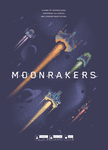
Let's see. I liked Moonrakers, which is a deck builder that does a couple things kind of differently that I think is really, really cool. Uh, The Hobbit there and back again, which is a Kitzia. Is that Lord of the Rings the Hobbit rolling right from Kenitzia? That was really cute. I like that one. The Great Evening Banquet, which is Sashi's new game. Sashi's kind of annual release.
That's a great title.
Oh, The Great Banquet. It's all about seating arrangements at a banquet. So, you have to put the right people together. Like, imagine doing like a wedding seating arrangement or a big banquet.
And of course, in typical Sashi fashion, it's Excellent. It's so so good. Um, and then you know another Oh, duck and cover. Have you played duck and cover?
No.
It's so dumb. I love it. You get three actions. You can duck, you can cover, or you can quack. And it's just it's just cards with ducks one through 12. And you know, you can cover, which is moving one duck on top of another duck. You can duck, which is moving it around to an empty spot, or you can pass, which is quacking. And then at the end of the game, uh, if you have all your ducks in one stack, the points are good. If you have ducks spread out, the points are bad. It's dead simple. It's It's silly as heck. It's so good. It's like the new like it's in my bag for a convention. It's going to be in my backpack. Throw it down. Plays as many people as you have ducks for. It's amazing.
No. Ducky cover. I I will sing his praises. Seven Ways Society. This game is awesome. It's it is what it is, but it's really good for what it is. And then finally, you know, I got LRA back to the table recently and it just reminded me how much I love LRA. It's so good. So, yeah, I've been those are some of the things I've been playing.
Fantastic. And then final question, uh, if people want to follow your work and what you're up to, where do you like to be found online?
I have a handle. It's 425 Suzanne. I primarily social media. I really only use Blue Sky nowadays. I You can find me there at 425 Suzanne. You can email me at Gmail at4425 Suzanne. And of course, I have a podcast which also has a YouTube channel on Twitch, which Mandy, I'll be honest, Mandy does the line share of the work there just from a bandwidth point of view. And she's amazing. But you can find that at Salt and Sass Games. So we're Salt and Sass the podcast and our channels are like at Salt and Sass Games or at Salt and Sass. And uh we're we're so lucky we have as I'm as you well know Liz podcast of the year. Um I think we are similar entities in that we have we don't have 50,000 downloads an episode and that's okay because the the people who download our podcast, the people who listen and watch us regularly, they're amazing. They're it's an amazing community and it's so much fun. So if people want to join that community and be hang out with us, we would love to see them.
Fantastic. Uh I of course can be found anywhere is beyond solitire. Um Suzanne, thank you so much for coming on. This is de I'm so glad we got to sit down and talk for an hour even if it took a podcast to do it.
I seriously I know conventions were just like whoop whoop hide. It's it's awesome. Thank you so much, Liz, for inviting me. I really appreciate it.
All right, everybody out there, please like, subscribe, comment, ask questions, and most of all, happy gaming.