10 Medium Weight Board Games that We Love
Games in This Video
6 games are featured in this video — they unlock as you watch.




Transcript
hi everyone my name is monique and i'm naveen from before you play and today we have another 10 list for you this time it is 10 medium weight board games that we love yep that's right uh this was voted on by our patreon community this one is the one that was chosen and so these are games that we own they are in our collection and we are going to talk about them today yeah but first there are a couple of distinctions that need to be made uh the first of which is these are games that were rated between 2.5 to 3.25 on the heaviness scale or underweight on bgg yeah we uh we kind of made that as kind of like what we would distinguish as a medium weight game right i'm sure there's other people that have different opinions about that but this is kind of the criteria that we chose yeah we had a hard time defining medium weight to tell you the truth because i feel like you know you can kind of feel when something's heavy and you kind of feel that something is light but a lot of people may have different opinions on what is considered medium weight it's highly subjective and highly dependent on your play style right so for us that's what we went with in addition this is not going to be in any order and this is not a top 10 list you know we did our top 50 back in december and uh we just wanted to list games that we love so again these are all part of our collection and these are games that we still plan on keeping around but they are older games and if we may have mentioned a few of them in past videos before but for the most part we believe these ones haven't been talked about too much yeah and uh also just another disclaimer some of these games may be out of print so we do apologize uh for kind of bringing light to games it might be out of print but you know these are still games in our collection
we want to talk about yeah and there is a very strong secondhand market out there and so it's also part of the reason why we're talking about older games so i think that's everything we know it's been a long time since we put out a long playthrough and that's typically what we like to do but if we caught our last vlog our camera broke and so the new camera has now come in we're just in the tinkering stage yeah tinkering uh trying to figure out like okay now i need a new memory card or something like that for it so there's all these little little things that you don't think about um and you kind of take for granted but we'll be back to our soon regularly scheduled playthroughs soon all right and without further ado i think we're ready to begin right let's do it so this time around we have a runner-up and our runner-up is a game that was published by days of wonder in 2014 uh designed by bruno cathala and it is called five tribes so uh this is a runner-up because we have mentioned this i think a couple of times in previous videos uh this is the game for me when we first started getting into hobby into the hobby that uh i felt like switched me from a casual gamer to a lot more strategic deeper into the hobby yeah before this is before we started playing you know heavy heavy games i played this and this was at that point the heaviest game that i played so it's a little bit surprising but still makes sense that it's considered medium weight it's falling apart okay because essentially in this game what you're doing is there is a grid of tiles and on each tile when you set it up are going to be several meeples of different colors and they represent the different tribes in the game there's a little bit of a mancala style mechanism in this game if you've played
mancala in the past where you pick up all of the meeples of one tile in one location in one location and you drop them off kind of following a path following adjacent tiles then you can activate the tile where you you last dropped off the final meeple and then depending on what color that meeple is you get to do a certain thing and actually there's a little bit more to it than that um when you drop off that final meeple you have to drop it off in a tile that contains at least one meeple of the same color of that final meeple and at that point you pick up all of the meeples of that same color because then you get to do the action of whatever color the meeple is what color tribe that you're you're manipulating and if if in removing all of those meeples it actually empties the tile then you take control of it and get to do the thing right so it is very strategic it's it's really kind of a brain burn it can cause analysis process but in a good way i think and for me it plays well at all player counts i played it at two players uh plenty of times and it's always that really thinky kind of it's very thinking especially like at four players like by you dropping off and opening up tiles you're gonna now set up your opponents for their turns yeah and so about the mid to like late game you're really looking down at the tile and be like okay what are the consequences of me doing this thing like i'm gonna gain four but by me gaining four that's gonna allow the person who's next to gain eight points like oh my gosh like okay wait wait i gotta scrap that idea and so it can come to a little bit of a halt if everybody's really like playing but that's part of the fun of the game and
part of the puzzle yeah so all in all it's a it's a fantastic game if you are a newer gamer if you're newer to the hobby and you kind of want to play something a lot more strategic than maybe you have been playing recently then highly suggest live drives that's good okay so our number 10 that's not really a number 10 because this is not a top 10 list uh this was another game published back in 2014. i think we're gonna see a little trend here of a couple 2014 games uh designed by sebastian dujardine and published by pearl games this is deus now deus is a resource management um programming game it's a tableau built tableau building programming game because in this game what you're trying to do is you're trying to take control of different uh hex tiles to gain resources to spend those resources to build out different buildings and then by building out those different buildings you get to trigger all the previous buildings that were once built before right so uh that might be a little bit confusing but there's a couple different uh kind of cool things in this game uh namely the different types of buildings allow you to perform different types of actions so you really have to plan and strategically kind of section yourself off on the grid board as to where you want to build to protect yourself from uh your opponents as well as to try to program yourself to victory i will say i don't think that it's programming i think it's programming you do i do yeah where do you pre-choose so when you when you build out a building and you have a card and then you you put a card on top of that card it now sets up so that's the tableau building i guess so
the way that the game works and i guess this is a this is an interesting discussion have you played let us know down below are you maybe naveen programming i'm just kidding but that is not really a video programming so the way that the game works is there's a map and the map changes size depending on player count and there are several different categories of cards it's mainly card driven and they're color coded depending on the different type of card in order to put a card into play you have to pay the resources that's listed on the card and then it actually goes physically into your tableau in the section that it belongs to because they all specialize in doing different things whenever you add a new card to that section of your tableau you then activate all the cards that are already there so over the course of the game you're going to be trying to plan you know which card so i can kind of see what you think it's like the programming that i'm talking about but in my opinion it's it's truly a tablet building but it's really good there's a there's some conflict in it there's like some kind of warring in it but you don't have to go that direction one of the building types allows you to basically move a military unit and then you can kind of take over other territories so if i notice that oh monique is really building up over there okay i kind of want to stop her from from building up there's not too much of the area control aspect of it yeah but there's kind of a threat of it that's going on in the game there's one major expansion to it i believe it's uh egypt egypt expansion where you kind of just replace all the cards it's now in a different uh you know setting but we have it and haven't played it i've never played it yeah surprisingly can't speak on the expansion but the base game is excellent and that i think those cards they completely replace the cards in here right so it's just like
you're either playing with the base game or you're playing with the expansion yeah and so that is this list number ten base okay moving on to the number nine game on our list this is a game that was designed by j alex kevin uh and published by tmg tasty mitchell games so just just a word of warning this is probably one that's out of print but we wanted to showcase it anyway it was published in 2015 and it is called gold west yes so uh first and foremost j alex kevin if you've never um heard of him he's he's designed world's fair 1893 which is another game that i actually contemplated putting on this list i think he was below our threshold yeah i think it was below 2.5 the weight is not quite medium weight yeah that makes sense it is on the lighter end but if you are curious about that game is excellent this one's gold west uh it's set around the theme is set around the time of uh panning for gold yeah the gold rush yeah the gold rush yeah in the west yes it's called the gold rush basically you have a board in the middle of the table that has a bunch of chits that are all faced down and on the other side of the chits are different combinations of resources and so every turn you're going to be taking resources placing them on your board in one of these bins and it also has a sort of a column mechanism just like five tribes where each turn you're going to take all the resources from one of your bins and you're going to drop them off in a forward fashion hoping to have some resources fall off the edge of your board so then you can spend them in order to build out camps and tents and all this stuff that you're gonna place onto the board there's a lot uh there's a lot more to it than that by the way
there's like a lot of different ways of scoring that is very euro and there's just a lot of competition so that's what i like about it the most the two things that i like about it are the mancala mechanisms and trying to manage your resources because i think above all else it's a resource management game i'm a big fan of the mancala like uh mechanism in games yeah i've never found myself in a game where i'm like this is kind of tired or boring right yeah i love it too yeah because you still have to strategize as to where you're dropping things off you know yes and before we get too far into this uh because we've mentioned it twice already if you are not familiar with mancala that is a classic game i don't even know where what culture originated this game i'm not sure it's very very old and uh it's basically just this like big board with a bunch of little bowls in it yep that you just take stones zones or gems and you drop them off in each bowl and you just try to collect as many of them as you can that's mangkala so that that mechanism that we're talking about is specifically picking up everything in one spot and then dropping them off in a path yep back to gold west uh the other thing that i really like about it is the tension and the competition with other players with that being said i don't think it's the best two-player game ever i would agree that's exactly where i was gonna go with that yeah in my opinion it's really probably a four-player game but it's really fun if you can gather all the people because there's a lot of there's a lot of competition for spots and competition for scoring conditions and it's it's just it plays in such a short amount of time like an hour yeah i think the box is 45 to 60 yeah yeah it's like that perfect little medium white game i will say that a couple years ago tmg did come out with rolled west and rolling right i'm not a fan of
that i did not feel that one so if you're like well i can't find that and and rolled west is out there you're not going to get the same experience yeah that was a little bit disappointing we were at essen spiel one year when that one came out and i i navin hadn't played this yet and i was like naveen it's it's they're rolling right based off of goldwater let's try it and we played it and it was very okay so go for this one instead if you see it on the second hand market because again this one is probably out of print right but that is number nine gold west okay moving on our number eight for this list is something that came out again in 2014 i think this is the third 2014 it's a good year yeah uh designed by two different designers jonathan gilmore and isaac vega published by plaid hat games and it is dead of winter okay this one is one that i never see at conventions being played anymore but when you first got into the hobby and would go to conventions you'd see this board set up you'd see the little miniature pieces but like little standees of all the different uh things and it has a very nice table presence uh essentially if you're not familiar with this game what you're doing is you play as different survivors and during a zombie apocalypse and you were trying to complete different things like uh get different resources get weapons ammunition go out on little excursions to try to bring it back to your kind of camp or your base and fend yourself off against the zombies and try to win there is potentially you can play with a hidden traitor mechanic in this game which for me always adds that tension like i like having that tension of it in the game but i don't want anybody to
actually draw the card of being a hidden traitor right right because that feels so bad when you hurt so hard and somebody's like i am wrong but it's exciting it is exciting yeah so uh this one you're rolling dice you're taking chances by going from areas to a different area uh you're collecting uh different resources from this deck of cards depending on the type of area you can kind of assume uh there's certain types of resources in one location versus the other like in the police department there's gonna be more propensity to have weapons yeah in the gas station there's probably gonna be more fuel so you take these chances uh depending on what's needed in the game so i don't know for me i i like co-op games so this is of course why it's on my list i also love the theme of it and um i don't know it just reminds me of those kind of movies of survival so i really really enjoy this one yeah naveen loves dead of winter i do i still do i really enjoy it as well it's just he really loves co-op games so whenever we play it it's typically co-op we rarely play with the uh with a hidden traitor and some people who have been who have played this game a lot will even argue that that it's broken because of the way that the trader mechanism works just don't read into it don't think about that and uh and it should be fine yeah well we we typically will play this two player uh and so we decide not to put in the hidden yeah yeah but when we first started getting to the hobby there were two zombie games there's zombicide and this one this one yeah and this is the one that i saw everywhere like we saw it at conventions even on like instagram when we started getting on social media just the visual design of the game is just very you know
it screams like play me on halloween so everybody posts pictures of this around halloween time but i will say that uh the components i mean this game really needed an insert and when we first got the game we didn't play it first it was so hard for us to get played because of that reason all the components so many tokens everywhere yeah pieces yeah and it means since then we've we've discovered a lot of other games that have the problem way worse yeah so it's not specific to that of winter getting into it was like uh or we could play something else yeah but uh fortunately we we were given an insert to this over the course of the years that we've had it and it's been much easier to get played yep so there you have it that is dead of winter all right number seven on our list is a game that i don't think we've talked about at all yet not on the channel no good it's a game that was designed by louis and stefan maltz and published by queen games in 2012 and it's a game called edo now this is a programming game this is truly a program yes this is yes it's the most uh brown euro on our list so naveen loves the brown euros um i like the queen games boxes for some reason also the yellow with the brown and so this game takes place in ido during a very specific time period i believe the 1600s the 1800s and basically in this game you are just gonna be building buildings all around the board uh you're gonna be gaining resources and uh just trying to score the most amount of points by the end of the game by having a lot of money the
way this game works is each player has their own hand of cards and the cards have different sides on them that represent different actions that you can take and simultaneously you're going to select which three actions you're going to take during a round and the order in which you take them yes so this is definitely the programming part that we're talking about yeah you have to orient the cards so that the action that you want to take is facing downwards and you do this all in secret because everybody reveals at the same time you also have to assign these meeples to them that dictate how many times you're going to be taking that action some actions can only be done once but that's the basic gist of how the game works you're simply trying to gather a bunch of resources just so that you can build buildings and i believe there are three different types of buildings in the game the thing about it is the buildings will get you income when that comes around because you need money in order to do more things because at the very very end of the game two things happen the first thing is if you are not in ido if you have not built at all in ido which is a location on the board you lose no matter what you're not even eligible to win not of knowledgeable and then you just get points depending on how much money you have left so it's a lot of planning and uh it i i don't know i think it's really fun yeah it's a really good game uh we played it uh for the first time several years ago it's been a while since we played it again but when we were deciding to do this list we're like okay we need to get back to playing this game uh we are going to our local convention hopefully maybe we can play it uh in the coming weeks because just talking about the programming part of this game it's really really cool what you have to do and what you're thinking about getting done when you look out on the map and you're like i have these choices oh is this the right order is this the
right amount of times i'm going to do this thing am i am i netting you know positive here or am i you know falling behind bring back edo hour number seven yep okay the next game we're going to talk about might have been on our top 50 i think i think it was on maybe monique's list this game came out back in 2018 designed by stephen feld published by aleya and ravensburger and it is carpe diem oh yeah yeah this i think this is on yours somewhere in the 30s or 40s i want to say i don't remember but uh essentially what you're doing in this game this is kind of a point solid game like stefanville does but uh you are building up a district or area um in you're building a business i think yeah an estate in rome you're trying to get these different tiles uh to try to get collect resources so you can use those resources to score points at the end of every single round the game is played over a total of four rounds and there's an interesting kind of mechanism for how you acquire your tiles uh in the version that we have i think there's three versions of this game that came out you know two i think there's like this one the one that was printed after this one which is kind of like to fix it this one yes and then there's also now that white box one which i'm not too familiar with but um so uh in this one which is the original one uh there's a kind of like this uh star-shaped grid as to where these four different tiles are going to be laid out and on your turn you start your turn by moving in one of two different directions where you end up is where you have a choice to pick up one of those tiles and place into your estate and then there's some
rules as to how you are legally allowed to place your tiles you want to be as efficient as possible and all while taking your actions you have to be very mindful of the end of round scoring cards that are laid out at the very beginning of the game you get to see everything that is possible to score and at the end of the round you are required to attempt to score uh those end of round scoring cards so if you are kind of hosed and you're forced to take something and you're not allowed to score it or you don't have the ability to score it then you're actually going to lose points so you have to be very very cautious as to the actions you're taking the buildings you're building up the resources you're collecting in order to have the opportunity to try to score one of those end of round scoring so it gets a very very difficult sometimes because you want to do certain things but you're also trying to be very mindful of that that end of round scoring yeah because the different type of buildings that you're trying to build have different uh they give you different benefits and one of them is are the villas that you want to try to make as big as possible with as many chimneys as possible because they give you the most end game scoring but the thing about it is the the scoring cards which are actually my favorite part of the game they are laid out on the board in sort of a grid and in between each card in all directions are these little circles because that is where you're going to put your scoring chit at the end of each round you have to place your chit in between two cards which means you're required to score both of them once you claim a pair of cards that pair is done for the rest of the game you can try to score that card with a different pairing right in the future as long as it's still available but yeah that's that's what's i find kind of most
interesting about carpe diem yeah and sometimes like you're like man i want the right to score this card but i i want to do something else first and hopefully it'll be when it comes back around to me i can put my little token out there and it's like oh they took the one spot or like oh i see that monique can really score here so instead of her getting as many points as possible i'll just kind of sneak in there and just try to block this and then try to make that scoring work for me at the end of the round so that is carpe diem okay moving on to number five this is a game that was designed by kenneth minda and christian otsby and published by a port of games in 2015 it is a game called automania so this is the other car making game uh besides kanban which i guess isn't true because it's also craft wagon there's other games also a fun game but uh this is very very different from kanban i've heard people say like well is that similar not at all uh but it is a car making game and basically in this game you there's a puzzle aspect to it you know you have a board um and there's an action selection mechanism where you're gonna be placing your worker on one of the actions it's kind of in a chart or a grid on the board depending on which action you take you're also required to take a tile from that row or column to place onto your player board and the basic goal here is you're trying to produce cars and there are three different types of cars that you can produce and you're basically trying to increase their star quality so that you can sell them to either the north american or the european market which will get you money and points or fulfill contracts with them but it is also a
very strange strange game to both explain and to kind of like look at like when it's on the table the graphic design doesn't really tell you how to play but i like it a lot i think it's a really sweet design um there's a there's a puzzle part to it where you're trying to maximize your production star quality while also trying to meet the goals as well as the demands that are ever changing and there's this kind of uh balance between trying to gain additional money versus points and when to do that yeah i think you summed it up pretty well uh this is again not anything close to kanban which is one of our favorite games of all time uh i will say though the art for this game it was kind of a detractor for me for a while uh the arts did not capture me which is surprising because normally art and theme mean nothing to me but for some reason this one the kind of the cartoonish look of it it doesn't really tell you doesn't really tell you the story yeah and so the mechanisms in it get kind of completely trounced or trump uh uh the art style uh monique did mention another game called craft wagon which is one that i have played once before about a car manufacturing also a very very good game that i would love to play again so that's kind of like a number 12 on this list it's not on the list but also another good one to check out from yesteryear otherwise that is automania okay now our number four going back to 2014 throwback uh this is designed by ted alsbach and published by bezier games and it is the castles of mad king ludwig so i think there was more recently a kickstarter or a game found i can't remember the kickstarter
i think it might have been in december for the deluxe version of this game we didn't really follow the campaign too much namely because we have it but oh it's a great game this is a good one so uh essentially what you're doing is you're trying to build up your palace from just a small little foyer and you're trying to score different varieties of points depending on the different types of rooms that you're putting into your palace your i know there's a very interesting element of this game where at the beginning of every round there's one person designated as the master builder and they are going to price uh the different variety of tiles that are going to come out and so anybody that is going to buy one of the tiles that's priced goes that money goes to the master builder or you can pass and just collect 5000 um whatever the denomination of money is it becomes very interesting with the economy because you are thinking about like okay i know monique it can score points here so how much is she willing to pay because you can see her castle uh out in front so how much is she willing to pay i don't want to overprice this because then maybe she won't pay she'll just pass or buy something else for less value how much money can i extract from my opponent so that i could then use that money when it's my turn to to go and buy and build onto my castle so uh it's really really clever very very interesting uh there there's a bunch of different scoring criteria for the way you place out the different tiles within your castle and each room type has like a bonus action ability that you can that you can take whenever you place them for me yes the game is about building up
a castle and trying to maximize your points depending on the the room types and what and how they work well together as well as your end-game scoring criteria but the heart of the game is in that auction it's what it feels like at least when you're playing it that's where a lot of the decision the hard decision making is going to come into play i will say by the way just historically uh this game was based off of the mad king ludwig uh this is this is a real person who existed bavarian uh and yeah i believe so and we actually visited the the castle that this is based off of yeah yeah to the south of germany if you're in munich uh there's a train ride that you can take out uh and visit the different castles that they were building up this is also another one of those games where when we were getting into the hobby as you can see that was a very very impressionable point in our board gaming live i think for a lot of people it is yeah but when we were getting into the hobby this is another game that was really really really popular and uh anytime we would go to a game night specifically somebody would be playing it somebody would offer to play it you know that was always one of the games that were in circulation around that time period and i'm really happy to see that it is still around that they've they've decided to support the title further because i think it is a fantastic design and it's if you have friends who are not hobby board gamers you can introduce this to them it's just a really fun game so that is number four the castles of mad king ludwig okay number three this is a game i think this is the first time that we are talking about this game on our channel okay which i am a little bit sad about because i really like this game it's a game designed by gil hova and published by formal ferret games which i
believe is his publishing company i think so yeah and it was published in 2016. it is a game called the networks yes so this is a game that is probably one of our most thematic games in our collection yeah it's essentially a uh a parody or satire i can never remember the difference between the two but it's it's basically just a play on tv shows and how that whole industry kind of works uh at the heart of running a network running a network yeah at the heart of it there are cards on the table and you're essentially drafting them to put into your network you're drafting tv shows you're getting celebrities your your tv shows are placed into time slots on your board and they also follow different genres they give action shows you have uh romance stuff like that and then you can score points depending on how well you're able to work your network how how well you're able to uh manage it so run your uh your company because over the course of five seasons some of those tv shows will will turn into reruns uh it's just it's really funny like the the the artwork and just the style of it everything in the game is really really funny and it's just a really fun game because you're just you're just constantly focused on managing your network properly and drafting the cards at the right time but there's also an element of whoever drops out of a round first because you essentially take actions until everybody's dropped out but if you're the first person to drop out then you get the most amount of money as income for the next season which is really important because the money is is essential to being able to manage your your network right your network probably
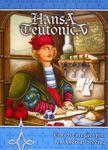
is in real life their other title high-rise we also covered on our channel but between the two this is the one this is the one that i've ever killed yeah i really like i think we we backed it on kickstarter or we backed the expansion or something on kickstarter now we went like all in because i really have a good time with this yeah this one plays best at higher player counts i think it can play up to five players yes one to five i would say play it at four or four it's probably the sweet spot in two players the the competition for different cards and things isn't as kind of intriguing or interesting as it is before at four you're really kind of like all right to be perfect that tightness of drafting things on the table and uh being the one to be able to take the things that you want is really key it's a really key part of the game so in a two-player game it's not obviously not going to be as tight they do have a two-player version of the game i think um or unless it was an expansion i think it's called rivals yes but we haven't played that so we can't speak on that one uh but four players the networks is fantastic okay moving on this is our second to last game on this list the stretch yeah home stretch this one came out back in 2009 designed by andreas steading and published by pegasus shpila this is hansa tetonica this is the big box version of it uh with there was maps and the game was actually out of print for quite some time and just about a year or two ago they reprinted it with the big box version with all the different maps uh that were hard to get before so nice to have this talked about this a lot because we know remembering all of our talking points this box is not that big
so yeah you know yeah for a big box it's not a big box so which is great i love it yeah um this game was something that we had played once when we were getting into the hobby and then it had gone past us i think several years before we had played it again um spoiler uh if we do a top 50 again this is probably going to be on my team was it not it was not because we had only we had played it once before knowing it was really good but in preparation for the top 50 we had not played it a second or a third time we've now played this game i want to say like five times total yeah in the past five months we played this game i don't know what happened there yeah but we just kind of fell into those circumstances i i can't remember what the exact theme is i think you're like building out postal routes uh or trading houses oh it's so thin yeah you're just you're trying to build a route on the map and it's not even about that really like yes that is an aspect of the game it's how you score a lot of your points yes but it doesn't really encompass the heart of the gameplay yeah there's there's an element of you taking up different road spaces to try to place your i guess your area control cubes into different postal houses uh but if you're not able to fully complete a route you can kind of camp within a street or in in one of the networks and force your opponents to force you out of there giving you a free action um the different types of actions in this game are very very straightforward very very easy to understand but the push-pull kind of mechanisms
that you're trying to do by setting yourself up to get passive turns by people kicking you out of different locations becomes extremely fun and very very interesting this game plays three to five players i highly recommend it at before and especially at the five player account yeah the more the better yes because of that uh kind of competition for the locations absolutely yeah so it is what you said in this game you're you're trying to secure routes like that is what you're trying to do on a map and so the big box version has more than one map but one of the main things about the game is you have a bank of tokens that you can use as your supply which is different from the available tokens that you actually have to use on your turn and so your actions are going to be stuff like putting an available token on the map to try to secure a route or getting more tokens from your reserve into your supply or kicking somebody out who is blocking your route because your the entire route has to be full of your own pieces and if you kick somebody out it allows them to add an additional piece plus the one that kicked out to an adjacent location so it's like you kick them out but they get a benefit so it's constantly that it's constantly you trying to secure the most advantageous routes in order for you to upgrade the different actions that you have on the board because that is a large part of the game while also trying to secure the routes that are on your end game scoring cards as well as just having a large network of connected routes because those are all ways that you'll score points at the end of the game but the heart and soul of the game is getting into each other's way and kicking each other out so if you're gonna play this game especially if it's your first time playing try to play it at four or five and get in each
other's way if you see somebody who is like one one spot away from completing a route put your token there and let them kick you out and do that the entire game that's the heart of it it makes for really really fun table talking he's really uh kind of looking and and strategizing and and like like hey monique on your turn you gotta get in there you like because you can't let them have that spot it's really fun yeah so it's it's good it makes for a really really fun experience it plays in about uh 45 to 90 minutes honestly the game ends way faster than you think it's gonna end all the time it doesn't feel long because the the actions that you can take are so quick like if your action is just put your three cubes on the board then you just kind of put them there and then the next person so the game is just constantly around and round and round and round until it ends and it's it ends faster than you think it's going to always every time yeah so yeah so that is our number two haunted sonica the big box or the regular box which leads us to our number one and again this was not in any particular order uh but this is a game that was designed by dr reiner kenitzia um and i'm gonna cheat a little bit here and i'm gonna make this a two part number one wow it's published by grill games the one that we have was published in 2018 and it is called yellow and yanksy uh slash tigers and euphrates to tell you the truth i'm gonna cheat and i'm just gonna love both of them in as is number one the only thing is we don't have our copy of tigers and euphrates anymore nfyi tigers and euphrates was designed in 1997.
which would put that game uh which make that game the oldest on our list yes right that's right and the reason why i kind of love them both in the same uh number here is because they are very much similar they're kind of the same they are kind of the same game this is like the 2.0 version of that game yeah if you go on vgd i think they call this the sister to tigress and euphrates it really is kind of like the evolved form yes but i will say i don't necessarily think i would always choose yellow and yanksy over tigers and euphrates because it does kind of change the way that conflict works it does yeah basically in both of these games what you're doing is you're building out a civilization on the board i believe it follows a very specific time period thematically but you're just putting these tiles on the board and putting your leaders in these different uh kingdoms but the issue is everybody has one of each type of leader and each kingdom can only have one of each type of leader so if a kingdom combines where navin and i both have our same colored leaders in it we go into conflict and there's this whole thing that ensues depending on which version of the game that you play i believe conflict is handled a little bit differently and so over the course of the game you're going to be scoring points that are going to follow these four different colors and at the end of the game your final score is going to be whichever color you have the fewest amount of points of of course right yep so it's really really uh it's really tense like extremely tense it's my favorite runner comedy game but probably the one that i have to play the least often because it's it just takes a lot out of you yeah this game
because you're constantly like oh gosh in each other's faces one of the confusing things about this game is you're not a specific player color you're a specific symbol and you'll have every single color in your arsenal to your disposal in terms of the leaders in terms of the leaders yeah so that's something that you kind of have to like kind of change your your mindset of your brain like i remember the first time i played tigers in euphrates i was like wait i'm not red okay stop stop thinking the red pieces are all mine you have to look at the symbol that's on there but uh yeah this one is is very tense because eventually you're gonna start building up like kind of in your corner and monique might be building up and as the board starts to shrink these kingdoms are going to come together and you're going to see oh there can only be one leader so you have to be prepared at the time to be able to resolve conflict and come out ahead and have to anticipate a lot of times what happens is a third player might see an opportunity to create conflict so i might put a token down that that's like i'm not part of this conflict but i want to weaken you both so here i'm going to place this tile here now both kingdoms are connected you guys duke it out figure it out and that's one of my favorite parts of the game yeah it's really interesting it's just a constant war game in a euro setting using tiles basically and then at the end of the game after all that fighting it's just whoever has the most amount of their fewest amount of points yeah right so there's multiple scoring criteria categories i love when games do that where you have to bring up the rear constantly and this is one of those games you only score your lowest category and that's your final score in this game so you cannot
just go out ahead on the green scoring and just say you know what forget forget the other color so that that's one of my favorite parts of the game right and so you know going off of that if you can see somebody who seems like they have a monopoly over a certain temple color or something and they're just accruing all these points it actually doesn't matter because you're not going to score those points yeah they have just so many of them that's right so i think it's really interesting to me it doesn't really matter which version you play i think that this one is better but tigers and euphrates is also very good so it's not it's not an obvious choice for me so that's it that is the number one game in no particular order but it's the number one game that we've listed on our list yellow and yangtze slash tigress and euphrates so there you have it those are 11 games 11 mid-weight games that we love that are in our collection um moving forward we're going to have we're going to start talking about games that are not in our collections which is going to be interesting but again we would love to thank our patreon community for voting on this topic and suggesting it actually and uh stay tuned for some gameplays hopefully they'll be coming back very soon yeah we hope so uh if you do have any suggestions uh for uh different titles that are midweight based off our criteria i guess 2.5 to 3.25 on bgg uh let us know in the comments down below we'd love to see those let us know how you define midway yes because we really struggled with that yeah we were like let's just let's just make it 2.5 to 3. yeah for no reason at all yeah well anyway thank you all so much for watching the video we hope you enjoyed it if you'd like to see these kind of videos in the future please consider subscribing thank you
thanks bye you