Beyond Solitaire Podcast 66: Paul Booth and Aaron Trammell on a Board Game Book Series
Games in This Video
7 games are featured in this video — they unlock as you watch.




Transcript
hey gamers quick add break before we get to the pond as you might have noticed the beyond solitaire podcast is now sponsored by central michigan university's center for learning through games and simulations i'm personally really proud to have this sponsorship because they believe in bringing games to the classroom to make learning both informative and fun one part of clgs's project is to publish peer-reviewed academically sound board games that are indeed both fun and informative and i want to make a quick announcement about a couple of those their first successful kickstarter monumental consequence has now opened pre-orders so if you go to the kickstarter page for monumental consequence designed by mary beth looney you can pre-order it there if you want to hear more about the game i actually interviewed mary beth looney on a previous episode of this very podcast i also want to announce an upcoming kickstarter game for you to look out for there's not a release date yet but i will be having the designer on this podcast for an interview and that is professor scout bloom's rising waters which is another game you'll be hearing more about in the near future thanks for listening and let's get on with the show hey gamers this is liz davidson for beyond solitary and this week on the pod i have two very special guests i have paul booth who is a professor at depaul university and i also have erin trammell who's a professor at uc irvine how are you doing gentlemen do good yeah doing great it's wonderful to be here with you yeah thank you so much for inviting us yeah it's so wonderful to see both of you so i admit i google stalked you so uh aaron i'll start with you i notice that you've got a lot of interesting
things to say about dungeons and dragons in particular in your scholarship do you want to give people sort of a rundown of what you what you like to write about yeah so so i i do a lot of work on um uh games uh and identity like the way that um people uh take games and they play and think through them and how they impact their identities so a lot of my scholarship actually started looking at dungeons and dragons and the practice of role playing in the game and you know thinking about you know um how uh women and people of color who approach dungeons and dragons um experience the game and that comes also from my experience as you know um a mixed kid uh both black and jewish growing up in new jersey so all that kind of comes out of my writing of that and that's kind of grown into a larger conversation about race and gender and board games and tabletop games more broadly that is awesome and uh paul you have i know you're a doctor who fan from twitter and you also have a book called board games as media so what's your little rundown of your what you like to write about yeah uh i guess doctor who fan and i write about board games kind of sums up at least my twitter account um so i i am i study pop culture um and in in that i'm particularly interested in the reception of pop culture so a lot of my work has been on fandom and how people um kind of have emotional engagement with media texts um and
that's partly because i am a doctor who fan and i was like why is this show doing this to me um and then it has broadened out to look at fandom more generally um but then as part of that or i guess as as i was kind of developing my research on fans um i also fell down the board game rabbit hole and um i i suddenly realized like there are a lot of parallels between board game players and fans um but but and and then so i started kind of researching that and then as i've kind of been getting more and more into the board gaming academic world um i've been realizing that it's some of those differences that are also really interesting and um so that's where board games as media came from uh which is a book that looks at what what happens what what do we learn if we look at board games as if they were media texts communicating things about contemporary culture to us um and so i kind of i'd do a deep dive into that um so my my interests just kind of keep multiplying as i as i become more and more nerdy i guess um and uh yeah i wish i had a doctor who metaphor but like tribbles yes yeah um adipose might be a good doctor who metaphor if you're a doctor who fan um they just keep multiplying and multiplying fantastic and then so you can never get
too nerdy which is why the two of you have combined forces to do a new book series we are the wonder twins of the academic board game community so uh tell me about your your book series it's through university of michigan's press correct it is yes yeah so so it was paul's idea i um uh i kind of i kind of joined up for the ride a little bit later um as as we started talking about it and bouncing some ideas back and forth but um i think paul had the idea do this series um because there's a lot of series on games and there's relatively little in the the universe of writing of games on board games specifically um and so i i think it was paul's idea that like hey maybe there's a niche here that that um some some aspiring scholars might be able to fill um with the right support and the right authors yeah and um thank you aaron i mean like it i i what it was was originally i just kind of tweeted out this idea which was it wasn't even a fully formed idea really it was just i was like you know there's a there's a book there's a kind of short book series about albums and there's a short book series about doctor who episodes which is what got me thinking about this and there's a short book series about video games why isn't there one on board games and i just tweeted like who would be
interested in that and i got this flood of responses um and i'm like oh maybe there is kind of a an interest in this um but my um kind of my expertise uh is not in is not as broad and as varied as aaron's is so um you know i like i i i was like this would be a cool idea i need someone who knows a lot more than i do um about you know who to reach out to what games to include and things like that um and and and so i think in that respect i think we we are such a great partnership on this because we kind of really complement each other in in our different strengths yeah so there had been a sort of uh subgroup of academics that for like the last 10 years has been kind of like sharing papers on uh tabletop games and board games and larp broadly and so that that's where my strengths come in the the journal that i edited is called analog game studies and we've been curating a lot of scholarship in small papers um for a while in that way we um we got nominated for diana jones award in 20 2018 i think that was like our big accomplishment um so uh so yeah so so that had kind of been bubbling below the surface but i i feel like this is um an opportunity to to take it to the next level and to really broaden this conversation out and make it more specific about board games and what
board games are doing because i mean like every every three years i have a check-in with myself and i say all right i think board games have grown a lot in the last three years and i'm surprised and it's like it's crazy that they are they're huge right now yeah we are really in amazing age of board games it is the truth yeah and that that was kind of that that's exactly it right and and if i i kind of ran into this when i was writing board games as media like i wanted to write about um i'll just scythe right i want to write about scythe and i can go to stag meyer's website and read um read that um i can go to um kind of pop websites and read about that but no one is really writing about these in a serious way um and i i don't i don't mean to say not serious obviously all of those are serious things but in an academic kind of way um and and so it was in some ways a little selfish because i was like i want to read what other people have to say about these things that have been really important in my life um and so that that's part of it right is just giving an opportunity for folks who have an interest in kind of specific board games who um who want to explore these in a little bit more detail to both write and read these and we've really wanted to gear the series um which is called table is it tabletop games or tabletop gaming we always make this mistake it is
tabletop gaming uh yeah uh the series is tabletop gaming um and we're really interested in in making it appeal to a a a wide broad audience we don't want just professors right reading this we want game players to read this and fans to read this and game designers to read this and learn from kind of their uh contemporaries yeah i mean i will say as somebody who researches games i i think to to kind of repackage what paul just said the the best writing and thinking about tabletop games and gaming right now is often happening on youtube and on podcasts where people who are really into games and having a hobby of academics or like you know understanding intellectual discussions um are critically analyzing things and not the other way around and so we're not we're trying to to harness this i think to harness this energy that's already in the community bring some of our friends from the academy and but also try to make some new friends who are working on the ground and in the industry right now who have something important to say to academics i think that's awesome so the structure of your uh of your book series is to have individual volumes that focus on particular
games as opposed to topics within games what made you choose that particular structure and what are you hoping is going to emerge from that editorial choice well i think there's there's a lot of opportunities in that sort of structure to allow authors to develop their own particular interests um so i'll take the scythe example let's say there was a book on scythe you know i might be a historian and want to write about it in a kind of counter factual way someone else might be um really interested in the material elements and want to write about all the plastic miniatures focusing on the game allows various topics to kind of percolate and i i think that's what we're really interested in is not having aaron and i dictate you have to write about this you have to write about that but rather letting authors develop these strains that are interesting to them because if it's interesting to them it will be interesting to other people and then it's not just what aaron and paul think are really interesting topics but it's something for the community yeah and i think a different way to look at is that every game box has a story in it a special story that that could be told that story might be like really personal like that one time that this game box um led to a relationship that you know spend years or it might be something that's that's relatively impersonal and just really interesting
about the design or the unique things that happen on the game's way to production it could be anything on that spectrum but if it's a story and it's in that box i think we're interested in it and that's really what we're trying to amplify here so as opposed to you know going for a pure you know academic uh research lots of sources you know thesis type stuff you're also potentially interested in things like oral histories about a board game or you know a more personal and maybe even narrative non-fiction sort of element is that is that what i'm hearing yeah i think academics get a bad rap actually um and i think we we do this to ourselves because the professionalization of the field requires that we add sources that we cite each other um but uh you know a lot of that can lead to bad writing also and so i think both paul and i are committed to really working with our authors and trying to find a right balance there that's something that really communicates well um the story that they want to tell about the game um but makes the sources legible to an audience that's academic um in a way that doesn't really make it illegible to the board game fan out there who also might buy the book yeah that's that's exactly that perfect answer i wouldn't have i wouldn't change a thing so um since you're doing it uh you know each volume is dedicated to a specific game um is each volume by a single author or are you taking multiple
contributions from authors about one game and combining them into a book for the most part the books are so low authored i don't think we we are certainly not against having co-authors on a volume i think we haven't yet approached the topic of whether we'd have an edited collection which which would be like a person edits a number of different essays about it um to me the the trouble with an edited collection is it's never quite as cohesive as the editor hopes it will be and and i think that can be a beautiful thing but i also think for for this series and what we want to do in terms of what aaron was talking about these stories the journeys of the authors i think it it becomes more interesting for the reader if it's if it's a kind of coherent authorship yeah i think that's right um uh we we'll probably broach the topic about edited collections if and when someone has a really brilliant idea for one and you know we we have hearts so we can be swayed but but speak for yourself aaron but um as it stands right now i think we're hoping for for manuscripts that come from one or two people um that are really focused nice and um are the people that you're choosing for your series so far i mean you mentioned that you're trying to sort
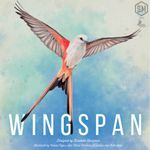
of bridge academia and hobby gaming uh so are you also getting people from a number of different fields you know who have you got so far and what perspectives are there are they coming from yeah um and just i think we're both looking to look up the abstracts that we've received so to give a little bit of background for your audience who may not be familiar with how a a book series like this gets proposed you know aaron and i had to write a proposal uh which was about i don't know 10 to 12 pages long that kind of explained what we wanted to do and and why uh university of michigan press is a good press for this um and as part of that we included seven uh six or seven topics um you know these are games that we think would be really good and we reached out to people that we knew in the kind of in the board game community in the academic board game community um a lot of them are folks who wrote for analog game studies um and and folks that we've known um kind of going forward so we we those those initial abstracts that once the series was accepted those are going to be our first series of books um and we're really trying to gear that for a variety of topics so we've got um kind of very contemporary popular games like wingspan codenames um katan katan
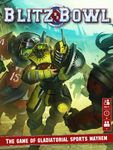
but then we've also got kind of some more funky interesting kind of classic games blood bowl is on there apocalypse world you know stuff that really kind of can span different types of tabletop games um so i i aaron now that you've had a chance to look up the abstracts while i was uh riffing for a little bit yeah yeah i i think there was a wonderful riff paul um also i think the the other focus of the series is on inclusivity i think this is um one of the things that we're really working hard on the back end to curate um so i i know we're really excited about an abstract that we have on wingspan which will hopefully also be coming out and another one on spirit island these games that you know in a variety of different ways have challenged some of the norms of um the landscape of board gaming which you know like 20 years ago was mostly a conversation about trading in the mediterranean um so i think we're we're we're also looking for some games that push that envelope as well and authors right we're so we're we're also very dedicated to bringing in um a diverse set of of authors as well um we're not just interested in the kind of straight white male gaze um but but drawing from kind of the the real strength of the diversity of the field
and community and community yes and then uh you know what academic fields do you think might find this kind of work relevant you know i find it very interesting that neither of you technically works in a game studies department and i feel like gaming is one of those things that kind of slips in to a number of different places so you know what is your vision for how broadly this work could be appreciated well liz i feel like these books would be appropriate in any academic field abs ever and should actually be required reading for pretty much any class that you could possibly see i mean that is my curriculum i would take if i could do it so i mean oh well i was i i was kind of being flippant there but i i mean i think one of going back to what you were asking earlier about our the authors and and how these authors are are putting their own stamp on these books i i don't think it's going to limit uh the the field that these books might be appropriate for so yeah i mean you could you could say yeah these would absolutely would be ridiculous in a math class except i could imagine a really interesting book that looks at the mathematics behind a set or um something like that you know like there are there are there are mathematics behind it i could see a really interesting history book i could see a really interesting physics book about jenga i would love to read a book
on jenga i mean like that would be so interesting so yes i mean i i think there are some fields that these will fit in more easily but i don't i also think there's a lot of opportunities for them to to develop in new ways yeah i think i think that's what's important um both paul and i come from very interdisciplinary backgrounds in the academy and so i i think we're looking at it from the other way where people from more of a disciplinary perspective want to think how you can drill something down into the discipline it's from i think mostly we're trying to blow things up and show how they can make connections between and across things that you might not have expected coming into the book then you walk out you're like oh wow that was history in mathematics in one like i never saw that coming um and that i think is part of the story and the storytelling that's really interesting to us excellent so you've got this book series is going to be reaching hopefully a broad range of people um but are you also you know so obviously we're all passionate about games and getting games out to more people our game's also something that are a presence in your classrooms are you using them pedagogically as something to interact with in your classrooms in addition to something to talk about i'll let aaron do that because i know you use games far more than i do i think yeah so so i'm in a program it's an informatics program but we i i teach in a major that we offer that is a game
design major so it's it's it's verging on close to things that actually deal with games so um i just finished up uh the class i teach every year which is on mobile gaming and um in this class the final project that every student has to do is make a 40-card card game um because you know like deriving inspiration from like the history of magic where richard garfield goes to wizards of the coast and says hey um i've got this this board game robo rally and then they say um well that's great but is there something you could take with you to cons and then all of a sudden you have this huge game that's you know franchised everywhere these days um that's how i want my students to think about what mobile gaming is it's not necessarily about playing games on your iphone it could be so much more if you brought in your horizons about what it is and so they made these but these excellent games but in that class you know we're playing games we're playing board games or playing uh video games we're playing all sorts of games uh frequently i'll sign love letter for my students uh that's a really fun game that's cheap to get a bunch of copies of and like distribute through a room and um i've also in a different class i've taught i have an epic final day where we do two rooms in a boom which is a really fun way to close out the class and also have some really interesting conversations about democratic deliberation um and politics and stuff like that and i think you know actually bringing games into the classroom
winds up showing students how important games are to our lives which i i am just so thrilled with i use two rooms in the boom in one of my classes too um we uh we talk about social dynamics uh absolutely fabulous game and and it's it's hilarious because they always want to play it longer than you think you're like i've given you half an hour to do this game so you can play it four or five times and then they're like no no we're not done yet we want to try new roles we want to try new things so the other thing i'm noticing from the way that you're talking about games and and paul i think this plays into your publish work quite a bit is that you're very interested in how games are received by the people who play them so you're interested in your students perception aaron of you know what a mobile game can be you know in terms of their own entertainment or we have people writing these mobile writing these books in your series that are about their personal potentially very very personal experiences of games um to what extent do you think that games are important as media that makes a statement about something and to what extent do you favor sort of the idea of the person's experience of playing the game as taking precedence in what you study getting into the heavy questions um i mean i guess for me those two things are kind of inseparable right i i think the meanings that someone might get out of a game
have to depend in some way on how the game is constructed um yeah and you know there's in in when in fan studies when we're studying kind of audience reception and people say oh fans can believe anything about a tv show it's like well they can believe lots of things but no one is going to confuse you know star trek for i don't know an allegory about beekeeping right like that it's it's there's there's a lot going on but there are some readings that are that are more close than other readings um so i i to me you know the experience of a board game is part of it and and but the the game itself the text of the game is the other part um and it that's kind of uh not not to get too introspective in naval gazing here but that's kind of what board games media is about um is saying you know here you have a text but it's a text that's co-created um by the designer of the game and then the people playing the game that may only ever see a small portion of it you're never going to draw every single card in a in a game that has hundreds of cards unless you play it hundreds of times um so it's always going to be this kind of slice that that you construct out of a larger world yeah i think that's beautiful um i i would use the the old quote um death of the author which i'm sure a few people listening are probably familiar with as you know this old paradigm
of that the author writes the book and that's the the end-all be-all the meaning um is something that like today we're very used to not thinking about media in that way anymore we don't we don't think that the story of a television so ends when the television shows early we go to web forums we digest all sorts of stuff about that show about the people who wrote that show or worked on it etc um so i think that's part of the the narrative here but then the other part about it and i think this is the really interesting part about it when it comes to hobby games overall is that there's a longer story here about um the people in the communities having worked together with the designers the whole time and i think that you know when we look at board games and we look at board gaming we should and kind of have a re obligation to be inventing the story as the sort of uh collaboration that has always been going on between players and authors that are often friends with each other or at least like you know two was the two degrees of separation away from each other and kind of in dialogue with each other so yeah i think um that's one of the really profound implications of uh thinking about what games mean is that it's not necessarily just a story about the people playing it it's not just a story about the designers but it's a story about how these things come together and form worlds of our imagination so it's
really interesting aaron that you would say that especially because i'm i'm thinking about right some of your work that i have read about dungeons and dragons so a lot of your work on tabletop gaming comes from your perspective as someone who was fitting themselves mentally into a world that was not necessarily created for them so when we talk about gaming as a dialogue between the designer and the community um you know especially as people who are committed to a more inclusive space do you also feel that having a more inclusive community is eventually going to pull on game worlds to communicate with those communities differently over time like is that part of the end goal here yeah to answer that question that's such a wonderful and uh thoughtful question so thank you for asking it uh to me um i i i think that we're coming out of a paradigm um where games um historically or at least the publishers that had a lot of money to publish and distribute games have been a predominantly white space and we're moving into a paradigm where a lot of people both allies and bipac people working in the industry are challenging that and i think that that's an important moment that we're all living through now and it's in some ways a very exciting moment that we're living through now because we're seeing all kinds of games kind of with new kinds of representation with new stories to be told emerge in that sort of
breach um but i also think you know within that there are a set of interesting alliances that are happening right now um and i think one is between some of the larger publishers and more of a coalition of uh bypoc authors because there's an incentive for publishers to diversify their audiences and bring more people in and i also think you know one of the things that that happened in the community before that is that there were niche games that weren't very marketable um that that uh the hobby had been producing and so i think that this is kind of a point of tension between a sort of like old guard of uh hobbyists and a new guard of geeks coming in uh trying to to con to play these games and um uh produce these games and it's just honestly an exciting moment right now and one that i think we're seeing a lot of creativity happen around the games that we're playing because of does that answer your question yeah and it kind of spurs new ones i think it's really interesting you know especially because your book series includes right games that are kind of older games and then more contemporary to us games like you know wingspan um what happens you know if you think about games and players as co-narrating as co-authoring and even as
like kind of giving each other some push and pull how does that change as games kind of leave our current market and become older games and how does that affect the particular kind of academic approach that we're talking about with this book series well i mean i i can i can maybe start to answer that i don't know if if i could fully um it's such a great question um you know i think whenever we approach classic media older media older games it's always through a lens of the contemporary um and anyone who teaches i know we're all teachers as well but anyone who teaches and shows students things from our own past uh that and are suddenly faced with revisiting them through the students eyes you suddenly realize oh you know like i have changed the world has changed these sorts of things have changed um so i think you know in in 20 years if we go back and revisit wingspan or we we revisit um i don't know i'll just use scythe again you know um we'll we'll see it differently we'll read it differently because because the world will be different the game will be the same but we will have a different interpretation of it and i think i am you're making me think what would be you know cross your fingers this book series is is a huge success and in 20 years time is still publishing and aaron and i are going around in our walkers and
uh geriatric living together in an old folks home and and we're like you know what let's do a 20th anniversary wingspan where we invite people to comment on it and or we we do this kind of constant revisitation i think would be a really interesting uh and fruitful way of exploring games because we don't we haven't really done that yeah i i i love that dream when expanding the old folks home um i i also just think there's something to be said about moments um and that the fact that you know part of what the books will be is not just a critique that's eternal and forever about the game but a time capsule of what that game meant in you know 2022 or 2023 and that's a special thing like that's that's that's something that that i want to be able to go back to and say like oh well i i thought i remembered it this way but in this time the game was clearly remembered in this way and you know that that's important for our shared culture and history gosh it's also so interesting because you know as hobby gamers right we talk all the time about the cult of the new and so many people purchase a game play it ah two or three times and then they're ready for the next one um you know we all get fomo lots of kickstarter junkies out there i'm not really immune either i review games so there's the games that stay in my collection for a long time and there's the games that i play a couple times and i mean i play more than a couple times for review but you know what i mean there's the games that are in my life
for a short while so you know the other thing that's kind of interesting about this series is that there's no way to know depending on what people choose if those games are still going to be a big deal in 20 years like is scythe gonna still be a big game in 20 years i think wingspan has the potential to still be a big game in 20 years um but you know are you selecting for that or are we just letting authors go with cool proposals and then we'll just see what happens in 20 or 30 years well i think part of that is um uh the the way we're defining the word big right um we we often have this rock star mentality about what big is um but i think it's also important to to remember that sometimes small can be big uh a game that was important really for someone's life at this one time i think is big in its own way and those stories are kind of i think what make us all geeks right like recognizing that we're not necessarily playing with the the the cool kids in the playground but we're playing with each other and there's um something about this sort of like weird niche hobby that that isn't always understandable to the outsiders that we can all kind of geek out and bond over i love i love that answer i love that because because no one thinks that their favorite game is a small game you have a good point speaking of which uh what arielle's favorite games
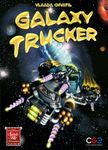
we should really have good pat answers for this question um i love galaxy trucker i think that's my um favorite game of all time but it's it's actually a really painful favorite game of all time because the better you get at galaxy trucker the worse it is for everybody else to play that game with you and so it becomes more and more of like a sort of like the precious of that so i will never get to the table because because i love it so much but you know my friends do not and definitely don't have the experience to compete well with me that's where the mobile game comes comes in handy yeah uh for me my uh number one all-time top game uh is gloomhaven um which i mean speak i know that is a huge game and i i know it's kind of like saying oh i'm a fan of marvel um but it exactly as aaron was talking about it it hit me at a moment when i really needed it um and you know that's a game that um you'll appreciate liz i played solo uh the entire time um and just like i i needed to live in that world for a year and i did and it was wonderful and i um so emotionally it helped me uh through some difficult stuff and then but it was also just a really fun fun game and now i'm i'm able to go back and share it um
with my partner and with with friends um in in a new way so that that is a game that has continued to give uh when we when we talk about it uh if you talk about uh a percentage of how much you spend on a game versus how much you play it the the per play on that game for me as like gotta be like 10 cents a play at this point as opposed to some other games that i really like but are like i don't know if this was a hundred dollars worth but which is which is a which is something that i think we we don't talk enough about in the hobby uh which is the the high prices of games make it an exclusionary um hobby in a lot of ways um and and you know that's a you know maybe a separate conversation but yeah it is but i do want to piggyback on it because it's so interesting like i just think about um uh where i am now versus where i started you know where i'll uh easily break out my wallet for an exciting big box of something and often if i go to the store those are the games i'm looking at but when you know starting out like i remember you know a modest 20 investment hive was this like you know month of play that was like really exciting early on when i started getting board games like 15 years ago so so yeah it's it's weird to think about how that also scales in yeah experience and perspective yeah absolutely that's a that's a really
good point we lose sight we lose sight of the new gamer um you know and so we go when we go and go to a board game store and we're like oh i want this new shiny um and you're like and your your partner your friend who's not necessarily a gamer is like i'm not gonna play that with you you know like that's a game that you're just gonna put on your shelf because you want it yeah that's a that's a weekly conversation in the tremel household oh my goodness so now that i know though what games you love are you planning to contribute to your own series and if so would it be about those games uh i'm if if it came around i might one day contribute but right now i think uh we're committed to having a kind of greater variety of viewpoints and as editors we we have a hand in picking picking which ones get you know uh through the the process and shaping them um so we don't want it too much to be the aaron and paul show i think uh but gloomhaven has already spoken for i'm afraid so i would have to pick something different it is yeah yeah i i think we're going to do more of the whispering in years um so for the time being but i i i wouldn't foreclose the possibility of that happening one day i think you know we should do i this has
just come come up now but and so your your podcast listeners are getting an exclusive here um but i think aaron you and i should co-write one where we have a vehement disagreement about the game and like a game that you love and i hate or vice versa and we kind of debate it i think that would be really fun that'd be great like a devil and an angel hope i get to play the devil so i just thought of random curiosity did ariel's uh gaming taste relatively aligned or are you super different people who just happen to have a shared academic interest aaron's definitely more into role-playing games than i am yeah i i i would i would definitely divide the the group into uh roughly into that um my background is definitely far more attached to role-playing games but in the role-playing green group i'm like the the board game nerds so um but i think that's an easy box to put our expertises into more or less as a wonder duo
nice uh so i will ask you one more i guess semi difficult question before i throw you the the end of show softball which is where you can be found online so what i want to know is y'all are professors you like to get people to think more deeply about things and obviously this um this book series is aimed at helping people engage more deeply with their games so what question should my listeners ask themselves the next time they play to have a more interesting and reflective experience with their own beloved games long pause well i'm gonna i'll take first shot at this um if that's okay please please okay sometimes so it's it's a question that i would that i had because i teach a board game class where which is actually where the the book came from um and it's a question i have my students answer right in their essays and in the games that they design in that class which is what statement is this game making right um everything is created for a reason and they can be i had a great idea for a game and it's super creative and i want to get it out there i want to make a ton of money if hint in the board game world you're not going to make a ton of money um but a lot of people create media and games because they they want it to communicate something so what is it communicating what is the story what is the the underlying metaphor that this game is going for yeah that's wonderful i think i think
taking us back to story there is really helpful um i think the thing i would i would want to know is what what component if you could find one component in that box you get you can tell here i've had i've had the time to think this through which one component is the most emotionally evocative for you and why so is it is it a character that's on a card is it a little miniature is it the board itself and the way it's been illustrated because i just think there's such interesting tactile things in these boxes and i think that's really one of the things that makes me keep games on my shelf is like there's there's amazing things in here it's like you discover this whole world when you unpack it and yeah i just want to kind of understand what in that world is just pulling you in like an anchor like a tractor beam good answer excellent answers and so now an easy question as promised uh where can y'all be found online and so you know just so people can ask you questions uh i am uh i mean uh p booth at depaul.edu so um paul paul kind of repeats in that and then on twitter i'm at pbooth81 yeah and um you can email me at trammell uci.edu and that's tremel with two m's and two l's this is
people always use either one m or one l uh but no it's not your eyes it's two m's and two l's but or you could tweet me at aaron tram um which is two a's in it um so lots of double letters um but also i i encourage your listeners to check out um some of the other work that i do at um analog gamestudies.org uh where we try to frequently publish articles also that might be of interest to your listener base excellent and as you all know i can be found anywhere on the internet as beyond solitary thank you so much paul thank you so much aaron i very much appreciated your time on the show oh thank you so much for fun yeah thank you so much i i can't believe it was 45 minutes already it was fast i know it's like it's flown by thanks so much for listening everybody leave us some comments some questions and as always happy gaming
you