Beyond Solitaire Podcast 226: Bree Woodward on Creative Direction
Games in This Video
8 games are featured in this video — they unlock as you watch.



Transcript
It's ad break time. I'm proud to announce that the Beyond Solitire podcast is sponsored by Central Michigan University's Center for Learning through Games and Simulations. I'm personally very excited because CLGS has a springtime crowdfunding project on the way. They'll be publishing a revised edition of Jason Morning Stars the blue way which you can hear about in episode 224 of this podcast. But for now, let's get on with the show. Hey gamers, this is Liz David from Beyond Solitire and this week on the podcast I have a very special guest. This is Bri Woodward. She is the creative director of Studio Big at Asthma Day. So when we talk about Studio Big, what does that consist of?
Hi. Uh, Studio Big is a team that represents ZMAG Games, Unexpected Games, and Office Dog Games.
It is indeed big.
Yeah. No, we're we're big. We're big. We kind of um merged in uh the start of 2025. Um behind the scenes, we were kind of working on it in 2024, but we officially became Studio Big um at the start of last year. So, um, we were all separate teams, um, at one point in time and we kind of joined forces and we're sharing resources and, uh, we're all better for it.
Fantastic. So, I just introduced you as a creative director, uh, but people may not actually know what that entails, uh, in this industry. So, what's what is your job as the creative director at at Studio Big?
Yeah. So, I mean, in short, I direct the creative team. Um, but I think one of I'll start with a pet peeve. A pet peeve of mine is when people say, "Oh, you're the creative director. You make things pretty." And I feel that that really really simplifies what I do. Um, because the creative experience is not just visual. Um, it's everything. It's it's how the game feels in your hands. It's the unboxing experience and what you see first when you pull that lid off. It's the um the emotional impact of a game. It's the quality of the components and whether we choose to go with wood components or plastic components or um you know all manner of things related to the creative development of the game and even theming. Um, so yeah, my job is to kind of oversee the creative team and direct that process of, you know, taking a game that is, you know, basically just like a print and play, maybe even without a theme at all, and bringing it to final finished concept. And so that is theming the product. that is um coming up with like innovative solutions for componentry because you know we have all sorts of restrictions. So those might be um box size limitations or they might be cost limitations um and uh it's you know choosing the
artist and it's uh coming up with the creative writing that is in the product. There's there's so many different aspects of it. Um, and it's something that I'm really passionate about. Um, I've done a a whole diet tribe on LinkedIn about what a creative director is and what they do. I think a lot of people just they kind of try and just simplify it down to, oh, you make things pretty. Um, but no, it's so much more than that.
That makes sense. And as the as as the creative director for one studio that's actually three studios, this is getting theological. Um, so, you know, there's still boxes out there that say Office Dog. There's still things that are branded as Zman. How much cohesion is there between the three studios? And then when you are creative directing for one project that's kind of branded as one studio versus another, uh, what kinds of considerations come in when you're doing that?
That's a really great question. So in terms of the kind of cohesion that there is between the studios um I would say the the co cohesion is in the team functionality on the back end. Um but what we try to think of the studios as we're one studio but um three imprints and an imprint can represent a lot of different things um especially to our customers. So customers when they buy a Zman game, they have a certain expectation. When customers buy uh a product from Unexpected Games, they have the expectation that is designed by Cory Kesca and it has his DNA in it. When people purchase an Office dog product, they're expecting um something that is innovative and fresh from indie designers. Um so they all have a different vibe. And so uh the difference between the three is mainly in which games that we sign and choose to publish under which imprint. Um so uh with Zman games it's kind of like a a legacy brand.
Zman is, you know, has been around for a really long time and uh it's a very trusted brand and um it it has our pillar games like Love Letter and Carcasson and Pandemic and you know games that are just tried and true and have had a million different versions over the years. So um we generally don't tend to to publish like new IPs under that particular um imprint. So like new IPs like fresh new games from you know indie designers are going to be under uh office dog and um Zman is going to be more pillar brands and then unexpected is strictly games designed by Corey Kanesca.
That's interesting. Are you using the same team for all these projects and just deploying them in different combinations or are there actually different teams for each of these imprints with their different vibes?
We're actually all one team. Yeah, we're all one team. We all work on everything together.
Oh, that's nice. So, everybody's working on a little of everything.
Yes. Yeah.
So, there might be a world in the Sorry to interrupt you. Yeah. There might be a world in the future where we where we get even bigger and we do have to kind of make little verticals for each or um uh organize the team structure that way. But at at present, you know, we're publishing six to nine games a year depending on the year and we're a team of 13 people. Um so we are extremely efficient but if we were to publish more uh we would probably have to restructure um the team differently. U maybe like one team focuses on reprints and one team focuses on you know Zman stuff and one team focuses on office. Um that right now though we're just all one team and we work on everything together and and is it insane and crazy? Yes.
So, oh my god, I can't even imagine six to nine games a year. I mean, you know, I'm at Leader. We do we do it slow. So, what um what does that workflow look like? I'm just so curious about this.
Well, you know, when you see a job at it and it says fast-paced environment and you're like, gosh, what does that mean? Yeah, that's us. Um, I think it means that, you know, we have to use our time really carefully, um, and kind of focus it where it's going to make the most impact. We have to be, you know, really strategic about how we meet our goals because it is a lot for such a small team. So, we do work with a lot of outside contractors. We work with external developers, external graphic designers, external um creative directors, external um writers, etc. uh to kind of help us. So, you know, while we are a smaller internal team, we have a big external team of people to help us.
That makes a lot of sense. Um, and then I'm also assuming that like you just have a flow of which game is the closest to done and like there are things that are in the finishing process versus things that are in like different stages.
Oh yeah, absolutely. I mean everything is kind of we are kind of masters at priority juggling and priorities shift and change all the time and they change quickly. Um, so you know, some things are on the hot burner and some things are on the back burner and they move along, you know, at different paces. Um, and I try like for my creative team, I think it's overwhelming to think about everything we do in a year. Um, to think about all that work. And so what I try and do is just shield them from it a bit and just have them focus on like what's their priority for this week? What's their priority for the month? What's, you know, what's coming down the pipeline in the next two to three months? and just like don't think about the rest because it can be like when I, you know, look back at all of the games that we're doing. Um, it's
it's uh kind of crazy that we managed to do it and get it all published.
Um, but yeah, it's just you got to take it a bite at a time.
Yeah, that's I think good advice for anybody undertaking a large project. So, you know, before you came into board games though, we're going to dig into your past. Um, you used to work in video games for a long time before making the switch to the uh the board game side of things. So, what did you do during that time?
Yeah. So, when I started in video games, this was 1999 and I was working on the launch of the PlayStation 2 and
Yeah. So, I started at SOD and I had an entry-level job as a games tester and um I've worked at a number of different companies. The some small startups, some big companies. Um many of the small game startups that I worked at are just no longer even around, but um the bigger ones are. So, Sony, Sega, and Lucas Arts uh in EA were the big ones that I worked for. And um I started in QA and I did years doing that and then I um shifted into doing like level design work um so you're you know physically modeling out the 3D world and um programming uh programming the game play and um and then I also uh started into UI design and then I got really really hooked on UI design and that was something that um I think was one of the best skills to transfer over into board game design. Um so I was doing UI design for console games, PC games, but also like phone apps, like game game apps that you could play on your phone. And uh yeah, the the the principles that you learn in UIUX are completely applicable to everything from
um how you open a door to how you play a board game. Um it's not just uh it's not just a 2D interface that you use on a screen. Like it's everything. and and um uh that's probably something that I am most passionate about when it comes to creative direction. Like I want to make sure that everything we design is intuitive and ex accessible and um uh doesn't create friction for the player.
Interesting. So yeah, that that's kind of my I spent a a number of years working in um video game development and then I kind of went indie and I developed my own um sort of mini MMO game and uh we were uh a staff of 40 people at our peak and we had um uh a huge beautiful environment. It was called RealMa and I did um a lot of the world building and writing and uh making the 3D models and level design and uh you know built out our full like website backend everything. So like I got a lot of um uh crossvertical experience when it comes to the art pipeline and just the creative pipeline in general. And um I I ran that for almost 10 years and uh I did that on the side. Yeah, it's uh it was a really fun and successful project that um that taught me so much about uh not just the game development process, you know, um but also like managing people. like I managed a huge team of people and I think you know there's something to be said for um you know how you run a team that can you
know result in success or failure and you know you got to have those skills when you're running creatives. Um so yeah that's that's like the whole kind of arc. Um, and that was up, you know, so 1999 to 2019 was the was my arc of working in games and apps.
So before I ask you about your transition to programming, I just kind of want to know um, do you have any pet peeves in video games as somebody who's worked on UI? Like is there something that you can encounter in games that you're playing now that just makes you a little crazy and that I'm I will now look out for the next time I play a video game? Oh god, I feel like there's just like too many to list for this particular podcast. Um there Yeah, I I bump into it all the time. Um but I think one thing that really annoys me is UI that's unintuitive. Like why would you ever put a close button in the bottom center of your window, you know? Um that's like really annoying stuff. like why would you not have your your hierarchy flow from top to bottom, left to right? Um it's there's just some things that it boggles my mind that are so obvious I guess to me that um you know maybe maybe people just making games indie indie game makers or whatever um they don't have the training in UIUX and so they just uh kind of wing it. Um or maybe they're trying to like break out and do something innovative, but maybe they don't realize that what they're doing is just confusing people. Um but yeah, there's just I I think the the thing that really frustrates me is uh when UI just is not intuitive, they don't follow best practices. Yeah.
Like
just simple stuff like if you can't for example, if you can't use an option, it should be grayed out. like just basic stuff, right?
Yeah. No, that makes a lot of sense.
So, among video games, what do you think is a shiny example of great UI? Like, runs smooth like butter and is it a good example to us all?
Ooh. Well, I'll I'll go with a board game adaptation because I think that that's something that your listeners will probably connect with, but I think Star Realms did an amazing job on their UI. Um, I also think the uh Dominion app and the Ascension app uh did an amazing job on their UI as well. Um, pretty complex card interactions that happen in all of those games. um and card interactions that require you to um uh get input from your opponent. Uh so basically it's it's like a a game flow stop and you have to wait for your opponent to do a thing or make a selection or um trash a card or whatever that is. And and that could be really complicated especially in a mobile device where you don't have a lot of screen space. And um uh those games in my opinion just nailed it.
Nice.
Yeah.
So, what made you decide to make the leap from working on uh video games and apps to working on board games?
So, uh I had somebody so for my my MMO Remo Mistara that uh that I ran for almost 10 years, I had uh a person who was working for me. Uh his name is Ben Goldman. And um Ben was uh sort of a manager and he quit to go work for Northstar Games and that was kind of his dream. His dream was to work for a board game publisher. And um he left and about a year later he reached out to me and he was like, "Hey, uh we're actually looking for an art director. Would you be interested?" and um they were specifically looking to make a digital version of their board game. Uh so they have they have a title called Evolution.
Uh it has a number of expansions and uh Northstar Games was spinning up a new digital studio called Northstar Games Digital and uh the idea was that they wanted to do something that was crossplatform worked on um Steam and your Apple and uh uh Android devices and um Switch as well. So really ambitious project. Uh but I had experience um working on all of these things and I uh after working on my my MMO project, I had uh experience in sort of all aspects of the art pipeline, animation, 3D, 2D, texturing, UI, UX, all of it. And so I was like, "Yeah, I could do this. I could do this in my in my sleep." Um, so I applied for the job and I got the job and uh I had been a board game fan already. Um, and so I was interested in the as in the I guess the idea of of making um digital versions of board games because it kind of married like two things I really liked um video gaming and board gaming.
So, um yeah, I did that for six years and uh helped them launch um their app and build their studio out and uh build out their art team and uh it's a fantastic app in my opinion and it's still going. They have since pivoted uh the I guess the the bones of that app into their their new um version of evolution which is called nature. Um but it's still basically the the app I helped them build. Um but anyway, six years doing that and then there was a there was a a shift in um on the sort of tabletop side of the company where they they had a need for art direction and uh they asked me if I would be willing to help with that.
And um I uh was a little bit hesitant only because I had virtually no print experience. um plenty of graphic design, you know, experience for for digital products and art direction for digital products, but I I never did anything for for physical stuff. Like I I've never done pre-press file setup and things like that. So, it was uh intimidating but exciting because I was feeling kind of stagnant and I wanted to do something new and kind of expand my skill set. Um, so I jumped into that both feet into the deep end and I really loved it and I did that for two years and I worked uh on a number of board games for them um contributing to uh kind of all aspects of the visual design. And then uh yeah to kind of just like fast forward make a long story short um friend of mine referred me to a position as for creative director and uh that really excited me and I accepted.
That's fantastic. Um so so many questions emerged from this but I want to go back before we get too far from it. So you talk about um managing a large team in video games and then of course you also manage a team now. um when you are doing I guess each type of game production um what are I guess what are the I guess the similarities and differences between how you run a team when you're making a video game versus a board game I think that's interesting there aren't a ton of similarities I mean there are in kind of how I manage creative people um but the the division of labor on things is kind of different. Um like I you could kind of relate um running game designers to running a team of like programmers and devs, but uh you can kind of relate your animators and your texture artists and your 3D modelers to running a creative team. Um but they're structurally they're very different in my opinion and also it's a very different just process where um one you use waterfall management because uh you are manufacturing um a physical product.
So deadlines are everything. You have to meet your deadlines and there's no flexibility. Whereas in game development, there's uh you're sort of doing the agile method where you're, you know, doing development, doing bug fixes, pushing that out, and you know, your deadlines are what you want them to be really. Like you want to hit your deadlines, but if your game comes out a week later, it's not the end of the world. Um, but if we miss our manufacturing deadline, it kind of is the end of the world. So, um, yeah, they they run very very differently. Um, but how I manage creatives is um is kind of the same. And I think uh I like to sort of set the rudder and set a direction and then like get out of people's way. I think that people do their best work when they have the freedom to be expressive and be creative. Um, you know, I will kind of step in and offer like more structured guidance when I see something that isn't like to my standards or to my quality. Um, or if it's an area that the creative person is still developing in, um, I'll probably be um, more closer to the project and give more direct guidance. Um, but generally speaking, I think like less is more when managing creative people. People do their best work when you're not micromanaging them in my opinion.
As somebody who hates to be micromanaged, I love to hear it.
No, I literally don't know anybody who likes to be micromanaged. Um, I I feel like micromanagement um is something that you only really need to do when you have somebody who is uh underperforming. Um, but you know, as soon as you start to see a spark of success, I think you need to just like pull it back and just set them free. Nice. So, you talk about having to hit deadlines aggressively, but creative work is such an unpredictable thing. It can if you get blocked, if something's just not right, like things can take a while. So, how do you negotiate, I guess, the finessiness of the creative process and the fact that you'all have tight deadlines? you have a backup plan and then you have a backup plan to your backup plan. So, I'll tell I'll give you a little anecdote um without kind of revealing any names, but um Fate of the Fellowship, the artist that we landed on was um uh a third choice. Uh so, the first choice artist for Fate of the Fellowship was super on board and then he he had like a major health incident and ended up in the hospital. totally unpredictable and it's not even to do with the creative process. It's just people, right? Like life happens. Um and so I did have somebody as a backup artist and um and so I went to that backup artist and I was like, you know, hey, you know, we've got this project.
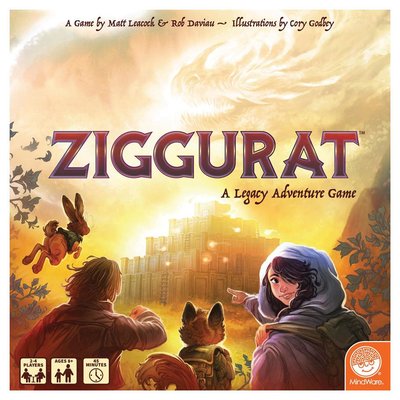
It's uh you know, Lord of the Rings, super excited. The artist was totally on board. Um, but unfortunately we just could not um land on a on a deal that worked for for that artist. Uh, and that's just sometimes how it goes. Uh, you know, we do have a limited budget like uh with our studio and and sometimes just doesn't work out. So, uh, then I had to go find another artist. Um, but I, uh, I really love who we ended up with, Corey Godby. And the story of how we got that artist was is for another time, but um really really kind of um serendipitous. And he had worked with Matt Leok on another project like just at the same time. Um it's called Ziggurat if you uh haven't seen that one. But yeah, same same artist. Uh so just basically, you know, you you always have to have a plan and you need to be able to uh activate your backup plan very quickly when things just don't go um as you foresaw. And it happens all the time like people get sick or uh the person that you hired isn't delivering the work that is on vision or or brand and and you have to kind of stop everything and and find somebody new. Um also like creative blocks are a thing. I I get that all the time. You know, creative and there's a lot of techniques. There's so many books that have been written on how to how to break
through creative block and um you know, what's going to work for one person is not going to work for another. But um sometimes you just have to push through it. And um
yeah,
it's the creative process is it's kind of weird and nebulous and uh it all kind of magically seems to come together in the end.
Yeah. No, that's true. There's a magic to it. Um, I can even in my own like small designs, I can never explain exactly where something changed, where it switched from being like stuff moving around to a game.
It's it is it is a magical process. So, another thing you said earlier that really interested me was you talked about wanting to always kind of expand your skills and, you know, push yourself. And so, I'm assuming that that is a lifelong career-long process. So now that you have come so far, how are you continuing to push yourself and get the novelty and like intellectual variety that a creative person needs to have in their in their work?
Yeah. So in in truth, a lot of the best creative work that is coming out of our studio is the is from the people that I'm managing and from our external talent. Um, I wish I could be way more hands-on um with things and actually like get in there and do something novel and new and do some 3D modeling, do some art, do some graphic design. Um, I get my novelty uh from my own uh personal artwork. I am a sculptor um outside of this and that kind of it's really interesting as I am working in my studio working on my sculptures. it it I think about the games I'm working on, you know, like I work in I generally work in silence and um I'm in a a really big spacious light-filled studio sculpting in clay and you kind of get into a meditative state and as I am in that meditative state I get all kinds of really great creative ideas. In fact, that is one of my creative block fixers is like whenever I'm feeling stuck, I get into the art studio and that helps break it. So, you know, that's that's kind of how I keep the novelty and how I come up with new fresh ideas. Um, in terms of where I'm pushing myself, I'm really trying to understand the business side of board games. And that's something that I'm working on with my manager who's the head of studio, Mike Hmel. And um yeah, I'm I'm really trying to
understand uh more about the the business aspect of publishing and uh how we make our decisions, how we choose the games that we're going to sign and like strategic deci decisions that we make around when we release our games and how we market our games and um how we allocate budget for our games, those kinds of things. And that's like a new area for me. It's not a comfort level for me. It's something that um, you know, I'm just, you know, struggling to get my head around. And uh, and, you know, I want to be able to make creative decisions that are not just like, oh, I think this would be cool, but I want to make decisions that help sustain our company and bring in revenue and and, you know, keep us all having jobs.
That makes a lot of sense. Um, so we've talked a bit about your interest in UIUX, in games as a full product, the business of games. Um, one thing that I've really noticed in my work thus far in the industry is that having an artist and a graphic designer to talk to about my designs actually often changes my designs for the better and impacts everything that I'm doing in a really strong way. So, have you dabbled on the design side? Um, and then you know, how do you see I guess art and design as like co-informing each other uh in in your work?
Yeah, that's a that's a big question. Um, so have I dabbled on the design side? Yes. Yes, I have. Um, I've made some suggestions for our games that have ended up in the game. Um I always sort of say with a big asterisk um floating next to me, I am not a game designer. Uh at least I am not a Polish game designer. I don't have I don't have a foundation um in game like I in game design. I don't have a degree in it. I just know uh you know what is fun, what feels good. I'm very intuitive in all of my processes. When it comes to um when it comes to my job, intuition is kind of everything. And uh game design is a bit of intuition, but it's a lot of it's a lot of other stuff, too. Um sometimes it's uh hard for me to know whether the suggestion I'm making is a is a good suggestion or a bad one. And I've certainly suggested things and people kind of give me the side eye and they're like, "Uh, no, that would be really dumb because if a player can do this, then it's going to break this and d um so yeah, I I have dabbled a bit. Um, and uh I don't have my sights set on being a game designer. Uh however uh from that intuitive creative
standpoint I have pitched game ideas where I say like I would really really love a game where I can play as this and these are the kinds of things we're doing in the game and this is how the game should feel and um and then I'm working with the designers to bring that to life. So, uh, we have an unannounced game that I'm working on with our design team where I pitched it to, uh, a licenser. I It was just a a wacky concept in my head and the licenser uh, absolutely loved it. And, uh, they said, "Make it happen." And I was like, "Cool. All right. So, I'm going to work with the design team and kind of guide them." But uh my my management style as far as like not micromanaging and just kind of getting out of people's way. I set the rudder and then I step back. That's kind of how I handled that. So um you know I'd say well the game should have this feeling. You should you should feel like you're accomplishing X Y and Z and it should feel good because of this. It doesn't need to be cooperative. It could be competitive, but I want people to step away with this feeling at the end of the game, you know, or uh I'll say things like this is one component that's a non-negotiable. The licenser wants it.
We must have it in the game. Um
I'll say uh you know, we are aiming for this price point. Um, and so I'll inform what uh is possible with the budget we have in terms of components and um uh and then I also will kind of have a say on theming, but I kind of let the designers do their own thing. So that's like one way that I've kind of dabbled in game design. Um, and I also have another I have another game that's kind of cooking in the back of my head that I have solicited uh designs from designers on and uh I haven't found the perfect uh the perfect game yet, but I know it's out there. Um, so that I think that that's the first part of your question. Um, and then what was the second part?
Oh, basically how you feel that art and design co-inform each other in your work. Yeah, that's a great question. So, um, being on a tight budget all the time with our products, I do, um, I do have to step in and say like, hey, is there a world where we don't have four different card sizes and we can normalize everything to like one size of cards so that we only have to pay for one die line? Um, so like, yeah, budget is everything. or you know, hey, do we really need 150 unique pieces of art on these cards or could we potentially, you know, uh take this set of 20 cards and use the same or similar art on it? Um so that can inform game design. Um my UIUX background is definitely going to inform that. Um, you know, sometimes designers when they think about something are thinking about uh they're thinking about how to how is the most practical way of adding um adding in a component with a mechanic or something like that. But um sometimes um sometimes it it it adds friction to how the game plays and maybe it could be done in a smoother, more intuitive way.
Maybe maybe it doesn't have to be um an extra set of you know player a cards. Maybe it could just be printed right on the board. Um there's there's a lot of UIUX stuff that happens in the development process and it's it's a back and forth. Um and you know it's a very collaborative thing and um it's also not something that I um that I'm always dictating. Um my principle for UIUX is that uh you have to test everything and the players will tell you it's right. Like we have our own um best practices, right? We have we have guidelines that we go by um and we can do our best, but uh once you put something in front of the player, if it doesn't work, it doesn't work,
right? Like that that is all that matters. And even if it breaks best practices and and what we know about UI design, you know, at the end of the day, what matters is does it work in front of players. So I um you know, I will guide and offer my suggestions, but at the end of the day, I I always want to test test. I strongly passionately believe in um QA and blind play testing. And that kind of goes to my QA background, right? I I did many many years in game QA and um and having my UI designs um tested by by players as well. Uh it's very revealing. Um in terms of theming, you know, that's that's something that you know, we do a lot of thematic games. We have yet to publish an abstract game and I personally have never worked on an abstract game. I've only worked on thematic and um marrying the uh the theme of the game to the artwork and the graphic design is it's so important, right? Um, a game that is a game that is just like has maybe like overly rot uh art style or, you know, very um very detailed graphic design or something that doesn't pair well with something that is uh light and um breezy in its gameplay might just feel wrong. And uh
you have to really carefully consider that like for the for the trick- taking games uh the stained glass style, you know, these are um these are not like Magic the Gathering cards, right? It's not like uh we're not trying to create this, you know, huge detailed in-depth scene on your card with like all of this flavor text and uh you know, lines and lines of mechanics. Um this is a trick taking game, right? you're just you're playing out cards quickly, you're you're taking your tricks, you're moving on to the next chapter. So, we wanted something that was really clean and really iconic. And uh stain the stained glass style, it really simplified everything. You know, you're taking these complex scenes and you're kind of distilling them down into uh basic background shapes and a and a really clear-looking character. Um, so you know, if if you if you try to imagine that trick-taking game with Magic the Gathering style cards, it would feel so wrong, right? It would just feel off.
And and yeah, I see like you had a total ick response like, yeah, it just it would work. So, um,
the game design really does inform our art choices and our graphic design choices and our UX choices. Interesting. Uh, so I think I only have two more real questions for you before softies, but they're big. Okay, so the first one is you kind of mentioned earlier like, oh, you know, I'm I'm not a game designer. I don't have a game design degree. And it made me think about my own path here. You know, I have a degree in classics and then another one in religious studies. I used to be a Latin teacher. I started designing a game after years of swearing I never would. Uh, and then just kind of like ended up here through a series of unusual events. Um, you know, you work at a large company. you handle a lot of hiring, you see a lot of people come in. Um, what is the degree of professionalization that you're seeing in our field at this time and are people still coming sort of from just whatever background like mine or are you starting to see people who have gone to school for game design and stuff like that?
Yeah, absolutely. So, we um we are seeing a lot of people that are having game design degrees, especially in our applicants. We just recently hired on um uh uh Ellie who is our producer, but Ellie has a game design background and degree and she actually graduated while she was an intern with us. Um and while she does do production work, I am super excited to see if she's going to dabble in game design with us and kind of take her degree and apply it to to our games. Um that would be exciting. Uh but yes, we are seeing that there, you know, it was a time not too long ago when there wasn't such a thing as a game design degree, right? Um
yeah,
and uh people were were self-taught and they learned by working with other published designers, but uh now it is starting to become more professionalized. However, um I don't think that that necessarily plays into our hiring process. There's just so so many other things to consider uh when we're hiring um that I I don't think a a game design degree necessarily gives you an edge.
It's I think it's a I think it's a good to have, but I think what what gives you an edge is having a portfolio of games and being able to show them off and say this is what I've designed and um and being able to show that you can actually do the job.
Yeah. Uh, is that still true on the arts side too? I know that you can get a degree in graphic arts. That's like a well established thing. Um, what kind of training is expected that's formal on that side of the business?
None. And I'll say my again, portfolio speaks for itself. Um, I have no college degree. I have no formal training in artwork. Um, everything I've learned is uh either self-taught or things that I've picked up from other people. And um you know there's just it's it's something to say like yeah I've got an MFA or you know I've got a bachelor's in graphic design like that's all well and good but uh there are many people who have degrees who cannot produce quality work right there's also many people who have uh great backgrounds and amazing um portfolios doing like magazine layout things like that but uh packaging but they can't do board game stuff, right? So, you really have to dig into the person's background and their experience and what they can produce in their portfolio. So, for me, when I'm reviewing um candidates for jobs, um I start with the portfolio. If they have a degree, cool, but it really doesn't inform my hiring choices whatsoever.
That's awesome. I kind of hope it never changes. I like something that's a little closer to me. Um, so the other question I wanted to ask you is, you know, you're heavily involved with women in toys. Um, how did that come about and what kind of work are you doing in that arena?
Okay, so uh, Women in Toys is well, first of all, I'll just say the the full name is Women in Toys Licensing and Entertainment. It is a is an industry group. It's a non It's a nonprofit and it's um worldwide but based out of the US and uh 10,000 plus women strong and you have women from all over licensing and toys and entertainment from um oh god uh Tetris, Mattel, Hasbro, um Asminade everything you can think of. Um, and it is uh um it supports women. It's a it's a great networking tool and we are always striving to um bring in new members. uh as part of my work with women in toys, we we want to try and strengthen it by bringing in the next generation of women and setting up mentorships and um uh we do like learning sessions, online learning sessions, those types of things. And uh I think what's also really cool about women and toys is that if you are um if you are in university studying or if you are out of a job, it's free. So it's a free resource um for women who are trying to uh network and get get jobs in the industry. Um I got involved through
Asthma. When I started at at Asthma um I was told about the group and they uh very generously will pay for the yearly membership of any woman at Asthma who wants to be a member. Um it's it's free and um so I was like okay cool. I'll join. Um and uh I started getting involved in the um in the monthly tabletop online learning sessions. Um so it's specifically women in toys who are focused on tabletop and uh that has been really great. I've met a lot of incredible women and we talk about like all aspects of of the tabletop industry um that are you know current and developing and um I was last year I was nominated for uh a women in toys wonder women award which is a yearly award that is uh uh given to women who are you know making a difference in the industry doing uh doing new cool exciting things and um I was super honored to get that nomination because uh you can't really apply for it. It just has to be writeins. So people have to just like write a paragraph about you and submit it. Um so uh that was just um probably one of the biggest highlights of of my career and a huge honor. I didn't win it, but uh I'll keep trying, right? just
keep trying to
to uh to be influential and and support women uh everywhere. Um so I got more heavily involved last year when um my colleague Lupe and I took over the Northern California chapter. Um it had been dormant and had no leadership for quite a while. And uh we are very passionate about getting something going uh in our neck of the woods because the next closest chapter is LA which is you know way too far for us Northern California people to be involved meaningfully. Um plus there's a lot of women in the Bay Area who um who are in the um in the toy industry. So we took over that chapter.
We held our first event in December. It was a great success. We we pulled together a really fun group of people and um yeah, we're going to continue to host events. Uh they can be anything from like mixers to seminars to mentorship. Um we're going to change it up and our our aim is to have uh at least four events per year in Northern California.
Fantastic. Um just one more kind of follow on. Um, you know, you've been in the gaming industry at large for a long time and it's not always been the friendliest atmosphere towards women. Uh, how do you feel that things have evolved over the course of your career? Like where are we at now and uh, where can we go?
Well, where we're at right now is better than we were. Um, having been out of the video game industry now for a number of years, I can't I can't speak to where it is now. I know that it is getting better. Um, but there's a lot of work to do, uh, in terms of the video game industry. With the board game industry, one thing I noticed immediately when kind of shifting over, um, which was in 2015, I started working in board games, um, or started working for Northstar Games, I should say. I noticed that there were more women involved. Um, and more women as customers. Um, and when I say that, I mean like the number like when you just go to trade shows uh for video games, it's, you know, a huge predominantly male kind of thing. like when you go to E3 or or when you go to um PAX East or or PAX Prime, you're generally going to see mostly men. Um whereas when you go to um industry events in board gaming like Gen Con or um Packs Unplugged, there's way way way more women. And that was something that I just felt immediately. Um, but also I've noticed that there's more women in general just in the um in the creation
side of it and the business side of it. So, uh, whereas in video games, the vast majority of people, um, on your game dev team are going to be men, like you'll have the the one token woman, which I was that token woman for so long. Um, I've had way more opportunity opportunities to work directly with women in board games than I ever did in video games. Um, so I cannot speak to the board game industry before 2015, but I can say that um it's uh it is a more equitable distribution of genders. And I can also say that I feel um I feel like it has been getting better. Um, I have, you know, for 11 years I've been in the industry and I've kind of seen people called out in the board game industry for their bad behavior. I've seen things get better in terms of um games not publishing offensive tropes about women.
Um, you know, I've seen more women in leadership positions. It's not enough, in my opinion, it's not enough that women just be contributing to board game publishing and board game design and development. Um, they should be leaders. They should be CEOs. They should be on the executive team. They should be running studios, right? And uh there's um way more of that now than when I started 10 years ago. Like I'm seeing that just my my own personal experience, women are being included and invited to the table more. But um is there more work to do? Absolutely. There is there is always more work to do. I feel like if your if your customer base um your your potential customer base is 50% women, um then that's that's who should be making your product, too.
you know, it it doesn't in in my mind, it doesn't make sense for mostly uh white men to be making products for women, people of color, minorities, etc. Like, we need minority groups, I should say. Um the the idea that uh that if you have people who are making those products coming from those groups can make games for those people, there's like a there's a relatability there. It just it seems odd to me um to not have that to not want that kind of diversity because I mean at the end of the game at the end of the game at the end of the day we're trying to sell games, right? We are we're justifying our jobs.
Um we're justifying our paycheck. We're trying to sell games. And uh if you want to increase the pool of people who are going to buy your games, you have to speak directly to them and give them products that they're going to like and relate to. And the way you do that is by having uh diverse employees.
Yeah. Um well said. And with that, your the hardly this podcast is over. You get softy questions now. So,
yay.
Uh your your first softy question, which I hope is one, is uh what game have you played recently that really excited you or brought you some joy?
Oh, okay. Um that's a great question. Uh there's so many so many good games. I I really loved um Okay, so this is kind of one of our games, but I didn't work on it and and I had no involvement in the game, so I don't feel like I'm I'm totally biased in saying this. Uh Cozy Stickerville, there is no game like it. It is an incredible product. It was so it was designed by Corey Kesca. He worked on it um entirely like on his own with his own team before um Unexpected Games was absorbed into our studio. So, I I don't consider myself biased when I recommend this product, but uh I have I have a a dedicated play group for this game. And uh Thursday, we're going to be starting on year six. Um and what makes this game so exciting and weird uh is the fact that there's no way to lose. It is an entirely a cooperative storytelling experience where you're just peeling stickers off and placing them in your little world almost like Stardew Valley or Animal Crossing. Like you're just building out this map and it's got like it's got like mini games and puzzles and it's got decision trees like choose your own adventure style decision trees. Um, and it has a number of different story outcomes, you know, so there's no way to lose, but you're going to have a different outcome based on all the decisions you make. Um, obviously you can tell I'm excited about it just the way I'm talking about it.
Um, so that was one. I really loved Arkrite. I played that over um New Year's and uh on its on its surface I would not necessarily say like if you were just to pitch me the game by the mechanics I don't know that I would be hooked and interested. Um I do love a dry crunchy Euro. Um so like that's kind of why I sat down and played it. Um and I was I had probably the best teacher that anybody could ever want for a game. I had Isaac Childris teaching me. Nice.
Uh yeah. And um and I was we were playing it and you know it's a kind of a game of economics. I'm not a numbers person. I'm not an economics person. Like if you told me this is a game about economics and manufacturing and um hire Yeah. like really dry stuff. You're hiring employees and setting up factories and you know doing market manipulation and stuff like that. I probably would have um been like oh god here we go. But once we got into it, we were like several rounds into it, like it clicked and I was like, "Oh, this is brilliant. This is such a great game. I love it." And uh yeah, I'm excited to to play that one again soon.
Fantastic. Uh and the last question, uh if people want to follow you online, where, if anywhere, can you be found?
Um I think that's a really great question. I don't really have a large online presence, and that is intentional. Um I yeah I all of my social media is locked down but you can always add me on LinkedIn and I recommend that if people do want to connect with me uh LinkedIn Brianna Woodward B R I A N A W O D W A R D um I'm always happy to uh connect with designers, people interested in learning more about the board games industry, women who are looking for mentorships. Um yeah, I'm open. That's the way to contact me.
Fantastic. And I unfortunately am everywhere online is beyond solitire. So I think you've probably made the smarter choice. Bri, thank you so much for coming on the show. I really appreciate this conversation. It's been wonderful.
Okay, great. Super, super welcome. Um, and thanks for having me. I hope that the uh the chainsawing of trees outside of my house wasn't too bad. Um,
we survived. That was good.
Okay. All right. Perfect. Thanks so much. Bye-bye.
To everybody out there, please like, subscribe, comment, ask questions, and most importantly, happy gaming.