Impressions Vlog June '19 - Pipeline, Yinzi, Bosk, Hadara & 7 more!
Games in This Video
10 games are featured in this video — they unlock as you watch.


Transcript
welcome to junkets games this is my impressions vlog covering all of the new games that I played throughout the month of June 2019 and as you can see that is 11 different games I actually played five of these in a one night just a couple of evenings ago so many of these are very fresh in my mind but Before we jump in to start talking about these games I would like to ask that if you enjoy this video you please click the like button for it down below as well as the subscribe button for the channel also if you would like to directly support this channel in the creation of future videos just like this vlog then you can do so by going to jungus Gamescom slash support there you'll find a variety of ways with which you can support the channel and there are some pretty cool perks that go along with some of those including voting on a couple of the videos that I make each month alright let's now jump into the list and the first game on there is Bosque now I first heard about this game a couple months ago mostly because of Twitter there is one person called what's Erick playing and he does a lot of photography for board games and he kept posting photos of this game and it was just a bunch of three-dimensional trees on a forest floor lots of vibrant colors and these little wooden leaf tokens all over the place and I just thought it was quite compelling right from the get-go and then when I was at origins just a couple weeks ago when I was wandering by the floodgate games booth and I actually stopped and had a nice chat with him there and they gave me a press copy so I was able to go home with one of those and at this point I've played it twice now the first play was a three player game actually in the airport in Columbus as we were waiting to jump on the plane and what you're doing in this game is you are going to go throughout one full year effectively going through four different seasons and the spring season you will be growing
these trees out in on the board in front of you and then in the summer season you will be scoring those trees now if you look at the board right there you'll see it's a series of rows and columns and the trees always go on the intersections between the lines now the lines are thematically trails that hikers can be walking along and you are going to score every single one of these lines whether it be the rows or the columns and you just check to see the number or the value of trees from each player and the person who has the most value gets two points and the person with the second most gets one now that doesn't seem like a ton of points and in fact in our first play of this one when we finished the halfway point in the game when we finished summer and we had done scoring all of the trees we were there's one point but inference between three of us two of us retired and then one person had one less point so it almost felt like a long version of setup because then what happens is you go into the fall now in the fall the leaves are gonna fall off the trees somatically and it became clear doing a similar thing where there is a wind direction going into four different directions and you will choose one tree and depending on what stage of fall you're in you have some options for what trees you pick and then you will actually drop these leaf tokens down in the direction of the wind and then you'll remove the tree now you will do that until all of your trees are gone so effectively throughout fall the board is losing all of the trees and it's being they're essentially being turned into leaves and then in the winter you will score area majority for the different regions on the board for the person who has the most leaves now in this corn you get five points if you have the most and three points if you have second and this seems like the much more impactful scoring part of the game
now I've essentially just taught you the entire game there's a couple little specifics here like a squirrel token here and that kind of stuff but those details don't really matter the overall feeling of this game really is that you are doing kind of twenty minutes or so of setup and then you're kind of going into the real meat of the game and they fall but I don't want that to sound like a negative because the location of where you put your trees is really important obviously you're trying to put these trees down in areas so that you can try to get the two points for having the most trees in that line versus the one point or zero if you don't but it's really important about the locations of those trees for where you can put your leaves down for vying for the much higher scoring a winter scoring when it comes to all of those leaves so I think a big part of this game and the extended setup that I'm talking about when you put these trees out is realistically trying to vie for those points but much paying much more attention to where these trees are how many options this is going to give you for the fall like you don't want to pigeonhole yourself in a situation where maybe you have to drop leaves down from a severe this is a specific tree and they just run right into the edge of the board because the wind direction you can't do that if you place your trees down in such a way to kind of back yourself into that corner and I don't need to go into specifics of how you can do that just believe me you can because I did it at least once and at this point I have now played the game twice so I played that three player game and then I played a full four player game and I have to be honest that um I quite enjoyed it uh I guess I say I have to be honest because I wasn't particularly expecting to in general area majority style mechanics and games are something that I don't really chase after like I don't minded especially if
it's kind of a secondary mechanic in a game that does a lot more other different things but bosque really is just two Arian majority scoring's the first one is trees on those lines and the second one is just leaves within those regions and I guess I was expecting it to be an alright experience like really not in my wheelhouse but I found myself just having quite a bit of fun in both of those plays and I think a big part of it for me is the great somatic integration of the mechanics you know in sprain you're growing trees and then you're scoring them on the the trails as hikers are hiking in the middle of the summer that makes sense and then the leaves fall down and then in the winter you are kind of checking majorities in the regions and I guess the leaf majority scoring in the winter doesn't automatically make as much sense but I just like the flow of this game planting all of these trees and then removing the trees and putting all of those leaves down and even though the actual mechanics of what you're doing is not really something that I chase in games I just thought it worked really well here I think that the three player game that we played was probably about 40 minutes and the four player game was maybe more like 50 minutes or something like that so it was not a huge time commitment and I've just been pretty enamored by the mechanics of this game I think it is very simple quite easy to teach like I said I've pretty much talked of entire game to you now and I think that my impressions and also the impressions of the people are on the table have been generally positive now not everyone has liked it as much as I have but I don't think I've heard anyone say anything particularly negative about the game beyond I guess one person was was talking about how they felt like they didn't have as much control in the winter or in the fall because of the direction of the wind but we kind of then that led us into a discussion of well maybe if you planted your trees
over here instead you would have had more options and kind of that player started to realize that they were suffering from their poor missed decisions in the spring once they were over there in the fall so overall that's where I'm currently at with Bossk I think it's likely that I will play this one a couple more times but I also think it's likely this one won't stay in my collection forever mostly because it's an area majority style scoring game and that's just not something I find myself really going after I said that like three times in this segment already and I think that that's the reason it might not have staying power for me but for other people this one could certainly stick around and maybe I'll surprise myself and actually keep this one for a few like I am enamored with a lot of the ideas and it's been fun to introduce this to other people so who knows we'll see how long it stays on the shelf but for now I've certainly enjoyed my first two plays all right let's now move into game number two and this one is cartographers now matically this game is in the role player universe and it's being published by thunder works who published role-player but mechanically it's a totally separate type of game now this is it lives in the role and right genre of games although this is more specifically a flip and write game so what you're doing in this game and that's called cartographers is you are drawing maps which makes a lot of sense based off of the name of the game now every player has a map in front of themselves and it starts off the same for everybody and it's got some mountains on it sprinkle around and that's pretty much it and then what happens is you're gonna play through I think four different seasons through through one year and you're gonna be flipping over cards from the top of a stack and those cards will give you different ways in different shapes that you can draw out on your area now you
will be drawing different types of terrain like it might be water or crops or it might be a forest or you know that kind of thing but then what happens is every single way at the end of every single one of the seasons you will score for a couple different scoring objectives and there are a ton of them in this game so every time you sit down to play the game and you deal this out you will have different things that you are trying to draw on your map based off of chasing these different objectives now I got to play a two-player game of this with the designer of it actually when I was at origins I was chatting with them at their booth and I mentioned that I was interested in the game and he said yeah I've got 20 minutes let's let's go play it so he actually went over he taught the whole game and we played it I think it was probably close to 30 minutes for the full teach and the full play but that's really not that long of a time and I really had a good time with it it was a good fun just like you know kind of talking through the different options and then also this is one of the few what role and write style games where you actually get to negatively impact your opponents now sometimes when you draw cards from the top of the stack you will find monsters and the way the monsters work is you actually pass your map to the person on your left so in this case it was a two-player game we just swapped our maps and then you get to draw that specific shape of monsters down onto your opponent's map now these monsters will score negative points so you are very incentivized to figure out to the most annoying spot and the most annoying orientation what not for that monster on your opponents map and then you pass them back and you're like ah man why'd you put it there and then you have to work off of that so I really like that and it it on the the face of it it almost feels like I take that style thing and it came but I don't know it's a really smart way to kind of outsource an AI for having hardships
happen to you and obviously this is a fully competitive game so your opponents are gonna do their best to hamstring you and if you are playing this with more than two players and obviously you're just passing it to the left but you are still gonna be motivated to try and put these down in the worst way and then this is a new kind of random thing that you have to deal with I guess I say random in quotes it's more like a thing out of your control that you then have to deal with moving on as you still try to match up for the different scoring conditions that happen in the game now as I mentioned before you will be drawing these cards in the different seasons and the number of cards that you draw it's going to be variable you will keep drawing until you hit a certain threshold number and each card has a little value on it and then you go into a scoring and then you score different things and then you go into the next season where you'll actually shuffle more of those monsters into that deck so if you don't have the monsters at all in the first season which is what happened to us then you might hit double Buster's in the second and I think that is what happened in our game we had lots of monsters coming out in the second season of the game so in general I really quite enjoyed this game like it was a lot of fun to play it it is not officially out I think it's releasing at Gen Con in just a couple weeks but this is a game that I am actually interested in playing again I enjoyed the the thematic thing of what you're doing here like actually building out in this map like at the end of the game I took a photo of it I was like this is really cool actually put it in my back pocket and I looked at it a few times over the course of the next few days because it's like it's just cool it looks like a map it feels like almost like you could take this map and then do something with it you know it's a map of a different area and it was kind of organically built out of the decisions that I made as I was trying to chase down these points but it also made a compelling looking map of the local area
so in general I've been very impressed with my single play of cartographers and I am quite interested in playing this one more in the future tracking down a copy obviously because at this point I don't have one but this is one I do want to play more alright let's now move on to the third new game that I played this month and that one is century a new world now this is the third and final game in the century trilogy that has been published by Plan B games I'm pretty sure they have published each one of these once a year for the last three years and I believe the technical technically the release date for a new world was at origins just a couple weeks ago but I imagine the larger release will be happening at Gen Con very soon now this is a game that does feel somewhat similar to the previous two games the first one was spice road the second one was Eastern Wonders and in the first game you had hand building as you were trying to collect different spices upgrade the spices and then cash them in for victory point cards kind of like contracts in the second game you work again collecting spices of different qualities upgrading them trading the back and forth to cash in for contracts but in the second game you were actually sailing around with a ship so the location of your ship and how far it could go dictated the different things you could do now in a new world it's using different mechanics from those first two games this is actually a worker placement style game and in a lot of ways that felt to me like a pretty decent jump off point for just learning worker placement style games now I have played this one twice at this point I played a two-player game and I played a four player game of this one and the way this game mechanic Lee works is you have a pool of workers and there is a board
in the middle it's actually made up of four different sub boards and you can put your workers down onto a location and the location tells you how many workers it actually takes to do that that spot now these locations will just give you different types of resources and they also might allow you to trade in resources to get more resources usually it's what's always a net positive exchange as you might get rid of a single high-value resource to get a bunch of low ones or a couple pairs of low value ones to get some high value ones now just like the previous two games you are trying to get these different-colored resources which are these cubes and you're trying to cash them in for victory point contracts but unlike the previous two games there's also in-game effects of those contracts in the first two games you just cash in the resources got the card it was worth points and that was it but in a new world the cards that you get will not only give you some endgame scoring conditions based off of some different patterns of little icons on those cards but they will also give you an in-game benefit they might say whenever you go to certain locations on the map now before you they are better like every time you go to the spot you'll get an extra meet or maybe every time you go to this type of spot you can do it with one worker which is obviously a nice way to get an advantage on your friends so as you're playing this game it was a definitely a different feel to the previous two because you were trying to obviously get these contracts this is where you get the points in the game but you're also trying to build up a little bit of an engine like some custom things like maybe you try to get a discount on a spot and then you get a bonus when you go to that spot well now you're really motivated to go to that spot now as far as the mechanics of the game are concerned there's just one other thing I really need to mention and that is that this is a work
replacement style game where you could go where your opponents already are now you can only do that if you put down at least one more worker then your opponents have on that spot so obviously if they put two workers on a to work respond and you really want to go to that spot you have to spend three workers to do that and then you actually kick out their workers and it goes back into their supply now that means you have essentially bumped these workers off that's many games they call this worker bumping style games and the way it works is once you have run out of workers then you will have to essentially pass on your turn to pull all of your workers back so the more you get bumped the longer you can stall before you actually get bumped back off of the map now all of these things should by and large sound pretty simple and this is a mechanically quite streamlined and a simple game which is why like I said at the beginning this felt to me like a pretty good jump off point certainly for a worker bumping style game but also just for a action management style game of a worker placement because you have a certain number of workers and you're trying to use them and the specific numbers of them in the best way that you can so that you are using all of them there were certainly were times in both of the games that I played that I actually pulled back all of my workers when I had like one worker left over on my area which meant I was kind of wasteful like I probably could have done something more with that worker before I pulled them back but in that moment I couldn't do anything with that worker because things were all jammed up now I should well we start talking about my impressions of the game you probably have a decent idea of how this one plays now and my I have to be honest that my initial impression from that two-player game was a bit disappointed like I didn't think there was anything bad going on here but I just I kind of felt like oh that's it like boom boom boom boom the game kind of ended after like
maybe 30 35 minutes and I just didn't feel terribly compelled by it but then just a few days later I played a full four player game of it and I really liked it I had a really good time with that four player game now I've only played this game twice so I can't sit here and say the two-player game is bad or Okin or anything like that but I can say that since this is a worker bumping style game and to seem like things were much more dynamic and interesting when there were two extra players around the table like we were certainly kicking each other out a lot more it was maybe a little bit more tactical in general because obviously there were multiple other players taking turns before I got to take another turn but I don't know I just felt like a lot more alive like it really clicked a lot more with the four player account and I imagine I would also prefer the three player account over the two player account and I don't think two players was necessarily bad over all night my big takeaway from it was that it was fine but it didn't really compel me but in that four player game I was like I said enjoy myself but also my potency on the table were really enjoying it one person was really liking it he was just like saying like this is my favorite century game this is so great and I do believe that that one player particularly enjoys worker placement so obviously they're a little bit more built towards enjoying a new world versus maybe a spice road or the eastern wonders but I do want to just emphasize that the simple mechanics of what you're doing here really do click and they really do work although it just seems like maybe they work a little bit better for the higher player cats they really the only difference between the two player accounts besides of course having less people around the table from you is there are a couple locations that are not used in a two-player game now before
I move on I suppose I should mention this as well out on the board the there are a significant number of spots that are actually blocked off and as you play through the game and you start taking in those contracts some of them as a bonus allow you to unlock work replacement spots and then everybody can use that spot for the rest of the game now this is a pretty cool idea because as you have that option to pull these off you get to really look around and maybe unlock the spot that you are already incentivized to go to based off of the kind of engine ethan's that you've already done so obviously we want to do that to get an advantage to you and not your opponents but also the unlocks give you certain perks in a couple different ways now the thing that was kind of strange about this is that in that entire deck of contract cards there are only four unlocks now I think this is also maybe one of the reasons I enjoy the four player game more than to the two-player game because with only four of those cards in there and you just shuffle them up entirely you might find yourself playing an entire two-player game and never even seeing any of those because they're just down at the bottom of the shuffle now if that happens then you don't ever bring in new worker placement spots out on the board and in a four player game you use the same size deck and everything so you're gonna get a lot deeper into that deck as everybody is cashing these in and in fact in our four player game I think we hit two out of the four so we had a little bit more variety of new spots and in our two-player game we had one of those come off now I couldn't help but go away from this feeling like there should be something in this game to make those unlocks happen more maybe shuffling all four of those into the top third of the card so that you hit them and you have a nice steady flow of new options that will unlock and make one game feel more different from the other play because you have different unlocks coming off in
different ways based off of what the different players want and honestly that feels like something that I might even house roll like I might just like I said shuffle all four of them into the first third or the first half just so that you're much more likely to hit these because you know if two of them are in the bottom five cards then you're just gonna have a lot less variety of different options and immersion options that happen from one plate to the next and that felt like a little bit of a design miss to me but again at this point I've only played the game twice so I can't speak to flaws or anything like that these are just the initial persons that I have and I do think at this point it's very likely I'll get this game played a few more times just likely not at the two-player count at this point we can move on to game number four and this one is Copenhagen now this one is a new release from Queen games and right from the get-go I was interested in this game because this is a puzzle II Tetris polyomino style game and just looking back at other games that i've enjoyed i seem to like this as a mechanic you know you have Baron Park patchwork a feast for Odin spring meadow I love cats which is a new game that's currently on Kickstarter that I've been able to play a couple times I'm just like all of these games I like fitting all of these pieces together and what happens in Copenhagen is you even have the kind of Tetris vibe or the pieces fall down from the top now the way you actually get these pieces is a little bit different than the rest of these games because it uses card drawing and a kind of set collection to give these pieces we kind of joked that this is essentially a ticket to patchwork because it has a very ticket to ride vibe going on here because when it is your turn you will either draw cards or you will play cards out as a set to do things for you now obviously in ticket to ride when you do that you play those cards out to put
trains down to connect different routes but in Copenhagen you will draw these cards into your hand to then take up your entire turn and then we'll play them out and the number of cards that you play will dictate not only of the color of the shape that you're picking up but also the size of that shape so the more cards of a specific color you put down the larger the piece is and then you just slide that down into your area now there are a variety of different bonuses there are windows on these cards and you can get bonuses for having like all windows in a row or a column and there are these other perks that you can get which will unlock these special actions that you have now whenever you get new special actions you can either take a new one or you can refresh all of the special actions that you have already now you start the game with one of these and they just give you little perks and ways to do your turns a little bit better and it's kind of a neat idea where you know the first one of these you hit you're probably is gonna take a new one and then you hit the second one of these and you're like well maybe I should just refresh the two exhausted wants to use them again or I can leave those exhausted get a third action use that and then the next time I get a bonus all unexhausted all three of these and it'll have even more powers available to me I really enjoyed that decision process and I think that is what I did I think I got three before I refreshed and I'm not sure if I ended up getting a fourth one but as you're playing through this game you're just trying to plan things out you're trying to draft these cards obviously there is a decent amount of indirect player interaction because as you would draft these cards you're taking those options away from your opponents and there is only a finite amount of these different pieces around the table in particular there are less of the larger pieces so if one person goes really hard on blue and they get that big blue piece right before you are gonna cash in to get it and now it's not
there anymore well you're probably gonna be a bit bummed so there is a timing element to be had right there now that's pretty much the game you just keep playing until either you run through the deck twice or one person hits a victory point threshold and it seemed like in a four player game you're pretty much always gonna run through the deck twice but maybe at lower player counts somebody will hit the victory point threshold and I won this game by a pretty decent margin and a big reason of that is because right before the game ended I had a huge burst turn where I got like four points and I think I won with nine points or something like that you win the game just outright if you had 12 points so obviously this is not a very high scoring game and I quite enjoyed the overall experience it was very breezy it was really simple to learn obviously we just you know we were taught it and we just jumped right into it I enjoy the psyche election aspect too and I like the race that you're doing and I also just had a good time just chatting with my opponents around the table because it was so lightweight that we weren't really sitting there you know spinning our wheels we were having a you know like I said kind of a light breezy easygoing time I went away from this play feeling like I would certainly play this game again I currently don't have a copy of it but I think if I did have a copy I would try to pull this one out specifically as you know a filler style game because that four player game with the teach probably took about half an hour maybe maybe 40 minutes with the teach which is really not that bad and I think with certain player groups it could go significantly faster than that because well it's just the decision set that you're doing obviously it's still possibly but there's just not that many options as you get to bring these things down and I enjoyed the decision space that I was in while I was playing this relatively light game so overall I am
hoping to have a chance to play this one more in the future and I quite enjoyed that first play next up we have game number 5 and this one is curios now this is a new release for AEG I think it's technically coming out at Gen Con in just a week or two and this is a relatively light game where you are trying to gather resources but as you're playing the game you don't actually know the value of those resources so automatically we are all essentially adventuring out to pick up different artifacts from four different ancient locales and they're effectively you know red green blue and yellow which is like you know the pyramids and like a shipwreck and all that kind of stuff now mechanically what you do in this game is you go through two different phases for overall rounds and just keep playing rounds until a certain number of these artifacts are taken now in the first phase you are gonna have these little architects in front of you and archaeologists that is not architects and you will send them out to one of these four locations now at these locations there are cards and they have different columns on them with a space for a single archaeologist two three and then a couple fours and you have to send out archaeologists to complete one of the columns and then you take one of the Associated artifact now as I said at the beginning you don't actually know what the value of that artifact is so at the beginning of the game you shuffle up these cards and you put down one next to each one of these zones that does match the color of those zones and there are four different cards for each of these so one of the four cards is in front of each of those and then you shuffle up the deck with the other three cards of those four colors and then you deal out those cards to the players that means that the start of the game you have a
bit of information about that cord on the table can't be and so for instance in the play that we had I was able to get the 1 value Rhett so I knew right from the get-go that all of the red artifacts were gonna be worth three five or seven points which are the other three options so right from the very beginning I started trying to get those red artifacts because I knew at a bare minimum there were three points each they were not going to be the lowest now what happens here is as I did that other people saw that I was going really hard on red so they started going hard on red because they figured that I knew something and obviously they know things as well so trying to piece together the information you have in your hand with the actions of what your pawns are doing you are trying to send your archaeologists out to the spot to get the correct artifacts now on the one hand you might be saying well it seems like you would obviously you know if there's a spot to send one archaeologist or respond to send four and each of those kids it gives you one artifact you would obviously send it to the one but if you send it to that one and you get a 1 value artifact versus sending like four over here to get a seven value artifact that's likely going to be better and maybe just jumping up to the 4 is not as good of a thing but maybe jumping up to the 2 or the 3 early on in each round is a good way to do that although if you're doing that you are really telegraphing to your opponent's that you know something about that and they will certainly play off of that now in the second phase of every round once everybody has played out all of their archaeologists every person has a chance to reveal one of it their hidden information cards and they actually gained a new archaeologist that they can then use to acquire it more artifacts so you are giving up some from some information you're giving it out to the entire table and this was kind of an interesting decision because you really
had to weigh the relative value of this hand information to having another archaeologist who could be another artifact which could be one three five or seven points so in the game that we played I think we went through three overall rounds yeah I think three overall rounds and at that point we kind of scored everything up and there was some pretty interesting things that kind of happened through this relatively simple game for instance the person to my right went really hard on green like right for the very beginning I went pretty hard on red people saw that but everyone saw that the person to my right was only picking up green so we're like okay they definitely know something and then in the first round they wanted another archaeologist so they were revealed the green one they put that down out there and I in my hand had the green of five I was like okay that means this is probably that means that cards either the three or the seven and the person to my right is going so hard on it it kind of makes me feel like maybe their other card because you only have two in cards maybe their other card is a green three obviously if they had our green one in a green three and their starting hand they know that the Greens are worth five or seven so that kind of played into that and I started trying to gather up these green cards now once we hit the third round I actually revealed that I had that green five in my hand and by that point my opponent had also revealed they had the three so in that last round everybody knew that the greens were with seven points but the person to my right had a huge head start in getting those greens and I had a reasonable head start because I was playing off the information that I had versus the actions of the ponent my right now once the dust all settled and we counted up the points I actually won that game with a somewhat slim margin the person to my
right had a lot of points they only had seven point artifacts and I had a bunch of sevens and I had some fives and threes and even a one I think but I was able to pull those together because at the end of the day even though the person to my right only had seven point artifacts I just had more artifacts in general because I was a little bit more thrifty with the archaeologists that I was sending out so that's essentially the entire game and obviously as I was playing it I was enjoying the interaction of like figuring out seeing what my opponents did and trying to play off of that but also I don't want to oversell the deduction aspect to this game because you know everybody is just estimating around the table like me I was guesstimating I had that one red card in my hand and that green five and so I was playing off of that with the red I put in to get some early Reds because I knew that the Reds were not ones but that wasn't me saying these Reds are the sevens like I could have gone really hard on that and then those could have ended up being threes at that point in the game I didn't really know so it was a bit of a guesstimate that actually worked out really well the Reds did end up being sevens and I think that was a somewhat significant reason why I was able to win the game because I got those Reds and then I jumped into the greens which also ended up being sevens so I think this was obviously just one play but I think that playing this one out a few more times we might find that we don't have two out of the four different artifacts with the seven scores and I think the scores will be a lot lower and I am looking forward to trying things out in different environments we played a full player count game which was a five player game of this and I'm interested to see what it would be like with maybe three players to have them more or less less overall jump in competition where we can kind of strengthen a little bit more and try to
play off of each other either way this was a relatively light game it certainly took less than 30 minutes but I had a okay time playing it like I don't generally run after games of this play link that I've already actually talked about several of them and I have at least one more to talk about as far as a quick game later on in this vlog but the overall feeling around the table was fun I think everybody had a good time with it and I could see myself bringing this one out as a filler again in the future at this point we've reached game number six and this one is Hodari now this one is being published by z-man games i think very soon but at the moment i was actually able to play a friend's copy who imported it over from Europe now what somatically what you're doing in this game is you are I guess building out a kind of civilization but it's very light on theme and mechanically what you are doing is you are drafting cards into a face-up tableau in front of yourself and those cards will bump you up on various tracks and those tracks will give you various perks now the way you get these cards is simultaneously everyone is going to draw two cards from the middle of the table from a specific sack now there are five different stacks of cards in the middle of the table and they are all sorted within a different color and every single round of the game there is a little spinner in the middle and a icon that matches your own player icon is going to be pointing towards one stack so what you'll do is you'll draw the top two cards from that stack and then you will choose one of those two cards now if you put that down in front of yourself it's very likely I think you have to pay money to put that card down and money can be a very tight resource and then the other card that you don't choose will go face-up into a discard pile next to the facedown draw pile after that happens every time we will
move the indicator over and then everybody will draw two more cards again simultaneously but this time from the next stack in a clockwise order around the board in the middle of the table now when you choose these cards you do have the option of just discarding a card to get money and you will likely have to do this many times to have the game to have money to buy other cards so as you are making this decision simultaneously with everyone around the table you are weighing how important is it to spend the money that it will cost to play this card out to bump yourself up on that track versus maybe this is a week round and it's okay to just discard a card to get money so that I will have more money to get any more powerful cards that I really need later on in the route now what will do is you will keep going until all of the stacks have been run entirely dry so at this point you now have five face-up discard piles for all of these colors at this point you go into a the second phase of the round and this phase actually happens in turn order it does not happen simultaneously so now what happens is the starting player gets to choose the top card from one of the five discard stacks and they can again either discard it for money or they can build it down into their area so they actually have five different options and then you move in clockwise order around the table and so now you're drafting just from the face-up spots on the discard piles so that means in the first phase where you're deciding which car do you want to play the other card you don't play will become available to either you or somebody else later on in the round so that is another decision to work from as you're making this decision like if you're gonna discard for money then you'll probably discard the more powerful card so that other people don't have the option of taking it because you cannot be at all sure that it will be up
to you to be able to pick up that card later on in the round in fact it's very likely that that card will be available to your opponents now once you go through this entire phase and then you get rid of every card in every discard pile you then move it into the next era I guess or age of the game and there is a new deck of cards and you put all those out into the various piles and you go through I think it was three different ages it's been a couple weeks since I played this but yeah you will go through a few different ages in the game as you put these cards down into your tableau and you bump up all of your various tracks now from a mechanical perspective I love what's going on with the drafting in the middle of the table I think it's great having simultaneous decisions from those two cards in the first phase and I one really interesting thing that kind of emerge from that is that since you know what the various suits are and the order in which you're going to be trying for them you can definitely plan around that now in general these suits of colors interact with the different tracks more kind of heavily like there's kind of like a primary thing that gets bumped up with a specific color but sometimes you know like the green stack it'll push up food but maybe this turn you pick an option that bumps up your food and your military and another one might pop up your food and your culture instead or just gives you a lot of food so you are oftentimes in a situation where you might actually love both of these cards but you know that next round there's the grain stack and you need food because every person you can't feed at the end of the round you actually to discard people which is certainly not good so you might actually discard a card for money that you really wanted and that you could have afforded but you know that if you played it you would lose the money and then you wouldn't have the money for that next draft where you would try to get that
green and you desperately need that green you cannot be sure that there will be a good green card available to you in the second half of the round so I just loved all of that and I really enjoyed the second half when it was in turn order because then there was also a bit of counter drafting you could look to the tracks of your opponents and see what they really need and you might need it as well so you might try to take that card or if you're just gonna be discarding a card for money then you definitely look around to see what the best card is for somebody or that you're worried about and you get rid of that card to get some money um I I really enjoyed all of the decisions that happen right there and it seemed like it the game just flowed very well I've played this game once at this point and it was a 5 player game and it was definitely less than 90 minutes it was probably you know an hour 15 or something like that overall and I think everyone around the table really quite enjoyed it now at this point I do have a somewhat significant asterisk I guess to put onto that thing I just said everybody enjoyed what was going on but a couple of us were a bit rubbed wrong by one strange piece of randomness in the game now one thing that you do at the end of the round is you can acquire these outpost tiles based off of your overall military level now when you acquire these tiles you can either take them for what they say on the front or you can flip them over and then get the bonuses that are listed on the back now what that means is this is just kind of a random thing like it's a decision that you make it's kind of like maybe pushing your luck or something like that and the big thing that bugged me and also really bugged one of the people around the table who in general really liked the game but just did not like this aspect was the fact that the victory points that you get for that I'll post change based off of what side it is so for instance the
the regular face that you take will give you some money and then some victory points and if you flip it over then I think in general you no longer get money but you will get bumps up on tracks and you have no idea what those will be those are kind of random but then the victory points might have gone from 3 up to 7 or up to 9 or something like that so it could be a really big jump now that kind of rubbed me wrong as well I liked the fact that you had a decision to make versus do I want the money or do I want tracks there was a moment in the very end of the game where I was just one culture away from getting a sizable amount of points so I took the outpost and I decided to flip it over on the crazy off chance that there would be at least one culture track bump and there was and that was a great moment I loved that moment you know flipping it over and seeing the culture I was like ah yes it was just great but then you look at the future points and you realize like that token went from like four and I think to like seven or eight points as well as giving me the bump that I needed and I lost the game by one point I had a very competitive score in general and I just I I found myself agreeing more more with one of the people around the table who was kind of complaining about that victory point difference I feel like the way it should have been designed is that the victory points were the same for either side but then do you want money or do you want random track bumps I feel like that a bit of randomness was enough like having it just be a total die roll as to whether the victory points go down or up because they could also go down just felt like one too many layers of randomness so while I in general really liked the game and that one play was wonderful I love the decisions that I was making I do have to admit that the more one person was talking about their just taste for that randomness the more
I thought about it and the more I realized that I was I was agreeing with them they didn't like the randomness at all and I was kind of coming halfway where I feel like you know I didn't like the fact that the victory points changed but the tracks were random because you know there is something to be said for those really high moments when you take a calculated risk but I think I've kind of beat that one point into the ground to a certain extent in general I am looking forward to playing this game more I'm a little bit bummed that there's not an easy way to like house rule that issue I think I'll just roll with it I mean I've only played the game once so I can't just sit here and say the game is flawed or the game is broken or anything like that it just that one part rubbed me wrong and I wish it didn't so at the end of the day this is a game that I enjoyed not entirely universally but again everyone around the table had a good time even though one particular opponent was quite not happy about that one aspect in fact while they enjoy the game I think it's likely they will choose to not play the game in the future because they dislike that one small aspect to it so much at this point we've reached game number 7 and this one is legendary forests now this is a new release I believe from yellow games and I got a copy of this while I was at origins now this is a pretty light pretty quick game I played many of those over the last month it seems I was able to play a single two-player game of this one with my wife Jessica and I think the overall game took maybe like 25 minutes or so now mechanically what you're doing in this game is you have a stack of tiles with numbers on them ranging from 1 to 27 24 30 something like that there's a decent chunk of this on these tiles now this
game works very similarly to a game called Kariba where the way it works is one person shuffles up that stack and they will flip over tile and they will say you know 17 and then everybody else will find their seventeen tile and then everybody will put that down in front of them now what you're doing is tiling for your own personal tiling area and there are three different colored regions that you are building out and then there's a kind of a fourth neutral region which is grass now what you are doing is you are putting these out trying to make as big of a connected region as you can and the way the tile line works is you can never have two different colors touching on your map so you always have to have a perfect perfect color matching which means you might end up having holes in the middle of your tile lying area because they're just you're just not drawing the tile that's gonna specifically match or maybe there's no tile left in your stack that will specifically match up to that area now as you were playing the game it seems like about 1/3 to 1/2 of the tiles have a white bordered number and whenever that happens then everybody in turn order will draft a little tree wooden tree from the middle of the table and they will put it down into a color matching the zone the trees come in three colors and again there are three different scoring colors and you will keep doing this until you have played every single tile in your deck and then you will score your different regions now you will only score four regions that have trees in them and if that region is fully enclosed then you will get two points for every one of the meeting points between two tiles and if that region is not fully enclosed so there if there's kind of a rough edge going out to the table then you only get one point for every connection now that is essentially the entire game so what you're trying to do is get on build out your little tiling area in front of you
to have the largest regions that you can and you're trying to be judicious as you're taking these trees from the middle now there is a set amount of those trees and at a certain point all of the trees will be gone and then you will just be trying to complete out like fully ring in your various scoring zones so that you get double the points of them and you will be trying to grow out your other zones as much as you can now this was a obviously a very simple game overall I enjoyed my two-player game of it with Jessica I think it did not necessarily blow either of us away and this is definitely a game that you could play well up to six without much problem because it effectively plays entirely simultaneous you know one person reveals tile everybody grabs that tile and then they add it into their area so this is a very light experience I have to admit that I enjoyed it more than I thought I would going in like it seemed so light and simple I was like well is it really gonna be that much there but in general I do enjoy tiling and the fact that it had to be exact tom matching meant that there was a decent amount to think about us you were trying to add these things in and really look at the options that were still left available from the tiles that had not been drafted just yet so overall I don't really have anything else to say I think that the game was fine we might find ourselves playing it again it is so light and it plays up to six players that means that this is yet another decent filler game that I played this month I could see it hitting the table more I could also see it unfortunately not so I'm kind of pretty neutral to it overall but there's nothing that stuck out as bad from it and Jessica and I had a pleasant experience with our one play at this point we've now reached game number 8 and this one has tiling just like the last game I talked about but it is definitely not a filler this game is
pipeline and it is the newest release from capstone games now what you are doing in this game is you are trying to build out the best oil pipeline that you can and you will be doing that by putting these two by one rectangular tiles together in front of you now there are three different colored pipes and you're trying to make as long of a pipeline section as you can because the longer that individual color section is the more effective and efficient you will be at upgrading your oil so there are four different stages of oil in this game you have crude low medium and high and again the longer a specific color of pipe is the more likely it is to be able to upgrade maybe two or even three steps as you go from the lowest value oil to the highest now I'm kind of a jumping ahead right into the pipe building aspect of this game but mechanically this is effectively a action selection work replacement style game now there are ten different things that you can do with your worker and eight of them are out there in the middle of the table now when you send your worker two of these locations you can do a variety of things one that you can do is you can buy crude oil and you can also sell crude oil which it's probably not a good idea or you could also sell some of the more refined oil that you have made better by running your overall pipes now this is a game where you start off with not much money and every dollar that you have is worth one point at the end of the game so you are trying to spend money to build infrastructure to make money to spend all of that money to build more infrastructure to make more money and at a certain point you kind of need to stop building infrastructure and then you just run your engine to try and get as
much money as you can because that's gonna be the person who wins the game at the very end so four out of the eight options in the middle of table have to do with buying crude and three of those options allow you to actually sell the refined oil the other options allow you to pick up some expensive pipes you can put down into your area you can also get more storage tanks to hold it more crude oil so it can be more efficient as you run your pipes you can also pick up machines and these will allow you to get essentially free actions to run your pipeline in front of you if to spend money for it but you don't have to spend an action and that's important because this is a game with not that many turns now everyone will take eighteen terms throughout the game and it takes place over the course of three years in the first year you will take ten turns in the note sorry it's eight then six and then four turns over all so all of that adds up to 18 turns and many euro games have you taking about eighteen to twenty turns but for some reason this game it just did not feel very much because as you are placing your worker out another option that you can do for your entire turn is you can put it down onto one of the tiles in your pipeline area and then run all of the pipes on that spot now early game you might find yourself doing that just to upgrade one crude oil barrel to the low so you went from essentially the worst to the second to worst level out of these four and then you maybe sell that one for like twenty or thirty bucks and you're like wow I just lost an entire turn and eighteenth of my game was spent going here to move one cube up that didn't feel very good like that didn't feel very action deficient I'm not gonna get that term
back oh my gosh you also might spend an entire turn going to a location in the middle of the board to pick up a loan to get some free money that you will then be penalized for at the end of the game and then maybe you could pick up a contract which is another way that you can kind of cash in some of your oil too points but it's a bit risky you could take penalties I'm trying not to go into too many specifics here so you might lose one eighteenth of your gain just going to a spot to get a free $15 ban that doesn't feel like very much especially when you might end the game with like five or six hundred dollars so this is a game where you're trying to be as action efficient as possible because you just feel like that clock is just whizzing around until the game is over now what this means is you have this kind of ramp as you are playing the game at the very beginning you are just starved for money you feel like the actions that you're doing are super inefficient and you're never gonna get anything done but then hopefully hypothetically once you get to the middle stages of the game you start to have enough infrastructure out you've built enough pipes and maybe you've even built in a machine so now you can spend a bit of money it's $15 to run your machines but then all your machines run and maybe that lets you upgrade your crude so instead of spending your entire turn 1/16 of the game running one single tile you now get a free action free and quotes because you got to spend $15 to run your machines which then pump your crude through all of these well I guess not crude just pump your various levels of oil through these various pipes to get them upgraded now I played a two-player game of this one just a couple days ago and it took us just over two hours I think it was a first play for both of us and in this play I was
able to make that happen I started off with you know just if you did not even feast or famine it was just famine like just no money no my name's scrabbling super inefficient turns but by the time I got to about the 9th or 10th turn of the game so you know just over the halfway point I started having machines in place and those machines made me efficient enough to make me enough money so that I had enough money to start running my machines every single turn if I have 15 bucks lying around at the end of my turn I definitely spent it to run those machines to bump the crude oil up and then you can also I'm trying to not to go into the too many specifics but on your turn on this worker placement spots you can spend ten extra dollars to do a second action so there are many ways in this game that you can spend relatively small amounts of money to gain extra actions which is important when you only have 18 overall actions in the game so in this play I was able to get a machine going that was a very efficient and from that point on from like the turn 9 or 10 I ran all my machines every single round and once I got like you know maybe five turns away from the end I got a second machine and we run all of your machines when you spend that 15 bucks so I really got my engine going and I spent most of the last part of the game just buying crude oil to feed into my machines that would then run as a free action at the end of every one of my turns and then I would dump those resources as I went to various or find markets to buy more crude and then sell various other oil so this is certainly a game where you are you have to spend money to make money but it's also an engine building game and it's also the kind of game where if one person is kind of getting in the lead they might just kind of run away with it in this play I
won with a score of six hundred eighty-five dollars and my one opponent had I think about two hundred and sixty or maybe close to three hundred dollars so I more than doubled their score and I think that's really because I got a machine going two to three turns before they did and my machine I think was a bit more efficient than theirs was so as we went farther and farther into the game I was kind of rich getting richer like I was winning better and then because I was winning better I had more money so I could invest more money to win even more better and and I guess you know in a game that is it feels pretty heavy like from a decision point standpoint but also only took two hours for two players like that's a bit long I suppose but it was a first play for both of us so we were a bit unsteady it wasn't the end of the world that we kind of had a runaway leader situation but I think my opponent definitely saw that happening like seeing everything I did with my machines at the end of every single one of my turns as I was feeding on that engine and then they would you know maybe activate their one machine which was much less effective they just they could tell that they were slipping away and I think that's gonna be okay because this is one of those games where well that's gonna be okay for some people because this is one of those games where you make the bed that you sleep in like I think that I played better than my opponents I think I happen to kind of accidentally play better than my opponent I don't think I had a significantly better skill I think it was a first play for both of us so we were both kind of bumbling around and I bumbled into something that really worked but I feel like I won because I really did build a better engine and if we sat down to play the game again right there I think it's very likely we would have been much more competitive because we're really just kind of feeling things out and my feeling of the game out kind
of found myself in a much more effective situation so this is definitely the kind of game where you are going to be struggling to make ends meet you will be struggling as you feel like the clock is running out but then if you were playing well you'll find yourself getting to the point where suddenly everything clicks everything's running and it feels great and I definitely really enjoy the last few turns of the game when I was doing so much stuff with an individual turn where as an hour earlier I would do a thing like I go here I move this one cube my turn is done so that's a pretty significant difference and I think that's probably the reason why the game was designed to have eight turns in the first era than six and then four because those four turns I did like four times as much stuff then in my entire eight turns in the first overall era so you're definitely building up just a big stuff and I enjoyed the game I don't think it's necessarily going to be a big go-to game for me while I enjoy engine building games and that kind of stuff in general I do kind of worry what a higher player count playtime might be you know a two hour two-player game means maybe a three player game would be more like two and a half two maybe even closer to three hours I'm not sure now that depends on the analysis paralysis and the downtime and that's definitely going to be group dependent but in general I find that games that take that long don't hit the table very often you know one of my favorite games that came out last year was underwater cities and it's a brilliant game I absolutely loved it and I haven't played it in a ton of months because I've just been playing things that take a little bit less time so I am hoping to play pipeline more I am I would like to try this one with at least three players maybe four players if I have a decent amount of time blocked off for it but in general I
think there's a lot of really cool stuff going on here there's a lot of big combo II engine ability type things happening and I enjoy my first play and I would I'm curious to see what else is in there even though I'm pretty sure this is not going to be like my favorite game of the year or anything like that next up we have game number 9 and this one is point salad now much like many of the other games that I've talked about in this vlog so far this is another filler style game that plays in less than 30 minutes now this game plays I believe up to six players and it is all about drafting various vegetables into your point salad in front of you now if you are familiar with modern board gaming terminology you might know that many people describe certain games as being point salad games and the specific derivation of where that came from I believe comes from a German translation but effectively what a point salad game is is a game where you get points for doing pretty much everything like every single micro action to do maybe gives you a little point here or a little bit point there you kind of mix it all together and then boom you have a big victory point score at the end now this game point salad leans into that idea in a very simple streamlined honed way so what you do in this game is there's just this one deck of cards and there are I believe six different suits of vegetables in this deck now you're gonna shuffle these up and every single card has one side which is a vegetable and then the other side is a variable scoring condition they might say every tomato you have at the end of the game is worth one point and you lose one point for every lettuce you have or it might say you'll get five points for every pair of carrots tomatoes and
lettuce that you have at the end of the game it might say you have you get ten points if you have the most onions at the end of the game there's just a really wide variety of different scoring conditions now out in the middle of the table you're gonna shuffle these cards up and to make three face-up stacks of these scoring conditions face up I guess and then you will deal out six cards that are face down just the veggie side now when it's your turn all you do is you either draw one of the face up scoring condition cards which will give you an ability to score points for various vegetables that you have the end of the game or you can draw two of the vegetables that are face-up in the middle of the table and you put those into your pile of vegetables in front of you now once per turn you have the option of flipping over one of your scoring cards to its vegetable side and you know what that's gonna be but you will never flip over your vegetables to a victory point scoring side and then you just play the game until every card is gone once that happens you just score up the points that you have in front of you like for me I had cards that gave me points for tomatoes I had put cards they gave me points for cabbage I had cards that gave me points for my tomatoes plus my carrots and I got the the tomato point cards early so I had those which meant I was trying to draft tomatoes as much as I could and then I picked up the scoring card which said I get I think he was 5 points for every tomato and carrot that I had well I already had a pile of tomatoes which meant that every single carrot that I drafted from that point out would effectively be worth 5 points until those carrots matched up all of the tomatoes that I had already picked up so this is a game where the decisions seem simple like take one scoring card or two vegetables which effectively activate your scoring cards and that's going to be your whole turn but you are definitely trying to play into the
combos of things that you had for instance for me I had several cards that would make me lose points for a lettuce in particular so I just never drafted lettuce think by the end of the game every single lettuce that I might have taken would have been worth I think like negative 5 or negative 6 points to me but since I already had negative points for lettuce I avoided lettuce and then I also tried to actually grab it the scoring cards which would increase my negative points for lettuce because I was already ignoring it now in general it seemed like this game went over very well with everyone around the table it might seem like manure than 30 seconds but I feel like if you deal out of this game put the set and set it up in the middle the table you can really teach this game and about 30 maybe 30 ish seconds to everyone because it is so quick and so simple in just being refined on just point modifications and cards that actually activate those point modifiers it's such a streamlined version of this game mechanic and everybody seem to really take it we played it at the I think 5 players instead of the full count of 6 and everyone had a good time around the table I think I came in second and one person came in obviously I was beaten but it was I did relatively well by kind of kind of hodgepodge egg things together one player went crazy hard along bell peppers I think they had like 90 percent of their vegetables at the end of the game were bell peppers but they also got like seven or eight points per bell pepper based off of the individual cards they had but then they actually came in fifth place so they they scored the worst out of all of us and I think that's because they went so hard on that one vegetable they did not really leverage other cards and maybe would give you extra combo points for
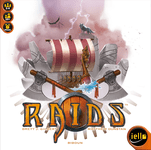
like bell pepper and something else because in this game you can have that one bell pepper score for multiple different scoring conditions so you just get points for doing all of these things and realistically the only negative point that I had was that the card quality seemed kind of low like this is a game where you were shuffling up a big deck of cards and you're just constantly dealing these cards out cards and moving all over the place and the cards just kind of felt a little bit flimsy to me now I don't normally complain about this kind of thing like the overall component quality of the games but I was a little bit surprised considering this is just a card only game and I feel like these cards are gonna get a lot of action especially if this was picked up by like a board game cafe or something like that this one could so easily be taught to a large group because it plays up to six players the rule set is so simple and it is an engaging game I just worry a little bit about the long-term viability nosov the the card quality just seemed like they bent easily and I'm just maybe I'm just overly used to very high quality cards and that's just the way standard call it quality cards are these days but honestly at this point I'm nitpicking I think this is my barber this little filler game I'm definitely looking forward to busting this one out more especially with my friends who play a lot of mid weight euro games like just going off the pun of point salad is going to be fun enough for me to get several more plays out of this one for sure okay we've now reached game number ten we are close to the end and this one is called raids now this is a new issue release from yellow games I was able to pick up a copy of this one at origins I got a press copy of it and I did not know anything about this game going into
it now when I first saw the copy there and I have received the copy and kind of read the back and it was told a little bit about it I became quite interested because well a couple things first of all the designers of this game are Brett Gilbert and Matthew Johnson they're the designing duo of Elysium and Matthew Dunstan has designed many things that I've quite liked over the last couple of years in particular Scorpius mission I really like they came out last year so the design pedigree seemed high and then the mechanics of this game well the main mechanic is a time track now what I mean by time track is kind of like games like patchwork or even Tokaido where the person whose turn it is is the person whose token is farthest back on the track now in this game that track is going to be a loop and it has some pretty interesting tweaks because this is a game about Vikings now it seems like from a mechanical perspective the designers did a good job of saying how would I make a Viking writing style game with a time track because in general the idea of time tracks is when it's your turn you can go as far ahead as you want to but then you won't take another turn until you are the last person in line so that means if you go really far ahead well it might be like many turns before your opponent's actually catch up to you now this is a game about Vikings and about raiding so the first thing that kind of jumped out to me as a difference is that before you actually get to move your ship you have to remove every single potential spot between you and the next person up so what that means is you cannot have a situation where a couple people run ahead and then one person kind of jumps along doing lots of little actions if two people jump ahead in the three player game then this last person has to
jump all the way up to the next person essentially warping to that spot so you might have a situation where one person goes really far ahead and the other two people kind of leapfrog each other to get a lot of actions but we what we found happened in our three player game is that one person would go medium far ahead and the next person would be like well the opportunity cost of jumping over here is a lot less because once I do that then obviously the person that right back has to lose out on all of these opportunities that I just jumped over that maybe I don't care about and you can actually kind of have a in direct interaction thing going on thereby denying those options by going so far ahead now the next mechanical thing that really jumped in from a Viking rating type of theme is the fact that when you land on a spot you are essentially trying to take a token from that spot now these tokens can be put down onto your Viking ship and they might increase your weapon strength to fight off monsters it might be goods that you can sell it at ports it might be extra sales to give you more Vikings and that kind of thing but when you land on spot you just end your turn there you only take the bonus of that spot if you are still there at the beginning of your next turn now obviously that sounds a little bit ominous because this is a game where you can put your your Viking ship onto a location where one of your opponents is and then you fight them for that spot so you have to go on to a spot that you want and also feel confident that you'll be able to find off your opponents now when I first got to this point the rules I got a little bit worried but then I saw how the fighting worked and I really quite liked it and in fact the way it actually played out in our three player game it worked really well because the way fighting works is let's say I jump on I'm the red player and I jump onto the green player spot I going to start
fighting them and I do that by discarding a Viking resource now they have an option they can either flee or they could fight back if they flee then they just move farther ahead on the time track essentially taking another turn and they might actually go to a spot and in fight somebody else or if they fight they have to discard Vikings plus one to the amount that was discarded before so that means the first person coming in has to lose a Viking the second person if they want to keep fighting will lose to Vikings and now it's back to the first person who was aggressive and now they can flee or fight if they fight they have to discard three Vikings and it goes back and forth until one person flees most likely because they have run out of Vikings as a resource to just throw away because obviously goes one two three four five six seven eight nine you know up to infinity hypothetically Vikings at a certain point it's just not going to be worth it you'll just run out of Vikings so to a certain extent you can't kind of figure out how a fight is gonna go like I might look over and say well I've got three Vikings and the green player has just won so if I go there I discard a Viking they have just one Viking they don't have to to actually defend so they must flee so I'm in a really strong position or maybe they have to biking's than I three so now I discard one and they have two and I have two so now they know if they discard two that I don't have the three to defend myself so now me as me being the person coming in I have to decide is it worth throwing away Viking to potentially end up having to flee but if I fleed then that person did end up losing one more Viking than I did so you're really kind of trying to crunch all of these things and from a basic perspective the Viking resources are not worth points at the end of the game unless you have specific tiles that you picked up as you're playing which make those Vikings worth points so this is
the kind of general aspect to the game the general mechanics where you are not too overly penalized for going significantly far and you have to really plan out and can hoard your Vikings as much as you can but then spend them when you need them to kind of SAP the Vikings from your opponent's as you try to take the specific upgrades and various things that you need to on your ship now once you get to the very end of the track you will do a scoring and in the first round you are always going to score just whoever got to the end first get six points second person that's three third person gets one but for the other three routes of the game because you're gonna play four rounds there is a different type of scoring condition it might say the person with the most sales or maybe the person with the most weapons or something like that and you will see what these are from the very beginning of the game so every time you play the game it's gonna be randomized what those next three scoring conditions are gonna be and that might mean that one specific type thing is much more important in one play than the next now at this point I've only played the game once and I went into it cautiously hopeful because I like time track games it's a little bit worried about how interactive it might be but I think about halfway through the game I remember saying wow this game is cool like just something about the the fresh take on this time track thing that just really worked for me I really enjoyed this game and I think I don't think I won I think I came in second place I can't remember specifically but you know that that wasn't necessarily tied into my enjoyment of the game I was just really enjoying the decisions that I was making because it seemed like from a mechanical perspective it was quite streamlined and quite simple and also somewhat familiar but not totally familiar like it was definitely you know similar tear to other time track games that I played but these new couple tweaks the fact
that you know you have to leapfrog up to the next person and the fact that you can compete with your opponents for those specific spots what's really quite interesting because a big part of time track games is if you go really far forward it's probably because the spot that you're going to gives you a really good benefit but the fact that you might actually commit to that big jump forward and somebody might jump in that same length and then fight you for that spot so you still might not get it and then the fact that both of you jumped up there and now the last persons over here they have to jump up here and then you might just rush through a big round because of the decisions that you're making as you're trying to fight each other and it just it felt fresh and familiar at the same time and I really enjoyed that so this is a game that took I think about sixty or so minutes maybe maybe forty five to fifty minutes for our three the three of us and I can definitely see myself bringing this one out again in the future I think that for what it does I really enjoyed the decisions that I was making and it seemed like both of my points liked it quite a bit as well one person voiced a little bit of concern that if we played this with some of our friends that suffer from a lot of analysis paralysis that that could maybe drag this game a little bit as people crunch well if I do one Viking you need you do two vikings well every biking for me is worth one point every Viking for you is we're three points based off of the things that you have and how likely are they to do this and if they do this like you could definitely tunnel down a little bit to a certain extent but in our three player game that didn't happen too much and so I'm hopeful that if I head up playing this game with people who are frequent and houses prowl offenders that it does not afflict them too much but either way raids was a good amount of fun it was more fun than I was expecting going in and I'm looking forward to playing it more we finally reached game number eleven which is the
last one we'll be talking about today and it is also the heaviest game that I played over this last month now this is yinz and this is the newest release from spiel works now the designers for this are Rolla and Costa and I think they don't really have any previous design credits it seems like they have several games coming out in the next year or so so this is a design duo that is kind of coming out onto the scene and this is certainly a complex heavyweight euro style game now I played a three-player game with this one just a couple days ago and I'm gonna start this off by saying that it took me about an hour to teach all of the rules to this game and that was after having read the rule book from front to back three separate times now there is a lot of interesting strange and unfamiliar stuff going on in this game and because of that it was a little bit rough to teach and also because of that I'm gonna try to be very high level with my discussion of how it plays here because obviously it took me an hour to teach it last time so it doesn't make sense to go into too many specifics now from a high level perspective what you were going to be doing in this game is you are each competing in China to try and convert raw goods and materials into essentially bags of silver by shipping them off over to the sea now from a mechanical perspective the backbone of this game uses a really interesting action selection mechanism so what you do is you have a deck of 12 cards and every single card has a top and a bottom the top has a number and the bottom has a certain number of workers on it and those two numbers together will always equal four so it might say two and the
two workers or three and then one worker or of course one and then three workers down at the bottom now you're going to play through twelve cards in the game you're going to go through four different eras and in each era you will draw three of those cards now the way this works is you're actually going to take six turns with those three cards now the first action of the round you have to play one card out and then you will do a number of Fortune actions equal to the number at the top of the card so let's say I put a card down that had a two on the top and the two workers so I put that out and I then do to fortune actions because that's the number on the top now you put that out in front of you on your player board and there are five different slots and you can only activate each slot once per overall round in the game which means effectively you can only do each of those things up to four times because you're only going to play through four rounds now after you do that or as you do that action you will then take a number of worker pawns and put them underneath that spot on your little player board equal to the number of workers on that card now that is not connected at all to the action that you just did you are essentially setting up a future action so that's your whole action you put a card down you do that action a certain number times the next time it comes around to you you now have two cards in your hand and you have those two workers hanging out in front of you so now you have a choice you could play another card maybe this has a one and then a three worker on top so you do that action once and you put three workers there or instead you could do a worker action and not play any cards so in this case you take an entire group of workers from down below and then do a worker action out on the board now there are five different Fortune actions and I believe there are five different worker actions and they are separate from each other you cannot use workers
to do fortune actions and vice versa now when you combine these effectively I believe it was ten total actions together you get the overall orc of the game but you should also now have a decent idea of the overall arc of a round you will end up playing three cards to do three Fortune actions and you will end up playing you three different pools of workers so every single round of the game you'll do three fortune actions in three worker actions and varying levels of effectiveness based off of the numbers or the workers that you're doing now let's talk a little bit more about the actions and I'm not going to go into all ten of them but from a broad mechanical and semantic perspective one of the actions that you can do it allows you to plant goods out and to China now when you do this you put these little cubes down in your color onto a spot and if you put it onto a salt spot than that cube of salt if you put that down onto a like a bamboo spot then that cube is bamboo now another thing that you can do is you can sell those cube goods to urban markets and the markets are these little tiles in the various provinces on the board and it might just say have a salt icon on it which means it wants salt so I made a salt in that first action when I was planting so I can now take that cube and transport it over and put it over there into that urban market and then I get to copper which is the general currency that you're gonna be spending in the game to do a wide variety of things now you get to do that action as many times as the number of this Fortune action that you're doing so obviously you're trying to plant a lot to try and get a lot of cubes out and then you're gonna tried to do a sell action to sell these cubes to get money which you need to do a lot of different a lot of different things now at this point you have sold that salt and it's now in the urban market and it is no longer salt it
is now a raw material and this is the point where the game gets a little bit interesting because the while that cube is still your color and you got money for it it's no longer yours it's now a communal resource that can be used by anyone else because you are now going to have people trying to refine those raw materials into commodities now commodities are dis are Square token resources that you will actually send out to ships to get silver which is easy and that's like a main way you can get points in the game but you actually make those commodities in factories in the factories have to do with the color of the resource now I have a red cube there which is a raw material but let's say my opponents bought a red factory now I am the red player but my blue opponent could buy that red factory which only uses red raw materials and they put their blue token on top of it to say they own that Factory and they will own that factory for the rest of the game so now the blue player on their turn can do a worker action to take that red cube which I sold and it effectively feels like it's mine but they will take that red cube and run it in their red factory but it's their Factory so they turn it into one of their blue commodities now this is a part where man the game starts to get a little bit screwy because I planted that crop and then I sold that crop but when I sold it it's no longer mine anyone with a factory that matches my color can then take it well maybe I'll build a blue factory and then start actually manufacturing the raw materials from the blue player in or maybe I'll just try to build as many other red factories as I can to kind of keep control of the overall flow of these resources now on top of all of that you could actually activate your
opponent's factories at a slight discount you have to give them copper in order to do this so in that case it's this crazy situation where I sold that salt and now I might activate my opponent's red factory even though I'm the red player to then take that resource that I sold to convert it into one of my commodities in the blue players factory it's just I understand if you're getting confused right now obviously this is a little bit better when I have all of the game played out in front of me but this is some of the sticking points which you know I had a little bit of trouble with trying to teach it to players now once it turns into a commodity then it's a pretty simple spot to go onto for set collection you know certain ships want certain types of commodities you send those away and you can get points for those things and but that's the general arc of the game and then overall overlaying on on top of all of these things is this idea of transportation value now there is this track which tells you how far you can transport and you start with the transportation value of one and every time you have to send a resource or cube or anything across from one province into the next you have to consume some of that kind of temporary transportation value every turn you have transport equal to wherever you are on that track so if you are at three and you want to sell to urban markets you can take those you know salt and bamboo and you know potatoes and all that kind of stuff and you can transport them to urban markets but you can only cross over three borders because you have three of that shipping value now that transportation also comes into play when you spend those raw materials into factories and it also comes into play when you take those commodities from factories and try to send them all the way out to the coast so it's kind of a general stat that you're trying to bump up as you're playing the game now on top of this there are Wars that you can
fight there are routes which are more set collection there are disasters and wildfires and things I'm not going to talk about any of those specifics at this point I hope you have a rough general idea of how this game plays so I can start talking about my impressions of it now I played a three player game of this and as I mentioned at the very beginning it took me roughly an hour to get through the full teach although I feel like if I sat down to teach the game right now it would probably take me like 45 to 40 minutes because a big part of that time was me my opponents asking me questions and I'm like I'm not totally sure and I got out the rules and I kind of skim through them found the spot and tried to get clarifications even though it read the rules front to back three times there were still you know some side cases and whatnot with some of the interesting weird ways in which resources can be shared in factories you can buy factories from opponents and everything that they interact in a strange way now once we started playing the game I I timed it and it took a little bit over two and a half hours for the three of us I think it was closer to two hours and 45 minutes and it did not ever feel like it dragged like I definitely felt like I was in it I was thinking I was crunching I was super regretting the decisions I had been making previously in the game which in general I think is a good thing like III enjoy it when I'm playing game and I'm upset with myself as opposed to being upset with the game for a you know backing myself into a corner where I'm just one copper shy of being able to do this awesome amazing thing or that one transportation value or that one thing that I didn't quite see and those are the kind of things that I could see in future plays like I'll get much more adept at the game and I'll be able to plan these things better in the future now it also seemed like the overall flow of the game in the way that resources
kind of can kind of be yours and then not yours and then kind of yours again it made a lot more sense as we got into the middle of the game although I will admit that once we were in the last final quarter of the game there was still moments where we were still trying to like fully wrap our heads around it like I don't think we're all stupid people here is just some interesting kind of novel takes on kind of a supply chain type of game and you know it obviously takes a while to get kind of used to those things now one thing that kind of jumped out to me that I wasn't the expecting is a scarcity thing that comes into play with the actual resources that you have those commodities that you make which are the end of that supply chain you send those commodities out on boats well you only have eight of those so you only have eight of those tokens and in this play I was like you know what I'm gonna go hard on factories you get points for factories at the end of the game you get lots of points for commodities that you ship away the game feels like it's built around doing that chain so I'm gonna go really hard on that I made a lot of factories I made tons of goods and I was shipping them like crazy and I got to the end of the game and I realized my factory infrastructure was too good and I didn't have enough tokens left to actually fully utilize it and I feel like that was that must have been a solid design choice for the game essentially saying you specialize too much like there's other things there are wars there are routes there are other things that you should have been doing as well and he specialized too hard and so I think in future plays I'll probably try to vary things up a little bit now I actually won the game I think by like a point or two it was super close and then the person who was right behind me they shipped I think a single commodity throughout the entire game they bought I think the first fact you start the game
with a factory I think they bought their first additional factory in the very end parts of the game because instead they spent the entire game doing Wars and running routes and again I haven't talked about the specifics of those because it doesn't super matter at this point they're just another way to get a lot of points and I was actually getting kind of concerned like I was spending all this time and all this energy pushing the stuff through the supply chain trying to get him out to the ships trying to make everything match and then my friend David just like I was going or again and oh he's cashing in these routes and like I look it over like holy cow you've cashed in like 12 points and routes and I look over to my resources that I've shipped out and I'm like I've got like 12 or 13 points and resources and I feel like I worked a lot harder for those then then he was working before those routes and whatnot but when the dust actually finally settled I did win by just a point or two and it was kind of cool seeing those two very different strategies where I went very heavy on shipping in factories and he went very heavy on routes and warfare to see those scores be so similar at the end of the game now of course this is the opposite of expert play I think it's very much not expert play it's we were all very new to it very kind of confused and unsure about the things that we were doing kind of feeling things out but um I don't know it was it was fun to see that different thing now in the future I do want to play this game again and in particular I'd like to play this game at 4:00 now I'm trying to remember I just played this like a couple days ago but there definitely was a feeling when the game was over and we're kind of wrapping up and we were having a postgame chat about it we couldn't all of us couldn't shake the feeling like it's just felt like the game was maybe designed for for and then they you know brought in the three player variant and I don't know how the two player game necessarily plays but
when it comes to the difference between the different player accounts you have a different number of factories obviously the player who is not in it there are no factories of that color because you wouldn't be able to run them and then they're also a couple of spots on the board that you actually use with the routes and the ships and whatnot but when it comes to the provinces they're the same size no matter what the player count is and on those provinces you are planting crops and you are putting down these large factories that take up three crop spots so it felt to us like it was a little bit more open than we were necessarily expecting healing those provinces and if we had a fourth player then it would have been a lot more claustrophobic as we were kind of jostling around in addition to that there was only one action throughout the entire game where anybody used somebody else's Factory and I couldn't help but shake the feeling that if we had four players then we likely would have been as we kind of jostle for space and got kind of claustrophobic it's likely it would have made more sense for us to continue to actually use each other's factories a little bit more than we did in this play now the three player game was fine but I definitely left that play feeling like I want to try this at four I want to see how it plays it for because I suspect it will play even better and be even tighter and all of the wheels the mechanical wheels I feel like will will lock in even better now I could be wrong I won't know until I actually try it and a four player game you know it'll it'll likely take you know three hours or so like and the next time I teach it maybe I'll teach it in 45 minutes but you know what I'm talking about is like a four hour commitment for four people and that happens somewhat rarely with my friend group so this is something that I think I'm gonna try to make happen hopefully sooner rather than later while I still have the game very fresh in my mind so that a lot of these
side things and whatnot that we had to really dig through and figure out are very present and I can just answer them and can get into it more but this is something I'm gonna have to plan around because this is not something that's going to organically happen on some Monday night game night or something like that so in the end I enjoy D&C it was a lot of really cool ideas a lot of strange new ideas and I enjoy seeing strange ideas that kind of make me feel a little bit off-balance when I'm playing mechanically and there was a lot of that going on here and like I said I'm hoping to find a way to make this game happen again somewhat soon in the future okay we've now reached the end of this vlog I think this one has been probably somewhat long overall there's kind of a dichotomy of games I play this month I played a lot of light games and I played a couple pretty heavy games all you know intermixed within the last four weeks and when I look at the Shelf of games of new games that I have not even played yet there's quite a lot of interesting stuff some lighter stuff and some heavier stuff on there as well then I'm going to be continuing to try and bring out to the table so there's still a lot of stuff coming obviously I was able to play a lot this month and like I said I played five new games just a couple days ago and a big part of that was because I really wanted to work my way through that new game shelf and a big way I can do that is by just really dedicating myself to making that happen so I think I'm gonna have to do a little bit more of that throughout the month of July and I'm looking forward to seeing how those games go and I'll talk about it again in a few weeks as always I'd like to thank everyone who's been supporting this channel including all of these producers level patreon backers if you two would like to directly support the channel and the creation of videos like
this one then please go to junkets Gamescom slash support to see a variety of ways with which you can do that also if you enjoyed this video please click the like button down below as well as the subscribe button for the channel thanks for watching