Beginner Guide to Buying Board Games (I wish someone had told me these..)
Games in This Video
8 games are featured in this video — they unlock as you watch.



Transcript
Hey everyone. This one is for the people who are just getting into board games and don't already have a big regular group or game nights. If you do have that, you are on easy mode. You don't even need to buy anything right now. Just play other people's games. Try as many as you can and only put money into the ones you actually love. And yes, I'm a little jealous. We are all a little jealous of that.
For the rest of us though, the ones who have to figure it out alone, here's the guide I really wish someone had given me on day one. I'm not preaching. This is just the list of things that would have saved me a lot of money and a lot of why did I buy this moments so I could have spent it on better games later. Okay, let's go through the tips properly with a bit more detail on each one. Tip one. BoardGameGeek is your source of truth. Best player count according to the people who actually play it, real play times, weight, ratings, written reviews, and the comments. Read all of it before you buy. Not after the box is already open. Before. The first few times the page feels like too much information, I know. You open it and there's charts and numbers and people arguing in the comments, but once you get used to scanning it, you stop buying based on pretty art or a hype trailer. Look at the community preferred player count first. Then check the weight so you know if it's going to feel light or heavy for the people you play with. Then read the actual comments, not just the star rating.
The comments especially will tell you things the polished reviews sometimes leave out. How the game actually feels at three players versus five, whether the downtime is real or whether it still holds up after 10 plays. That information is free. Use it every single time. Tip two. Watch a full play-through on YouTube at the player count you actually care about. Only after you've watched the game move, should you start watching reviews. You will understand the reviews so much better once you've seen the decisions and the pacing for yourself. A review that says it slows down at higher counts means something completely different once you've watched four people sit there for 20 minutes between turns.
Look for play-throughs that show the full round structure, not just the cool highlights. Watch how long people take to make decisions. Watch whether the game still feels interesting in the middle. Watching the play-through first has saved me from more than one game that looked great in a review, but felt completely different in real time. Do the play-through at your real player count if you can. Two player feels different from four player in a lot of games, and the reviews don't always make that clear enough. Tip three. Board Game Arena.
Subscribe for 1 month. It's only about $5. Filter by mechanics and force yourself to try at least one game from every major mechanic you keep seeing recommended. I really wish someone had told me to do this early. I put real money into a couple of mechanics before I even knew other ones existed that I ended up liking more.
One cheap month on BGA is still the best education you can buy when you're starting. You get to feel the difference between systems without spending $100 every time you want to test something. Try a pure worker placement, then try a pure drafting game. Then try something with a lot of player interaction. Then try something more multiplayer solitaire, just so you know what that feels like. The goal isn't to find your favorite game in one month. The goal is to start recognizing what kinds of decisions you enjoy and what kinds leave you cold. That knowledge is worth way more than the five dollars. Tip four. Now you're ready to think about buying. But first, ask the practical question. What is my actual player count right now? Buy games you can play now. Who can you actually sit down with this week or next week?
If it's mostly yourself, look at good solo options. If it's the people you live with or see regularly, buy things those people will actually enjoy sitting down for. Be honest about the people who are already in your life. If the only reliable player is one other person, buy two-player games or games that play well at two. If you have a rotating mix, lean toward games that handle different counts without falling apart. The I might have a five-player group someday purchase is almost always a mistake this early. Tip five. At the same time, make sure you have a few games that work with more casual players across different counts.
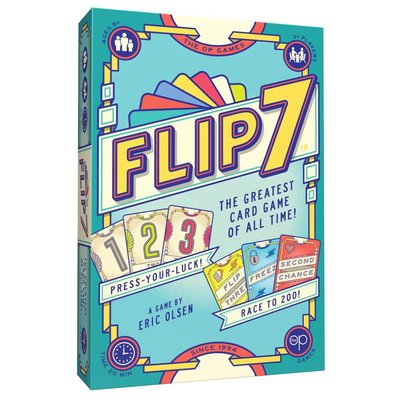
Things like Avalon, Flip Seven, Just One, Hot Streak. Games that don't need a two-hour teach or a huge commitment. These are the ones that actually get played when regular people show up instead of dedicated hobby gamers. Avalon is still one of the best social deduction entry points for mixed groups. Flip Seven is fast, cheap, and pure push-your-luck chaos that almost anyone can understand in 2 minutes. Just One is cooperative and silly and works with bigger groups. Hot Streak gives you that betting race energy without requiring anyone to learn a heavy system. Having a handful of these makes it much easier to get anyone to the table in the first place.
And that matters more than people admit when you're starting out. These are the games that create the first good memories that make people want to come back. Tip six, can you sell it later if you need to? I personally like games that have a theme people can immediately understand and get a little excited about. I really like Realm of Reckoning, but the theme is harder for a lot of people to grab onto. So, it doesn't hit the table as often as it should. Compare that to Veiled Fate from the same designers. Much easier to explain, much easier to get people interested. Mechanics and weight matter here, too. Don't buy something like Dune: War for Arrakis if the person you usually play with is never going to be into that length and complexity. You already know the answer before you open your wallet.
Buying a game your main people will never want to play is just expensive decoration. Theme that is hard to pitch, high weight, long play time, and heavy teaching all make a game harder to sell later if it doesn't stick. Think about resale value as part of the decision, especially early on when your taste is still forming. Tip seven, again, do you actually know people right now who will enjoy this specific game, or are you buying it for some future group that might never form? This is such a common trap. I've fallen into it more than once. A lot of us have. You see a game that looks perfect for the kind of group I want to have someday, and you convince yourself that owning it will somehow help that group appear.
It almost never works that way.
Buying for the group you hope to have someday usually just leaves you with expensive cardboard and a little bit of regret every time you look at the shelf. Buy for the people who already exist in your life. The future group will either form or it won't, but the game you bought for them will still be sitting there either way. Tip eight. Teaching time and ongoing commitment. I love Root. I play it a lot, and it's one of the games I keep coming back to. But it really needs the same group of people who are willing to learn the different factions and come back for more sessions. If your group changes every single time, those teaching heavy asymmetric games just sit on the shelf looking beautiful and collecting dust.
Be honest with yourself about how much rules teaching and re-teaching your current people will actually put up with. Some games are worth that effort because the payoff is high once everyone knows it. A lot of them are not worth it when you're still building your circle and every session might be with different people. Root is one of my favorites, but I only pull it out when I know the table can handle the teach and the asymmetry. Tip nine, replayability is a must for me. I don't buy a huge number of games, and I actually want to play the same ones multiple times instead of constantly chasing whatever is new and shiny. If something only has three or four good plays in it before it feels solved or repetitive, I'm usually not interested anymore. I would rather own fewer games that stay interesting over a long period than a big collection of things that get one or two plays and then sit there.
High replayability for me usually means meaningful decisions that change from game to game. Some asymmetry or variable setup and a system that still feels interesting after you know the basic strategies. When I'm deciding whether to buy something, I ask myself whether I can see myself playing it 10 or 15 times. If the answer is probably not, I usually pass. Tip 10, expansions. In general, I don't recommend buying expansions before you've tried the base game, but I also know how hard it is to resist when the special edition or the big fancy pledge is sitting right there.
A few months ago, I was genuinely this close to buying the Agricola special edition without ever having played Agricola. It didn't make logical sense, so I forced myself not to back it. Then, I finally got to try the game, and now I kind of regret not backing the special edition. It's an awesome game. Still, the safer move when you're newer is to try the base first, and only then decide if the expansions are actually worth it for the way you play. Special editions and all-in pledges are designed to feel urgent. When you're still learning what you like, that urgency is dangerous. Try the base. Live with it for a while.
Then decide. Tip 11, Kickstarters are not recommended when you're still new. I backed so many games that I barely play now, simply because I didn't yet know how to tell what was actually worth it for me, versus what just looked exciting in the campaign video. Learning that filter is a skill, and it takes time, plus a few mistakes. Right now, my suggestion is simple. Just don't back yet.
Keep an eye on everything that's happening, so you start seeing the patterns. The games that are extremely hot and massively overfunded during the campaign, and then you almost never hear about again once they finally deliver.
People running these campaigns are very good at getting your money. Remember that.
I went all in on the Elden Ring Realm of the Grafted King Kickstarter, because I loved the video game so much. The actual board game experience ended up being pretty disappointing for me. The luckiest part is that I was able to sell it later for close to what I paid. Still, that was money, shelf space, and mental energy I didn't need to spend that early. When you're new, that kind of miss hurts more than it does later. Wait until you have a clearer sense of your own taste before you start throwing money at campaigns. Tip 12, don't be afraid to sell or trade games that aren't working for you. In the US, there are plenty of good options. If you're not in the US, look for local Facebook groups, marketplace apps, or shops that do used inventory.
Holding onto games you don't play just takes up physical space and a surprising amount of mental energy. It's okay to let them go and put that money towards something you'll actually use. A game sitting unplayed is not a trophy. It's just cardboard taking up room. Selling or trading early, when your taste is still shifting, is one of the healthiest habits you can build in this hobby. Tip 13, and this one is the most important.
Get out of your comfort zone. Most board gamers are introverts. Almost everyone struggles with finding consistent people. If you can push yourself even a little, go to local meetups, walk into the board game shop and just ask if anyone needs a player. Add people in online groups. It can become your actual superpower in this hobby. I've never met someone who didn't want to play a game when I simply asked. You just have to ask. It's genuinely easier to turn board gamers into friends than it is to turn regular friends into board gamers. That saying exists for a reason and it is true. The people who already like board games are usually happy to have one more person at the table. The barrier is almost always just the asking.
Tip 14, once you actually have a small group of people who share the hobby, you're right back at the beginning of this video. You might not even need to buy that many new games anymore because if you total up everything your whole group already owns, it becomes almost impossible to play it all. There's just too much good stuff. And that is a much nicer problem to have than the early days when you're staring at an empty shelf and an empty calendar wondering how to even start. When you reach that point, the pressure to keep buying drops a lot. You can be more selective. You can wait. You can actually play the games you already have. That's everything.
Those are the things I really wish someone had told me when I was starting. Take whatever is useful for your situation, ignore the rest, and go try some games this week if you can.