Why I Don't Like Euro Games (and other questions)
Games in This Video
8 games are featured in this video — they unlock as you watch.



Transcript
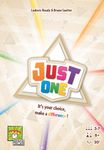
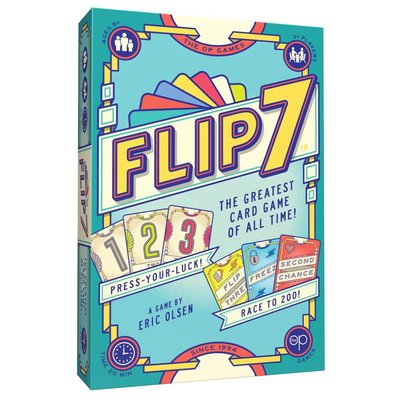
Today on Actual, I'm going to answer your questions. You've sent them in and I'm going to respond to them. But bear with me because this is a brand new concept. I'm calling it a Q&A. And I think if you give it a chance, you're going to love it. Let's get to the first question. Luru asks, "A lot of my friends really enjoy Hitster and Just One, but I have trouble getting them to play anything else. What games would you recommend to help me to get my friends over simple party games and transition to tabletop games?" That's a tough question, but I would maybe try to give them experiences that they haven't had yet in party games, but in a really light game to sort of show them what else is out there. So, you could try and get them into push your luck with Flip 7, a super simple game that's no more complicated than just one. Did well with that. You could try them on Diamont or Inc and Gold where it's a bit more involved, but it still has kind of the same core mechanic. There's not loads else going on. It's feeling like more of a board game. Then another one that, you know, still feels like a party game, but is kind of transitioning them to something else is One Night Ultimate Werewolf. Super easy to get into, very quick to play, but you're getting like a completely different experience. You're getting to lie to each other. And so then if they enjoy that, you could take them to Resistance or Secret Hitler.
Games that feel very silly and partyish might be, you know, might feel like an easy transition. So, Hot Streak is a game about betting on a race, but because there's a lot of chaos, there's it has a really kind of silly look to it. It can still feel like a party game even though secretly, you know, it's veering more towards a board game. James Mccclaclin asked, "Do you enjoy fishing in real life?" No, there's way too much downtime. But lately, I've been playing Fishing Clash, which is the sponsor of today's video. I play video games to escape. And with Fishing Clash, I can escape to the Florida coast and become someone who can catch a fish to save their life. Hell, in this game, I can catch a shark. And that's how the game lured me in. There are hundreds of different fish you can catch. It's all about trying to complete your collection. From the sharks, which really make you work for it, to the rare tropical fish. And it gives me that same satisfaction I get from playing a set collection game. When you finally get one of everything, you feel at one with everything. But those fancy tropical fish know how beautiful they are.
They're not getting in your boat for any old worms. So, you need to upgrade your gear to improve your chances. It's like playing a debt building game. You start out small, just like the fish you can catch, but soon you'll turn your hard work into better rods and bigger fish. And it's super easy to get into. You can skip the rule book with this one. Download the game using the link below or the QR code on screen and use the code actrolol to get a free in-game reward worth $20 and a unique avatar. Thanks to Fishing Clash for sponsoring this video. Argie asks, "Other than board games, what other hobbies do you have?" I do really like swing dancing. That was something that I started in 2017. So, it's like a partnered dance that you dance to music from the the 1920s and 30s. It's an African-American dance one. And what I love about it is that you're dancing with a partner. It's kind of upbeat music. It's not too like sensual or romantic. You're really spinning your partner around. There's a lot of movement. It It's quite energetic. I think I've always been someone that likes dancing, you know, in nightclubs and stuff, but I never really had a an outlet for it until, you know, I was in my 30s. It's very social because you're kind of swapping partner and getting to meet all these people and dance with them. But then you get to go to these social nights and you've got like a live band playing.
It was rare for me to find a hobby that actually involves movement. I'm not a big sports person. I don't really like going to the gym. So, it was great to have an outlet like that. Antonio Brown asks, "What are your hidden gems? Games that flew under the radar but you find excellent." I'm going to give you three here that deserve way more love than they've had. MLE Fury is a Ranicitia game that I overlooked for a couple of years because it just seems a bit boring. It's about glass making, but I think it's one of his best of the last sort of 10 years. It's got this shared board. You're competing over all these different ways to get points. You're trying to get your pieces down on the board and there's just so much frustration and competition. It really brings alive that kind of shared experience that I want from a game. got like [clears throat] a nice production.
I just think the theme, the name, they don't really inspire you. They're not making you want to pull it off the shelf. And it's also quite a hard game to explain, which is maybe why people are watching reviews and they're not necessarily going out and falling in love with it. But it is a brilliant game. I think Old London Bridge has suffered from the same thing. It doesn't look that inspiring. But to me, this harks back to games from 20, 25 years ago, the katans and carcassons that really brought this hobby alive because it's got simple, punchy rules. It's got player interaction and it's got tough decisions in everything that you do. You're collecting buildings to line up on your London Bridge and you're trying to get them into descending numerical order, but there's sort of an engine that you create. There's a bunch of different like special powers and you're getting in each other's way. you're trying to get the buildings you want before the other players. So again, it probably doesn't describe that well, but when you play it, it all just comes together in a really neat package. And then Word Slam is a party game that I think should be up there with code names. It's about getting your teammates to guess a word. And you're actually trying to get them to guess the same word. And to do that, you've got this deck of very simple words like verbs and adjectives and nouns that you need to communicate a more complicated idea. And so it's a very sort of stilted language that you're trying to do. And you have to be really creative with how you combine those words, but you're doing it as a race. And that's what makes this game better than a lot of other party games is it's really frenetic. You've
got to be think really quickly on your feet to give those clues because if the other team get it first, then you've lost that round. But what's also great is that you can hear the other team shouting their guesses. So, you're getting clues from them whilst also kind of trying to decipher this mesh of words in front of you. It's a great challenge for both sides. And I just love the pace of it because it kind of is an alternative to something like Code Names, which some people can find is a bit kind of slow and thinky. There's no time for that with Word slam. RG asks, "Which TV show has excellent writing and would you usually fly under the radar?" One that stands out the most is Halton Catchfire. And this is a show that even I tried. I got into the second series and gave up on it because the first series isn't that strong. Then maybe went back to it like a year later and then fell in love with it and it became like my top five TV series of all time.
It's set in the world of computers in the 80s. So, it's like the height of things coming up like Microsoft. You know, there's a lot of technological advancement, but really what it's about is these four characters. The thing that I love about it is those four characters and their development and their relationship. see them probably over the span of like 20 years and you go through so much with them and it just feels like it's such a great depiction of human existence about romance and relationships and friendships and career and ambition and the things that you you know want in life and dream but then the failures and and your inner turmoil. It's so relatable and it's so touching.
Like this show made me cry so many times and I'm just kind of feeling for them right now as I'm talking about it. I'd love to go back and watch it sometime. But there's so many that I love, so I can't just talk about one. Southland is a police drama that I felt was desperately underrated. It's made by the guy that made ER, which is my favorite TV show of all time set in a hospital. And Southland is sort of like the police equivalent of ER because what's so great about ER is you get these personal stories of the doctors and nurses that you're following their lives, but each episode you get this procedural stuff of, you know, people that are ill and need treating, but really it's about the journey that the characters go on across the series. And er is just so much better than other medical stuff in my opinion because of that and because the way they draw those characters and write them and the dialogue is so relatable and believable. And Southland is the equivalent of that. And then in terms of comedy, Happy Endings is the one that really stands out to me that I wish had been given more episodes. the first couple of series, it's just like the perfect friendship sitcom, but with like a modern style of of jokeelling. You know, the characters are a bit more heightened than Friends, and the comedy is a bit more a little bit more adult, a little bit less cheesy than Friends. I really should go back and watch some of that. Ryan asks, "Any game suggestions for two or three year olds?" Well,
you've asked the exact right question there because this is the type of game that I'm playing more than any other at the moment because my daughter is 2 years old. Whose turn is it next?
Daddy's.
Yeah, it is my turn. When my daughter was about 6 months, I bought some harbor games cuz I was just far too excited. And I bought First Orchard because that's the one that everyone recommends. Now that is probably her favorite game. So, you take it in turns to roll this dice and you'll get a color and that matches the fruit that you then put in the basket and you're playing cooperatively and you're just trying to collect all the fruit. But if you roll the naughty crow and you go, "Oh no, the naughty crow." Uh, then the crow moves along the path and if it ever gets to the end of the path, that's it. You've lost. So, you're just racing. It's all luck. It's been really good just kind of watching her learn about taking turns and matching the colors and she just really enjoys it. And the kind of threat of the naughty crow has been really good as well. What did I roll?
A blue.
A blue. Should I take one of these?
Yes.
What fruit is this one?
Blue.
What type of fruit is it?
Blue plum.
Yay. Rhino Hero Junior is the one that was probably best early on because I would build the building pieces and then she could stack up the tower. And we've never really played it like a a proper game. I'm not sure that the rules are really that strong, but we end up just sort of stacking it up. And then it becomes later it becomes like a color matching thing because the colors like grade up. So it starts at green, yellow, orange. So really what she enjoyed early on was the stacking and because it's so robust cardboard, it doesn't fall over nearly as easily as like actual rhino hero. So she really gets like the feeling of building from it. And then another big hit for us was tidy up. This is another harbor game and it's all about like tidying up your toys. What's good about this? It's just got a bunch of tiles in it that are like pictures of toys. So, here's a doll and a teddy bear, and they're all face down. And then she's trying to find the right ones for her little thing that's like saying, "Oh, you need to find this toy and this toy." And that was great really early on as well, because even before she was one, she hadn't grasped colors, but she did know what certain toys were because she was familiar with all of them. And so, that really appealed. And for ages, that was like her favorite game. and she would be like, "Daddy, can we play tidy up?" And yeah, so that was really popular. But then I found that, you know, that's really common in kids games, this idea of just kind of matching. You've got a little thing. And
so shopping list is basically the exact same game. And then this is another one, Ready, Stack, Pack. And Forest First is one I got more recently. It's a race game where you are drawing tiles out of the bag. So it's just kind of an interesting that it's got a different mechanism. With this one, you're drawing a tile out and then deciding it's like got two different colors on. Which color do I move to next on the racetrack? So, it's got this decision in it of well, actually, you should go to the further one. But, of course, she hasn't grasped that yet. But that it's going to be interesting to see when she gets into that. So, the game still totally works, but it's just that she's not playing it like that. She's not optimizing it yet. That's what I found with a lot of games. You know, this one's saying I think 3 years old, but she can totally play it and you just slightly adjust it. All of them have just been great at kind of teaching turn taking and stuff and I'm really like looking forward to the next step. And then we just started playing snap. So this is a deck of cards my mom gave us and it's got animals on. So rather than trying to like spot the numbers which she wouldn't be able to do, she will just flip a card, say the animal that comes up and then whenever they're the same, you know, she has started to learn to snap. And so that's been kind of really fun seeing that and just kind of holding cards for the first time. So that's been really cool. I think from a board gamer's perspective, there is this feeling of like I have to have the perfect game. And that's true for us, but I think with your kids, they're going to enjoy pretty much anything. And it's all about just kind of taking the time with them, you know, not expecting too much, maybe just playing with the
components. It's like in those first early days when she was maybe 6 months, we'd kind of play with the components for a bit for like a minute or two and she'd get bored and want to do something else. But that has really built and now we, you know, might be in a situation where we'll play board games for like half an hour and, you know, we'll play one of these like multiple times in a row. RG asks, "Are there any content creators out there you enjoy?" Yeah, there's a few that I definitely watch pretty regularly. So, Artist on Artist on Artist is this improv podcast. It's like a spoof of like those roundt things, you know, where actors will get together and just kind of like lick each other's asses about how great of an actor they are, and they're talking about their different roles. Well, they do like pastiche of that, but they started off doing it as actors, but now they do it as all sorts of things like YouTubers or people that make Halloween candy or country musicians. They are just in a room creating characters and then improvising that chat. And they're just really funny people. They get all sorts of like really big guests on there, like other sort of improv comedians. I pretty much watch like every episode of that. It's once a week.
And then a few others I watch here and there. So Ari at home is this guy that goes out into New York City and he's got this rig where he's got like a keyboard, like a musical keyboard and a whole like streaming setup. So he's creating music on the fly like improvised and then he'll get people over. He's got a microphone, big speaker on his back, and they will like sing or rap to the music that he's creating. And he is so talented. And then he meets all these people that are just so good at rapping or singing and just manages to create these like really good songs in, you know, in like 20 minutes on the street. And then John Marco is a comedian that's been coming up a lot. He's really good at crowd work. He really kind of digs into his audience and all his audience seems to have like massive family issues, you know, with weird parents or relationships. He's just really good at kind of riffing off of that. But then he just released a special which is all on YouTube for free, you know, it's like an hour and a half. It's so funny, so tightly packed with jokes. And then seeing as I haven't mentioned anything British, there's a guy called Sans Beanstalk who does these kind of comedy raps that is so specifically about UK culture. So he'll have like a rap that's all about the kind of posh people that shop in waitros and you know they might live out in the country and have a horse or he'll do one about these kind of little pockets of society that you
wouldn't even think existed until you watch it and you're like oh wow that is so well observed. It's one of those things that YouTube is just so brilliant at because how can you have that as a niche, you know, like you're somewhat good at rapping, you know, you've got good lyricism, but you're not necessarily going to make it into the charts, but what you can do is write about very specific parts of British culture. Feels like a real celebration of what YouTube can kind of put out there for us. Thomas Galvali asks, "How do you choose which games to try? I'll see a game in a shop and think the box looks good, but I end up having to go home and watch reviews or check the BGG rating before I buy it. And that's how I am as well. You know, with limited time, I like to do my research because I'd rather spend 5 10 minutes just ruling something out rather than buying it and wasting like an hour or two learning the rules, setting up and playing it, and then realizing it wasn't worth my time.
So, I tend to do a lot of research and there are things, you know, I look for immediately. So, I tend to follow games from designers that have had games I like before. I want it to be not too big of a box. You can kind of tell when there's going to be loads of miniatures and fluff and complexity that I'm not looking for. A good game is typically streamlined. They've put thought into it and it it it's not overblown with stuff. And then, absolutely, I'm looking at reviews. Ideally, someone else has covered it first. So, what did they think of it? That's really useful. And then the BGG rating is good, but it's not so good for new games because publishers will inflate the ratings. You know, just get their friends to, you know, put in a few 10 out of 10. And so, it's just not a clear reflection of how people are finding the game until maybe, you know, it's been 6 months to a year after the game's been released. So, it's just not that useful for new games. The reality is there are a lot of mediocre games released every year. There's just so many games released. And so finding the gems in some ways is sort of harder than it has been because there's just so much to wade through. And that's kind of why I see my job as useful because I play a lot of stuff that you end up not even hearing about because it was just rubbish. But if you do want to hear about some of the rubbish, then I talk about it in my Patreon newsletter every month. Patrick Mardle asks, "How has recent parenthood changed your approach to gaming, both as a hobbyist and as
someone who makes board game media content?" It's interesting that question comes after the last one because I feel like I am more selective now in in what I play. I have less time to play games and it's so frustrating when I play something that is not even close to being good. It's not even close to being useful to talk about on the channel. I'm much more kind of targeted in the games I'm going to try and really do my research because time spent on the computer kind of looking at games is very different from a game night. You know, if you only have like one or two a week, that's limited time to actually play those games. And as a gamer, I'm just having to make more dedicated time to play games. I'm going to more conventions because I know that I can just focus for a weekend and play games all weekend. I feel for people out there who don't have it as a job because for me it kind of it gives me a reason to do it. It it means I don't have to feel too bad about stepping away from, you know, doing bedtime because I do need to play games for my job. Whereas if that wasn't the case, I think there's a chance it, you know, would get a bit more forgotten about. Raldo asks, "What's the best game you played from a Brazilian author?" The one that stands out to me is Sheriff of Nottingham by Sergio Halaban and Andre Zat. That is, you know, in my top 50 games, and they've designed other games that are decent, but Sheriff of Nottingham is by far their best. Another one that stands out is Ctographers by
Jordi Adan. That is a flip and right game. You know, really good puzzle. I love the objectives. You've got these four different objectives, but they only score at the ends of certain rounds. That's it's just a a very clever game. Flipfinity asked, "Do you think most board games are worth the money?" I do think that as a hobby, they are still way cheaper than other things. You know, it's still you get so much more value for money and experience out of playing a board game than you do going to the cinema once. There are so many hobbies that cost so much money every time you do them. With a board game, you can play it again and again. So, in terms of the value you get from it, I think it's still really good. Even though, you know, some of these prices have doubled in the last sort of 5 10 years, I I do kind of resent some of the shift towards these big boxes that then they're making them bigger to sort of inflate their value, to make it seem like there's more in there, but it doesn't make it more replayable of a game. It doesn't give you a better experience. And yeah, you might have more decks of cards, more like variability, but you never needed that in a good game. And you know, Katan, Carason, Ticket to Ride, none of them have that variability and they are brilliant games that you want to play over and over again. And I think some of that is our fault because Kickstarter has created it. And then you get swarms of comments on Kickstarter of like, "This isn't worth it. I need more content," you know, and so then there's so many different, you know, boards and options and mini expansions within just
the base game because it's been demanded. it's what people expect now that it puts up the value, the cost of the game and so then they're costing us more. And yet, I do think there are games still coming out that are worth the money. Toy Battle I saw in a shop for £28 that would barely get you a meal in a restaurant these days and it is such a good package, such a brilliant game and does happen to have a lot of variability in it. ACM asks, "I have the impression you don't particularly like Euro games or more complex games. Why is that the case? Well, you're sort of half right. I mean, Eurogame is a weird definition and everyone means a different thing when they say it. I would say I don't like heavy Euro games that lack player interaction and games that are really complex. So, like anything, you know, above a 3.5 on Board Game Geek. There are some heavy games I like here and there, but as a rule, you're right. And that is because I find them to be less social. If I'm caught up in my head thinking about my strategy and it's so complicated, I find those games so quiet that there's barely any conversation. And typically with the more modern like heavy Euro games, they don't have loads of player interaction either. So there isn't even much of a reason always to consider what other players are doing. And it just doesn't have any kind of the social feel for me.
And that's why I like board games. It's why I got into them to be experiencing this thing together. And even though you're at the same table and you are ostensively playing the same game, it often feels like you're not. And the fact that they can then go on for hours as well is definitely a mark against them as as well. So I like games where you play above the table. It's about your interactions with other players, trying to read them or negotiate with them or outbid them. You don't get enough of that in those games for it to be worth it for me. And given that there are thousands of games I would like to play, I know what I like and that's what I stick to. And I also just feel like that's become, you know, the style of the channel as well. I tend to focus on slightly lighter, more entry levelvel, but certainly social interactive games, and a lot of channels don't. So, I feel like, you know, it's a good niche to have. Cam Lamb Bellisimo asks, "Do you have experience with tabletop role playing games? You seem to focus on experiential fun in board games and above the board play, which you're totally right. I'm curious if you found that tabletop role playing games are a good vehicle for that for you. Yeah, I have some experience, but not as much as you'd think. I've played Fiasco a few times. I've played some other indie RPG games, and I've had fun sometimes. I find them to be fragile experiences that you know so dependent on either the dungeon master or the system you're playing or the people you're playing with whether you're going to have a good
time and also on yourself. There's almost like pressure on yourself to be entertaining or telling a good story or you know role playing properly because there's no end game or goal or scoring. You can get to the end and sort of feel like was that good? Did I have a good time? It's so nebulous and it makes you feel like you're questioning it the whole time. You're questioning the experience. I think with the right people, I could definitely have an amazing time. I had one really good experience of a indie role. I went to like a indie role playinging night in London and I played with a couple of regulars and then with my best friend and like had such a blast. It was within sort of like a motorcycle gang universe like Sons of Anarchy. So, we had all those reference points. great characters, the system really sort of got out of the way. It was like Fiasco, but it wasn't. Told a brilliant story, didn't take too long, and really just felt comfortable with it. But then I went back another time and played something a different system, had a terrible time, felt really self-conscious that it was really cringy. And and then I've had other experience where I tried to learn like a proper role playing system, like a Game of Thrones role playing thing, and it was so complicated. I didn't understand any of it. Really kind of got put off of all of that. I think there's something with the intensity of it. It can be just quite a full-on experience that you feel like you're, you know, on the spot having to perform, but also that other people can kind of be a bit over the top with it and take it a bit too far and and that doesn't vibe with kind of where
you are at. So, it's just so much more dependent on the group. Um, I played Mega Games quite a lot, which is sort of somewhere in between. There's there's more rules, but it's still quite open-ended and there's some role playing and I prefer that. You know, I'm still role playing in those, playing a character, but I'm making decisions that kind of fit within a system. It makes more sense. Yeah, I really had a good time with those things. So, I've got one or two memories of like, yeah, if I could repeat that, then amazing. I suppose with the board games, I like I just feel like it's more consistent that I I can get that repeat experience. So, that's what's put me off going back. Stock R asks, "On average, how many hours do you spend to create your content? scripting, filming, editing per month and same question for playing time. And David Mcci also asked, "What does an average week look like for actual when it comes to a work life balance? Are you quite structured with your time or do you prefer a more spontaneous approach?" So, I think the longer I've done it, the more structured I become that it really just kind of makes sense to fit it in. I I used to be a real night owl and probably when I first started making videos, I was up until 3:00 in the morning like getting stuff done, but it's just not practical anymore. So I've really had to force myself to be a lot more consistent and structured with it. So it's actually become really just a 9 to5. It's sort of suited our lifestyle that you know maybe sometimes more a 10 to six but that I would just work Monday to Friday because that's where my wife was working and it
would bleed into other times evenings and weekends if I really needed to get something done. But I do consistently work on the channel Monday to Friday every week. I probably take less holiday days than you know your average person. But it's nice, you know, it's obviously flexible when I need it to be. And most of that is writing, scripting, but there's also just so much hidden stuff like researching games. You spend a lot of time emailing companies to maybe be sent games or now with sponsorships, there's a lot of admin involved there. And then filming the video might only take one day, the presenting, but then getting the B-roll of the shots of the games, that could take like two or three days. That's very intensive. It's like my least favorite part of the job. And now editing. I have a really great guy called Waqin that has been helping me for over a year now and he's amazing.
It's thanks to him that I'm able to kind of keep up my videos because since having a baby, you know, it's really impacted my life in a hundred ways. But I would say trying to get those scripts like tight. You know, writing about 10 different games in one video is much harder than writing like a 20-minute video on one game. Um, because you're really trying to be succinct and get it all across, but only in sort of 3 minutes, but then also getting all the jokes in there and trying to make it funny. A lot of time goes into that as well. But I love it. That's the bit of the job I love the most is writing it and getting it how I want it. Ta. Alex asks, "Have you ever been judged by others for your passion for board games?" That's an interesting question because you sort of would think that I would have been. I got into board games in my late 20s. You know, people are a bit too grown up to be teasing each other about stuff like that. If I'd got into it when I was at school or college, then I could totally imagine that. But I think as an adult, you know, why would you hang out with people that would want to judge you for your passion for anything? You know, there's the odd little joke from parents-in-law or like extended family at Christmas, but it's never anything that really means much. I think just being passionate about something, having a hobby in anything is great indication of character that you can care about something and be interested and and really the boring people in life are just the people that don't have hobbies. I always find it a bit of a red flag when someone doesn't have any passions. Like, what are you doing with your life? I've had a few
people in my life who say they don't like board games because they don't like organized fun. And it felt like a bit of a criticism like, "Oh, I would never do something like that." And it sort of comes from this place of like, "Oh, I'm so much fun. I just go out and we just talk and you know, we have a drink." And we don't need some crutch like a board game to have fun. It just feels like a very weird weird rule to apply to yourself. I can absolutely, you know, go out with my best friends. A lot of my board gaming friends talk for hours, have a meal or whatever, and we don't need to touch a board game and have a brilliant time. That doesn't sort of devalue the time that we spend playing board games together. And actually, you know, I find that board games have allowed me to keep friends, to keep in touch with people that probably would have, you know, just drifted apart with otherwise. So, if you are being judged by others for your passion, just try to ignore it. It's like it's such Neanderthal, immature, childish behavior. You're much better off finding people that do align with you, even if it's, you know, not that they love board games, but they have their own passions, and so they totally get it. The potato asks, "How do you know when it's time for a game to leave your collection?"
Oh, I think this is sort of instinctual, but it comes from almost like the stage in the hobby that you're at. Like if you've played so many games, you've had a big collection, then maybe you start to thin it out, curate it, then it becomes something you relish, especially if you get a new game in and you feel like, "Oh, no, I I don't need that anymore because I've got this." That's quite, you know, feels very definitive of a decision. But often I'm just in the mood for culling and I will stand in front of my collection and I'll just like look at each game and sort of think, where's the the problem ones? I've got the Boardgame Geek app on my phone and I'll scroll through my collection list and there are definitely titles that come up that I'm thinking like are you really as good as the rest of these? You you're kind of a weak point. Like you're embarrassing me a bit there. And sometimes it is to do with like the opinion of that game publicly.
You know, is it a popular game? Sometimes it might be a theme thing or a rule book like but you're imagining the last time you played with it. Was it a fun time? And then are you likely to want to play it again? Are you So I don't think it's necessarily like a time. It's more just, you know, if you want to get rid of some stuff, take some time, think through it. You don't have to play them again. Sometimes it's really obvious. But I think when you're maybe new to the hobby, you've only played like 50 games. It it's harder to get rid of them because you just don't know what else is out there. But trust me, there is so much better games out there usually. I would say I've never regretted getting rid of a game. I know some people do. I've never looked back and I'm very much just focused on the games I have now. You know, there's one or two games that I had good memories with and I still got rid of them. It's fine. I'm on to the next thing. There's there's always something else to play.
Vincent Skater asks, "What music do you listen to?" Well, my favorite band of the last sort of 10 years is Muna, which they make like indie alternative pop music, so it's really catchy. It's got like a real 80s synth feel and that's definitely a common thread in a lot of the music I listen to is that it's like modern 80s music. So I love 80s stuff but I I love even more the kind of modern takes on it. So Japanese House is another band that I love. Fickle Friends, all kind of similar, you know, like just really catchy like guitars and synth stuff and really catchy like choruses and whatever. And it's pop music, but it's just slightly different, slightly more, I don't know, alternative than like, you know, like mainstream pop. I listen to that stuff all the time. I've definitely got sort of more cheesy and poppy in my taste, you know.
I used to be listening to like Radio Head and real like dreary, depressing, like melancholic music as everyone does, you know, and I still like that kind of thing, but I just don't find myself drawn to it as much. It's kind of like how at the end of a long day and you sit down to watch a movie, you always just are in the mood for like, you know, if you could watch Bridesmaids for the first time or Super Bad or, you know, any like Will Ferrell film, that's what you want to watch. You want to put yourself in a good mood and just watch a light-hearted comedy. And the thought of like watching the Oscar-winning movie that's about some depressing topic is like the worst thing imaginable. And and so that's the experience. And there's never any good comedy movies, right? But with the music, there's great pop music. There's just endless amounts of cheery pop music. You know, if you look at my Spotify unwrapped, it is pop pop pop pop with a bit of country as well, cuz I'm just cheesy. Sunonny Bisw asks, "I remember you mentioned initially working as a writer in TV. How did you make that first step of switching careers? Were you worried things wouldn't work out, and if so, how were you able to stick with your decision anyway?" I felt like I didn't really have a choice in that I wasn't making enough money from writing TV to to keep doing that as a career. So, I needed something else. And in a way, I sort of like YouTube felt like the only option for me at the time. I didn't really think I would be that good at it.
And I wasn't really jumping into it sort of being like, "Oh my god, I this is going to be perfect." I was nervous that I'd be bad at it and I was nervous it wouldn't work out. How did I make the first step? Well, first of all, I borrowed a camera from my friend who had one for like making music videos and I just I started, you know, I I picked a game to review and I wrote a script and I I filmed it, you know, and it was all like I didn't know what I was doing and I was very nervous and it probably took me a long time to work up the courage, but I felt really desperate that I needed a new path and so I just I had to crack on with it. in terms of worrying that things wouldn't work out. Well, I I'm more just worried that it would be rubbish and, you know, it would just be really obvious that it wasn't going to happen. But thankfully, my third video did quite well and I ended up with, you know, maybe a,000 2,000 subscribers after it. I got so many positive comments that I was like, "Oh, okay."
You know, there's something here. So, that really really helped, you know, and if if you're seeing people out there, you know, leave nice comments. it really makes people feel like it's worth doing. But I didn't know if I'd ever make enough money from it. And I actually sort of made this plan of, oh, I've got to I've got to make content for free effectively for a couple of years. So I and and then I released, you know, I started a Patreon at the end of two years. And that was pro that was a terrifying time because would I make enough money to live off it? Is there any future in this? And you know, it started well but slow. I I think there what's nice about YouTube, at least my experience of it, is that there was like there is always a progression and definitely there are times where it plateaus and slows down, but generally speaking, it's kind of always grown and so that makes you feel like there's hope to it. But even still now, you know, you feel like it could end at any moment. So there is a kind of inherent fear to it. But I suppose that's true of a lot of self-employed jobs. You never know if you're gonna keep your customer base or if it's all just gonna suddenly die one day. But I stuck to it because I didn't really feel like I had a choice. And I I had this like side job. It was very flexible. It was like sort of updating websites effectively. It didn't pay very much, but it allowed me to kind of do that in and around making videos so that I could try this out as an experiment. And then when it got to the Patreon, I was able to quit that job and kind of do this full-time. He also asked how has being a
father affected work, social life, mental health, etc. I think with the mental health it it's maybe quite a common phenomenon of it gives you this other thing to worry about. So it's not to say that I'm not worrying and anxious anymore, but it's less about me. So it takes the focus away from yourself. So it's not a reason to have kids. it is a sort of side benefit that you know I don't have the time or energy to look inwards as much and and because I'm worried about her and you know various illnesses or you know things that have happened in the last 2 years it's almost like that takes some of the the anxiety energy. So I would say it hasn't made it worse. The lack of sleep has made life really hard. I've definitely been, you know, unhappy for long periods and really stressed and and just exhausted and it's made everything harder and that's still kind of happening. That's been like the toughest thing. It's had an impact on everything. Your ability to do anything. It comes with the territory and your sort of hope is that it will get better and it has slightly got better. In terms of social life, I I'm so grateful that I have board games that kind of connect me to people. I definitely don't have as much of a social life as I had, but now we're at, you know, two years, it feels like I'm in an okay place with that and I don't feel like terribly lonely, which I probably did in the first sort of 6 months. And then with work, it just eats
into your life. It eats into everything. There's definitely been times when work has been a nice escape. I feel very lucky to have this job that has allowed a bit of flexibility that I can work the hours that I want. But at the same time, it's it's weird because I know that if I'd had a boring old office job, you can just zone out for days on end and still get paid. Whereas with this, you know, if you get ill again and again because, you know, your daughter's picking up all these illnesses, then you can't just endlessly take days off. You can't zone out at work because you actually need to do this stuff to make a living to pay the bills. So, it's swings and roundabouts. I think there's it's been like really useful in some ways and kind of, you know, detrimental in others.
Rubik Cube asks, "What makes the best ambience for playing board games? Certain lighting, music playing, round table or rectangular?" That is a great question. I think round tables are highly underrated. There's something about the the social experience of like you kind of can look at anyone. It feels more communal, but I've never had a round table, so I haven't played on one long enough to really test it out. And obviously there's the downsides being that, you know, all boards are rectangular and do you have as much space? I'm really really tempted to I saw one in a secondhand furniture shop and I was really tempted by it, but then you basically got to get rid of the table you've got and it just feels like quite a plunge. So, I'd be interested to hear from any round table advocates in the comments. Did it change your, you know, life when you got one? Just something so cool about it. It just feels like, you know, you've got that kind of poked vibe. It's like nobody's left out on a round table. Whereas, you know, when you're on the long end of a a rectangular table, it's like you're further away from the action. With this, it's like an equal playing field for everyone. With lighting, it's that balance, isn't it? You want it to be moody, but if people can't read the board, then that's just a nightmare. You just don't want it to be harsh and bright. I think I'd love to have like a proper lighting designer that just had all this like uplighting, you know, where it was just all soft, so it's very well lit, but it it isn't kind of harsh
and ruining the the vibe, but it just seems expensive and a lot of effort. So, I'll probably just, you know, do what everyone else does and have a few lamps. I used to be into the whole thematic music, but you play like Game of Thrones for six hours and the playlist runs out after like an hour and it's like do you just go again or it just somehow you it feels too much like I've just kind of got over that amount of effort. And so these days it's just you just put on some music in the background. And what I've found in the past is like I've got this playlist which I literally call game night which is just kind of like this downbeat lowfi a lot of stuff without lyrics. And then another playlist that I've really enjoyed that I found at a restaurant. This is my top tip. We were out in a restaurant in Edinburgh and they were just playing this amazing playlist and we asked them what it was and it was just some they'd found it on Spotify and it's called Grammatique style tune. So there's an artist called Grammatique, but then it was all music like that and it's, you know, five hours long, slightly retro, like break beat. I don't even know how to describe that type of music, but it's like it's just got rhythm. It's got a bit of energy, but it again doesn't have like loads of lyrics and it just feels funky and I always get compliments on that playlist when I play it on game night and I didn't even create it. Kater Mur asks, "Where do you see the hobby going? Is it still gaining in popularity, or have we passed peak board
game?" I don't think we've passed peak board game, but I feel like we're not in this state of rapid growth that we might have been. I think the pandemic really brought a lot of new board gamers in, and you know, the past 20 years has been a renaissance, but I think we're now in sort of a steady growth period. There's still new people getting into board games, but I feel like we've reached as many people as we're going to reach in this generation. So, I sort of feel like the millennials have had their time. And if we're we're going to have another like big board game renaissance, then that's almost like down to Gen Z. And I'm hopeful, right? Because the statistics show that, for example, Gen Z are drinking way less than millennials and previous generations. you know, if you're not out drinking, then you need other hobbies to keep you busy. And I feel like board games are a perfect wholesome hobby, you know, for people that don't drink. And so, there could be a real resurgence there. And the thing that I would point to of like the real success of board games is just how many board game cafes there are. Like 20 years ago, there wasn't a single one in the UK, and now there's one in pretty much every town and city you can think of. Some of them have like two or three.
that was just never a thing before. It speaks to how mainstream they've become. And in the baby boomer generation, there's there's definitely a sentiment that board games are not for adults, you know, that they're something for kids because of board game cafes. They're becoming something that anyone can do. I just think that's really, really cool. Photo Ben asks, "I feel we both started in the hobby at similar times. We've seen the evolution of board games, but recently I've been feeling, did it peak a while ago, or is it I'm just jaded? Some friends are moving into role playing games, and most of the games I've enjoyed recently have been newer editions of older games. Things just getting streamlined. What was the last game that truly made you go, "Wow!" with genuine fresh innovation. to me is always the mind. And that's now seven years old. But when The Mind came out, it was so interesting and innovative with such like, you know, simplicity. I was just blown away by it and just captivated by it. You're no longer experiencing it for the first time anymore. So, I think it's natural to become jaded. you were wowed with most of the games in that first year you were in the hobby and now you've played everything. Like the the chances of being wowed for you have diminished massively. And I get that. I I definitely have those feelings at times as well. Whereas there are people getting into the hobby right now that are getting their minds blown by games released like the last couple of years
that for us are just kind of doing the same thing that we saw 10 years ago, but for them it's brand new and exciting and so different from what they were expecting or grew up with with Monopoly. Maybe it's good to take a break for 6 months. maybe go and try role playing games and you might come back with fresh eyes feeling like oh no this was why I love board games after all. Sort of like you know couples that divorce and then get back together because you went out and you realize that there was there was no one better out there for you and you you come back and you sort of appreciate it with renewed vigor. Remember, download Fishing Clash using my link below and use my code actual to get a free $20 in-game reward. Thanks to Fishing Clash for sponsoring this video.
Thank you to everyone for sending in your questions. And if you do ever want to ask me anything, then come join my Discord, which you can join at patreon.com/actrolol. I'm John Peris. Thanks for watching.