Beyond Solitaire Podcast 150: Elizabeth Hargrave on Science Games and the TTGDA
Games in This Video
7 games are featured in this video — they unlock as you watch.





Transcript
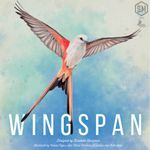
it's adbreak time I'm proud to announce the Beyond soliter podcast is sponsored by Central Michigan University's Center for Learning through games and simulations and as usual they're up to some amazing things their next game hydrologic cycle is currently on Kickstarter and you should absolutely go and check it out clgs also continues to offer classes in partnership with Gen Con the next course Jason Fury's crowdfunding with confidence starts on May 6th and we'll teach you all about board games and crowdfunding go check it out and I'll also include a final plug for myself if you like the show and want to support it you can do so by going to patreon.com onol thanks to listeners like you I've been able to keep upgrading my equipment subscribe to streamyard and more uh but for now let's get on with the show hey Gamers this is list Davidson from beond soliter and this week on the Pod I have a very special guest this is Elizabeth Hargrave the very famous designer of wingspan how you doing Elizabeth I'm good I'm so happy to have you on at last this is great um so thank you so much for coming on the show um so I I'm trying not to just ask basic wingspan questions but I I know that you uh I know that you got interested in making a game that was I guess about your own interests and since then you have designed several games that are kind of Nature and Science St so Mari Posas um you know uh the mushroom one what's that called underg grve undergrove there we go yes uh and then um you've also got the fox
experiment right right and so I guess I kind of wanted you to talk about just to start um How do you choose a scientific or natural theme for a game that is the right balance I guess between true to life and compelling I mean I think I I choose the idea first and then have to figure out that balance of how to how to make it work as a game and not and like feel true but not be overly I don't know what the right word is like stuck so stuck in reality that it's not a good game um because you definitely have to gloss over some things and um so how I choose is sort of like I don't know I have this running list of all kinds of things that are like oh that might be a game that might be a game but at some point I sit down and um it's usually because I've had an idea of like what the the core mechanic in the game would be that sort of an expression of that thing that I wanted to do um with wingspan it was just kind of like someone had said to me what if you had raced for the Galaxy but with birds so that was like the core thing for Mar postes it was like oh the migration of the monarch butterflies obviously has to be movement on a map and there would be like flowers and places that they um reproduce and really like I was really fascinated by the fact that um no
individual butterfly makes the Run trip there's like four generations in a year and so like how do how could you put that in a game and the same with Fox experiment I was like very fascinated by the idea of like generations and how what could you do mechanically that would allow you to like pass along generational information that's how we ended up with the dry erase cards um yeah so it's sort of that of like the picking is really like that spark of inspiration that is how how would you implement this um and then it's a lot of trial and error of like okay how much detail can you work in so it it feels true like one of my rules is sort of like I can't put it in anything that's that's just like outright wrong um but there are things like an undergrow where we don't really know we people think that some of the the mushrooms really probably specialize in in some of the nutrients in the soil versus others like maybe one is better at phosphorus and one is better at nitrogen but nobody actually knows or like which one is better at which so like there where we don't know like okay we can make it up uh so that kind of that sort of thing that sounds so close to historical fiction I love it yeah no I think there probably are a lot of a lot of parallels there um that yeah you you try to make it so that what is there is true as long
as you know what's true uh so with that in mind you mentioned a lot of trial and error um you know you've put out actually a lot of games since wingspan did you have several games in development at that time or have you just been very prod that's a good question so the development on wingspan took about a year and then the art on wingspan took another many months because it's 180 cards um so part of it is that like I finished my work on wingspan a full year before it came out um and in that year I did tussy messy and Mari Posas um and then they were tussy messy was like done very quickly and came out well I guess I ENT I entered both of them I got them signed both before wingspan actually came out um so that I had like this little queue of like stuff that all came out in 2019 um or I guess Mario po has rolled over in it came out 2020 is that right yeah came out during the pandemic um and then yeah I I actually don't work on a ton of games at once I get very stubborn on an individual design and kind of want to get it done or I shove it because I can't figure out how to make it work and I'll come back to it but I'm not like actively working on a lot of stuff all at once that's fair um are all of the
themes that you have currently have in play kind of nature themed or um do you have other things in store for us that you're willing to talk about um well so picky pixie just came out from button shy and that is not nature themed has flowers but it's not like true to life there's a pixie so no yeah I mean tussy musy is kind of on the edge too yeah right people are like oh flowers it feels naturey but really you're like cutting of cultivated flowers it's not particularly natury um so yeah so those are not like directly it but my most of my Bigg I guess all the bigger stuff that I'm working on I did start a while back and then sheld because of the pandemic um a game about to stunt people it was like aity game where meeples are like jumping off of buildings and stuff um but I when play testing sort of shut down in the pandemic there was really no way to play test it online and I shelved it and I haven't pulled it back out so like I it's not like a personal rule of mine or anything it's just kind of the stuff that interests me um and this you know if you're GNA start working on a game as you know you're going to end up play testing it hundreds of times possibly so it it's got to be something you actually want to be engaging with that that much yeah it does help to it does
help to like it so you know when you revisit wingspan after all this time um do you still enjoy playing it I do most of the times when I'm playing it is because I'm play testing a new expansion so I don't play like plain vanilla based wingspan very often at all um but I do still enjoy it I did have um when the app came out and when they were um implementing the board game arena version I defin got to just play some games as a tester it was just like straight up wingspan for no good reason it was very enjoyable yeah hey there's always a good reason to play game it's just to play yeah yeah yeah I I should say for no like work related for no producing a thing reason right like just just to play yeah was producing a thing because I was looking for bugs but it didn't feel like it so I wonder about thatly especially because you know you've really skyrocketed to design fame um how do you feel that that change in your life has changed your relationship with games it sounds like you still do what you like and you make games about what you like but do you feel that expectation and fame and having this be a major part of your life in a different way like changes how you approach play um that's a really good question I don't think it's particularly changed how I play if I play with some of my other friends
who are designers we'll definitely sit around for half an hour afterwards and talk about like the structure of the game and why it works well or doesn't um but I'm also able to turn that off when I'm playing with other friends who don't care like my spouse has no interest in that conversation so we'll just play a game um so I you know maybe it's changed it a little bit in that sense it's definitely sort of a zero game in terms of the time that I have to play published games versus to be play testing my own stuff um so there's a little bit of that but I do think the success of wingspan mostly has bought me a lot of freedom like my other friends who are trying to make it as full-time designers there's much more of a grind to it and maybe working on stuff that isn't always a passion project um and I've got a little bit more breathing room so that's kind of a nice luxury yeah for sure so when you talk about things not working and you shelving them um what what is the game that has frustrated you the most as you attempt to work on it I haven't shoved that many games I so the stunt me game I can't figure out like what how to score it that is accommodating to people varying dexterity levels I think it might need to be a
co-op so but like how frustrating is that I just like set it aside and haven't come back so I'm not like beating my head against it I mean I think maybe wingspan I spent years on wingspan and I was really like starting from scratch and learning The Craft um so probably that and the development with Jamie where like we went through several rounds of like what if this what if that what if this and like many different Goose chases before it sort of ended up where it is now um and part of that was because I didn't realize like how willing he was for me to just be like that's a terrible idea we're not even gonna try that um or to you know like try it once and and be confident that like it was fundamentally flawed I think I spent a few few months of my life working on I mean you know as a side gig working on things that ended up not going anywhere U so that was probably the most frustrating but I think I learned a lot through the process and I I think I really built up my gut instincts for what will work and what won't or what is working and what isn't working those sorts of things so I think it is still valuable to go through but it's never fun to like build out a whole system and then decide that it's not working yeah I can imagine that how can I imagine
that but um this actually leads into um another kind of line of questioning which is so you've you know what it's like to work very closely with a developer um and now at least in the case of worms spin uh you've become a developer uh how does that feel different to you from game design and which lessons cross applied and what you to learn fresh I mean so developer for worm span is a weird title I don't think I think it's right that Jamie gave me that credit but I don't I think he's using it in a different way from what most game developers do um and it's partly because of his process when he's developing games I think so so ston Meer in general if you sign a game with them um at least my experience and con's experience and I think also Matthew and Ben um Matthew Ali and Ben rosset who have between two cities um and between two castles uh I think for all of us we were always in control of the Prototype and always the ones doing the play testing outside of the blind play testing process um like Jamie as the developer um never like took the game and was just like here I'll work out it for a little while it was more like here I'll play test it a couple times and then we'll talk or send emails about what could happen next and then we all
implemented it which was still definitely development um but I think very different from a lot of other companies where like you're handing it over to someone and they're like working on it and sort of taking it the final 10% of the way um so that's the Bas line for ston Meer and then worms span was a weird case right because we wanted it to be sort of like a game that felt like it was in the family with wingspan but a separate like Standalone game that's like noticeably different um so my role as a developer on that game was mostly playing it with Connie at several different points in the process of her design process um way before you would ever give it to a developer normally and having really interesting conversations about like what makes wingspan feel like wingspan what like what are the core pieces of that what do we need in worm span and and how far away from that core is too far and then like what are interesting things that can be layered on it um that take it like we always knew we wanted it to be sort of another notch up in complexity so um and that's sort of Connie's Sweet Spot anyway as a designer so that worked great um so I never took over as a developer would at many other companies um it was always Us in Connie's hands um so it was really play testing with her a bunch of times
and and just sort of giving feedback at that level um which isn't that different from what I do when I play test with her normally on her other games in a way except that I had I mean I would say actually the the other fundamental thing that I did in that process was like she had a head start because she had like my spreadsheets for how I design wingspan cards and how the balancing Works um and that sort of stuff which again like usually developers are not involved at the beginning of like getting someone started in that way so it's a so it's a weird it's a weird credit but it's probably the right word to put on it still that I was a developer I don't know fair enough and it sounds like um Connie is somebody that you play with frequently so before you were Connie vaman's developer uh were yall already friends and how did how did all of uh how did all of this working together impact your relationship uh it's been fun it's been an excuse to see her more often um and I just really respect her as a designer I think she's really smart um and yeah we have a a group of folks that get together um here in the DC area and play Just each other's games and so I saw a before she ever pitched it to ston Meer and um it's it's been really fun to see her succeed with both of these games that's fantastic so back to science for just a bit um you know one
thing that I uh was very fascinated by kind of as watching your games come out over time um is that I never really thought of science games as cording controversy the way the history games do like I spent a lot of my time you know slinging little verbal shots about you know whether a historical theme is you know above board or like how we should represent things historically um but then the fox experiment came out uh and and and people really I think some people were super just into it period and others struggled with the theme uh is that something that was a surprise to you and how did it I guess impact you as somebody who's saying things about scientific history and scientific themes yeah it surprised me a little bit I I think some of it's fair um there was a period in the experiment when the foxes were not treated well I think now they are better treated um at the same time like how it's weird to me because I don't see the same level of criticism about games about war for example or like other like where people are being killed people aren't like oh I'm not going to play that game because it's about killing other people which to me seems seems more impactful than whether a fox is in a cage or not um as as horrible as it is to keep a fox in a small cage you know what I'm saying and like are you also opposed to factory
farmed meat or are you still eating it like I'm just curious about how internally consistent some of the people who are leveling that criticism at the game are being but I think it is a fair criticism um but I think it's also a really fascinating point in history and um in the history of science uh I thought it was worth exploring on that level um and we don't ask the players to be putting their foxes and cages like we just chose not to engage with that part of the history of the experiment for you know and people are welcome to have whatever opinion they want about that choice um but you know I wanted to keep it pretty light and to get into the cool genetic stuff that they discovered um over the years in the experiment so that's where I chose to take it I think also that it's possible that the the name the fox experiment sort of evokes pictures in people's minds of the foxes being like poked and prodded which my understanding is that they generally were not like they were living decently happy Fox lives at least after they got past the tiny cage stage of the experiment I don't know um you know and I it's possible that I was led a little bit down sort of the Primrose path on this my main source for the game was a book called uh to tame a
fox I think is the name of it and um it's really fascinating about the history of the experiment the science of the experiment and does not get into Animal Welfare at all it is definitely sort of pro um the people who founded the whole experiment and just doesn't get into it much um so it wasn't on my mind that much when I was designing honestly and so I was a little surprised when when people brought it up after because I hadn't thought as hard about it do you think that um kind of sparking these kinds of hard conversations will actually I think maybe eventually lead to better games on scientific themes that push more more yeah no I'm happy to have the conversation by the way just a public service announcement for everyone I looked up how to tame a fox on Amazon and the first thing that came up is the correct hit how to tame a fox and build a dog uh but then right under it is a different to t a fox that is not appropriate for this podcast oh god really yes the author's name is Leo de dkin I think it is d u g a t k i n he actually um we got him to like read through the rule book and and comment on the way that we were portraying things um so that was kind of cool to connect
with him because he had he co-wrote it with um one of the women who started this experiment in the 1950s is still there and he went and spoke with her a lot and and um she's a co-author of this this book that sort of tells the story of the whole the whole thing uh have there been other situations where you have had like a scientific consultant the way that you might have a historical consultant for your games or do you just typically do your own research and and let it roll um with undergrove when we were starting to think about how we wanted the mechanics to work um we tracked down a Mycologist who's also a little bit of a game gamer and had some conversations with her about like well no it was I think it's actually that her partner is a gamer she's not that much of a gamer but she had done one of the experiments where um she found in her PhD research that that uh there's some evidence of kin selection in the way that carbon is getting transferred among trees and they don't totally understand why and we were really fascinated by that and trying to figure out that's another case of like do we include that in the game they don't really understand why and not everyone agrees that it actually happens but it's pretty dang cool so maybe we'll go there um so we talked to her a little bit and then on the other end once it was pretty much done I I play tested it with some some people who are
myologist but it's still like that and and when Wings fan came out too I was like super nervous that people in the birden community or orthologist would be like no this is wrong this is wrong this is wrong I don't know with undergrove it's it's so much less
subtledriver science is pretty unsettled um and we just chose to let that give us more freedom that's cool though I mean now do you find yourself kind of looking at papers to see if there are updates like now this game is out of the worlded mushroom updates yes but not only because of the game I mean it's just something that I'm interested in in general I'm I'm really active in our local mushroom club and um I just think it's fascinating what do you do in mushroom Club this sounds cool can you talk about mushroom Club so the mological association of Washington DC um has like 800 members um almost all just amateur mushroom interested people we do have a few professional mycologists who like work for the USDA um or other related type jobs but uh yeah we go on and look for mushrooms and talk about mushrooms we have like monthly speaker who talks about some anything from like our last guy was like how he figured out that certain amonita mushrooms seem to be not having sex but procreating anyway or like yeah there like weird DNA stuff but then other ones will be just like okay here's how you like figure out what mushroom you're looking at in this group
of mushrooms mushrooms or all kinds of stuff I don't know we get together we go on walks in the woods and look for mushrooms we have a annual Retreat where we go stay at a summer camp and look for mushrooms we cook mushrooms there's a group of people that have started brewing beer which is fungal yeasts are part of kingdom fungi and then also sometimes um putting be mushroom other mushrooms besides yeed in the beer this sounds like a fantastic Club to be honest it's great and it's like and it's my people right like it's just folks that like are super curious about the science and also want to go hiking in the woods that's my
people so um it sounds like you know your design career so far has been deeply satisfying internally as well as externally uh and it seems like you want to you know I mean the mushroom people are your people but also it sounds like other game designers are your people uh given that you have um become a co-founder of the tabletop game designers Association yeah yeah would you be willing to comment a bit on how this idea came to be and kind of where you're hoping it's going to go um I would say Jeff englin is really like the driving force between behind finally making this happen um and he recruited uh me and zung Lim to kind of help get it off the ground I think me in part because of the role I've been taking sort of advocating for women in the industry but also because of the conversations that uh Jeff and I have had about some Contracting frustrations that I have had and that's sort of one of the passions that I am bringing to this organization because I think a lot of um new designers and actually more experienced designers too like are signing contracts that they don't really understand what the contract says they don't know what they could be asking for to make the contract stronger so I've been actually working on a big um document for folks that's like
these are things that you could ask your publisher to put in your contract that would be more favorable for you um and those sorts of things uh I think we're hoping it will also be a good source of networking for designers so if you're thinking about signing a game with a publisher you can like figure out who else has published with them and like get some references and make sure there's someone you want to work with make sure they pay their royalties on time and those sorts of things um we've been talking a fair amount with the the German game designers Association which has existed for quite a while and they do a fair amount of like when something going wrong between a designer and a publisher sort of trying to get to the bottom of it they have a newsletter where they publish some of the complaints that people have and so I think that's sort of a little stick that they have of like if y'all don't work this out with this designer we're going to just put it in our newsletter that you're screwing people over right um so that's appealing to me because I think within the the industry there's sort of a whisper Network where if you know lots of designers you've heard which Publishers are bad to work for um but if you're brand new you don't know who to talk to to get that word of mouth so that's a whole piece of it and then I think we're hoping we'll do like some educational stuff and um we need to still do a lot more listening about what people think they could get out of an
organization like this um so it'll it'll definitely be an an evolving Beast over the next few years um but we are hoping to hoping to um open it up sometime soon and we're we're like getting the systems in place to even take memberships um but once that's sort of up we'll be ready to get people on board and and uh start figuring out what it's really going to look like oh so um this I mean it's just called an association I've heard a couple people toss around the term Union but would you say that that is an accurate description or no and why or why not no I mean in the United States that's an entirely different legal entity um and we are not going that route um but it is also not a 501c3 for whatever that means to people like which if if you're like an outright nonprofit 501c3 you cannot Lobby for policy changes um and we not want that restriction so um for like a Trade Organization like the American Medical organ Association or you know any Trade Organization that tries to represent its members so that you know and I didn't talk about that in my first spiel about what it could be but but um I do think there are policy changes that we could advocate for at the government level or
also like one thing I've heard people mention is like why on Amazon if you go searching for a game is the game designer's name not listed like you can't search by game designer um so you know because SAS in Germany is the organization that is responsible for getting game designers names on boxes uh using as a reference point like all books have the author's name on them why wouldn't a game in Germany game designers are called authors like they see that as a very parallel um sort of situation and and so like if you can search for an author on Amazon or on whatever other thing like why shouldn't you be able to search for a game designer so that's one one kind of thing that we might pursue um I don't know we we'll figure it out as we go along I mean I I do agree that you know a game designer and an author it's not really that different it's different from being a songwriter you deserve a songwriting credit um a director an actor um yeah I mean we all deserve our billing uh so the other thing I kind of wondered about going into this just because I always think about you know what are we taking responsibility for when we do things uh so we're talking about for example um kind of bringing the whisper Network into something that's a bit more open um people whisper because they are afraid of consequences
yeah um and so is there anything that ttda can actually do about that or is this just going to have to be like a solidarity in numbers getting you to speak out kind of thing I mean I think one of it is that people are usually willing to to talk about things behind the scenes so one of them is one thing is just like helping people get in touch with each other um so that you can figure out who has had I mean I guess you can go on BGG and figure out who has published game with this publisher but you don't necessarily know how to get in touch with them um and so this would be a way to maybe find people if we can get enough people into the organization um I mean I think it would be really cool to build sort of a database of like yes or no did this publisher pay you like really factual things about how they were to work with I think once you get into like did you like them I mean you can rate them but that's like less concrete and right still worthy but maybe like squishier as an organization do you want to publish that information um but uh so that's something we're still sort of trying to figure out what what something like that could look like if if another thing we've talked about is like if Publishers are willing to submit their standard contract to us and we could look at it and say like yeah this is a pretty fair contract like you get our seal of approval at least on that
level um that would be another thing we could do yeah I will say I've had tremendous good fortune in negotiating my first contract because I did it with David Thompson who's negotiated many a contract right and so you know we were definitely 50-50 on design for night witches but I leaned on him hard to help me assess what a good deal should look like right because people don't even know what they can ask for and especially with your first game you're so excited that anybody even wants to put it out in the world like I think a lot of people accept Deals they probably shouldn't yeah yeah for sure so just kind of as a pre since just because we're here we could talk about it what are some things that you do think should go into a game contract might listen and not be joining it yeah uh you should always ask for an advance I think that's probably your best way of um either getting the publisher to feel like they have enough skin in the game they're really going to get your game out or at least being compensated when they don't get your game out because you get to keep the advance anyway and so like for the year or two or however long that it you weren't shopping it around to someone else at least you get to keep your Advance um number two I would say is make sure that the it's written in a way that the the rights to your game revert to you that you're not number one signing away forever you're not a sign
it to them that it's just a license and that that license has an end date and it can be renewed if everything is going well but you have ways to end it if it's not going well or if they never put out your game and so like I was just talking to someone who he realized only too late that his rights to the game only reverted to him if it was out of print after having been published but it never got published and so after many years of it not getting published he went to the publisher and was like oh hey are you ever going to do anything with that can I have it back and they said no we don't have to give it to you uh that's so infering on a number of levels I'm just going to sit here processing yeah right so like that like those are the fundamental kinds of things that we're trying to um that's like base base level like got to have those in your contract and then that I have a long long document now of like all the other things that people have said to me that they um now including their contracts like over time I have included more stuff in my contract about how handson I want to be and sort of the communication process in my game development process like I want you to show me what you're doing and let me play test it periodically and I want to sign off on the final print file and I want an
actual reasonable amount of time to go through all the print files not like oh we're sending this tomorrow do you want to double check everything like no I want a week to look at that um so those sorts of things which often are not in contracts um but I now have had one experience where someone tried to send me something to look at you know in less than 24 hours and I was like I have five days to look at this but contractually um um which was helpful that's that's a smart thing to put yeah I don't think that is in our contract but at the same time it's rare I think yeah but I one of my Publishers had it in their standard contract and I was like oh yeah I do want that that is good also maybe everybody seeing each other's standard contracts might be good like right right so I've been asking people to send me stuff and I've been sort of compiling like oh yeah that's a good idea yeah yeah like I knew what an okay royalty percentage to ask for would be because David has had so many percentages that we were able to come up with a reasonable number and that we could split yeah and so I would not have known like what percentage I should ask for I should negotiate for I was entitled to without that information uh of course this also lead to the uncomfortable question of money and how much people should make right people still get a little like uh uh cboard Edison does a survey periodically where they at people and so we know that the
average in the industry is like 6 to 8% I think is the most common range um if you're an experienced designer you might be able to ask for a couple percentage points more than that um and there might be reason like if it's if there's a licensed IP involved then you have to go lower because um they're paying part of them basically giving part of your royalty to the IP but hopefully they're going to sell $10 times more copies and it's all fine um yeah so this that's definitely that's a hard one because it's hard to like set an set a standard but I think sharing information and about what people have been able to ask for yeah yeah I think at least like giving percentages is probably good right right because that varies but you know this is a reasonable you know you don't have to take 2% or whatever that's not right right well and how it's all structured and it's like okay 7% of what yeah that's another really important thing to understand in contracts that when we say 7% it's 7% of the Publishers Revenue right not profit because otherwise they profit right if they say profit they can subtract out whatever expenses they want to but even if they call it Revenue they're a publish that are starting to try and say okay Revenue minus this and that and the other thing
and pretty soon you're starting to get into like pretty squirly territory um so yeah you really you want like seven eight% of Revenue would be a very respectable contract as I understand it yeah that makes a lot of sense so I guess the other question too is that so since we will we would all as members of this be in it together um do you think that kind of talking about these things creates I mean you know the idea is I guess if there are bad reports about a publisher that a number of people won't work with them but since it's not a union you also can't exactly scab so like how are how are we like I mean what what do you think that we as game designers owe each other at least at a base level that's an interesting way to put it like if if we're a team game designer and that's the team we're on yeah yeah I mean I I'm hoping that we can put structures in place that make it easier for people to share the information that I do feel like at a certain level I don't know if I feel that people owe it to everyone to to say things publicly because that is again like really uncomfortable it can make you look like a real jerk in the industry to other Publishers too but I hope we can get some sort of system in place where at least you feel like you owe it to
other designers to be available if they want to sign a game with a publisher that you've worked with that you can be available to other people to tell them at least privately if not publicly whether you think they should and what the pros and cons of that particular publisher are yeah I mean it it also leads me to wonder you know what do we I mean do the things that we experience as designers also I mean are we going to be interested in how artists are treated how employees of a publisher are treated so I mean I will note that the fox experiment came out in the midst of a pandasaurus scandal about worker treatment it sure did it sure did I would have plenty of things to say for anyone that wants to talk to me about what it's like to work for pasosa you can trust me I'm only media um yeah right and so and and I think it's good for designers to talk to you know multiple people when you can if it's not too new at a company um and get like oh am I hearing the same thing over and over or did different people have different experiences and maybe why and um yeah yeah no it's it's a tough it's a tough go um and then I guess as as the years have gone by you know you mentioned that you're also involved in TT GDA because you are um you're
interested in activism for women in in the gaming industry how do you feel things have changed since your work began and what things remain frustratingly unchanged um so I was just at unpub this weekend a play testing convention in Baltimore um which is why my voice is quite horse I'm really hearing it as we're talking um and for years at unpub we have had a breakfast on the first on the Saturday morning so before there's some play testing now on Fridays but Saturday morning is sort of before the big day of play testing at on Pub and I for women and now we call it signal boost and it's sort of for anyone from an under represented group in sort demographically in gaming um and I remember the first breakfast was maybe dozen to 15ish people women and now it's like a room of people with multiple tables in it um so it's like it's definitely changing um you feel it when you walk into the room now in the big play testing Hall too like I think the demographics of people playing games are changing and that's bleeding then over into who becomes a designer right um so that's all good and there
are Publishers sometimes who come to me and are like where do I find the women like tell me when you see good designs by women we want to sign more women like there's people who are aware of it um and thinking about it and trying to be proactive we're seeing things like the Zenobia award that's trying to really like provide some mentorship specifically to underrepresented demographics um which I talked to them when they're starting I don't know if they also heard this from other people but I was like I I felt like that's part of what was missing is like it's all well and good to have a design contest and tell people like submit your games to us but like people fall out of that process before they make it to to submitting a game to a game design contest and if you can help people along that stretch of like what am I actually doing how do I do this how do I find play testers what makes a game good all of that stuff and get them sort of up and going a little bit more and then they can pass that along into the Next Generation that are coming through I think that's going to make a difference and I and I think what we see with Zenobia is really interesting topics for the games too like I do think that expanding the demographics of who is designing games is going to expand what we see happening in the gaming space and that's so interesting to
me I forget if I've answered your question now what still needs to be done yes um I don't know I mean there's so much evidence across the board in the world not you know outside of gaming about UNC ious bias that I do think it's something we still have to worry about happening that um if Publishers aren't being very conscious about wanting to expand their catalog of designers that they're going to be reinforcing the status quo um without thinking about it because the default is the status quo um and and there's a lot of that just built into the economics of the gaming world that like it's a much safer bet to put out a game by someone who's already been published yeah um and so that really reinforces the status quo um so I think the more Publishers we can get to think about that Dynamic and to realize that that's um that's something that they can proactively decide to break out of that pattern um I think that can help a lot but but again I think that we got most of what needs to happen is before you get to the point of pitching to Publishers it's not
I don't think it's that that many Publishers are are being horribly biased against signing games by people from under represented demographics it's that we need to get more people comfortable with the idea of designing games and that that's a thing that anybody can do um and that you can make games about anything so like just because the market currently doesn't have a game that's appealing like that's how I designed wingspan I like why is everything about castles and spaceships like I I wanted a game to exist that was about something I was into and it turns out that there was a lot of appetite for that and I think we'll see that over and over as as we get more different M diversity in the the population of designers like oh who knew there was so much demand for games about something we haven't even thought about yet oh yeah I can't wait until my current generation of students like gets to what I would they want to design I don't know if I'll understand it but I support it totally So speaking of kind of helping people along the process um you know it's hard to find and effectively Mentor people uh who aren't self- selecting especially how how do you how do we do a better job of catching people early on
and helping to support them through a process that just kind of weeds a lot of people out along the way yeah that's a really good question I don't totally know the answer to that um one thing that I try to do that and this is not a rout that everyone is going to have available to them which she'll realize oned but like when people come up to me and ask me like how do I do whatever and like like have very like designery questions for me I'll be like oh are you asking this because you're thinking of Designing a game and often if it's a woman they'll be like yeah I've kind of thought about it and one thing that I always say is you know exactly as much about game design as I did when I started like I think for a lot of people they feel like they have to like have some magical knowledge to get going and while it would be nice that is not where most designers start like most people do it as a side gig they don't go to game design school even though that's a thing that exists because you're very unlikely to ever make money at it so don't spend money on classes but um but you C it's a thing you can learn by doing it and by playing games honestly like half of being a good game designer is playing a lot of games and and thinking critically about what makes
them work um so yeah I just I try to really like I think that's the point when you need to get people and it's just like random conversations that you're having with people outside of design context like if you ever see that glimmer of a spark of like someone's curious about how game design Works to like not jump on it so much that it scares them away but jump on it a little bit and um let them know like how much everyone's just flying by the seat of their pants and that it's not that we have some special ordained knowledge that no one else can have I mean it's interesting because I think a lot of people it doesn't even occur to them how games made like are made like I I remember the time that um ran into a friend of mine from high school and he was like oh I've been play testing for this friend of mine I was like oh what's that how's that and it's like the first time that occurred to me that people made games like that they came from somewhere right what it it just come out of your head like Athena springing right and then it turns out that this friend of mine had been play testing pandemic oh wow so I guess if there's a collective action we can all take in or out of the tabletop game designers Association it's be encouraging to other designers yeah
might design but don't yet and I think even before that stuff it's to like think about who you're gaming with and if it's not a well-rounded group demographically like why is that um if it's at a time when people in couples are having to split up because someone has to go put the kids to bed and the other person is gaming like that's fundamentally G to like exclude more often women than men because that is what happens in our culture right now um and so like gaming at my house happens at 2 o'clock on a Saturday afternoon and it's total chaos because there are lots of kids but the spouses all come right um so it's thinking about stuff like that too because all the designers have to have to be Gamers most designers start out as pretty heavy Gamers first um and so we gota like even at the gaming scene that makes a lot of sense and it's I mean it's harder than it sounds but it's also something we can all take steps to do right so speaking of games and having games at your house at two o'clock uh what games have you been playing recently that really bring you Joy one that um my spouse and my friends
all really want to play and I really enjoy too but they're like this is the one they're asking for right now is um First in Flight which has been kind of under the Rad but it's uh it's from genius games and artana uh by Matthew Ali and Ben rosset and it's a push your luck deck builder about a historical topic it's about like the early right Brothers era of building airplanes and so um you're you're pushing your luck in the sense that you have a deck um with a bunch of cards that have little distances on them so one one you know I'm fing one I'm flying two I'm flying three you're trying to get it to 40 but you in that deck are also um design flaws with your aircraft that will make you crash and you don't know where they are in your deck right so you're like how far can I fly before I crash and can I like come in for a gentle Landing without crashing because that will be better in the long run um and so it's really clever because there's there's quite a bit of uncertainty but over the course of the game you're doing stuff that sort of builds up your deck and so you're taking these longer and longer flights which is very satisfying but there's that tension of the push your luck of like H I really need like three more distance but I could crash do I go for it you know that kind of thing it's it's a great game uh so we've been playing a lot of that been playing some Ark Nova uh what else those are the two that
come to mind right now Trio for a on the lighter end have you seen Trio no um it's a game that's originally Japanese the US market it's um a brand new company called happy camper which is started by someone who used to be at game right for a million years um but uh it's a really visually pleasing card game um just numbers and it's like this premise I'm going to describe it and you're going to think it sounds horrible but it's great it it's like Go Fish crossed with memory but it's really good you have a hand of cards you have to put them in your hand you have to keep them in the order they're in in and they're in order and on your turn you have to basically go fishing for three of the same number but you have to ask people what's your lowest card or what's your highest card you can only look at the cards on the end lowest or highest and if you can ask for any combination of cards from anyone at the table including yourself lowest or highest or there's a few on the table that are fac down and they get flipped over um if you can find three of the same number then you've got to set a trio and if you get a trio of trios you win the game well that sounds fun actually it's it's a nice light little game but it's it's super interesting it's a really
interesting Dynamic so that's that's like our fun little filler game that we've been playing a lot of that's awesome and if people want to track your activities online where can you be found um I have a website that's the first four letters of my name and then my last name so El Hargrave decom um and that has links to like my blue sky and I have a newsletter uh for folks in the DC area I have a play testing uh list you can sign up for all that kind of stuff fantastic Elizabeth thank you so much for coming on the show it's been such a delight to get to have a conversation with you I really appreciate your time thanks thanks for having me and I'm looking forward to whatever's next with the tabletop game designers Association yeah that should be over the next month or two or two we're gonna get stuff out yep all right everybody out there links for everything are in the show notes um I can be found anywhere online as Beyond soliter and uh please like subscribe ask questions most of all happy gaming