/pic6893215.png)
/pic4887376.jpg)
/pic5988511.jpg)
/pic7350809.png)
/pic6893215.png)


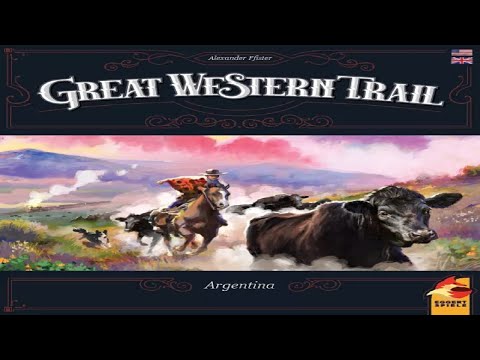






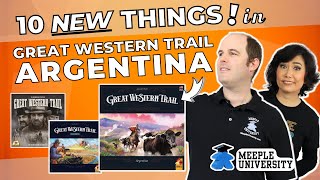


















Great Western Trail: Argentina Deep Dive
What the Community Thinks About Great Western Trail: Argentina
Great Western Trail: Argentina presents a bold evolution of the beloved trilogy, introducing mechanics that add complexity and new decision points for players. Reviewers recognize it as a game that rewards engagement with its systems, though opinions vary on whether these additions enhance or complicate the experience. The game has carved out its place among fans of heavier Eurogames, appealing to those seeking more depth and challenge than the original.
Core Mechanics That Define Great Western Trail: Argentina
The Shipping and Delivery System
Argentina's most distinctive feature is its shipping mechanism, which fundamentally changes how players deliver their cattle. Rather than a straightforward journey to market, players must navigate a port system where they place cattle on ships. This introduces a layer of timing and planning absent from earlier versions. The shipping board functions differently than it did in the original game: instead of reducing delivery costs, it unlocks access to premium delivery locations. Players must strategically decide when to ship their cargo and balance the competition for the most lucrative trading posts. This creates meaningful pressure around timing and positioning that generates some of the game's most intense moments.
Farmer Workers and New Delivery Options
The introduction of farmer workers adds a fourth worker type to complement the existing cowboys, engineers, and drifters. These farmers enable shortcuts and alternative paths across the pampas, giving players more control over their routes and delivery strategies. Unlike the original's simpler delivery model, Argentina requires players to think several moves ahead about which paths they need to unlock and which workers to develop. This expanded worker system creates more varied strategies and allows skilled players to execute intricate plans across the rondel.
The Great Western Trail: Argentina Experience
A Tighter Economic Challenge
The economy in Argentina feels more constrained than in New Zealand, forcing careful resource management. While still more forgiving than the original game, players cannot simply stumble into prosperity. Every action counts, and the cost of shipping goods to the port combined with the need to unlock premium delivery locations creates real tension. Players describe the experience as one where small decisions compound into meaningful consequences, generating moments of strategic satisfaction when plans come together.
Complexity as a Feature, Not a Bug
Some reviewers warn that Argentina layers complexity atop the already substantial systems of the original game. The shipping port system adds another consideration to an already rich decision space. However, those who embrace the complexity find it rewarding. The game respects experienced players while remaining teachable to newcomers willing to engage with its moving parts. The interplay between building workers, managing cattle, and orchestrating shipments creates a puzzle that evolves across multiple playthroughs.
What Makes Great Western Trail: Argentina Stand Out
Port Mechanism Creates Exclusive Competition
Argentina introduces the only exclusive placement space in the trilogy: the premium delivery locations at the port. In earlier versions, players could always access the full range of destinations. Here, access depends on advancing along the shipping track, creating genuine scarcity. This forces players to time their deliveries precisely and compete directly for the game's highest-value spots in a way the original game never demanded. This dynamic generates intense final rounds as players jockey for position.
Distinct Identity Within the Trilogy
While sharing the rondel framework and deck-building foundation, Argentina charts its own course. The emphasis on maritime logistics, farmer networks, and port access gives it a thematic coherence that distinguishes it from both the original and New Zealand's pastoral sheep economy. Players seeking something beyond the base game without wanting the lighter accessibility of New Zealand find Argentina offers compelling reasons to own multiple entries in the trilogy.
Potential Drawbacks
Increased Cognitive Load
The additional systems in Argentina demand more mental effort than earlier versions. Players must track not only their cattle and building strategies but also the state of the shipping board and which premium locations they can access. This can make teaching the game to newcomers more challenging and create longer decision windows during play. Those accustomed to the streamlined elegance of the original may find the added moving parts burdensome rather than enriching.
Difficulty in Getting to the Table
Argentina remains less frequently played than the original or New Zealand at clubs and conventions, suggesting its reputation as the most complex and demanding entry in the trilogy limits its reach. Players interested in experiencing all three often report that Argentina requires more deliberate scheduling and player commitment than its siblings. The game may appeal most to dedicated euro enthusiasts rather than casual players looking for accessible family options.
If You Enjoy Great Western Trail: Argentina
You likely appreciate Eurogames that reward careful planning and punish careless decisions. Games like Brass: Birmingham, Pipeline, and Food Chain Magnate share Argentina's philosophy of tight economies and compound decision-making. If you love the original Great Western Trail and want more complexity without abandoning the rondel structure, Argentina delivers exactly that. For those drawn to maritime themes and port management mechanics, Argentina's shipping system may be the trilogy's most thematic expression. Consider also exploring the New Zealand edition, which offers comparable depth with slightly less economic pressure, giving you options based on your preferred difficulty level and play group composition.
What Reviewers Are Saying
"Two markets add meaningful strategic choices and the Wellington bonus tile mechanic creates timing-based decisions. Branching shipping options increase replayability significantly."
— Meeple University
"It adds fresh twists to known mechanics, offering new routes to income and victory. The thematic variant feels distinct while preserving core strategic rhythm."
— Going Analog
"Continues the Western Trail trilogy with a regional variant. Rich thematic flavor and strategic depth, though it can be heavy and lengthy for some groups."
— The Broken Meeple