/pic7350809.png)
/pic4887376.jpg)
/pic5988511.jpg)
/pic6893215.png)
/pic7350809.png)







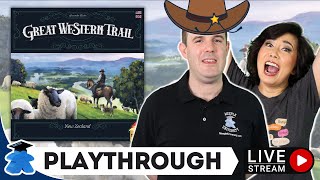







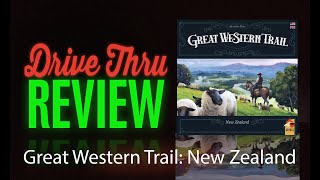



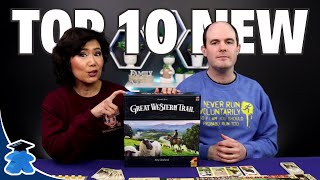



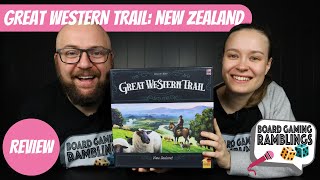











Great Western Trail: New Zealand Deep Dive
What the Community Thinks About Great Western Trail: New Zealand
Great Western Trail: New Zealand has generated genuine enthusiasm across the board gaming community, with reviewers recognizing it as a thoughtful evolution of a beloved series. Unlike its predecessors, this installment strikes a balance between introducing meaningful mechanical innovations and preserving the core satisfaction that made Great Western Trail resonate with players. The shift from cattle to sheep maintains the thematic consistency while the additions of shearing and altered economic systems create fresh strategic tensions that reward different playstyles than the original.
Core Mechanics That Define Great Western Trail: New Zealand
Deck Building with Dual-Value Cards
The most significant mechanical innovation in New Zealand involves the sheep cards, which now carry both breeding value and wool value. This dual-tracking creates distinct economic pathways: breeding value determines delivery payouts at journey's end, while wool value enables shearing actions along the trail. The flexibility to pursue either strategy—or blend both—fundamentally changes how players construct their decks. Rather than a linear commitment to a single card's utility, players can extract value through multiple mechanisms, making late-game pivots more viable than in the original Great Western Trail.
The Shearing Action and Resource Freedom
Shearing functions mechanically like delivery but depends on hired shearers rather than distant cities. This local action creates breathing room in the economy: players struggling for cash can immediately convert wool-value cards into money without reaching the end of the trail. Reviewers noted this shift relaxes the punishing cash scarcity that characterized earlier games in the series. The ability to supplement income along the journey means fewer situations where a single poor card draw derails an otherwise sound strategy, encouraging broader experimentation with deck-building approaches.
The Great Western Trail: New Zealand Experience
The Satisfying Arc of the Rondel
The extended rondel that forms the core of New Zealand delivers a consistent sense of forward momentum and payoff. Moving along the trail, placing buildings that modify future players' routes, and triggering cascading bonuses creates the sensation of constructing something tangible and permanent on the board. The rondel never feels static because player-placed buildings ensure each lap presents a different puzzle than the last. This evolving board state extends the puzzle depth across multiple playthroughs without requiring excessive rules overhead.
Deck Cycling as a Core Reward Loop
More than the original Great Western Trail, New Zealand emphasizes the pleasure of cycling a finely-tuned deck. Bonus cards grant draw triggers that replace themselves, creating moments where players experience the exact engine they engineered. Rather than pushing toward a single optimal decision, the game provides multiple reward pathways: money bonuses, pathfinder track advancement, and bonus deck cards all offer viable progression routes. This layered satisfaction means even suboptimal turns often yield meaningful progress toward at least one goal.
What Makes Great Western Trail: New Zealand Stand Out
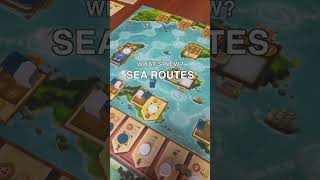
Shipping Routes Over Railway Tracks
The replacement of the railway system with shipping routes and harbor masters eliminates the original game's train-track cost reduction mechanic. While some see this as streamlining, the shift creates meaningful differences: shipping unlocks new delivery destinations rather than lowering established ones, making exploration feel more exploratory. The branching harbor network feels more modern than the original's linear progression, offering genuine route choices rather than predetermined paths. This change particularly benefits two-player games, where the tighter board space avoids congestion while maintaining meaningful interaction through building placement.
Gentler Economics Without Punishing Scarcity
New Zealand redistributes wealth more generously than its predecessor. The combination of shearing income, bonus cards that grant coins, and the pathfinder track's coin bonuses means skilled players accumulate significant cash reserves. This abundance doesn't eliminate economic tension—decisions about spending remain consequential—but it shifts the game from "survive the cash drought" to "optimize spending efficiency." Reviewers appreciate this recalibration, noting it opens previously unviable strategies and reduces the frustration of sitting one coin short of a crucial action.
Potential Drawbacks
Deck Building Remains Secondary to Rondel Movement
Despite enhanced deck-building mechanics, the rondel still dominates turn structure and strategic focus. The deck serves the rondel rather than the reverse: building a powerful deck matters because strong hands enable flexible rondel decisions, not because the deck generates independent value. Players drawn to pure engine builders may find the deck element feels obligatory rather than central. The wool and breeding split, while mechanically interesting, doesn't elevate deck construction to co-equal importance with movement and placement.
Difficult to Teach and Longer at Higher Player Counts
The game demands patience from newcomers. The shearing action, dual card values, pathfinder track, and harbor master system create teaching overhead that earlier entries might avoid. At three or four players, games stretch noticeably—reviewers consistently play two-player games in 90 minutes but observe four-player sessions running two hours or longer. The additional complexity doesn't always proportionally increase engagement; strategic depth favors experienced players who can internalize multiple decision layers simultaneously, potentially sidelining newer participants.
If You Enjoy Great Western Trail: New Zealand
You likely appreciate the original Great Western Trail and will want to explore this iteration's refinements. Great Western Trail: Argentina offers an intermediate step with hired farmers adding strength values to cards. Ark Nova shares the engine-building satisfaction and tableau progression but with a zoo-construction theme and distinctive action selection mechanics. Brass: Birmingham delivers comparable depth of economic decision-making, though with a network-building focus rather than movement. For those seeking deck builders with meaningful trajectories, Lost Ruins of Arnak elegantly blends worker placement with deck cycling without overcomplicating either system.
What Reviewers Are Saying
"The way of like okay fine you can't trash it it's fine but you can cycle your deck and then able to get these cards where you just use it and you just like you take it when you throw it you can just discard it and then do the action and keep the other one it gives me more resources and help me with the Pathfinder track. I don't know I just like it feels good."
— Meeple University
"It's how satisfying this like giant rondel feel of Great Western Trail it's like you can plan ahead for like how you're going to winow your deck or um you know get better cards because in Great Western Trail original you're setting up a a herd of cows that you're going to ship away um and then in New Zealand there's sheep which are fluffier and therefore cuter by the way."
— Going Analog
"New Zealand because of being able to do different things and just have abundance of money and then just able to Shear some sheep and uh get money just for their wool for a different sort of uh way to supplement and I think that really helped yeah because in original there's ways to get a little bit money along the trail but in the original game it's not until you reach the end before you cash in your cards."
— Going Analog