/pic8625343.jpg)
/pic2601636.jpg)
/pic5581038.jpg)

/pic8625343.jpg)





















Mysterium Deep Dive
What the Community Thinks About Mysterium
Mysterium draws a consistent read from the channels that cover it: a cooperative whodunit where one player takes on the ghost, feeding the rest of the table abstract, dream-like vision cards instead of words. Board to Death TV, covering the game's convention debut with the publisher's own team, called it "Dixit meets Clue" and described a mad rush at the booth every morning as copies sold out. That cooperative, image-based deduction is the throughline every reviewer returns to, even when their verdict on the finished experience diverges sharply.
The split shows up most in overall tone. The Discriminating Gamer, reviewing a copy the publisher sent them for a newer edition, rated it an eight out of ten and called it "a great game of personalities." The Secret Cabal Gaming Podcast named it the best ghost-themed game they could think of, and Board Game Buzzz said it hits their family's table roughly every other week. Tabletop Tokki takes the opposite position, naming Mysterium one of the few games they now refuse to bring to game night despite loving the concept behind it. Rolls in the Family captures the split inside a single household: Caitlyn kept it on her personal top twenty and praised the clue-giving side of it, while Daniel said he is not a big fan, and Caitlyn admitted that in some sessions she felt like she wasn't contributing much.
Core Mechanics That Define Mysterium
Vision Cards and the Ghost's Limited Toolkit
One player takes on the ghost and communicates without speaking, using illustrated vision cards instead. Board Game Sanctuary describes the ghost drawing vision cards from a blue deck and handing them to investigators, who then have to connect shapes, colors, ideas, or symbols on the card to a suspect, location, or weapon out on the table. The Discriminating Gamer frames the same exchange more plainly: the ghost collects envelopes from the players and places cards inside that hopefully provide clues, and since a lot of the cards share similar imagery, the guessing is "not as easy as it sounds." Board Game Buzzz describes the same idea from the ghost's seat, looking through visions and handing them out while trying to direct each investigator toward one particular person, room, and weapon.
Cooperative Deduction Toward Person, Place, and Weapon
Each investigator works to identify their own combination of suspect, location, and murder weapon, and the group only wins if enough of them succeed before the round limit runs out. The Discriminating Gamer explains that when a player points to the right card, the ghost signals with one knock for yes or two for no, letting that player advance toward the next category. Board Game Sanctuary adds the layer of clairvoyancy tokens, which other investigators can place on a guess to mark agreement or disagreement, advancing players along a track that grants extra vision cards for the final round. In that final round the ghost lays out the cards pointing to the true culprit, location, and weapon, and the table has to read them correctly together to win.
The Mysterium Experience
A Game of Reading People, Not Just Cards
Several reviewers describe Mysterium as much a game about people as about the cards on the table. The Discriminating Gamer compares it to charades and calls it "such an interesting game to see how some people's perceptions fixate on certain things," especially in the moment after a round when a player explains why they picked a card and the ghost reveals they meant something else entirely. That reviewer settles on "a great game of personalities" and "a great game of guessing" as the best summary, and calls the overall experience an outstanding cooperative game that is not terribly difficult to learn. Board Game Sanctuary frames the appeal in similar terms, pointing to the surrealist art and the pleasure of playing the ghost, stringing vision cards together to nudge the table toward a correct guess.
Frustration Baked Into the Concept
The same open-endedness that makes Mysterium distinctive is also where reviewers locate its friction. Board Game Sanctuary points to the ghost's lack of tools to focus players on a specific part of a card, so a group can spend several rounds chasing the wrong idea before finding the connection, which they call frustrating even while praising the underlying concept. Tabletop Tokki describes losing the mood entirely to bookkeeping, recalling arguments over whether a knock meant yes or no and how many tokens a guess was worth, saying that back and forth "took me out of the atmosphere." Rolls in the Family shows the same tension from the players' side: Caitlyn recalls feeling like the group was all working together in a way that left her unsure she was contributing much, which she chalks up to her own read of the cards rather than the game itself.
What Makes Mysterium Stand Out
Artwork That Reviewers Keep Returning To
Even reviewers who otherwise disagree about Mysterium converge on the artwork. Board Game Sanctuary singles out the surrealist illustrations as their favorite part of the game. Board to Death TV, speaking with the publisher's team at the convention where the game launched, called the components "top notch." The Secret Cabal Gaming Podcast praises "beautiful beautiful artwork" and highlights the motive card expansion for adding new scenes, more depth, and more of that same art to play with. Tabletop Tokki, despite ultimately setting the game aside, still calls the aesthetic "super gorgeous" and says the production value is "off the charts."
A Cooperative Twist on the Whodunit Formula
What draws reviewers in first is the pairing of a Clue-style murder mystery with a fully cooperative, image-based clue system. Board to Death TV, on hand as copies sold out within the first hour of release, described the concept as "very cool" and said there are not many games structured like it. Rolls in the Family frames the same idea through the Dixit comparison, noting that the surreal card art gives Mysterium a cooperative alternative among games built around that same style of illustrated cards. That combination, guessing through pictures rather than words while the whole table wins or loses together, is what reviewers keep pointing to as the game's hook, even the ones who ultimately did not enjoy the execution.
Potential Drawbacks
Setup and Length Without a Guaranteed Payoff
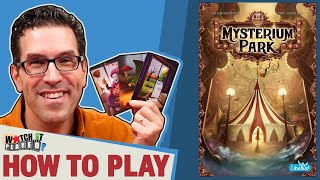
Board Game Sanctuary is the clearest on this point, saying Mysterium "can feel a little bit convoluted" and that its setup time doesn't always translate into a fun session, especially once a group has also tried the shorter, faster Mysterium Park. The same reviewer points to rounds where the table gets stuck on the fourth or fifth attempt without narrowing down a character, which they describe as downright frustrating even though the open-ended interpretation is part of the design.
When the Bookkeeping Undercuts the Mood
Tabletop Tokki's core complaint is mechanical rather than thematic: the yes-or-no tokens that build toward a scoring tower at the end of the game create a semi-cooperative feel that sits awkwardly next to a game this long, and kept pulling attention back to tracking tokens instead of staying in the moment. Rolls in the Family raises a related concern from the player seat rather than the rulebook: when a group leans heavily into puzzling everything out together, a quieter player can end up feeling like they didn't contribute much to solving their own case.
If You Enjoy Mysterium
Reviewers who compare Mysterium to other games mostly reach for other card-based deduction titles. Board to Death TV sums up the pitch as Dixit meets Clue, and Rolls in the Family makes a similar connection, describing Mysterium as part of the same wave of games that use painterly, ambiguous card art to prompt guessing. The Discriminating Gamer, who has also played Obscurio, says they enjoyed that game's hidden-traitor twist on the same premise a little more, though not enough to keep it in their collection. Board Game Sanctuary, having placed Mysterium against its own smaller counterpart, recommends starting with Mysterium Park for a cheaper, faster route into the same idea. Tabletop Tokki goes further than a recommendation and names the game they now play instead: Deception: Murder in Hong Kong, which they say tells a similar hidden-culprit story with faster, more straightforward rounds.
What Reviewers Are Saying
"The idea of this game is that a ghost died like 30 years ago and has been haunting this old mansion for years, and a group of psychics are going to come there and try to work together with this ghost to solve his murder through the visions that he's going to give to them. What's interesting is that it's a cooperative game. One person takes on the role of the ghost, and all the other players are going to be given cards that are like I mean the best way to describe it is like Dixit meets Clue."
— Board to Death TV
"The overall aesthetic of this game, the overall artwork, everything like that is super gorgeous. The production value is off the charts, and this is a game that I can see if you're really into role playing, if you're really into setting the mood. It's very alluring and very mysterious, but at the end of the day, mechanically, this game just falls so flat for me, especially compared to other games with similar mechanics."
— Tabletop Tokki
"Somebody is playing as a ghost who has been murdered, and everybody else around the table are basically playing as psychics, and they're working together trying to figure out who killed the ghost. And as the ghost, you are looking through visions and handing out visions to the psychics, trying to direct them onto what particular person, in what particular room, and with what particular weapon, and so you're trying to direct them. And it's it's just so it's such a fun like mind game, and it's so fun to play as the psychics trying to guess, but in my opinion it's even funner to play as the ghost."
— Board Game Buzzz