Beyond Solitaire Podcast 163: Kenna Alexander on Coyote & Crow
Games in This Video
7 games are featured in this video — they unlock as you watch.

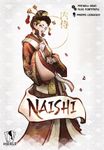


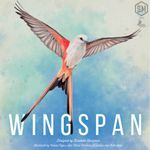
Transcript
it's adbreak time the Beyond soliter podcast is proudly sponsored by Central Michigan University's Center for Learning through games and simulations and as usual they are up to some amazing things they recently concluded a successful campaign on backer kit for eyeball to eyeball a lar about the Cuban Missile Crisis late pledges should be available soon clgs is also still offering a certificate in applied game design and the next class is going to be it's all in the cards designing card and card driven games taught by demon Stone he's a brilliant teacher and his students love him so you should sign up the course starts August 26th also just a quick plug for myself if you want to support the show and help you be going uh please do go to patreon.com which pays for all of my hosting and subscriptions associated with the podcast and channel thank you so much for listening and let's get on with the show hey Gamers this is Liz Davidson from Beyond Soler and this week on the Pod I'm very excited to have a special guest this is Connor Alexander he's a game designer and owner of coyote and Crow games how you doing today Connor I am doing amazing thanks I had a a lovely Gen Con 2024 and I'm feeling really invigorated coming off of that so it's good stuff yes I'm currently so for those of you who uh are are tuning out we are recording immediately post convention so I'm in that exhilarated but also tired spot same big same uh but um I also let's just go ahead and lead off with um the exciting stuff that's going on you are by the time this episode runs you're G to be just a couple of days from finishing a
new Kickstarter campaign so why don't you tell us about auu and what's in it for people who want to get to the the business with a time stamp on it yeah yeah so uh aoo is the first really full expansion for the coyote and Crow role playing game uh we did have stories of the freelands which were a collection of One-Shot Adventures that were sort of built to help get people going in that World um but from the get-go um I really wanted to create a setting that was a little different than maybe some setting books in role playing games you know a lot of setting books especially if you're talking about something like Dungeons and dragon they're they tend to be a large geographical space with a lot of maps and a lot of they're covering a lot of territory and a very sort of macro kind of feel and to me the um the the most interesting thing about role-playing games are those really cool character interaction moments I mean don't get me wrong I love big battles and everything but those sort of more interesting NPC incounters and I wanted to create a setting that was very small so this is auu Tiko is the name of a single fictional Village set in the Pacific Northwest um and we get heavily into the details of these NPCs and their lives and the deep dark horror and mystery elements that are that are the sort of the foundations of this town and all of the secrets and lies that these people have that that tie them together and so the characters hopefully
coming into this small town will just get immersed into this uh deep lore and and that's the kind of thing that I like role playing games and it's the one I've been wanting to do pretty much since I created kaid and Crow so I'm happy to get around to it that's fantastic um so I noticed on uh the campaign it says that you don't need to be able to play Kye Crow or even own the game to enjoy the book so how did you create something that fits in with your previous game but is also like free of having to get it yeah so there there's sort of two factors there one is is as a longtime role playing game fan I know that there's a lot lot of times I'll buy a role playing game book because I support the author or I like the theme or whatever it is and then my group never gets time to get it to the table right so um right away I wanted folks who like to collect RPG books but don't necessarily have the time to want to do just more than maybe thumb through the art real quick and go this is a really nice book and then just put it back on their shelf so the other aspect to this is that I think in coyot Crow specifically we lean heavily on this idea of collaborative storytelling and numbers are not quite as important as theater of the mind and so I wanted to create a book that um yes it has game stats in it yes it has game mechanics it absolutely does but in a lot of the Mysteries that are laid out you know specifically the ones that we call out but there's also other mysteries in there too so we we call out a number of mysteries but if you start paying attention to these NPCs there are a lot
of unanswered questions and so I started thinking about the ideas of of creating something Beyond just what's on the page and I don't want to give too much away but there's already content out there about auu that is not on my website um and it's not in the book that people can find that's out there and and on top of that we're going to have a whole system of cryptography that is in the book and there's a reason for that cryptography in the book that once people start to figure out what it is it will lead them to other multimedia Clues PD f s uh MP3s um all different kinds of like art and journal entries and things like that they're going to tie into these Mysteries um I've never been a fan of having big Mysteries spelled out for me so some of the larger Mysteries we're never going to give an answer to we're just going to give a heap of Clues and people can come to their own conclusions and so I love the idea that a reader can just pick this up and go you know what I want to try to figure out who killed witin wion's death is one of the major mysteries in the book and you could probably spend 20 or 30 hours going through just the physical book let alone the other multimedia stuff trying to figure out who killed wikon um so yeah and and again there are game mechanics in there too if you actually want to play through this there's there's ways to you know sit down and go through the game mechanics but the game mechanics still aren't going to tell you who killed wikon oh that's really interesting so you mentioned that there's not always an answer to some of the Mysteries is it
possible to actually solve the mystery of who killed Bon yeah so I I sort of subscribe to uh there's a there's a number of of directors out there that I like and writers that I like who will lay out all the information and then just sort of say you know what come to your own conclusion um like specifically with the death death of witin I know who killed witin and I know how it happened but I'm never going to answer that and I'm never going to confirm or deny anybody's suspicions or hypothesis on it um I don't think that's fun I think it's better to come up with your own one and let sort of conspiracy theories run wild oh that's really funny uh that actually makes me think a bit of um pentant which one my favorite video games of the past few years which game pentant uh you Bas play that one that's fantastic you play a medieval artist like who gets roped into solving some Mysteries but the game never tells you if you're right about the people that you accuse oh I love that I love that I'm gonna have to check that out that sounds great it's right up my alley yeah I I like the the idea that you're supposed to dig into the world and kind of work it out yourself and like figure out yeah your relationships to different characters and you know what your assumptions say about you the evidence what you're able to find that that definitely that's really really yeah I mean I love the idea that that there's going to be some story guide out there hopefully who reads through this book and says I I think this person who's is who killed witin so I'm going to structure my game setting
around that concept and see if the characters actually come to the same conclusion maybe they won't maybe they'll completely pin it on someone else who knows oh that's awesome um so uh AO does fit into the larger world of coyote and Crow and it fund you first crowdfunded for C crow in 2022 is that correct it it crowdfunded in 2021 and then uh hit hit retail and backers by 2022 Yeah so basically you've had a whirlwind few years years post pandemic yeah yeah it's it's been a strange ride for sure I um I I originally had planned an $118,000 goal this was a side project I was doing during my full I I worked full-time in the game industry prior to that for a distributor um and I I didn't really expect to do anything other than maybe get my money back um on on what I was trying to put out there and um I think once it once it started to pass the $500,000 Mark I started to seriously question about and this is this is a really interesting um uh situation I'm in that's that's sort of coming to fruition right now is is that I I felt like I had an obligation to not just put out what I had offered on the kickstarter but what sort of Greater obligation do I have to my community to my gaming community and to my native Community as far as H having this platform been offered to me um to promote native games and uh
indigenous Concepts in games and so um I quit my day job and started Coy and Crow games um but what I'm learning and what I've learned since 2022 and I've really engaged in this is that there's already enough weight on game Publishers in this industry just to survive and I think tacking on the U not only the goal of trying to uplift a marginalized audience through my games but then also um sort of treating my company as a nonprofit even when it's not a nonprofit like I'm trying to do a lot of altruistic stuff that's just it's too much to bear for one person and I'm a onep person company right now um it's it's too much weight on a on a capitalist structure so I think and I haven't gone into details on this I'm going to have a larger announcement on my website probably in the next month or so uh after aoo finishes is that I'm I'm really going to be restructuring what coyote and Crow games is uh I'm still going to be making games but how we go about making those games and how they get into people's hands is going to seriously be changing um I just can't keep up the the mode that I'm in right now because I'm literally wearing um you know publisher hat game designer hat project manager hat social media marketing hat um you know and I'm I'm just I'm stretched a little thin so yeah it sounds uh so you know we'll be looking out for an announcement but let's talk about how you got here so it sounds like
when you first published kaidy and Crow the tabletop RPG you didn't imagine that there would be a company of the same name that wasn't the plan at all no no I in fact was not Incorporated like literally everything was going through my personal bank account and and and the jockeying of that money that $1.07 million from Kickstarter to my own personal bank account was a bit shocking and and unnerving um and then I you know while the campaign was going I was literally hiring attorneys to get Incorporated and get everything set up so that I could I could manage this as a real business um and that was a lot of of learning along the way um I've I've been a small business owner in the past but it was a long time ago under very different circumstances so it's uh it's it's a bit of a shock and um I had to do a lot of quick thinking um hence the original idea like I I literally picked coyote and Crow games LLC out of my butt because I just didn't know at the time what else to name it and I was in a hurry and I probably would have given it a different name so what were your original intentions for the RPG you know where did you think it would go and who did you initially think that it would reach yeah so my my original goal my original uh my original bar for Success was this I said I want one native kid who I don't know personally to come up to me at a
convention and go I played your game and I really liked it that that was my only goal right because I honestly thought that my game was going to go out to a few hundred people who were personal friends or or hardcore rpgers who were Native and that was going to be the end of it um that was really it and once I started to realize that there was something there Beyond there was a greater demand than I than I expected um I realized that oh well now I've got an opportunity to bring in more writers more artists do a nicer cover put more more real effort into this and and and along that way I think my second goal then became I want this book to feel like it can sit alongside an RPG shelf along with any DND book any piso book any you know Shadowrun book I wanted to feel like a legit RPG and I think I accomplished that I mean I'm really proud of the way that book looks and feels um it's a it's a beast of a book but it's beautiful and I'm I'm so proud of it so um from there though that sort of set the bar for everything else right like that sort of set the bar for what I wanted as a company was to um not feel like we're doing stuff on the cheap or low rent you know or or half ass I wanted real quality products to be coming out and um I think we' maintained that level of quality what we haven't done is maintained the Pace that I wanted I originally wanted like two
games per year coming out with maybe some other supplements too and right now we're doing like one a year um and that's partially just because of my bandwidth so yeah that's fair so you know I actually ended up wanting to interview you because I've interviewed people who have worked on your project with you so last season of the podcast uh I talked to we oldbear and I also have known Will Thompson for several years now from his initial Zia award so yeah it sounds also like were you planning to bring in as many people as you did on the RPG initially or did you use the funding that you got to expand the game and then bring in more people to work on it so I think I think from the start like early in my my development process I knew I didn't have a broad enough Voice or a broad enough wealth of knowledge to make the game World feel as lived in as I wanted it to be and I knew that that was going to take collaborative effort it was going to take take a lot of voices to sort of bring that to life what the funding did was it allowed me to grow that even further um I I already sort of had my core writers in mind whether that was weote or or Derek pounds or whoever um I I already kind of knew those folks but it allowed me to expand on it a lot like we really expanded on the um the fictional in-game language the the con Lang chahi uh that allowed us a lot more uh breadth on that um and it allowed me to go from what I think was originally about 25 artists to almost 50 um and you
know going back to auu for a second on that there was very much um some intentionality when it came to um making sure in the core book that we had a broad representation of artists from all over um trying to bring in as many kind of styles and feels I I wanted to sort of underline and sort of underscore the idea that that natives are not a monolithic culture that we all have very different styles of dress and attitudes and cultural traditions and all these other things going on and so I felt like having a a pile of artists on that would really help that with auu we're sort of going the other way and because this is such a singular location um I really wanted to work with a single artist and so um I'm really excited to be working with Jillian Dolan as my sole artist for the book and and that's great because it allows her to really kind of um uh create a and set a tone for the book that really kind of goes for what we want which is horror and mystery oh that's really cool actually it also leads to another question that I had which is you know we know that um Native people are not a monolith you know America and I mean America not just the United States right contains multitudes so how did you I guess do your best to make sure that you were representing as many voices as possible knowing that you were going to miss someone or something yeah so that was that was a conversation our our sort of team had early on um which is you know how do you represent
hundreds of Nations and tribes some federally recognized some not all over the country and I think one of the things we did early on was we decided to minimize um referencing specific real world Nations wherever we could um because we don't want to feel like they got preferential treatment or this this nation got mentioned but this other one didn't right so right we created these fictional Nations within the um within the world that sort of were overarching governments of these real world Nations and my My Hope has always been that you know I'm not a jibway I I would but I would love it if I had anjiu writer come forward and say hey I want to write a piece on on how the ajib nation survived or persevered through all the events of kyote and Crow and where they're at now that's great like they can take that on and that leaves them that space so I I really kind of went into it with a sort of a Sandbox feel I wanted to create hey here's what happened here's this fictional world I'm not going to tell you what happened to your nation I want you to tell me what happened and and how does it fit into this world and I think that's worked out really well so far um it's it's left every room or everyone some room to play in which I think is important everybody needs to feel included um I would love it though if down the line folks yeah folks people you know people pitched me ideas for their for their alternate Histories on their Nations that would be
fantastic oh that's awesome um you know another thing that I talked about with will last time I had him on the show was he mentioned uh that he actually had a cultural consultant to assist with winter rabbit even though he himself is Cherokee is that something that you did for coyote and Crow and if not something you would have done no so so first of all because so much of our stuff was fictionalized um and we weren't pulling specifically from Real World traditions instead and I and I love first of all I love winter rabbit it's about to go into Kickstarter and check it out I am so hyped for Will's game it's amazing um uh I think what we did differently is that we all sort of cross-checked each other um because all the writers were Native on board and we were all very intentionally spread out uh from different regions of the country and different backgrounds um all sort of of pitched into each other and consulted with each other which worked out really nice and then in addition we also brought in um a um lgtbq uh and sexuality consultant on some of the stuff too that was completely separate Consulting um and I think that worked out really well um because you know if you look through specifically like the Legends and icon sections there are some some of those that are made from whole cloth they have nothing to do with um traditional Native Legends or lore and instead pull from mythology that would have been created in this alternate universe in coyote and Crow but then there's others like ninon who's this
Stone man character that's in the book um he's pulled from Cherokee lore and so it was it was up sort of up to me at that point to go I I need to differentiate this enough that it is safe for non-native audiences to consume but still close enough that if you're Cherokee and you read that that you're going to go oh I know what he's referencing here I get it I get what he's calling back to here and I think that's a that's a good way to do it um I think for uh for coyote and Crow I wouldn't necessarily suggest that in model for non-native game designers to just you know look up uh indigenous stuff and then think they know what they're doing and then try to strip the direct cultural references out because I think a lot of times they don't know where they're getting their information from and that might be bad information to begin with so it's better to just hire in general I feel like it's better to hire a consultant at the start of your game development rather than at the end oh that's a good point so I I want to go back to something you just said which is making the game safe for uh non-indigenous players to consume what do you mean by that and has has your feeling about what would fall into that range changed over time or developed so uh I think when it comes to what's safe um I think there's some intentional distance that I put into the whole book right into the whole entire book where I wanted both natives to be
able to play the game comfortably and to be able to insert their own backgrounds and Heritage into the game while simultaneously I wanted an entirely like a group of just white people to just be able to sit down and play the game as it's written in the book without ever accidentally being appropriative or or um or disrespectful to any particular culture and I think there there had to be a level of of homogeneization or or or watering down of certain elements when it came to like the the example I love to use is the skill in the game called ceremony it has a very specific game mechanic that that non-natives can use it just has a game mechanic thing it's a skill you do a ceremony you get some some of your um your your soul points back that's it that's the end of it but I also have a call out box in the book that says hey if you're native feel free to talk to your story guide and adjust what the ceremony skill does maybe it has multiple uses maybe it has something completely different that you want to bring in from your culture to strap on to the ceremony skill and I think that's a great example of where that that sort of sandbox idea where it's safe for non-natives but still accessible and and um valuable to Native audiences yeah I think one of the things that people have noted over the years too by Cody and Crow are the boxes of how to play uh safely as a non-native and what parts of the game you should
not engage with in certain For Better or Worse yeah people have noticed worse I mean I actually thought it was cool because it gave me a sense of you know what boundaries might be there um that I would not know um but uh do you do you still feel they were good addin and do you continue to put that in other games or so I've I've not added them to other games because I haven't felt a need to yet um my other games like wolves or NSI are very straightforward board games and don't have a lot of like role playing interactions or way you could be ways you could be appropriative but I do feel like the the negative feedback I've got on those call out boxes almost underscores the need for them um because I think the people who were never going to be uh problematic in the first place they read them and just went oh yeah cool it's common sense it just makes sense these are these are nice little guidelines I wouldn't have done these anyway but it's nice that they're here um but I think the folks who have problems with them are the folks that it almost acts as like a warning flag sign like we knew you were going to be this way so we're calling it out right here in the book and I think those people were never really going to be engaging in the game anyway not not in good faith so I'm I'm fine with that right I mean that's that's fair yeah um so the other thing I've always I find coyote and Crow super interesting just as a thought exercise and actually
uh you know you've got the shirt on uh decolonize gaming yeah decolonize your gaming how do you decolonize your gaming how do you separate enough from great question context to get there so so I think so call gaming sort of has two meanings um one is is is I just wanted to for consumers I just wanted to sort of uh make them think about what it is they're playing you know um there I think there are a variety of games out there where just the core mechanics themselves are a colonized mindset right like this idea of like taking a piece of land on a board and then using that land for its resources to take over more land I I think there's there's some Core Concepts there in a lot especially of a lot of like Euro games that that have that baked in and that's not necessarily I'm not trying to necessarily say that those games are all evil or bad or I don't like them or I mean that's not that's not what I'm saying at all I'm just trying to bring awareness to thinking about the mechanics that you're using and you're playing and thinking about the themes that you're engaging with but there was also sort of um for me personally there was a more uh underneath kind of like a a sublim level of jab um at some other Publishers out there who I think use native Concepts or native themes or um or more broadly outside of America's more indigenous themes um in their games without really
thinking it through at all without even hiring a consultant sometimes and and that's still really common in our hobby for every native published game native designer or artist that gets out there in the game World there are five white Publishers out there who are making really obnoxious tacky appropriative disrespectful insulting games whether it's their their name or their art or their lack of representation or consultation or just getting like like some of the worst stuff I'm seeing is like people just completely mixing up things like totem poles with teeps and really like obnoxious stuff um and so I think this is sort of a jab at them I kind of want them to start thinking about the fact that they're they're just stomping all over our cultures here yeah I mean that that would make sense uh and then there's a larger question that I I just always think about this as a historian um yeah I feel like it's it's when I look back at historical things that I study I feel like it's so easy to see like where people's worldviews get formed and like assumptions they're making from my perspective but I don't know how to see myself and so how you know when you when you look at Coyote and Crow right it creates a world where indigenous cultures have been able to grow and Thrive without interference from uh European Colonial activity how do you create a world that
doesn't still bear the scars of that just because that's the world we grew up in yeah that was actually one of my very first hurdles when I was like even before this was an RPG G and I just had the concept in mind that I wanted to create a game the first thing I I sort of had to engage with was how am I going to create something that doesn't force people native people to re-engage with their own trauma um with their own Colonial trauma and the more I thought about that the more I thought man I I just don't want to revisit that like I don't I don't want people to have to play a game that's supposed to be an escape for them and have to have them revisit those things so I think the only choice I was left with was how do we create a world a setting where col colonialism never even happened in the first place colonization just didn't occur and so I had to go back in time and create like a fork in time and I and I credit that entirely to my my love of Science Fiction and and all of the other you know both the reading the the novels Comics movies i' I've read over the years that have uh have thrown the idea of alternate timelines out there but once that that idea clicked it it blossomed I mean it was a beautiful little seed in my brain um because it just alleviated so many problems and it allowed me to then highlight so many positive things about
Native culture in a way that uh you know there's a term floating around out there called indigenous futurism and I think I think right now is a great time for that that phrase to be rising because um Native people I think uh just sort of because of the systemic nature of our existence in this in in North America um we're often put in positions where we don't have time to think about the future we're we're barely being able to hold on to the past or pay our rent or pay our bills or whatever it is we're dealing with the present or the past and I think we're finally at a spot where we can start taking some of the lessons of our pasts of our of our cultures and going well how would those apply to the Future and so for me it was so so much there was so much joy in collaborating with my writers on coyote and Crow and going well what would this take this and what would it look like in the future what would it look like technologically culturally aesthetically um you know just the idea like just the idea of of corn just take corn for a very basic example and you talk about how much importance it's had to so many cultures across North America um and then you look at the idea of like oh we have all these current like monocultures um and and uses for corn where we've lost the number of the varieties so many of our wait hundreds of varieties have been lost of corn because of of current agricultural uh
systems right but then you to look at Coyote and Crow and you go oh well if that hadn't happened what would people have done with corn What would what would have what would it have what could it have become and then you look at the ideas of like you know um Plastics based on corn or um the idea that like you can use you could use corn for so many different um synthetic materials besides a a plastic or like we've got in the game these things called gats which are um 3D printers that use um uh biological Mass so when you've got like food waste You're simply dumping your food waste into a processor and then that's going toward a 3D printed object um and so just ideas like that and working with my my fellow writers to come up with those kinds of ideas and digging through uh Tech journals and going hey what's what's Cutting Edge right now that in our real world that is just getting around to the idea of sustainability and and thinking about the resources we're using rather than just stripping them from from our earth oh that's really interesting so would it be accurate to say that um then sort of creating a decolonized future is not so much about getting it right every time and perfectly separating out but it's more about the imaginative exercise of what could be and then kind of an emotional easing of the baggage we're all carrying around yes absolutely absolutely and and I think I think one
of the things that that Drew me to this to be an RPG in the first place was that that RPGs for me very much run parallel to to Native uh oral storytelling Traditions right and so the idea of having this world with the col the colonization end Stripped Away leaves players in a place where they can go to the the same points of drama that we all have in life that all humans have whether it's greed or murder or love or jealousy or you know all of these things that just human beings face those become the challenges in coyote and Crow um you know the mystery of the unknown um you know fighting over a particular resource um you know you still have you still have national interests and you still have cultures butting heads all of those things are real and I think giving an opportunity for Natives and non-natives to be able to engage in those kinds of stories without the colonization stuff it's just fun and different you know it's funny that you bring up yes the people are still dealing with human conflicts and human emotions because that's actually something you felt the need to blog about multiple times over the years because one of the complaints about kite and Crow is that there is insufficient conflict I don't know how you have I mean I can't I can't you know I can't imagine a situation without conflict really that involves humans but right I I honestly feel like that's a that's a bad faith argument from people who haven't fully read the book but I've called it out because um I mean we
there's an entire chapter on on genre Hooks and plot hooks in the book we talk about how you could have a war War setting where some of these nations have gone to war there's horror settings there's mystery settings there's like Urban Noir detective settings you can do literally almost anything you can think of in in any other genre you can still do in coyote and Crow you can make this feel like any other genre and um you know I mean even if you wanted to go the traditional Dungeons and Dragons route of a group of people going exploring hey put them all onto a boat or send them North into the ice cap and just have them go adventuring right you can do anything you want um and I think that that that complaint comes from a it comes from a narrative laziness I think it comes from a people who are so used to especially in the RPG Community who are so used to having storylines fed to them through a traditional genre meat grinder um you know this whole hey I'm hiring you to go here and then you must go here and kill this person and take this thing and then go do this thing and then you'll be done um that frankly to me I I got bored that like when I was like 14 that that kind of thinking like don't get me wrong I played a ton of Dungeons and Dragons modules over the years tons of them but most of the time I broke away from them as a as a DM I would break away from them and start telling my own stories and start inserting my own NPCs because frankly
that linear kind of Storytelling is it's more built for like the Miniatures on a table right like it's more built for maps and minis than it is for storytelling right so one thing that's also very interesting I think about some of the things you've posted online kind of within this set of arguments is that you know people also talk about um you know I mean we' discussed it earlier right like absolutely white people can go ahead and play kyote and Kut it's made for everybody uh but one of the comments that you made that that was great was you said you know if you made a game that was about cats in space fighting space dogs but indigenous creators made it it would still be a game from an indigenous perspective yes what what makes uh what makes a what what makes a game have an indigenous perspective and how does that show up differently from more sort of colonized game themes that we've talked about earlier I I you might be disappointed by my answer here but um and I and I suspect will would would back me up on this uh what makes a game um indigenous is having an indigenous designer um a perfect example is Will's game paleo vet you know it's a game about healing dinosaurs that's an indigenous game because will is a Cherokee and that's that's all it really takes um I think to to to more fully flesh out your question here in my answer I would say that my goal is as an indigenous designer is currently to be able to try
to insert some of my indigenous culture and and the other people I work with who are indigenous insert their culture and ideas into my games where I can because I feel like those concepts are under represented in the overall hobby industry um a perfect example is um both winter rabbit that Will's working on and then my game wolves both of those games are are semi-cooperative um and they sort of reject the idea of a zero sum win um they they say hey we all need to make it across the finish line we all all the players have to make it across the Finish Line yes there is an individual winner but if anyone else fails along the way you've all failed each other and you all lose the game and there's not a lot of games that do that um and I think that's a that's a a really easy surface example of of trying to insert mechanics or themes or ideas into the games that we create that are not typically seen in in a lot of uh a lot of of titles out there right now I also want to go back to something that you mentioned earlier so I think that you and I actually probably come to similar conclusions on this but I want I just want to record this for posterity I think it's important in our current game culture you mentioned that one of the reasons that you wanted to take kind of European colonialism out of coyote and Crow was so that you could have a space where indigenous players can just have fun like free of trauma uh as much as possible and just enjoy the setting I feel like there is a mirror argument from the other side of the fence where
people say take politics out of my games games are just for fun just let me have my fun how are those two perspectives inherently different well I fundamentally disagree with the idea that games are not political um I actually had somebody when I this topic came up in a in a person or a face to-face conversation I had somebody use the example of Chess as a non-political game and I I literally burst out laughing at them and I said you realize you're you're literally playing pieces that are named after a monarchial system right there you've got kings and queens and ponds that's how is that not political right like you're it's a but but but deeper than that deeper than that you know that's the the surface level theme of Chess I think you take it one just one level deeper just peel the skin back just a tiny bit you've got a game that says there are only two players they are automatically adversar series and only one player can win and you do it by cornering the most important piece on the board all of that is super political all of that has a very clear statement about what is important what is not and how the world works and I fully believe that every game is making a political statement you may not be aware of it but that's that's on that person not on the designer and
so it's actually I think incumbent upon the designers out there to they don't necessarily have to make a a literal statement in the rules guide but I think they need to think about it when they're creating their game every mechanic and every thematic choice in every piece of art is making a statement whether you realize it or not I agree with you so much that I'm pretty sure I've said something along those lines on a previous episod U but I I think it's always worth talking about absolutely it cannot be said enough it cannot be said enough until everybody just assumes it's a truism we need to keep saying it yeah like it's never just a game every single game is an artifact of its culture and it has some kind of perspective like absolutely 100% uh So speaking of sort of perspectives that are on offer so you've designed both RPGs and board games yes what do you think is I mean obviously I I'm not a big RPG person I'm a big analog board game person uh but how do the Scopes of expression differ for games like that both in terms of keeping players safe but also kind of pushing them imaginatively so R RPGs are a big ask right like you're you're talking about um a a form of play that is is not only pretty niche as far as it's its overall popularity um but then you're also talking about um a high cost to entry I
mean my book is $70 and I I don't I I really understand that that's difficult I mean it's one of the reasons we're trying to donate so many to libraries and things just so other players can get their hands on them um I think one of the the things I first decided when Kye and Crow took off and I knew that this was going to be a publishing company and not just a one-off game was I knew that one of my goals was to get more modern board games into the hands of natives because I can't count how many times I've spoken to natives who don't know anything beyond Monopoly and clue and risk all of which are awful examples of board games right like and and I'm not saying you can't like those games I'm just saying that those games are not examples of modern board game mechanics or themes or ideas they're they're Antiquated They Don't Really provide good modern cultural context for anything so I think I I really quickly realize that because there's this High barriered entry with role playing and because they're so expensive that if I want to speak to a wider native audiences I need to create situations where a family can spend $40 they don't have to worry about d a separate dice they don't have to worry about rolling up character sheets or whatever it is they can spend $40 on one box that gets them all at the table for one hour and then they still feel as though they've not only experienced something new in terms of mechanics and
overall game experience but that they then also see something of themselves in that game something of their culture um you know Nasi my my dice game is very much based on just like a lot of traditional games of chance of native games with chance like Peach pits and sticks and so I hope that when natives play the game they see that and they feel that and they feel a little connected to the game while simultaneously going oh this isn't like anything I've played from a a modern board game before those two feelings I think need to go together so that you get natives out there going hey I don't have to just go to to Walmart and pick up another addition of Monopoly I can get something else um and simultaneously the flip side is also very important which is is non-natives need to see games and go oh huh okay this is made by a native designer and I there's something different about this game I I feel like there's something here that I'm not seeing in other games and maybe this is the native influence Ence um and maybe that's even spelled out in the rules or whatever it is I think we mentioned peach pit and sticks in the Nai rules so maybe if they read the rule book they're like oh okay cool I've got a little bit of more of a of a concrete idea of what like natives think about with gaming yeah so what's really cool about what you're saying is I I I really respect your attempts to reach like a dual audience U but one thing I have noticed in your writing online is that one of the things that's frustrated you the most is that you've had a hard time getting your games into native households and to Native players so I
guess how do we fix that I mean it's like sort of the the core problem of board gaming right how do you grow the audience yeah how do you invite more people in yeah so my company my company is not a nonprofit right but I'm having to think about things in a different way and this goes a lot to some of the changes that are going to be coming up in the next couple months for me um we're we're not a nonprofit and I I can't currently you know I've gotta I've got to pay rent too right so um I think what it comes down to is is that there needs to be more ways for natives to interact with these titles in a way where they they're not having to put money up front um I think the perfect example is um there was recently a um a conference an a native conference in um just outside of Portland Oregon um and they contacted me and their organization ended up buying like I don't know was a few hundred dollar worth of coyote and Crow games and then just put them out on the table to play at the conference and then gave them out to Folks at the end of the game or at the end of the day and I think that's a great example of how I think it's gonna it's G to take a while but these games and these ideas are going to slowly seep out um to to Native culture I wish I had the bandwidth and the time to um go to more powow because frankly I every time I've gone to a powow and I talk to folks about coyote and Crow they are not only just blown away but they had no clue that I existed and so my reach has been primarily to game
audiences and then within that natives that are already in the game audience so what I need to be able to do is start communicating more to the groups outside of the gaming the gaming sphere as it were and that's that's going to be a long process and I just I think it's going to take more things like the the the Oregon situation to do that that's really really interesting so in so for coyote and Crow as a publisher and its current form how do you decide uh which games should be published and are there things that you wish you could change given that you're also hoping to spread indigenous perspectives and not just create games that don't make money that is the grossest question you could possibly ask me is that are you mad should I not ask it no no no no you're okay you're okay leave it in it's good it's good um uh when I say gross I mean that that those ision are some of the most difficult for me uh I give you a good really good example right now people have been clamoring for more RPG content and when I say people I mean fans people I'm directly interacting with a lot have been clamoring for more RPG content and I want to give them what they want partially because I like pleasing my fans but also because I know that that financially is going to um be be a fallback for me as far as being able to keep the company going and can't produce other games if I don't keep the company going the trick then is is then how do I squeeze in these other titles um like there's a title I've been working on for
a while now called Seven Clans uh the Prototype uh box is actually right there um you know how do I how do I get that game out because that game is not set in the world of coyot and Crow it is a game about um uh traditional Cherokee culture and how do I how do I have that one that that game rise to the surface it's not going to do well on crowdfunding because it's kind of a niche game and it's coming from an RPG publisher I mean yeah it might get funded but it's probably going to be from the same 10,000 or so people that I'm already I'm already speaking to which means I'm not really growing my audience so that game I've had to put on the back burner because I can't afford to just front the capital for thousands of units and hope someone notices it and I don't want to crowdfund it because my crowdfunding schedule's already kind of pack um so right now those games are difficult um to to to get out um wolves was my first attempt at that and it was fine I mean it's on Barnes & Noble shells right now and it's on Amazon that's great um but it's only fine in terms of it it more or less made its money back um it's certainly not you know G to win any giant Awards or um keep the company afloat so yeah those are tough decisions and and the other the other half of that equation is that I think because of a lot of systemic issues I've literally had one person
come to me from outside the company a native person come to me and Pitch their game and technically I would take pitches from anybody like I I don't care if they're native or not I would take a pitch from anybody and I mean I'm a I'm a game publisher yes I'm native and yes a lot of my games are native published games but I'm just a game publisher I've never said that I would not take a non or a native you know a non-native game so the fact that I've only had one person and that person was not only really underqualified and and didn't really know what they were doing and I don't mean that as an insult they were just very new to the industry and didn't really know what they were talking about and I tried to encourage that person to have a further conversation and when they did when I didn't give them the answer that they liked they just stopped talking to me um that's really frustrating but again I think that points back to systemic issues which is if you don't have enough money to buy Modern board games how the hell could you ever be interested in designing one right you have to have a history in playing board games before you start wanting to design them and how many of us can afford to to be in this hobby space right it's a pretty small small group of us it's pretty privileged so yeah you have a good point you've also mentioned um in some of your writing that you're interested in pitching uh games with indigenous perspectives to larger Publishers um what has kind of driven that interest and then also how do you choose a publisher who's gonna do
right by you or at least that you think is going to yeah so that's that's getting into some questions that again lead toward my some of my my larger decisions in upcoming months you know right now I'm designing a a a bead crafting game called Adela and Adela is this really visually pleasing little puzzle game with beads where you're more or less crafting a a choker necklace um and it's I think it's a lot of fun and as I thought about this game I thought well I can go again I can go down the route where I I try to crowdfund this maybe it will fun maybe it won't um but if I if I take this game and try to pitch it to a different publisher I'm just going to throw out some names for example like folks like asthma day or Renegade games or smirk and Dagger or I don't know any of these games have or any of these Publishers rather that have a much wider reach then isn't that fulfilling my goal my mission statement which is is to get modern native themed games into more hands both Natives and non-natives right that's fulfilling that goal so don't I have an obligation then to set my ego aside and say I don't I don't need to publish this I need to give this game to somebody who can get it into more hands and I think that's kind of where I'm at right now um and and you know I think the the the the Crux of sort of my major announcement will be that kyot and Crow games is going to move more specifically toward creating content that is only focused on
the world of coyote and Crow and that all of my other design work is going to go out of house um I think that's best for my mission statement so yeah heard it here first yes I won't press you anymore because I know that you've got your own your own stuff to come um just naturally curious but yeah you know the other thing that uh we'll we'll move into the softy questions because I think it's really important to talk about you know you mentioned you want to make games because you have a lot of of rootedness in gaming yeah so what have you been playing recently that truly brings you Joy so it's funny that you use brings me joy because brings me joy is different than um necessarily like games that I just enjoy there are a lot of games like uh my favorite game still to this day is Android Netrunner um and that game tickles parts of my brain that just man it I don't know I don't know what it does but it just makes me engage in that game in a way I do not game engage in other games but if you're talking about Joy I I have found specifically with the world's political climate and everything that's going on in the world today that our gaming group has drifted more and more toward board games that just make us happy even if we don't win the game they are they are making us feel good about being at the table and with each other um and I think the three games that keep coming back to our table more than others and and there's quite a few but the three that keep coming back are um uh Creature Comforts by kids table board games um uh wingspan specifically with
the Oceana expansion um shout out to Elizabeth hardgrave for making an amazing game there and Josh capelle for making Creature Comforts um and then Dune Imperium um I'm just I'm in love with the mechanics on Dune Imperium um it's that perfect mix of like um simple choices but with lots of like crunch underneath you know where you're like your one choice might be simple to play out but it has real ramifications for the course of the game and I I love those kinds of choices oh that's fantastic um and then if people want to find you online uh where do you most like to be found yeah uh so um coyote and.net which I believe has a link to our link Tree on there which has all of our other sites um kiden c.net is a great place for information we have a fantastic Discord Community um that discusses all things like we we focus a lot on the RPG stuff there but there's a discussions about everything there um a fantastic Discord the link to that is also on our web page at kyen crow. net um I'm on I'm on blue sky I'm still technically on Twitter uh at kyoten Crow games you can find you just do a search for kyen Crow you'll find me um but God TW Twitter's just become a hellscape so um and I'm making a very pathetic attempt on Tik Tok but I am not a Tik tocker and I'm way too old for that so my Tik toks have uh bad Instagram re feels
so uh I wouldn't suggest that unless you're really Brave fantastic Conor thank you so much for coming on I really really appreciate this conversation and I'm super excited uh for what we're GNA hear next yeah thank you so much for having me this has been a great talk and you've asked me some fantastic questions all right everybody out there uh I'm beond Soler everywhere in case you didn't know you should go check out auu Tika I put a link in the show notes and uh most of all everybody please like subscribe comment ask questions and most of all happy gaming