FLASHBACK PODCAST Top 10 Reasons Why Rosenberg Games are my Favorite
Games in This Video
8 games are featured in this video — they unlock as you watch.




Transcript
hello everyone and welcome back to the board gaming doctor my name is Phil and I'll be your board game doctor today so this is something that I've been thinking about doing for a while I for those who don't know I've not always been on YouTube I've mostly I I started on the podcasting platform for just audio podcasts and so I have about a year a year and a half's worth of content of game reviews and you know topical discussions that I did before I switched over to the YouTube platform and with the recent uh addition of the episode where I talk about my top 10 favorite designers I thought back to an episode that I did on the podcast solely on the top 10 reasons why I enjoy Uber Rosenberg and his games and why they feel unique and so I wanted to put that on the on YouTube for those who are interested in listening to it I'm not going to do anything special with the editing uh for time reasons but uh I just wanted to put that out there in case you wanted to listen to that as a wrap up to the top 10 since I stopped at my number two and go into more detail I I would basically explain the same things in this episode with that uh with that particular spot for number one so without further Ado uh I'm going to going to turn it over to myself uh this
is all the way back from November of 2023 almost a year ago from uh the time of this recording so top 10 reasons why I enjoy Rosenberg games but in this episode I wanted to do something more topical rather than review and I wanted to talk about the top 10 reasons why U Rosenberg games are my favorite another way that I thought about this topic was 10 reasons why uve Rosenberg games feel unique to to me but with so many games out and so many designers publishing new games uh I'm bound to find a lot of these aspects in other games as well perhaps some of them uh influenced by o rosenberg's style and so I I I changed the title a little bit to be more of why you know these games and why these aspects of his games are my favorite what draws me back to them multiple times what gives them the ability to be replayable Etc and so and but a lot of these things I'll try to mention and give examples for the reasons that I give both with u Rosenberg games but perhaps in other games that come to mind as well this is going off the cuff but I hope you enjoy this list and perhaps if you find a lot of these aspects of these games in common and and what draws you in I'd love to hear your thoughts about uh what makes U Rosenberg games delightful and unique and favorable to you and you can
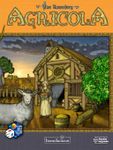
do so in the comments uh as I post this to Board Game Geek in my blog so and these are in no particular order these basically came from uh the top of my head as I have been stirring this idea around for a couple of weeks now but the first one and I think one of the things that makes U Rosenberg games unique to most people is the feeding mechanism I've seen this mechanism in uh other games obviously you know before or perhaps after AG gria was was introduced to the board gaming world but this mechanism of having to feed your family as well as continue to you know gain points in various ways um was a Hallmark of the original Agricola leading to it being called Misery Farm and being a very tough game to get all you know wrap your head around and become good at and so um a lot of his games since then include this mechanism all the way up to edwa the latest uh game that he published last year um once again I can't comment on plantan nubo or tangram City I don't believe there is a feeding mechanism in those games at all but I really like this mechanism and I may um refer to this a little bit later on the list to but the fact that you are trying to solve this particular puzzle of getting enough food to feed your workers and just using Agricola as the
base example but you can apply this to his other games as well in addition to having to figure out what to feed you're also trying to figure out how to progress forward in the game to either build an engine or to accomplish certain objectives and and basically to be competitive in in the game while avoiding the negative consequences of not feeding your family or your workers Etc recently I played edua with my friends I taught them this game I played it at four players and it was really fun I really enjoy and this is my first time playing it multiplayer as well so I guess this is a mini review of edwa but we we had such a great time and it was the time frame was manageable everyone was really engaged all the way to the end of the game I ended up losing that game even though I taught it and I lost my consider considerable margin but uh the comments that I were that I was listening to as I was surrounded by my friends playe was the agony the the I guess righteous Agony of realizing oh okay I Now understand how this game works I have three moves per round to one make sure I have enough food to feed my families to um make sure I have enough uh resources to fulfill the breeding requirements for that round and three you know how to get points basically and progress my game forward
and so they the tightness of decisions mostly not and this is game dependent of course but I get the feeling that a lot of the games have um not a lot not too many options you know in front of you um this is obviously not referring to like face for Odin but um but I feel like the decision space um is manageable right the decisions that you have in front of you are pretty straightforward they're not as elaborate or convoluted as perhaps some games are uh the the puzzle is in front of you and it's easy to know what you can do and what you can't the complexity comes in from understanding that you have different objectives that you need to fulfill and choosing to sacrifice some versus others or in what order to place your workers to fulfill those objectives before anyone else can is where that that delicious tension resides and and so I think this is best exemplified in agrica but it could be seen all the way up to his latest design in edwa as well where the tightness of decisions in a in my opinion more tained decision space it it doesn't feel sprawling it doesn't feel like I have to solve everything and find every bit of efficiency right at the get-go I can can it kind of leads into itself a little bit more and and kind of progresses through the game which I guess is one aspect of his games that I
don't think I have mentioned on my list yet but um but that I guess I will talk about it a little bit but like that that progression easing you into the game um while introducing these different tension points makes a first play of a game of his accessible or approachable but but then it lends to it being more complex than you perhaps originally thought of and the uh complexity comes in from rep playing this game and getting better at it rather than understanding all of the rules at first and being overloaded at the beginning as you play these games so I guess all that to say is that the feeding mechanism kind of exemplified and and represented this thought that his games are um easy to learn and hard to master basically uh reason number two the Thematic integration of most of his games you know for them being Euro games is quite remarkable and this comes from the big picture and the big thematic aspect of each game as going down to certain mechanisms right and so um the first couple of examples that I can think of first is edwa uh the Thematic integration of uh the bad action that you have right where you get to take a free bat action after you place a worker um flying those bats out of the out of your village back to their cave and being able to plant more trees in the
process because of that lends itself to the theme of the game where having more bats in your village leads to the renaturalization of your village holler toow is another game where as you fulfill the requirements that each of your uh industrial buildings have in your community you can push those rocks those Boulders that are next to your community board over as you start to expand your village and and grow the amount of workers that you have available making your region of holler toow more prosperous a lot of these small individual things uh lead to a better understanding of the theme of ASO as a whole and once again turning back to Agricola you know it's medieval farming is is the theme and in the text of you know describing the game like on the back of the box it says farming isn't easy right and Agricola is not an easy game it simulates what it might feel like to be a an average Farmer in the medieval times so well and I feel like a lot of Euro games these days are so abstracted to the point where uh the theme doesn't matter as much right I think there's a lot of care and detail that have been put into rosenberg's games to make the theme represented uh feel integrated with the game itself uh a lot of his games such as a feast for Odin and Fields of ARA also have handy
inserts in Eddie way as well uh booklets that describe the research that goes into each of these games and the ways that the uh mechanisms of the game represent those themes as a whole I could continue to list a lot of these games and a lot of these games too come from the personal life of U Rosenberg I believe or at labora was inspired by his trip I think it was a honeymoon or or just a trip with his family uh to the region that inspired the game or at labora uh and and so on and so forth right EDI you know taking inspiration from this story in Ghana about the mayor of a real place you know in this region of edwa um using bats to help and and teaching people to use bats or um have a good relationship with bats to be able to renature that region and so yeah I think a lot of care has been taken to research the theme and I could get the sense you know I I want to do some more deep dives into the designer Diaries of these games and to see the the inspiration from the theme and the topic at hand and how that inspired Ires the mechanisms and so for me like thematic integration is Peak uh when it comes to U Rosenberg games and kind of along that line my third reason why Rosenberg games are my favorite include the closeness with
Agriculture and nature in in that sense with these games I have found that and I probably could do an episode of my favorite themes of all time but one of them is definitely nature and this could be very broad you know you can think about games like Arc NOA and dealing with animals and and zoos you have Earth which deals with plants and and whatnot mechanisms assign uh the the theme often is what grabs my attention when there are so many options of new games and old games for that matter uh clamoring for my intention and for the opportunity to play it and potentially buy it so I'm very drawn towards the the theme of farming and Agriculture and nature sure I think primarily because of what I used to play back in the day when I was a child and and a young adult or young teenager one of my favorite games video games growing up was Harvest Moon and I remember playing that on the GameCube and just enjoying the time that I spent in that game not having uh you know a big narrative story to follow or anything it was mostly just fulfilling small objectives making sure my farm was doing well and was growing and and then having a personal life as well was just it was very cozy and I'm not much of a I guess farmer or Gardener myself we do grow some crops here and there but um I really have enjoyed um this theme and
because of that that same feeling of coziness that comes from when I used to play those games back in the day I don't play those types of video games anymore since I don't have the time and I want something more substantial I suppose and that and that's where these board games come to play where you can sit down for a couple of hours and engage with a cozy theme such as farming and still and and have a session where you come out of it either winning or losing or having some sort of story to say building a tableau that that looks neat and and and yeah having a story that you can tell about that particular play where I guess all of the the plays in Harvest Moon kind of blend together and you can only look back after a couple of sessions say that you've accomplished something story-wise or or otherwise right um but yeah so board games have been for me a way to with limited time uh engage with a theme and mechanisms in a sit down um playable session that I could do over and over again get better at but also and not feel like I'm um diverting so much time to a single game or yeah a single game like like a video game um recently with breath of or not breath of the wild tears of the Kingdom uh a lot of board game time was taken away because I was playing that game and I don't regret it but you know a lot of hours were put into that single game where if I spent the same amount of time and the same number of hours playing a
whole variety of games I've could have had a lot um different experiences that I could talk about right and and that's why I love board games but um but coming back to a board game and trying one for the first time for that matter is is really dependent for me on the theme because a lot of these mechanisms start to feel the same as as you grow and go deeper and deeper into this hobby you start to find that a lot a lot of similarities uh tend to occur which makes learning them easier but um but if you have that thematic catch and hook to bring you into that game then all the better and so a lot of U Rosenberg games have that hook that I really enjoy and it just makes me feel cozy um as I look on the board look at the artwork and think about what I'm trying to do mechanically as well as thematically with these games and so that is my third reason with the how with the themes of the games themselves being mostly uh as a whole related to agriculture or nature or uh kind of cozy things you know like building out uh your little Nook of Bavaria in in glass Road or or you know your farm in fields of ARA right it all depends it's just really fun for me okay reason number four is the Arc of gameplay the progression that or the story that is told I think is what uh brings me back and and the reasons that
I think about this include say Agricola right you have a very set beginning mid and late game the beginning of the game to some might feel scripted but but to me it feels familiar and it's a part of the game where you lay down the foundation for the rest of your game and make sure you you know have a a feeding engine and you race to get a new room or to get you know an extra family member Etc right in the mid game you're expanding your farm and then finishing it off and uh playing cards that give you bonus points Etc throughout the the game and capping it at the at the end of the game right the in A Feast for Odin for example you have the beginning of the game where you kind of race to get ships you know if you're following the traditional strategies and then you explore and gain um new islands that you've explored as well as the long houses Etc by the second and third turn and then you're kind of building off of an engine playing cards and taking those uh most efficient actions to fill those islands right and so and then you immigrate near the end of the game and that is not true for every game but you can kind of say that these games kind of follow a very familiar pattern there are games that feel a little bit more uh sandbox in nature you know uh you know talking about caverna and and Fields of ARL but I do as the
more that I play those games the more that I feel like there is a story being told mechanically not just thematically as you follow those games I think one of the best examples to is Coler tow where it's explicitly um told to you what you need to do each round how many resources that you need to be able to move a certain uh community house or a certain you know industrial building to move your community house uh to the right and so um The Arc of how you go about doing that stays the same and there is you know a similar story that's being told uh throughout the game and every single repetition of the game uh can be the same but it's those little details of how you get to there to these little checkpoints basically these little objectives is what makes each game feel unique despite the story uh the same story that is being told basically and so I've really enjoyed the The Arc and the familiarity of these games because it for me it makes it easier to uh be thematically integrated building off of my previous point and to also get better better at the game mechanically because I know what to expect I learn different strategies to achieve these certain points in each story so that way I can uh reach the end of the game uh with a better score than last time and so and and these games for me that do follow a very similar game Arc make it feel cozy make it feel like
I'm coming back to something that I know inherently and now I'm just teasing apart the certain nuances that each game delivers whether it's at the beginning of the game and how the game is seated randomly or what cards I'm giving what tiles I'm are available to me in what order and those little details is what makes each game feel different and unique and those with those small way or those small ripples you know I feel like it can create waves of how the game ends up looking like your Tableau at the end of the game or how many points you've gotten compared to some other uh opponents and what their boards look like as well what the you know the uh middle of the board you know the central board looks like as well can really change and make the game feel different and I think it's amazing how such games that are well U versed per se with those small tweaks based off of Randomness or chance and player uh experience as well can still create different uh feelings and different outcomes each time you play that game there are other games that take a different approach um perhaps there are some Rosenberg games that do this but I feel like a lot of non- Rosenberg games VI for the widespread of different um resources or tiles or uh board States basically at the beginning of the game to make it feel different each time and or they give you different objective
cards or uh what have you private or public you know or otherwise that kind of nudge you very strongly in a certain direction each game and rely on those to make it different in Rosenberg games I don't always get that feeling I think it it you you might argue that the cards or tiles that are given to you personally can dictate what type of game you're going to have but the more I play these games and for one of the reasons that I'll will mention later on the uh overall Arc or how a game is played can be scripted the objectives if you are playing at a higher level start to become bottlenecked and become the same and it's just how you get there um you know you can do so in creative ways or how you get there first as well is where the game actually lies after you've understood and played the game multiple times and so I I feel like his games do tend to follow this type of script in order to give it that replayability and so yeah so the Arc of gameplay is very unique to me and or at least is what appeals to me when I play his games fifth item that I wanted to talk about is a very specific mechanism and that's the resource wheel we see this first introduced in games like glass Road and Aura at labora and recently brought back in orani and burger Canal one of my favorite games ever um and I I
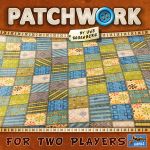
just really enjoy this unique mechanism that I hardly see outside of these games of his I know that some other mechanisms of his have become quite popular such as well he did not invent worker placement but um I think he did a lot to lay the foundation for that particular mechanism to take off and become very much a staple in today's uh Euro games especially but also polyomino placement I think he had a big say in making that popular with Patchwork and A Feast for Odin and a lot of his games that came afterwards as well but the resource wheel I feel like has not had that similar impact and it mostly becomes in a way of tracking your resources and making sure that they are accounted for in a unique way but a lot of gameplay can surround these such as in glass Road where if you do have one uh you have two re resource wheels and if on one wheel have one of each standard uh Goods you automatically create a an upgraded good in uh brick or or glass u a similar thing can happen in Oran Burger canal and in or at labora you're not only using you're using the wheel to keep track of the uh same method of keep of how you might keep track of resources in Agricola or caverna instead of piling up resources individually on these worker placement
spots that you would in the original game you are you have only one resource meeple or token that represents that resource on the wheel and as the turns go by the dial moves forward and therefore it uh tells you exactly how many of that resource is available and so it's a very neat way an organized way of keeping track of resources but it also tells you when to flip over certain building cards to uh be available next to to be built and stuff and so a lot of cool uses there that in in both in all three of these games uh that I haven't really seen in many other games outside of Rosenberg games and so I really enjoy the resource will and think it should be more widely used number six for me is the rags to riches feeling that I get when playing this game and this is represented by negative points now a lot of these games or at least the idea of going from Rags to Riches can be found in other economic style games right it's not unique to U Rosenberg but I like and I feel like it's Unique the way that his games are representing this rager Rich's feeling in the form of negative points right in A Feast for Odin you start with like negative 100 over negative 100 points and over the course of the game you end up with a good score scoring you know around 130 or more uh and if you play it really well uh usually it's just above a hundred or so if you play it average
like I do and and so you can represent this by saying everyone starts at zero and you can score up to 200 plus points during a game or you can include negative points on boards that create a puzzle of playing down your polyomino in a way that you feel like not only should you play them down to gain you points and increase your income but also to play them strategically to cover up those negative points and essentially gain you you know extra points As you move along uh these negative points aren't unique to a fe for Odin you see these in other games like a gria if you don't have a diverse uh resource uh accumulation throughout the game if you're missing grain or cattle Etc you do suffer negative points right you suffer negative points if you don't feed your family or your workers uh and so or if you don't cover up certain spaces in in various other games like fields of ARL and news f as well and so the often times if you're just looking at the score and I think this was well represented when you play it on board game arena it may not be as a parent if you play it in person but as you play through these games um at the start of the game you are well into the negative points and you you know uh you wonder how you can eventually gain enough points to not only cross the threshold of zero but go well past it well past
the uh negative Mark that you started that right and so the um explosiveness of points that come through his games after starting with so little I think is is a miracle of design that I've seen uh designed over and over again with his games and I think the game that really typifies this to me too is laav I think you you struggle so hard at the beginning of that game to uh create a food engine and to just keep your head above water to fulfill uh the feeding requirements and often times needing to take loans to do so um but as you progress through the game and increase your own wealth gain buildings for yourself and ships Etc you develop a way to not only just feed yourself but also to thrive and end the game with a lot of wealth and points and I love how this kind of reflects personally with my own life and my journey to becoming a physician but also uh this may be true for many other people as well with you know regardless of your your occupation or or your life story and I think this um can hit true for a lot of us who kind of fall into this background where you start with very little in life but as you work hard and make wise choices you end up um you know becoming more uh you survive but you also Thrive right and hopefully that's that's the case for most of us as we go through life itself I know life is different and challenging for all of us but um hopefully we can mirror our own
personal lives in the way that these board games tend to um end up right where you do struggle at first but eventually uh survive and thrive near the end game and create somewhat of a miracle out of seemingly nothing that you start off with right Agricola just typifies this with you know you start with two people and two rooms and that's it and you gather enough resources and build them out to create a beautiful Tableau with lots of points lots of pastures and farms and crops and and uh animals and cards as well uh that you've played from your hand and to make it just you know it's just a miracle uh every time that I play it and uh and this is reflected in the final score going from negative to positive and so that rags to Rich's feeling is something that I really enjoy about his games number uh seven is going to be the individuality of cards and tiles a lot of my favorite games of his in include a very a varied and very large deck of cards or tiles AG gria started this off with you know I don't know hundreds of cards just in the base game maybe maybe 200 or so I forget but just in the base game alone when it was released you have just a huge deck of cards with at at different uh complexities that you could play with and and the fact that the deck was so large and so varied made that game
replayable let alone the competitiveness of the game and mastering those cards uh leading to you know people playing this game thousands of times is what initially draw me to that game in addition to the theme and everything but is one of the core reasons why Agricola is my favorite game and I've touched on that before in the pcast but a lot of his games you know you you go from A Feast for Odin with a lot of the occupation cards right you have uh newford with a lot of the building tiles or or cards that you play glass road with the tiles lately with oradian Burger Canal you know you have uh what six Decks that you can you can toy around with holler toow has a ton of different cards there each of them are unique and offer a different ability or reward if you fulfill those objectives um even atwa you know the variety isn't as large and uh it doesn't have as much of a volume as say his other games do but there's just enough to make it feel different of your time and you see things come out in a different order and you don't you don't tend to see everything at once but each of the terrain tiles in edwa do have you know not only the artwork is is fun sometimes like the haunted house right where you have one house in the middle that I think you can't play any family in but uh but that has a unique and individ ual characteristic of that card and if I tell you what that card is you just say
oh yeah you know that haunted house card in um agrica or in edwa it's like oh yeah I know exactly what that does or if you say assistant tiller like and you talk about it you know exactly what it does you can almost picture the um Clemens France's art on that card as well right it gives it character and that is something that I miss in a lot of games that offer and boast replayability because of the variety of cards or tiles that are in the game but they all are just kind of variations on you know giving or or receiving resources in that game or altering actions right in in agrica for example a lot of these cards uh as the name implies has something to do with how they um alter and manipulate the game themselves but they do so in a very thematic way and that is something that makes it feel individual a lot of games too that offer a wide variety of individual cards such as arcn NOA wingspan terraforming Mars often times some of these the the Thematic ties with what the card is comes through but sometimes it doesn't and it's just abstracted and even though each card is unique uh sometimes that uniqueness and individuality that comes with each card uh kind of fails to thematically integrate for me um thus and thus falling a little bit short of of just how much which I enjoy it and compare it to games like AG gria where every card has an identity and can do something
different but thematically it makes sense based off of what the card or tile is named after and so there are very few games that I feel like achieve this sense of thematic and mechanical integration with each individual card and so that is just one uh one of the top reasons I think is why I come back to U Rosenberg games and hope and and this is my gold standard to comparing uh his games and how individual his cards are to other games that boast uh the similar types of cards as well number eight um length of play like even his heaviest games like a feast for Odin or agrica or fields of ARA I think can be played in a manable amount of time I haven't had too much of a difficulty teaching and playing these games within a weekday board game night we may you know depending on how early we get U you know playe I think the time differences can vary but there are you know a lot of games nowadays Euro style games that do take a long time to teach and a long time to play and I'm looking at ARC Nova but all in all on average I feel like U rosenberg's games rule wise uh become more medium to medium heavy in in the way that they are complex and the way that they are taunt and then the actual gameplay as well can be uh quick as soon as you play around and it it
starts to click and you can get one of those games done uh usually in a board game night and so you don't have to wait until a weekend where you have more time or anything like that to really play that game in a considerable amount of time I think yeah so on average I think I I really enjoy his length of uh play uh play time for these games and as as far as the BG weight complexity as well like they usually fall in that realm that I find uh just this hits The Sweet Spot somewhere between 3.5 and four so uh number nine is the chess-like nature of his games particularly with games such as caverna fields of ARL and yeah so we primarily talk and or at Labor I think is the the top Contender for this uh particular style of play but a lot of his games particularly these three are more sandbox in nature compared to some of his other games where in CNA all the tiles are laid out in front of you the only sense of Randomness comes in the order of which uh which actions you can do in each round and what kind of harvest you can have as well if you play with that and so but but the meat of the game is laid out in front of you completely and it's up to you who navigate that and as you nav that and start to play it over and over again as you start to play caverna over and over again or fields of ARL A Feast for Odin
to I'll make the um argument there and or at labora the same patterns start to play out the same strategies and dominant strategies start to play out as well and things slowly start to become more chess-like as you gain experience and competitiveness in each of these games I have I I wish that or at labora was more WID available digitally so I could really dive into it myself and watch other people dive into it as well but it almost becomes a solvable game where once you have played it enough times you know which strategy lines are the most efficient and the best to do and if you are playing with other people who understand that as well then a second tier of games of of gaming occurs where you start to utilize some of the other unique uh worker placement spots or actions or buildings Etc to try to circumnavigate that particular play line to make it so you're still competitive um as you do with chess right you have different strategies and uh different defenses or attacks Etc and I think it's probably not as um it probably is not as close to chess as I'm making it out to be when you you are playing games like or at labora because of the abstract nature of Chess but um the fact that you can kind of achieve that chess-like nature of
gameplay with these heavy you know medium heavy to heavy Euro games with theme with thematic integration with mechanic mechanisms that I've mentioned before uh makes it really uh interesting and very competitive right and so I think a part of this reason is that these chess light games or if you take chess itself as probably the most competitive board game there is in the world people study this game these games can become lifestyle games and for me uh this is why U Rosenberg games are so replayable is because I can see myself getting better at these games um taking it takes a lot of repetition to become good at these games but then you look at like agria and and all these other games and see how far ahead some of the best players are when it comes to scoring and and the consistency of of having high scores as well just shows you how high the skill ceiling is and so having a really high skill ceiling I think it equates itself pretty closely to chess and and so a lot of these games while they may feel sandboxy and and feel syy as well because everything is laid out in front of you all the tiles in Cerna are there uh in front of you to to choose from than you know we're at labora the same buildings are you know coming out at the same times and so it's like you know what what kind of there aren't any surprises that I see in these games and so why do I keep coming back to it well I think it's because of the competitiveness of Chess and that
mindset that you bring to a game that you've played over and over again and know exactly what is coming at this point and later on down the road and how you react to it and how your opponent reacts to it as well you slowly start to play the player and not just the game and so that meta arises in games that are like chess and this is true for a lot of other games that I've mentioned before on the podcast like teror mystica Etc but I feel like a wide variety of U rosenberg's games can achieve that chess-like nature when it comes to strategy and competitiveness and so that that is a major reason why I love these games and then finally my last reason is the variety of complexity and weight that his games include we have light games such as Bonanza a lot of the you know two-player uh spin-offs of his major titles uh lately with tangram City and some of his other polyomino games or thaane games that are just easier for people to get into I I can play these games with friends and family who don't play a lot of board games and so it's easier for me to introduce them to certain mechanisms like P polyomino tile or tile placement right uh maybe even some worker placement as well for more uh mediumweight games like news fur or um have the gates lyang for example um maybe that's a heavier example than I intended but you have those and then you have the Agricola you have the aist for Odin which pushes that heavyweight you
know complexity on Board Game Geek and and so you have a game that kind of fits a lot of different uh situations that you might be placed in for board gaming and some designers can do this very well uh a lot of the most popular designers have games that can fit at every level of experience or or time you know or uh or just gameplay preference and that ultimately what helps me enjoy U Rosenberg games even more is that I can fit in a patchwork or Bonanza where I can as well as saving those longer and juicier games for those special moments uh as well as playing them digitally as well over weeks you know versus maybe a couple of days with Patchwork or something and so um a game for every occation I think is is awesome and and I've really enjoyed his catalog of games and um as a whole uh the the things that I find fun you know some games are more fun forward and are more light-hearted and that serves definitely serves a purpose in gaming as well as the more competitive ones and so having a bit of each and and having that opportunity to play a lot of these different types of games from the same designer helps me feel more uh you know preference and favoritism towards his games and so to cap it all off you know just a variety of different games that I find enjoyable for mechanisms or theme or otherwise and
for all the reasons that I've listed above are reasons why U rosenberg's games are my favorite and why they feel unique to me