Beyond Solitaire Podcast 149: Alastair Kocho-Williams on Teaching History through Wargames
Games in This Video
15 games are featured in this video — they unlock as you watch.








Transcript
it's ad break time I'm proud to announce that Beyond solitire podcast is sponsored by Central Michigan University Center for Learning through games and simulations and as usual they're up to some amazing things their next game hydrologic cycle is scheduled to come to Kickstarter on March 26th clgs also continues to offer classes in partnership with Gen Con the next course Jason Fury's crowdfunding with confidence starts May 6th and we'll teach you all about board games and crowdfunding go check it out also I'll include a final point for myself if you like the show and want to support it you can do so by going to patreon.com beond soliter thanks to listeners like you I've been able to keep upgrading my equipment subscribing to streamyard and and more but for now let's get on with the show hey Gamers this is Liz Davidson from be on soliter and this week at the podt I have a very special guest this is Dr Ali coacho Williams he is Professor of history at Clarkson in New York in Northern New York yes Northern New York is it cold up there right now uh it's actually really unseasonably warm and sunny right now but it's normally cold up here this time of I mean I just live in Georgia so I have to live vicariously through other people's cold uh but uh but uh why don't you tell us the basics of the kind of History you do and then I want to talk about your class which involves lots of board games yeah well thanks for having me on uh exciting to be here um so I I am actually by background uh I am a historian of late Russian imperial and early Soviet foreign policy um and and so that's you know that's what I do and that's what I ostensively write books about uh and you know still try to write books about and
think about there's you know there's challenges in that space at the moment as a result of archival access uh but I I teach at Clarkson University all the way in Northern New York almost Canada actually so I'm actually really close to Mel and Rex Bryan uh and and way back in the in the midst of time now before the pandemic I had an idea um because I was teaching uh classes that had war in the title uh and I taught for many many years things that that intersected through sort of a war and Society course that was fairly General it took kind of a Gateway into our war stud minor uh and then was was we had a had a course that I was you going to put on on on World War II uh and I kind of had the idea as I was sort of figuring through this that I was at a point where I could do something uh a little bit experimental and a little bit different with that and and said to my students you know hey what about would you be interested in in playing tabletop games in a course and they all just sort of look at me like first of all are you crazy and yes uh and and I guess you know it was just kind of this this sort of great moment or of being able to do something a bit different I was you know not having to worry about a tenure clock which is kind of a an important factor I think of being able to experiment uh but also I guess at a point that there were kind of lots of games that were sort of appearing that I thought I could do stuff with um and that were relatively accessible and so I I put together for my my spring 2020 class and spring 2020
was a weird time uh I had no idea what was coming when I started this in late January uh with with kind of just a handful of games and you know really decided that what I was going to to pitch to students was that I was going to give them a set of lenses through which to start to look at how they could interpret and understand certain aspects of of World War II uh and that that set of lenses was going to be a set of games that dealt with things in in different ways and would take them down alleys I couldn't take them down in class because there wasn't space or time or I simply don't have that granular amount of detail on the Battle of the Bulge uh that that I could pass to them and so it was and it was it was you know that was kind of the exciting pitch and the kicker was but they had to also design something uh they needed to come up with a loose prototype uh by the end of the semester that communicated an aspect of World War II to a non-academic audience um and I I was able to hang this quite neatly institutionally on sort of the entrepreneurial angle um which worked out really nicely for me because somebody then gave me a chunk of money um which which was nice because that that took me into the Moors certificate in wargaming class um where I and that was online so I didn't meet lots of people uh but it was you know I met sort of diverse people and and I encounted Sebastian Bay there um who I I know I
this to on Twitter to Sebastian and he kind of thinks every time he's like this is crazy to me but Sebastian became a big inspiration um in in kind of where I went and I was was able to to kind of run with the idea with with funding to to build a library some of which you can see behind me uh on on camera that students can come and play and Fa other faculty can can borrow and really develop this into teaching other courses and I I took it then in Spring 2021 W into teaching World War I which is what I'm also teaching right now um in in 2024 uh and then pushed it into the into the direction of the Cold War uh and all time as I was sort of building some of this and getting students used to playing games and thinking about them they're coming up with little ideas what I had sort of developing in the background was was ultimately a course in in wargaming uh which I was able to float uh last fall and I taught 30 students um probably looked fairly similar to the sort of things that Rex Bryan and does at Miguel that Sebastian Bay does down at Georgetown um probably intersects in in various places with sort of things Maris suckling does as well uh down at RPI uh but I had this this 14we course in wargaming um where the sort of key thrust was how can we use war games or historical games uh because little fluid on where a war game sits sometimes big question there uh to understand
interpret and represent history uh and how can we communicate things and develop things and and lots of design decisions uh and and sort of built that so I guess I guess I kind of you know it's a big snowball uh that has sort of built over the past uh I mean I guess three to four years uh and as part of my wargaming course in the fall I managed to get you know a host of really great guest speakers in who came and spoke to my students and and fleshed out things from all sorts of different angles and had you know their kind of household names in the wargaming hobby uh and and so it was lots of fun and I think you know I get great feedback my students love this they love the creative Outlet uh they like playing the games even though when they come into my classroom they're often very not big Gamers they they seem to leave it uh you know playing lots of games oh that's awesome so actually I have a couple questions that have sprung from all this so the first one is when you're doing historically targeted classes that have games involved so gaming World War II World War I Cold War how do you select for games that are the right combination of historically media enough to talk about in class and also rules light enough for students to learn um that's a really good question um I I mean I guess part of the the decision is led to some extent by availability uh and by Price uh you know being able to get multiple copies of
things is is kind of a really big you know big big plus uh and being able to play play things sort of along side um but yeah the question about rules light and and learnable um students really like big boxes of things uh and they get particularly attracted to things that they think might be familiar um they really like little little plastic men uh so they they love the idea of axes and allies until they try to set it up uh then discover that actually they didn't want to spend that much time setting it up um yeah the rules light I mean part of what I try to do is is teach a game um as much as anything else uh and and lead them through I guess kind of what a Gateway games that take them in certain directions so when when I teach World War II I I I bring them through uh battle for mosco quite early on and it has that great online version so they don't have to worry about setting it up um which gets them into this is how a hex en counter game kind of works um and then that that then lets them sort of spin into into things that are a bit bigger um I do find that students they quite often they get attracted by by all the Chrome and by the shiny boxes um and and my students do refer to sometimes what they refer to as GMT games uh where they anticipate a degree of complexity uh that is going on but it is a fine line between getting them into things that are that are ET uh and getting them into things that they can
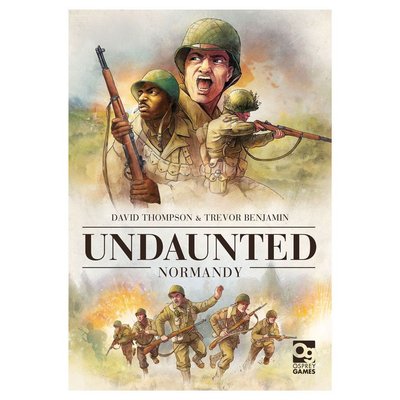
learn there are some brilliant games out there um you know to expose them to and so you know I I I put undaunted Normandy in front of them uh you know fairly early on I say look here here's a here's an approach and this is you know different to some of the other things uh in World War I I have them play the grizzled pretty early on so they're they're getting into use of things they often discover that Ru books are a challenge um and they that they you know they struggle a bit uh I guess there's a host of YouTube content I point them at things like watch it played and uh the players Aid and odd wolf and you know there's all these things out there um sometimes I I get reports back for them I make them right after action reports uh and they say this was just this was so complicated we we spent so much time trying to figure it out that we didn't get very far with it but we can still see what it was trying to teach us um and I I guess you know a lot of what I try to communicate to students with games is that the journey is as educational as the outcome uh in terms of playing a game and and unpicking it and dissecting it and figuring out you know what worked for them what didn't what was the designer trying to do uh what to trying to communicate uh do they really need to win even if they want to win and one of the problems if they do win is the wrong side um and so yeah there's a lot of balance there and and lots of people have ideas about you know what what sort of ways in look like um you know the worst thing you can do I guess is throw something so complicated that someone is immediately turned off um the other thing I found though is using students who who have taken now a
number of my courses and have become quite experienced Gamers sort of as the seed players uh to kind of what what Cole wly talks about is you know doing the teach uh and I actually have a couple of students now who seem to be running around campus teaching everyone how to play root uh at the moment because they want more people to play against oh that's excellent so when you ask for kind of after action reports what kinds of things ask your students to reflect on and then I'm assuming that they're also reading primary documents and Source material so what what kind of uh expectations do you have in terms of like I guess the academic engagement that they're going to have with that game uh when they write about it after play so I I try to keep them you know a bit short and piy so that we don't get into the you know the 42-page report that no one wants to read um but I really try and get them to focus on what is the game trying to communicate you know what is it what is it about and what is it trying to communicate about its subject matter uh and how well does it do that for them and and the group that they play with um and you know to a sort of lesser extent than what happens what's their takeaway uh I often try and sort of put it to them as you know if one were to think about you know a game as as as a book or as an article or sort a primary source you know what is this saying what is this contributing to our discussion and and you know what's the
argument that the game is making you every game I I try to explain to students is making a statement about something um even if you don't necessarily agree with the statement it's trying to tell you something uh and and where would they you know where might they take it or where is it taking them what ideas do they take away from it uh and and how does it and again to think about you how does it match with what we're talking about in class uh what they're in primary primary and secondary source material uh and actually I find it it's kind of um it ends up being slightly sneaky because if they get really excited about something they go off and read a whole lot more because they want to be able to to to actually sort of you know situate the game within a discussion so they want to say well you know there's there's there's ever any number of games on on the D-Day Landings but what is this one actually saying and where is it where is it sitting here and and how is this different to what I thought I know from watching saving priv rying and banded banded brothers or reading things or looking at Maps so when you introduce games to your students um do you select for historical accuracy or poignancy or do you just let them try a bunch of different stuff and come to their own conclusions about a game's meaning and and the quality of its expression so I kind of let them take that step for themselves um so I have I have this sort of Fairly famous on Twitter cart uh that I wheel around and people look at and take photographs
and and the cart does change it sort of shifts around so a lot of the what's on the cart at a given point and that you know that functions as a part of my library for students to take stuff away and play uh or or to play or playing stuff in CL so it does change depending on what I'm teaching in in a given you know week or day uh in trying to get them to think about things but I I try to get them to come at the you know games of source is relatively unconstrained without me telling them what I think they should think about it um and I think this is kind of you're much the what I would suggest you know point to them in class I might tell them that a certain game talks about something or does something in much the same way that I would talk about a book written by a historian uh telling telling them something but I I am always wary that you know I I don't wish to color their perception by putting myself in that phrase um because you know I'm I'm significantly older than the majority of my students and I've been doing this for a while and I've played a lot more games than they have uh and you know I don't want to I don't want to steer them in certain ways uh that that might actually lead them to miss something really important um because you coacho said this uh and and then they play it I tend to you know students will say what what what would you recommend uh I try to get them to to focus on subject matter that that interests them so that they're engaged but also to look at a range of different approaches to not just a
subject but also to gaml um so there's there's kind of a a world of difference between piling lots of lots of counters in a hex to playing something that is that is looser uh or that has more of a narrative component to it uh and and a difference between something which is you multi headed said against sometimes playing solitire games and how they might think about that and pick through that so you also mentioned that you know you get funding to buy a lot of these games um are the games students are playing games that are supplied by you or are the games that students acquire themselves or you know how does that tend to work given the the desire to give students freedom to choose so I I tell students that they can bring their own games in into the mix if they want um they might have things they already own or they might have things that they particularly want that I don't have access to because it doesn't sit within my collection uh I am mindful in the kind of purchasing space you know of teaching college courses that nothing you ask students to acquire as course materials should be more expensive than a textbook that they're going to use throughout the whole of a semester uh and I think that's that's that's come up with there was a study with uh someone who was teaching World War II and it was in it was in the American historical associations magazine of a sort of similar approach is that you know this is a textbook so there's kind of uh a ceiling there where given the price of textbooks uh you know
you mileage may vary but you might manage to get hold of a GMT or Compass games uh copy for the same price of a textbook or you might not uh you might buy you know undaunted Normy for as as a relatively inexpensive but that doesn't necessarily give them a semester worth of of material uh to play with so I I was you know fortunate someone gave me a chunk of money uh and people have donated games as well Publishers and indeed actually have an enthusiastic alumni supporter uh who who who sends me things on occasion as well I'm very grateful to to them uh as a means of building a a fairly sizable Library I've got about 300 titles uh in it um I have not played them all myself I will be very honest um but because that's that's what we do in gaming right we we talk about games and and deconstruct them but we don't necessarily get a round to it um and we think about you know what what would be good um I guess it's a a curated collection that is designed to give them a mixture of range but also Focus within that range uh so I have you know quite a lot of things but you know a lot of there's there's a limited number of Publishers um and a limited number of designs and anything particularly old uh is is either out of print or uh is is challenging students do sort of they get themselves attracted they like they like big deep boxes um so things that are they don't like folios um because I
guess this doesn't look like a a boxed board game to them uh and when they come into the the the space many of them have never played a war game when I when I first get my hands on them uh so I you know they they're a little limited by by what I have but I I have rather a lot uh my wife jokes about the fact I just have too many games uh my daughter actually made me a a Christmas present that was a small box of yet another war game on the same subject with nothing in so uh it's become a bit of a a running joke within within my family um but yeah I mean I don't expect students to necessarily be able to to lay hands on these things themselves particularly in Northern New York because we we just we lack a sort of certain population density so they they can't pop down to you know Labyrinth game or something on a Tuesday evening and and find a whole bunch of people who've got things out on the table we don't have a you know friendly local game store up here um so so the game library is largely what sits in my office uh as an Institutional collection have you Incorporated digital implementations at all I know there are a lot of vassel modules out there Etc is that something that you know is brought into your classes as a possible resource or do you try to keep it analog so it's out there and I I give them lots of resources and I tell them about it and and a couple of them have played a few things on vassel uh a couple of them a couple of them have played a couple of things that have been you know released in digital platforms so Twilight Struggle gets a
lot of digital play um some of them play the the digital version of root um quite a lot of them this semester are playing backstabber as a way of playing diplomacy online um and and increasingly I try to play them at things like rally the groups because there's some really good implementations there um oddly although I teach at a Technological University uh my students are really reticent to actually step over into that digital space um and you know they like some of the convenience of it I do use you know battle for Moscow digitally but they tell me they really just like the analog experience of of a game um and I think part of it is they don't want to learn how to use another platform um because you know vassel is a little clumsy um rally of the troops is a lot better tabletop simulator is is is much better but they seem to really like the the outlet of touching things with their hands and moving things around and being able to think and and the social interactive side um so so actually most of them even though they could go the digital route with it uh are all playing things you know in person you know in on the in on tabletops I like it I like it so um I know you don't want to play favorites but if your collection were to disappear today which games would you buy first to replace it oh wow um that's that's really hot
and I don't know who might be listening he's gonna potentially take well I mean it's it's not about what's best right it's about like what are the what are the easy favorites the ones that students are picking up the most naturally what what are your hits so so the the the biggest hit that I have has to be Ruth uh students once they they get get into the fact that these cute little Woodland creatures are actually hiding a really serious game uh underneath they absolutely love it um and I have several copies of it uh and and actually it was it was very nice Cole Cole actually came and spoke to my wargaming class last fall uh so they got very excited um and I think you know root is that nice mix of of accessibility theme and complexity that keeps giving back uh as well and so students have a lot of fun and obviously the expansions takeing them into different directions um so I think you know that that would that that's that's sort of a firm favorite of students and and you know I have a I have a great love for it myself um I think a lot of you know what I see know is um students really gravitating towards um subjects that they kind of really like so you know they they often find that they sort of chew through things so I think I would keep up some of the the kind of the Gateway Games the Memoir 44s you know unded normandies uh of the world um and and then kind of where that
I guess takes them as as to what I would have to look at my list as to what gets checked out really regularly um this semester there's been a lot of play of uh Verdon steel Inferno um that's been a really big hit with students uh in playing through that um when I've taught World War II in in the recent past the sort of you know the game that keeps moving around is is Churchill uh they get really into into doing the the peacemaking uh I haven't yet hit that point in my world war one course this semester with Versa 1919 um but I guess sort of on you know personal levels I I sort of focus on you know the things that are big favorites for me are the things that kind of speak to me and engage in in the spaces where where my own work sort of is situated so I I like things that deal with the former Soviet space and Russia um you know I'm not so so sure that I'm I'm necessarily you know that much of an Eastern Front gamer but I like the political space uh so you know Triumph and tragedy is a you know big favorite of mine uh in terms of being able to sort of think about how you posit things um you I wish I had more time sometimes for things you know kind of you know some of these these these these things that move through um I love ver sign 1919 I think it's a great uh you know I guess a peace game more than a war game uh in terms of picking through things but I guess there's kind of too many really good games out there to choose on
on what would I replace first um it would be a really really hard thing you know these these I guess there's sort of a something of an idiosyncrasy to what one you know sees within a collection that really it's really the things that that one would would would if one had to have five I would really struggle fair enough okay so what's really interesting is that as your as your greatest you mentioned root so you're a history teacher and I'm not saying there's not a connection because I actually think there is but I want to hear your reasoning um why root in a class that is supposed to be teaching historical subjects what makes that detour to a fantasy Woodland worth it and how do you connect it back so I guess I I connect it back you know by the root of making the point that the game is an abstraction of something um and I I know that Cole has spoken about you know how in it's a it's a medieval Warfare game um with cute little Woodland Critters and and that allows for the game to do some he puts it fairly mean things because it's you know it's it's cute and cuddly um I I actually you know I found there's a lot with root in getting students to kind of step away from the trap of trying to follow exactly what happened historically uh some of the students some of my students can be like but that that didn't happen so what do we do now like well now you have to roll with it this is where the game is taking you this is you know but you can use this as an analytical point if this didn't pan out in in reality so you know why what
happened was it chance did you make a different decision um is what really happened the result of of an unanticipated chance you know did someone trip over a a log in in in the forest and that was kind of it um but you know root is a does a really good job of kind of decoupling uh I guess you know what is a a methodology of wargaming from necessarily being about a historical subject um that is you know then really powerfully you can use with students to say well look here is how this game does it and it is not trying to tell you something sort of explicit or concrete about history but you can take ideas from how this is working in the way that it communicates things and I you know I have said variously with with students like well so here you are in this in this Woodland space and you got a series of clearings and everyone's kind of got different desires and different wind conditions and then you've got this character who you know looks like a raccoon who can move through the trees and they're like they're looking at me like yeah yes that's the game we're playing you know you you've communicated this this really well and he said well you know they they've got like Spears and and things and they're birds and cats and lizards I was like and what if that was Vietnam and you see the students go oh oh okay so you said well now go play fire in the lake you know having played rude which
is kind of you know in many ways a counterinsurgency game go play vcos you go go play fire in the lake and they come back and they're like yeah the I I see the crossover here this is you know go go play go play Cub liever here here you have these different factions and you say well so you know where where does this take you and I had a I had a design team last fall who you know came up with a game about political Insurgency in a possible future United States but decided it to abstract it out into deer and coyotes because they're like well we can actually say lots of things without making it be obvious what we're really talking about back um and and I guess you know there's a number of games that do some of that that that work really well in getting students to kind of step away from the I don't know how to process some of what I'm getting from mechanics and learning because I'm too invested in the historical outcomes um so I guess in kind of try to teach the design side of things sort of pulling them out of that historical space then becomes really helpful in being able to get them to to sort of think about things in the abstract way and then to put them back into the historical space of what they're trying to talk what they're trying to produce a game about that makes sense makes a lot of sense so we talked about kind of the more targeted history and game classes you've done but you also now do like a war game class that involves a culmin a culmination like design project how do
you how do you I do you limit the subject matter do students get to just pursue whatever history they want or are you teaching a specific history curriculum that also has games alongside it how do you handle that jump from you know this is a game about World War I mean this is a class World War II with games to this is a war game class but it's in this history Department yeah so that was that was a a a challenge I thought about quite a lot when I was sort of sort of putting this out there and uh you know being able to I guess devise a course that was about the implementation of a methodology rather than the approach towards subject matter um and and I I stood in front of students you know that that class one where you kind of always worry that you're going to lay out the stall and tell them what it's all about and then you're going to leave class in 20 minutes later you know any number of them have dropped nobody dropped it so that was that was good uh they all stayed with me um but you know really that what I was going to get them to do was they had to be about history um although they could take things into the Realms of of you know fantasy see as abstractions or science fiction as abstractions I made the point you know these are valid ways of of talking about a contemporary world as well as anything else uh and you know really saying that I wasn't going to teach them anything about history um I mean I guess I taught them about the history and development of games uh and the history and development of War games so there was
kind of that that as a as a component but that I wasn't this wasn't here to be something where they were going to learn about a subject about a piece of subject matter they were they were here to learn a technique and a methodology uh in in a design space and and I think that was kind of exciting uh for some of them because then that meant that they could come up with things that entirely focused on what they wanted what they were interested in uh and I had them in in coming up with designs which um I'll be very honest I kind of shamelessly took this from something that that Rex bran does which is I made them make pitches um that we had a couple of weeks in we had pitch day where they had to pitch their idea to see if they could generate a Design Group um to to see if there were legs in it and and we got more ideas than then ultimately turned into groups but that led then into you know the students were leading what they wanted to do uh and and we we got into things that that ranged from you know the it last fall from you know the ancient world the siege of Syracuse uh to the Space Race to the Emu Wars of the early 1930s in Australia uh which I learned a lot about I didn't know very much about that at the time uh to looking at American electoral politics in the 1980s um to potential future coyote and deer conflicts in in the northern United
States uh and and kind of a range of things in between I'm probably forgetting we had you know end of the Cold War um but I had therefore students who they had ownership over what they were doing these were their games not things I pointed in them I gave them a list of you know topics they might potentially think about um I'm kind of really sad no one ever wants to tackle the the Russo Japanese war um kind of wish they would uh because because I I would like to see how how they how they might do it um but you know and they came up with a range of approaches as well uh and they're sort of you know saying well here here's a bunch of supplies and consumables and things and and and here's the here's the magic markers and you know come up with things was kind of fortunate I have a bunch of students who are computer scientists uh and a whole bunch of them produced you know amazing things that they were off doing uh coding one of them actually produced an entire digital implementation of their own tabletop game uh that they were they actually used that for play testing um I think they listened to to one of my my guest experts who talked a lot about play testing through tabletop simulator uh and we're like oh I I could figure out how to do this um so yeah no they're their projects um so while I might give them advice on subjects I don't necessarily know enough about some of the subject matter that some of them get into to to necessarily be all that useful but you know I help them you make sure that they're reading enough around a top topic and that they're you know making sure that they're citing their sources when they come up with the design Journal so we know we know where
it came from uh and how they put it all together and so yeah it kind of you know it rolls up um I've only taught the design class once so you you always learn something from teaching something for the first time so I I think it worked well there are a few things I might tweak in there but but on you know in general uh my students were so exciting to work with um and it was it was great it was you know a room full of engaged students who who just went from from start to finish and came out with you know some of which are develop developing there for publication as prototypes so what will you change about the next go round of the war game design class so I I think you know one of the things that I I kind of found that they did was not enough play testing uh which I guess is is always a challenge and so uh I think a few things of trying to get them to have a sort of almost prototype a play test sort of basically play test a prototype somewhat earlier in the semester I'm getting them to do this in 14 weeks which is fast um and it's not the only class they take so there there's there's a lot going on um and I guess trying to you know give them a bit more space within class time to play test with each other and play test each other's games um so that they can they can kind of get through some of that um because I think you know what we got was was games that would benefit from more play testing and some more space for that um other than that I think getting
in more external guest speakers into this this space I mean the the great thing about wargaming is how friendly a community it is um I mean gaming in general but I'm really sort of more exposed to the the wargaming side and how supportive it is uh and how willing people you know are to come in and talk and I think I had five guest speakers they were wonderful um you know all of them uh you know they all had uh different things to say but also had some of the same things to say um they you know they had things to contribute that I you know I'm not in such a position to do I'm a you know practicing history Professor not a you know professional game designer um although you know I'm aware that most of these people also do something else uh I might get there with the game design at some point I'm working on things but but I haven't you know I don't have I'm not David Thompson who came and spoke to us with 20 something games under my belt and you know more on the way seemingly seemingly you know every every every year um and so I think exposing them to you know people who work within that industry within that space and hearing what they do diversity of approaches why they choose certain subject matter um what what what came out of things you know what they do um I think you know more people if they want to you know come and talk to my students uh would would give space for that as well um you know but I think you know in general the cost work really well the students were really enthusiastic and I got really good student feedback for it so you know clearly clearly something that students
wanted engaged with fantastic and what would you say to people who also want to maybe do a war game design class and don't know how to set their students up for Success what did you do right in the class that led to your students being able to create viable projects so I I I think firstly there's some really good you know VI of material out there in in in in space and there's the educational wargame Collective um you know there there's a lot of Twitter is actually a really good resource as well of talking to things uh I you know I think with with trying to think about it the the kind of key thing is not letting students spend too much time not getting into the design project um of of making sure that they are set up nice and early um the the pitch day worked really well because know here we were and then I said you must you must be in groups by the end of week three uh you you know and I have a series of uh of kind of Milestones that they had to meet um so not not very long after got them to groups they had to give a inclass uh preliminary presentation about what they were thinking and what they were doing um and and I created you know peer a space for peer feedback in that um and they got precisely a week from when they presented that preliminary design to come back with having thought about it so it's kind of pushing them quite hard into driving
themselves to to to work in an iterative process uh and then we checked in at various points and then they presented to towards the end of the semester um I think you know being clear with students about what they need to do by when because things happen and they decide that they could put things off you said well you know you're not going to make it to the finish line here with a workable playable prototype that you can play and demonstrate in class if you have got to this point by a certain point so I think you know that that is kind of clear and I I I could see that in you know other examples of of people who were doing design stuff and you know G to keep referencing Rex and Sebastian uh you know who I think have take similar approaches um but it yeah I think really yeah you have to kind of frontload things to get students running uh and then give them the space to explore stuff and and the support and and make it clear that you care about their what they're doing too uh and that you're there to to to to support them and help them develop it and that also you don't mind if they go off and talk to other people um you know I think sometimes students like is it okay if I go and speak someone like sure you know go you all the the guests said that they were welcome for students to contact them and you know I think some of them did uh and you know go go go use these resources that have come into the the classroom in the space and and try and work on and develop things so what okay so this is the question I
always have when I'm asking my students to do kind of risky projects I think the games especially for students who kind of view school as transactional at times they want to do the work they want to be sure that they can get it to the point where it's going to get an A they know they're going to get assessed how do you handle the fact that game design is kind of a messy process that can get hung up it can take a while you can get stuck uh but semesters are time limited what what happens if a students group starts a game project that gets into the weeds um and you know how how do you handle it in a way that's fair to both the creative process and the fact you have to grade them yeah okay that that is a good question um because you you have to give them space to completely completely fail uh and completely mess it up and and you know many games end up being better because something happened and it broke and it didn't work um so I I take an approach um that I I guess for for its best sort of banner term is specifications grading um so I don't actually end up grading them on anything subjectively uh so everything has objectives you do or you do not uh and it is past fail and you get the full points for com you know completing a task to to the brief um you know essentially in many ways what this means is that students are you
know they get to choose the grade they want by how much they invest in in the process and and the and the project work um but it starts to you know you get so sort of a building block and so they get I can't remember the exact breakdown I have without looking at my syllabus but the submission of the final game design presenting it and playing it through in class gets them a number of points they probably like 30 or so um and then submitting the design Journal gets them another 10 points and while they do get feedback and subjective feedback they get they get the full amount of points for for doing the task and this this runs through you know writing after action reports as well um and and to some extent what this means is that most students end up coming out with an a if they would just do the bare minimum of things I ask them to do that I think they they get a um so they pass it this you know I kind of it you know I was thinking about this as the creative process of you being able to mitigate the the potential for disaster uh you know if it all goes off kilter I mean obviously if a student know if it's a bad faith effort if they you know they turn me in a card uh then we might have a conversation about how they didn't actually you know perform the task as described um that I I work with a bunch of you very motivated but yes transactional is fair um and I guess some of the specifications and points
awarding leans into some of that transactionality but it removes uncertainty in that transaction they do X they get they get y um and they can see that and they can point things out um what I get back from my students on this is that they really like that approach um because they don't have to worry about what if I hate it uh or what if I send it out to a group of people and they go oh well yeah you know but but you couldn't publish this next Tuesday uh or it needs some work or this you know I wouldn't have done it this way and I think there is a lot of power for students in being able to say well look I I I did this and it maybe it wasn't great but my grade didn't suffer because it wasn't great and I did all the things I was supposed to do to get it to there and you know it did didn't it didn't quite pan out um but I I guess you know what I give them is kind of a safety n um actually what I find is that I get really really good work out of students um and and the again kind of surprising thing I guess when I started taking this approach in in in courses of things is that my students end up doing more work than they otherwise would uh and they kind of seem to unlock the the idea I guess sort of it's almost gamified as as an approach right they they're kind of moving through things and actually I do in my wargaming class they earn XP rather than points towards a final grade uh and an a is actually M you know is
Mastery and things uh so there there's kind of a I guess it's a bit like them playing Dungeons and Dragons as they navigate through the the the the the the Dungeon Crawl that is war game design uh and you know they come out and they say this you know this was great I could see what I needed to do I did it all um there are things I might have done differently but there wasn't a lot of space and time and once we'd embarked on a certain course we couldn't have turned back uh and you know I re read feedback from students you know it's Anonymous I have no idea who it is um but they say I did more work on this than I did on my senior engineering Capstone and I'm going to be a civil engineer and I'm like okay um like this was more fun this was more engaging uh they do more research than if I set them papers um so I actually get you know while some people might say well you know you're kind of gifting them grades they're doing the work to earn it they're doing a lot more work work um and it you know it's kind of really heartening I think the students are excited about it and they can I've given them the space to fail without it having consequences on their their onward life trajectory um which I guess is is kind of what playing games is partly about um you know and in the professional wargaming space one of the reasons for playing games is to see what goes wrong uh and then figure it out and move forwards and and play games so yeah no they're they're they're kind of that that that they're relatively cushion from from disaster um and and they yeah they do well and they work hard that's fair enough and also you
know you're putting them in groups um how do you handle group assignments are you letting them choose always a risk are you assigning randomly also a risk I remember you know now that I'm an adult and I like my colleagues I actually love group workk but I remember in school finding it to be an absolute nightmare so how do you manage that aspect of your class yeah the group is always a challenge right and always the you see certain personalities come out in groups of of the person who's really organized and effectively appoints thems as project manager and the person who doesn't do their bit um I I let them choose um partly through gravitating together on on you know ideas together and some of them I think often already know each other from before they get in my classroom um so relatively relatively small campus community and I think the students who are who take my classes are often students who've taken a bunch of my classes so you I sometimes joke that they're majoring or minoring in my classes um and so I think I have you know groups of students who gravitate together um they often also though seem to gravitate by where they sit uh you know on day one and then students don't move but I I I give them uh you know power to choose their own groups but I try to set them certain parameters of the fact that they probably don't necessarily want to do this in groups that are bigger than maybe five because that gets
unwieldy um that they might think it's great we could just you know we could we could be a group of seven and we'll all have to do less work it's like that's not how how it's going to work and trying to run a group of seven and getting everyone together is going to be challenging for you and that they maybe want to think about whether they really want to do this in pairs or whether they want to do this as you know three or four and the you know they should think about what excites them but also what they can you as part of the pitching is well here are the skills that I can bring and here here are things I can see within yours that I could do um there is always the risk that if you let students self- select you end up with the the the stragglers of the students who don't put their hands up or missed class that day uh or weren't really sure or you know are are the you know the the archetypal sort of loner who doesn't really like group work and would rather work on their own and you kind of have to L Point them into groups and I think some of that comes with uh being able to to sort of know who your students are fairly swiftly or over time and say look you're not in a group but this bunch of people are really good and I think we should go have a chat um and and so I I give them space I gave them time in class to kind of form the groups and do a bit of negotiating with each other uh around the pitches as well and then you you say well I need to know who's in your group so everyone's covered um and I I guess part of teaching becomes about managing group dynamics to a certain extent uh and checking in with them
because you know if you haven't heard from you know John Smith for three weeks because he's not answering his emails you know maybe I need to intervene and and find out what's going on there um and some of that might be that you know John Smith is having a really good time playing games and has forgotten about it um but yeah groups groups are hard I guess we get used to groups I think my students are a lot of them are very used to group work so you know they have some of the dynamic elements figured out um but they're also well aware of what the pitfalls of it can be so they're they're kind of on top of it um you know they all get the same grade within a group so they're a little cushioned but they you they push each other as well I guess it's kind of once you get into a design the responsibility to another person kind of can for for most of them nice all right I'm GNA ask one more big question before going into some soft stuff so I feel like you've mentioned a few of the benefits of doing gaming as a way for students to access history as opposed to just reading or watching media um they seem to be more engaged doing more research thinking about things in a more active way I guess my thought is how are you selling this class I mean I'm assuming you've made some of these points but you know do you have to do any convincing where you're at or is your admin bought in and then also if people are interested in doing this but they don't necessarily have a ton of gaming experience what would you say um to those
teachers yeah so I I think on the on the selling it it it's kind of harder to sell it to some of my colleagues than it is to to my students often uh because they're like what you just play games it's like no they play games and they read stuff you know don't don't worry this is still serious um this this isn't just sort of sort of frivolous I I I guess I make the pitch as to what games do and what they teach um but also I can kind of very clearly in you know in 2024 that games offer a kind of experiential learning that right now people are very interested in the idea of experimential learning in lots of fields um and how do you do that in history well it's kind of difficult because unless you can you know go live a day as a Roman soldier uh and everything which would be great um you know it's it's it can be a little bit challenging and I guess you the games games give the opportunity to put students into the decision space of historical problems uh and uh and to think about you know representation as a means through through the game so there's there's a lot there and yeah it's it's it's Hands-On but it's also cerebral uh in terms of thinking through things um and I guess less flat than than yelling at a screen that's not what that uniform looked like or that could never have happened you know all of these things to why I'm terrible to watch historical movies with um or you know reading a book where where maybe you know some
some academic history books can be really hard to read um it can be a really sort of heavy heavy going and and I guess games give give an outlet there and I think my colleagues have become pretty convinced of that um and I've presented at the American historical assoc Association you on the use of games as well um and and you know it's it's kind of clear that there is more of this happening kind of kind of every day um I I guess in in terms of people who don't have lots of gaming experience um I I guess that is a challenge I think a lot of people are well like these games are really complicated or they're really difficult um or isn't that Dungeons and Dragons and I'm not that kind of person um and you know I guess you there is a sort of couple to that an idea that play isn't something that adults do um because that's what children do and you will look you know actually know this is this is this is this is fair Fairly serious and these are serious topics and these are serious games but also it could be fun you could just be set collecting Birds if you want if you want to play Wings man um and you know I think with we kind of how do I get it how do I get gaming experience um there's so much material out there that I think is really useful there's your podcast uh which is you know I think makes a really good case for games and
the people you have on uh and what they have to say but also I think gives you know people information about things um there there are other podcasts you know out there that you know are there to help people there's a really helpful Community uh who will give advice on things but know I guess in terms of of gaming experience um I think you know seek out other people who have game who play games or who you know will talk about them because there's there's lots of people out there who are really supportive uh and you know find ways to to to teach things some of the digital formats can be really useful in that way because they often have tutorials that take you through um there are YouTube channels out there that will help you play things um but I think also you part of it becomes sort of the game discovery of what do I want to do with this game and what what I think about uh and you know what does this one do sort of that that something else doesn't do and how do I use this um crucially is this going to work for my students uh is this going to work for me I guess I I teach things where there's lots of games in the subject matter um it would be far harder to to to perhap you know think about more minor conflicts the world wars the sort of any number of things um but I think there's also you know there's there's good resources like Board Game Geek you know love it or hate it there's lots of material out there uh that that helps
inform things and then I I guess finding Partners to play things with um and and playing things with your students is not a bad idea uh even if they're not in your course I I have a you know what sits alongside my teaching is is what I called the wargaming lab um and I'm advisor to the university gaming Society going and playing games and and getting experience of things is is just a really good way in um and I guess you know everyone is new at something at some point so there's there's lots of there's lots of sort of you know ways of of moving into things uh and you know I think also you can learn that alongside your students you don't need to be the most experienced gamer to say look here's something I want to explore with you too I like it I like it but you being a gamer we'll go into the soft questions uh what have you been playing uh recently that brings you Joy uh what have I been playing well I have been I've been playing root recently um again uh with my children actually because you know they they kind of like the idea um I I have moved through through various things uh of late I went through Versa 1919 because I was going to use it in class to teach so uh I played through it um I've been playing Atlantic Chase quite a lot um because I'm kind of
fascinated by the mechanic uh of of thinking about these trajectories and and where things go um yeah I'm trying to think about what else is what else has been pulled off my should of late um I played through PX pamir recently um oh that's such a good game such a and such a beautiful game um you know trying to try to sort of unpick things partly because there are elements there that that that get me to think about some of the things that I I write about uh in my my own work um and I I think I also recently I I played through meltwater again uh trying to get my my teenage son in the way of Oppenheimer to think about the implications of nuclear bombs and nuclear warfare um so I guess kind of diverse and vared things um in in sort of the thick of teaching I I don't necessarily get through as much as I I might um but you know there's there's lots of things I keep meaning to you know pull out and set things up and I I don't quite get to it um but I I guess I return to things that I I sort of know well and then think about well I really should get into this one um so you know I've got things s inq uh I'm looking forward to getting getting into into Chad Jensen's into downfall uh which is is sitting on on my shelves uh and and to kind of go back to certain things sort of with with different perspectives um uh I guess I
you know I also I play quite a lot of the coin games um partly because you can play many of those on your own uh which makes things uh you know convenient uh and and I the mechanic is appealing there and and I'm I'm kind of figuring through a design idea I have that kind of fits with that as a set of mechanics so I've I've been playing through those quite a bit partly to unpick how they work and how I can can move them into my own ideas excellent uh and then for people who want to follow you in your work and maybe an upcoming design oh my goodness online uh where can you be found uh so I'm I'm on Twitter or X whatever we are calling it now um as a coach OE it's not the greatest uh of things um it's probably the easiest public forum to to to find me but I'm googleable uh you know I'm a I'm a history professor at a university so I have a public profile uh so if you type my name in uh you you will you will find me and find an email address and contact details there so you know by all means do send me emails or contact me on Twitter uh you know I think that's that's those are sort of the two easiest Avenues and you know e either of those works for me fantastic um I of course can be found anywhere as Beyond soliter uh but Ally thank you so much for for coming on this has been a delightful conversation and your students are very lucky people thank
you uh and for everybody out there please like subscribe comment ask questions and most of all happy gaming