10 Reviews - Family Board Games - Chairman of the Board
Games in This Video
10 games are featured in this video — they unlock as you watch.




Transcript
hey everyone today i'm trying to continue my series of trying to get through my back catalog of games that i need to review uh today i'm talking about 10 family weight gains so these are games with pretty uh family-friendly themes on them easy rules that are kind of under a certain weight threshold that children can understand so i'm not going to go into tremendous detail on them but i'll go kind of give my give my thoughts in general general kind of impression of the game so let's first off but let's start off by talking about kingdom builder so kingdom builder probably came out about a decade ago now and this one i suppose got a bit more coverage because it was designed by donald x vacarino who was very famous for designing dominion which was one of the pioneering deck building games that had tremendous success this one is uh pretty simple as you have these four different kind of quadrants of boards and all those bots have loads of hexes on them with different terrain types and the idea is you're trying to get points in lots of different ways so your turn is going to consist of drawing a card from this face down stack and that card is going to have a certain terrain type on it so the train could be things such as you know the swamp land or the or the mountains or the the water or the fields and you are every time you draw these cards you're going to place two of your buildings on on that certain type of terrain and that's that's what your turn is going to consist of and every game or from game to game there's going to be a number of different scoring criteria so for example there's going to be cars that say
are you going to score a point for every house or every building in your longest horizontal row or every you can score a point for every building next to a mountain or next to a river or your biggest cluster of houses so you've got all these different scoring criteria that you can change from game to game which adds a bit of variability there but every time you draw a card you're gonna have to if you can you're going to have to build off an existing area you've already placed in and that's going to be pretty much the flow of the game there are additional wrinkles to the game such as you know if you get additional points for surrounding one of the i think that's the citadels and there's a bit of manipulation in terms of these tokens you can you can win and use but ultimately that's what it is you're just trying to get as many points as you can from from the public objectives um for me this was a a game that it kind of struggled to get out of that second or third gear it didn't really ramp up for me i found the car drawing a bit restrictive uh because you know sometimes you draw cars that you just you can't really do much with and they pretty much throw away throwaway options but being a family weight gain that might work in some people's favor because it doesn't overwhelm you with choices you know you are limited or limited or restricted to placing in certain areas it's all about a game trying to be as optimal as you can with your placements trying to maybe fulfill certain objectives or maybe a number of objectives with particular placements and you know trying to get as many points as you can as quickly as you can with as few placements as you can so i
liked it it was pleasant but certainly didn't inspire me it's just a bit it was a bit mediocre i think there are a number of different games that do this kind of variable objectives a bit better than that kingdom builder does such as maybe cartographers or isle of skye but it was okay uh no the next one i'm going to talk about is a fabled fruit which is an interesting concept this one is a freedom and freeze game it's a work replacement game but the worker placement spots are cards and the idea is you're trying to get these points or as many points as you can by trying to cash in these different fruits um in order to in order to get these contracts ready or to pay for these contracts and basically you're gonna have a player piece and you're going to activate one of these um one of these spots made up of this deck of cards to get collect fruit in lots of different ways so it might say trade in this fruit to get two of these fruit or from the market take this amount and just loads of loads of different ways to accumulate fruit and the interesting thing about this is that when you start trying to cash in these fruit to get the points then you do that by going to the work of placement spots as well which means that every time you take these points that deck is getting thinner and thinner and thinner and will eventually run out meaning that nobody can go there anymore and then you reveal a new worker placement spot with a new set of cards into the gameplay um i love that concept i like the idea of almost like a campaign or almost like a kind of a legacy feel to it where the game is constantly evolving and in flux but ultimately i found that a lot of the
a lot of the cars were very similar just slightly tweaked on the other ones and just didn't really offer many new options or interesting options to go down but i think for a family weight game it works well i think maybe once you've played through the whole sequence of cards then there's not really much incentive to go back to it but i understand that they wanted to strike a balance of being accessible while still having that kind of innovative idea into it but as as a kind of a heavier weight gamer it didn't really do it for me it just felt a bit a bit medio mediocre again so that is our fabled fruits next game i'm talking about is cult express so co express was a speed of jazz winner actually from a few years ago this one is an action programming game with this amazing table presence because the board itself is uh this 3d train and you are you have a player piece in that train uh like a little outlaw and the idea is you're trying to travel around this train shoot other players uh pick up loots or kind of still loot off other players and in the end of the game whoever's got the most loot is going to be the winner but the way this game plays is interesting because you have a hand of cards and those cards dictate the different actions you can take so such as moving as i said going up and down on the train onto the roof or not shooting your guns um but the cars are played in a way in sequence with the other players in either face up or face down fashion and ultimately once all those cards are revealed then you're going to play them out in sequence and everything is going to be resolved in that order but because
some of the information is hidden then you don't quite know what other players are doing and you try to plan things meticulously but inevitably it's going to go go awry and you're going to end up doing something you really didn't want to do get punched and have your loot stolen off you it's quite a chaotic game but it comes together well it's fun uh the you know often you you know you try to plan things meticulously and it doesn't go the way you want it to go but that's all part of the fun of the game and i think the theme implementation is done well you know you get points for using all your bullets you get points for you know stealing the briefcases you've got to evade the outlaw and start also evade the marshall who's traveling up and down the train a real a real good family weight gain that is a lot of fun and for for kind of maybe that four to six player mark i think this one is a real good option to um to introduce to to uh you know to your game group so next up i have camel up which is a game that i've spoken highly of in the past i think it's a real nice game and i think another field of jazz winner actually this one is a betting game as you are betting on these camels on who's going to not only win a leg of the race but who's going to win the ultimate race as well and these cameras are constantly moving and kind of stacking on each other because it has this real cool mechanism where if a camel lands on another camel then if the one below it moves it's going to carry the one on top of it as well so you've got a lot of variables to consider and the way these camels move is based on this um on dice rolls really as you have this this pyramid contraptions you shake it and you reveal the next eye that's going to come out which
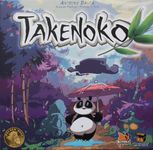
moves a certain camel um and you i said you are picking up these bets on who's going to win the leg and who's going to come second you can tinker with things such as making camels slip up or push them forward and it really is a game about weighing up the probabilities and the odds and who's gonna you know who's gonna be likely to win the leg based on what's available to you at any time very tactful but you can kind of take a bit of a punt and hope who's gonna he's gonna win the ultimate leg for big rewards a lot of fun quick engaging turns and you know for a 20 minute game it's actually works extremely well and i i think it's probably one of the best family weight games out there i i have played this game a lot over the years and i think i'm at a point now that i don't really want to go back to it but still stood up way stronger than a lot of other games of this week category and certainly again you can introduce to bigger game groups again you can sit back and just enjoy the race that is camel up next up i have takanoko which is a gorgeous looking game this one you are trying to maintain this garden this kind of oriental garden with all these different bamboo shoots and you are going to score points on three different objectives so first off is going to be a kind of a gardener's objective where you want to grow the bamboo to certain levels so you've got i think it's three different colors of bamboo and it might you might draw an objective card that says you know you score x amount of points for having all the bamboo also all the pink bamboo at say a level three or or things like that also at the same time you've got a panda bear who's traveling around the garden and gobbling up the bamboo and you're
going to score points based on how much or how what different types of bamboo that the panda is eating and alternatively you are adding towels to the board because you've got these big i think they're hexes and trying to create different formations of garden in order to score points that way and it really is a game about trying to manipulate the bald state in order to score your objective cards and as the game develops and the map expands and expands you you know you're growing more and more bamboo but you also have to um irrigate that land as well because if if you haven't got water flowing to that land then the bamboo isn't going to grow a real nice family game with some quite interesting decisions there are different ways to score different strategies to go down but ultimately while i think this is a really well executed game i think i have i have a slight problem with the the way that the game scores i don't think it's completely balanced i think the panda is a slightly better way of getting points it seems like a minimal effort way of getting points so that's that's where it kind of falls down for me but still i think for a half an hour game it it works well and people want to enjoy the visual aesthetic and table presence of this game it just looks beautiful it flows well and it's a real cool fresh theme as well that's takanoko next up i have imotep imotec is a game that's really fallen from grace for me this one's by phil walker harding who is a designer i think is an excellent designer this one you are trying to uh well you
could do three one or three very simple um actions attack you're going to be getting stone onto your player board you're going to be loading a boat up with your stone or you're going to be setting one of those boats off to one of different one of four different scoring objectives so one of those scoring objectives is going to be maybe building obelisks so whoever's got the tallest overless for example one of them is going to be building pyramids where every every break you place on the pyramid of your color you're going to score a number of points uh one of them is going to be kind of have a coverage on this on this crypt i suppose and one of them is going to be getting objective cards so as you can probably tell the more you're loading these boats up people are going to start manipulating the ball to send you to islands that you don't want to go to because they don't want to get you maximum benefit from from loading up those boats and these boats are all different sizes so you've got boats that maybe only can hold one stone or ones that hold as much as four stone and whenever you sail them to a certain um scoring tile then they're going to get kind of loaded or loaded off from the front of that boat and they're going to resolve in that order so you can kind of tailor your strategy to try and get the maximum from doing that because certain spots score more points than others but ultimately for me while i love the boil down mechanisms you know one of three very simple decisions not much you know no bloat on this game really but i ultimately i found that the the decision was taking too much out of your hands from turn to turn and while people might like that you know the idea of people constantly sailing your you know where your stones are away
from where you want it to go it becomes a bit frustrating and it just becomes a bit of a game of just going through the motions and never knowing you'll always know you're never going to get to go where you want to go you can try and mitigate that by keeping your opportunity options open by going in certain spots on the boats but ultimately the the decisions for me were taken too far out of your hand and you were at the mercy of your opponents too much so um i started quite highly on this one but the more and more i played it the less i enjoyed it next up i have carcassonne which if you're watching this video you're gonna know what carcassonne is this is one of the iconic tile placement games and the game i suppose that kicked off the the meeple um the idea of the meeple and you are gonna be placing these tiles trying to expand on castles or roads and placing your pawns on them and you know the bigger you make these castles and eventually close them the more points you're going to get the same applies to the roads you can also lay the farmers down in order to score points based on how many enclosed castles they're touching uh a real nice family weight game and i think when i when i made my top 10 family weight gains this one came at top of that list because i always recommend carcassonne as an introduction to the hobby because i remember when i when i first got into the hobby and it was introduced pakistan or when i played carcassonne i was just blown away that idea of building the board as you play was just a revelation to me and i absolutely loved it i still think it's a good game now it does what it does extremely well the uh all the different expansions mean that you can tailor the gameplay to your
needs you know you can add those extra layers of complexity if you want to or keep it ultra simple with just the base game a real pleasant game and one that i can't really fault really uh yes you get points in lots and lots of different ways and yeah you are your subject of the tile draw because you know your repetition constantly getting the really juicy towels while you get rubbish ones but who cares it's a nice fast family weight gain that's so easy to play it's got a certain charm about it and i would always uh always recommend it to new gamers next up i have mammoth by queen games mama is one of the most unique games i've played in terms of how you acquire things so this one is a set collection game where you're trying to get points in different ways by having the most of things or getting points for each thing or not having the most or not having the least of something because you can lose points but the way you actually collect these resources is interesting because you take as many or all the resources are placed in the middle of the table then you can take as many of those resources as you want taking them all if you want to and then that's going to be your turn and the next player is going to do the same thing either choosing to take what's remain or take their choice of what's remaining left in the center or you can take all of somebody else's goodies that they've acquired and take them in front of you and steal them off them but taking one of the resources out and putting it back in the center of the table so there's constant jostling or exchange of the resources as the game plays on until eventually everybody's gonna settle on what they're kind of content
with at least and and then a number of points are going to be divided out but i love that key mechanism i think it's completely unique and i can't think of anything else that uses it and while i would say that yeah this is kind of a one-trick pony style of game but i think that one unique mechanism makes this game interesting and stand above your average set collection game um and yeah i i i did enjoy it well i do think you know if you play this a certain amount of times that novelty is going to wear off quickly but for for a number of players you're going to enjoy it and i think it's certainly worth checking out and i would say it is a hidden gem as well you know definitely flown under the radar and would certainly think that this would be more popular if more people knew about it that is mammoth by queen games next up i have pioneers by queen games so this is a another game that i think's flown somewhat under the radar it's a game set in the wild west and you are trying to travel around this map trying to pick up all these different pioneers trying to fulfill contracts based on these stage coaches and um you know the more you collect these pioneers you're gonna place your little um pawns down and flip those over to get points but i like the the way that you traverse the map in this game because as the game develops you can end up laying more and more train tracks and travel from space to base space to space but the networks you build are important not only because you can get points in by building a huge networks but because you can end up charging people
from using for using your your rail tracks because every every section of track that you travel down that isn't your own you can have to pay that player uh a coin which is cool i love that level of interaction and that network building um this game also has a a nice use of engine building as you have your player boards and you can end up collecting tiles which means you kind of end up getting more money each round or you can end up getting more actions each round which means you can lay more trade train track and so on so i i like the way the components are used in this game i think it looks quite nice nice quality but i think ultimately it's quite generic hence why it didn't it didn't probably didn't catch people's imaginations but i think it's a rock solid game but ultimately it was a little bit too generic to keep me going back to play it again and again i think i played this game a few times now and i think i'm done with it no real incentive to get back to it but i think a bit underrated and i think again a bit like mama people could if if this was more more publicity or more people were aware of it then it could be a bit more successful than what it is so that is um pioneers a game that again nothing wrong with it but ultimately nothing ultimately inspiring uh and finally for this section i've got sushi go or sushi go party this one is a card rafting game where you are collecting different types of sushi to score different points so it's one of those games where you have a hand of cards you're gonna pick one of those cards and pass the rest next to your opponents and
so on until you have a tablet of cards scoring points are lots of different ways so one might say you know score three points for each of this type of sushi or if you cut it through these type of sushi get x amount of points or if you don't have the least amount of these type of sushi then you you don't have to suffer a certain point penalty so all these different set collection methods and points or ways of generating points based on the different types of cards you've got but what i like about sushi go is the pure level of variability because there are so many different types of sushi and not all those sushi are used from game to game you can kind of tame the game for the type of game you want you can have a very kind of mean and punishing interactive game or you can have a real kind of laser cool kind of uh relaxed set collection style game and you can really tinker that too to what you want and for a game with a pure one mechanism game it works very well nice aesthetic to it nice bright pieces very inviting and and plays probably in about 20 minutes or so can't really fault it yes it's pretty bit light for my tastes but if somebody wants to play this and you know we have a higher play account because i think it does accommodate quite a few players then this is certainly one i wouldn't i wouldn't object to playing again one of those games i can't really fault but just isn't quite my taste because i like a little bit more to it but again more than pleasant that is sushi go party so those are uh 10 10 games uh family week games that i've played nothing here that i've got a negative thought on you know probably the best amongst these are probably sushi go
um camel up as well and and probably takanoko they're probably the best three i would put forward before the others i have on as well also classic but nothing here that gets my my shield quality or anything but um but still all pleasant games to play and more suited to family that are family groups so if you have enjoyed this video please hit like and subscribe to my channel and check out my other videos too for everyone else i'll see you next time on chairman of the board bye