Stop TRYING to innovate : The Power of Continuous Improvement in Board Game Design
Games in This Video
8 games are featured in this video — they unlock as you watch.




Transcript
in this video i'm going to talk about innovation in board game design how important is it really hi i'm adam porter i started designing card games and dice games back in 2013 and i currently have seven games on the market one of the most common bits of advice that i hear from publishers and other game designers is that publishers are looking for genuinely new concepts innovative ideas which allow them to stand out above the thousands of other games released each year but the question i want to discuss today is do they mean it and is it a sensible business approach the truth is that most games which are considered to have popularized a certain genre were not actually the first game of that type the true innovator is often forgotten so let's look at card drafting the process whereby players pick one card from their hand and then pass the rest to the next player at the table thus amassing a selection of cards to score points antoine seven wonders was first produced in 2010 and for most gamers it'll be the first card drafting game which springs to mind later in 2013 phil walker harding's sushi go took up the mantle but neither of these games was the first satoshi nakamura's fairy tale was a card drafting game released in 2004 and of course pre-game drafting was already familiar to players of magic the gathering legacy games are considered to be one of the big board game innovations of the last decade in these games players work through a campaign of separate games where the outcome of one
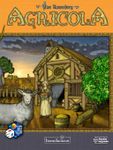
game directly influences the next the defining feature of a legacy game is that components are permanently altered as you play you write on the board you tear up cards you play stickers over components matt licock and rob davio's pandemic legacy is the most lauded example and several other games have followed but davio's risk legacy predates all of these but garnered far less fanfare one hugely popular mechanism in modern games is worker placement so on a player's turn they place a worker a token onto an action space and they gain the reward thereby blocking other players from taking the same action uber rosenberg's agricola was released in 2007 and it's probably still the defining game in the genre but william attia's chaos brought the mechanism to the attention of gamers in 2005 and the invention of the mechanism is credited to richard breese in his 2000 game key town how many people own a copy of key town cooperative gaming is hugely popular right now matt licock's pandemic was released in 2008 and it's one of the most successful modern board games pandemic is credited with spearheading the rise in popularity of cooperative gaming but ryan iknitzia released his lord of the rings cooperative game in 2000 and of course there were many cooperative games in the children's educational genre that predate that antoine bowser's hanabi was heralded as a hugely innovative new game in 2010 it went on to win the shfield as yares in this game you can't see your own cards and you
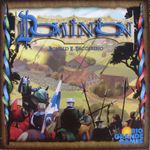
have to deduce what cards you're holding based on the clues from the other players this mechanism is implemented very effectively in hanabi but the core concept was used in alex randolph's 1985 game code 777 and that game credits robert abbott as co-designer because it was directly inspired by his 1963 game what's that on my head reggie bonner says dice forge was an exciting new concept in 2017 the game had you clicking new faces onto your dice throughout the game and rolling and re-rolling to generate more income which in turn allowed your dice to get better and better the game didn't capture quite as much attention as i expected and you don't hear much about it four years later but it's worth noting that that dice drafting concept was used previously in stephen glenn's rattle bones in 2014 once again to little fanfare there are three key examples that i can think of which leap out as truly innovative designs the first is dungeons and dragons in 1974 by gary gygax and dave arnerson the second is magic the gathering in 1993 by richard garfield and the third is dominion in 2009 by donald x vaccarino of course every publisher hopes that they would spot an industry changing idea such as one of these three but the tiny number of examples indicates how unlikely it is that this sort of innovation is just going to land in their laps although dominion was heavily inspired by magic the gathering and corey knezeka's earlier game starcraft utilized a similar deck
building mechanism dominion was the first to really take that system and make it the entire focus of a game many many derivative products followed dominion and some early examples like arctic scavengers and thunderstone were very close to the core dominion gameplay but they played up the storyline ascension became popular because it reworked that central market mechanism and the legendary series of games applied deck building to a wide range of film tv and comic book tie-ins quarriers swapped out the cards for dice and puzzle strike orleans and quacks of kwedelenburg utilized a bag of tokens in place of a deck of cards each game had its own unique feel but the core dominion dna is always easy to spot john declares mystic veil introduces acetate cards which can be layered on top of each other in plastic sleeves to create unique cards and the publisher aeg makes this a selling point often referring to the innovation on display in their card crafting system and they've revisited that mechanism in multiple games nevertheless this is really an example of iteration rather than innovation the core of mystic veil remains deck building in the vein of dominion i don't believe that being innovative is the key to standing out it's more important to be distinctive and this is achieved by having a good idea and executing it well let me know in the comments if you can think of any other truly innovative games which have had massive success in a previous video i discussed ideas and execution and the impact they can have
on sales so simply put agricola is more renowned than cales or keytown because it executed the worker placement idea really well likewise seven wonders surpassed fairy tale because of its execution not its innovation in 2015 i was an unpublished game designer i attended essen spiel with a selection of prototypes three of which went on to be published over subsequent years as my earliest designs none were created with a product design approach they came about from a mixture of inspiration and experimentation rather than being designed with an end user in mind i talk about the product design approach to board game creation in one of my earlier videos two of those designs picoco and throne are my most innovative games yet i was a fan of trick taking games and i was also enjoying lots of small dice games at the time and i decided to experiment with creating a hybrid of the two genres i would create a trick taking game which used dice instead of cards now i never stopped to consider whether this was a useful product or something that players were looking for i just knew that it excited me and to my knowledge it had never been done before wizkid's licence thrown and the following year schmidt spieler released a trick-taking dice game called skull king the dice game it was very poorly received and while the game was very different to mine it was the first indication that this might not be a style of game that gamers were looking for ultimately despite the innovation in my game it never really found a market there were two potential markets i had in mind trick taking fans and dice game
fans but in reality dice rolling isn't really a genre that players attach themselves to the best dice games are casual affairs likely to be picked up by families they're not generally as complex as throne which features changing rules in each new round unfortunately the trick taking fans weren't all that enamored with the game either the increased randomness brought about by rolling handfuls of dice didn't appeal to those players and it turns out trick-taking gamers are quite particular about their tastes some of these players will have been playing trick-taking games with their families and friends throughout their whole lives and they will have very set ideas in some european countries trick taking is almost like a national pastime my point is the innovation in throne did not bring commercial success i was inspired to create picoco while watching a video review of 2013's bomb squad by dan keltner and david short this was another game utilizing similar mechanisms to the then recent spieldes yares winner hanabi in picoco you were once again playing a trick taking card game but you couldn't see your own hand of cards now that was a strong hook and publishers bought into it when i pitched the game picoco had a strong visual appeal this caught the attention of gamers and other industry folk the game even won some awards ultimately the game sold okay without setting the world alight but as with throne some of the traditional trick taking fans were a little bit turned off by the sub-version of their favorite mechanism but brain games executed the idea well and it managed to overcome some of the
hurdles as a result if you look at a few of the titles which have had great success over recent years we're talking wingspan everedell terraforming mars you'll find that none of these games are truly innovative they all have fun engaging gameplay building on well-worn mechanisms without straying too far from that beaten path and they all have great themes with appealing artwork and components the designers and publishers of these games have recognized that real success comes from understanding your customer and giving them what they want rather than creating something unfamiliar and unintuitive just so you can say that you were the first unique experimental design serves to push forward an art form or a craft but it doesn't always translate to commercial success if an idea is too out there it's going to be harder for a user to adopt consumers are looking for convenience not products which create a burden or add stress into their lives a slight twist on a familiar concept has fewer barriers for a new user there's a reason why toys repeatedly use the same worlds dinosaurs trucks fashion role play yes it's been done a million times before but for each child this new product may be the first time they've encountered a toy from that world you don't have to be the first you need to be the most prominent current iteration this is equally true in board games the lifespan of most board games is one to two years before they essentially become a forgotten title with the final copies being removed from the game stores only
a handful of titles each year surpass this and have a longer life or may even become evergreen titles when a new hobby gamer encounters your worker placement game it may well be the first that they've ever experienced and every other similar game which has gone before is irrelevant to that user 20 years ago i was an actor in an improvisational theater group and one of the mantras of the storytelling guru keith johnston was be more boring if the audience anticipated a particular plotline and you sidestepped it by giving them something wacky and original and weird you'd throw them for a loop the audience is appreciated familiarity it's the reason that all fairy tales follow a predictable pattern i would encourage board game designers to focus less on out thinking their peers and more on executing their products brilliantly be more boring trust that amazing gameplay comes about by iterating on existing concepts setting aside the gameplay mechanisms i would fully encourage publishers and designers to be innovative with their presentation their theming their components their marketing their packaging their communication the beauty of elizabeth hargrave's wingspan is not that it's innovative it's that it's gloriously masterfully boring it offers players something familiar and accessible in an incredibly distinctive and attractive package as a designer that's my goal iterate on and improve existing concepts and you
never know a moment of inspiration might just offer up the next dominion or magic the gathering but if you strain and strive to achieve this if you make innovation your goal you're probably going to try too hard and i suspect it'll never happen anyway thanks for watching please subscribe and i'll see you next time