Broken Meeple Podcast - Episode 111 - How To Teach Board Games
Games in This Video
10 games are featured in this video — they unlock as you watch.




Transcript
You're listening to the Broken Mele Show, a podcast that speaks passionately about board games for the benefit of those who play them. My name's Luke Hector, best known for the Broken Mele YouTube channel, and I'm an everyday gamer just like you. And I'll be talking about reviews, top 10s, and just about anything that connects me to board games, as long as I have a tea or coffee in hand, that is. So, grab a cup, relax, and enjoy. And remember, it's only a game. Hi everybody, Luke Hector here for another podcast episode. Uh camera's a little bit uh wonky there. All right, let's have a look. And hopefully the laptop will stop quietening down a bit with its fan noise going off like crazy. But yeah, this is episode 111 on Saturday, 5th of April, because I think I've got a bit of a full Sunday ahead. I mean, I'm going to go to a games afternoon at a local club cuz I haven't seen them in a while. And then when I get back, I've got evening games with the mates and I want to go to the gym because I didn't go today because I did a 10k run yesterday. So, I'm squeezing quite a lot into Sunday as it is. So, I thought, well, let's just record this one in the evening on Saturday and then at least I can have it ready to upload on Sunday, which shouldn't be too difficult. Now, this one, as I keep saying, probably won't be as long an episode, although I say that a lot and then go off on tangents. So, we shall see. But there's only so much I need to talk about on this one. So, general updates. Uh, not much to say really. I mean, I'm still seeing um chiropractor over the neck thing, but it has been
getting better over the last month. So, what they're doing is uh doing things quite nicely, and that's coupled with probably an effect of work being a little bit less stressful these days. You know, the the worst has happened. Things are starting to mellow out a bit now. And if things carry on at the rate they're going, things will resolve themselves in a couple of months. So, you know, things are the things are on the uphill stretch, you know, and that's what I'm kind of hoping will continue as we carry on, you know, into April. And also, April and May are my favorite two months of the year, I feel, because the I mean, firstly, I had my birthday on Friday, so you don't need to wish me a happy birthday in the comments. That's not necessary. But, um, it's was 41 yesterday, so I didn't do much for my birthday. I just basically had the day off work, chilled for the day, played a bit of Boulders Gate free, learned uh some uh new games I'd got like uh you know, Life of the Amazonia. I learned so I've been playing that solo today. Put up my initial thoughts on Instagram, so you can have a look at that. Um but also just watching some anime. Caught up with a Devil May Cry, you know, the one on Netflix. I finished watching that. Put up some thoughts. It's decent. It's fine. Yeah. I mean, it's not amazing, but it's fine. Um, and also watched a bit more of Frier. I think that's how you pronounce it. Frier En the Journeys End. It's one It's an anime that's been watching getting a lot of awards and I kind of wondered why because nothing about the trailer made it seem like it would be anything that fun. And it started off a little bit slow. It's a bit of a slow burn, but eventually it
starts getting better and better. And now I'm like into it. It's like, okay. And it's not because of like massive high-grade action or anything. There's not a huge amount of action in this show at all. There's like some of it every now and again. It's fairly brief, but the I think what makes this one is firstly it does look gorgeous. It has got very nice animation in it, but it's very humble. It's not trying to be anything like pretentious or anything. It's it's just got these very cool, very nice characters that each are very distinct. Each have their own personalities and backstories and complexities about them. But it also goes on a little bit of an existential um approach where, you know, the main character is an elf who lives for thousands of years. You know, they can live for ages. So, she's been with some companions, a mixture of dwarf and humans, obviously outlives them while they all age and die and all these other previous things. and she starts kind of appreciating more the concept of spending time with your friends and not taking them for granted while also going back to places she'd previously visited on one of their ex excursions and kind of making amends for stuff or saying look I promised I'd come back you know how can I help that kind of thing but the world feels believable it feels like an evolving world because everything else is aging you know I mean there might be a time gap of like you know several months that passed but then you know by the time she's traveled to somewhere like I'm just going to go off and quickly do this mission and I'll be back soon. It's like 20 years have passed so everything else has changed within 20 years, but to her it's a blip.
So, it's got some cool elements there. And mainly it's just it's written well written well. You know, the the voice acting is good in the dub and the dialogue is interesting. You know, in the slower scenes, I'm interested in hearing a conversation. So, I'm getting more and more into it and I've enjoying it up to where am I, like 3/4 of the way through season 1, I think, maybe 2/3. And I hear there's a second season I'm going to watch. I was like, "Oh, blime me." It's going to take me a while to get through it. But I mean, enjoying it. So, uh, yeah, all pretty good there. But otherwise, yeah, health-wise, general, fine. Everything else fine. But April and May, as I said, is also good because of the four day weeks because I've got I had a 4-day week for uh first week of April because of my birthday. Uh, I've got a 4-day week this week because I'm going to Handycon on the weekend. So, I will see a bunch of you there hopefully.
Uh, then after that, we've got Easter Good Friday. And then after that we've got Easter Monday. And then like two weeks after that we've got, you know, May Bank holiday. And then another couple of weeks after that we got another May bank holiday. We've got a lot of four day weeks. And that's assuming I don't take any holiday off around Easter, which I'm tempted to do because you take eight days off work. You get 16 days off though because you only take eight days of holiday. But because of all the bank holidays and the weekends, you're effectively off for 16 days. It's very tempting to do, workload permitting. But I've got nothing planned. So, would I just be sitting around doing nothing but playing board games solo and playing Boulders Gate 3? I don't know. But, you know, it's an idea. But, yeah, it's just generally it feels more like a relaxed period for me, April and May. So, I do like it. It's probably my least stressful period of the year, you know, for a lot of reasons. Um, but yeah, looking at what I've done on the channel, so since last episode, it's only been two videos.
Yeah, sorry about that. Um, I mean, I've been busy. I've had a lot to do. And, um, one thing that's not helped with that is the fact that I've been doing some longer videos. So, you know, Dinus, the spoiler-free review that's gone out, which has got a lot more views than I expected. I thought Dinus wouldn't get any reviews at all, but sorry, any views at all, but yeah, 3,000. I'm not going to complain. Um, I'm finally done with that um game, quote unquote. But, uh, yeah, here are my thoughts on that one. And then recently, I did a top 10 list, top 10 games spoiled by too much bloat. Most people are enjoying it. nearly up to 9,000 views, 95% um uh retent, you know, acceptance rate. Some people have not been quite getting the point of the list. I have noticed um you know, sort of going it's like, well, this is mostly like on you, isn't it? Cuz you bought everything. It's like, well, duh. Well done, Captain Obvious. Yeah. You know, but there's a bit of both. There's partially on me for buying all this stuff and then realizing that this actually spoils the game having all this stuff, but it's also partially on the publisher because they make a lot of this content. They don't think, well, maybe I should stop making it because it's just going to make the game worse if you have it. And do do these new expansions allow for easy integration?
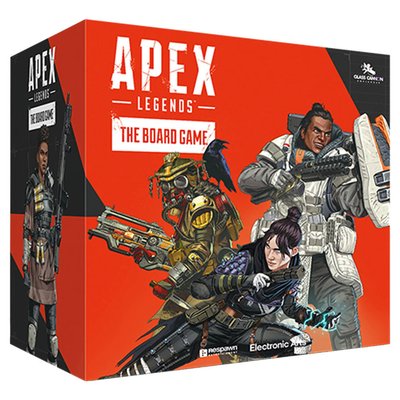
Do they allow for new players to jump in? Are they ever going to get played by people? Publishers have a thought process with this as well, as well as designers, you know, who should be thinking, well, hang on. Is my game a little bit bloated already? And now I'm trying to add in another six mini expansions. Isn't this a bit much? So yes, it's partially on me do, but it's also partially on the publisher. So the list still has merit. It's not misleading or god knows what else, you know. And this is from this is a minority. I mean, trust me, most people have been getting the point and enjoying the list and showing sharing some of their thoughts in the comments as to what games they think got ruined by bloat. It's been an interesting read, but you know, there's not not a lot of reviews to do at the moment. And as I say, I've got Wondrous Creatures nearly ready for review. I've got Life of the Amazonia currently being played, and you know, we're not allowed to talk about it in much detail until late April, but I do have Apex Legends on my shelf. But the problem is that's going to take a while to um get played cuz it's a bit of a mammoth game. I mean, I'm trying to think when I'm going to get an easy time to do that outside of solo mode.
Although, oh blime me, was it a nightmare to put together in storage. You know, I'll be commenting on that in the review, I'm sure. But yeah, suffice to say, unboxing it was not fun. Let's just say that. But yeah, there's only so much on the horizon. I mean, I haven't even thought about the next top 10 list. Um, you know, see what else there could be. I mean, I've had a few good top 10 ideas from people, so I'll see which one of those could fit. Uh, there is another video I'm doing, though. I'm resurrecting the best and worst series. Um, because I never wanted to put it to sleep. I just Well, I never wanted to get rid of it. I just had to put it to sleep because of the top 100 and Essen, but those best and worst videos were still popular and they're still good. So, I've recorded one for Garfield Games cuz I realized I hadn't done one for them. So, that one I will edit and bring out as soon as I can to, you know, add a little bit of variety. So, yeah, not a huge amount since last time, but thank you for watching nonetheless. Okay, so a game I've played recently, Shake, Battle, and Roll. Never heard of this one before, but when my mate told me about the theme, I was instantly intrigued. This is called Inferno. It's done by Red Mojo Games.
Now, Red Mojo don't have a great track history, it must be said. I mean, they're based in Spain, and the main game that they've made is Tindaya. So, Tinda was a game that came out on Kickstarter. It had a cool concept, you know, a sort of uh co-op mixed with spirit, you know, a kind of spirit island mixed with uh I don't know, some a civ game, Mauders or something. I don't know. But it had some cool ideas to it. But unfortunately, the execution was very fiddly, very messy, and I just could not get into it. It was just a smores board of rules, lots of like ambiguities everywhere, and it just died a painful death. I mean, who do you ever see playing it? So, that was a bit of a let down. question is, is this one any better? But this, you know, for for the theme already, certainly it's got my interest. And very interestingly, it's got 666 hearts. That cannot be a coincidence. But, you know, with Inferno, this one is about a soul management. So, the idea is is that you've got the whole whatever boring Renaissance Italy or something like that, but it's kind of like a Dante's Inferno type thing. So, you're basically fing souls through hell to get to various circles of hell in order to gain victory points for whatever reason.
Yeah, the theme kind of goes away at that point. But it is quite a cool little game this one. I was actually very impressed. You effectively have, as I said, all these like different soul meles and, you know, a few locations you go to with workers from your board and you can get more workers. So there's worker placement, but then there's also this little management system where you f in the souls from the top row uh that you can see here, the outer layer. And then your actions involve you moving a soul through hell, so through these like chains, and the symbol dictates which locations you're allowed to visit for the round. So you are restricted in what worker placement you do. And then when they get to their particular circle of hell, so blue reaches blue, yellow reaches yellow. They lock in place. They'll score points at the end of the game based on these tracks here at the bottom that you've leveled up during the game by various means. And you've got two different types of uh currency. One that works above ground and one that works in hell. You have to kind of convert between the two. It's a very colorful looking game. I like the black background with all the colored tracks on it. And I had no idea what to make of this. I mean, some of it looks cheap.
You know, this little player board here is cheap as chips with this tower you build and stuff like that. So, you know, it's not all good, but the board looks great. I think the board is a really nice look. And you've got two guardians that go through hell and have special abilities. These are different every game, so that's really cool. The locations don't change up sadly. you know, that is generally a constant. But, you know, there's a few other things like like what the track bonuses do and stuff like that that do change up every game as well as what cards can come out that you use in order to get endame scoring bonuses. I can't say much more than that, but one thing that this had going for it that I really liked was the fact that it was very interactive with other players. Not like, oh yeah, I'm going to completely screw you over, although that can happen. It's more the fact that this hellboard here is a very good sense of interaction because you are moving the souls down as part of your turn. Different players want different colored souls to get to different points. So, you have to be aware that what you're moving could be hindering or helping some other player.
You've then got the guardians that can come around and start sort of messing things up. The different you've only got a couple of like, you know, four symbols for the actions that you've got on location. So you might do an action with a me pawn and leave the next player with very limited actions that they're allowed to do. So everybody is influencing this aspect of the board which means there's a good amount of Euro style interaction. It's not simply a solitire game. You need to be mindful and you know you have to take account of tactical opportunities when they arise. So I was pleasantly surprised by this. Now, there are, you know, one or two little balance issues I'm thinking about some of these tracks. You know, are some tracks better than others? But the fact that you can change up what bonuses you can get from them should, you know, make up for that because you'll end up with, you know, a much different setup as a result. Um, it's also one where you kind of have to do a bit of everything. You can't really specialize, which is a bit of a shame. Like I tried to at the start specialize a lot in those um agents or customers or guests, sorry, that you bring to your tower, but it turns out that that's actually a mistake. The guests are only so seldom useful and you don't need to munchkin them like crazy.
Really, you need to get those barrels. Those barrels not only give you special um bonuses and point scoring off your player board, but you also need the barrels in order to play a lot of these cards that score you points for like endgame stuff and get you instant bonuses and stuff. So, I mean, these are deluxe pieces that I'm seeing. I don't think my friend has the deluxe pieces. He's got a bit more sense than that. But, you know, I do find that, you know, some of these cards that you play are pretty damn useful. And I think barrels are just infinitely more useful than uh than guests overall. It just seems to be clear as day that way. Not to say that you can ignore guests entirely, but yeah, you can probably just get the odd guest or two, but you really do want to get these barrels and utilize them because I think munchkining the cards is just an easy way of getting points. I came second, you know, so I did pretty well despite making that mistake. But a lot of that came down to some very tactical utilization of uh souls that were in the game and being very good at the endgame scoring which meant that you know where I'd leveled up my skulls on some of these tracks I was on tracks that did pretty well. So there was that aspect but the fact that I had so few of those cards in front of me really did hinder my ability to do much in the endame. So yeah you cannot avoid those.
But yeah all all in all this is a solid Euro. You know, I think Tindala was a bit of a dud, you know, a bit of a mess. This one feels good. You know, there are some ambiguities with some of the rules, but, you know, we I don't think we froze up too much. It's produced for the most part pretty well for what it is. You know, it's a good good thinky euro. You know, probably a midweight euro, I would say. I wouldn't call it heavy. I'd certainly say it's midweight. Um, but the interaction between players does mean that you do need to plan a little bit and think ahead. So, there is quite a crunchiness to it. I was impressed. I didn't know what to think. The theme intrigued me at first. Then I saw it being played and I thought, "Can you teach me this game? That'd be great." And I just realized I'm actually on my uh my normal farmer, my normal um uh BGG page, and I rated it a seven. So, yeah, I do think it's a seven out of 10. You know, that is what I would give it personally. It could go up to an eight with more plays. You know, try out some of those variable setups and see how they were. But all in all, I was like, "Yeah, this is a good game. If they want to play it, I'm up for playing it." So, all well and good. All right, let's get on with the main topic of the show. Nice and early. This one comes from Lin Mast.
I don't know if it's a Mr. Mr. I'm probably pronouncing that entirely wrong, so sorry about that. But this is one of our Patreons who has suggested this topic. And granted, yeah, other people have mentioned this like long ago and I've just never really got round to trying it, but I figured now was a good time. So, I brainstormed a bunch of ideas and we can finally talk about tips for teaching games. So, you know, I teach a lot of games. I do not prefer I do not proclaim myself to be the best teacher ever in board gaming. Okay? There are some people who are better at it than me. There are going to be a lot of people who are worse at it than me. It's it's just a case that you know and some sometimes it will also come down to the style. Sometimes my style of teaching will not work with you regardless of how well I could teach it. You know I find it very difficult to teach a game to somebody who can barely learn a game without reading through the rule book themselves. Like they don't like it being explained to them. At that point I'm kind of stumped. And I have a friend who's like that. You know it's very difficult to teach her games for that reason because that's not the way I teach typically. So there is other factors that come into it. But when I teach games, these are things that have come from experience where I've utilized these like little tips and sort of ways of doing things. And they may work for you, they may not. But regardless, hopefully you'll take these to heart, understand why I do them, and then you can come up with your own ways of doing it or recycle some of these. You know, I honestly don't mind. But I'm not going in any particular order from these. I
literally just brainstormed a bunch of them. You know, I've got like uh I don't want to show it, but yeah, I've got there you go in the corner there. Tips where I literally just brainstormed a bunch of bullet points and we're just going to go from there. So, first one on my list, patience. Patience. Have some patience. You know, and for someone like me where patience is not a particularly big virtue, this is a big one to deal with. You know, you are dealing with people who learn at different rates, who learn with different styles, who are used to certain games, not others, who have had less experience than you with gaming. Quite likely, you need to be patient with everybody when teaching a game. And if you start being aggressive, even if passive aggressive when you're teaching rules, this is just a good way to put people off the game you're even trying to teach. It will limit their enjoyment. It completely limits your enjoyment because all you'll be thinking is, "Oh god, I got to put up with this all game." And it just sour the mood.
And people who are very good at reading the room or very empathic, like emotionally empathic, I like to think I've got a pretty good um like emotional read, then yeah, you tend to cause more problems than you solve by not being patient enough. If you know somebody's a bit of a slow learner, take your time and bear with them. If you know somebody learns by a particular style and it's not the same as yours, you know, as I just mentioned earlier, again, find a way around it or just take your time. You can't rush these things. You need to if you're going to teach the game, particularly a heavy game, well, so, you know, be mindful of that. If somebody likes to ask a bunch of questions, it can sometimes be a bit frustrating, especially when you feel like you've just explained it, you know, and but you've still got to be patient and just answer the questions. except that some people need to ask for more examples.
Now, of course, that's not entirely on you per se. I mean, if you are diddling around on your mobile phone or easily distracted by other people and you're not paying attention and then you start asking a bunch of questions, then you kind of deserve everything you get. But, you know, if somebody is teaching me the rules, unless I've got like an emergency appointment on my phone or like somebody calls me to buy something, get a Brin and buy, in which case I do apologize profusely for the interruption, I will shut the hell up and let the person explain the game because they are trying to teach me something and I need to be giving them my full attention. It's, you know, just a thing to deal with. So, this isn't so much a tip for how to make the game easier to teach. It's a tip for how to manage your own personality and you know how you come across as a teacher you know and you know kids you people who teach kids in schools have to adhere to this. When was the last time you came across a teacher that was really impatient and just like flared up at a moment's notice whenever a kid asked a question. How many of those do you find to be successful teachers? You know there is definitely a way of doing it. even line managers like at my line of work uh when you've got a junior underneath you. You got to be patient with the junior and you know sometimes they'll learn like that, you know, no problem. Sometimes they need a bit more time. Sometimes they make mistakes.
Yeah. Got to deal with it. You got to be patient. Okay. Next on my list, I wrote down lead by example. when you're regurgitating a bunch of rules, um, you know, regardless of how you approach that part, a lot of people, including myself, learn better by having examples played out for them. It's kind of a bit like when you compare like the university times when you uh when you learn by lecture or seminar. I always learned better by a seminar and then I did a lecture because a lecture is just droning on facts at you. You may absorb them, you may not. My memory recall is not good enough to be able to deal with that. But when we go to the seminar and we start doing practical examples and discussing them, then it starts sinking in whether by repetition or just the fact that I'm seeing it played out in front of me and that makes more sense.
You try and explain to me how to wire an electrical socket or you try and explain to me how to, you know, tweak a couple of settings like reset my boiler or something. I I was, you know, told how to do that. I can't remember how to do that now. I need to be shown how to do that and I need to actually do it myself. Otherwise, I'm not going to remember DIY stuff like that. And the same can go for board games. Whenever I'm teaching a game, if I'm explaining something that I know is probably a little bit harder to grasp than usual, like it's not comparable to other things or it's not a rudimentary rule like teaching your grandmother to suck eggs. If I've got the pieces near me on the table, grab some of them and show. If you're trying to explain what cards are like, then show them the card. Show them a few examples of the cards and point at the specific bits you're trying to explain. If you're trying to explain how uh you know, like Cascadia, you know, let's take Cascadia for a nice easy example. You know, you're trying to explain how the turn sequence works. So, how you take two things from the display and how the co the acorns or pine cones, sorry, let you take two others. Why not just show the example of how that works rather than just explaining it? And you know, when you're trying to explain the scoring effects of the cards, yeah, the cards have got it written down on them, but why not show a practical example on your little tableau in front of you with a few tiles and a few tokens just to show what it means when it says that these birds have to be spaced out and have line of sight. You know, what does the line of sight necessarily mean? You
know, you know, explain how the foxes work, which are always a little bit more fiddly. show a pattern for the elk. You know, these sort of things, you know, just trick people's minds and as soon as you see it happening, you realize, okay, so that's how it works. And this can solve a lot of the questions, you know, people don't need to ask a lot of questions when they've seen it happen. And I will always try to lead by example with a lot of heavy games, you know, while I'm teaching it. And this can be for something like Arn Nova, Hijgemony, Inventors of South Tigris, you know, all of those have got fairly complexy rules to them. And if you've got an example to show how it works, then even better. You know, just play around with the components in front of you. Some people like learning from videos like um you know, I want to support the right people, but you know, if people some people like seeing playthroughs like from Paul Groen and such uh you know, and and by and various, you know, other channels are available, but you when you see it played out in front of you, some people learn nicely from that. Now, I personally don't learn a game very well from a playthrough alone. I kind of need a bit of both. I, you know, if I'm learning it myself, I need the rule book and a example laid out in front of me.
If someone's teaching me the rules, then I need examples shown to me, but watching three or four other people play a game and try to stay engaged doesn't really work well for me. All right, let's move on to the next one. Uh, well, I mentioned about regurgitating a rule book. Don't do that. Don't do that. Oh my god. I mean, if I if I find out you're going to teach it by regurgitating the rule book verbatim, and I know this before we sit down, I'm leaving. I'm sorry, but that is not how you teach a game. That is worse than a lecture at university. That example, because you are basically just droning on at the person reading something that isn't typical like human speech. You know, people don't talk like a rulebook.
They talk with, you know, shortcuts. They talk with slang. They talk with other, you know, things that affect them. You cannot just copy what the rule book says and expect somebody to learn it. And I have had games taught to me in this fashion. And oh my god, it is horrible. It is a horrible experience to be taught a game like that. It pretty much means guaranteed that I'm just never going to get it. You know, because you know, you're you're explaining word for word. I've got to remember a novel that you are telling me. Rule books are meant to be turned. You know, you you can read a lot of words and read all the examples, but if you're trying to explain it to somebody else, then you you have to take shortcuts. You have to know what is worth saying and what isn't worth saying. How many lecturers, you know, who teach you at college and university literally just read out the science textbook on quantum physics when they're trying to teach you it? No, they don't. They find a better way of explaining it that they reckon people will understand. And the same goes for this. Seriously, if you feel you need to teach it by reading the rule book for Baton, then you haven't learned the game well enough yourself, and that was already a red flag for me that this game ain't going to go well. So, don't do that ever. Seriously. All right. Um, now this one may seem a little harsh, but bear with me on this. Pick your players wisely. There are some people out there who I get where they're coming from.
They want to be super inclusive and they want everybody to potentially to come into their game and have fun. The problem is not every game works for everybody. And there are some times when you need to put your foot down and make a decision that certain games just will not work with people. And it gets on my nerves when these people usually tank a game by at the last minute going, "Oh, we could bring this guy in here. Let's explain how this works. Yeah, I'm sure you'll like it. It'll be great." And it's like, "No, don't do that." H I've had so many games tank for this because firstly, you might bring in a player who doesn't get these types of games. You know, like you've just gone, "Right, we're trying to play Art Nova here. We've got three of us. I feel like you two have played heavy games. You can do it." And then you bring in somebody else who's never played a tableau card game in their lives, and now you want to show them Art Nova. You know, suddenly the game is going to tank as a result of that. But also, a lot of games don't work with the maximum number of players or they're better with less. So, by you trying to fill in every single slot, you're basically risking tanking the game in itself. So, what's this got to do with actually teaching a game? Well, because it it does sound a little bit counterintuitive, doesn't it? Well, you if you want to teach a game effectively, you also have to know which people you just physically will not be able to teach this game to. You know, there are friends of mine who play very light games. They play light games. They don't like absorbing a bunch of rules. My parents, for example, cannot play complex, heavy games. They're in their 70s for crying out loud. You know,
they're retired. They can't handle heavy stuff. I mean, I tried to teach them wingspan and that was too much for them. So, we play simple things like Splendor, Sushi Go, Ticket to Ride, Cascadia, you know, we play those sort of games together. I wouldn't for the life of me try to teach them a heavy game. Like even wingspan was too much in them. Imagine if I tried to teach them Wormspan, you know, the the heavier version. That would just totally not work. And you know, I know that I don't try to teach them these games in the first place because you won't be able to teach them these games. They won't be able to handle it and it will, you know, they won't enjoy the games. They'll just think, "Oh, this is too much for me. I'm just going to do something else. You know, I can't be bothered with this hobby." It does happen. I've seen people be put off the hobby because people try to teach them like so much too soon. We had a problem with work with this where like you know we were teaching students pretty much everything to do with tax before they were ready to even get life skills. I mean the current generation of children are lacking on a lot of life skills that you just don't learn in school anymore or ever really and suddenly we try to bombard them with all this technical knowledge and it's like we trained for years and years to be tax professionals. Okay. My chartered tax qualification did not come in mere minutes. I had to work my butt off for it. You can't turn a teenager into a qualified tax professional in the space of a month. I know HMRC likes to try and do this, but that is not how it should
work normally. And the same goes with board games. You have to work people up to it. And I had a situation at the last convention actually where I was playing Civilization, a new dorm and I had two friends that I knew from Southampton on board and we were playing it and that was fine and well sorry we were about to play it and I thought well we could get a fourth player because it does work nicely with four but uh nobody seems that interested. I saw one person walking around and I thought well okay let's just test the waters. Let's see if they feel they can hand it. So you ask them a few questions like what kind of games have you played? What do you tend to enjoy playing? and what kind of and stuff like that. And I've worked out from the conversation that generally he only played really light games, didn't really much care for civilization games and was a little bit nervous about the prospect of learning all these rules.
And I thought, well, okay, free flags there. Tell me this game is not for you. So, I don't try to rope them into the fourth seat and force them to play because I know that teaching them will be a nightmare. We had a similar thing with a hijgemany where like you know we had three of us and somebody was desperate to bring in a fourth player and but the point is that fourth player struggled to get a bunch of the rules you know wasn't a massive fan of the game by the end of it or something and it's like maybe you should have just let us play a free player game where we could teach like new play like teach you the few rules you're missing but trying to teach a geminy from scratch for somebody who's not used to that type of game is going to be a hard teach in itself and even then I wasn't the one teaching the rules in that game. Somebody else I knew was and they tried to teach it in fast mode. You freaking dare try to teach a geminy in fast mode.
It doesn't work. So, I know that sounds weird and it's not necessarily a tip for teaching, per se, but it is definitely something to be mindful of when you're about to teach a game. You know, know the players that you're trying to teach it to. And you may think, well, isn't the whole point of having a heavier game with people who are not used to heavy games that you can then teach them and make them into, you know, make them enjoy heavy games? Possibly. Yeah, that that totally makes sense. But you need I feel my personal opinion is that you can't just jump them straight from one level to another. Okay, I learned basic algebra in math at college or something. You cannot then teach me quantum physics. It doesn't work like that. You know, you got to ease them into that situation. And I think that some people just like to skip a few stages and overestimate the capabilities of people.
You know, perhaps that's maybe that's a fault of my own that I tend to underestimate the capabilities of people, but I'm aware of my own limitations. So, I have to accept that other people have them as well. You know, that's just a weird one for you. Right. Uh, next one. Now, I have been guilty of doing this at times, and the more and more I've done it, the more and more I've been like, "Yeah, maybe I shouldn't really do that anymore." And that is ideally unless you are teaching like veterans of gaming, probably avoid using other games as examples to explain your rules. And um I can probably pull this picture up now because I have tried to do this on a regular basis and I keep making this mistake and I am now at the point where I'm like totally stopping doing it. Wingspan. Um, how many Tableau card game builders are there these days where you put cards in front of you and it's nature themed and you look for tags on cards? Okay, we got Wingspan, we got Earth, Arn Nova, Terraforming Mars has you getting icons. Um, I said Arnova already does. Earth does. Um, you know, I've got a couple of nature games here.
Life of the Amazonia and Wondrous Creatures, you know. I mean, Wondrous Creatures is a perfect example. You know, that one has you building up a tableau of cards. Uh, what was it called? Not not Ricochet Robots or something robots. Raising Robots, I think it was. Yeah, I think I reviewed it last year, January. And that's a tableau card game. And it has similarities to Wingspan. A bunch of these games do. But I've now got into the habit of stopped trying to use Wingspan as an example to explain the games. I mean, yes, you can you can explain a fair bit of Earth if you are familiar with Wingspan. But more often than not, when you're teaching people, you're going to have somebody who doesn't know the game you're referring to. And it's a bit of a put off for them because they think that they've missed out on something rudimentary that they should know, and all you've done is just make them think, "Oh, was I meant to do some homework before this?" Or, uh um I mean, am I am I sitting on a table full of people who clearly know a lot more than I do? It's like, it can put them off. It can be a bit of a nervous uh tension there. And I've now just got to the point where I stopped doing it. You know, look, okay, I'm, you know, if I get a nature card game, like when I'm teaching wondrous creatures at the moment, right, I do not refer to other tableau card builders. I do not say much like Wingspan you do this, or much like Earth, you do this. I just teach the rules as they are. If somebody in the group has played these other games and they say, "Oh, like this," then I can say yes. I can confirm their understanding, but it's a separate deal.
It's not the same as me expecting too much from the people in front of me because a lot of the times I I've said this like comment and either everybody looks at me blankly because they've not played the game before particularly if they're like gamers or one person maybe two out of the four of us recognizes the game and the one poor person who's very who's a bit newer to games doesn't know what I'm talking about and then I've got to tell them the whole rule anyway. So unless you have this pitch perfect scenario where the three people in front of you for example in a four-player game have played the rule have played the game that you're going to use as an example inside out and back to front then why bother trying to use it as an example anyway because most of the time it will not be the case and you're just wasting your breath at that stage. So, just don't bother using another game as an example. Maybe unless it's a direct sequel, like you could say, I mean, I mean, you could have done it. Well, I don't know. Scythe expeditions pretty much just nicks the theme out of Scythe and that's about it. But, but, you know, if you had a similar rule between Scythe and Scythe Expeditions, you could try something like that. But, if it's a very different game, very different IP publisher and that, then stick to the game you're trying to teach. Don't keep trying to bring in all these others.
Okay. Uh, this one is more of a general teaching tip. Uh, take a breath because there are people who have taught me the games where I swear they're on autopilot and don't understand the meaning of a full stop, you know. So, it's trying to explain a rule in such a way that it would be, you know, just basically a smorggas board of text like trying to be taught by Johnny Fi from Short Circuit or something. I mean, you know, there's a difference here. I look at this description here of the game and it's clearly got full stops and everything like that. But there are some people I have found who can teach a game basically like going wingspan is a competitive medium weight card game engine building board game for snow Mario games. It's designed by leaders of hardware and features 180 birds who are bird enthusiasts re researchers bird watchers gain food tokens lay eggs and egg miniatures draw from hundreds of you know yeah it they can just keep going and going without actually taking a breath. stop every once in a while, you know, take a breath and see if your audience is still there. Because while all the time you've been regurgitating stuff, you know, at hypers speed, like the the guy from the Micro Machines advert, you know, yes, that worked as a funny commercial. It doesn't work as a style for teaching board games. It you want to know that your players understand what you're talking about. So feel free to not only learn how to have a full stop and take a breath, but ask them if they're cool with that.
Particularly if you've explained a complex matter, you know, just ask everybody cool with that, right? Go. And you may get the occasional really nervous like introvert or something who isn't used to saying, "Yeah, I'm stuck. Hang on." You know, I'll hold my hand up or say. You know, some people are a bit nervous on doing that. And that can happen. It's just an you know, it's what's the word? Um what's the phrase? occupational hazard that you have to contend with. But for the most part, you know, just just check, you know, particularly within gamers, you know, I've explained how all these four different actions have worked in, let's say, well, let me get it on the screen actually. Uh, Inventors of the South Tigris. There's quite a bit to explain in that game if we're honest. Okay, you know, it's not a simple game. There's plenty in it, but there basically there's four main actions that go around these different boards. So, you've got inventing the card, you've got building the card, and you got publishing the card, and you've got testing it. Four different things that interact with this little board here. When I've explained all the four different actions, I'm going to take a breath and double check that everybody understood those four actions because they are kind of the cornerstone of the game. If you don't understand how these four things work, then you're going to struggle a little bit and it's quite a decent amount of information to teach. And because it all revolves around this same little board but just different aspects of it, you know, you use the examples of the iconography on the boards to help teach this aspect. You know, where it very cleverly show highlights the areas of
the board that are relevant, but you know, show an example from start to finish, you know, and this is one thing I kind of do. So, I go through the actions in order. So, um, invent, build, publish, test. I usually leave test till later. I know it's furred in line, but I actually prefer to leave test as the last one you do because it's different from the other three examples, but you just show an example of right, this is what happens when you event here's an example. Now, from this, we could build. So, here's how the build bit works. And then we could publish it. Here's how the publish bit works. Then move on to test. Then ask if everybody got all that because before you start explaining entire other sections of the board like the ship movement for example or the workers and those location spaces you need to be certain that everybody got those fundamental concepts. So yeah take a break check that people are still with you and if they all say yeah then move on. If not then just say what is it you need a bit more clarification on. I will happily I will happily explain again.
you know, it just works a lot better. And it also shows to them that you care about whether they understand the game. You know, you can get some people where you get the impression that they're literally just teaching you the game so that they can play the game and have fun themselves. You know, it's it's the people who teach the game bad in, you know, particularly with co-ops. It's almost kind of like a teacher version of the alpha gamer where you know, you know, it's like somebody teaching Ark Nova with the idea that they just want to play a game of Arknova and they just happen to have players there. They don't care about teaching you the rules that you understand it. They just want to, you know, play the game, enjoy it, and then beat you down and feel good about the fact that they want another game of Art Nova or something. And it's like, well, no, you know, teach it and try to get them to learn the game properly. I'm certainly going to have to be put to the test by this because two friends of mine who don't normally play heavy games want to learn Arn Nova. That's going to be a weekend job, but I'll do my best. All right. Uh, next one up. Uh, don't always follow the rule book layout. The rule books can be written well where you go from start to finish and you're like, "Yeah, you know what? This is actually a good way to teach the game." There's a lot of occasions, and as much as I give praise for Garfield Games a lot, I do find that they kind of drop the ball a bit on their layouts where, you know, the layout of the book isn't particularly good. You where it teaches you a bunch of these concepts first before it gets into what the round order is. You know, it's like, come on, we can learn a few bits about the game before we explain core concepts and stuff like
that. And rule books don't often get it right. So don't feel that just because the rule book wrote it in that order that you should stick to that order as well. For me, yeah, some games are going to vary because there's going to be different types of games and that. But I tend to try and follow this kind of layout. So firstly, I like to explain just what the core theme of the game is. What are we doing here? You know, why are we here? Yes, you might have a really dry game, but you know, try your best to explain it in a sentence even of what it is you're doing. But if you've got a thematic game, you know, then by all means use theme to help with this, but because that can help you get an idea of what it is you're aiming for. You know, we're we're playing Life of the Amazonia, right? Okay. So, we're, you know, we are building up our own little ecological jungle in front of us, you know, tile with tiles and animals.
the animals will score points as well as leveling up on these tracks and you know buying these extra scenery cards and at the end of the game you are looking to score the most ecological points you know I mean that's a I suppose that's not the best example but you know bear in mind I've only played the game a couple of times but it's basically yeah why not explain the core concepts here's a better example actually um of when it goes wrong um the new one by Fantasia Studio Pica games um flow that they're Right. I had a god awful demo of flow at the last I was at because the girl that was teaching the game basically jumped straight into movement rules before she'd even explained any other bit before it. That was the first thing she started going into movement rules. I didn't have a clue by the time we finished with the entire what I could call a rules explanation because certainly it didn't qualify as one in my book. I didn't even know what it was we were doing or why we were here. Who are we? What what is this setting? You know, what are we actually doing? Why is there an iceberg here that I'm getting food off? You know, what is this for? What are these villagers back here? Am I supposed to help them out? Are they just like, you know, boss encounters? Are they objectives? What? I mean, you know, and I didn't understand a thing. And apparently this was fine for the Germans who don't care about that sort of thing.
It seems they just wanted to get straight into mechanics. But you no, for me, I need to know why we're here. Uh, next one after that is the goal of the game. What exactly are you trying to do? You know, I mentioned it sort of with my slightly weird Amazonia example. Flo, I didn't understand what the goal of the game was, you know, and yes, you could you could make the joke that we just assume it's victory points, but I mean, let me I'm trying to think of an example of one that I could easily phrase while trying to think of a podcast. Um I mean I could mention like the pursuit of happiness for example. I mean you've already got the theme. This is you know this is the game of life for a modern gamer. You are living out your life from teenage age to old age where you are trying to live out the most fulfilling and happy life possible. Your happy was it your long-term happiness is your points. And through the use of cards and combos and and the like, you will be trying to score the most happiness points by utilizing the cards. I mean, like I say, slightly weird example. I'm trying to do this on the fly, but you know, understand what you're trying to do in the game. Don't just jump into mechanics. I want to know, right, this is a civilization themed game. What exactly am I doing with that? And, you know, you might get a civilization game theme game that says you need to collect a load of victory points and beat the other players. Okay, great. But then you might play the 2010 version Civilization and then it's like, "Oh, you've got four different victory conditions. You need to just meet one of those." Okay, so there's no victory points. But then I play Civilization: A New Dawn, and that one has you have those little objective
cards. You have to put your token on four out of five of the cards, and it's a race to do that first. Again, no victory points. Different games have got different goals. It helps to get the context if you at least understand what it is you're trying to do in the first place. Otherwise, what exactly are we doing here? then go into something like the basic round phase. So you know you can say that right you know phase you know phase one of a round is just admin you know setting up the round then phase two is an income round where we collect income based on x y and z. Then we get into the action phase which is kind of the meat of the game and once everybody has done their actions and pass there is a final cleanup phase before we rinse repeat for another five rounds and then the game ends. You know that sort of thing. Get the the overall structure of the game. You know, you don't have to go into detail actions yet. Just an overarching, right? This is the plot.
It's like explaining the plot of a TV series. You know, what is the plot of this series? What is it in I don't know, I've watched so many animes and stuff like that, but yeah, I mean, solo leveling. I've been watching that and I really enjoyed that anime or something. So, what's the basic, you know, plot of that? you know, you know, a guy, you know, a very weak hunter in a world where demons are fought by, you know, humans as hunters. Uh, goes into a dungeon, um, nearly gets killed, but then event but then somehow gets the power to improve over time by gaining experience and fighting more monsters. He gradually gets more and more powerful to the point of obsceness. And it's based on the ram and you see the ramifications of what that involves, you know. So, that's a fairly flimsy description. I'm trying to do this on the podcast, but you get what I mean.
You know, it's explaining the basic structure of the anime. I don't need to say who this character is, who this other character is, explain the world setting in detail. I can go into that in a minute when as the next bit you do is turn sequence. So, round sequence that you've done. Then, when you're getting into the action phases, maybe go into how the turn sequence is done. But at this point, this is where you get to explain the meaty actions. So you get to explain how all the different actions work one at a time. And then from that, you can lead into some of the other parts of the round. You don't have to go phase one, phase two, phase three in order. You could worry about the income phase when you've explained how the actions work. Because if you explain where you get income from, people don't understand the actions that get you the income, then you may be doing it back to front. And that's kind of a a sort of that's a sort of layout. You know, start with basic overarching themes first, you know, start from a broad perspective, you know, a a bigger picture perspective, then slowly zoom in and talk about the meatiness of it. You know, start, you know, view it from a distance and then gradually work your way in. That's kind of the way I would do it. Um, next one is feed into actions. So, or feed. I suppose that's a weird way of putting it, but basically like for example, um actually I'll take the life of the Amazonia one that I'm teaching at the um uh moment. I'll be teaching that again tomorrow. There's eight actions you have to teach in that
game. And you might think, well, blooming egg, that's a lot in it. What on earth am I supposed to do with, you know, eight actions? It's not as bad as you think, though. The actions themselves are relatively straightforward. But, you know, when I get the card here, so I got a reference card here for the game, and it's got all the eight actions on it, and even the book actually mentions this. And I got to give kudos to the rule book for actually putting this in. It mentions that it's going to explain two rules, two actions at the same time because they're linked. And I think that's the um was it place a tree and place an aquatic flower. And yeah, when you read the rules on this, they're 90% the same. So try and teach them both at the same time. you'll cut your time in half for teaching those two actions. But then, you know, for certain things like uh I mean, this one's probably not the best example on that, but you could have a game where one action that you do is typically based on having done one or two other actions first. So, teach the the actions that come before it, that can come below it, and then teach the ones that come after. Maybe treat it like a bit like a pyramid um system. So you could have say uh you know like you know the bottom tier of the pyramid are the basic actions you know the really basic stuff like grabbing a tree grabbing a resource grabbing a lake tile whatever you know depending what game you're playing right but then you realize that after you have acquired various resources or um actually abyss is probably a good one for that you know because abyss has got three main actions that you do and one of those is based on
spending the ally cards that you need in in order to, you know, actually afford to buy the lord cards. Well, there's no point explaining about buying the lord cards until you've explained how to get the resources in the first place. So, you know, the council where you take the stack of cards. Again, that is fed from the first action where you enter the depths and flip over those cards. So, you might as well explain the depths action first because that then leads into how the council stack action works. And both of those lead into how the buying of the lord cards works. Now there's only like three actions in there. So it's not really a pyramid. It's more of a ladder. But you know, ladder, pyramid, whatever analogy you want to use. But what I'm saying is that if you can explain certain actions together, then by all means do. But also be wary of the order in which you teach the actions. The rule books usually do a good job of putting these in the right order, but again, not always. Sometimes I'll read a rule book and I'll be like, "Okay, that's good that I know about it now, but you know, maybe I'd rather teach them these bits first." And sometimes it's a complexity thing. Rule books like to just mix and match them by complexity. I tend to like if if there isn't an occasion where actions lead into other like it's a dry point salad game and the actions are very much different from each other. I'll try to teach it in order of complexity. So here are the easy actions first just to get you sort of going and then here's the slightly more complex ones. And that tends to work quite well. Some people might even prefer to do the other way
round. You know, start with the more complex ones and then end on all the easier ones. I prefer to do the easier ones first though because if people think that you've managed to cover more ground quite quickly, they get a bit more confident with learning the game. But if you had to spend a while teaching one complex action, you've still got to teach another seven. The first thought that might be going through our heads is like, "Oh, blime me. I mean, that was a lot for just that one action. I still got to do another seven. Jesus." you know, it it can freak um some people out. All right, what have we got here? Uh three things left. Okay, fine. Um never explain niche rules or examples. There are going to be occasions where somebody will trip up over a rule because they didn't necessarily know a niche placement restriction with making a building. Like you make a building and it gives you several different place restrictions. And Civilization: A New Dawn is um, you know, pretty bad for this actually. It's got quite a few little niche rules for building stuff.
If you try to explain them all, you're just going to confuse the person. They're never going to remember it, and there's no decent reference card to remind them. Now, I have since printed rules aids, which I think for this one came from Action Andy, if I'm not mistaken, uh, who, to be fair, I'd only learned about recently who does this sort of stuff. Apparently, he's based in the UK and he does rule sheets. sorry that I didn't know about you before, but credit where it's due. He does some pretty good stuff. Um, and Civilization: A New Dawn, I think, is his best work. I mean, call blime me. The rules, twosided rule sheet he's done for that is pitch perfect. It is everything I need to be able to teach that with the expansion. I need never open the rule books again. It's that good. And it covers those little niche rules. Now, you might think, well, okay, well, how do I teach these ones then? Don't. Because if you're just flooding the other person with a ton of information, then all you're going to do is just like, you know, confuse them. You're just going to confound them. Just like in my head, and then it would explode. Uh, literally that it's a case that there are certain things you just don't need to teach them, okay? I don't try I don't teach 100% of the rules every time I teach a game. There are going to be some rules where and it's not even just niche rules, but rules that you don't need to know to begin with. You know, there are certain games I can't think of an example off the top of my head where something may happen in the game three turns later, like three, let's say it's a six round game and three rounds later, something happens, something gets
brought out that changes up the game a little bit. Okay, cool. But I don't necessarily need to explain exactly how that works if it's not going to fundamentally change somebody's strategy. Uh actually seti is a good one for that. Uh the recent SETI, you've got the five different alien species. Now first off, you're not going to teach them how all five species work cuz that's load of garbage. If you try and do that, then stop. Stop immediately. But with Seti, you've got these alien species boards. So okay, so you're thinking, well, how do I teach this bit at the start of the game then? because we don't know what they are. Don't teach them. You don't need to. These ADM boards that like this one you can see here. You've got one flipped and one not. They change up some of the rules in the game, but you don't know what they are. You can explain that these life traces that you're getting. You know, the the blue, pink, and yellow life traces are still relevant for these aliens, but just say that they're relevant and they'll utilize them in different ways to get points. don't explain how the aliens work until you flip one here. And the game is designed well enough that you can do that because you've got the little cheap rule sheet and you've got their individual package bits. But if I flip that first one there, for example, it's the um what I call the giant splith in space. It's a um murmur, whatever. It sounds like Charlie Brown's teacher, but um it's basically the sort of rock spliff in space or whatever that they found. I'm not a I'm not an astron I'm not an astronomy expert.
There we go. Trying to get it right. I nearly got it confused with star signs. But the thing is, I don't explain how that works before I've started the game. I simply teach it when it appears because it's not going to affect your early game knowing that it's one of the five that you might get, if you see what I mean. You know, there are times when you can leave out these rules and wait till later. But niche rules, like I see some people, and this really gets on my work, get on my wick. um either the teacher or worse somebody who butts in. And this is something I really felt and I'm not going to lie, I've been guilty of it once in a blue moon myself, but I am pretty much 99.9% immune to doing this again. Is the person who butts in, who sort of knows what he's doing, but isn't entirely convinced that he knows what he's doing.
who jumps in while you're trying to explain the rules by explaining some weird niche scenario or strategy that you should think of or something like that. And it's like, wait till I've explained the game first, boy, before I, you know, before you start jumping in with this stuff, you know, if you could please, you know, and I've been told where to go when I've done that before. Like I say, it's very rare. We're talking once in a blue moon when the stars aligned. But I remember doing it once with a friend of mine who was teaching to carry on and this is like her favorite game ever. So, of course, why do I need to butt in and try and explain something? And there was just a couple of times during it where I sort of jumped in to try and explain a rule in more detail than was being said. And you know, she gave me the look and believe me, if looks could kill a death stare like you wouldn't believe. And it's just like I get the point. I'll shut up now, you know. And ever since then, I've never done it again. So, it's, you know, certainly not to her.
But, you know, that's this whole thing I'm getting at. Don't interrupt the teacher when they're trying to teach a game, but also don't butt in with your tiny little niche things. You know, it's like it's kind of like, right, I am teaching you that this is how these actions work and this is what dictates like the water flow through this windmill or whatever, like windmill value or something. And then somebody butts in going, "Ah, but yes, if uh Venus aligns with Mercury and it's a Tuesday and you touch your nose like this, then this space is closed on the board." Whatever. Shut up. We'll get to that when it's a thing. You know, it's, you know, so try not to explain every little thing except that sometimes you're going to have to do that during the game. Like somebody's about to take the action and you can tell that they're going to do something that might infringe that rule, you tell them about it then, you know, because it's unlikely to be the core of their strategy. And a lot of these niche rules are so niche that they're kind of like, "Oh, yeah, it's obviously that. How the hell can I say otherwise?" Cool. Blamer up to an hour. Yeah. Yeah. So much for the short episode. Uh, two more though. These should be pretty quick. Uh, refer to reference aids. I make a big deal about reference aids being in every game, preferably not on the back of rule books. And if you've got reference cards in front of you, keep showing them as an example. You know, point out the bit you're explaining on the card. You know, I'm explaining these actions now. So, we're going to start with action one du action two d and use you don't you could regurgitate some of the text on here because this text is designed to be a
memory jogger. It's not verbatim from the rule book, but you can, you know, take shortcuts as necessary. But the reference aids are gold dust for when you're playing a game and teaching new players. This is why I like these. This is why I go out of my way to find like esoteric order of gamers and Action Andy and random people on BG who have made rules aids for people when the publisher doesn't do it themselves, you know, at least not well enough. These are useful to have. Give them to new players every time and refer to them. It really does help. And then lastly, uh what have we got? Um I I mentioned like not butting in with niche strategies. I don't feel you should give new players strategy tips. I think that that's a bad idea because part of enjoying a game is to learn how it goes yourself. If you tell them how to win on their first go, then it kind of takes a lot of the surprise out of the game. But also, they're just not going to win some games by themselves. I mean, I make this perfectly clear when I teach people Ark Nova, for example. Face it. I have played Ark Nova about 120 times. you are playing it for the first time ever. I am going to win. End of discussion. And that will pretty much be the case. You might get somebody who somehow picks it up and instantly grasps it and tells me where to go as soon as they beat me. I mean, it pretty much has never happened, but it could happen, right? So, you make it clear that they're not trying to win
their first game. You shouldn't be. Whenever I learn a new rule, um, new Euro, let's say I learned Fields of Al for the first time, do you think I was playing that expecting to win on my first game when I was being taught it by somebody who clearly knew what they were doing? No. I want to try out my own strategy. I want to try this and see what happens. It's why I get a little bit frustrated with games that restrict you and tell you've got to do a bit of everything and if you don't, you know, if you try to specialize, you get penalized. It's my problem with the Grier, funny enough. Well, you know, in Caverner, for example, actually Civera is probably a better example than um uh Fields of Actually, with this one. Let me get it on the screen. Here we go. This one doesn't penalize you as much, if at all, really, for specializing in stuff. So, don't try to teach me a strategy for how these things will work.
You've taught me how feeding works. So, I know the importance of feeding. You've taught me how I do things outside. You've taught me how I do things inside. And there's hopefully a nice reference aid that you've printed off for me to use or something if necessary. But don't try to teach me the optimal way to play this game. I mean, this is harder to do with sandbox games in general, but let me try something weird. You know, I was taught Inferno by my mate. He taught the game pretty well. He didn't try to teach me a strategy for how to win it, though. I saw the rules and I thought, well, okay, what happens if I focus more on guests rather than care about the barrels or something? And I discover for myself that all right, they're bit more balanced towards barrels. They're a bit more important than guests. You can't ignore one or the other. Fine. I learned that after my first game and I know for the second game going in. Kverna is a great example. You know, if I decide I'm going to build an albino dwarf tribe that never goes outside and gets all their stuff from doing stuff inside with donkeys and mining and stuff, let me try it. It may work. It may actually pull off, but it could also crash and burn.
The first game I ever played at a board game club, proper board game club, when I first got into the hobby properly, was Seven Wonders, where I was taught the game seven player with the first expansion leaders, right? I was confident enough to learn it because I'm used to games and I felt I said, "Look, you know, it may be with an expansion, but I'm a quick learner. I tend to learn these things quite quick. I've played video games and board games and Warhammer and all that lot. I should be able to get it. All right. And if I don't, that's on me. We played it and I decided, right, based on the leaders I got, I thought, well, I've got somebody who's good with red cards. This guy also is good with red cards. Let's just grab them and munchkin red cards and see what happens. And that is my strategy. And I don't deviate. I don't sort of go, right, well, I want to try every little bit of the game and make certain it's optimal or whatever. No, I just go for right, I get cheap red cards and I get points for red cards. That is my strategy. I am getting red cards. Let's see what happens. and I won. You know, it can sometimes help you to win, but there are times when I go, right, I'm going to build this albino dwarf tribe and never go outside and I completely fluff it up. I can't feed myself properly and I lose the game. Hell, whatever. At least I understand at the end of the game how the game works. Your first game that you're teaching somebody should not be to get them to become an expert immediately. It's like the analogy I used with my work example where we were teaching students far too much technical knowledge upfront when they really shouldn't have done it, you know, and it's the same with you and like other teaching games and bringing
players who are newish to games straight into these really heavish games. You know, don't try to don't run before you can walk is kind of like the the saying for it. You know, ease into it. Just get used to it. If I'm teaching Art Nova for the first time, I tell them, "Look, you're not going to beat me at this game." All right? So, let's just have it a fight between the two of you who are new to this game because you're both on the same playing field. We'll give you the beginner map so you can have the pre-built stuff. And trust me, the pre-built maps are bloody good, even when you're an expert playing against them. Um, but you know, you've got those maps. It's really between you two, but I'm going to help you get through it. We're going to teach the rules. We're all going to have a good time. And by the end of this game, regardless of how many points in the lead I am, because I've played this 120 times more than you have, hopefully by the end, you get the rules to this game and you understand how it works. And now you know whether you enjoy the game enough to buy it yourself or want to play it again. And if you do play it again, you might know what you will do differently. That's the end result you want from the games. I don't expect to teach a game and suddenly find my rival immediately.
That's not how it works. And that's it. Yeah, that's all of them. Yeah, great. Hour and 6 minutes. I think we'll go with that. So, yeah, there's a bunch of tips that I tend to follow myself when I'm teaching games. And I'm not saying that these are the gospel tips that everybody must follow. People learn in different ways. I'm sure that if Paul Grogan was to read this entire list, he might disagree with half of it. He might even have an extra few tips that he uses to teach games because he does a lot of it himself for demos and that where you know he would try something that I don't and I might agree or disagree with that particular route. You know we we I'm teaching games as we're playing them he's usually demoing them or doing them for his channel. So there are two different methods of teaching games and obviously that's going to cause different things. Like I don't use a script when I teach my games, but if he's doing it for a demo for a publisher, say at a convention, he's going to use a script. You know, there are different situations, different methods for different situations. So, you know, there there's going to be tips that some people gravitate to or not.
I'd be interested to know some of yours in the chat in the in the comments section. Get them down there. If I haven't mentioned a specific tip that you would recommend, then explain it. get it in the comments because then anybody who watches this video can not only listen to what I'm saying, but they can also read down the comments list and go, "That's pretty good. That's pretty good. That's pretty good. That's pretty good." And hopefully by the time we've done with this, the combination of this video and the comments will be a nice little mini encyclopedia to help people teach games. But let's be honest, not everybody can teach games well. Teaching games is not something you easily just pick up like that, you know, instantly. It's a skill. There's a reason that you train to be a teacher, a proper teacher of students. Not everybody can teach students. I'm not convinced I'd be able to teach, you know, maths or English or whatever in school. I probably would fail in some respects, you know, but I can teach board games, I feel, pretty well. Certainly, I haven't heard any complaints, but there were bits that even I could improve on to some extent.
I already mentioned the whole not butting in when somebody else was explaining. That's not quite a teaching fauxar, but is still a fauxar and I had to whittle myself out of that. Thankfully, I have now. It there are things that it is a skill. It's a skill and it takes time and experience. You will not be a good teacher just like that. You need to learn from mistakes. You need to experience teaching games a lot. And I have taught games a lot, you know, whether for demo events or showing off like board game cafes and volunteering to teach games. The fact that I own I own a lot more games than a lot of people I play at the clubs with and therefore I'm, you know, teaching players who haven't seen the games. Even when I'm teaching some of the heavy gamer friends I have, you know, like Galactic Cruise, yay, I've got my Galactic Cruise uh review copy to teach to people. Well, I'm probably the only person with it. I still need to teach free people how to play it regardless of whether they're new gamers or heavy gamers. So, I'm doing this a lot. And this is what I am saying from experience. But don't be disheartened if you make a few mistakes with your first couple of teaches because the more you do it and the more you learn from the mistakes, the better a teacher you'll be and you know eventually you won't have a problem. So that's it for me on this episode of the broken mele. If you like what you see then, please thumbs up on YouTube. Get your comments down below and you know, bear bear with me as I try to get more content out. It's probably a bit more of a slower period for games, but I'm going to try and get a top 10 list out best and worst. I'll try and get these reviews done. I mean, it won't
take me too long to get Wonders Creatures and Amazonia played a lot because I've already got a lot of people interested. Apex Legends might be a bit trickier, but we'll see how I go. Um, it might have to be a first impressions for that one. We'll have to see. But yeah, I've definitely got more content on the way. I just need to get on with it. So that's it for me. Take care and remember, it's only a game regardless of whether you're the teacher or not. Bye for now, everybody.