Board Game Wrap Up September 2024
Games in This Video
12 games are featured in this video — they unlock as you watch.




Transcript
hello everyone and welcome back to the board gaming doctor my name is Phil and I'll be your board game doctor today so I'm going to go over some games that I played in the month of September the games that I was not able to make a full video for but I still wanted to address and give you some quick thoughts and a quick review over those games in large part these games are available on board game arena to play you'll see some uh footage from board game arena and I'll go over some of those a lot of these games too that I wanted to mention are new games that are coming out around this time of year as Essen is currently ongoing as the time of this recording but just looking over my month in review as well as you can see with glass Road being at over 30 plays in the month that was my go-to I've been really grinding on getting a higher ELO and higher rank on board game arena and it's been a lot of fun I really look forward to playing glass roads still as I soon reached the 100 playm Mark for that game and there are other games as well that I have been playing on an ongoing basis in some of these games I've already covered on the channel so let's get into it but first some U Rosenberg news I decided to include some of the news uh segments that I like to do on my Rosen blog as I anxiously await for copies of the latest hotness from Rosenberg to come to my door in the meantime here R some here is a cover for
click Tre so this has been in the works for quite a while uh Board Game Geek entry has been in here since I think 2023 or at least early 2024 and now we see that this game is slated to come out next year which makes sense since it seems like there's a lot of focus on not only black forest but also other smaller games like the uh label Legend game and and uh others from Rosenberg and so this is all that we have so far is a box cover for click Tre uh by skele games and so hopefully we will see this very soon and also in addition to this there was an announcement that a second edition of at the gates of lyong is being um done the second edition features art by Vincent due and so that's going to look really good I I searched hard for the news article that contained the actual picture if I find it in you know before I edit out this video I'll show it here but that is something to look forward to I will let you know if we find out any more details about if there are any changes to gameplay any changes to the cards for example or if it's just a reskin so that'll be very interesting so first up is Harvest and harvest was a game that I demoed and reviewed with First
Impressions back last year when this game was on Kickstarter and now it is I I'm pretty sure it is fully available on board game arena or at least in beta so everyone can try but in this game uh it's essentially a worker placement uh resource collection and Tableau Builder think of it as agria light essentially after playing this a couple of times I can see a lot of similarities with games like agrica where you have somewhat of a tight worker placement aspect going on here on the main board you're collecting a few different resources to not only use to spend but also to uh resources to grow on your own Tableau all the while so you're you know you're planting these crops and harvesting them tending them giving them water and then harvesting them for points and so you can kind of get a a base point score off of Just planting your seeds and harvesting the vegetables but then you also have these buildings that you can build out there are a certain number of you know in the snack that you can draw from and they are they range from like onetime abilities to ongoing abilities that you can cash in at the end of the game they're worth a certain amount of points as well and so there's a little bit of variety in how you might be wanting to approach this game based based off of the buildings that are offered as well as uh Sunrise actions uh there's a sort
of bidding for turn order for better or more useful or rarer resources you know for going last and Etc and so there's very similar to in my feeling to how turn order is established in games like viticulture another Farming Simulator type of game and so this game itself Harvest feels lighter than viticulture definitely lighter than Agricola and it is intriguing I think it would be fun to continue to explore this game it don't I don't think it has the same staying power and variability that a more complex Euro game would have in in the first place but uh I think this is a great game if you do enjoy those mechanisms but want to play it at a quicker and lighter pace and or to introduce it to someone who wanted to play something lighter but still utilize these mechanisms such as a a learning game to explore worker placement and Tableau building Etc and so yeah this is a fun game and I think it's worth checking out on board game arena so next is a game called Arctic this is a relatively simple card game where you are trying to draw animals from a river as well as play them from your hand in front of you for uh sequences essentially if you you can line up these sequences of these cards from your pile as high as possible and as diversely as
possible with all of these animals you will be able to score you know many more points at the end of the game uh when you do draw animals you do move them across uh this uh landscape uh setup where you're trying to get them from the forest to the glacier essentially and that also helps determine how many points they are worth at the end of the game each animal when they are played from your hand into your pile they do have special actions that allow you to manipulate how many cards you draw how many uh you know cards you can place into the pile Etc and so to me this is very much in the vein of games like jaur where it's a relatively simple card game that has a little bit of strategy going on in it I feel like there's more opportunities for the uh ability to really reach your opponent's mind in game like games like Jaipur I don't think this quite reaches that same level of over the table interaction I think this game is is enjoyable and quite fun and I think it's light enough to teach to casual gamers and to have a good time with next is castle combo this is a new released game that is being talked about around eston Spiel and this game is a card game in which you play a you play out a grid of 3x3 three cards so essentially nine it's a a nine card placement game the corrects of this game is moving this token up and down this RI
these River of cards and spending gold that you acquire and start with to you know purchase these cards and place them strategically onto your Tableau and each card has an ability that they they may allow you to do throughout the game different ways that they score points as well and you know and so there's know a good maybe 60 at least 60 probably you know if not more maybe 70 or so cards in each of these Stacks that you can uh play from and kind of combine in a different uh format and configuration from game to game so this is very similar to games like Point salad where the cards and how you place them in front of you um and you know it determines how how many points you score at the end of the game but also each card feels a little bit different in how they Grant you those points and so there's more variety I feel like in this type of game where you only see a certain amount of cards out of a pretty thick deck and you're trying to match mix and match them and arrange them in the best way possible to score and so I really enjoy the variety that this game has I enjoy how quick this game is as well another game that this reminds me of real quick is far away which was a very popular lightweight game from last year around this time of year that was released that is also on board game arena but in Far Away each card has a
determinant scoring opportunity on them and how you place those in the order in which you place those determines the score that you get at the end of the game both of these games feel and play very quick uh this was very quickly done asynchronously overboard game arena and you know the game was over before I even knew it and you know there are so many different ways that you can score the points not only from the cards uh but from like the key symbols that are attached to each of these cards sometimes you can play them uh you know face down for I think these Keys as well and so there are different ways you can approach this game and it's really quick to be able to play this game as well as to reshuffle and redo as well and so this game I really enjoyed this is one that I would offline want to play again and not just for review purposes and so really enjoyed this I highly recommend you try a castle combo next is Colt Express so this game is an older game I forget when it was published but at least 10 years plus and so this is a a a classic game where you are moving around uh this train in the setting of like a western stickup where Bandits are trying to loot the passengers and the train itself while not TR you know being caught by the sheriff and and losing Health in the form of cards that will thicken your deck and so this is essentially uh a hand management game where you draw cards to your hand
hopefully not uh cards that were you know people shooting at you and and thickening your deck with dud cards and and um playing these in a kind of a programmed order to move around this train and to grab the loot and and interact with the other opponents as well to prevent them from getting to where you want to go I played this game in person and so I I apologize to these players for drawing this uh this up on board gameer Arena but this is you know I really like the implementation first of all in board game arena I think it does the three-dimensional uh space uh really well and this is a very very much a toy Factor threedimensional uh thing that you have in board game form that you have on the table that really catches the eye so I really like the components and the the pursuit of how this game works it's pretty simplistic it's not very difficult to learn and play this game uh I I do think there is a lot of social interaction that can happen in this game since you do directly Target other folks uh when you you know shoot at them with guns or you know use your fists to uh bump them from One cart to another and so I I I think at higher levels of play this can be become very interactive and it really comes down to how well you mitigate the cards that you draw and and there are ways to be able to draw you know Skip a turn and draw more cards to have more options and so uh I think there's more
than meets the eye to this very much component heavy and you know fun for type of game but I I enjoyed my play and I think I would play it again next on the list is cosm octopus so this is a game that came out last year from Lucky Duck games and this game was fun this was an easy game to pick up uh relatively easy to pick up even if you just got into a game and tried to learn it from just playing which which is what I did but what you're doing is moving around this octopus head uh from space to space you can pay more to move farther away You're gaining these different resources to play these different cards that you have in your hand and you draw some more from a card row and these cards give you some ongoing abilities some onetime effects and objectives to pursue in the in the whole objective of this game is to collect different tentacles and the first eight tentacles wins so some of these cards as you can see here have an icon when you do uh complete the card requirements you do gain that octopus tentacle so pretty fun uh it's it's pretty tactical in terms of saving resources to have the flexibility to move around this Tableau to gain the resources and the effects as described here um a little bit of planning ah had to do so as well and with added variety from the card row and different objectives objectives to pursue from game to game uh I was pleasantly surprised by this game so this is a followup on my initial first impressions of Darwin's Journey which I did a few
months back and so Darwin's journey is a late one of the latest games from uh luch Simone Lani and and Company and as I mentioned in in that review and as many people know as this game is pretty well received you're utilizing worker placement to advance along a couple of different tracks I'm going to pause the game here just for a bit and so yeah you move along these tracks to uh research animals pick up different resources as well yeah you're playing a little puzzle here with these animals to like deliver these specimens to back to uh you know the the mainland uh and gaining uh you know ability to gain point points along the way as well um you're trying to keep ahead of the ship I forgot the name of the ship already sorry about that and and so there's a little bit of an element of barrage where you're trying to keep ahead of a certain track to maximize the amount of points that you might be able to gain uh all utilizing worker placement and so it it has all of the kind of worker placement tension and tight Resource Management that you would see in a game like barrage but it does not have that interactive element where you are fighting for board space it's more of a race I suppose along these tracks to uh being able to get to these animals first and ship them off for study and research uh the interesting thing about the mechanism of worker placement is you can customize your workers with these seals to allow
them to uh go to uh you know many different places uh if if needed and possible and there are a variety of little nuances here and there for this heavy game but I still don't feel obliged or uh encouraged my you know I don't feel encouraged to play this game again I played this twice uh since my first review and uh both times I just I I don't feel the excitement of trying to dive deeper into the strategy of this game I think there's a lot of variety here uh in setup and what you try to pursue But ultimately it's basically using resources to advance on tracks and I'm typically not a huge fan of that but that is just my small opinion uh this is still a very well-received game and it is on board game arena as you can see in beta and so anyone can play it next is Devon this is one of the most highly rated pure abstract games there is and it is on board game arena essentially what you're trying to do is move your own colored pieces uh over a couple of spaces you know following these lines and you stack them on top of another piece depending on how many pieces are in that stack already ready and the point is to keep all of your con uh your own color connected to these red pieces without you know having them be overtaken by your opponent and whoever has the most points after you know no one can really move any other piece onto another stack wins and as you can see there are opportunities to take the
pieces from one another as well and and make them disappear uh making the game harder and so this is yeah this was a pretty fun pure abstract game game uh once again highly rated I think those who enjoy more of a game along this lines of like Chinese checkers and checkers may enjoy this type of game um more so than perhaps a game of say chess with a little bit of a higher rule set or a more complex rule set in the abstract nature and perhaps not games like Santorini which have more of a toy Factor related to it rather than just it being a pure AB ract game but very fun to experiment with this and uh yeah I enjoyed my time with it next is FAA so I didn't realize how old the original game is it's probably 10 or so years 15 maybe I forgot exactly how old it is but this is a reimplementation that is now on board game arena it is essentially a worker movement around this rondel picking up these resources as you go and collecting these donkeys as you pass certain points of the Run to uh fulfill the orders that are available on the uh board here that are refreshed and randomly set up so pretty straightforward game not very difficult there is an element of you know uh utilizing all these resources there's you know a finite number of these resources but um I mean it's it's it's
still pretty straightforward I don't think there's too much strategy in this game if you know Rondell games that I think of off the top of my head that are probably around this weight include Parks it's not technically a Rondell but it kind of is in a in a way but um that one has a little bit more of complexity I think rules wise compared to this game so if you I think if you do enjoy Parks or if you think someone you or someone would enjoy Parks I think you would enjoy this game as well yeah just a pretty straightforward set collection game or uh order fulfillment game next is a g of Robin Hood this is a GMT game that is a release from this year that happens to be on board game arena as well I think this is the first GMT game that I've played and GMT games if you are not aware are very thematic games in the in the Realms of you know typical like War style games or you know they're kind of like a war type strategy type of game and so this was New Territory for me and I think of the things that I've heard about GMT games in general I think ajust of Robin Hood is somewhat more straightforward than those other games but essentially what you're doing is you're uh simulating the folk tail of Robin Hood one player it's a two-player only game one player plays as Robin Hood and his marry men the other as the Sheriff of Nottingham and you are moving these pieces around the sheriff is
trying which I in both of my games I was the sheriff I am trying to run around and capture the Mary and hopefully get Robin Hood send them to prison up here and Robin Hood is trying to you know initiate revolt and uh you know incur the the favor of the people um and basically whoever either gets to the end of a track or whoever is farther along this order or Justice Track by the end of the game uh wins the game so there are different phases of each game that you play through um the action selection is pretty straightforward as well the you know one player chooses a single plot an event or a plot inde Deeds action the other player can choose between the other two that were not chosen and whoever is farthest left takes the first player uh token by the next uh uh for the next game or the next round and so uh yeah you're gaining money using money to utilize these actions which are asymmetric based off of your faction and then finally there is a deck of uh event cards essentially that you can uh use I think some of them uh depending on the card just happens but some of them also require you to take the event action to use and so there's Variety in the sense of these cards being shuffled and dealt out randomly each game I really liked that because I felt it was easier to acclimate myself to a game like this
especially being GMT naive where I feel like a lot of those uh games and perhaps I forget if it's GMT but like a game like Twilight Struggle is very similar to this and in the approach of simulating a historic event and utilizing a lot of thematic complexity in the terms of the cards and what they can do and what you can accomplish in general uh for the game a lot of like area management or you know control or area you know seizing area you know area controler things like that majority and so rather than a lot of those other games having a full deck of cards that you are trying to juggle that have multi-use uh Natures to them as well in a more complex fashion in games like this or even a game like Pax premere and Pax Ren Renaissance uh which utilize a lot of their uh the fulcrum of their game really relies heavily on the cards that are um in the market row that you are utilizing and you once you understand those cards in the deck then the game becomes more strategic and probably more fun to play in this game that is somewhat diverted where you're only focused on one event card at a time for the variety aspect and your most of your attention is mostly focused on the board and so it's so once again it's somewhat relatively easy to learn and play this game I I I still I think
prefer a Euro game with a more abstracted uh approach to a certain subject like if if a game about Robin Hood not I mean I mean there are a lot of games about Robin Hood um some of them are Rosenberg related I think Robin or I think it's Robin of loley but you know games like Sheriff of Nottingham etc those yeah those are pretty fun and and pretty light in terms of rules complexity but like if a midweight Euro game came out with this theme and utilized Mech uh mechanisms that are more familiar with me then sure you know I think I would I probably would enjoy that more just because of the the comfort of knowing what those mechanisms are and and culminating my past experiences into a new game this was a uh a different step for me and I felt a little uh little out of water as I played this these games I lost horribly each time but you know I I did do a little bit better this time and I'm sure with repeated plays this would get uh to be a lot more fun but uh yeah so I'll leave it there it was still a really good game and I think it's very much streamlined uh very similar to games like root which do streamline a whole genre of games that are perhaps not familiar to Euro Gamers like myself and others and making it more approachable for the general audience of board gamers to try and so that I do appreciate and I think AJ of Robin Hood not only with a uh memorable
theme but also with gameplay I think achieves that bridge for players to get their feet wet with a what a GMT game looks like so those are my thoughts on austa Rob next I have the chance to play in Nori this is a new game from this year by I believe Space Cowboys and this game is pretty interesting so I I kind of played this game and started it because I heard about it I think during Gen Con or the previews for Essen and this game being available on board game arena I just kind of started the game and try to um you know mess around and see if I could figure out the game as it went along and I I I picked up some interesting tidbits long the way before I I dove into the rules but essentially what you're doing in this game is you are placing workers out onto these modular cards and these cards do have um spaces that you can play your uh tokens or yeah your workers on as well as this great tree uh portion of the game the board as well and so when you bear this game down it it comes down to simple worker placement Gathering these different icons or these resources in different Elemental icons and then using them to uh pay for other you know abilities to gain um points as well uh and and so forth until the game is end and has ended the unique thing things about this game or the things that make this game shine are the variability of
these spots that you will be playing from game to game these cards are randomized and can come out in any order you you know whoever is losing can draw to and choose one to place onto the board uh second you do gain more workers as you go along to uh fight for the majority in these cards and so it kind of reminded me a little bit of federation with the worker placement action and phase of that game where you play Down workers and depending on you know you take the actions that you want to take but where you take those actions on that action board determine how many points you get at the end of each round based off of the majority of the uh you know the players uh tokens on a certain row if they have the majority they would gain a certain amount of points and this game is true as well if you do end up having the most type of resource at the end of a round then um and if I think if you've played the most workers to that card as well you will get uh points based off of having the most of that resource and some of these cards have two different resources that you're battling for and then the last thing that you're doing is modulating uh these worker placement spots uh with these alter icon tokens I or alter tokens I believe they're called and so whoever takes these actions first can dictate what type of uh element and resource is going that is going to be linked to that certain spot throughout the rest of the game and so for example this score Five Points you would need to turn in uh this
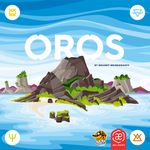
resource the uh wind resource I believe to be able to score that or to you know draw one run tile and then take a favor token uh you'd have to turn in this fire token whoever gets there first can determine what that resource is and will be for the rest of the game so overall it's a pretty light rule set however there is a lot of variability it plays relatively short and I really enjoyed the back and forth that this game provided the um race to getting to some of these spots want to utilize some of their point Gathering actions or or other actions in that manner and then allocating your other workers to these cards to gather resources but also to gain as many points from those cards as possible and so our scores went back and forth and were pretty tight throughout the game and so it was pretty fun I think this is a a great lightweight game that can teach a lot of people uh the ins and outs of worker placement in area control or majority uh sorry area maj majority as well as a modular approach to this static portion of the board so yeah pretty fun game next I want to talk about oron this is a game uh a very classic game that is now being tested I it may be in beta already if not it will be shortly uh in on board game arena so this is a game uh and here shown is the near ending of one game that I'm currently doing asynchronously um so this game is a bag Builder where you draw certain tiles and
place them in front of you and you allocate them to your Tableau to activate certain actions during the game such as moving you know a ship or wagon across the map to gather these resources in between those tracks or you can uh you know uh allocate oh I forgot how the The Beneficial Deeds work but anyway um you can gather these Place tiles to add variability to your uh your board as well um and advancing advancing along these tracks as well give you opportunities to gain different uh resources as well as Point opportunities as well and so this game has a little bit of everything it's got the bag uh building element to it uh you can call them and place them onto the beneficial Deeds for points you can um uh Advance on tracks and and really um I think hone in your strategies based off of the play styles that are available and the ones that you try to uh achieve along the way um so a lot of strategy to this game a lot of strategy that I don't know about I'm still learning this game but there is a lot here to that is offered I I remember playing Oro really early in my uh board gaming experience especially with Euro games and so at that point I wasn't terribly impressed because I don't think I really understood the grander that this game offers uh you
know perhaps the track aspect wasn't as appealing to me and I would have rather played a deck building game which gets at the same uh I guess mechanism and how actions are taken compared uh to a bag Builder but I think I would have rather played deck builders at that point in my experience now I I mean it's it's all virtual here anyway so it's it's pretty much the same I do miss out on that tactility of the physical game but I really I I see a lot of similarities to games like kalis you know some of those older school games that offer a lot of uh the right kind of variability for me I think um a lot of old Euros especially from Rosenberg you know really seem to me because of the of the way that variability is portrayed in a game based off of a market of different asymmetric tiles and and and such to uh try to pursue from game to game and and so I like the aspect of this game having a little a touch of variability based off of this if it didn't have like the play Styles I don't think it would have been very uh intriguing to play over and over again because I feel like you can kind of do the same thing over and over again trying to gain as many uh Knights you know advancing along the night track to draw more tiles from your bag per turn and you then can somewhat um specialize in a certain type of track that you're you would Advance on and you know that's
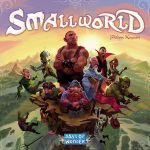
kind of the game and so I think when it really comes to it these play Styles and perhaps these beneficial Deeds as well uh play a big role in making each game feel different and having different types of objectives that you want to pursue and so um I mean the map may come into play a little bit for that as well uh the map kind of feels like Concordia in the way that that is asymmetric or I should say um randomly set up with resources as well to alter the Pursuits that you make in that game it's not as heavy in oron as it is in Concordia but that may play a factor in the replayability as well in this game so it's a classic for very good reasons I am intrigued to try to play this a little bit more uh if I were to compare this to other deck builders that I really enjoy yes it does have a little bit more going on compared to a game like a pure deck builder like Dominion it I think I'm more comfortable with other deck building specific games like Dune Imperium at this point I think those intrigue me a little bit more because of the the cards you know essentially using cards as a token rather than chits uh in in the form of these in a bag I think really appeals to me more but I do see a lot of potential for me enjoying this game the more I play it so I will continue to give it a fair shot I suppose so next I want to talk about small world now small world is a game that is near and dear to my heart and because this game was one of
the first games that I really started to enjoy in The Wider world of board games um earlier on in my experience even before I started playing games like agria I would play this game on the app with my wife and it was one of the first games that I really decided to stop and just think about what I was doing in this game before you know just to have fun I would kind of of lightly take my turns and not really put a lot of thought into the strategy behind them but then I started to notice what was really going on in this game in particular uh when it came to conquesting and if you're not familiar with this game this is a classic game where you choose a faction that is randomized based off of the faction and their certain power if you can if you notice that these are separate separated and combined um it's easier to see in the fiscal version which we do own but you uh use these factions these asymmetric and randomly put together factions to place tokens along the board and you get points based off of how many territories you have control over and other uh bonuses as well based off of your faction and so uh so this game is is only uh yep 10 turns long uh for a three-player game rather and and so it plays pretty quick but it's kind of a mini risk type of game with a little bit of variability in terms of when and how these factions come out into play there's a slightly uh SL a slight bit of a bidding uh auction
type of mechanism as well to draft these uh the farther down they are the more they cost money to purchase and whoever has the most money wins at the end of the game and so there's a lot of interaction on this tight little board trying to Conquest the right areas uh at trying to draft the right uh factions in play the the factions correctly like you you have 10 turns example in a three player experience you typically will have like one turn you have all of your tokens that you can play onto the board and reinforce and then you only have so many of those left over the ones that are uh reinforcing you will have again to place into further territories and so slowly your faction starts to diminish and then at some point you have to put them into Decline and choose a new faction faction to use and so I I I don't know what is optimal but I've usually played through three factions per game and so and so there is that and so planning out when and what types of factions are are you know are coming out when to decline your current faction and draft a new one on the next turn creates for some interesting decisions and that all wrapped up with the variability of how these factions turn out and what your opponents do on the map make this a a really solid game I really enjoyed coming back to this game and I'm so excited to have this game on board game arena to play with family and friends this game um I I think those who really
enjoy days of Wonder games are really feasting right now with this as well as five tribes being on board game arena currently of course you've had modern hits like heat as well and so Memoir 44 another great days of Wonder game we'll see what else comes into play in the future but uh for now I I'm just really happy to have returned to this old classic so the last game that I want to talk about for the month of September is tros or trios this is a game uh recent release as well from the last half of this year and you are drafting these cards or you you uh draw a hand of cards and you're assigning them in a programmable order in terms of what direction you can move your Pawn on the map and over what type of terrain sometimes you can move as well and there are numbers on the bottom of these cards which can determine if you play them first who takes the first action during the round and you also have a hidden token that you play there's a a a a vis not a visor but like a curtain I forget what it's called but um you get to place that over uh sorry about that the uh one of these cards and if when that flips over you get to move these Highwaymen which blockade uh the uh you yourself or the opponent as well and so the goal of this game is to move around uh you have these orders to fulfill by visiting these cities you gain uh points that way you can also visit these secret places to gain points and there are other things you can do as well first to 20
points wins so um and every round there's like an event card that allows you to break the rules in certain ways or makes the game a little bit harder as well so that is essentially the game um I think this game would play a lot better if there were more people because that way you would be able to move these high men uh a lot faster and and they would serve to um be more of an impediment and make the game more interactive I think in a two-player situation this wasn't uh very apparent like I I didn't myself have many problems with the highway men and so I just felt like they it was cumbersome to move them every turn and I you know it is limiting to try to order where you go but it's not terribly difficult especially in a to player game and it's essentially comes down to a race to whoever draws correctly and orders them in the correct way to gather as many points as you can so this game wasn't terribly exciting for me to play it did feel long as well when played asynchronously compared to other games that perhaps play pretty long on the table but actually don't feel like they take as long if you play asynchronously on board game arena there's a it feels paradoxic you know uh at some points but this game did feel a little long to play and so it wasn't as it wasn't the most enjoyable game uh but I think with more players this game would feel a little bit more tense and be a much more enjoyable experience so there you have it those are 13 games uh that I played
that were new to me or games that I wanted to come back to that were especially on board game arena that I wanted to talk about out of the games I I did I'm doing something new where I order them in the preference if I had all these games to choose from to play again the this is the order that I would probably choose them in Small World castle combo uh or Leon uh taking the top three spots here and as follows and so yeah uh this is perfectly uh uh subjective in my it is my opinion and it is subject to change so let me know what you think about these games individually and what you uh if you think I got something wrong or right thank you for Consulting with me today and hope that you schedule an appointment with us real soon take care