Reviews and Requests - Drive Thru FM #33
Games in This Video
9 games are featured in this video — they unlock as you watch.



Transcript
this video is sponsored by game toppers turn your own kitchen or dining room table into a premium portable game solution at a fraction of the cost hey everybody welcome to another episode of drive through fm it's been a couple of months since i did one of these and i've got some ketchup to do with some reviews of some games and this is going to be a little bit different uh format of an episode uh so what i'm going to do first i'm going to cover the main topic first which will be pretty brief and then i'll jump into doing some of the reviews now typically what i end up doing is this is mostly filled with negative reviews uh because you know anything that is a positive review usually gets the video treatment and that kind of thing uh so today though i'm gonna actually cover mostly positive i think uh in the list of games let's see i've got a list here of one two three four five six seven eight nine games i'm going to talk about i won't go too long on any of them some of them that i talk about will eventually get the video treatment but it'll be a little bit of time i'll explain why in a second so we're going to get to those that'll be fun and then but first i wanted to kind of cover a topic uh sort of a general topic about some of just the content that's upcoming on the channel and just kind of throw kind of a general sort of feeler for for feedback on some of this stuff uh so a couple of months ago i ran a game found uh project and got uh funding for a new laptop which was awesome you
can see the last few videos the last several videos now are all in 4k and they look great i think so uh that's been wonderful and also the sponsorship which was mentioned at the beginning of the podcast video uh it came in from game toppers and that came in with a little bit extra funds and so that basically got us to the stretch goal that i had to do my top 50 games of all time again um now i've got a couple of ideas i'm going to do something broad strokes just like this because regardless if i hit the top 50 i was going to do sort of a pseudo top 50. i think i still want to do that so what i'm going to do is i'm going to do it'll be over the course of a week and i think right now i'll do four videos so like you know monday through thursday or something like that and it will be basically like coverage of the game room slash the studio because i get questions about that uh you know what you're kind of set up and you know where your paint stuff at and you know what games are still on your shelf and that kind of thing and that is kind of like a top 50 now i have more than 50 games on my shelf um but in some ways i think that's probably you know more telling of a you know indicator of my preferences so let's say of the games is the stuff that i still keep around now the top 50 is like the cream of the cream but uh you know the stuff that i keep in my shell that's kind of an important indicator right so i'll cover that so i think i'm going to do basically one video which will be kind of a general overview kind of a studio breakdown
here's where the camera is and the little equipment thing because i get questions about that and then the tuesday and wednesday will be one shelf on tuesday another shelf on wednesday and those would be the shelves you see behind me uh because of like the main game shelves i'll do what they have i do have other stuff around uh the room like i've got some stuff in the closet here my entire shadows of brimstone collection is all in the closet because it's it's just ridiculous so uh that will that kind of stuff we'll cover on monday so we'll do the general room monday shelf shelf and then thursday would be like my miniature shelf my agent sigmar shelf because i've got my nine armies there and i'd get questions about that you know so i'll figure well i'll put that in its own video because if i tried to do it all in one video it would just be like three hours long and it'd be really boring to make and to watch so if i can chop it up uh then i think that will be good so i'll do that and then you know a little bit of time after that i'll do my top 50 and do five videos you know breaking down and cutting them up into groups of ten like i did before i think probably three years ago maybe a little over three years ago now uh so i'm going to do that so kind of my general thought is if there's any kind of ideas people had about that format because i'm not super sure it seems like the format should work fine um you know i don't see any problems with it but for some reason it took me i don't know a couple of days of thinking about it because i was like how should i really do this because i want to do it in such a way that i don't do like 40 videos you know like i could do the minute you know like a video about
each shelf because i've seen other channels do that and that's fine but i mean after a couple of them i kind of tune out and i just will randomly choose one so i don't want to do like too many videos but i also don't want like a too long of one video either because then i'll i mean if i was watching it i would totally check out as well so any kind of feedback or just if you have something kind of out of the blue or out of left field regarding that kind of content then you know let me know because maybe there's some cool ideas in there or something to get excited about making but yeah that's going to come as kind of a general week of you know overview of the room and the collection and all that because there's a lot of other stuff here like you don't see me even talk about i've got a little you know shelf of rpg books and stuff like that you know just little things that are just you know just little things like that and then we'll do the top 50. so any feedback is great um so yeah so let's uh that's the topic not much of a topic but we do have like nine games to talk about and so let's go take a quick little break maybe get a little drink or something uh you know smoke if you got them and then we'll jump into doing some reviews here all right and we are back with some reviews and per usual i'll kind of work my way up the mountain here uh we're going to start kind of a negative town and then in this episode we're going to work ourselves up into really really positive town
so that's that's good i'm glad that the podcast is going to get some uh some more love here in that way some of these games i don't actually own um i have a buddy that lives the next state over so i go over there once in a while and play games over there with some friends of mine and some of these i'm very glad to have been exposed to and have reached out to publishers after playing them and been like hey you have any copies of this left and uh and so some of them have taken me up on the offer but it'll be a little bit of time because some of the stuff is kind of like out of print and stuff so but i figured why not just cover it and give folks kind of a heads up because some of the stuff might be you know going to another print run here in a couple of months i don't have any real keen insights so i don't want to give any dates or anything but i think some of these will but uh let's uh start off with the bad news first so to speak uh the first game i'm going to talk about is a cryptid urban legends this is from osprey games uh if you know me and i've watched the channel at all you'll know i am a gigantic fan of the original cryptid i mentioned in uh beginning of the podcast my top 50 spoiler alert this is going to be decently up the list of the top 50 games uh i really enjoy cryptid this cryptid uh urban legends was a kind of a huge letdown uh played tried it a few times with a friend of mine and we tried to really try to work it out because i really feel like i was missing something but after kind of coming through the rules again and again and trying to play it again and talking through some of the strategies it just really feels
borderline broken uh the way the game works um so what it is it's it's it's kind of a neat game mechanical wise it's a card game and each player has like a little deck of cards and one player is the cryptid the other one is the hunter and you have these um like little discs that represent kind of where you're searching or where you're hiding if you're the cryptid so you have these different size and colored discs and you lay out like kind of like this sort of growing and expanding and ever shrinking and expanding again a little pyramid of cards that are like locations and your disks will be on there and you'll have these like different colored cubes and that represents sort of different types of information or something like that it's pretty abstract and the cards the deck of cards that each player has will move those cubes around and based on the number and color of the cubes and how they are kind of like next to each other and in proximity so if you've got like four cubes on both sides of a card or red cubes on the card or something you're trying to manipulate it so that you get a certain sort of abstract configuration and then the cryptid will kind of name one of those setups and anything that you know like equals true to whatever the cryptid says is where their discs can kind of expand from but they have to expand from pre-existing disks so yeah all of this stuff i'm telling you is pretty mechanical and abstract so you're trying as the cryptid to sort of move your discs through this sort of board that's made up of cards and get through kind of to the end and there's also like these uh i forget what
they call they're kind of like victory point tokens you can collect those as well so the object of the game if the hunter is to trap the cryptid so they can't expand out and they only have basically one disc left and the object of the cryptid is to get to the edges of the cards that are outlined in the pyramid and again the pyramid kind of grows and shrinks now if neither of those conditions happen then whoever collected most of those victory point conditions uh when you go through the deck of cards uh is the winner but the way that those victory point tokens come out is based on how the location deck that you're going through is dealt out and that really like once we kind of broke it down we sort of realized that hey how these are dealt out once we were both were kind of in tune with how the game worked and how to kind of be good at it how those victory point tokens are are dealt out will actually determine the victor every time now we played it you know probably five times or so um and once we kind of got the gist of like okay as long as i don't get trapped and as long as you know the opposing player doesn't let the cryptid get to the both edges that's fair fairly easy to do with some of the back and forth in the card play then you're going after the victory point tokens once you kind of get the equal skill and then it's just like okay well if it's on the left side you win if it's on the right side i win because it's easy to go there's kind of like a ketchup mechanism where you can kind of refresh your sort of wild card when the other person gets a victory point token so he's kind of uh
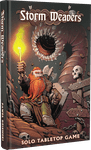
you're going to go back and forth you're going to go okay well i can get this one no problem there's no way he can get it so i'm going to get that one and then he's going to get the other one and you're going to get that one and then it's back and forth and then whoever gets the last one is gonna win and it's really just really really abstract and not that fun at all um you know the it's it's just not very fun and it feels like it's whoever gets that last victory point token whatever if it flops on whatever side is most advantageous um then that person is gonna win so you know maybe there's some back and forth between that and the actual condition if you know that you know you're not you might get screwed out of that last one but you're not really gonna know that until it flops anyway it's just very very mechanical and dry and i just don't recommend it whatsoever so that's uh cryptid urban legends no fun uh the next one i should know better than to have tried this game but i'm gonna mention it anyway um because i was really excited for it and then it just did not turn out um at all um and this is a game called storm weavers and this is kind of like it choose your own adventure book uh you know one of those kind of uh books where you jump from page to page you read to the passage and says if you choose this go to page or item 136 and if you choose this go to item 256 and then you go through the story that way and but the thing that it had about it that i thought was gonna make it actually interesting because i have tried a few of these modern ones of this style of book and i just have not liked like any of them
uh but this one seemed neat because it would have encounters and it has like little mini boards that you would break out and say use this map board and there's like two or three but they were double-sided so there's like four or six boards in there and he had like a little token and tokens for the monster so you had like little combats little tiny you know very very minimalist abstract miniature style combat uh with basically hex encounter tokens things and then that would kind of spice up the game a little bit more but it just that was not that interesting you know and i didn't really expect it to be that interesting and the game kind of said that it it kind of touted that it could be replayed you know somehow like there would be enough sort of variety it was going to come in a really thick book but it just didn't really satisfy uh that you know that sort of marketing speak it just i don't think you could really play through it more than once and have fun with it and even the one time was not really that fun to me uh it was like very i felt uninspired storytelling and just kind of a to b you know kind of like okay you got to this point to this point and now you can roll some dice or now you're going to flop the map board out there wasn't really anything sort of jazzed up about it or interesting or anything like that um legacy of dragon hold was one uh that i did mostly like there was a couple of i think i had some criticisms about it but i generally liked that game i liked a lot of parts of that game anyway and uh
and so i've been kind of trying to find something else that was in that sort of similar vein but i just haven't been able to find anything that really hits that and i was hoping the storm weavers would be kind of something like that and with its whole like okay now let's break out into sort of a mini board game and do combat oh neat okay cool and the story will kind of drive that but it just was very like felt like very much checking a box like okay i'm going to do this i'm going to do this i'm going to do this and i've sort of satisfied all of these kind of different you know buzzwords or something and it just did not work out very well anyway so that's stormweavers this one's not really that well known but i i thought it was worth mentioning because i was excited about it and just kind of disappointing okay so those are the two like really massive disappointments um the rest of this stuff is there i'm going to talk about it has some certainly has some merit now the next one though as we work up our ranks here is a charter stone uh it's an older game from stone meyer games and based off sort of the strength of playing uh my city uh i think it was last year or the year before then my family decided i decided that my family might like charter stone because we all really really liked my city it was great and my city's like a really sort of light you know easy going legacy game where you're kind of constantly building up and destroying cities and building routes from like mines and stuff and i did a review of it there's been a bunch of
reviews of it uh designer was reiner kanincia and i was like okay this is really good this is it's fun it's a legacy game you can play it over the course of a few weeks and get through it and really kind of grow and expand the complexity of the game and the strategies of the game it's a cool like you know growing and learning sort of process type of thing so i said hey i never got a chance to try charterstone back in the day let's try that that should work and i will say we didn't actually finish it because we got bored of it we played i think it was six games of it and it was fun like honestly it was really fun um but it was sort of a letdown coming off of my city because i think my city is is a better game i had more fun with it and charterstone starts off really basic i mean my city did too um and then it kind of adds on some different uh layers and stuff it's a it's a big kind of resource conversion game and it's hard it's a worker placement game uh you're building up kind of this general village in the center of the board everybody has their own little like sector and sort of their asymmetrical types of buildings and abilities and stuff that they will be kind of responsible for um and have sort of abilities and stuff that kind of you know build on top of that and then you start to add in more buildings unlock new stuff and put stickers on the board and get new like assistant cards and stuff that will give you abilities it's really really neat but it just kind of after a while i was
like oh gosh it's just this resource conversion sort of loop right so you put the guy out there you get the gold and you convert the gold into money so you can spend the money to unlock the box and open the new cards and rip the stickers off and put them on there and kind of go into the loop and then you get like as you go through i mean it's a legacy game so i don't really want to spoil anything but it's been out several years but let's just say you get new types of workers there's new types of resources and there's new types of things so it just kind of grows in complexity again and i think it's a really good game actually but it was just like not satisfying enough it was too abstract somehow and it's this is sort of almost hypocritical in a way because my city is very very abstract um but the thing with my city was is you could play two three games of that back to back to back and that made it really fun like each game is about half an hour so whereas a game of charter stone was about an hour or maybe a little into an hour and a half into that once you're talking about setup and and kind of revisiting the rules and the rule changes and you know all baking all that into the play time um and then once you get into that you're like oh we're just doing this again it's like okay well now there's a special worker there's this new colored cubes that came out let's say and okay now how does this factor in how to win and it just didn't really deliver all the way and i wouldn't go so far as to say i don't recommend
charterstone i think i probably would i think people would get their money worth out of it and you get like i think what is it eight or nine just like 12 plays you can get out of it and and there's like a reboot pack you can get so if you really like it you don't have to like you know go buy a whole new copy of it the reboot pack i think is pretty reasonable i think it's around 20 bucks so if you're like oh we really like that we can do the reboot back and like kind of reset everything uh and play through it at least one more time because i think you know you just play on the other side of the board so it's just the shine kind of wears off like i said that loop that sort of similar resource conversion i place the guy here get this resource convert this resource into that and this goes into points or to buildings or to paying for something it's just kind of very iterative and it um if it weren't a legacy game right then um i don't know that i'd be really interested in it at all because it's just really basic work replacement stuff you know whereas my city is like i said it's a quick game it's like 20 minutes sometimes 30 minutes and it's got that really discreet kind of almost delicately abstract play that's like you know bam bam bam and i'm putting all these things in this right thing it's got the whole spatial puzzle part of it and so it's just easier to kind of you know gobble that up and then go oh yeah this is that's just fine let's just play it again real quick and that whole loop is a little bit better whereas you know like i said with chartstone it's a little bit just kind of like a dry basic medium euro and then it's got the legacy thing kind of tacked in there um so but it wasn't terrible so
we just got kind of petered out on it and said no we don't need to finish this so that was charterstone uh the next one here is a somewhat newish miniature game called bot war it's an independent game and this on surface was something i was pretty excited to try uh bot war is basically like if you think of transformers although they don't transform but they look very similar to transformers it's a miniature skirmish game and the models look very similar to like you know autobots and decepticons and stuff like that and you have uh um you know different lots of different factions and there's the lore of it is really really cool like there's a lot of interesting things because kind of like these alien robots come to earth and they kind of divide things up into factions and then they splinter off into lots of different factions and there's more like chaosy types of things and you know ones that work with the humans and ones that are pure like sort of just evil want to take over the world and uh ones that are like you know like the dinobots or whatever the insects and all these different factions that you can play with and so um and then you you can just play through different scenarios and stuff i don't i don't remember i don't think there's any real sort of narrative campaign or anything um the problem i have with the game is it's it's it's has a lot going for it i think the lore and stuff is really neat and i got really into that and i like that the variety of factions i like the variety of models i will say the models though for the price and i
know it's an independent game so it's you kind of have to juggle a little bit of swords in the air here but it's independent so the price is gonna be a little bit higher because it's just the mass production isn't there and it's a 15 millimeter scale so i know people somebody might chime in and say well games workshop's really expensive well yes but these are these are smaller models and the quality of the models is not super hot like they're not terrible but they're not that great and then when you look at the price that that they're charging for it's just a real tough pill to swallow because i just don't know that it's worth it and then the the type of uh well some of it's plastic and some of it's resin um but uh it's kind of a weird all of it might be resin actually but it's some of it it's just a strange material which does not feel like the highest quality of material um and the gameplay loop though is pretty interesting because it's kind of if you're listening to this and you're kind of a euro gamer like an uh type of you know person this is an interesting thing where each of the different um bots that you take will generate a certain amount of uh like energy cubes like energon cubes and then you can spend those cubes to activate whatever miniature you want on your team so they're like command points so they generate a bunch of command points and then who you want to spend those on you can spend them mostly on you know one or two models in your team and just really
you know focus fire with them or have them do a whole bunch of activities and let the other folks kind of uh stay back a little bit and that is kind of an interesting thing but in practice it felt a little bit i don't know it's difficult because some of the scenarios kind of interact with that mechanic too um so just wasn't that that really innovative or interesting so this is one that i thought was really neat really cool but the price is a little bit high again it's independent company so it's tough to you know they they have to they have a certain like uh you know threshold they have to hit to make a profit and stay in business um so i recommend folks maybe check into this there are some videos out there on youtube of the gameplay and stuff um check into it and i think the starter box is actually a decent uh price but once you get into some of the factions and stuff um some of the pricing just goes really high um and you know high enough that's for me to mention it because again you have to remember these are 15 millimeter models and you don't get a whole lot in like a you know a faction box and that kind of stuff um or even some of the standalone ones that are a little bit bigger um pretty expensive but um it's a neat game i just don't know that i would recommend it um i'd probably recommend like i said folks go take a look at it and check it out and see if it's something that is interesting like i said the lore is really cool um you know it's it's uh you know i'm not trying to say it's like earth-shattering drama but it's just a fun neat thing with all the different robot factions and stuff uh they did a really good job with that
part of it um so anyway that's a bot war take a look at that one and the next one i'm going to talk about here speaking of euro games is way on the euro game side of things this is a friedman freeze design called fame and this came out i think couple years ago and a chance to try this with some friends and it's kind of like a sort of a concordia or flotilla type of game where you have kind of like a hand of cards or a deck of cards where you're playing cards like you play a card play card play card and then you got to pick them all up so you can't play the card until you pick them up and you are building sort of like little trade routes in like uh some ancient civilization i can't remember what because i don't have the game but you're building all these different trade routes and uh taking over like cities and area control kind of stuff and then built grabbing some of those cards that you can kind of purchase and add to your hand or add to your deck and then score big old bonus points at the end of the game and i will say we just played it the one time we played a five player game of it and i would say i would not recommend it with at five um it had the end game sort of cadence is is really kind of off kilter where you can kind of get sort of sideswiped by the end game trigger i think um with five it's just too i don't know difficult or i mean again it was my first play but i i don't we kind of talked about it as a group with some of the people that had played it a
few times and it was kind of like yeah five was not a great number to play this with and uh because just the way that the turn order kind of goes around uh can kind of sideswipe a few people from just cutting their knees off but it is very concordia-esque and you know i have to say i think i'd rather play concordia it's a little bit more um i don't know this makes a little bit more sense in terms of the theme and how things all kind of integrate in the mechanics and everything but this is one this is kind of in the middle of the list right so it's one that i would probably try again although i wouldn't be that excited to do it because it i don't know is this kind of abstract but you know if i had my druthers i'd play it again with like you know maybe two or three people and see how that worked um but i'm always interested to check out a friedman freeze game um you know eight eight nine times out of ten i enjoy them and they're interesting and uh this one is certainly interesting but it's just too much like it feels too much like concordia i'm like this feels like friedman freeze played concordia was like oh and because he's a genius he's like i can design this and he just did it and then you know he just probably woke up the next day after playing concordia or something maybe not i'm just you know messing around but and then he just like oh here's a game and uh yeah so i would take a look at if you're like a huge concordia fan i don't know if i'd recommend it actually because you'd be like oh this is cool i'd rather play concordia that's kind of how i am
um but it's on its own it's like a decent little game you know it's a it's a fine little game but i would stay away from the five player count i think it's just the way that the turn structures kind of come about and the way the end game triggers didn't really seem to hit us too well okay so that's a fam and then we got four more to go here and i'll just preface this by saying these are all uh things i would love to do a video review about and some of these i certainly will um and some are up in the air and it may not it may be a while because of the printing situation but first let's go to uh the great wall this is from awaken realms and i've only had a chance to play this co-op but i really enjoyed it uh we played it twice co-op so far and i do plan to play it uh competitively hopefully one day and and then i'll do a review after i play competitively but uh yeah and i get a copy of it but um this game is really really really neat it's very very crunchy uh i didn't know quite what to expect some of my friends they had they had played it a couple times already they played it competitively and they really enjoyed it so i was really they were really hyping it up for me and uh i gotta say it lived up to the hype that they had given me um and now that i was the copy that my friend had he had like the fully blinged out kickstarter um uh you know uh well not kickstarter sorry game found uh edition with like the the
wash and all that stuff and they did a really good job like the components on that the sun drop wash they call it awaken realms does that where they kind of do this sort of colored wash on all the different miniatures and components they've really improved uh that process over time i've kind of seen it you know because back during like the lords of helles and then um tainted grail and nemesis and and now uh the great wall uh the process of that is is like wow i don't even need to paint these um you know some of the original ones i would be like oh i didn't want to spray you know spray them and paint it myself because it's just it's okay but it's it's not that good looking some of the older ones but the new one i was like you know he when he broke it out i was like i literally would not want to even paint these you know because they look so good so that's neat um but what it is is you you're all in the cooperative game obviously you're cooperatingly uh building the great wall of china and uh fending off invaders and going to kind of like little worker placement spots to get different resources and get that kind of thing and get sort of like uh i forget what they're called they're like little merchants you can say you can put one of your workers out as like kind of a merchant they'll kind of go up the different tracks for some of the different resources so that when like the production phase happens they'll still generate more income for you and stuff but it's not like a normal worker placement game you don't just like put the worker out and that's it you have these cards and it's a very very sort of small hand
of cards and when you play the card it'll say something like you know put one worker i don't know i can't remember exactly but it's like put one worker in this place and then three other workers wherever you want and then when you play that card everybody else can put two workers in these two different spots so it's worker placement controlled by a card driven engine everybody has the same identical deck or hand of cards there's not very many and you cannot get those cards back so similar to concordia or fam you don't get those cards back and play them you know like at the end of the round when you play the card that's it that's your round and then everybody else is going to play cards and and everybody else's cards is going to trigger your work replacement um and then there are ways to get it back i believe when you build a section of the wall you can get a card back or you get all your cards back yep um and then i think there's another ability that will allow you to do that to trigger that so that's something to kind of build into your strategy of like okay if i do this and i can get this card back next round and da da da and that sort of card driven worker placement is just really really neat and we were playing it cooperative and at the end of the second play i was like man i really want to play this competitive because i love this sort of you know lead and follow mechanic like glory to rome or puerto rico or something like that but it's still like a work replacement game like just by just that by itself just gets me excited to play it because that's a really kind of interesting sort
of mashing uh innovative way to look at those two mechanics now i can speak to the co-op part right now is it was funny because we got our face kicked in the first game and then we kind of saw a full-on mistake that we made that we didn't really we should we probably should have seen but again it was like first time i'd played it and it had been a while since i played it and uh so we kind of reset and then we uh you know we played it again and some of these events that come out because there's no there's no really like an ai there kind of is an ai but it's the same ai that would exist in the competitive game with the hordes coming in trying to invade and different things like that but there's an event deck that happens in the co-op game which doesn't exist in the um the competitive game and then some of the goals and stuff that you have to achieve because basically you have to achieve i think seven goals by the end of the game um and some of those will work out a little bit differently in co-op but some of those events are like ever when we would flop them we'd be like this is ridiculous this is so broken like how could they just who put this deck together and then we'd be like oh wait oh no we could we can do this i think we can do this and it was really tight and fun and just kind of nail biting because when you flip those events some of them are just like you're like what i spent the whole game trying to build up this little engine here with my merchants and now like you've deleted all my merchants i'm like what's the point of this game if you're just gonna do that and um but like i'm saying all that like in the
best way because it's just like man this game is really throwing the kitchen sink at you and you gotta try to work around it and that's a really fun fun uh part of that thing so again i want to play competitive and it man if the competit i just feel like the competitive will be better than the co-op and i still really enjoyed the co-op um i say my only kind of knock against the co-op would be it's a little little bit abstract number crunchy for a co-op game uh you know and like you know we play board games so that's part of the deal but it was a little bit anti-thematic just a bit not too much not enough to you know make me not want to play it but there were certain points because of the difficulty of some of those events it was like okay we need to really sit down take a breath think this out count this stuff out how's this really going to work and that's just a slightly immersion breaking in terms of the theme because the theme was really kind of banging on all cylinders in a lot of other ways with the mechanics but then some of that stuff just kind of sucked you out of that and got you into the number crunching side of it but again you know jury's still a little bit out on this but i've really really enjoyed my two plays of it and i honestly cannot wait to uh try it competitively and uh and hopefully i think this is one that we'll should be getting a review probably a little bit later on this summer or something like that so that's great wall from awaken realms
uh next thing we'll talk about is uh carnegie from uh quinned games i only played this one time and i played this one fairly recently and this is one that i i saw and you know had some buzz about it and had some buzz in my group and i looked at it and i was like uh this looks a little bit kind of like a lot of stuff i've seen before and after having played it i wouldn't say that i was necessarily wrong about that because there's a lot of sort of um typical hallmarks about a euro game an economic style game that i've seen before but this also does a lot of things differently um this is a tricky one because it's it's a little mechanic heavy but i thought the theme actually came out really well because you're kind of running each of each player's kind of running sort of a multi-dimensional corporation that's involved it feels like involved in like a lot of different aspects of things right you're just kind of you're you're kind of like a multinational conglomerate kind of feel to it like you're not really specifically i don't know like into trains or textiles or you know what are shipping certain goods you're very very sort of abstractly involved in lots of different kinds of businesses that's kind of the theme i think and then also there's some like a philanthropic angle and stuff like that and so you have kind of the main board which is the united states and then you have do you have some route building and stuff like that so that's
kind of like the train delivery system and then you have this thing which is very strange because you have workers that are on your personal board in these little little personal like rooms or offices that you build and those offices and rooms do all the different things so there's like four different types there's like human resources and production and different types of buildings you can build you know multiples of different kinds of buildings but they're all like maybe the same types you can like three or four human resources buildings or rooms i should say on your main building board and then you know other little offices and stuff so you have workers on there but then you can send them out to the map into the different regions and when you trigger like income and stuff you'll pull those off and you will get certain like income based on maybe how many workers you had there and pulled off and then you have this like weird sliding thing on your main board your personal board that are like these four production tracks and they like slide out of your board so there's like double layered triple layered almost cardboard on your main player board and you slide like these big sticks in as you pull them out they start to generate more and more income so you can see kind of visually like these cogs and this like conveyor belt come out of your board it's really cool but it also makes a lot of sense like it it works and so like i said you have the workers on your main board and you're sending them out and you're pulling them back and you're sending them out and you're pulling them back and then you're shuffling around between the different offices and the different rooms because you might want to do certain things so all of those kind of main
like room types are also tied to some of the main actions in the board and you build and this is the thing that probably turned me off i know it did i saw the original game it's like you have this really funky action selection board and something about that kind of turns me off so you shuffle up these tiles and then you kind of order them in different ways and it kind of dictates sort of the general order that some of these actions in in income phases will take place and then each player takes a turn kind of moving one track to this to the right from the left so once you kind of move it down these four different tracks which are all kind of shuffled up and stacked differently then you're sort of locking stuff out so like oh we're never going to have that income step again on this track and we'd have to have it on you know one of the other tracks it's it's hard to explain but um just that sort of like randomized action selection thing it's just i've not seen it work really in a game for me it just seems very artificial like it's just sort of artificially a puzzle you know it's like oh here's a little brain teaser you know remember the order of stuff like it's just like so on the sleeve artificially mind numbing but in this it works i've really enjoyed it in this game um because just it's the whole balance of sort of dealing with some kind of external economical sort of influence and it's very easy to read and parse though so i give it some credit for that
where you have this thing it's like okay so okay these are the three possible ones that are going to be coming up next so knowing that what am i going to do and i know after that these other ones are going to come up so and then you kind of internalize that and then balance that with where you basically deploy your workforce you know which types of offices which regions on the board which might be generating income and then you know do i do some investments uh there's like an investment giant investment board you can invest in lots of different sort of actions and things that you would normally be doing in the game anyway so that's kind of cool because it's like you want to get in there early so you're like okay i want to invest in this thing early so that if i have like advanced on the um i can't remember what it's called but each of the regions has different tracks they're like okay i want to try to get that that's the thing i want to do and try to do for my end game points and but you got to get in there early because the more that you know you invest in different things the more expensive it is to invest so that's an interesting sort of way of sort of choosing almost your special not special powers but you're like little asymmetric sort of end game thing and you kind of draft that through the investment thing so it's like okay this is this is the strategy i want to use this game i'm going to draft it that's going to be my asymmetrical priority in the game and that's what you do and that that kind of helps drive a lot of your decision making and stuff so all of these different mechanics and stuff they really kind of cohese in a nice
kind of special way and i like the idea of kind of the managing of you know deploying your workforce whether they're at the home office you know or they're out in the field kind of doing their thing a really really fun game this is another one i hope to get to play more hopefully get a chance to review it um and that's carnegie so this one i definitely recommend if you like euro economic games that kind of thing at all i think this is really going to hit hit all those marks for you okay so second to last game we're going to talk about is messina 1347. i have a chance to play this a few times now uh some of it on tabletop simulator and some of it in person uh this is a latest game from vladimir suchi who did underwater cities which is one of my favorite games and he's a lot of other games like last will and a game i think last year called praga messina has an interesting theme kind of timely basically there's been a plague and uh the player's objective is to go and help kind of remove the plague and sort of cleanse or heal the town and then through the process of that then kind of start to reestablish the city with some businesses and some economy and that kind of thing um really on the surface this is a really abstract game i'm not going to talk too much mechanics here because the theme actually comes through really well i think because every round there's going to be new like plague cubes and new types of
workers that come out and they might be infected you might have to quarantine them and then you can kind of uh bring them into your city and then into like these different buildings that you can build and they can start to generate income for you and you can start to use them to kind of go back in towards the end of the game the last like two rounds and basically like repopulate the city so there's a repopulate mechanic and you kind of like mark these different neighborhoods with your player tokens and your color and those will give you some end game victory points there's a couple different tracks and stuff that you can get involved with there's like a church thing that you get involved with and that kind of thing and the game has a nice kind of like sort of narrative arc to it where at the beginning of the game you're really focused on sort of knocking back the plague kind of setting up a little bit of an engine a little bit of an economy type of thing and then you kind of start to graduate you get some more buildings you get some more special abilities and stuff like that and then you start to focus on repopulating the city at the end of the game and those are your big end game points um there's a weird thing a couple of weird things so the one thing is like the main board is built up of hexes and you'll slowly add new hexes to this like city and so all the hexes are different like little neighborhoods in the city and you'll basically take worker placement actions out there and fight the plague out there and sort of rescue or recruit certain types of other workers uh to your main board and so that there's that whole game and then you have your main board which is this really weird like tech tree thing
where you have these um sort of specialists let's call them and they go up and around on these different tech trees and they start to unlock all these different kind of cool combo abilities so if you've played a vladimir suchi game uh it reminded me a lot of praga actually where you start to get these sort of compounded actions where you do an action but because you've unlocked this sort of weird circular tech tree thing you can do this up you can do this and do that and then boom and triggers this and this triggers that so it has a whole kind of effect on it's really cool and all of those on your board those like tech tree thing those are going to utilize also some of those specific types of workers so you either are putting workers there and keeping them there for a while or putting into some of these like industrial buildings that you kind of build off to the side they could generate income and stuff and then at the end of the game you start to move them out of those places back into like the neighborhood and you kind of spend them as a cost to put down one of your high point uh neighborhood markers so so yeah it all works really really well and it's thinking in the best way possible and it's thematic in the best way possible and i think there's also like maybe not intentionally but maybe there's some commentary here because basically what you're going in and doing is you're clearing out the plague and you're helping all the people you're like oh i'm gonna take advantage of this and make an economy and make myself rich uh so that kind of strikes on a little bit but you know i like this game quite a bit and it just really you know smooth and integrated everything work flows really well it's it definitely
will feel very very abstract i think at the beginning it did for me and i was like i'm not sure i really like this game it might be a little too abstract kind of modern euro you know point solid number crunchy stuff but you know i played it let me think now i played it four times and different player counts and i played solo even and uh i really enjoyed all the player counts that i played at it's really been you know rewarding uh over the multiple plays uh to kind of see that theme and some of those extracurricular kind of vibes kind of come out of it it's still a really good crunchy puzzle um so i really can't recommend this one enough this is i think it's one of my favorite uh vladimir tsuchi games it's probably right up there behind uh underwater cities and you know last will and stuff like that's right up there with those games uh so i definitely recommend messina 1347 definitely recommend it again if you're into euro games and stuff this is it's a different take it's got a it's got its own particular feel to it uh i can't recommend it now the last and final game and certainly not the least that i want to talk about is dead reckoning from aeg uh i will cut right to the chase i absolutely love this game i've played it a few times now uh fortunately i don't have the game my friend has it and i will say it's basically like the mystic veil slash i
think it's called edge of darkness games i not played edge darkness i did play mystic fail and it's one of these card crafting games where you have like a sleeve and instead of building up a deck you still have a deck of cards but you like slip different sort of translucent cards into the sleeve and it sort of changes the card that you have and the ability that you have i didn't really like mystic veil it was just like okay kind of you know just sort of a basic thing and i didn't really get into it i understand it was it's it almost felt like a proof of concept for the system for this type of thing and it and i think that's what it was you know and i just couldn't really get into it um but uh dead reckoning is take all that out of it i mean that's almost secondary to how good the game is that mechanic works fantastic it's great the theme of the game um is basically your pirates or merchants and there's pirates around and so you have your ship and you're sailing around you're flipping over and exploring tiles and you're sort of conquering islands and setting up bases and doing pirate stuff and shipping and trading goods and upgrading your pirate ship you've got this cool like board that's like this ship and you get cannons and you upgrade your storage capacity and you know through the whole card crafting mechanic you upgrade all of your crew because your cards are like your crew your captain and your your first mate and all these different things and so you can upgrade those and as you explore out kind of further from the mainland
you get cards that you can you know add to those and upgrade them in all these different ways so the cards that you start with in your starting deck they can all flip over and be removed and put back in the sleeves and upgrade kind of naturally kind of like a little tech tree but then there's all these kind of like little cool one-off abilities and stuff that can sort of combo up with the basic actions of the cards which could be to like you know you know boost your shipping or boost your combat or boost your trading and stuff like that and you'll set up like little production buildings and some of the islands that you sort of take control over and there's uh the ways that you get points is you you know you build these buildings you go to the islands you you get points for piracy uh there's different like achievements and stuff that you get points for and it's it's a deck building game really at its core and that you use the cards in your deck that you've crafted up to drive your ship around and do all this fun pirate stuff uh it's really fun like it works out really well the theme just comes through and spades and uh even like the combat it's a silly thing but it's so cool it's like a cube tower you drop your cubes in and the cubes splash out onto this special combat board and where the cubes land is what happens so you might take some damage because of it you might get some sort of like call them victory points which will determine who actually won the battle so who has the most like crowns that their cubes land on on this board will get you know the extra kind of victory points to contribute to the winning and and you might get like goods and stuff out of it and little things like that
so even when you lose a combat you're still going to probably get some things out of it um and so that's a cool little neat mechanic and that the little cube tower is actually like a giant pirate ship like a 3d cardboard model so you drop them in it's really neat um and so one thing that we did though is we played with some of the expansion stuff now and you add in it's almost like a legacy game in a way but not really i mean it's you're not tearing anything up or anything but you are permanently changing like some of the decks of cards and some of the cards will come with like little story things little quick little quests kind of things that you can do so you can interact with these cards that are in these sort of like hidden boxes so you pull the cards out of the boxes without seeing you can either like deal with it kind of through normal game actions like fight some npc pirate or you can go on like a little adventure and they'll just like a little book and you read it and then based on what you do then that card will change and get removed you got another card in there and then so in a future game then that sort of event that has happened will be sort of consistent with the rest of the world uh through the course of the games that you played in so the campaign structure is really neat it's like very lightly applied and not something like you would even really notice like until you do right so it's not something you like you have to play so if let's say i played two games of it and then um you know billy and francesca they played two or three more games of it and then i came back i could still kind of
like jump into that quote-unquote campaign without feeling like i really you know anything wrong you know like i i'll have missed out on playing the game which it was good it was no good because it's fun i don't want to miss out but i can jump right back in and like oh okay this happened while you were gone and this triggered and we found this treasure on the speech and da dad so now this card could come out and then you're like oh okay that's cool or this other card came out for this other time so it's not really that tight of a campaign it's just that you're kind of playing this little sandbox of a world and that's really cool i really like that that's a neat way to do it um and all the mechanics in the combat and the way the trading and the production work and um the way that you manage your your actual ship and you upgrade your crew and all that stuff it just works really really well very solid and smart mechanics it hits all of those like perfect you know little puzzly euro game types of things all those like good strong mechanics and then all of that theme and stuff just comes through in spades in spades and spades and so i hope to get to to get this one you know one day um i think they're completely out of copies and i think they're going to come back with another printing here one day hopefully soon but um we'll see but this is one i was like man every time i i played it twice now like i said and whenever i've left that left his house there i've been like i want to
take this with me so this one i cannot recommend enough uh highly recommend it and again i was somebody that didn't really like the card crafting stuff that i played before but to me it's just like you don't even notice it right it's just it's not just like a gimmick or anything it's it's just part of the game and it's just one of these cool mechanics that are exists with a lot of other cool mechanics in the game so anyway that's dead reckoning again can't recommend it enough and that is the final review of the podcast so hopefully you guys enjoyed those reviews there and again if you have any feedback on the main topic and the questions i had at the beginning please feel free to shoot them any idea you know it's cool i'm just kind of open to in general what folks might want to see in regards to anything because i'm just going to kind of you know do what i said at the beginning and kind of go from there but i'm just not i know some of the stuff i've been asked for specifically but i'm not super keyed into like everything so i'm sure some of the videos will be for some people and others will be for others so that's fine too okay thanks everybody have a good one
you