From Animation to the Tabletop: Zac Dixon & Austin Harrison of IV Studio - TCbH Interviews
Games in This Video
10 games are featured in this video — they unlock as you watch.






Transcript
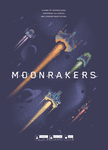
Hello and welcome back to another episode of Cardboard Herald, my chance to talk with creative gamers and game creators. And joining me today from Ivy Studio, we have Austin Harrison and Zack Dixon. Welcome to the show, guys. Thanks so much, J. What's up? Thanks for having us. That was a preamble. That was a leadup. Are you guys pumped for Realm of Reckoning? you guys. Uh, so I I've talked with you guys uh a bit at conventions. I've um I've covered your games uh starting with Moon Rikers, your debut, which you know, like really blew me away in how Yeah. how ambitious it was as a game. Uh and I I had never heard of you guys up until that point.
And I was like, Ivy's studio, who who is this that's like creating this whole other world? There's like a completely original aesthetic. And to me, what felt like some really unconventional ideas coming into the tabletop space with how Moonrakers plays, which I think to some people, uh, they really love that. To some people, they're like, "Oh god, I want nothing to do with that." But nonetheless, it was kind of like a a bold stance uh that found felt uh disruptive in some ways. I was like, who are these guys? And I I realized that you're like an animation studio. So, we're going to talk about Realm of Reckoning because that's the upcoming Kickstarter that that that's the upcoming game, the the crowdfunded awesomeness. But I need to go back to the beginning. So, from Animation Studio to tabletop games, what's the deal, guys? How did you get into this?
Yeah. Um, so yeah, first of all, thanks for having us. It's great great to be here. Um, yeah, we've been on a a pretty pretty wild journey. Uh, we So, Sam is is my co-founder. Austin was like employee number one or number two, and it's been with us number two all like since since the beginning. We all we all went to school together. Um, and yeah, we came up as an animation studio. Uh, so we got to work with like dream clients like people like Nike and you know, Bad Robot and Netflix and just some people that I I just feel very privileged to have worked with. But um, as as we were doing that, we've always wanted to find a way to make the thing, not the thing that like markets the thing. like we wanted to take these skills that we've developed and uh for for making great art and and beautiful things and and make something that that you know finds an audience and and really gets gets people excited. Um and we we had tried a couple things kind of along the way of just like you know diving into making product with with you know creative direction and art direction and world building kind of at the core. We we had made a video game which was very fun. It was called Bouncy Smash. It's still on the app store. It made no money, but was very fun to make.
Uh, and then one day, uh, I, you know, I, I grew up making board games with my friends like in middle school and stuff like that. And I was like, "Hey, Austin, we we we usually take two weeks for Christmas." And I was like, "Hey, man. Like, what if you just like came over to my house and we just like try to make a board game like over Christmas break. Like we like it just be like old times, right? like uh and uh he did that. We we both love we've loved video game or board games for a you know a long time. Um and we had no idea how deep the well of hobbyist gaming was even then. No idea. So even at that time what was your concept of cool intricate board games that you were playing? That's a good question. Uh, I mean, Dominion was like the one that kind of really like inspired us for Moon Rikers, but like it was like, you know, Carcasson and like Splendor and like we were playing Galaxy Trucker and we were playing um Oh, what's the one where you're a different alien asymmetric race and you're trying to take over the other people's planets. What's that called?
Cosmic Encounter. Cosmic Encounter. Yeah, that was a big one for us. I think right before or around then I bought Star Wars Rebellion and that was like pretty heavy for me and I I figured it out because I love Star Wars but I was like this is a huge rulebook like this is going to take me forever to teach someone else to even play it with. Right. That's such a common experience for people who are getting into this hobby, whether they're creators or people just getting introduced to board games, where they find out that there are board games other than the 10 board games they knew growing up, and they go, "Surely these five new board games I've been exposed to are all that's out there." And then you just want to innovate. And then suddenly you realize there's actually already 10,000 deck building games or whatever. But nonetheless, you just have this hunger to see more and try more and try to get yourself immersed in more. Was Moonreakers actually the first board game that you guys worked on together or did that come a little bit later after shelving a couple other projects? Well, I'd like to take this for a little bit, Zach. Two things. One, I had made other games that were terrible. I could never get past the insecurity of that first play test. Like a lot of game design is persistence and you don't know that until you've designed a game. Um, but the second part of that is I had no idea we were making a board game. I thought we were making a board game for me and Zach, not making a board game. So, Zach
told you the part about over Christmas break he was like, "Come on over. We're going to make a game." Which I was like, "Heck yeah, that sounds awesome." What he didn't tell you is January 6th when I came back into the office and Zach and Sam were like, "Hey, we're starting a board game division. you're going to be working in it. And I was like, I don't even know what that means. Uh, so there's there's a whole other part of the story of of like figuring out what the heck that even means to to start a board game company. Uh, so yeah. Yeah. No, I mean it was like Austin said, it is interesting like how even still it is very much our process. It's just like when we first started that version of Minra because it looked nothing like where it ended up and it's just like it it luckily having you know spent a decade working on creative projects. It's just like you you have to get to that finish line and it's just you got to show up every day and some days you're going to have bad ideas but eventually you have better ideas and and eventually they turn into something that works and then you just iterate and iterate and iterate until you get some deadlines in there and you're like ah we're going to kickstart this and now we have to like we have to get it to a good spot before this and then that kicks you in the pants a little bit and you you you you find a way you you you make it happen. Um, and just that process of continuous iteration and and also just having a great team. So all of our games have been uh well for the most part have been designed just by me uh Austin and Max who were the designers on our first game uh uh Moonreakers. Um and just I
think we just have worked together for a long time and I think our collective taste just like kind of comes together of just like this is kind of our point of view and and how we design games. We design games for us that we like, that we want to have on our shelves, that we don't have on our shelves, and that gets us to games that we like, and luckily, I think games that at least a few other people like. Yeah. Turns out that a lot of people are really into it. Now, from the outside perspective, it seems like you guys start with some sort of thematic concept or core, like maybe you sit down and go like, "What if we were monsters at a high school and we had some sort of arena that we had to navigate through?" And then you build out from that and figure out what the mechanics are. Is that your process or do you start more mechanically and then work your way to the theme? You want to start, Austin, or you want me to take it? Yeah, I think it depends on the game, but generally there is a a mechanical hook of all right, this is a cool concept. How can we make this work?
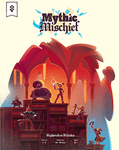
And and the funny thing is sometimes at the end of the design process, that mechanical hook is nowhere. Mythic Mischief started as a programming game. Um, and by the end of it, it really wasn't a programming game. Um, and really what was left was that grid and the teacher chasing you around. Um, and so, um, I think some games kind of start with that in mind. That game when Max had the initial idea that he brought to us, that was already in a school, but it wasn't a school for monsters. The theme, the heavy theme park came later, but the mechanics and the idea were really what we started with. Veiled Fate, the theme changed, I think, three times while we were working on that project. Zach, do you remember it? At one point, it was like a competition, an arena. Like, there's a lot of different things that that started with. Yeah. Yeah. It's It's really weird. I don't remember what what those were, but it you it always starts at a core feeling that we're trying to to chase, right? Uh and and then that feeling will get some structure to it.
You start to figure out some things that work and some things that don't. It's usually not necessarily a like strong themat. It usually is a pretty generic like this game. Let's what if we had a voting game? Like what if we had a game that had a really high stakes vote in it and like it was all leading up to that? Like what if you could whip votes? what if you could um there's a lot of that table interaction of like I'll trade you this favor and then you trade me this favor and then like if you vote for me on this I'll vote with you on this, right? Yeah. That was the start of Brink, right? That was the start of that game of just like we didn't know it was going to be a Moon Rakers game. We didn't know it was going to like be sci-fi even. It was just like what if we had this really cool like this big moment that we were building towards, right? And then we started slapping things on to it. We started doing that and then at some point it was just like you know like there's five factions here that what if this was a Moon Rakers game and then and then once you get that very that big specificity of theme then the theme starts talking to the to the the gameplay and I think it's one of the things that I I love about the way that we work is it's not like someone we don't like buy a finished game and then slap a theme on it. It's like we start a game, we develop a theme, that theme starts to speak to mechanics, and then they all get and then all of a sudden we're having ideas based on the lore that we're writing, and then we'll have a new mechanic idea, and that'll influence the lore, and it hopefully ends in a very like tight-knit product at the end that like they all speak to each other. Clearly, you guys know how to run a business. You've been animators. You know how to work within
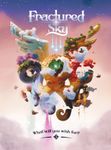
budgets, but it really seems like you dream big on the component train. Like you have these games, uh, we'll take Tend for example, where you defy conventional wisdom with some of the components where you have individual stamp markers for doing your roll in right game. And if we're getting those, I can only imagine that there was a bunch of conceptual stuff for all of your games that you went out and looked to see if it's even viable to do X, Y, or Z, but those were left at the cutting room table. So, how often are you having to shift your trajectory based off the realities of the tabletop gaming production? Yeah, I'll I'll jump into this one first. I think uh generally we try to push it a little further and then we get brought back down to reality by budgets and and possibilities for a good example is Fractured Skies um their their ships in Fractured Sky. Uh the magnetic pieces originally they were supposed to have a piece on top that you'd press and the magnet would fall off of it. And the factory was basically like I mean we could do this but each one's going to cost $5. Like it's not really possible. And so, uh, we get told no and then we we go back to the drawing board and figure out more things. But every once in a while it's like, hey, like scratchoff cards are cheap, right?
Like that's something that like people use in in marketing materials and and random lottery stuff. Like they can't be that expensive. And then our factory said, no, it is really expensive. And we were like, we don't believe you. We're going to go find a different supplier and hunt down someone that can make those cheaply. And we found it. And so it's one of those things like some sometimes it's it's being persistent and having the understanding of how the world economy works. Like we have Sam on our team who's hunted down suppliers that I never would have been able to find find on my own. And so um being able to to find people that can make the right things is hard. But 10 specifically has two products that we had to go outside of our main factories to go find. Um and that's not normal. So yeah. Yeah. I think it's Yeah. always dream big then come back to earth with budget. It's also just like you know what do we think that we can sell? What do you think people will be interested in? And there's a lot of things that we're just like I don't know like is anybody going to sh like people one thing we learned is people like metal things like and and I'm just like I might not buy this like metal thing but it's just like if people keep buying it like we'll keep making it. It's expensive, but uh and and the other aspect to it is just like it's hard to stand out. Like there's just a lot of board games that come out every year and like uh so we also in and that's part of the fun of the medium, right? Is it's it's a tactile physical medium which that there's just not a lot of those uh in in the world. And so like why should you show up to a board game night? Like obviously the usually because it's a
good game, but like how could we make that even like even sweeter and just like give someone something to remember. And I think the best example of that, my favorite is the magnets in in Fractured Sky. It's just that tactile like click like it just it gives you all the good the good feels. But uh at the end of the day, it doesn't matter if your game stinks because no one's ever going to put it on the table. So like it it's it truly is the last thing. It's just like the we just iterate like it's the it truly is the tip of the iceberg. It's just like most of our time 90% of our time is just like making a good game and then it's like all right now how can we stand out in people's minds? How can we stand out in their table? How can we leave them with a lasting like memory about their their tactile experience with our games? I was watching this documentary on Wes Anderson because of the new movie The Phoenician Scheme that's out now. And this is going to seem really out of pocket, but I promise it's related to you guys. So, in the documentary, he was talking about the the evolution from Fantastic Mr. Fox to then working on Isisle of Dogs where in Fantastic Mr.
Fox, it was a brand new thing that he hadn't really done animation in the past and he had to essentially train himself and his team to learn to produce animation. and not just the puppetry associated with stopmotion animation, but also how to think in terms of animation production. But then when he got to aisle of dogs, the same output might have been a lot easier or a lot uh cheaper to achieve and so he could have a grander end product because he had already streamlined so much with his team. So, I guess what I'm asking is what's the equivalent for IV Studio where in the beginning you were just kind of figuring out things and you didn't know anything about board game production, but now you have several games under your belt and you have even more in the works. How has your process changed and what have you streamlined compared to where you were at the beginning with Austin's burgeoning I don't even know if this is a department IV board games? That's a great question.
Um, I think there's a lot there's so many pieces to launching a game. OB game design like me, Max, and Austin, it that is a big part of it. But then there's just like there's there's the logistics side, which is just whole other thing that is like not sexy, but like needs to get done that like um we've, you know, added team members to that like know what they're doing. And that is that is wonderful. And that's one of the ways that we've been able to to kind of speed things up. Um, and it's but it's also like promotional. It's like it it takes a lot of effort to like just get the word out. Um, and you know, tightening our processes and that kind of thing. But but I think the thing that like you know me, Max, and Austin, game design, it's like that is definitely a skill that we are still trying to get better at every single day and learn how to iterate faster. Um, and sometimes I'm just like, are we getting better at are we getting faster at this or are we just like getting more I think we're getting faster but then also more picky so it like kind of comes out in the wash a little bit. I don't I don't know. What do you think, Austin? Well, I mean at first we were just designing one a year and so we did all the steps and then we started the next one. Now we have a project in the first phase, a project in the second phase and a project in the third phase simultaneously all right now. And so we went from one project in production to we just hit our record uh just right before Brink left the
factory. We had Brink 10 scales and then the three smallbox games all at the factory in some stage and Realm being prototypes made and shipped at the same time. So we're working on approvals for seven games simultaneously. And it's like this is very different than doing one game. Uh, and I think what we what we what you mentioned, Zach, scaling up, so we had more staff to be able to handle all that load. But then also we learned to do the different stages simultaneously as another stage. You know, we're in play testing here, we're in promotion here, we're in manufacturing here, all happening in the same window. And so we got better at being able to handle different different spinning plates is really what it was. I I've worked with a lot of board game publishers at this point. um you know from uh some smaller teams but very notable publishers like Stonemire Games to huge productions like Asthma North America. Um, and one thing that's always struck me about Ivy Studio is that from the get-go there was a sense of these guys know how to conduct business.
Like, and that that's not to say, you know, like uh you guys are are extra corporate. Um, it's that so many people get into the board game space uh from a position of passion, but they might be like me, you know, like government employees or, you know, someone who uh is, I don't know, uh, construction worker in their their real day job or whatever it is. Uh, my buddy um in DC, uh, he's with Windsmith Games, he's a a civil engineer. um nothing that kind of speaks to uh what the business acumen might be of navigating a creative field like board games whereas you guys were in a creative uh field animation but you were also working in a much you know more corporate structure with Nike and uh you know Bad Robot and other things. Um, what have been some of the biggest, you know, like eyeopening experiences for you guys of transitioning from maybe this much more adult and professional world, uh, of animation and working with these big companies to suddenly like everything is much more mom and pop. Um, even the the professionals are still just kind of figuring it out in this space.
Oh man. In a weird way, I think it led to a lot deeper of friendships like pretty early. Like I'm pretty close friends with some people at other publishers and and I didn't really know Zach knew more people in the animation world than I did, but I didn't really know anyone. And so like it doesn't feel as cutthroat and not that animation was that cutthroat either, but it doesn't feel as cutthroat as the corporate world can be. Um like I constantly am texting friends being like, "Hey, like you know, we just had a warehouse kind of dropped the ball. like who would you work with instead? Who are you working with? And it's like do you have any advice on how to handle this new like random rule that came out from importing stuff from China to America? And it's like very open discourse of an industry because it is a little bit more. We're all trying to figure it out together. Um and so you mentioned Stonemire. Um Stonemire has just been this incredible wealth of information for basically anyone that wants to crowdund something. It's getting a little bit more outdated as we go on because he's further and further from crowdfunding himself, but he's brought in other experts to kind of solidify that. But like I learned how to launch Moonrakers from like three other creators that were already launching things. Like I had no idea how to make something from, you know, soup to nuts, let alone like crowdfund it and then do logistically and make it. like we learned all of that from other creators and and while YouTube and stuff like that exists for people to learn their jobs, I don't think there's an industry quite as helpful where you're literal competitors telling you how to do the
thing. Um and so I think I think there is just a spirit of camaraderie of like we all want to make cool things and we're all trying to get put out there. Now are there the big aswoods that are not that they're there to make business and they have investors and you know they have all that stuff? Yes. But a lot of it is just friends at different companies making things. Yeah. I think the the other part of it is like we I mean we've just been this is my only like Ivy Studio is like my only job that I've had and like we we've learned a lot of mistakes running a business just the hard way over the la you know 10 years of not making board games just like trying to survive like and and we're still learning hard you know hard lessons all the time now we're in a totally new industry um but I think one of the one to like get at your point of just like one of the things that we did know how to do was put on a very polished presentation for everyone. Like that's just what I've spent spent a decade like being good at. Um and so like I think that that helped us. Um, like if if you're starting anything, any any new business, you just have to use your like unfair advantages and like double down on the skills that you do have and then fill in the ones that you don't on the way because there are a lot uh that you a lot of things that you're not going to do right the first time and but you you'll do enough right to hopefully stay in the ball game. Well, let's talk about Realm of Reckoning. So, this is the new game. Uh, like what what
was the nugget of an idea for uh this game? Like what did you want to accomplish when you were just sketching out the ideas? Uh, Austin, do you remember do you remember the very first bit? Yeah, the very first bit was um managing reputation tracks mixed in with a bunch of different resources. And it was a card game. It was not a drafting game. Um, and I have never loved a first prototype more than I loved this prototype. Oh my gosh. Do you remember that, Zach? Oh, yeah. I do. I fought so hard to keep elements of this prototype intact. There's like 30% of it left, maybe. Like it it was a game that I would have been proud to launch almost from the very first play test. No, no, no. Just wait. Just wait. But we couldn't figure out that last 10%. We could not get it over the line as it existed to be what it should be. And so Zach and Zach and Max always do this and I'm the one crying in the corner where they're just taking the axe to the tree, cutting things out, cutting things out.
And it ends up being what it is. But the the main hook was managing disperate resources. Uh it was a lot of different like card resources and things and then collecting sets of things. And so it it does have those elements still, but how they're actually applied is extremely different. it it yes that was a very painful process so we iterate a lot in uh Figma that's how we design our um prototypes uh we actually keep uh documentation of every version of the game that we've made um that's awesome make a great coffee table book one day exactly yeah so we'll do we we started doing on our Kickstarter live stream days we'll we'll take an hour or so of that that stream is based in Grand Rapids but he flies out for our launch days. Um, and so we'll sit down and just kind of like go through all that, which is always very fun. But yeah, we are on version 28 of Realm of Reckoning uh in in our Figma right now. And you can really see how it it adapts and changes and slowly like little bits of art start popping in like as we make it and stuff.
But it's very like the very first nugget I I remember it distinctly was there is was it Gen Con or Pax Unplugged Austin? It was It's the one we were in the the the hotel basement uh playing games. That was uh PAX PAX. Yeah. So, we were at PAX Unplugged and there was this group uh of people at PAX Unplugged. Apparently, they do this every year. I was like, "What is going on here?" It's like a all day thing. They have a a schedule posted like you can just watch them play. And I was just mesmerized by this group. They had a SK. It was like, okay, opening opening ceremony or something like that starts at 9:00 am and then we will play the first age from like 9 to 11, then we'll break and then we'll come back and we'll have and it was very like political but like they were enacting different rules as they played the game and like you could like vote on I don't know it was just this homebrew this homebrew game that this group from I guess all over the world maybe like come in and just like play together as friends which what a cool thing in general And they like sent me the PDF. I didn't I mean it was super long. Like I was just like, "Oh, this is this is just like there's a vibe here.
There's a feeling." I didn't actually like really dig through the PDF much, but there's like a feeling here. I'm like, that's so fun. And I wrote up like a little like write up of just like uh you know, oh what if what if there was this game where like you could change the rules while you were playing them and like vote vote on rules and and whip votes, which is kind of similar starting to Brink, but with a little bit of a twist on it. And that was the the kind of initial core. And honestly, that's what I love. I I I love um learning a game badly or just like someone telling me half the rules of something. I'm like, "Stop, stop, stop." Like there I want to design a game of that. And like just the just the give me the vibes of a game. Honestly, you could we could just do that with our own games at this point of just like what if we just read like start it over on Tend like we just get some started over on Moon Rakers. Yeah.
would be very different. How would it be different? That's where it started. I if if right now we're we're going to go down this tangent. If you could make some sort of change on Moonrakers in hindsight with your experience of now several games under your belt, what would it be? Well, we already went back with the expansions and we fixed some of the things that were bothering us. So, I mean, honestly, I think we would probably just integrate some of that sooner. Uh, like maybe some of it would be core game. Go ahead, Zach. Oh, I got something because we're actually making another deck builder right now. We play tested it earlier today. So, like we're literally thinking about this stuff. Um, so one of the things is um that I see a lot in in deck builders in general, especially moments where there's cooperation. Our next deck builder is full co-op, right? is is there's like a fiddliness sometimes to oh how much damage did you do? Oh like oh wait so you get me an extra card. Oh well I'm going to I'm not going to I'm going to take this back. I'm going to play this instead. And that is a little bit present in Moonreakers, right? Like we're playing together. You might play a card that lets me draw a card and I'm like done and I'm like oh I have another card now. Like oh I already played all my oh there's there some weird like order of operations things there. It's fine. it works itself out, but I think it could be like a little bit a little bit cleaner. And that right there is like enough like once you start pulling at that thread, then all of a sudden you're like, okay, now we have to have a certain moment where uh cooperation
happens. It can't happen just whenever if we want to do simultaneous. So we have to like we have to condense that into its own moment of like this is the cooperation moment. So now what else could we add to that cooperation moment? Like oh maybe you could bring in a you know a ship part that like helps you there or may maybe you could discard cards that like have abilities that let you help in that moment. So like just that one minor change if you waterfall that out to the entire game all of a sudden you even just that one thing you could have a totally different version of moonreakers. You guys have me completely hungry because I love co-op games and I in spite of like I I said there there seem to be some outsider ideas. Some of them are a little bit rough, but they're at least innovative in the original Moonrakers that you did uh, you know, address through the expansions.
I I still loved and was, you know, like taken by what Moon Rakers was bringing to the table. So, the idea of that kind of ethos, granted, it's a completely different game, but, you know, you guys making a deck building game and it being cooperative. I'm I'm Sal. Yeah. Yeah. Thanks. That's something we're always like thinking about. It's just like why why like why should you get this game like Moon Rakers, right? It's just like we just love Dominion, but we also just love working like love table talk. We love player interaction and we just wanted a version of Dominion with some player interaction and it's just like that's an easy sell too. It's just like oh yeah, I want that too. Um, and yeah, and Realm of Reckoning is just like what if we had a game that had like a very dynamic core that also wasn't like wasn't brutal. Um, like there there's a few games that have that like very shifting underbelly of like this game could be anything, but usually that comes with like pain in a way that is is is hard to get over. And and I think we've found something to, you know, the game is is ever shifting. It has this dynamic core of you can make different mechanisms for the scoring, but then if that doesn't work out for you, you've got lots of options to pivot to piggyback on other people's decisions um to make a game that I think is
uh I don't know and like it always comes down to that end and there's lots of ways to get there. within the context of Realm of Reckoning, how soon do you guys uh go to uh play testing for your games? Because you, unlike many other publishers, you have a built-in group to play test within, but at a certain point, you have to go to play testing with dedicated play testers and then ultimately blind play testing, right, to get that feedback that Austin was so scared of uh to begin with. Um, so how soon did you uh turn to play testing and were there any significant pivots that you guys did once you started having external people uh outside of IV Studio uh playing the game? Um I'd love to take the first part of that and then Zach take the second part. So we we generally start bringing people in slowly. We'll bring in a team member here or there Dane or Lily or Kirk that can be like hey like just like play this out. How did it go? And then once we feel like we've got enough to where someone else can be present and lead it, not us, we open it up to our Discord, especially Zach or Aaron on our Discord, um, who are basically running, they're are lead play testers, so they post events in our Discord and people can sign up to come play. They have to take a form at the end that lists out the things they didn't like, they did like, the problem rules, anything like that. And so we end up doing, you know, a lot of games in those Discord groups that we're getting
hard feedback from the people running them and then also the feedback from the forums that's going through. And that usually starts once art starts. So like we we get to a point we're like, okay, this game is the next game. We're going to start working on art for it and there's enough game here for us to start testing. And so we'll start putting it out to the Discord user group that is a little bit more trusted um that can start playing it. Yeah, I'm I'm pulling up our So, we have a Google doc sheet that like play testers will submit uh feedback, right? We um track how long games last, how'd you feel about the length, how you how'd you enjoy it, um did you win, what did you like the most, what did you like the least, that kind of thing. So, our first public play test was on February 23rd, so about what is that? Uh four months ago. Yeah. um four four months before launch which is like not we would have liked to have started club play test probably a little bit sooner than that but um but like yeah I mean it changes the core never changes like we're we're at usually like balancing stage at that point um but like I'll we'll make we'll make big changes still um we just started public play testing for the co-op deck builder this week um and that will come out uh in the fall at some point uh fall winter Um, and yeah, it was too long. Like these early play tests were hitting like four hours. So like that's usually that's a big theme, right? It's like me
me and Austin and Max, we're we're cruising through these games, right? And and then you get other, you know, you get strangers playing on TTS online and that adds a bunch. But then also you just realize like, ah, like we had four ages in Realm of Reckoning for a long time. I I thought we needed it. I thought we needed it. Uh, no, we didn't need it. Uh, but it it felt like we did until we took it out. Um, so there's there's stuff like that. And then you just start to pick up on little things. The big thing with Realm of Reckoning was this the scoring mechanisms. There's 19 different scoring mechanisms in the game. And the big thing we were looking out for is like what's being taken and what isn't being taken. So you select nine of those. Three get selected every age. They score at the end of every age. And so you really start to get a sense of like what are early what are like players that are new to the game taking?
What are players that are like more experienced end up taking? Some that never get taken. Maybe they need to be taken out of the game. Maybe they need to be completely reworked. And so I would say we reworked probably in a major way probably like six or seven of the 19 scoring mechanics after public play testing started of just like what if we just did this like what if we just changed this entirely. Um, and so that's the hardest to have. The hardest part of that for me was you get disperate or even information that disagreed with each other. I mean, people would be like, "This element is way too strong. It's in every game." And then a different feedback and be like, "That part we don't use at all." And it's because in Realm of Reckoning, what the table thinks of import is important becomes important because it gets a monument on it. And so it's like every game we got a coin monument. other people. We've never done the coin mon.
And so we just had to get a lot of data together to be like, okay, this one truly is not being taken. It must not be what people are finding interactive about the game. So, uh yeah, it was it was cool to see. Speaking of four months ago, one of the things that is uh I guess the most interesting uh chaos in the tabletop gaming world of uh 2025 is United States tariffs. And I got to imagine that uh that's been a bumpy road for you guys uh especially because crowdfunding uh is how you um publish your games. And um it's almost like speculating on what interest rates will be on a house that is being constructed 2 years from now, right? You know, like how much is the the the import tariff going to be when this game actually comes out? How was that whole process navigating it? and how are you guys, you know, trying to navigate this uh crowdfunding now so that way you can give some assurance to the backers that you got your ducks in a row. You you at least have a plan for how to handle this volatile market.
Yeah. Uh so my business partner Sam uh I mean he handles a lot of our business operations, finances, all that stuff. So he he's I mean that's like been his full-time job for like the last I don't know what has it been three years. It feels like it's been three years, but what No, it's only been what do you say? Four months. Four months. I don't even know how. It's It's been a lot. It's been a lot. Uh I will start there. Like it luckily I I it we came off of scales of fate like literally the last day of the campaign and I was like man like this is the best I felt about our business like since co maybe it's like literally a thought I had and so one very lucky to have been in that position um like genuinely like that is just like we we've had a a strong series of of games which I don't take for granted like it it really is But uh I feel very lucky that we have uh had a good string of success with with people buying our games and that is has been very uh helpful to us surviving this kind of volatility. Um we we did a big write up about our response um that was very thoughtfully uh worded mo mostly by Sam.
I would I would point you to that uh because that like there's a lot of nuance to this whole conversation uh and and how we're handling all of it. It continues to be completely volatile. Um like as you as you mentioned, it's just like it maybe a straightforward solution would just be like we'll just charge people for the tariffs. It's just like you know what we don't we have no idea what the tariffs are going to be. Um as like you know it brink is now shipping. We're we're about to have to pay a tariff bill on that. um pretty pretty soon here. So, um you know, it's it's going to hinder our growth a little bit. It's going to hinder our our hiring. It's going to hinder our con presence. Like it it it it does hurt. We're doing our best to not pass that on to uh our our consumers as much as possible. Um we are again we don't know how much it is going to be.
One of the things that we've you know been talking about is just the volatility. Uh there's volatility in shipping always, right? that is just a thing that is a part of the industry, right? We we don't know what it's going to cost to ship something in, you know, five months when it's done. Um, and so we are always kind of gambling and and guessing on our on those shipping prices. You there there will be a small increase in our US shipping just to account for some of that volatility. Um, but also we're just going to make a little bit bit less money for a little bit. Uh, hopefully this is not a forever thing. So, one thing that I've noticed uh with your games is uh that you are seemingly more willing to have um I guess rigid player counts. You know, like uh you may have a variant here or there. Uh but the games are really uh intended for um specific player counts.
Um there's you have had some solo modes, but not every game has a solo mode. Um some games are three and up. Uh and the industry at least um since COVID has, you know, kind of geared everything towards you got to have at least a two-player mode and you got to have some sort of solo mode in your games. like uh why um what preempted some of your decisions to whether or not to include certain variants or or or change your games in such way that they would be more accommodating to those uh types of variants or play counts. Yeah, I think two two things really go into that. First one is the game often decides what the player count's going to be while it's in development and we don't want to force it into a box. In fact, your Realm of Reckoning copy says three players on it and the end one says two players because we didn't want to commit to a two-player mode until we knew it would be fun. And we kept on developing on it, developing on developing it. Had a breakthrough and now we're super excited about the two-player mode. Um, but what we didn't want is an Ottoa that was going to take a lot of time for the players to upkeep and manage and and have to remember about um, and have that kind of be tacked on. And so we're the second thing is we don't play solo games often ourselves. And so when we have a solo mode, it need either needs to be something we'd be very interested in. A really good example of that is Luminor
for Moonrakers. That is something we're very interested in. kind of that that really fun almost slay the spire aspect of Moon Rakers where you get to play with the app. Um, and that was really really exciting for us and so we had it. Um, but if we're going to do something that has a solo mode, it needs to be kind of an obvious solo mode. In two games, 10 just had a really amazing obvious solo mode for it. It it fit perfectly with the game design from the get-go. It didn't need an Ottoa and a bunch of stuff to fix it. Um, and the other one is coming out is called Time to Panic. has a really great solo mode. Um that that is just one of these things that is it just came naturally to the game. Brink does not have an obvious solo mode. Realm of Reckoning, no obvious solo mode. It would be a you would play a different game with the same components and that doesn't feel like it's worth us throwing in there, if that makes sense. Yeah. I think in general it's thinking about making a creative product is you've got a box, right? you you have a box to work within and as you make a game or make anything the walls start closing in. But that's not one of the walls we start with. It's hard enough to make a great game like it a game that's worth making. And so like that is not one of the restraints that we put on ourselves when we're making a game. It's one that's like we we allow the game to to tell us. Do you still feel challenged by other games that come out there? like when you were first playing Dominion for example and you
were like, "Oh my god, this is awesome." I I remember the first time I played Dominion or, you know, first played Small World or any number of games where I was like, "Oh my god, this is so cool. I I I can't imagine, you know, like just coming up with something like this." And I'm I'm not a game designer, obviously. Uh but, you know, like even now you have a lot of games under your belt. Do you play other games that you know publishers come out with and go like, "Oh my god, we need to make a game that, you know, makes other people feel the way this game makes me feel." Not necessarily you're trying to, you know, copy Arcs or, you know, some other game that's out there, but you're feeling challenged and and uplifted, pumped, hungry, uh, because of what other people are putting out. And are there any titles you want to name drop?
I would say just yes and no. For me, the yes part is that there's always something amazing coming out that I'm excited to play. I'm excited to to, you know, be like, "Oh, I really like that feeling. How can we convey that feeling in our games?" The no part is me and Zach are both dads of young kids and we play our games constantly and so we don't get much time to play other people's games as not nearly as much as we would like. But, you know, we go to a con and we play, you know, oh man, I'm trying to think of some of the ones that I've played uh recently that I really liked that I was like, "Oh man, there's elements of this that are so fun." I really like conversion engines and things like that. And so, um something like uh not dwellings of what's the space dwellings of Elder, right? Yeah. Yeah. Yeah. The space dwellings of Elder.
I I know what you mean. Can I remember what game that is? We're just going to pop up the text uh on the screen on the video. The comment section is gonna just absolutely roast me. But I loved I really enjoyed that game and and was like, "Oh, I really like this feeling." I'm a huge TI4 person, so like I like comparing things to these grand experiences that I get to have. And we haven't made a grand tactician game and I'm I'm really excited to eventually go that direction. So when I play those types of games, they're definitely inspiring for different things. Um, I also really like simultaneous play games. And so, um, whenever we get to play something that feels like there's the tables interacting and having fun and playing together constantly, those are the types of games that get me excited. Um, I love things like it's a Wonderful World, which is not a new game at all, but I love the gameplay in that and I think the whole team does and so Realm of Reckoning has little little nods to that through the card drafting and other things. So yeah, for all the people with the popping vein right now is Andromeda's Edge. Uh, yes.
I got you, boo. So, thank you, man. So, one of the things that that's tricky is like we just get to show up to work every day and just like make the games that we want to play like that are just like highly tailored to our specific preferences. So it's like right not that any not that like we do there are tons of other better games. I'm just saying it's like specific to taste. Like we just get to show up and just make games that we love. Like that's what we're doing here, right? And so like it it's in one sense it's tough but then the other sense is like there are games that come out that are just like I I wish we made that. Why didn't we think of that? Like the one that comes to mind is is the gang co-op poker. like it's just such a like, oh, I wish I made that game. Like, wow, it's so fun. I think it's like I would love to play in that space and make expansions for it. I'm just like, dang it, I wish I made this game. It's so good. Um, and and I and I think that a lot about like most of our games hit this like kind of 90minute target of like mediumwe game. It's like worth building an evening around, but it's not like sixh hour TI4. And like we love those games. Like we love to show up and play uh what's the negotiation game that we play that um um Cedarial the Cidarial Confluence. Like we love I love the feeling of that game, but it's just like it's not going to get the table for me. It's going to be a pain in the butt to play test a six-hour game over and over and over again. Like I I don't know what the market's like for
it. Like those games, it's so fun to like dive into those and just be like th those are the most inspiring ones to me where it's just like I'm I'm probably only going to play this like once or twice in my entire life. But there's like a core feeling here that like, oh, what if we could get that down? What if we could get that that bartering and and trading feeling of Cedarial Confluence like down into a smaller game? And then also from the other side, right, of just like I I think there is such elegance in so many like smaller games. I think designing a tiny game that is elegant and has layers is like one of the hardest things to do. And I I I just find that so inspiring when there's just like a small little little game that is just like, man, I could play this a hundred times. It's so good. How did you do that? That's amazing. Uh so I I love finding in inspiration on both of those ends that we can then kind of like, what if we punched this up a little bit? What if we took this little thing from this small, you know, gloriously elegant game and then ruined it with more mechanics?
No. No. an analog to that um is like music, right? You know, I got my my guitars over here, you know. Um I I can listen to a tool song and be like, "Oh my god, I can't ever imagine creating something like what craziness is happening here." On the other hand, and I can feel inspired by that. Uh, on the other hand, I can listen to like a Nirvana song or a Kings Clear Water or Ramones or something that's really simple but kind of perfect in its simplicity and it almost feels so obvious and clearly it's not because they did it and so many other people didn't. But, you know, like listening to something that's just a few chords and just perfectly constructed in a way that you're like, "God, I wish I did that."
you know, like that seems like I should be able to do that. I might not be able to do the tool stuff, right? You know, like I'm not going to be Dream Theater. I'm not Mike Portoi or anything, but that seems like it's in the ether and you know, like I I could punch it up. So, I I get what you're saying about uh the the simple uh games and um like Reicide is that for me. Uh you know, like taking a standard deck of cards and making like a co-op uh adventure out of that is crazy. Um, I'm perfect. Yep. Now, um, I want to ask about, uh, like going back to the theme thing, uh, even if you guys start with a a mechanical nugget, um, clearly uh, aesthetic and identity are very important to you. And uh this may be something that I've made up in my mind uh because of your genesis as a uh animation studio, but it really seems like um there's almost an indie video game vibe about you guys that you you want to set yourself apart, not just in the the illustration is different, but the the world is different. You want to create something. Um, it's almost like uh, you know, like you could just have furry animals that are cute in a world and that's been done a lot or you know like you could just have uh, orcs or goblins or, you know, generic space
opera or whatever it is, but it seems like you want to have a different angle and that goes beyond just visual aesthetic, that goes beyond just storytelling. it verges on world building and you know a more imaginative space like how how much of taking a game from the finished design state into you know really fleshing out this world you know like how important is that to you guys as an identity for your studio and you know like what was that process for real of racketing Yeah, I mean it's a huge part of of who we are and how we think about each game, but then also like our path as a studio.
Um, every single game that we launch, we we treat as a shot at being a hit, right? As being a like let's make a video game in this, let's make a graphic novel. Let's make a movie. Like let's make a nolla. like like we we want to spawn these small franchises that can h that have legs that feel like they're lived in that that feel like you want to sit down and spend at 90 minutes like we're asking you to like give a movie's amount of time to one of our games. And so we want it to feel like it's worth stepping into a world that exists and and not only that, but then like is worth being a fan of like is is worth like dreaming about and like imagining yourself win and and I know that's a lot to like put on a board game, right? Like not everybody's going to come to it with that, but that's what we're coming to it with is like we we just like to sit around and think about like what's Bill Bendo up to? you know, like and that's just like a a card in Moonreakers, right? But it's like, what is Bill Bill Bendo up to? May maybe he's tasked with solving a murder and you can go to brink terminal.com and solve that murder. Um, but no, it's it's I don't know. It's just what gets us excited. Like, and if we're not going to make something that gets us out of bed and excited, like what's what's the point? What are we doing here? you know, it's like we we want to we we want to be
excited about these worlds that we're making and then from a business perspective like we also see the IP that we're making and and the fans that we're building of these things like people show up again for Moonrakers and and I think that is an enormous like privilege and thank you all for showing up again and and we don't take that lightly and we want to we want to give you more of these worlds and these these stories and And hopefully we can just keep doubling down. And I would love to make a video game in one of these worlds um sooner than later. I would love to make television shows in these worlds eventually. Like that that's that's where we want to go. And I know those are insane ideas to come from a board game, but like we're going to give it a shot and we're going to we're going to keep keep building from there. Um we'll see how it goes. So Oh, but Realm of Reckoning. Yeah. Ro of reckoning like you know like what what was the the thematic evolution with that and you know like what did you really want to convey with this?
Yeah. So it started it's like temp name for a long time was Kingdom Builder uh which is already a game or no it's actually on my shelf just over here out of frame. It's it's a great game. I played Kingdom Builder before Moonraers. Love that. I don't know why we called it kingdom builder. It was just like it was always slapped on the Figma that like at the top and that's just like what it was. So it was kind of just like this could be any kind of generic uh fantasy world and that's like the last thing we want to do is like generic anything, right? It's like let's we we want specificity in everything. That is like always what we're going for is speci specificity in world, specificity in art. Um like it needs to have its own voice and tone. Um, and so I had been wanting to kind of do in like like an underworld type game for a while. Like what if you know what if it what if heaven has had decayed into hell and like or or into like kind of a limbo gray place and like what you know what would those people think about the afterlife? Where do people come from?
Like how like and then that really kind of this this world that I've been thinking about for a while like it was like oh we're rebuilding the afterlife. we're building up these monuments like you know you're um you're you know you rebuild the the the market and now now coins are are valuable right and so it's it had this really nice nice fit and then then you just start slapping stuff on you you start getting more mechanics like oh what what does that represent in this world and then they they start to to kind of talk to each other and then you get art and then the artist kind of speaks to it a little bit give it its give it its own new angle and Um, and you just keep getting more and more specific with it and then you you get a really cool world. I've just I've written so much about this game that will never make it into the game. Like that will never but it's there and it's like underneath all of it and I hope that it comes through uh in in the final product. Yeah. People have to let us know what they think.
what what's on the uh horizon beyond uh Realm of Reckoning, beyond the cooperative game. Um you know, like how many projects do you guys have in the works at the moment? Beyond those two, three. Okay. We we have our we have our next year slated out uh for like the the goal is three kind of major launches a year. So, we have our we have all of next year planned out. Um, and then we our our kind of internal goal is like we are always kind of like working on a few prototypes and then eventually we'll commit to one. It'll like kind of move into um uh like you know into production. And then we also have expansions and stuff. So like next year I think you'll see some expansions. I think you'll see a return to one of our franchises in the summer and then something kind of crazy in the fall that I can't talk about. I like crazy. Yeah, I know. It's Yeah. Yeah. I Yeah, it'll Yeah. Can't talk about that yet, but it's going to be it'll be a fun year. I I'm excited. So, Well, Austin, Zach, I I really appreciate you guys uh coming on to the show talking about this stuff. I have a lot of admiration for what you guys uh have already done and what you continue to be doing. Um and you know
like you may say that it's a crazy thing to to have this imaginative uh possible future ahead of you uh with you know maybe TV shows or other things to spin out of these worlds. But if anyone is poised to do it, it really seems like you guys, you know, are are ready to do it. Um, Realm of Reckoning, uh, is the all the details are going to be, uh, linked in all the, you know, description and all that kind of stuff. Uh, it is again just like everything else Ivy does. It's beautiful. It's interesting. It It's innovative, and it's something that is worth checking out. So, thanks again for coming on to the show, guys.