The Best 4 Player Board Games In Existence Tier Ranked
Games in This Video
10 games are featured in this video — they unlock as you watch.




Transcript
It feels like board games are slimming down these days. Three-player seems to be the optimal play count. Two-player duo games are popping up everywhere, and solo games are definitely on the rise. But I remember a day when four player games were king. So, this video will act as a tribute to those glory days as I go over more than 70 games that Board Game Geek and myself think are optimal at four players to determine what are the greatest four-player games to ever exist, as well as a few stinkers and mediocre games because a tier list consisting entirely of S-ranked games would be incredibly boring. And keep in mind that these are mini reviews and by no means are exhaustive. I'll be dunking on some games you probably love, but understand that it has always been our belief with this channel to talk to the viewer, talk to you like you're our friend and speak as honestly and sometimes as bluntly as possible because that's how you give your opinions to friends. There's, you know, there's no PR speak. There's none of that like, oh, I don't like it, but maybe maybe you'll like it. You should go buy it. Go back and on Kickstarter. You don't talk that way to your friends. So, let's get started. So, first up is brass. Brass challenges players to build industries, develop networks, and manage resources during the industrial revolution, emphasizing a tight economy, and interwoven player actions. Brass is the number one game on Board Game Geek right now, and for a pretty good reason.
Wallace just does a great job of creating a game with some very subtle and interesting ways to interact with with others at the table. Choosing to utilize uh someone else's resources can be sometimes be a blessing and a curse depending on the motivation of the player doing it and the current state of the game. Like I love using other people's barrels just at the perfect time and taking it from them, but I don't like it when people do it to me. It's really mean and they need to stop. And the card play in this game, while frustrating at times when you don't pull exactly what you need, it's just so good and and thoughtprovoking because even a bad hand requires a great amount of adaptability that just feels like it feels less like you've been ruined by bad luck and more like you're presented with this new challenge to overcome. And when you make it work, you you feel pretty damn clever. And whenever a game facilitates that feeling, I'm pretty pleased. So, this one gets an easy S tier rank. Even though the setup for this game is a freaking nightmare, if actually if you know a better way to set this game up, an easy way to set this game up, let me know in the comment section because that is the one thing I hate most about this game. And up next is Dominant Species. Dominant Species simulates the survival of animal species through adaptation, migration, and competition during the ice age, requiring players to balance dominance and environmental challenges. So, let's get this out of the way. Okay. Yes, it is an ugly ugly game. The dam and the damn game, it takes forever. But behind the graphic design that looks like they just used like the shape tool in MS Paint, this is one of the most beautifully mean strategy games ever made. Like, every decision is agonizing.
Every action placement feels like a tactical gambit or like a cold calculated act of war. And that's what makes it so freaking good. Strategically here, the depth is insane. you're, you know, you're adapting, spreading, fighting for dominance, and constantly watching other players to see who's angling for what. The tension sort of ramps up slowly, and then it hits this like fever pitch when someone drops an extinction level event on the part of the map where you've invested like three rounds of your time into. It's punishing, but it's punishing in a really good way. With four players, though, the game hits this like perfect balance. You've got enough competition to make every action tight interactive, but not so much that it makes the game sort of drag out or get muddled. The board state is always shifting. It's always fragile. And it feels like everyone's like one move away from flipping the table, which I think is how the dinosaurs went extinct. Yeah, this is a this is an A rank for sure.
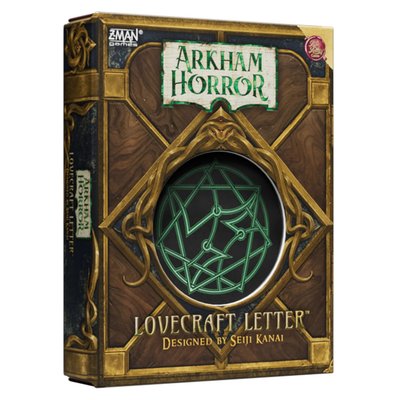
Dominant Species is It takes a long time, but I think it's worth the time. It's worth the time. Next is Arkham Horror Love Letter or any Love Letter, I guess. Arkham Horror: Love Letter distills cosmic dread into a quick, tense deduction game where players pass cards and try to outwit cultists, monsters, and each other. I had to include a Love Letter because they're all best at four players, and they are pretty they're a pretty solid little party game. We have a friend who really loves Love Letter and he gets a lot of the different versions, and he kind of just like makes us play all of them. But I find this one I find this one was much better than all the other ones. I love how the cards have like these two options you can play depending on whether or not you you've gone insane or you're sane. It's it's a neat and nice touch. This is one of those games I never expected to like as much as I did.
It takes a simple core of of Love Letter and sort of dresses it up in enough like sort of Arkham flavor and thematic mechanics like uh like Elder Sign or or the Insanity rules to make it feel more than just a reskin. It's still very light, of course, but you know, there's something really satisfying about the tension it creates in such a like tiny package. And it's one of the few social deduction games that I think Kim actually enjoys. You know, you're sort of like watching every move, trying to piece together who's holding what before you get eliminated by something, you know, stupid that frustrates you for a brief moment. But that game, the game is usually over pretty quickly, and you don't you don't really mind. It's silly, it's quick, it's fun, and while it won't blow anyone's mind, I think it earns a solid B. Yeah, it's I think it's the best love letter and I think it's a B.
Next up is Windmill Valley. Windmill Valley sees players building an efficient windpowered village by strategically placing tiles and managing resources, creating a charming and dynamic community. We were thinking about reviewing this one for the longest time, and we've been playing it for that purpose, but we kept thinking our enjoyment of the game was just because it's, you know, the new hotness thing, and I didn't want that bias to impact the review. But it's been a while now and I have to say that I I'm just loving the experience. I apparently Kim hates it because uh well she hates tulips apparently. I don't know dudes. I just don't ask me. I don't know. It's a super comboheavy board game that sees you building your own action selections through like upgrades and this super cool wheel that you get to spin. And that establishment of your own sort of like identity that you build throughout the course of the game just feels it feels so damn rewarding and and and interesting. And it's such an easy way to make each game feel different rather than having a ton of stuff, you know, that's variable on the board when I have to set it up every single time. And I think all the other parts of this game like like collecting tulips, placing windmills, they all feel fairly connected despite the game being a sort of hodgepodge of different mechanisms. It works really well here and I'm I'm happy I picked this one up.
This is an A tier game for sure and this works like just beautifully at a and it doesn't add that much downtime really. Next up is Inferno. Inferno sees players guiding souls through hell while also trying to do their best to get as many resources as possible using their families as workers as they place them out on the board. I love the theme of this one. I've always said I want games that are not familyfriendly. I want some games in my collection that are like like R-rated movies. And while this game isn't necessarily that, it's at least interesting and it's taking a chance. I I really enjoy the puzzle that the game's asking you to solve during the sinner placement because you want to get certain colors of sinners on their matching place in hell. And if you do, you you get points. Plus, you dictate what actions you can take with that with your workers uh through that guiding through hell. So, it creates a pretty cool worker placement method that's that that's fairly unique for this game.
Despite the worker placement spots themselves, sometimes feeling a little lackluster. Like, none of the actions here make you feel good or clever. You know, you're not performing some sort of wicked combo or pulling something off that makes you feel like you did something impressive. You sort of just plop your worker down, grab whatever, and to make things worse, the interaction here between players, it's just completely negligible. We didn't get rid of this one because Kim enjoys it and it is a decent game. Um, but I don't think it's good enough to escape the C tier. Yeah, it's it's it's an okay game. Next up is Seven Wonders Architects. In Seven Wonders Architects, each player works to build one of the Seven Wonders of the Ancient World by drafting cards from shared piles, collecting sets, and triggering simple effects. Now, here's the thing. This game doesn't even feel like like a game.
It It's nothing. It's nothing. This is what happens when you you overdistill a game until there's almost no flavor left. It's like it's like someone took the bones of Seven Wonders and then ran them through a progressively finer seieves and then called that leftover dust a a game. You know, like what used to be intense and interactive now feels like automatic and devoid of friction. There's barely a moment where you feel like your choices matter. It's it's just sort of like operating on autopilot. And when I play this, I think I think parts of my brain are actively being like removed from my skull each freaking turn. I've played this at four players multiple times. And while the game certainly moves quickly, it just it it feels like it ends before it even begins. You know, the decisions here are incredibly light and repetitive and you're never truly engaged. You're just going through the motions. You just you just you never feel like you built something satisfying. And there's no tension. There's no table talk which just kills it just kills any momentum.
this game could have possibly had. This to me is a is just it's a D rank game. I am I am baffled as to why this game is so popular. This is our first D of the night, boys. Let me know how wrong I am in the comments and just tear me a new one because responding to these comments. Responding to these comments will be more interactive and entertaining for me than a single second of this game. And next we have Black Rose Wars Rebirth. Black Rose Wars Rebirth is a chaotic arena battler where mages duel using drafted spells, summoned creatures, and explosive room effects. It's wild, interactive, and perfect for fans of over-the-top magic mayhem. This is one of those games I've been cautiously optimistic about for years. You know, I saw the original and just wasn't sure, so I kept away. But then I've given Rebirth a shot. I have to say it's pretty freaking cool. Like as someone who absolutely worships at the altar of mage wars and whiz wars, this was something going that was going to be like my jam basically. Spells flying, rooms on fire, everyone trying to flex their magical in a way that's like barely constrained by the rule book. It's it's messy. It's messy.
It's wild, but it's just it's just cool. I will say that the learning curve is a little steep. the rulebook isn't doing you any favors and turns can get bogged down by a lot of stuff happening all at once. And yeah, I do kind of wish the game clocked in a bit shorter, but but even with all those like things aside, I I'm just I'm grinning ear to ear through my limited plays. It captures that same like sort of uh down and dirty brawler energy that I love from those other games. And this is absolutely a four-player game. It may as well only be a four-person game. spells flying in every direction, alliances forming and breaking in the same breath, you know, just just complete anarchy. Play at any other count and you're missing the best parts of what the system can deliver. At least in my opinion. So far, like I said, I have I have pretty limited plays with this, so I'm curious as to see how I feel about it later. But for now, for now, it's looking like an A tier game. I I'm really enjoying this one. Oh, and I know there's like a I think I think there's a new one on like a crowd sourcing thingamajigger. Let me know if I should even bother or if this like if having this is just good enough. And next up is Transgalactica. In Transgalactica, players explore space, trade goods, and manage resources while navigating the dangers of deep space and alien encounters. So, here we have yet another lackluster game that felt very disappointing, especially since I love the designer and pretty much just all his other work. So, I was expecting me and Kim were expecting big things, but instead I sort of got a game that feels it feels halfbaked and pretty damn imbalanced. Like seriously, there are
these bonus tiles, right? You can pick up as you play and some are significantly better than others. And while that works in some games because you can sort of incentivize players to race for them, here it's all hidden information and it's random. So that that contention is just completely lost. And all the mechanics felt sort of disjointed and and couldn't hide the fact that I was just sort of moving up tracks. Nothing felt fulfilling or or or interesting. Like I don't see why I would ever play this over any other game. It is unique to look at, but that uniqueness, you know, it's not it's not a bad game. It's not a bad game. I would just It's a C game. This is a C game. Um it's a unique game to look at, but not that great to play. And next, we have Merchants and Marauders. Merchants and Marauders is a high seas adventure game where players sail the Caribbean as either wealthy leaders or fearsome pirates. This is a game that doesn't seem to get talked about enough. Like I sadly no longer have my copy because unfortunately it's just it was really hard to get to the table. It's it's very long and it's pretty complicated at times. But man, when this thing hits thematically, it's just a complete blast. Like the game has this cool open world type feel where you can decide as a player during the game if you want to continue down the path of a as a merchant or sort of like switch it halfway through and just start just like freaking wrecking faces of everyone around you and just just just taking all their At four players, the game just like it shines like because there is so much cool interaction here to have
fun with and to have fun with other players. If it wasn't for how like how hard it is to play this game sometimes and how hard it is to get to the table, this would be an easy S rank, but for now for now I'm feeling A. I this is definitely an A- rank game. I I wish I still had my copy. And next is Skyrise. In Skyrise, players construct a futuristic metropolis in the sky, balancing architecture, resource management, and strategic planning. We actually reviewed this one on the channel, and while I I love it, Kim absolutely hates it, which you know is is is fair. She likes what she likes. It's almost the only pure bidding game I've ever really enjoyed. And I think it's because it's not it's not just about winning an auction. It's about, you know, where you bid, uh, what you leave access to, and how how you position your your future turns and public objectives. There's this like subtle layered strategy that keeps me hooked for the entire game. Unlike typical bidding games where everyone sort of fights over the shiny object, Skyrise makes you sort of like weigh long-term positioning and and opportunity. like every move shifts the board and perhaps what's available. And I love how it forces you to think like sort of multiple turns ahead. It's clever. It It's clean and it and it's just satisfying with four players. The tension is like really good. Bids are contested and the map fills at a like a satisfying pace and you start seeing the real impact of early decisions. It's like this like knife edge balance between like over bidding and sort of missing your window. And that dynamic interaction is what makes the game just really good. Plus, it's fun getting mad at people for basically handing somebody an easy bid for an uncontested space.
Those people are stupid and you should always shame them. This is like this is a solid A tier for me. Yeah, I'm really digging this one. And I don't think just think it's because of the new hotness thing. I I think it's a really good game. And next we have Game of Thrones the card game. Game of Thrones the card game is a living card game of political maneuvering, backstabbing, and sudden betrayal where players v for control of Westeros using iconic characters, schemes, and a whole lot of treachery. Look, I I know what the internet says, okay? It says it's a two-player game. It's not. That's like saying diplomacy is best played with just a single friend. This game thrives at four. That's when the wheels really start turning. That's when bluffing, alliances, and grudge holding come alive. In a four-player match, you're not just playing your deck. You know, you're you're reading the room. You're watching for weaknesses and trying not to look like a threat, even though you you definitely are. The intrigue phase alone becomes this like absolute masterclass in manipulation. You'll spend as much time outwitting your friends as you do playing actual cards.
And that's that's kind of the best part. It's like a full season of the show playing out across a a single match full of shocking twists and like like betrayals and people yelling, you know, like I I know you were going to do that just across a table. I love it. I love it at four players. I just really like the mechanic where you open your entire hand and round with a single like strategy card that sort of like sets the strategy for what you'll be doing for that round. It it's just it's neat. And the roll card is just another layer of choice and coolness where you choose, you know, who who might be your allies and who might be your your enemies for the round. At four, it becomes like more of a race to power and not just like a mindless beatd down. And actually, I I enjoy the deck building in this even though all my decks are completely thematically based. This is 100% an S tier game. And don't let anybody tell you that this game is best at 2. They are liars. And next is Cretaceous Rails.
Cretaceous Rails is a dino flavored economic game where players build roots, manage resources, and try to turn prehistoric tourism into cold hard victory points. We're still pretty new to this one, so my rating will probably fluctuate a bit over time. But I'm hoping that grade sort of just like creeps higher over time. It's because it's just it's a pretty satisfying mix of tight decisions and open planning. They're just like it just feels good when everything sort of lines up. And as a little boy at heart, man, I love trains and dinosaurs. Four players is definitely the sweet spot here. The board stays interactive, the market gets pushed just enough, and the root tension is just like just right. With two or three, it might feel a little dry, but at four, there's a the great blend of competition and momentum that keeps things engaging and sort of like sort of unpredictable. So, I'm really crossing my fingers here that it goes up because I know the Dice Tower dudes were just like gushing over this one. Uh, however, for now, I'm going to have to say it's a B for it's a B. It's a It's a pretty high B, but it's a B. But I am looking forward to seeing where it ends up in my endofear tier ranking video for 2025 after Kim and I have sort of just played it a bit more. But it's a really cool idea for the game and so far we're really enjoying it. Next up is Spectral.
In Spectral, players are doing their absolute best to determine the spots of treasures and the spots of haunted locations that will absolutely kill all their men. This is one of Kim's favorite games right now. But we first played it at PAX like instantly looked at one another after the first round and said like, "Yeah, we're going to we're going to buy this." It's got this great blend of duction and and bluffing where you're sort of, you know, piecing together clues about what isn't there all while trying to throw off everyone else from the trail. It's like it's fast. It's just and it's just a cool game. But the game I feel really shines at four players. Three is a bit too easy to track and five can get a little messy, but four four hits uh the perfect mix of like deceptive strategy and like tension. Everyone's pushing and and probing and secondguessing what they saw a turn ago and it keeps it keeps the table buzzing right through the to the end. You know, this one I think is an A tier for sure. I'm not really sure how this one flew under the radar, but it's it's a really good game. And next we have the absolute classic from I think the 70s, Survive. Escape from Atlantis.
Survive Escape from Atlantis challenges players to escaping a sinking island while evading sea monsters and sabotaging opponents in a family-friendly mix of strategy and luck. This is one of those games where everyone is like laughing and yelling and making like petty, emotionally charged decisions every other turn. And it's just it's just glorious for that. You know, you'll send a whale to destroy your best friend's boat and just feel no shame. In fact, you'll be happy you did that and ruined their day. Or maybe that's just me. I don't know. Maybe that's why I have so few that's why I have so few friends. I'm not sure. At four players, it's just it's awesome because it means more opportunities for those like little mini alliances and more opportunities for backstabbing your friends and leaving their little men to swim in the ocean that is filled with sharks as you sort of just row away giggling. Again, I I think this is this might be why I have so few friends. It's a great A tier game. I love it. It will never leave my collection, and I'm looking forward to one day playing with my kids. And next is Takal. In Teal, players excavate ancient ruins, uncover treasures, and manage their archaeological expeditions, competing for area control and discovery points.
This game is like peak 90s Euro. No text, clean iconography, and crystal clear rule set that still somehow delivers tough decisions on every turn. You've got 10 points to spend however you want. Move, dig, clear temples and and the freedom it gives you is is really satisfying, especially when you're setting up for the like the perfect temple grab two turns ahead to like scoop it up from somebody else. But it's at four players that DL gets crazy good. Like every scoring round is this like awesome tense battle with a touch of like meanness which again you've probably established I love as you try to snatch other people's temples that are working that they're just working so hard on to call just earns a solid B. It is a timeless classic and I I have that uh I have that big coffin shaped box I should probably upgrade at some point because it's like really awkward to put on my bookshelf. But yeah, great game.
And next up is Quacks of Quelenberg or Quacks. Now I guess in Quax, players brew potions by drawing ingredients, risking explosions for greater rewards in this pusher luck game. Man, this game just frustrates me to no end. I I want to enjoy it. It It's colorful. It's easy. It's got that like family game night energy, but the push your luck element just absolutely breaks me every single time in the worst possible ways. You can build your bag smartly and, you know, sort of plan ahead, but then someone just sort of like blindly yanks the exact piece they need every single time, round after round, and you're just left pulling garbage out until your cauldron explodes in like round three for like the the millionth time in a row. And it doesn't feel tense or fun. It just it just feels bad, man. Even with four players where the chaos is dialed up and turns are quick, I don't find anything to latch on to. It's randomness disguised as like as strategy. And I get why people love it, but I am not one of those people. And my best friend really likes it. And sometimes I think sometimes I think he makes me play it because he secretly hates me. Probably because I destroy all his men and survive. I'm not sure. Yeah, this is a this is a a Dtier game. I know that makes me sound uh salty cuz I cuz I I keep busting, but I don't care. I hate this game. And next is Sakura Slam.
Sakura Slam sees players pushing the wrestling champions into the arena to order to knock out their opponents from the arena in an epic royal rumble filled with different player powers and loads of frustration. What a fun little dexterity game. I I I'm not the biggest fan of dexterity games since most sort of involve like flicking stuff all the time, but this one is it's pretty chill and yet still surprisingly fun and Kim loves it, so we'll likely we'll likely never get rid of it. I just love how creative it is and how the game just does such a great job in providing unique experience with every play because the powers your characters have, they're they're they're pretty different and offer enough to your strategy to keep things interesting and fresh between plays. It's a great game to have around and bring out between games or just at the end of the night. It somehow manages, like I said, to be both, you know, pretty entertaining and yet simultaneously laid-back since you're just kind of like you're just pushing discs. Yeah, this is a this is a cool cool game. Easy B. EasyB. And next up is Stone Age. In Stone Age, players develop a prehistoric tribe by gathering resources, expanding their settlements, and managing workers in this classic worker placement game. This is another one of those fairly simple classic games that has stayed around for quite some time. You know, it's charming, it's accessible, and it has that tactile satisfaction of like chucking dice into that like little wooden cup. Cups, they just they make all board games better.
It's just science. The decisions feel a little safe now. Uh, you know, the strategy is mostly just like mathing out the best odds and hoping the dice don't betray you. And while there's technically, you know, interaction and in racing to key spots, it's it's really light. Players are mostly just kind of doing their own thing, quietly, praying they have enough food again at the, you know, at the end of the round. At four, the board sort of tightens up in a in a pretty good way. You know, there's more tension in placement and a and a bit more blocking, uh, which helps sort of elevate the gameplay a bit. you actually have to adapt instead of just like sleepwalking through the entire game. Um, but I just I can't see myself giving this game anything more than a C a C. It's it's a good introductory euro. Um, but I have no interest in ever revisiting it again. And next is Spartacus Blood and Treachery. Spartacus Blood and Treachery is a game of gladatorial combat, backstabbing, scheming, and dramatic betrayals where players take on the role of Roman gladiator houses, vying to control and gain influence by any means necessary.
This game is just like so much fun. It's it's loud. It's it's messy and it's just gloriously unpredictable in a way that makes it feel more like an episode of the show. And actually, I I'm not sure any game does a better job of capturing its source material than this game. The intrigue phase is basically like a a free-for-all of like bribery and threats and and and fragile alliances, and then you toss some poor gladiators into the arena to fight for your amusement. It's it's it's dumb, but dumb in the best way. At four players, Spartacus really hits its sweet spot. There are enough players to keep the politics dynamic and interesting. You know, you always have someone to plot uh with and someone to sort of betray. And the arena battles are are almost always fun even when you're not directly participating. But it does sometimes overstay its welcome.
A game that should last probably 90 minutes, man, can easily balloon to like 3 hours if everyone's evenly matched and holding grudges. Still, yeah, when it works, it really, really does work. And you get those moments where you'll be talking about it for weeks. You know, this is the type of game that gives you memories at the play table. So, I'm going to give it I'm going to give it a B tier. This is a Btier game. The super fun game. And next up is War of the Rain the Card Game. War of the Rain the Card Game distills the sweeping epic of Middle Earth into a tense, tight duel of wits where the free peoples and the shadow forces clash over battlegrounds, maneuvering characters and carefully managing cardplay to shift the fate of the one ring. I'm seriously digging this game right now. It's got this like cool balance of planning and improvisation while just enough theme to make every card feel like a like the story being pulled from the books and the way each faction plays like differently gives the whole experience of the sort of like layered asymmetric depth that's like super satisfying. And with four at the table, this thing really shines. You know, you split into teams of two and that dynamic sort of adds this extra layer of coordinating and bluffing that's just so it's just so cool. You're not just playing your hand, you know, you're you're planning your next three moves while trying to read both your your enemies and your partner. It's tense. It's thematic, and it never outstays its welcome, I find. Plus, there's so much depth here that just that just that shouldn't be here for a card game. My options are always they
always feel very wide open when I'm playing the game. Yeah, I think I'm going to give this I'm going to give this an S tier. I'm going to give this an S tier. Uh, I first played it a couple years back on like tabletop simulator and now I've been playing it in person and it's just yeah, I'm I'm still having fun. And next up is It's a Wonderful World. In It's a Wonderful World, players draft cards to build an engine, balancing resources and infrastructure in a futuristic dystopia. I just I just I don't get it. I've played this multiple times and every single time I walk away wondering like who who is this for? It feels like the game is just sort of like playing itself, you know, like you draft cards, you discard someone for resources, you you know, you play others, and then do the same thing over and over until someone wins by like 10 points because they happen to get a card combo in like round two that they didn't even work for. There's there's no drama. There's no tension. Sometimes it just doesn't even feel like there's a game here.
Sure, it's it's fast, and yeah, the production is clean, but I've had spreadsheets with like more interesting decisions than this thing. I can handle no interaction, but the puzzle you're asking me to solve by myself, it better be interesting to to compensate for the lack of interaction, and it's just not here. It somehow manages to be too short and too boring at the same time. Even with four players, it doesn't get better despite being, you know, that's the optimal player count. you you barely notice what anyone else is doing and you could replace your friends with like cardboard standies and you get like probably the same play experience. Yeah, this is a this is a hard D for me. A hard D. I like I don't understand how this is this made it in the top 200 of Board Game Geek. Next up is King of Tokyo. King of Tokyo has players take on the roles of monsters battling for dominance in a chaotic city brawler with dice rolling and power-ups. Look, I I I get why this game has stuck around for so long. It is easy to teach. It looks great on the table. And there's something inherently fun about just like bashing the leveling hell out of like everyone while you're sitting in Tokyo and just like racking up points every round. But something here just doesn't seem to be hitting for me anymore. At four players, it's still probably No, it definitely is the best version of the game. there's enough time for everyone to play without it sort of overstaying its welcome, but even then it's kind of just it's kind of just fine at this point. You know, turns sort of blur together and half the table usually checks out, you know, when someone gets eliminated. I Yeah, I don't know. I
don't hate it. You know, I still play it if someone's really keen to, but I sound like I'm giving a D. I'm not. It's It's still a Ctier game. I still own it and I do still bring it out myself in like a party situation. It's It's fine. It's fine. And next up is Kabutos or Kabutos. Kabutos, I don't know. Kabutos or Kabutos I is is a pusher luck racing game where players roll a handful of colorful dice to power their runners. Buy new dice and special abilities and try to outpace their competition while avoiding a bust. Look, I I get why people love it. You know, my friends love it. Kim loves it. I It's got that satisfying tactile thing where, you know, you're chucking a ton of dice and hoping for magic. And the combination of powers can be really fun. But for me, it just it never really feels like it's hitting. The randomness just isn't exciting. It's frustrating. Someone always manages to snowball ahead. And if you fall behind early, you're just stuck watching them sprint to the finish while you're still rolling, you know, zeros and and buying garbage dice. At four players, the game does stay quick, which I'll I'll give it credit for. you know, the downtime is relatively minimal and the the chaos feels like lively with a full table and you get more variety in who's doing what and the player power sort of like just like flying all over the place. It's visually fun, but even then the randomness doesn't scale in a good way. It just it just means you get to see four different versions of one person dominating while the rest are sort of like scrambling to catch up.
Yeah, this sounds like I'm going to give it a D again, but no, it's a it's a Ctier game. It's fine. and we're not going to be able to get rid of it cuz Kim really enjoys it. But I definitely prefer other games to this, other race games. And next up is Evolution. Evolution is a game of adapting your species to survive in an everchanging ecosystem where food is limited, threats are constant, and someone is definitely about to turn into a carnivore and ruin your day. What I love about this game is how tense and and reactive it is. Like every round you're watching your opponents like a like a like a hawk trying to guess who's going to bulk up defensively who's suddenly about to to grow claws and whether you're the next thing on the menu. The adaptation here is the process is satisfying because you're not just building in a vacuum. You know you're you're counterbuilding.
You're you're pre-building. You have this paranoia building. You know the moment when a harmless herbivore suddenly mutates into a predator. It's it's it's comically stressful and a hell of a lot of fun. At four players, evolution is is it's incredible. Just just enough interaction to keep everyone engaged and the food supply gets tight in the best way because especially since uh it's controlled by other players, which just adds an extra cool level to the game. I think you're constantly weighing the risk versus the reward. You know, can I can I feed both species this round? Uh should I protect one and sacrifice the other? It's just it's fun. This one for me is an easy A. It's a great game. Um, I know it's been reimplemented a bunch of times. I have none of the implementations. So, let me know in the comments section if there's like a newer version that I should be replacing my old evolution with. Yeah, but yeah, this is a great game. And next is Ethnos. Ethnos is a set collection and area majority game where players draft fantasy tribes, form bands, and battle for control of regions in a fast-paced, lowfashical flare. I wanted to like this one more than I did. You know, it's quick. It's accessible and the rotating tribe abilities give it some variety, but it just feels like it just felt flat. The gameplay is almost too streamlined. And while I I I get that the focus is supposed to be on like clever timing and hand management, it always ends up feeling sy. you know, there's no real spark or tension. Just a cycle of of of sort of just drawing cards and hoping
for a match and maybe dropping down a mildly interesting combo before someone else, you know, scores a region you didn't care about anyway. At four players, it does run at a good clip and you get enough presence on the board to feel like things are are kind of happening, but the interaction isn't particularly exciting and turns are so quick that it's hard to get invested in anyone else's moves. you know, you're you're you're playing beside each other rather than playing with or or against people. You know, it's a clean design. I'll give it that. But I it didn't leave much of an impression on me. I think I think I would give this a C tier. It's it's not a bad game by any stretch of the imagination, but it's not one that I would ever request. And next up is The Manhattan Project. The Manhattan Project is a worker placement game about building bombs, managing your economy, and sometimes, just sometimes, completely messing up other people's plans. This is one of those games that nobody really talks about anymore. It's been re-implemented, rethemed, and reimagined so many times that the original has kind of like faded off into the background, but honestly, this one is actually still my favorite. There's something there's something so sharp and unforgiving about it. You know, you're constantly trying to line up the perfect resource chain and then like boom, someone drops a spy on your factory and your whole land just like grinds to a halt. And what's worse, it was absolutely the right move. Fortunately, even though it probably cost them as much as it might have cost you, at four players, this game is like it's great.
There's enough competition for spaces to make every placement matter and the spy mechanic becomes this like delicious game of chicken. You know, do I use my turn to advance my own plans or tank someone else because they're clearly ahead. The tension sort of ramps up fast and the board stays like feeling tight in the best way. This is like this is a solid Btier game. It's not flashy by any stretch of the imagination, but it's it's even to this day, it's still pretty satisfying. This is my favorite one. Let me know in the comment section which one you think is better. Next up is Furnace. Furnace sees players acting as industrial tycoons, acquiring factories, and optimizing production chains to amass wealth while doing a little bidding to acquire some new industries. This game is just so bloody satisfying. Like every round you're building this like tight little economic machine trying to get your conversions lined up just right so you can turn a bit of coal into into iron and then into steel and then into just like money. And when it works, you know, when that pieces click into place and everything fires up in the perfect order, it's like watching this like really awesome like Rube Goldberg machine made of like made of spreadsheets. You know, it it scratches that like make things efficient itch in a way few other games can without ever feeling bloated or or over long. And at four players, the bidding phase is actually pretty enjoyable here. Even though I don't typically like bidding, you know, it's tense, it's fast, you're constantly weighing you, you know, whether to acquire the card or just sort of settle for the compensation because even losing a bid in furnace uh can be the right move because you still get compensated with resources. The competition is tight. You know, the upgrades fly quickly and the board say
changes just enough to keep every round really fresh. Yeah, even though this is so light, this is like one of my favorite engine building games. Um, I I'm going to give it an S. I know it's a light game, but I'm giving it an S. And next up is Paper Tales. In Paper Tales, players draft cards to develop their civilization, balancing the rise and fall of characters for optimal scoring. This game used to be my like go-to filler game. you know, it's snappy, it's clean, it has this like cool rotating timeline mechanic where units only stick around for a couple of rounds before, you know, retiring to the great cardboard beyond drafting is like it's it's light and it's tight. There's always something you almost pulled off but didn't. And which keeps things interesting, tense, and engaging. And the way it handles economy and war simultaneously and such a, you know, a tiny rule set is honestly pretty cool.
But I'll admit it, over time it started to annoy me just a tiny bit. Like it can feel very swingy. And sometimes you just get stuck without a way to pivot or score well. No matter how clever you think you're being, you know, the short length means that one awkward round can tank your entire shot at winning. And I've had more than one game where I finished feeling more frustrated than entertained. Um, but let's be honest, I'm I'm I'm probably just being salty. It's still it's still a it's still a great design. At four players, Paper Tales is it's perfect. You know, the draft is tighter, the the wars are more interesting, the tension sort of ramps up a little quicker. You're constantly watching, you know, what others are doing and trying to get a read on whether they're, you know, going all in on the military, all while still managing your your own limited and aging army. Yeah, it's it's not as great as it used to be for me, but it's still a Btier game. Yeah, this is a good game worth checking out. Next up is Crypted.
Crypted is a deductive game where players use logic and clues to pinpoint the location of mythical creatures while parsing opponents moves for hints. This is one of the rare deduction games that I actually love. It's clean, it's clever, and it somehow makes the act of narrowing down a single hex feel like solving this like multivariable math equation with with style. You know, you don't just feel like you're playing a game. You feel like you feel like you're a genius or at least or at least you could be one. If you could just figure out why someone said no on a turn four and maybe you and made you look like an idiot for boasting on a previous turn that you knew exactly where it was going to be. At four players, Crypted is perfect. There's just enough information flying around to keep things interesting without overwhelming you. The puzzle sort of evolves every turn. And it's that sweet spot where every move feels important and every clue can potentially crack the whole thing just like wide open. It's a it's a super interesting and engaging game. So yeah, this is a this is an easy a game. I wish I wish other games would make me feel as smart as this one sometimes does. Next up is The Initiative. The Initiative is a narrriven co-op game where you play as teens uncovering secrets through a series of missions inside a mysterious board game, solving puzzles and cracking codes as the story unfolds. The concept here is is really awesome. The production is like it's slick and the whole idea of solving like meta puzzles through gameplay is is genuinely clever.
It's like someone took an 80s mystery comic and turned it into a board game. And I I I do love that. But but the thing is it's just it's it's just really easy. Like most of the puzzles feel like you're sort of blazing through them without breaking a sweat, which makes the experience feel a little flat sometimes. Granted, we've only played it like three times so far, but so far like, yeah, we're not feeling particularly challenged, but hopefully it ramps up. Kim enjoys it more than myself, so, you know, we're going to keep playing it, but for now, I would put this at a C. I think it's a it's a decent game, and I think well, I think it'd be actually a a great family game. Uh, you know, I see families like freaking loving this game, so it's it might be worth checking out, but for now, I'm going to say C. And next is Whiz. Whiz is a chaotic arena brawler where wizards sling absurd spells, shape the labyrinth around them, and try to steal treasure or obliterate their rivals in a magic free-for-all that's equal part strategy and total nonsense.
I don't care that this game isn't balanced. I don't care that half the spells feel like broken and the rules occasionally collapse like in on themselves because when I play Whiz War, I feel like I'm back in my old like uh uh Windows 98 machine like playing Quake Deathmatch with with with spell cards, you know? Like it's wild. It it's stupid. It's it's just it's just fun. One minute you're you're summoning walls and blasting lightning and the next you're polymorph into a freaking werewolf and and tumbling into a pit. And it just it owns all that and it just it makes it all just really enjoyable. At four players, it's exactly the right level of madness. Like more targets, more mayhem, more more insane combinations flying across the map. The pacing is always pretty sharp and every turn has the potential to completely change the game state. someone always makes this like wild move that no one saw coming and it's just it's beautiful every time. So yeah, this Whiz War is uh it's an S tier game. There's there's no question about it. I love it. I have the second latest edition, the one where before the art went to complete and utter Next up is Keyflower.
Keyflower is a deeply interactive Euro game about building your village across seasons, bidding for tiles with your workers, and transporting a goods across a growing landscape of hex's. This game is in my top 100 video and it's it's really high up there for a really good reason. It's one of my favorite games. There's just something about how it plays out that hits all the right notes. You're not you're not just plopping down meeples. You're like you're you're visiting someone else's town, you know, using their stuff and politely or not so politely out bidding them for it later. And then you you you card all these resources back to your own little settlement, you know, loading up your dinky wagon uh that your proud villagers are are are happy they have collected and just heading home from the market. It's just I I find it charming and I have a huge soft spot for games that let me use other people's things. Uh if that makes any sense. I love that stuff. At four players, Keyflower is wicked. Like the bidding just gets cutthroat in the best way. There's just enough competition for tiles and actions to make every decision matter uh without sort of bogging down the game. Plus, more players means more towns to visit and more tactical opportunities to exploit. Respectfully, of course. We're all friendly neighbors here. Okay, I swear you you can ask Dan. I am the best neighbor. Aside from never wearing pants, this isn't an S tier game. This is exactly what I was talking about at the start of the the the video where where it just didn't feel like games are as interactive as they used to be. At least Euro games. This one is highly interactive. Great game. Next up is Terrammystica. Terrammystica challenges players to develop fantasy factions,
transform terrain, and expand influence through strategic planning and resource management. There are a lot of versions of this game out there like like Gaia Project or Age of Innovation. And while they've added new mechanisms and layers, nothing quite touches the elegance and like tension of the original. There's just something about Terrammystica's balance of asymmetry and resource management that just like it just hits perfectly, you know? It's like this modern classic and for a really good reason. Four players is absolutely essential. Don't even bother with any other player counts. With four, the map feels alive and and constricting in the best possible way. It's no surprise that this is one of the most played games on Board Game Arena. It's it's a competitive staple with a fan base that studies this thing like chess. Yeah, this is a I I don't play it a ton anymore, but it's a it's a nice A tier game. Brutally smart. Next up is Architects of the West Kingdom. In Architects of the West Kingdom, players construct buildings and gather resources while managing the moral choices of hiring apprentices or using more dubious means. This one just never grabbed me.
Out of all the designs from from Shem Phillips and Sam McDonald, this is easily one of the most it's easily one of the most boring in my opinion. and the central like stack workers to get like stronger effects mechanic is fine, but it's sort of for me it sort of well weird fin like there's just not enough payoff for how repetitive turns can sometimes feel and the tension that should come from the whole like uh capture other people's worker thing just I don't know it's whatever look I get this is supposed to be a more accessible one of the trilogy I think compared to say Palinins uh which feels much more strategic and rewarding architects is just it's kind of a a dud. You know, even with four players, it never really it never elevates. It's just like more of the same worker cycle with like minimum payoff and interaction that feels more like busy work than fun. And it always seems to run too long for my liking. Yeah. Uh this one is a D for me.
I know this is actually like a lot of people's favorite of the series, but yeah, I I really don't like it. Next up is Eclipse. In Eclipse, players explore the galaxy, build starships, and wage battles, striving for dominance through technology, advancement, and diplomacy. The first time I played Eclipse, it was sold to me as like a a better Twilight Imperium, which was just not the right way to frame it. I I went in expecting grand, you know, politicking uh lore soaked factions and wild narrative swings. What I got instead was like a a tight sort of mathy game about optimizing actions and upgrading laser guns now and then. And because of that, I spent most of the playthrough, I spent it mostly kind of disappointed. But here's the thing. Once I stopped comparing it to TI, I guess it would have been three at the time, I started to really appreciate it for what it is. You know, Eclipse is a solid, elegant space game that trims the fat and sort of delivers this like fast-paced, strategic experience with meaningful choices and satisfying like tech progression. It's not trying to be theatrical. It's trying to be uh clean and and that in that it mostly succeeds.
Uh with four players, the pacing feels like just right. You get plenty of room to sort of expand early on, but things sort of tighten up as as borders clash and big ship builds, you know, start to matter. So, yeah, it's not Twilight Imperium, but it's it's still a good game. Uh yeah, a really decent game. In fact, uh this is definitely for me a B tier game. And next up is Concordia. Concordia is a hand management and route building game set in the Roman Empire where players expand across the map, trade goods, and place their trade houses in areas in the hopes that other players will do the work for them. This one is way up there in my top 100. Like, it's it's to me a near-perfect game in my books. You know, I love that subtle pseudo cooperative interaction where you're you're constantly benefiting from other players moves just a little bit.
It scratches that that same itch as games like like Keyflower or Terrammystica where you're in competition but the timing of your actions uh relative to others can open up these like clever advantages if you if you do your things right. I've got a soft spot that kind of gameplay and Concordia just kind of it just kind of nails it. I even like the scoring system. I think it's I I think it's kind of brilliant. It creates this like fun tension where you're deciding not only what to do, but like when to do it and how each card you play is feeding into future strategies. It means you can sort of like shift your focus midame depending on the opportunities that open up. And every session plays out a bit differently because of it. There's no there's no like correct way to win. And I sort of I love Concordia for that. With four players, the game I well I won't play this game at any other player count. The game hits like like this beautiful stride. The board gets tight but not too tight. and the passive interaction like ramps up just enough to make every card play feel really impactful. You start watching what others are collecting, uh guessing what their endgame scoring might be and adapting your strategy like accordingly.
Yeah. Yeah. I feel like I'm on a roll lately. Like I feel like Mr. Positive with this tier list cuz like this is an S tier game. Another S tier game. I I love it. I love Concordia. And up next we have Root. Root is an asymmetric war game where players take on wildly different woodland factions, each with its own rules, goals, and strategies in a battle to control the forest. This one definitely grew on me. You know, at first I found the asymmetry like a little overwhelming, and I didn't really enjoy teaching it, but over time, I've come to really appreciate how cleverly it all sort of fits together. It's it's a it is a surprisingly accessible game for a war game, especially considering how different each faction is. Once you get the feel for how the the sort of like ecosystem and the game works, everything just sort of clicks and from there then you can start kind of having fun. It is one of those games to where unfortunately you do have to kind of give it time to cook. You know what I mean? Root has turned into a full-on lifestyle game for a lot of people. You can go deep down the rabbit hole like learning faction matchups and like you know turn order advantages and advanced strategies. But here's the thing, you don't need to do that to enjoy it. It's still a great game, even if you're just playing casually with friends who only half remember the Woodland Alliance and how it works. You know, there's something really charming about it. Even if you're backstabbing each other with these like adorable meuples, four player is, of course, the ideal count. The map feels like lively. There's enough chaos to keep things interesting, and it ensures all the major roles get represented. At least I only have the base game, so
they're all represented. Uh I couldn't play it with anything other than four, I don't think. Yeah, this is a this is an A tier game for now. Maybe it'll go up in the future. I don't know. Um, but yeah, I really do appreciate it. Next up is Orleans. Orleans is a bag building Euro game where you recruit followers, gather resources, and expand across medieval France by drawing workers from your personal bag to trigger different actions. This is one of those games that feels super satisfying to play. The whole bag building system is just inherently fun. There's something great about building up a pool of followers and hoping the right ones come out just like at the right time. And the decisions around, you know, upgrading your your player area and sort of diversifying your actions are always like crunchy and interesting in a good way. I think it's pretty polished and it's a it's a pretty smooth experience.
That said, Orleans has gone down a bit for me over time. Um, but the expansion uh intrigue I think does a really good job of keeping it awesome. But, you know, regardless, I I do like the base game. Uh, and I always say yes to a game, but it doesn't it doesn't excite me as much as some Euros do and as much as this game used to. Uh, the interaction here is fairly low-key. Like, every interaction here is it's entirely race-based, which is neat because you're literally just like racing for like everything in this game, which is fine because it's all limited supply. At four players, it runs cleanly and keeps the tension high as competition for spots and resources sort of like ramp up. You're always watching what others are doing, especially on the map. It gives the game a bit more a bit more life at than at lower player accounts. So, I think I think this one is a solid B. It's a Btier game. I like it. And next up is Barrage. Barrage is a brutal, brain burning Euro game about managing water flow, building dams, and outengineering your opponents for hydraulic dominance in the dystopian industrial future. This game is the perfect example of why reviewers and players in general need to give games more than one shot. You know, my first play of Barrage was rough. It felt punishing, overwhelming, and honestly a little joyless, like, but every game since then has slowly revealed how incredibly tight and clever the design is. The tension and the sort of scarcity uh and the absolute ruthlessness, it it all makes for for one of the most cutthroat euros out there today. And that's why I think this one is only
going to keep climbing. I think uh the more you lean into the meanness, in my opinion, the better it gets. You know, blocking someone's water flow or or or beating them to a key project isn't just satisfying, it's it's essential. There's almost no fat in this game. And once you you wrap your head around how the whole machine works, I think the elegance starts to shine. And I think four players is where Barrage thrives. Like the competition is fierce. The map feels tight in the best way. And there's just enough chaos to keep you on the edge every single round. It's It's not It's not a friendly game, but if you're into a tense, competitive Euro, you definitely should try this one out. I would give this a very good B tier. Very good Btier. Uh I hope it gets better in the future, but for now, it's a B. And next up is Vida Culture. Vida Culture is a smooth thematic worker placement game where players run a vineyard, planting grapes, harvesting fields, and producing wine to fulfill orders and earn prestige. This is one of those games that I have a lot of respect for, even if I rarely reach for it these days. You know, it's incredibly welcoming with with intuitive mechanics, great production, and just enough depth to keep things interesting without overwhelming new players. A as a worker placement, you know, introductory game, this would be my go-to. Um, and it would definitely be one that I recommend. That said, it's not it's not a game I crave anymore. It doesn't it doesn't offer the same tension or complexity that I've come to love in a lot of heavier euros.
And the randomness of cards can sometimes like swing the game in these like sort of frustrating ways because none of these cards are none of them are balanced. Like there are cards that are significantly better. It's not even close. and the stuff that and okay, stuff like that is fine uh if it's open information and players are fighting for it, but if it's just a random draw, it doesn't feel good to draw a crap card when you're when you have like limited actions. Four is obviously the best place for this game. You get a good amount of tension over action spaces. You know, the pacing is still pretty smooth and the shared objectives keep everyone engaged. Uh and it doesn't overstay its welcome and you'll always, you know, walk away thinking like that was a pleasant playing experience. And I think that's why I give it a B. It's not going to be one I reach for much these days, but uh Kim still really enjoys it and and it is one of my go-to worker placement games for teaching new players. Next up is Hijgemony. Hegemany is a deeply asymmetric political and economic game where players represent the working class, middle class, capitalist class, or the state, each with unique objectives, mechanics, and ideologies that clash and intertwine over the course of modern society. Now, we did a full review of Hedgeimony on the channel, and if you even slightly curious, I recommend checking that out.
The game is something it's something special. You know what really struck me is how easily it draws you into role playing your faction. Not because you're you're acting, but because the mechanics so perfectly like pull you into that perspective. You know, you start thinking like your class. You know, as a state, you want to keep people happy and complacent. And as the capitalist, you want to like exploit every loophole and just start like building lots and lots of businesses. And as the working class, you just want to get paid better and stop paying so much freaking money for food and and gas and and entertainment and and car payments and and insurance and I just how how is anyone buying a a board game in this economy? Now, this is a game that demands four players. No question.
Every class brings something crucial to the table. And when they're all present, the dynamics like it becomes this like messy beautiful tangle of interdependence and conflict. You feel uh the push and pull of policy votes of of balancing power and economy. And it's never as simple as just doing what benefits you. You actually kind of have to think about the group. And that's that's really cool for me. Yeah. For me and Kim, this is definitely one of those like S tier games. We're having a blast with it. It doesn't hit the table all the time because it is tough to teach because every role is like so different. But when it when it does come to the table, everybody has fun. S tier. And next up is PAX Premiere. Pax Premiere immerses players in 19th century Afghanistan, navigating alliances and intrigue in a constantly shifting political landscape. I was pretty late to like the PAX Premiere party, but once I finally dove in, I I totally got the hype. You know, this game is all about reading the board, uh, adapting fast, and knowing when to pivot alliances or just like burn everything down. It's sharp, it's lean, and rewards attention in a way that's that's immensely satisfying. And it's one of those rare games where you feel you kind of feel smarter every time you play it. The cardro system is like it's brilliant.
The tempo of dominance checks like it keeps everyone alert and the political chess matches that emerges just like it's just wicked, you know? Like it's not a kind of game where you can plan 10 turns ahead. No. And that's but that you know what that's okay. It's a it's a great exercise in in tactics and your ability to pivot. And sometimes that is more enjoyable than those sort of like uh forward thinking long-term planning things. It's especially good with four. You know, you get all the dynamics this game was designed to showcase like betrayal, uneasy alliances, coalition shifts, and just enough chaos to keep things uh I don't know, spicy. feel like every decision matters more when the board is is is sort of crowded and it loads a lot more potential for for great memorable plays. Yeah, I think this one is a is a strong A tier game. Uh it's not always easy to get to the table, but it's it's really fun when it does get to the table. And next up is Puerto Rico.
Puerto Rico is the cornerstone of Eurogame design, where players produce goods, ship them for points, and build up their economy through a brilliantly tight role selection system that practically invented the lead and follow mechanic as we know it. This is exactly what I meant when I said that four-player games used to be king. Back in the day, the hobby was like full of games like this, like tight, interactive, and like really clearly designed with four in mind. Every player's decision is felt across the table and the tension in trying to pick that perfect role at the right time uh while denying others their optimal move just like pure gold. These days I don't play it very often. Uh mostly just the occasional session on board game arena. It's definitely shown its age a little bit both in gameplay and presentation and the dryness of the experience doesn't always necessarily like draw me in anymore. But every time I return to it I I do remember why it's considered one of the greats. I think I I think I would give this I would give this a B tier at a Btier ranking with an immense amount of respect. Puerto Rico is a very good game. And next up is Archipilago.
Archipilago is a sprawling semi-ooperative exploration economy game where players expand a chain of islands managing resources and quietly pursuing their own secret win condition while also avoiding collective collapse. I freaking love this game. It's bizarre and beautiful and f full of moments where you're not entirely sure if you're helping the table or setting up like like clever trap. Uh the base game is already great, but it's the expansion buildings that really put it into the S tier category for me. Spoiler alert. There's just something about placing that that especially the prison and straight up capturing another player's mele that brings me this like indescribable level of joy. Like, oh, you wanted to go there? Too bad you are in jail now. It's mean. It's hilarious and it's just such a uniquely specific mechanic that feels like it was designed just for me. At four players, the the push and pull of like that pseudo cooperation shines. I know a lot of people hate it, but I don't care. You're never quite sure who's holding back resources on purpose or who generally messed up the food market, you know? But everyone's just like tense enough to make the table chatter like really suspicious and fun. It's long, sure, but it's it's well worth it in the right group. It's the kind of game that becomes like a story you want to talk about after you're done playing. Oh, and I don't talk about components too much on this channel, but this game is like it's freaking beautiful. Yeah, this is a easy S tier game for me. Uh, nobody talks about this thing, but man, I love it. This is very high up in my top 100.
And next up is Trajan. Trajan immerses players in ancient Rome where they manage political influence, military power, and trade through a complex action selection system. I'll be honest here. I'm not the biggest FEL fan and I I I don't like tra T trading that much. I I respect it u but it just doesn't do anything for me. The manala mechanism is clever, but the payoff feels mechanical. I don't feel tension or excitement. Just this like dull hum of optimization. Every action is clean and purposeful, but it lacks that spark that makes me actually give a you know? Like it's it's it's like solving a Sedoku puzzle with really with really okay graphic design. Even with four players, it just sort of like moves along. There's interaction, but it's really muted. And while I know this is some people's favorite FEL game, it's never one I crave. I much prefer like the charm of a good Castles of Burgundy game. Yeah. So, for me, this is a a C-tier game. Uh it is impressive, but it's a C-tier game. This is the one that I know is going to anger some people.
So, hit me up in the comment section and let me know how much of an idiot I am. Next up is Kverna. Civera is a sprawling worker placement game where you manage a family of dwarves, expand your cave into a bustling homestead, and furnish it with rooms, animals, and weapons, and lots and lots of gems. This is one of the few Ooey games I truly enjoy. Unlike a Gricala, where it feels like it's constantly punishing you for just like daring to breathe, Kivera opens up things a little and says like, "Hey, you want to dig a tunnel and raise some sheep? Go for it or don't. Whatever. Whatever makes you happy, man." That sandbox freedom is what makes the sort of click for me. Which is weird because I usually do find a lot of enjoyment in a like tight, constrained, mechanically sound game. But here, I just sort of love building out my little cave system and deciding if I want to like chase rubies or grow crops or just build the weirdest room combinations I can think of. With four around the table, the game opens up in a really pleasant way. you know, there's just there's just enough competition to make turn order matter and keep you eyeing everyone else's strategy, but not so much that you feel like boxed in or that it's adding a ton of time. Any everyone sort of like ends up carving out their own little quirky little niches, whether it's like gem hoarding, like pig farming, or just like building the most absurd underground layer possible. It's it's relatively interactive, at least for a worker game, burger placement game. um but never necessarily punishing which is exactly the kind of game that I sometimes want to experience. So for me I would say this is a Btier game. It's a very very
charming game. Next up is Chaos in the Old World. Chaos in the Old World throws players into the roles of the four dark gods of Warhammer each with asymmetric powers and goals battling for corruption territory and apocalyptic influence across the old world. It's honestly a tragedy this game is out of print because it isn't just a cool little Warhammer side project. It is easily Eric Lang's probably best game design. The asymmetry is like razor sharp. The pacing is like brutal and beautiful and the game just like oozes theme in every corner of the map. Every god plays differently and and all just kind of somehow magically works. This is one of the very few area majority games that I genuinely love. Like normally I find the genre a bit tedious, just like piling on cubes or whatever, but but chaos turns into something dynamic and like vicious.
You know, you're not just you're not just fighting for space, you're racing each other towards the the you know, ruin in completely different ways. It's one of the best implementations of asymmetry that you can get. At least in my opinion, with four players, this game is the best because I think it's meant to be played that way. You know, each god has a foil, a balance, a counter move that emerges only when all four are at the table. The interaction becomes this like rich like tapestry of alliances, betrayals, and just like pure opportunistic violence. It's messy and glorious, and I miss playing it all the time. U this is uh this is an S tier. No hesitation. I'm sad that I no longer own it. Um but yeah, that can't stop me from giving an S tier because it's just a great game. Next up is well another clan game, Blood Rage. Blood Rage is a Viking themed area control game where players draft cards, upgrade their clans, and battle for glory in the face of impending Ragnarok. This was my go-to four-player game for like years. It just hits that perfect rhythm of drafting, fighting, and upgrading that makes you feel powerful without bogging down things and like endless rules overhead.
Every card choice feels like meaningful when you're drafting. And the combos you can pull off, especially when you learn lean into like losing battles on purpose are just like they're just so damn satisfying. It's like the perfect bite-sized war with a tight like arc that builds its dramatic tension for the final. And it just it works every time. Four players is the sweet spot. I think it keeps the board tense and interactive without turning into like complete mess. You've got just the right amount of space to plan and push, but always someone getting in your way at just the wrong moments. It's it's brutal, but never bloated. And the pacing stays quick and and and punchy. Uh yeah, this is a still an A tier game. Um it's not as fresh as it once was, but it is I think it's sort of carved its way out to be one of those like contemporary classics. A tier game. And next up is Agricola. Agricula is the classic worker placement game where you grow your family, expand your farm, and desperately try to feed everyone before winter comes and you just lose a bunch of points. I'll admit it, this game has grown on me over the years. You know, I used to really dislike it, but now I find myself playing around here and there on board game arena, not often, but sometimes, and kind of enjoying the the the grind, you know, like the truth is the card play in a gricula is where the joy lives for me. You know, a good combo of occupations and improvements can make the game much more enjoyable.
And I love planning around like weird sets of early cards to try and pull off something that's like clever um or or just barely viable. That said, the core worker placement still drives me a little nuts. It's not that it's like bad. It's actually welldesigned, but it feels like I don't know. It feels solved like chess. There's like the sense that you have to follow a certain opening move, whether it's like, oh, grab wood, uh, draft a card, get food, build your house, you know, repeat the while there's variations that that that opening always feels like a puzzle with one or two obvious answers, you know, like the repetition just doesn't it doesn't excite me and it gets a little boring sometimes. Uh, so I'm going to give this a C. I respect for the game, but it's it's just not my favorite game. And honestly, a lot of his games just don't hit for me. I'm not a big fan. And next up is Zulkan. Zulkan is a unique worker placement game where the central mechanic is an actual rotating gear system that lets you place workers and then let them age over time, rewarding players who can plan multiple turns ahead and maximize payoff. Full re we did a full video review of this one on this channel like a long time ago. So if you want to hear our full thoughts, definitely check it out. Uh but the short version, Zulkan is a really really clever game. The entire design is built around, you know, delayed gratification and it pulls it off beautifully. It's all about resisting the urge to take like quick actions instead leaving your workers out there for longer uh like long enough to score something truly impactful. And that that that does that's that's a cool experience. It's also one of the few games that makes time to explain this a literal like physical
element of the board and that novelty still feels cool even after all these years. Uh that said, the the rigidity of like planning and some of the resource gathering can still feel a little repetitive and the buildings do kind of feel sy now, but with four players, the competition over gear slots becomes genuinely engaging. It forces you to commit early and often while also second-guessing whether your opponents are about to take a spot you're counting on. Uh it brings out the best parts of the system and yet doesn't really add much to downtime between turns. Yeah, I think this one has proven by now that it's more that those gears were more than a gimmick. This is an A tier game. And next up is Power Grid. Power Grid is a highly regarded economic game where players bid on power plants, buy resources from a dynamic market, and expand their energy network across the map in a tight and mathematically sound race for efficiency. Look, I I know this is going to be controversial. People love this game. It's it's a staple. I get it. I I tried every couple of years thinking like maybe this time it'll click, but every single time I just end up bored and out of my just just bored out of my goddamn mind because I know the auction is like the heart of the game. Uh I know that's where the drama is supposed to like live, but I just don't care. I find the bidding dull and because it's such a crucial part of the game, it makes everything else feel like a chore when I'm not enjoying that sort of like core loop. Even with four players where the game is supposedly at its best, it feels like it feels just still feels lacking. Like some puzzle I just don't care about solving. You know, I respect what the game is doing and I know this is going to it's going to earn
me some hate, but I give it D tier. I do not like this game. I may never like this game, but like an idiot, I will continue to try. Next up is Ticket to Ride. Ticket to Ride is the modern gateway game of choice where players collect train cards and claim routes across the map connecting cities to complete secret destination tickets and earn points along the way. I'll never get rid of my copy of it. You know, it just kind of works. New gamers absolutely gravitate towards it like every single time. And there just something there's something elegant about the rule set. You know, it's like it's smooth, it's fast, it's perfectly tuned introductory board game essentially. But as someone who's been around the hobby a while, I just have no interest in playing this anymore unless someone else really really wants to. The thing that really gets me is that that late game random ticket draw. Like someone pulls a destination ticket with five turns, three turns left and it happens to connect perfectly with what they've already built and they just they win the game on sheer dumb luck. It's one of the most unsatisfying endings in board gaming and it happens like it happens pretty consistently. Still, I'm at the table with new players who are excited to play. You know, I won't I won't say no if they ask. There's still fun to be had in seeing others discover that joy for the first time, but for me personally, uh I feel like this is a Ctier. It's a it's a classic. I recognize that, but yeah, it's a C-tier game. Next up is Mosaic. Mosaic challenges players to develop their civilization by building wonders, cultivating culture, and expanding influence through strategic choices.
This game absolutely surprised me. It's just like it's it's a lot. The moment you start building your tableau and unlocking more and more cards, it starts to feel like you're just being buried under an avalanche of cards. And it's it's just kind of fun for that. Uh you're you're constantly looking at the the board and at your cards and at at what everyone else is doing trying to thread the needle for the next big combo or or or scoring explosion. And and despite all that, the game still kind of moves. You know, the game flows better than it has any right to. and the pacing somehow works even as your like pseudo engine starts to grow and you sort of like end up scoring a bunch of points. In some ways it scratches that civ itch without you know drowning you in rules or downtime. With four players it's exactly what you want. You know like the area control portion becomes a lot more interesting and the races towards certain objectives via the cards that you have to draft or the symbols that you have to collect becomes a bit more interesting. Even though I suppose some some ways at the heart it's a bit of a set collection game, but I just I I love just accumulating so many cards. I find it pretty fun. Yeah, this is I this is an A tier four player game for me. It's a it's a a beast of a game with a lot of cards, but I really enjoy it. Next up is Alchemists. Alchemist is a deduction and worker placement game where players take on the role of potion brewing scholars using logic and experimentation to uncover the hidden structure behind alchemical ingredients. This game is such a good brain burner. You're you're mixing potions, you know, testing them out on your students or or yourself and frantically jotting down notes like a
mad scientist. The the the companion app integrate integration is is pretty clever and has just enough tech to make the deduction feel like a real discovery. I always walk away feeling either like brilliant in this game or like deeply deeply humbled. Usually humbled. That said, it it can be a lot. It's one of those games where a single mistake in logic can like derail the whole theory and your whole game if you're not careful. And it's not exactly the easiest teach either. Like especially for newer players who think you're in for something like light because the the graphics are like really cartoony and inviting. At four players though, the game is absolutely at its best. You know, the tension over turn order and limited worker placement spots gets fierce and you start to see the ripple effects of everyone's deduction sort of bouncing off each other. It's chaotic, but but it's it's really charming in a in a really cool way. Uh, this is a this is a B tier for now. We haven't owned this game for very long, but but Kim really enjoys it, and it's definitely probably going to end up on our list for like top 10 deduction games, which should probably be coming sometime in the near future. And next up is Scout. In Scout, players take turns playing and rearranging cards in their hand to score points while climbing the ladder. You know me, I don't like tricktakers. I've I've said it a thousand times on this channel, but but Scout, this one actually has me raising an eyebrow because it's like it's smart.
It's it's tight, and the mechanics of rotating and sort of slotting new cards into your hand is just it's pretty clever. There's a puzzle here that's even that even a chromagin, you know, trick-taking skeptic like me kind of has to respect. I can already feel it sort of creeping into the rotation more and more. It's, you know, it's easy to teach, plays quickly, and has enough brain, you know, tickling, brain tickling to make me feel like I'm doing something interesting even if I'm losing horribly. It's the kind of game that's going to sneak its way up. I I think in the rankings whether I like it or not or not. Um, that that that's my prediction anyway. But for right now, it is sitting at a C tier. Uh, I think it's a it's a decent game and I think if you if you really like tricking game, it owning this would be a no-brainer. And next up is Marco Polo II. Marco Polo 2 is a dice placement Euro where players travel across Asia, fulfill contracts, and exploit wildly asymmetrical player powers to build efficient point turnurning engines. I love how completely broken this game feels in the best possible way. The player powers are so outrageously unbalanced that they just sort of like loop back around to being balanced again. like the kind of chaos makes every playthrough feel fresh and forces you to adapt uh in really fun and creative ways. Like you're always kind of pointing out your opponent's powers and being like, "How are you doing that? That is broken. This is insane." And they're just doing the same thing to you. But compared to the original Marco Polo, this one is just more to me more interesting. Uh the board feels a bit more open, the gameplay smoother in the roots uh and decisions a little more forgiving, which
makes it more dynamic without losing any more depth. like it it feels like there's more options to to score points and therefore more strategies. It's a game where you're constantly spinning plates and it feels it feels good to spin those plates if that makes sense. It really thrives with four players, too. Uh the board sort of like uh tightens just enough to make blocking painful and strategic while the competition for contracts and and and routes sort of like amps up without turning into a slog. Every decision every decision has weight. I I wish there was some interaction to this game, but it's still it's still a great game and I really love it in my collection. This is a solid A tier game. And next up is Tyrants of the Underdark. Tyrants of the Underdark blends area control with deck building in this cutthroat world of drought politics where you're recruiting minions, assassinating troops, and scheming your way to dominance in the shadows of the Underdark. Now, I don't usually love area control games, but this one I I feel this one kind of works for me. You know, the card play is fairly clever. Uh, every turn feels like you're pulling together some some underhanded little plan and watching it unfold and and thematically it it it it absolutely nails the D and D vibe without ever feeling bloated or or overly dependent on the lore. It's that synergy between the cards and the board that that really gets me. You know, you're constantly weighing whether to play cards for power or or for influence, you know, whether to keep a card for for future turns or promote it to score points. It's smart. It's a smart design through and through.
There's tension every round and there's so many like really fun combos in this game. And that is why it has to be played with four players. There's enough space to avoid immediate chaos, but not so much that you're you're safe for that long. And the tugofwar of that that control feels sharp and it feels uh it feels meaningful. This is a solid Btier game. It's a game that nobody really talks about anymore, but it's it's definitely worth checking out if you haven't already. And next up is Tracaren. Takarian immerses players in the world of stage magic where they prepare and perform illusions, managing resources and apprentices to become the greatest magician. This one is pretty high up in my top 100. And honestly, if I made a list of just games I wish hit the table more, this would be like right near the top. I love how heavy and layered it is. You know, planning a week's worth of actions to pull off the perfect performance is just it's it's a really satisfying game. It's a game.
It's a game about magic, but the real magic, I think, are like the calculations you have to do in your brain on a regular basis every single turn. It is relentless and it is it is awesome. My only problem though is my entire group, they just they all hate it. I don't know why. Kim won't touch it. Everyone else, you know, like immediate veto. And it sucks. I generally adore this game, but every time I mention it, it's like it just said we should all do our taxes together for fun. So, it just kind of sits there right now collecting dust like some some beautiful box of of sadness. Still, it's an S tier game and I'll still never get rid of it even if I don't get a chance to play it. Next up is Istanbul. Istanbul is a route optimization game where players move their merchant and assistants through a bustling bizarre collecting goods and rubies in a in a race to victory. This game is so deceptively simple. You move your merchant around this this board, you know, dropping off or or picking up your assistance as you go and performing the actions on the space. you you leave them at and that's it. That's that's the whole thing. And yet somehow from that little mechanic, you get so much depth.
I feel it's one of those games that you can make that can make you feel like pretty clever when you're making the right choices. And it's incredibly easy to teach, which is one of its biggest strengths. You know, new players, you know, they pick it up in like maybe 5 minutes and there's enough going on under the hood that experienced players can pull off very slick uh optimized routes that feel clever without necessarily be over overwhelming. You know, it's a rare blend of accessibility and and depth. And with four players, there are more opportunities to interact with people and, you know, throw families into prison and sort of just get in your way without becoming necessarily frustrating. You know, you'll bump into each other, tax each other, and sometimes get boxed out of your perfect plan. And that sort of like light friction adds to the adds just the right amount of awesome. Yeah, this is a solid A tier game. Another one of these games that I think are a classic by now that I will not get rid of. And next up is Carnegie. In Carnegie, players build a business empire inspired by Andrew Carnegie, focusing on economic growth, philanthropy, and strategic investments.
What makes Carnegie so damn fun is how much you're paying attention to other players on their turns. Like every round, someone chooses an action type, and if you're not ready for it, you're sort of stuck there watching everyone else profit while you sort of like, you know, twiddle your your philanthropic thumbs doing nothing. you know, it creates this like beautiful tension uh where you're constantly trying to guess what your opponents are going to do and position yourselves to benefit from their actions. And of course, it wouldn't be one of my favorites if it didn't have just a little splash of cruelty, like blocking somebody's roots. Uh that's that's kind of my jam. Regular viewers know I know I lean into mean plays whenever I can. And this game gives me that sort of perfect excuse to to clog city spots up and act, you know, just kind of act innocent, be like, "Oh, you know, I just I just need that space.
It wasn't to block you. I just need that space." Four players is when this game gets great. There's more unpredictability, more sort of like great playerdriven tension, and more opportunities to benefit or or suffer in some cases from other people's choices. you're constantly adapting and sort of like staying alert. Yeah, this is a this is an easy A tier game. A a good It's dry. It's dry, but it's a solid solid. Next up is Libertalia. Libertalia is a pirate themed hand management game where where players simultaneously select crew members from identical decks to plunder loot, resolve ties, and outwit each other over multiple voyages. Let's get this out of the way, okay? I I hate the new edition. I hate it. The old one had like pirates, like dirty looking grungy pirates stabbing each other in the back. This one has like raccoons like politely asking for each other's delooms. Like it's just the anthropomorphic animal art and the the corporatemandated familyfriendly tone uh and just utterly forgettable graphic design. It all strips the game of the original character and charm that it had. You know, it had, you know, it feels like it feels like someone fed Libertalia through an algorithm that spit out the most like marketable version possible.
But the game underneath, the game underneath is still good. You know, the core system of everyone playing from the same hand and trying to outthink each other. It's just it's very clever. You know, you're not fighting the deck. You're fighting you're fighting each other. And I I love that. You know, getting the timing just right to sneak in a highv value loot grab or or dump a cursed treasure into your neighbor at the last possible moment. That's always very very satisfying. four players is obviously when it's best where it kind of keeps the chaos in check while also just giving enough variability and and second guessing to keep each round like interesting. It's it's a it's a pretty high great interactive game. So yeah, this one is it's it's light for sure, but it's a great A tier game. Next up is Lords of Vegas. In Lords of Vegas, players build and manage casinos, rolling dice to expand their empire while taking risks to dominate the strip. This game is just dripping and cool. It's chaotic and swingy in all the right ways, but what makes it shine is the trading. Like real playerdriven table negotiating trading. You know, you want that tile, make an offer, right?
You need someone to stop expanding into your chain. You cut a deal. Okay? It's a dying art in in modern board games. And Lords of Vegas reminds me how fun and dynamic trading can be when it's done right. It's especially good at four players. The board sort of fills up in a really satisfying way. Okay, you know, there's enough interaction to keep everyone engaged without like total gridlock and the deals just like they're just flying across the table like at at breakneck speeds. You're investing in what everyone's doing and the tension sort of ratches up as the game goes on and it's just it's just it's a really fun game. This one is also an A tier game. No, it's not a a refined euro like Carnegie, but it it's it's just fun. It's a fun game. Next up is Russian Railroads. In Russian Railroads, players build rail networks and optimize their routes, focusing on efficient track lane and industrial progress. Russian Railroads is it's fine. It's fine.
That's that's the best way I could put it. You know, I understand why people love the game. The escalation is huge. You know, the optimization puzzle is is tight and the combos can feel pretty satisfying sometimes, but for me, it's just like it all sort of like blurs together into this like endless march of like tracks and and multipliers. You know, I'll admit the the balance and tuning here are pretty well done. You know, it's clean, it's competitive, and rewards long-term planning, but after a few plays, I just found myself sort of like zoning out. There's not much there's not much tension here, I find, and the gameplay loop is a little too dry to keep me invested for long periods of time. But with four players, it holds up mechanically, but downtime, I feel, starts to creep in, especially when someone is like deep in calculation mode. It's not It's not a disaster at four, but it certainly doesn't elevate the experience I don't find. So, for me, I respect the design, but this is a this is a C-tier game. Yeah, I'm not a big fan of Russian railroads. And next up is the classic game Katon, or as it was called in my day, Settlers of Katan.
Katan is the classic Euro game where players build settlements, trade resources, and race to 10 victory points on a modular island that has birthed millions of gaming addicts. Katon is like the nickel backup board games. It's massively popular, but now too basic to be considered cool. Um, but you know, let's not rewrite history. This game was and maybe is the gateway for many of us and many people still coming into the hobby. And honestly, it does hold up better than people want to admit. There there is real interaction here, okay? Trading is like baked into the core. And that's something a lot of modern euros seem to have like just completely forgotten. I love that you're constantly trying to negotiate and outmaneuver people. socially, you know, reminds me of when Euros games weren't like afraid to let people actually talk to one another and, you know, like actually engage with one another beyond like, oh, I took the spot that you wanted to take.
It plays great at four. It's It of course is the sweet spot. Enough competition to make the board position matter and enough training partners to keep things like fluid and moving along. Yeah, the robber is annoying. Yeah, the dice can hate you, but it's it's still a pretty fun game when you're with the right group. Um, it it doesn't get as much play in my collection as it used to, but you know, I still have my original copy from decades ago. It's a good game. I'm gonna give it a C. Next up is Wonderlands War. In Wonderland's War, players assemble armies of Wonderland creatures, drafting cards and battling for control over regions and a whimsical yet strategic conflict. The game is just it's a blast. And that's coming from someone who, again, I've said this many times, not a big fan of area control games. From the moment you sit down and sort of start drafting at the tea party, everything just like it just like oozes personality and and tension. You're always balancing risk and reward, you know, pushing your luck in battles and with with tokens that can make or break strategy and like in a sort of dramatic fashion. The table presence is is really freaking good. And the characters are delightfully asymmetric. The bag building is what makes this game for me. You're constantly shaping your odds with new tokens, cursing that that sort of like madness creep that keeps coming and pulling off that last second turnaround that makes you feel feel as you feel like a genius or or a fool sometimes.
And that's that's kind of the fun of it. It's a little swingy, yeah, but in a way that's exciting and and narratively satisfying. With four players, the game definitely finds its like sort of sweet spot. Every region has meaningful connection without like dragging the game out too long. you get enough player interaction to keep the battles interesting and the tea party draft uh that you do with a table has just the right amount of tension. It's it's a really good four-player game. This is a good A tier area control game. It's it's loud. It's messy, but it is very well designed. And next up is Planet Unknown. In Planet Unknown, players develop planets through tile placement, managing resources and habitats while creating an efficient ecosystem. The the tile placement in this game is like super satisfying. you're always trying to find the perfect fit, chasing adjacency bonus and triggering like cascading upgrades on your on your little tech tracks. And yeah, the lazy Susan gimmick or not is legitimately a great way to draft tiles.
It has just enough tension and restriction to keep everyone paying attention and sort of plotting their their next grab because you know the public goals and you can see, you know, you can see what you're about to give your opponent when you're sort of maneuvering that lazy Susan. And that's a really smart way to interact with players. But the game's biggest issue will always be its balance in my opinion. Those asymmetric player boards, especially the planets, are just like they're all over the place. Like some of them feel like a fun challenge while others are just like straight up punishments. Like they're like purposely hamstringing you. Meanwhile, someone else gets like just blasted through the tracks because their board just gives them free all the time. Four players is of course the sweet spot. the draft stays tight and and interactive and the tile pool sort of rotates enough to keep decisions interesting. It's a it's a it's a really good game with a frustrating flaw, but when it works, it it really does work, and the downtime is almost non-existent because everybody drafts their tiles and places them at pretty much the same time. Yeah, I would give this a solid B tier. It's a good game. And next up is Rising Sun. Rising Sun has players forge alliances and engage in political intrigue while waging war across fetal Japan, blending negotiation with combat. Now, look, I I love Lang's Big Plastic Dudes on a Map trilogy, but this one is easily the weakest of the bunch. It's beautiful.
Sure, the minis are like really good for for board game minis. The setting is cool, and the line system sounds interesting, but in practice, the game feels more like I don't know, it feels like posturing with like very little payoff. The battles never feel particularly uh rewarding and there's a lot of downtime for a game that's supposed to be this like dramatic political knife fight, you know, and the pacing the pacing just kind of drags is what I'm trying to say. The betrayals the betrayals like never quite land with the impact you think they're going to land and the whole thing ends up like feeling a little cold, which is a shame because it's it's a it is a game that looks good. But it is an interesting four-player game. It just doesn't it doesn't shine, you like you want more chaos, more tension, more more explosive moments. I guess you want more like a blood rage and it's just it's just too measured. Um like I said, this is this is no blood rage, I guess. So yeah, I've never been a big fan of Rising Sun. It gets a C tier. It is, in my opinion, one of his weaker games. And next up is Raw.
In Raw, players auction tiles to build ancient Egyptian monuments to manage their civilization, balancing risk and reward in a push your luck format. I do respect this game quite a bit. It's one of those like pillar designs in the industry that's been around forever and it still holds up in a lot of ways. The auction system is like it's it's clean and it's sharp and the press your luck element for triggering a raw uh call too early or too late sort of creates some really fun tension and and of course it's really easy to teach and it moves at a a pretty brisk nice pace. That said, while I like raw, I've never really loved RAW. It feels like a It feels a bit dry. And the scoring sometimes feels more like you're ting up leftovers than like celebrating some sort of like grand strategy. With four players, it does work really well. You know, it's snappy and like it's interactive, but it's not the kind of game I actively reach for anymore. I totally get why people love it. Um I think it was actual LOL's favorite game or something, but I for me it's C. It's it's it's fine. Next up is Tigris and Euphrates. In Tiger Euphrates, players build ancient civilizations by placing tiles and managing conflict, creating a dynamic landscape of rival kingdoms.
This is one of those games that just feels it feels important when you're playing it. Like every tile placement, every conflict, every every leader movement, it all carries so much weight. And the genius of Kisia's scoring system where your your lowest score determines your your final total keeps you constantly balancing your growth and anticipating when your your rivals are going to strike. Four players is of course the only way you can play this game. Uh the board just like fills up quickly. Alliances are like shaky and the tempo of the game becomes absolutely brutal in the best way possible. You're always like always kind of feel like you're on the edge of this game trying to hold your kingdom together while sort of eyeing everyone else with suspicion and just waiting for your right moment to get what you need. This game is an A tier uh without a doubt. Without a doubt. Um, it's just it it's so rewarding and it's just such an awesome game in the hobby. It's it is one of those games that I feel like it's safe to assume and call a masterpiece at this point. I I I guess as a masterpiece I should probably give it an S. Is it S?
It's an S tier game. And that about wraps it up. That was what 75 games or so. Of course, like I said at the start, these are just my opinions. Don't get too upset. Let me know what games I missed. Let me know what games I did not give the best treatment to. Uh, and but you know, be sure also to like, comment, and subscribe. I love making tier lists, so I hope you like and watching them. I'll see you in the next one, guys.