Are Squares and Hexagons BAD for Board Gaming?
Games in This Video
12 games are featured in this video — they unlock as you watch.








Transcript
have you ever wondered why board games are shaped the way that they are when it comes to board game packaging most board games are square shaped so that they can be catalogued stacked and displayed easily on your shelf but when it comes to designing a game and translating it into a fully fledged board game the shape of a game is the first thing that designers often think about on my windowsill are two of the most popular modern board games carcassonne and katan carcassonne uses these square shaped tiles to create an ever evolving map whilst katan uses these hexagonal shaped tiles to create an island of where players are going to be settling throughout the game in this video we're going to be looking at which of these two tile shapes is better squares are particularly interesting quadrilaterals they have four corners four equal sides and their diagonal distances are longer than the size of the square itself squares are often used in board games with an architectural theme one where players are building a city or they're expanding a grid-like network of maps and roads or they're wandering through an abandoned building of different rooms where they have to move their characters orthogonally squares are really good because they can be easily joined together with other squares to make rectangles in games that uses dominoes for example or they can be used to create interesting lines of sight squares are very simple shapes to
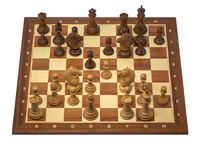
work with and very simple to understand and games like chess have exploited the use of a square grid in many ways over the years squares are really easy to subdivide you can take a really big square and split it into multiple rows and columns and keep doing that as far as you like you can also join adjacent squares together to extend the grid horizontally or vertically to extend the map out and that can be done quite simply but when it comes to movement around a square shaped grid there are a couple of things to note if we consider this little figurine here it's got eight options of places where it can move it can move up down left right or into one of the four diagonal spaces if this figure was on the edge of the board its movement freedom would be greatly restricted in this case it would only have three spaces it could move into now there's a really interesting thing that happens when you're trying to replicate movement on a map in real life for example moving over here would take one square space of movement however if we excluded the diagonals and we just moved only orthogonally it would actually take two squares of movement to move into that same space this presents an interesting conundrum and this is quite important when it comes to moving characters in a game that's trying to replicate a theme in real life i mean why would players want to move into an adjacent space when they could simply skip one space and move diagonally the idea that moving one
space diagonally is not the same distance as moving one space orthogonally is an interesting dilemma that game designers have to contend with board games that implement this square based grid system often have to impose restrictions on their plays to moving orthogonally only meaning that what once was eight potential moves is now narrowed down to four this really long world map from the board game now or never is a prime example of why game designers limit players ability to move diagonally across fantasy maps if this particular character wanted to move into this diagonal space they would need to expend two units of movement if they would then need to move diagonally again they would need to expend another two units of movement usually it would only require one unit and a lot of games do this in this particular game it accentuates the theme of going on a journey that you have to expend a lot of energy to travel that distance and it also maintains that sense of fairness that when you move one space it should be the same distance no matter which direction that you're moving in and i can totally understand where all of this originates from one of the first things we're introducing mats is the idea of a treasure map and finding treasure requires the use of a coordinate based system so the treasure is at a7 or playing games like battleship where you have to find out where the ships are located in this orderly fashion the hexagon is a very common shape used in many modern board games in fact it's a shape that tessellates extremely well in settlers of guitar the hexagon emulates
this beautiful rugged coastline that surrounds the isle of katan that all players are attempting to settle i like how the designer of this game has exploited many different parts of the geometry of a hexagon really well first of all the hexagon tile itself represents a particular resource that players are going to gather and the way they're placed out at the beginning of the game is quite randomized representing resource diversity secondly the edge of the hexagon represents different pathways where players can lay their roads down to try and connect the longest road or to connect to particular trading ports and finally the corners of the hexagons are where players are going to be building their settlements and upgrading them to a city it's also the junction point between three hexagons where players going to be gathering their resources when the two dice are rolled this is a really beautiful demonstration of how hexagons can be exploited in a board game in a really intuitive manner when it comes to emulating the geography and topography of the true natural features of a map in a board game using a hex grid based system is actually particularly effective the hex system because they tessellate offers some really angular lines that occurs around the edge of your game and depending on where you are on the map each and every space offers you six different options in six different directions for you to move in and those directions can be exploited in different ways you could either move directly in a line of sight in six different ways or you can choose to move and then change
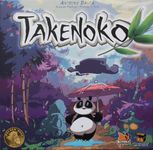
direction each and every time without losing any action points or distance takeonoko uses the hex grid system in particularly unique and interesting ways adding a new plot tile to any edge in the garden allows players to shape the look of the garden as the game progresses secondly placing a water channel on the edge of a plot tile allows players to irrigate the different types of bamboo that grow there moving the gardener or the panda around the map is particularly an interesting experience because both characters can only move in one direction in one single line of sight making them land on certain tiles is particularly fun and trying to pivot them in six different directions every time they move is also an ingenious piece of game design so this is a really good case of where the geography of a garden is directly related to the way players wish to move and navigate it i'm always truly fascinated when it comes to tile laying games and the sorts of shapes that game designers use in their games to create a fun experience parkerson exploits this use of the square tile exceptionally well the tile design is particularly intuitive and simple yet it provides for some interesting decisions when it comes to deciding where you're going to place it on your term on the edge of the tiles it features one of three different types of terrain a road a castle or just plain greenery and this provides some really cool opportunities for designing a series of
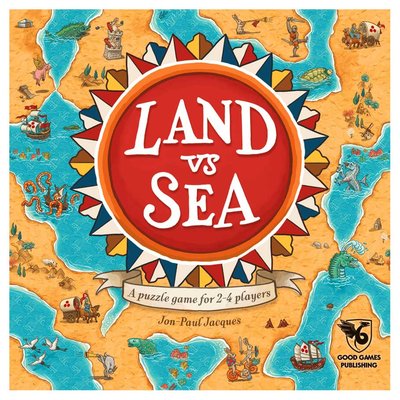
tiles that contain a variety of different combination of these things this particular tile has three roads and one castle this particular tile has two greeneries and two castles being able to play and toy with the different edge combinations means that when you're building this map each and every game there's different positions to place them in and an interesting thing to note is that you can build these little out cloves that look like this where you can simply place a tile that matches those three edges to complete it which is really cool another really important feature to notice is that every time players place a square tile in carcassonne it opens up more options for future tile placements by placing a tile on the edge of the game board like this you're opening up three new spaces if you're putting it into a nook like this you're opening up two new spaces land verse c is a map building game where players are trying to compete by building regions of land and also enclosed regions of ocean to score points the hexagon shaped tiles here play a very critical role when you place a hexagon tile so it attaches to an existing part of the map it potentially opens up to five extra spaces where future tiles could be placed the fact that these hexagon shaped tiles tessellate really well means that there's lots of different places where the adjacency of the tiles can connect together very easily just like this water and land space henceforth you could even rotate the tile so that it fits in spaces like this
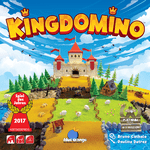
one here an interesting comparison to make here is that with the hexagon from land versus c the design has a little bit more amp opportunity to play with the sort of terrain that you'll see on the edges of the hexagon fact that the tiles in lan versus are vs double-sided provides more amp opportunity for playing around with this cool effect and design element so it's pretty clear that in this example the hexagon provides players with way more options than the square shaped tiles just because a game uses a square shaped tile in its design doesn't actually mean that that game is any less complex in fact it can sometimes be a little bit more laid and this is where king domino comes in king domino attaches two squares together to create a rectangle and all of a sudden you go from four different options to six different options take that hexagon so all of a sudden by making this very simple geometric amendment this tile is now giving a hexagon a run for its money you can take these dominoes and place them in this zone in different ways they could be placed so it's connected like that to create a region of three or it could be placed over here like this to complete a region of two forests but also increase the scoring point value of this water section so just when you think that the square has finally relished in its glory in terms of one-upping a hexagon in terms of its design shape well the game gods love dinosaurs takes domino's to a whole new level and that is to connect two hexagons together to make a polyhex
polyhexes have an interesting shape to them and when you attach a polyhex to an established map they provide players with up to 10 different options of different ways they can be connected together you've got five on this side and five on this side so when you place it in a map building game like this you can kind of attach them together in different ways they can be attached like this so the terrain extends outwards or they can be matched and paired together like this so that these two terrains are extended forwards this creates so many more options than if you just used a single shape alone there are quite a few other ways that tiles are used in games in fact if you like building mazes often tiles are used in games to create pathways and in this game nagaraja a really fantastic dice rolling two player game players are trying to find their ways to different treasures that exist in their temple and by placing and bidding for these particular tiles they can create little pathways from the entrances to little jewels and gemstones as well as uncovering different treasures pretty shiny don't you think it also creates some interesting choices when it comes to deciding how roots are going to be placed out onto your map by starting with a t-shaped route you're kind of limiting your access to certain parts of the temple but using a crosstal like this can help you to complete a junction whistle stop is a game that takes this maze root building element and wraps it
around this train delivery theme in whistle stop players are moving their trains across this spaghetti-like board to try and deliver particular types of colored cubes to their destinations to earn victory points here players are going to be picking tiles they're going to be placing it in these gaps and then bridging those connections as the game progresses here the use of a hexagon to join three pairs of edges together is incredibly intuitive an interesting design note here that shows the complexity of this game is the fact that each of these two stations are connected to three different edges this grey cube station is connected to these three edges whereas this brown one's connected to these three edges you can see that all of the six edges do have a connection of somewhat so that when they're placed in a different configuration on this board they can be rotated so that however they match up will create different pathways each time and that might be crucial to developing that final connection to get your train to its destination and what this has consistently shown so far is that hexagons always provide that extra flexibility the extra level of option that squares don't often provide ah danny what about polymer tiles they're simply lots of different squares joined together in different ways to make lots of different shapes that's pretty ingenious isn't it don't you think maybe that should be left for another video a lot of board games like chess often exploit the use of shape extremely well
in chess each piece has a different way that it moves across its square grid onitama is a variation of chess where players are dabbling in up to five different actions that are shared between both of them and this action creates a pattern of movement which allows their piece to progressively move across the board and try and knock out the other pawns and try and capture the opponent's king at the same time this use of a square grid pattern to influence movement and strategy in a game is particularly interesting oh look checkmate hive is a chess style game that completely throws the idea of having a confined grid out the window all together there are two design elements that i really like in the game hive first of all these hex shaped pieces are used to create the actual structure of the hive itself which is ever evolving ever changing and it's not going to be the same from game to game second of all each piece is a bug of some sort and each bug has its own ability that exploits and moves around the hive in some way for example the ant can move to any exterior location but you've got things like the grasshopper that can jump across a series of hex pieces in its line of sight then you've got things like the spider that can move three spaces around the edge of the hive all of these movement abilities intertwined in this ever evolving structure just really showcases how amazing a hexagon can be so which of these two shapes do you think is implemented most effectively in
some of your favorite modern board games are you team square or team hexagon or are you both please let me know your thoughts in the comments section below love to hear what you have to say i personally gravitate towards the hexagon just because the shapes feel more organic when it comes to map building but also the options that plays have but i also like games that use the square effectively and when games can kind of marry the shape of the game to the mechanisms and their theme and they can do it well then that says to me that it doesn't really matter what shape the game is the game is going to be fun regardless thanks once again for joining me and making it this far in the video if you really found this video super curious and helpful then please consider giving me a like and subscribe i would really appreciate it please don't forget to head over to my patreon page and check that out otherwise i look forward to bringing some more amazing board game content in the future this is danny sunya i'll see you next time triangles curious curious indeed