Beyond Solitaire Podcast 28: Jason Perez on Gaming and Therapy
Games in This Video
12 games are featured in this video — they unlock as you watch.







Transcript
so hey gamers this is liz davidson from beyond solitaire and on this week's podcast i have one of my all-time favorite guests a returning guest jason perez from shelf stories how you doing jason yo my peoples what's up what is this with one of the best friends in gaming i don't like that as being associated lumped in with the riffraff if you consider david thompson to be riff raff i am the one no no issues david no offense dave i am the one speaking of working through our issues uh jason
we've already started the one thing days is number one at is amount of times i crack up on a podcast through your nose at some point it's gonna be amazing you won't even be drinking soda just come out so i brought jason on because jason focus focus focus so i brought jason on because in his day job jason is a therapist who uses games to help connect with his clients and help connect his clients with themselves and so jason how how how is the practice these days so the practice um i'm not using games nearly as much now i'll tell you that right now because of the pandemic because of it and we my my uh in-person therapy has it's very low um very very low for the very obviously reason why we have to we're doing social distancing i do have some clients we observe all the rules and you know we wear a mask and we sanitize and we space them out the waiting room is closed they often wait in their cars but for the most part the overall majority of my clients i see about 40-ish a week which is a lot a lot of clients um they are we're doing telehealth so like the video chats like this but not zoom because zoom's not that safe we have mental health and like doctor platforms like this um but yeah this is this is mostly what's gonna happen so like uh so gaming in person during covert is
definitely taking a plumb in i i did do it i i still get it a couple times though i'll never give up that's fair yeah so for full disclosure everybody i also i have generalized anxiety i do in fact see a therapist myself uh i've been using telehealth during these the pandemic because i just feel i work in a public school i'm surrounded by people all day against my personal will and i don't feel like it is ethically okay to then go and be in the same room with other people who aren't in my quarantine bubble as such as much of a bubble as i can keep sure so in better times what kinds of games are good for therapy depends on the what's being addressed right um so we should actually before we do that let's talk about like like introducing games in general you know like you know because you mentioned before how you wanted to know about like how do i pitch it yeah um okay so i think that so the question and then i but from there i can get into like because because the thing is like part of the sell job is like connecting like you know explaining the game in such a way that like okay you have this problem this game is good if you uh to help you practice the the thing for this problem so like that's kind of that's part of the sell point so let's talk about the selling first uh because there's a barrier right it's just a game you know people have that idea that it's just the game we're doing kid stuff it's you know i think you know we're talking to game gamers over here how many of you
um like your gaming shelves are like in a a locked away room or in an attic or a place where it's like okay uh not in the main area so if people like see it they go oh wow this is you're kind of a big kid aren't you uh so there's definitely that barrier to encounter um and when i lay when i lay again on a table i will more than i will fairly often get okay what are we doing here either they'll say it or they'll say it with their body language like because people are nice and they'll go with it but the energy is i'm paying you a hundred plus dollars like like for this 45 minute session like why are we sitting here playing game king of tokyo so um i think the way i explain it is there's a tool for every task right and you've you know especially if a person has been a lot of therapy and it's like okay we've been to you benefit different therapies you're still in therapy you know so clearly we need to have a different perspective on things and my pitch kind of like from the outset is i'm all about perspective change your mind you can change the world i end every video on that and i'm i will do anything that will help a client change their mind about something anything so it could be a game it could be a puzzle it could be a story we tell stories it could be role playing uh we had a mini dnd campaign for one of my uh not dnd but i cannot kind of like a free-form role-playing thing
um just i will do anything to help people get perspective change and if i can sell people on the idea that i could that a game can help that then that's kind of how i pitch it that's really amazing i i mean i just talked to my therapist but you know i've you know i think everybody who's in therapy goes through a phase especially either when they're just starting or when they feel stuck where they think man i'm paying somebody to just talk to somebody why am i doing that is this really worth the money and then i find out that it is in fact worth it but you have to try it i i was talking with somebody who was going through a divorce or thinking about going through a divorce and they were and i was like okay try couples counseling was like well that's too expensive divorces are always way more expensive
this is a chance that you can save a lot of money like so i mean it's i think that the it's too expensive thing is a little bit of an excuse i think there's a stigma around needing help there's a stick like people just don't want to admit it so like they use the money thing or they use the time thing like i mean we know this in our lives right i mean they'll say i don't have time for it people always have time for something that's important you make time for things that are important to you when you hear i don't have time for that what they're saying is it's not important to me but what they're saying is it's shameful and you know we're absolutely trying to fight back against that i think that you've had that like we had that you know i mean full disclosure but we're not you know we're just going to go for it over here well this goes we've had that conversation you know you and me it's like okay should we you know is this something that's good for you and it's like what's the barrier why why not try it indeed yeah i mean you just you just have to try things sometimes all right so to get back i'll check um so what games are good about solving the problem so to speak what kinds of games are go to's for you because i feel like there's always overhead in terms of learning the rules of a game but maybe you want to push some learning in order to get a little more depth like what is the what's the trade-off there so okay so i'll get back to so okay so now i've sold the game now i've sold um let's say it just worked yeah they are in right and i've explained it well it's like even though there's there's that initial resistance like why am i playing such a silly thing so it's like okay let's give it a shot
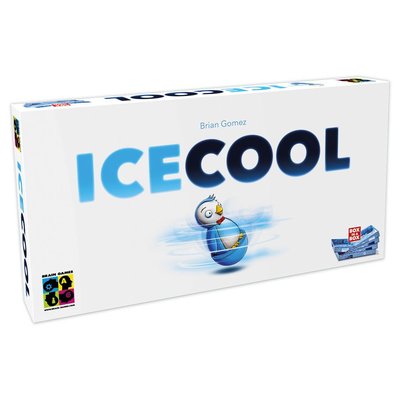
so now it radically depends on what i'm treating right yeah so um let's say it's attention deficit hyperactivity disorder adhd right adhd treatment tends to be very you know obviously you want to improve somebody's focus and it also tends to be very tactile like you want to get them to you know kind of use their hands be aware be mindful uh because the thing with adhd is you get captured it's like it's you know shiny ball and you get you're just carried away from the present moment so you want to help people like cling on to the the present moment as much as possible and build that resilience but that strength so it's like a dexterity game is wonderful for that so like you know rhino hero menara um ice cool with the younger people you know like people like like games that like really challenge people to be present so then so okay so like what is what do games do like okay it's not just about playing the game it's about on kind of like deconstructing the game and figuring out what of the game what part of the game can bring connection healing and build a skill adhd it's the tactile and the focusing like rhino hero like i remember i had one client like everybody thinks they have adhd right everyone says like oh i'm so 80d but like this guy you look at this guy's like okay i don't have that um but he was playing rhino here he was focusing on a laser on the cards so he was so into it he's like i'm gonna get to the ceiling you watch
and i was like wow you focused this is great you know then kind of go from there so then if i'm treating anxiety right and you know xaity is a good friend right um anxiety it like i want to play something calming and i want to play something that encourages a sense of safety and like in a way all games do that all games offer a sense of safety like the world i don't know the rules of the world i like i get i get screwed all the time in the game i'm safe because i know the rules hopefully you know the rules oh the rules are knowable hopefully you're a good teacher and you've got yourself there but once you kind of establish that that boundary now you're safe and like so a game like parks you know i have parks
there you go uh so this is uh i love this game it's a brilliant game it's one of the games i'm going to review in the dice tower at some point um a game like that is wonderful for just putting the person in a mind space where it's calm and it's it's serene it's not it's not frantic it's not like a million things i got to keep track of it's just you can kind of very sink into the moment and you can kind of trust the moment if that makes sense yeah you know and so like an anxious person that's exactly what the problem is there's no trust they don't trust their own safety they don't trust the world outside i always like to say the opposite of anxiety is not calmness it's actually trust and then the trust brings that calmness and so that's where you know a game like you know a sedate kind of experience will help me or only rim only when i i'll actually say like okay pick that up play i uh oh morton moderate predator my good friend mentions only specifically when he's keyed up plays that game calm serene well-paced stable everything works and everything's understandable um so stuff like that um so then and every you know i have i can kind of go down the list of the different things i treat too but i think that i think that gets the point across yeah can we also just enjoy the irony that a game that is about potentially being trapped in a nightmare forever is calming because it's true not a nightmare a dreamscape but not the nightmares are what's keeping you there cute nightmares they are very cute
nightmares i know i actually think if i had to like live in the world of o'neil it would be like like you know the nightmare cat comes up and like oh kitty who would not know what to do the bad guys are so adorable like even necessarily still be out with like the big fireballs it's like oh you're so cute oh fireball well i think of a game like cartographers too another cartographer is another one i recommend for you know anxiety i've talked about it in terms of like autism which was a unique way to do it but like in terms of a broader application um you know even the monsters are stable like the monsters are predictable so like you get the monster and you have to draw it in the pad and then they're there and they don't like like boom like mess with you it's like they're not kind of jumps like it's not like some of these other games that are trying to kind of jump scare you it's like or like like mess with you with randomness like you kind of you don't want a game with a lot of like thrills when you're you know like when you're in that space and obviously you know like there are some people like there are some games like i will use fire flash point where's flash point right there flashpoint is another kind of game that i'll use when i want people to kind of like be thrilled and then deal with all that upsetness yeah like okay you know i was like okay i'm going to key it up they call it exposure therapy what's going to key up your anxiety and then it's like okay all right you can handle it and then kind of bring them down that way so that's one approach but you know so it's like it's all about
understanding that games are vehicles for emotion and understanding that you know we you know we this is all about i'm a mood doctor i like to say to my clients i'm all about mood doctor and i want to help you improve your mood and stabilize your mood and manage your mood so i'm going to give you this tool that has em that can key up emotions in it and we're going to try to apply it so that you can help to help you manage your mood achieve your mood whatever it is that's an interesting way to put it because i've actually said this before and i did not connect it to the fact that i have anxiety but i one of the reasons i like to game solo is that sense of control and comfort of like oh i can just kind of do things at my pace i can stop i can come back like there's no social pressure i can do it my way um but i also prefer playing like a tabletop game to playing a video game or an app and i think one of the reasons for that is because i'm more in the moment when i'm playing a board game than i am when i'm playing a video game video games are risky propositions for me personally because i can just disappear into them and pop out eight hours later and i didn't eat and you know uh one of my most stressful periods of my life was when i was writing my dissertation that was also the time when i racked up a 250 hour game of skyrim so visitation got written it was great but
my thing was wow i cracked a lot of hours of wow when i was in grad school right and so you know i think we do use games as stress relief i actually think that that's something that's more common than people realize i think that maybe we do it to relieve stress we think we're doing it to have fun or we say oh i'm playing games to relax but it may mean more than just this is how i feel my free time i think that that games are inherently relaxing on some level i think there's a boundary right so video games are they're they're blessings and curses right like video game can be escapism but in that bad way so like you're putting off something that you should be confronting right or i unlike the word should like that it would be healthy for you to confront so it's like you know um i you know i have a paper due and i have like some things i have to talk about but i'm just gonna play 16 hours of horizon zero dawn and just like you know let the world go that's not that's not the best right and they do it you know they're kind of on purpose like they designed to be a little bit addictive they're trying to be kind of like you know to please your pleasure centers and like let some of the other stuff kind of wilt so i'm gonna you know and not every hour of wow that i played was healthy some definite uh things were delayed academically and personally um for the sake of wow but um it is yes it is absolutely there
uh and it's all about emotional manipulation like you know we don't stop being emotional beings ever like we never ever stop being emotional being so there is we talk about escapism there is no escape from being an emotional being it's just a question of you know which emotions when and do the does your emotional life cohere into something healthy right yeah so then i also think that's such an interesting point because i think one of the issues that we run into especially with more gatekeepy gamers is people game because they like to win and they like to view themselves as people who are smart as people who are rational as people who made the best decisions and i think even then you're still looking for an emotional boost from your game it's just a different emotion that you're trying to create there is no such thing as a purely rational logical gaming experience and there's no such thing as like a break you know uh like you like like that achievement thing is an emotion i think like when people think of emotions they think of like the weepy stuff yeah i think of like attachment you know what like the attachments that we have and how we react to our attachments and then like you know i'm now doing just this thing that you know i can you know i got the achievement it's even unlocked that kind of stuff that's still emotion it's just different you know and and the healthy emotional life has balance between all these things you know and i like games because in a way like they they can call up some real awesome emotion but they're also severable like you're you're you're really going to sink into
an individual game now you can sink into your collection that's where gaming can kind of and i've talked i made a video about this about how games can it cannot make you happy like when you get to the point where you're invested in your collection and you're doing the retail therapy thing of like you make using games to kind of like the purchase of games to make you feel better and you know it's just about adding adding adding chasing the fomo doing all that stuff like that's where games can kind of go wrong but you know it's always a good like kind of you know rule of thumb that like every single aspect of your life is emotional every single one and so there are no breaks from it there is no aspect of life that we could just like dive in and like that's going to be the thing that i need it it always has to be a balance always has to be yeah yeah i think that the thing that's so insidious about that too is that buying a game does feel good that's why you keep doing it like i mean it temporarily does make you feel better getting the box feels good getting something shipped and like having in front of your house you haven't heard it yet but like having whoa shipping notification i can't wait huh and then the boxing part of your door that's all pop pop dopamine yeah it's all that sense of possibility especially if you're feeling a little bit stuck right it just feels so good like i can introduce something new and exciting to my life right now cool stuff you know
i actually have to fight things on the other end now that i do more game reviewing because now i have more games than i can spend enough time with really like i have a big backlog and you know i have to be more aggressive about pruning games for my collection because otherwise you know my space gets cluttered and then i get stressed it's an entire different way to be stressed out um you know it's also i think especially for those of us who are into games the way that people who would watch this channel or listen to my podcast are i think being into games that way means that you also carry with you some sense of obligation some of your identity gets wrapped up in it and so the possibility for it to be just for fun is at risk a lot depending on how much you give to it every like we can't take a break from our emotional life you know every single aspect of it has will it will uh prompt something from us and we need to be consistently vigilant that the thing that is prompting from us is the healthiest thing possible we need to be consistently vigilant that the the thing that we're doing integrates with the rest of our lives and the rest of our mentality if we're if we're sectioning something off and saying you know like oh this is my break from things then that's that'd be that so that become that's a you know not that that's essentially a problem but like you know question that you know that's all i'm saying and i think like to get you know talking about the original topic of how i use games of therapy like that's kind of where like
that's the end at the end of the right answer like we code games as like frivolous in our head but that's a cultural destination it's not like reality you know like there are some you can imagine a culture that takes their games very seriously or subculture whatever it is and you know like why why not why can't i use this tool you know i mean it's like it's a tool like any other tool i'm not i don't put that stigma of gaming on um on the tool that i'm using yeah also anybody who's ever rage quit is guilty of taking their game very seriously over competitiveness i may do a separate video on over competitiveness actually that's something that board gaming has been great for me for so uh with my anxiety you know comes fear of not doing a good enough job and connected to that is the fact that i can be overly competitive i've actually had to i've come a long way since i was a kid you know i had a hard time with losing games when i was younger and you know being a board gamer and losing most of the time has actually been really really good for me you know and it's yeah it's a really good way for me to vent some of my competitive instincts but in a place where i'm able to you know be among friends deal with like that subset of my personality and also actually choosing the career that i did has been good because when you're a teacher your success is the success of other people so it really helps you dampen the competitive urges that you
have and so for me that's been a good a good way to handle it i've done that work with younger people you know we're talking like pre-teen you know like you know six seven eight there's a lot of sore loserism at that age group i see it everyday i will whoop that behind whip some kid's butt at a uno or something simple or monopoly oh man people hate losing a monopoly because like the a loss of monopoly is like you're bankrupt and you're you've got nothing going on uh and you know like how does you know let's let's does it feel that bad let's work through the feelings again kind of exposure therapy type thing like yeah that is uh there's absolutely a work i can do and that's with a small child i think that people are very like okay with the idea of play therapy yeah you know like for a smaller child so like that's not that's not that something i have to defend i can talk all about it all day but it's not something i have to like explain therapy games with adults is something i'd have to do a little bit more explaining about which i appreciate the chance to do it here yeah so speaking of you mentioned that games are a safe place and that they are comforting but a lot of games i play are really brutal and i lose a lot so how do you balance you know if you're if somebody's working through something you know games also carry an inherent risk or maybe even likelihood of defeat and how do you incorporate that into creating a sense of trust and safety in someone right so i so that's a really great question i
think i have to answer a couple of ways first of all um i won't play a heavy game like there is a limit to how heavy i'll play so i think there's different kinds of feeling defeated in a game so like there is i was defeated because my opponent was you know just like straight up had great moves i had good moves my opponent had a little bit of better moves that's a that's a certain type of loss right right or i lost because of the roll the dice like okay i lost they rolled six claws uh in the king of tokyo and i lost because of that so that's fine um and then there's losses that it's like i wasn't good enough at the game i wasn't smart enough i'm not picking this up very well like you know i think even like a game as simple as seven wonders because of the way like the science track works and you have to like calculate the cubes or the you know square roots and sets and everything like i think that game could make people feel dumb and that's the kind of loss that i i don't i i don't find very i don't i'm not going to go that that direction in therapy if i'm going to play game monday it's going to be losses for those other reasons um so then i guess like so what where do you wanted to go from that did you want to talk about like just you know those like which which aspect of loss but did you want to get a little further into oh i mean i just started i was just thinking on the baseline of you know if you are already feeling like the world is against you and things can't go right and then the game also doesn't go right does that accidentally push you
further into your self-defeating viewpoint or can be defeated in the game kind of fix that cause like oh well it's just a game i'm still alive i'm still here i think so okay that's that's good that's clarifying so the losses where that make people feel dumb that's the least recoverable like that's that's that causes the most injury i find like that like i think the point of a game is not only to have fun but to kind of feel clever right yes you know and i think if a game like the structure of a game because of the weight of the game i think if you're playing a game and you're losing because you feel like you're not good enough or you feel dumb that's gonna be reinforcing and that's kind of you know that is separate work um so like if it's a game where you have lost a lot because like okay i'm just whatever i mean i know i'm a loser in life but like i won because like chances are good that like the lost luck was like some kind of like humor occurring moment so like i may have lost but i had a good time i laughed so i can just kind of like you know i can i can chalk that up to it as an overall win yeah right let me see so it's like no i we played king of tokyo oh i lost but that was really fun we had a really great time i won at that 45 minutes in life right and now i'm going back to the other thing so like i've take i've done the thing that i want to do is take a break from life um i i don't need i'm not invested in the outcome of the game so i think that's another aspect to it i think like you know if if people are reacting to losses that way
to question okay what are you attached to what have you lost have you are you over invested in the outcome or is your goal in the game to have fun or to connect to have a good time like so then you know if people are kind of having a loss like reaction that's the whenever you whenever you have like distress look for the attachment like what are they attached to right and you know and and like bad emotions come from uh separating a separation of attachment right so then like okay you're having a really bad time with this loss what did you want to achieve what did what is that thing that you're attaching what did you want to achieve uh are you a competitive person who who defines themselves by their wins by positive outcomes is that how you define yourself and can we go kind of go in a different direction or at least question that or say okay um did you have a good time did you learn something i'm a huge i'm a huge guy about like that i don't believe in failure you the winner you learn you know yeah um so i try to realign their attachment and like redefine like what their goal is when they start to you know get that losing feeling it's harder to do when people lose because they don't think they were smart enough um i can see that yeah i struggled as a teacher too you know i think part of my job is actually providing
material in latin for the kids to learn and then the bigger part of my job is making the students feel liked supported and jedi mind tricking them into believing that they can do things that they didn't think that they could do but i i do feel that my my students at least are more risk averse than i mean i've always been fairly risk-averse i take way more risks now as an adult and then i was willing to as a kid because i was very concerned right that if i messed up that it would like ruin the whole world i mean you're a dive tower or a viewer right you have your own youtube channel so that's all it took me six months to be able to look at and hear myself comfortably in editing it took a long time for me to be okay with how i sounded and how i looked and i think that that's actually probably pretty common i think maybe a lot of content creators don't talk about that but you know learning how to really look at yourself can be a weird experience so you know i just for me i'm just like well i want to do it so i can either not do it or i can get going time to buck up you know and so you know that's you know i've i have a tendency to sort of power through my anxiety if i really want something but my students don't necessarily know that there's something good at the other side and so getting them to make the jump can be really hard and do you find that gaming also i don't know do you find that gaming gets your clients to reveal more of themselves to you and
to relax even if they don't necessarily realize it does help buttoned up people kind of give a little more no question i mean that that is part of the goal like i i so i mentioned before about like their specific games that i'll tune to different um what you know uh issues i will say um 95 of therapy is building relationship like that is like the core of if you're not building a relationship you're not doing a darn thing as a therapist so i mean insofar as any game can create a relationship you know with people uh any game involves connection any game involves you know um whether it's like some kind of like shared contract so like if we're playing like a uno we're not gonna like you know i'm not gonna punch you in the face with playing draw four on me that does not work both ways okay contract but we we do have a contract that we're going to accept a certain level of ha ha made you draw a bunch of cards or how high i skipped you a bunch so i you know so there's a so i and in that interchange in that like you know agreeing to us agree like we talked about the stable world set we've agreed to it it's not just there like we've agreed to it and so like just any little bit of relationship building is good any little bit any little bit of buy-in to a shared experience in a shared space is good so uh i'll remind you of your original question i apologize for that
oh i was just asking um you know do you get your clients to reveal more about themselves than they intended to by playing with them yeah i mean uh clients okay so i just want to like question the phrasing like clients always intend to say everything like i think from way more often than not i think a client gets it that like this is the place where we're going to um where i'm gonna say what i gotta say the issue is we don't always know what we gotta say you know like it's a block in our head that like i i wanna say something i can't quite say it i can't quite access it we call it accessing you know whatever the emotion is like i say i feel so way like people who like have like they feel like they're gonna cry but they can't i was like they're trying to watch movies they're trying to do sad things they can't kind of get it and it's just like you know we don't like our minds are huge they'd better be huge or else we'd be dumb so they better be hugely complex and way beyond our understanding so i think you know the best use of games is to access something that they can't even do it's not like i've made them comfortable now they can do it it's like i have broken down i've given i've made them use another part of their brains and that removed the barrier so now that they can like kind of say something if that makes sense so if like uh let's say you know i don't this has never happened it's hypothetical so i say i'm playing a big game pandemic and the person is just like whatever whatever and you know we're playing and something happens and then all of a
sudden it's like oh my god i'm afraid i'm going to die from having a disease you know i never thought i'm 30 i'm 35 why should i be afraid of this but i never really realized i'm afraid but like yeah i've been afraid right you're going to die and they and i they couldn't get there on their own so like um so i think uh probably a more kind of to the point way of articulating that is like i think helping them say what they want to say even if they can't current that makes sense yeah i think that i mean for me on the the client end right sometimes there are things that i feel like i know i need to talk about them but i just don't want to yet so i have to work my way around to it okay and then yeah i mean they're also i mean i think the reason i think i've actually i believe everybody should go to therapy i think it's a good thing just because having someone to talk to often leads you to saying things that you didn't intend to say but then you realize wait i didn't need to say that i was in there like i didn't come in realizing that was what i needed but i came out realizing that that i hadn't needed something that i found yeah i think yeah so i get to your point yes there are definitely things that clients like i don't want to reveal this like there have been you know i've been in therapy for like one or two years like oh by the way i never mentioned this it's like i've been meaning to but it's like i don't i get it so it's like there's no judgement absolutely um man uh wow this is i just had something else what'd you say again what were you saying oh i had just said that um i often either
you know have to work myself up to saying something that i know i should but don't feel like it or maybe there's something that i needed to confront but i didn't realize i did and i feel like that's what you're speaking to that sort of either one yeah so like they you're either doing consciously or unconsciously like they're either holding like in terms of the holding back um yeah that's what i want to say um i'm hesitant to say that um like it's all on that particular and it's all about relationship building and games are a tool to build a relationship among many many many other tools so i'm hesitant to say like okay well game though thank god games are there because they they help people talk um that in terms of that just basic relationship building that one i'm just gonna like use other like i actually art does that better art does that in terms of just the relationship building and just the helping people say things and talk i'm a huge fan of art therapy i'm a terrible artist terrible artist stick figure theater i'm a stick figure jar as well that's okay figure theater um but okay so like i'll give you an example this happened when i was in practice in new york so um you know some she's a i think she's um like in her like early 20s still living at home having a lot of mom issues right and so like she just you know she could she just tell like she was kind of not really wanting to say because she didn't want to criticize mom but mom had done a lot of damage so
she's in that middle space of like you know i know i have to confront some things but if she's mom i i'm a disrespect you know and all that and then you know so we just did an art project and like the the art was horrendous it was it was a stick figure of mom and she was like i just kind of drew her bigger little skirt thing and then i drew the client on the floor like laying down horizontal because like you know that she had a lot of like drinking so she'd come home drunk and everything and then i made a little squiggle next to the head as like indicating kind of vomit on the floor and all it is is is one stick figure horizontal one stick figure vertical and then like a little squiggle next to the head and this woman just burst into tears just like you know just like like the water works because the guilt and the resentment and like don't judge me mom you know type thing and you know how could you let me get to this position and you know i'm not a bad person like all that stuff was just from like a pictorial representation very simple you know and i'm not the games are because games are games come pre-packaged right their own art it's their own vision it's their own kind of working so they provoke different kinds of emotions but in terms of access i'd rather have them more open-ended uh you know stuff and or maybe even rpg you know getting people um i once had a girl made her make her own character and she gave herself high con and high end no she gave herself
high con and low end and i said do you really have an eight end and she's like yeah i'm dumb oh no and i'm like you're not dumb and it was in the in the process of making a character that she kind of accessed her root feeling that even though she's smart she thinks she's dumb and then moving through that process and as a teacher you i know you you really got there because you've been there you know that that uh you've seen where a student feels like they're dumb but you know objectively they're smart yeah absolutely i actually run into that all the time i think it's easier to tell yourself that you're not smart than it is to be smart and mess up right right i think that's i think that's what it is um of course the other issue that i do run into is i have students who just genuinely struggle and they watch other people just racing along and they feel bad and i find that literally anything to build confidence is is worth the time and worth the effort because from my perspective i can think a lot of students think that you see them and maybe clients are like this too like i don't really know how my therapist sees me does that make sense i'm sure there's all sorts of things i could project but um you know i think my students look at me and i think that sometimes they think that when i give them a grade i'm telling them what i think of them as opposed to what i what their work indicated about their
current knowledge of latin and those are two very different things no question um and you know helping i think people separate their their worth as a person from their performance in a specific area is way more important than we think i think especially for young people oh my god yeah i mean like young people their whole life is like you know the academics like that's how they're rated like we talk you know we can go on a whole different rant about grades and it's almost like how grades kind of are in a ways like almost like acts of violence against people i think so you know i mean in a way look grades are fine but like the way we use grades to like okay you can't get to the next level until you achieve certain things at this level and if you fall short of this then it's like you're you're a dumb person you're a bad person you're behind you're and the way we've leveraged grades into like this is the evaluation we've reduced people to their grade that's the violence that is violence yeah as a teacher i would say that grading is my very least favorite part of the job i hate assigning grades um my grades are something that i have to do and if it's up to me i'd probably like have fewer students and then write everybody a really long letter about their areas of strength and weakness and what i perceived about them in class and like have that instead of agreeing because well it's actually just like writing a review right like you and i we're
talking about this literally before we started this recording of people just want what's the rating what do you rate it what's the rating it's so much more complicated than that like you need to listen to the review because the rating is not the subjective thing out there in the middle of nowhere just like etched on the universe like it's it's a very contextual very personal like every every nine that i get on a board game or whatever right i give for a different reason because the game does something different that i felt was valuable or if it's a game that i dislike i very rarely dislike a bunch of games for the exact same reason you know like i do not think uno is as good a game as gloomhaven people i gave both a nine but people think like oh my god this is a terrible thing it's like no it's it's context it's all context it's all what i'm doing it's all what the person is responding to it's all have i tried things differently and then you know they come do they what they come back to is like that's it's all contextual and it's the same thing with grading it's the same thing you know with just like self-judgment self-evaluation you know i think that we it's it's it's safe yeah right it's safe to have a standard it feels reassuring you know it's like the dyestar serial excellent it's very reassuring to know like okay if i'm if a game has that it's it's probably good and so i threatened that by giving that by giving that you know uno a knife oh my god you've you've ruined it i don't feel safe any for the the seal has been ruined whatever
whatever uh and then you know with grading like i can't tell you um you know like school grades i was a teacher too i can't tell you how reassured people felt how like affirmed and you know just like validated people felt when they got whatever grade and how invalidated they felt when they fell short yeah you know and that is it's something we have to look to culturally and it's something that i absolutely treat in therapy all the time our inner judge our inner judge is something i absolutely treat all the time yeah and i mean full disclosure that's basically my whole life school was always the thing i was really good at it's a thing i've been best at my entire life you know i was great student always but that also meant that when i didn't know something was really stressful it's probably i probably hate math more than i should because i associated math with risk of getting a bad grade and therefore failure so like for me failure means like less than a 95. you know it's ridiculous but the thing that the thing that also kind of sucks about that though and it's i don't regret where my life has gone but it's true you know i got the grades and then i got into the fancy college i got great grades at fancy college i got into the fancy grad school basically my patterns of work rewarded me for my entire life until i had an advisor who was sort of neglectful and i had to find my own non-external source of validation and you know i think that the thing
that's the most insidious about these sorts of things right is that it pays off in the long run for a while a lot of incentive yeah the incentive structure is perverse in this case whereas like you are rewarded for neglecting self-care and you know that's also getting up all right and banging out that extra credit thing and that that's rewarded in the society oh yeah that's also though what makes games dangerous in a way especially video games for me anyway is that again they reward neglecting other aspects of your life they all call you you know notification on the phone or you know um there are games that you can't pause games that you can't just save and quit games that hold you as long as they can because that's the goal of the game is to hold you not to fulfill you and i don't know for me that's what board games do for me is they give me something that doesn't keep me trapped it's it's a very free relationship between my games and me and i like that yeah the game experience itself is very severable from you know you you obviously you don't want to interrupt the whole game of twilight appearing if you're into it and everything but you could take
in a way like the severability the tactileness you know i mentioned before we'd rather play a board game in the video game a lot of the time there's certain ones i i like i prefer owning room on the the app because i don't like shuffling all that i do like shuffling because for me it's a meditative like oh this feels really nice so like i have a much more satisfying time with it with the tactile experience of a board game like like again like i mean um board games offer certain experiences they don't they're not universal they don't offer everything and you have to work with it over time you have to like if you're a parent which board games you know and um you know and how are you going to play the board game are you going to play rules written are you going to adjust some things like like you have to be smart with this stuff you know i'm not going to say board games are frivolous i'm not going to say board games are awesome at everything there is a lien right and you know and there that's that that's the goal of my therapist a goal of myself as a parent is to find what board games are good at and they're good at some things and go for it you know i'm not good at everything no if there's something that you know in terms of the relationship building gonna go more the art direction or you're or something else you know and there's all sorts of tools in the chat it's it's it's human experience man game games are just part of the human human experience to me yeah that makes i can feel that so normally self medication is not recommended but in the case of games i think we can make an exception so if you're so as a final question if you're looking
to play games for relaxation or for being more centered what are some recommendations that you would give to our listeners okay for like general like um feeling feeling good feeling better like the calm app but for board games correct i love the comments full disclosure everyone i've mentioned if you have mentioned o'neill and i've mentioned parks um sunset over water is one that i like that's that does the park's thing of like beautiful cars beautiful artwork meditative um safe kind of like you know uh stuff i mean beyond like so that's that's that's my personality like i find pandemic relaxing like i can sever i can separate the theme of it like of like these are diseases like i've played thousands of games of pandemic whether it's on the app whether it's in person whether it's expansions whether it's you know different iterate i play thousands of games like i don't see the theme anymore it's just like what is it's like you know cubes on a board it's not a very random game it's not like there's like blue it's going to come out like it's not like you know like a arkham horror game they they love they love putting like all sorts of crazy things now all of a sudden you the whole board state has changed oh my god um pandemics don't like that pandemic is calm stable but challenging you know like i mean an outbreak is occurring somewhere but i don't know where so then when the upper comes i you know go deal with it like i mean to me like that's why it's my favorite game
you know i know we're supposed to do top like 50 50 at some point like just blow it out i'm already ruining number one people that make is by far in a way it'll always be because it because like just to just be said liz it offers that meditative calm stable challenging dynamic it just puts together so many things for me yeah so i think it's going to be different for other people but those are the ones that i can kind of like recommend and also um king of tokyo like the more i play king of tokyo and i know it's like um it's like rock of soccer i'm like that's a theme is rock and soccer and i get that part but like i find that the rule set is so simple and the dice the the big chunky dice i don't think it would be as good with smaller dice weirdly the big chunky dice and people are you know and like the whole thing of it is really just i wouldn't say calming but it's reassuring and it's just stable fun every time i take it out so i mean it again it's i i there's a lot there's a lot if you're a scientist maybe even periodic i look at periodic over here like if you're a science this is a really really outstanding one for if you have that that that brain space because it's just basically the periodic table but like they laid a game on top of it and like this abstract kind of like i'm going to put you know celsius or calcium
and sodium make salt and whatever hey whatever works and so i've already mentioned this earlier but where can people find you on the internet i am on shelf stories uh so we um i'm not sure exactly sure how i'm going to put this on shelf stores but it will it will appear on my channel um you know at some point after liz post uh so uh shelf store is a youtube channel that's my talking head channel where i have interviews like this one i have chats with a lot of friends designers publishers about their latest kickstarters or about some interesting topic also i do my shelf help series which is specifically focused on aspects of mental health so you know i try to you know make them bite size as much as i can i'm working on that um but you know it's uh i think i've had some interesting discussions and you know i make people uh my greatest happiness is to make people think with that series uh so that is shelf stories i'm also reviewing the dice tower with liz yeah i've let me do our thing together i'm also a play-through person uh with the one-stop co-op shop so i'm i'm not hard to find and that is a very good thing and as usual everybody you can find me anywhere on the internet as beyond solitaire thank you so much for listening and happy gaming everybody
you