Top 10 Mechanisms: Player Interaction
Games in This Video
12 games are featured in this video — they unlock as you watch.








Transcript
hi I'm Adam in Wales and this is my board gaming Vlog and today I'm going to be talking a little bit about interaction in board games um often interaction is considered to be an essential part of board games the interaction between the different players brings the game alive um but I think if we look at competitive Sports you can see that that's not always the case if we look at the difference between something like golf where the players are essentially playing alone uh and a a very sort of competitive team game or even a one-on-one sort of battle like boxing or something like that you can see that the degrees of interaction are there consider something like long jump in the Athletics there's no interaction whatsoever players are competing against their own personal best scores and also against the scores of the other players and and this is also the case in board games we see that full range so this video is going to look at 10 different degrees of interaction in board games it's going to try and pinpoint what that interaction can be and what function it serves so the first group of games are what are often called multiplayer solitire and this is usually used as a pejorative term it's usually a criticism of modern board games and particularly the Euro game genre I'm going to show you one example to start us off this is the game dimension in dimension each player has has a board with a selection of colored spheres in each round six rules
are revealed which dictate how the Spheres can be placed players are then given one minute to simultaneously stack as many of their spheres as possible into a pyramid without disobeying any of the rules at the end of the round each player scores their own pyramid gaining points for using many spheres and losing points for breaking the rules on the cards for example certain colors may not be allowed to have anything on top of them after six rounds the player with the most points wins so you can see that in dimension players are working on a puzzle yes they all have the same puzzle and they're all trying to beat that puzzle but ultimately their scores are completely independent of what any other player is doing there is essentially no interaction in the game play itself within that game yet the the the puzzles themselves vary massively in difficulty depending on that car there's a huge degree of Randomness in whether this is an easy puzzle or a difficult puzzle so without the context of competing against another player the exercise itself becomes essentially meaningless if you play this as a solo activity on some rounds you'll score a really high score on other rounds you'll score a really low score and it won't necessarily be an indication of your level of skill it'll come down to how the cards are played you know the randomness of that card draw so really only when you introduce another player do you have the cont text to actually determine how well you've done have you beaten that player or not
and the interaction essentially comes from sitting around a table and working on this puzzle together and then comparing your relative skill another couple of examples of true multiplayer solitire games um the game mops Royal is a very simple example this is similar to the game uh karuba that got quite a lot of Buzz last year as it was nominated for the spiers yarz here each player is given a tile and everybody gets an identical tile but then they work alone in building a sort of Tableau of those tiles trying to connect them up in order to score points um in kuuba they're using tiles to to build paths to try and get to temples but ultimately no player interacts with each other in any way at all it's simply a race to get the most points or to get to the desired location before any other player another classic example is the great game Ricochet robots by Alex Randol uh where a puzzle is laid out a timer is turned over actually the timer isn't turned over immediately what happens is the Players try and solve the puzzle in the minimum number of possible moves when a player says I can do it in this many moves then the other player has a short period of time to try and equal that number of moves or beat it um completely solitire essentially the game is played in Silence with people staring at the board focusing uh great degree of concentration but um the the fun comes in the and the interaction comes in the frustration when you're almost there you think you've almost got it and then the
other player gets it before you can and that's the the frustration and that's where the laughter sort of comes from so very little interaction in the game play but the experience is interactive the second group of games that I want to talk about are the Cooperative games and the main example I'm going to give you here is flasho fire rescue in flasho fire rescue each player takes on the role of a firefighter attempting to save victims from a burning building it's a Cooperative game so all players win or lose together on a player's turn they have a certain number of action points to spend depending on their role they can use these points to move to put out fires to carry victims and to chop through walls at the end of each player's turn dice are rolled to determine the spread of the fire some areas contain explosives and areas with multiple fire tokens are prone to chain reactions which can consume the victims or even bring the building down the game is won if the firefighters save seven out of the 10 victims so let's consider flasho fire rescue as a two-player game essentially we have player one which is the team of firemen and then we have player two which is the game itself uh which is randomly determined what that player does now I think if you consider this as a two-player game in that way you would see that it has a runaway leader problem there's a Snowball Effect here if the game the fire and the house if that player is doing extremely well then their their turns will get better
and better and better as that fire spreads and more and more chain reactions if the other player the team of firefighters if that player is doing well then the fire is subdued and the players turns get better and better and better so you find you have wildly different experiences between two games of flasho fire rescue one game it'll be very easy another game it will be very difficult and you don't have the context that we talked about in the multiplayer solitire games where you can compare your performance against that of another player all you can do is look at it and say did we beat the game or didn't we and some of that will be based on strategy and tactical thinking but a lot of it will be based on the luck of the dice rolls or the luck of the card drawer in a similar game like pandemic or something like that um other games D-Day dice has the same sort of dice rolling thing as we advance our soldiers up the beaches and pandemic the cure another Cooperative game using dice so often there's a heavy degree of Randomness in this I would say these are the true solitire games these are the games that you could play by yourself with no problems at all taking control of all the different players um and and and their actions so essentially it is a puzzle um and you don't have any context by which you can compare your skill level sometimes you'll beat it sometimes you won't that will be partly based on strategy and tactics but a lot of it it will be based on luck so it's interesting to see where Cooperative games are going now and
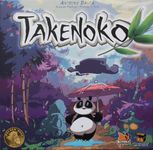
you're starting to see um games trying to limit the information that certain players have so that they really do have to interact with the other players and know one player can make all the decisions classically Cooperative games have been uh plagued by this idea of what's called the the alpha player syndrome where one player makes all the decisions for the group and that's inevitable in a game that is essentially a solitire experience Category 3 is um I suppose what some people would call indirect interaction or passive interaction but essentially what we're talking about here is accidental interaction accidental blocking and I could have used Ticket to Ride as the figure head here but I'm going to show you takenoko in takenoko players Place tiles building a beautiful Japanese garden the garden is home to an antagonistic Gardener and Panda double act no owns either of these characters but all players have the opportunity to activate them on their own Turn The Gardener causes bamboo to grow the panda eats bamboo players attempt to complete three different types of objective throughout the game Gardener objectives require certain quantities of bamboo to be present in the garden Panda objectives require the panda to have eaten certain types of bamboo and plot objectives require the tiles to be placed in certain patterns throughout the game players inadvertently help or hinder each other in achieving their secret objectives and at the end of the game the player with the most points
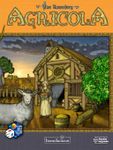
wins so in games with hidden objective cards uh players are working towards these objectives and the other players don't know what they're trying to do they may be able to make some subtle guesses but essentially they don't know however the games are built in such a way that players will inadvertently get in each other's way and so the game becomes more difficult however nobody can really take a fence it's all done very friendly because you you can say I was going to go there but nobody knew so there's no bad feeling no one's tried to mess up your plans and in fact you can even feel bad for each other and say oh that's unfortunate and you know okay you're advancing in the game but you're not doing it and taking joy in the other person's sort of um suffering through the game uh so accidental blocking is a a feature that happens in some Euro games not as many as I as as I had imagined actually I thought this was quite a large category and when I started to think about it I couldn't think of all that many games with hidden sort of objectives in them there's games like um origin from matagot there's games like uh princess of Florence that classic Wolf Gang Kramer um Euro game has hidden objectives and you can easily block other players Without Really knowing that you're doing it and those are all enjoyable games the next category I wanted to talk about is about deliberate blocking uh which is also called hate drafting a term that came from Magic the Gathering so the the the classic example is Agricola so let's have a look at agrica in agrica each
player is building their own Farm on an individual player board on their turn they send workers to collect resources wood Stone sheep cows grain or to take various actions to build structures or sew fields or to renovate their home if a player selects a certain action then no other player can take that action on the same turn and the resources which have accumulated on that space will no longer be available at certain intervals a harvest occurs Fields produce more rations animals breed and critically the farmer needs to feed their family at the end of the game points are scored for Gathering the most resources and developing a farm with a diverse range of buildings Fields animals and structures so in Agricola if I choose to draft an action essentially if I choose to take an action space nobody else can then use that action space and most of the time that can be done sort of pleasantly and constructively but sometimes I might take an action space just to block somebody else I don't even need that action but I'm going to do it just to stop somebody else from using it um this is again it's it's often called indirect interaction it's kind of a passive aggressive interaction but it's very very deliberate and you see it a lot in the card drafting games like seven wonders um Sushi go party is an example or sushi go where if I have a hand of
cards I can either choose to keep a card um that I want that's going to work towards one of my sets of cards that I'm building but I'm going to have to pass the rest of my cards to the player to the left and there may be cards in there that he really really wants so I might choose to actually take the card that the next player once just so that they don't get it you know even if I don't particularly need it that's hate drafting okay and it it can cause um quite sort of a bad feeling amongst some players some players don't like this sort of game where you can deliberately do somebody else down to no no gain for yourself so it's often called a sort of negative interaction the next group I've called advance and attack and what I mean by that is that the game is largely about doing something yourself usually building something or constructing something for your own personal gain but every now and then it may be beneficial for you to attack one of the other players and knock them down a little bit now games do this to varying different degrees some games will have an awful lot of attack and a little bit of advancement if you think about a game like King of Tokyo um yes you're you're you're trying to win the game by scoring a certain number of victory points so that's your own personal advancement but you're going to spend a lot of the game beating other players players down and actually that's the main thing you think of when you think of the game is more about the attack other games will have an awful lot of uh of sort of advancement a lot of building and and
and and and developing your own stuff with just the occasional little attacks that you can make perhaps a card you know which you can play on another player to steal some of their stuff or knock down one of their buildings um so let's have a look at the game Evolution this one features a good sort of even mix of the two I would say in evolution each player develops a series of species throughout the game on a player's turn they're given cards which can be used in several different ways they can spend the cards to create new species or to increase the body size or population of an existing species or they can enhance the traits of one of their species and this is the Crux of the game because at the end of each round species need to feed in order to survive and food is often scarce added traits might just allow a species to jump the queue for food at the watering hole or to find food from another source or even to turn carnivore and feed on the species of another player additionally traits can be used to develop defenses against carnivores shells camouflage climbing burrowing and at the end of the game the player whose species at the most food wins so the game evolution is actually my favorite game at this point it's the it's the game I've enjoyed the most I love the way the theme uh is is integrated into the game I love the player interaction here and the way the sort of stories throughout the game develop but it's not always my uh my favorite sort of genre of games this advance and attack thing I particularly don't like it when the attacks feel like they're kind of tacked on that most of
the time we just left alone to build our own stuff and then every now and then somebody can just destroy what I was doing I find that deeply frustrating in quite a lot of games um other examples here uh the game dice town you know often you're just Gathering gold Gathering money but every now and then you're going to want to steal something from somebody else if you have the appropriate card in uh the game Abyss again a brilliant sort of Euro game uh and and and largely about building and constructing and developing a tableau and an engine but you might just choose to take the sort of aggressive strategy and there's a certain color of card that you're going to aim for if you want to take that particular route in a game like um tigress and Euphrates you're going to be forced to interact from time to time you can kind of turtle away in one corner and just build up your civilization in the corner of the board but eventually the board is going to get too crowded you're going to have to interact and you're going to have to attack the other players um although the game doesn't really sort of it doesn't benefit you to be involved in too many of those battles so the game sort of encourages you to to play constructively and only attack when you really need to so these are all games in that genre that I really really like but as I say it can be problematic when those attacks come they're unexpected and they undo a lot of the work that you've been doing over a number of turns that can cause quite a lot of bad feeling and I must admit it's not something I enjoy myself the next category is all out attack so just games
that are entirely based on doing your opponent down there's nothing constructive there's nothing positive the game is entirely negative interaction if my opponent is having a bad time then I'm enjoying myself okay if my opponent is struggl Ling and suffering then I'm doing well I'm winning the game and I'm happy that's what these games are aiming for and I'm going to use a slightly unusual example because I don't have many of these games I'm not a huge fan of massive attacking so the example I'm going to give is the game wrestling an old Avalon Hill game from uh 1990 which I played a lot as a teenager I absolutely loved it as a teenager played it constantly throughout my school years um it's it's got got some problems needs a bit of updating and modernizing uh but I think it's an interesting one to look at so let's have a look at wrestling in wrestling each player controls a wrestler parodying the famous wrestlers of the late 80s and the early '90s the wrestler has statistics for strength agility skill weight and stamina which dictate the cards they're able to play and the Damage they can inflict on their opponents on a player's turn they play a card from their hand representing a wrestling move their opponent now has an opportunity to play a block or a reverse card if they have one otherwise they take damage and crucially their statistics are reduced making it harder for them to play cards themselves recovery cards are critical in the game allowing players to regain Health but knowing when to use these along with the blocks and the reversals
is the key decision in winning the game ultimately a timely pin card or specialty move or submission will end the match and determine the winner of course this genre of allout attack encompasses a lot of the um the abstract games things like chess and stuff like that those those abstract strategy games are entirely about advancing and destroying your opponent uh the same with games like Yin and the whole of that sort of GF series which are the the the modern sort of uh gold standard for abstract games I would say but equally we get into the large sort of box War type combat heavy games like fantasy flights entire catlog that's not quite true there are some games in there but Imperial assault would be an example of a game where we are essentially trying to win the game by destroying the other person's forces you can play this uh with a little team going against one other player who plays so so you might have a team of four people playing against one bad guy or you can play it one-onone which is the way that I tend to play the game in which case it becomes a game of just just attack there's no constructive stuff in here there's no positive interaction it's entirely negative but it's a lot of fun because you go into the game knowing that it's not like those games where the negative interaction comes as a surprise and undoes a lot of the good work that you've been doing building your engine this is all out negative and you know that going in I think the categories we've looked at so far are part of a broad spectrum so games will sit
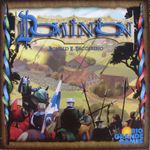
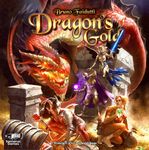
somewhere on that spectrum they may not SWOT into one category or another but they'll be somewhere in that range and that's what we're talking about when we're talking when people criticize things for multiplayer solitire or for being too attackyoutube in their confrontation and their interaction um a game that commonly gets uh criticized for being multiplayer Solitaire is dominion and I think you can agree it's it's not multiplayer solitire in the same sense as something like Ricochet robots or um you know Dimension that we talked about earlier in this game we are competing to buy cards from a common card pool so if I'm buying stuff my empty a pile that impacts on my opponents um there's also a race element to it which which is you know shared with those multiplayer solitaire games but we also have these Attack cards which just slow our opponents down this is more of an advance and attack sort of game so yeah largely it's constructive about building an engine but every now and then we play something that just slows our opponents down a little bit it's not truly multiplayer solitire and the interaction is about sharing the time around the table with friends our next few categories take us off that spectrum and into other areas of interaction in board games so the first one that I wanted to talk about was negotiation games um so the example that I'm going to give is the game dragon's gold in Dragon's gold Four Dragon cards are laid out on the table and each has a strength value and a certain amount of treasure that it's
guarding players have a set of four Adventurer cards of differing values and on a player's turn they play one of these adventurers alongside a dragon when the combined total of all the different players adventurers at a dragon card equal the dragon's strength then that dragon is defeated and its treasure is distributed among the players contributing to the Dragon's demise players must agree on the exact distribution of the treasure within 60 seconds and if they can't agree then no one gets anything so players negotiate ruthlessly in order to get the treasure that they want because at the end of the game players are going to score points for accumulating sets of different Treasures for Gathering the highest value treasures and for holding the majority in each color of treasure the player with the most points when all the treasures being divided wins the game in Dragon's gold the negotiation is fierce and it's quite nasty and again it can cause bad feeling because a particularly bullish player can really uh can you know can really push the other players and make them feel quite uncomfortable they can refuse to do deals and if so the whole thing collapses so you can really feel you're being bullied in this game you need to play it with people you trust people you like uh people who aren't going to get offended and then you can have a lot of fun with a game like this but it's not for the for the faint-hearted that's for sure um other games with negotiation I suppose there's things like Sheriff of Nottingham where you're bribing and you're trying to
convince the player not to open the bag don't open the bag I'm going to give you some money so you don't open my bag you're lying you're bluffing and you're you're sort of Wheeling and dealing your way through the game a ton of interaction action in a game like this but not in the form of attacks this is all about negotiation bribery and trying to better your position um through those sort of those skills the gift of the gab you know having having the patter to to to get yourself uh through and charm the other players and then at the end show them that you'd actually betrayed them all closely related to the negotiation games are the social deduction games and there have been a ton of these over recent uh recent years I'm going to show you the example spyall in spyall each player is given a card all but one player will have a matching card and these cards indicate the location that the players are at the remaining player has a different card this one says only spy and no one knows what cards everyone else has got hence the Spy player doesn't know what location everybody is at the Spy player wins the game if they can determine what the location is but the other players will win collectively if they can determine who the Spy is on your turn you ask a question to another player this should be something vague enough not to give away the location but relevant enough to let the other players know that you know that you're one of the players who knows what the location is if you are the Spy you're going to
have to ask a question anyway and you're going to have to do it confidently although you really know very little over several turns the Spy is going to listen to the question questions that are being asked and hopefully deduce what the location is or they might be required to ask a questions and give themselves away dramatically with a question that's completely irrelevant and makes everybody else sort of laugh at them and Scorn them for their their idiocy so spyall is a very specific example of this type of genre and is almost creating a genre in itself it was followed by a game called fake artist in New York where you're drawing pictures but one person doesn't know what you're supposed to be drawing and I've already seen from the the the a preview of essence Spiel 2016 that there are many games using the same sort of gameplay of one player not knowing what's going on um but traditionally the games the social deduction games are based off that game werewolf where some players are werewolves others are villagers and no one knows quite who's who you don't know who's on your team so uh the resistance was a great example of it and this case the resistance Avalon other ones I have animals frightening night um and The Game Time Bomb which is a very small very simple so social deduction game that's being released by various companies at Essen this year in different editions as a cthulu version um there's there's like fantasy medieval type versions there's all sorts of stuff going on with Time Bomb I think it's going to be a popular game also related to the negotiation category are the auction games and many games will Fe feature auctions as a form of
interaction uh as suppose the purest auction games I tend to think of are for sale and Modern Art so let's have a look at for sale s in a round of for sale a series of property cards are placed on the table with differing values players bid to purchase these cards in a turn-based auction if they do not wish to bid they take the lowest valued card and they pay half their current bid to take it hence each player will purchase a card in each round of the game once all properties have been purchased then the second half of the game begins and in this half of the game a number of checks are placed on the table each round players play one of their property cards face down and then they all reveal and the highest valued property gets the highest value check the second highest gets the second highest check and so on until everyone has taken a check once all the checks have been taken then the player with the highest value combined from all their checks wins the game for sale is a very simple game um and the only interaction really is in in in trying to outbid each other modern art takes this to another level and this is a rhino kitzia game and it features several different types of auctions and a lot of mathematics and trying to work out what things are worth and what people have got and that sort of stuff um so the interaction in there is all about the auction bidding outbidding other players then you see this mechanic uh incorporated into bigger games like power grid and PR printers of Florence
where players are are bidding over um over different items that they're going to then add into their their engine add into their building um to to sort of further them in the game so the final category of interaction on this list and I think the most important one of all is about personal interaction around the table outside of the game and this is what the party game genre does exceptionally well so let's have a look at the game pluckin pairs in pluckin pairs 11 picture cards are placed onto the table and then a 90-second timer is turned over and all players simultaneously write down the images that they can see putting them into pairs according to common themes or relationships Etc the reason for pairing doesn't have to make sense it can be as tenuous as you like and one card is going to be left out because there are 11 cards and these things have to go into pairs after 90 seconds each player reads out their chosen Pairs and their odd one out and they score points if the other players have selected the same Pairs and the same odd one out after six rounds the player with the most points wins what you find in plucking pairs is that the game playay itself doesn't sound that fascinating but when you play it and people have to justify why they partnered these two things together and then you find that someone else around the table has come to exactly the same weird connection that you did there's so much sort of joy and laughter in that so much satisfaction um yeah the the components
are cheap looking and it all looks a little bit naff but it's hilarious fun and and the interaction is the laughter the fun the getting to know each other and you see that in in many of these party games whether it's um telestrations where you're drawing pictures and passing around the table and people are trying to guess what you've drawn or um times up uh which is that old public domain game where you you you have names and you you you you draw a name and then you have to um initially you have to describe it and then the second round you have to use one word and then in the third round you have to mime it and and it's just the the game itself has very little interaction really there's interaction between you and your partner that's it nobody else is interacting with you but everyone's laughing everyone's having fun everyone's chatting and that's the real interaction that goes on and I think this is what people are missing when they criticize games for being multiplayer Solitaire sometimes I want to play a game that is heavily interactive in terms of the gameplay mechanisms sometimes I want to do that often I want to do that but sometimes I just want to sit down spend some time with somebody without the stress of that and and yeah we can Loosely compete in terms of seeing who's got the most points or something like that but essentially that's not the important bit the important bit is that we're sat in the same space doing the same activity enjoying that time together um and I think that's where the multiplayer solitire the advance and attack and the and the sort of subtle sort of passive interaction of that accidental blocking
where those categories really come into their fall and I think that's why you see a lot of those sort of games in the Gateway sort of uh the Gateway category of games the games for beginner players um because it removes that chance of somebody just destroying you on your you know you you your first game and they they wipe you out and they enjoy it they they get great pleasure from doing you down so in a lot of these games that doesn't happen and I think that's where uh the pleasure comes in anyway thank you for watching this video I hope you've enjoyed it if you did please watch some of my other videos and subscribe to my channel Adams board game Wales or follow me on Twitter @ boardgame Wales on Board Game Geek I'm adam78 thank you very much for watching all the best