Dani Garcia is a Genius | His Rise, Design & Diables | BGSS ep_016
Games in This Video
12 games are featured in this video — they unlock as you watch.





Transcript
because I do this thing of if I have five problems, I try to solve them all in a single play test. I think in the action selection there's more room to imp to to do original things and try to make something special. In fact, before I even do the prototype, I need to create the whole game in my head. This is the game that I play tested the most. Alunova play test the games an insane amount of times and it's always the same three or four people that are playing it and I was winning 90 95% of the times. So I'm sure there's no luck involved. I I think it feels like there's luck because there are dice.
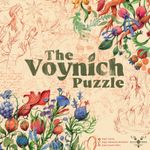
My guest today is Danny Garcia. Danny Garcia is a prolific designer who seemingly burst onto the scene in 2023 with the likes of Arbaria and Barcelona, both of which I enjoyed immensely. Since then, Danny has designed many games with most recently being Voyage Puzzle and Coming of Age, who are currently in retail, and his newest design, which is going to be on crowdfunding very soon called Diablo. In this episode, we dive into who Danny Garcia is as a designer. We go incredibly deep into his process and I hope after watching this you have a appreciation like I do for the brilliance of Danny Garcia. One other thing to note is in January Danny announced that he had been diagnosed with ALS. And one of the most encouraging things that I came away with in this interview is his resilience to do what he loves as long as he possibly can. If you'd like to help find a cure for this incredibly devastating disease, links are down below with where you can donate. And without further ado, let's welcome Danny Garcia to the Board Game Secret Show.
Danny,
hi.
How you doing? I have to say this is a dream for me to be able to speak to you.
Uh I think just to start off to say I think you're absolutely brilliant. The designs in which you've created are truly incredible and I have not played one thing that I don't like. I fell in love with Barcelona. Um my current love is Voyage Puzzle and the best piece of art I think that you've created is coming of age. So I just want to level set there and just say how incredible I think you are as a designer. That's great because I know coming of age is not the preferred one for many people. I think uh some people either expected something else or or they understand the game. But yeah, I'm happy. There's also people like you and Ra who liked it a lot. So I'm I'm proud of it to be honest.
Yeah, I could see how some people might be thrown off by coming of age. I mean it's a it's a shorter game first off. That's my one that's my wife's one uh one complaint is she wishes it were longer.
Um and it deals with luck. I think all of your other designs are very low luck even though there's ways to mitigate the the dice. So that might throw some people off. But I think that what you were trying to do with that design from like I don't know like an artistry perspective and and thematic integration was just incredible.
You told about a lot about luck and I I heard that a lot from that game. But I think that's per perceived because this is the game that I play tested the most. Alon Nova play test the games an insane amount of times and it's always the same three or four people that are playing it and I was winning 90 95% of the times.
So I'm sure there's no luck involved. I I think it feels like there's luck because there are dice. Uh but it's uh it's more what you do with them and and there are many ways to do what you want. So it's really trying to find the the best way to utilize the dials and the dice. And in this case there's lag mitigation but in this case is not okay you have this plus one minus one because you need it. It's you are encouraged to do it because you will get points if you manage not just to change your life but you also h get to bounce on it once you have killed it. It's it's uh but it's
that's the beautiful part about that the frustration mechanic where you overcome the frustration. That's where I thought that's honestly the moment that I was like this is brilliant. You overcome the frustration from a thematic perspective. That is such an a valuable lesson and then it flips to the other side where all of a sudden it gets turned into a big positive if all of a sudden you can get your uh marker on the other side of that track. It was mind-blowing to me to be honest. Yeah, that that's probably the thing I'm proudest uh about the game because I think it's the the mechanic that works really well thematically. It solves something that any game or any Euro game with dice needs, which is mitigation, but it it it does this thing that it sets you goals and you then have this track that uh being on the positive side, you will think that's the best thing to do. But now I'm I'm throwing this where you want to go to the negative side. So I think everything works well thematically and also adds a lot of interesting decisions.
Yeah. And you know I was planning on getting into this later and we can we can uh circle back around but I wanted to just to make sure to tell you how much uh how brilliant I thought that that game was. And I think in your email you said some people didn't appreciate it as much and I I think it's it's just wonderful.
Yeah. Well, it's currently the the the one with the less uh with the lowest value on BG, so that's why I said it. But I think also the theme may have a lot to do because maybe some people were expecting something lighter or something more. I won't say thematic because I think it's really thematic, but it's not obviously thematic. It's not you don't have a car that says now now you're married my retire now you have a job or h the theme comes from the mechanics that they all work the way they work because of the theme and that's I've seen people saying how thematic it is and I've seen people saying that there's no theme at all so I think it's not that obvious
amazing
yeah yeah
I think it's all heroes I've ever played
yeah I have it with everything you may have for the same game people saying that It's too heavy or too light, too long or too short, too. Yeah. You have
Well, that's the beautiful thing about board games.
There's so many out there. You don't have to love coming of age, but I think uh uh I I don't know if it's the best design work you've done,
but I love them all. But it's to me it's one of the best thematic combined with design that you've done. and and that's saying a lot because I think you do a really incredible job with uh especially when my first love in Barcelona where you combining the the the theme and the mechanics so well. Um so anyways that's that's I got off topic there because I actually wanted to start with you u sort of from the beginning really so people can kind of understand where you came from because for a lot of people you came out of nowhere. you 2023 all of a sudden there were games upon games from Danny Garcia. Um but you spent 15 years in the video game industry.
Uh more or less. Uh so previous to so in reality I started working on in board games in 2019 2020 but obviously they take a while since you sign them until they are released that there's two three years that happen. Uh and before that I had a very small uh video game company. I I was doing the graphics and the design there. It was just two uh the two of us and we did a video game for called Alchemic Joust which was for PC, PlayStation and and Switch but then we had to close the the company. So then I I jumped to uh to Borgans. Before that I was I did some work in in some videoing company here in Spain but I was mainly doing 3D art work. So I was doing uh for the beginning of my career I was doing 3D character for games or for animations or all these kind of things and then I I specializ in doing hair I was doing her also for video games or or animations.
So I spent it was video game related but not everything was really working on video games or designing them. Uh in reality I only designed the game that uh I released with my company and then I started designing another one but we didn't finish it and from there I jumped to to board games.
Were you already a board gamer at that time?
Yeah. Yeah. Yeah. So I I've been for pretty much all my life, but it's true that I only discovered Eurogame pretty much in in 2019 or something like that.
What?
Before that I Yeah. Yeah, it's true. It's true.
You are of the Euro game. How could you have just discovered that?
Uh I did. Uh yeah. So the story is uh I I played uh when I was a kid I played well all the all the typical kids games and then we went into uh magic uh role playing games. I knew this kind of stuff and I pretty much stopped there and then uh I tried to design some games just for fun not really trying to play with them and they were all these kinds of games. It's what I knew. So I was doing uh American style games in general and I had one game when I closed the the company I had one game that I thought that was going to be brilliant. It was never published, but at that time I thought that it was going to be brilliant. And I went to a group, I showed them the game, then I stay with that group uh playing each week. And I remember they they played a bit of everything, a bit of uh trash and a bit of your games. And I remember one night two things in reality. I remember I remember playing Tr I don't know how to pronounce it. I think it's tras. It's uh it's from the guy who did Carnegi from Chavier.
I can't think of his name.
I may not just be understanding.
Yeah. Yeah. I'm not pronouncing it well for sure. But it's a known Euro game.
Yeah. But then that was the first Euro game I I saw and I feel I thought that was special. But I also remember another night where there were two tables. I was playing I don't remember what I was playing but somebody else was playing brass uh on the other table and I was looking at that table I was thinking I think I should be there and from there I started uh liking them more and more and I I started um studying them because I I I could only play one per week because I was only meeting with the group once a week. So I started seeing all the videos from Rado uh because I I saw how how he was not only playing them but explaining what he felt when playing them. So I started learning all the mechanics and everything that Euro games had just by seeing him play and checking all the previous games that had been released.
And with that I started trying to to make my games
and I I I I never want to come back to be honest. I now I really hate the type of games that I was playing before.
So, you love the Euro worker placement?
Yeah. Yeah.
Do you play anything heavier like the Lera range?
Yeah. Yeah, I do. I do. But I'm not, for example, I I I know that he has done a lot of uh great things and I love on Mars, but in general, it's not exactly my my sweet spot. I prefer something that's a bit lighter. But yeah, I can play them for sure.
I agree with you. I I enjoy the the challenge. It's of learning and trying to kind of just understand the design, but I'm much more comfortable in kind of the weight class that you're in where it still will break my brain. like Voyage puzzle is breaking my brain right now trying to figure out how to pull all of these different level levers, but the the overhead that LEA gives me is just just too much uh to for me to casually play all the time.
Yeah. Yeah. For me, it's that I I think I prefer uh tactical games rather than games. And with uh one of his games, you usually have to have two or three turns planned. So, I prefer to just when when it's my turn to think what's the best option this turn and and not try to remember a long plan. But yeah, as I said of Mars, I I really like and there's many other games of his that if I'm playing them once in a while, I I I would really enjoy them.
So, I looked it up. The designer did Troy's. Was that was that what you were trying to uh say?
Yeah.
T R O Y S. Yeah.
Yeah. Yeah.
Yeah. And then but brass was the one that really kind of inspired.
I did not play but yeah but not by playing just by seeing them on the table on my side and see comparing it to what I was playing
I felt I felt that I was in the round table and from there I started yeah uh whenever there was a choice I tried to go to the correct table.
Uh so uh have you since played brass?
Yeah. Yeah I did. I did. Do you think it's worthy of the number one game of all time?
It's not It's not my favorite, but that that's a me thing because that I remember the time I played it.
Uh one player that's did something specifically so that I could not win
to block me and I don't like this this feeling.
I That's exactly what I was going to say. That's one of my questions later is about how you you like positive designs and brass can be nasty
for sure.
Yeah. Yeah. Yeah. And yeah, it's basically that I hate that other people mess with my plans. I want to do my thing and and yeah, if you create an opportunity for me, fantastic. But don't don't blow me and don't do these kinds of things.
So you typically don't play high interaction games.
If it's positive, yes. If there's
Yes. If there's take that or if there's majorities, this kind of stuff, I usually don't don't enjoy them.
Yeah. I'm trying to think of the designs you've done. I I can't remember that blocking is used really often at all.
If it is, it's it's very light. You could say, for example, in Barcelona, somebody can go to your spot,
but then they are also creating opportunities in
in some other way. So, it's almost impossible not to make anything that's negative because they could take a card or something that you wanted and that's impossible to to to avoid. But for the most part, I prefer to do positive things and I especially don't like when you can choose to do something just to mess with another player.
So if it's I want to go there and you also want that that's what luck but I'm going there just to mess with you. That's something that that I always try to avoid.
So you make the games you want to play.
Absolutely. Yeah. Yeah. Yeah. So the other day, for example, I was uh playing the the the prototype copy of Diablo that I was sent just to try that everything was working. I was really enjoying myself. I was really having a lot of fun because yeah, it's my type of game. Absolutely.
That's great. That's good to hear that because you've obviously have probably played it I don't know how many times have you played Diablo.
Not that many because when I'm creating the the game, I'm seeing people play. I do play a bit but I yeah I play alone. I I sometimes I play a few turns and if I think it's working and then then I go to play test and I see people play and then yeah when I'm doing the solo mode I I do it myself and that's when I I do them most of my plays I would say and also with the final version but but yeah during the process I don't play them that much to be honest so that then when yeah when the final product arrives and I can really play it in person it's almost feels like a new game to me. So, as you design, are you thinking very deep uh modularly and not necessarily big picture, meaning like you're in the weeds of trying to solve different problems and, you know, not having to play the whole thing over and over again?
Yeah. I I prefer if if there's a play test and I see five things that are wrong, I prefer to solve them all and try again than rather trying to just f uh solve one thing and then once that thing is solved, go for another one. And in fact, before I even do the prototype, I need to create the whole game in my head. Obviously, it will not work. will need to change a lot of things but I need to have in my head something that makes sense uh and has all the parts uh so even in the first play test everything is there maybe then I will have to change all those things and maybe I will only be able to play two or three turns and I will have to stop the play test but there's a theoretically there's a full game there
when you say in your head are you literally not writing anything down you're literally kind of thinking full-fledged all the way through the design before pen to paper.
At some point I write, but for the first one or two months because usually what I do is uh okay, I decide I want to do a game about this and maybe I have a couple of ideas, but I'm not I'm not thinking I'm not sitting in a chair thinking. and just I know that I want to do that game and maybe next week an idea comes to my mind and I I think a bit about it and I leave it there and as time passes the the game starts building up in my head and yeah at some point when I have let's say half of it I will write it down and then um then at some at that point I will maybe yeah then I will start sitting and reading my notes and thinking actively thinking on how to finish the missing pieces.
But for a for a long period it's it's yeah it's just in my head I am just waiting for ideas to happen.
So is that that's how you think of it is you just wait for the ideas to come.
Yeah. Yeah. Because if especially at the beginning when you don't know exactly how the game will be. If I try to force it I will just get either something that I have already done or something that's not a very good idea. So I prefer to just uh let it uh I don't know the word in English but I leave it in the back of my head and maybe when I'm doing something else completely unrelated I will have an idea and once I start seeing something that has that starts uh feeling like a game that's when I really start working on it properly but before that I have this stage of just okay waiting for the ideas to to come. I'm I'm similar where I'll sit down trying to kind of work something out and I don't do very well. But if I'm like taking a shower, taking a walk, something where my mind is forced to to to, you know, not be focused on something else, that's when they'll come. That's when they'll start to hit me. Oh, I got to remember that.
But that's a real thing. That's a psychological thing. when your mind is doing something that
that that you don't have to think it when it's thinking in the back of your head on other things that you're worried about. So that's that's I think I I've heard other designers doing something like that also. So I think it's more common than than it might seem.
Have you had any one of these big ideas come to you and just ruin some of your design that you were thinking? Meaning like, oh, this is just a much better way to do it. I have to go redesign, you know, modules or whatever. Yeah,
actually, uh, last night that happened because I I Yeah, on Tuesday I had a play test of a game. Then I thought about the changes and I did it yesterday and then uh yesterday night I thought about the better way to solve one of the parts that I had already changed. So today I had to change it again. That's good because that
No, no, it wasn't that big. But it was just I had thought of a whole mechanic and then when I was trying to sleep, so I was not actively thinking about it that that's when the idea came of something better. So I had to change it. It's in in in reality what I did was I just saved the play test because I think the previous idea probably would have failed and now I maybe I've done a step forward without having to play test it.
Very good. So I I started this by saying you kind of came out of nowhere but you were working on games much before kind of the regular public had heard about you. You had like five games signed with publishers I think before anyone knew your name.
Yeah. Yeah.
How does that happen? Sorry. Well, that's mainly because of the length between the moment you sign the game and when it actually releases. So, I yeah, I think it was 2019 when I started working on that game that I thought it was going to be brilliant. And then on 2020, I decided to start doing many games, not just focusing on one. And I remember on 2020, I signed Aria. And then obviously uh was released in 2023. So all those three years I was working. So some people didn't know me because uh here uh amongst the designers and some publishers started started knowing my name. But yeah, it was just that I was still working on on games uh while Argoria was was waiting its its turn to be released and then I was knocking on other uh publisher doors and I was also showing my new games. So yeah, when not only I had five games signed when Artoria was released, one of them which was uh was a commission from Deir. So they already knew me and had heard about me. Uh because yeah because I did show them a game. the game they did not take it but they then I had a meeting with a freak which is uh the guy who's who's focused on doing the the the internal production of the beer and he
told me that he wanted a game done done by me and he proposed the so yeah I was not known by the public but I was already uh making some connections internally
yeah but that has to be so even though you're creating a reputation for yourself. Up to that point, you were unproven from a money-making perspective. Nobody had sold your games to people in the public, which is what a lot of these publishers want, right? That has to be an amazing
Yeah.
Uh, you must be a really good salesman.
Well, I'm not sure. I'm not sure. I was not doing anything special because I was not even going to conventions. I was doing everything online. And when you contact uh especially when it's a new publisher that they don't know you and you just have their email and you have to send a short email saying I have this game I think it may be interesting to you for this this and this and and if you like it uh I can show it to you but you don't you don't do much than that and yeah once they are interested you have to show the game but I think honestly it was more more about the games that and my ability to sell them. Obviously, now it's it's much easier because I have direct contact with many publishers and now I'm known uh as you said, I it's known that I can do games that and also that they can sell. Uh but yeah, I think I didn't do anything special. I I I maybe was uh doing games very fast and I was able to to knock on many doors at the same time. But besides that, I I I know I don't feel like I'm a great salesman to be honest.
Well, then I think the one kind of distinguishing factor is you're working on so many at once. I don't think many
Yeah.
people would do that. That seems impossible.
Let me clarify. It's not that I'm working on so many at once. It's probably that I go very quick since I had an idea in until it's ready to show to a publisher. So I I learned quickly that well it depends on the publisher but some of them will will want to develop it some of them don't but if they want to develop it you don't need to have a completely perfect game completely balanced because if they are going to do changes there's no there's no reason to do the solo mode yet. There's no reason to to balance every number perfectly. So, I try to get my games to a point where you can see exactly what I'm trying to do. And if I want to show it to a publisher that I know it develops, that's all. If I want to show it to a publisher that doesn't, then I will Yeah, I will try to balance it. But I think because I do this thing of if I have five problems, I try to solve them all in a single play test. I think I go quite quite fast at at polishing the game and and reaching a a good point with it.
Do you think some designers wait too long before sending the game to the publisher? Because you just I I've heard you say before I read that you you ship broken games to the publisher essentially. You don't worry about balance.
Not broken.
I'm misquing you, but you don't worry, just like you said, you don't worry so much about balance
yet. It doesn't have to be completely perfect. And I think that's a mistake that many designers do especially when they are starting because and I did that too with a a game that I thought it was going to be brilliant that I was working on that game for I don't know one year or or probably more than one year and I was play testing it, changing things, play testing and the last I don't know six months or more I was just changing a number on a card and then play testing again and that's taking a lot of time. But the game is really not changing that much. They uh a publisher won't be uh taking it or not taking it based based on that change and you are not learning anything at that point because I'm not designing I'm just adjusting numbers. So it's to me it's better uh it doesn't matter if the game is going to end up being signed or not, but it's better to focus on the designing part. And once you have reached uh the development part which is uh tweaking numbers, it's better to stop and start working on a new game. And then if it's signed, you may either leave it for the publish or even you you might finish it yourself. But uh you are uh if it's never signed, you are doing something else which uh helps you learn faster how to design games and also you have more things to show to publishers. So you are also increasing your chances to get
something tight.
Wow. So and publishers are fine with doing the balancing work or are they just fine with doing Danny Garcia's balancing work now?
No. No. It's completely depending on the publisher. So you have um for example Bor and Dice they have an internal development team and they develop all all their games. So it's not that they do it if they see that the game is not perfect. is that they that's their process. They take the game, they play it a lot and they add their their their style to the game, let's say, and some others that they don't do it that if they like it, they take it and they simply publish it as it is. So, you at this point, I do know all these companies that I've worked with and I know what to expect from each of them. But, but no, it's not something special for because of the way of I the way I do the games. It's just the way that each publisher works. They have their preferences and and this also helps me decide if there's a game that I think it's really good and I don't want any changes, I will go for one type of publisher and if it's not, I might go to for another type of Yeah.
Yeah. Well, yeah. I I remember uh reading that the theme on Barcelona, which makes sense, was a non-negotiable with board and dice.
Yeah.
Did they want to change that theme? No, no, to be honest, not they never thought about it or at least they never asked me to do it. I think that one was uh the thing was so it was very detailed because all the all those um uh how do you call them? All those information in the rule book. No, not information, all the historical notes. Yeah,
those were already in the prototype that I sent them. So I think they saw that that game could all could only be about Barcelona and not any other city. Um, and I think for most of my games, uh, a few of the first ones, they were more mechanical than than than thematic or or I tried to give them a theme, but some of them I I started with the mechanics and then I did the theme. But very early on I started working first on the theme and then on the mechanics and I don't think any of those games will they won't be changed and I don't think nobody asked me to change them because once the game is the game play is so interlocked with the mechanics uh sorry with the theme I think that publishers see that there's no reason to change it because no other thing will work uh as good as this theme that the game already class.
So I had a few themes that were changed but but it was because the games were of my early days let's say that they started with a mechanical idea and then I I thought about the theme but that's something that's not happening anymore. So right now in part because some of half of my games are are commissions and the theme is is discussed at the beginning but even my the games that I do by myself they are all keeping it its original theme at this point.
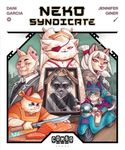
Was Barcelona a mechanic first? Uh, no, no, that one. I think it was half and half. But yeah, I I thought about doing a game about my city and and the fact that the city, the the grid of the city is is is the way it is. It gave me the original idea. So, in this case, it started like it started with the theme and then the mechanics. But for example, uh, Araria, they kept the thing more or less because it was the same, but it was, uh, set in the real world. You were, uh, just recovering a a national park that was, uh, burned down. Um, and with u uh with Neo Syndicate, it was also changed because that one was poorly mechanical. That one is the one that was completely mechanic first and then I thought about the theme for it. But yeah, for the ones that will be released in the future, I think pretty much all of them will be just the theme that I thought for the game.
Yeah, I I find it hard to believe that you have ever started with mechanics. I mean, Arboria, I could I could see just because uh that's probably like the the I don't know, it's a madeup sort of world, right? It's it's it's it's fantasy up to an extent with real world connections obviously, but like
Barcelona, it was just dripping with theme. It had me look up the history of Sarida and I made a whole intro in my video um about that because I thought it came through so incredibly strong and I had read that you've become more of a thematic designer. So are you looking for is it an interesting or more interesting problem for you to look at a theme and think how can I design a game around it? The thing is if now you ask me to do a game about anything with no theme, I don't know what to do because when you start you may have this idea. So, oh it would be cool to have a game with with gears or it would be cool to have this specific mechanic,
right? But then once you have done that you are you run out of ideas that came out of nowhere and I now I really need a theme to start thinking of original ideas because otherwise I will just do something that has been already done and that's for me that's the the main thing when I'm trying to design is to do something different. So if you have the theme, you may you may think of something either because of the way you place uh things on the board uh so that they match the theme or you try to use a component that matches the theme or something special because of the theme. And from there you may start uh creating different mechanics. But yeah, now I I really if you just have me do you have some dice and some card do something. I don't know what to do to be honest. I need something to to to help me think about a mechanic.
Yeah, I would imagine that's it's an easier thing to do. And it's not necessarily easy to design mechanics that fit within a theme, but at least gives you a temp a template. As odd as your theme might be in Diablo for many people,
it created a very specific template for you to design around, which I I I can't even imagine how you did it, but that's that's the one that most recently has hit me was just like there's no way you started
with a mechanic there. I don't think I think you would have had to have have really just you've been inspired by this this event that happens where you live and and it spurred from there
which was pretty amazing as I was reading I can't wait to play it but I was just read through the through the rule book and it seemed um incredible.
Yeah. Yeah. It's as you said uh this is it is a tradition that we have here that I I love. I went and since I have been a child, I've went to this kind of of events and now I have a child and he also love it. So it was a not only that it started with a theme, it's a thing that's very special to me and and yeah, the the way the game works, it's purely based on the theme. the way you select actions, which is placing uh these performers on the street with fireworks. It's many people that have uh that know this tradition and have play tested the game say that it really fits the the theme and it it's uh it reminds them of of the of this type of event. So yeah, it's it's completely thematic and then obviously you need to do a mechanics that work. In fact, this was the second attempt at doing this game because I tried an idea first and it didn't work.
I I stopped working on it and then when I have a new idea that I thought that could work, I I tried it again. So, it was a thing that I was really interested on, but I needed something that that really worked to to make it happen.
Have you been to this real event with Ball de Diablos a lot?
Yeah. Yeah. Yeah. Yeah. I would say more than a hundred times probably.
Really? How often is this this happen?
It happens a lot. Uh, every town here has a an a yearly holiday and they usually have one of these groups that performs. And for example, here in Barcelona, it's every neighborhood has or maybe not every neighborhood, but many neighborhood have uh one of these koas, one of these groups. And when it's the the the day of the year where they celebrate um the the holiday of the neighborhood, there's usually some kind of this place. So in a year, if you like this kind of thing, not moving from Barcelona, you can easily go to 10 of them if you want
really.
So that they are Yeah. Yeah. They are more common than you may imagine. So, I watched a video in preparation for this and it the thing that struck me so much out of the gates was the drums and how
how impactful those drums are. I mean, obviously people with fire fireworks on sticks are pretty amazing, but the drums are just almost haunting and just, you know, really moody, I guess. And you actually got drums into your game. Was that important because it is so impactful?
Yeah. Yeah, they had to be there because it's almost a tribal rhythm, right? I don't but yeah, it's some people even just walk next to the drummers rather than walk next to the to the people with the fireworks because you have to imagine that this happens many times. It happens going through a narrow street. So there's a lot of the sound bounces a lot and it's really powerful. You have some of the fireworks exploding, but you have the drums that are all the time there. And you never have a group that only does fireworks. They are always there. So, they had to be in the game for sure. And I and I also make sure that they have a powerful effect because uh most people just think the what the game is about. They will think that fireworks are the main thing which you could argue that they are. But I wanted to make sure that people understood that the drummers are also very very important in this in this uh celebration.
Well, it's funny you said that because it was the very first thing that stood out to me was the drums. And then to come and read the rule book and see that that was a mechanic what making you're inspiring the crowd. Is that what it is?
Yeah. Yeah. Yeah. There's I think in the final word it's inspiring. Uh but yeah the idea is that uh they help a lot that put put people in a mood of of uh of going and see this uh this performance. And as I said it's very powerful. you you feel the music in your in your body as as the sound bounces uh from the uh from the drums to your body and and yeah, I had to make uh so you usually have people dancing around them. So it's it really I think exciting I'm not sure if it's exciting or what was the word that you used? Uh
it was
I think I had
it was haunting.
Yeah. No, no. For for the for the people I I in my prototype I think I use exciting. I think it was
inspiring. I think the rule book
inspiring now but I could be wrong.
But but it's yeah it's something in that in that line.
Very interesting. So you for you and I don't know if everyone sees this I you know I when I think of Danny Garcia I think of thematic heroes but I also think of action selection and that's always been interesting in Barcelona. I love the grid. I loved the diagonal space that made it feel even more powerful. I loved the the the integration of building your buildings and having your these workers or people move into the buildings. And then um Arbaria uh the the movement track where you're playing with time and the power of the action that was completely incredible. Windmill Valley, the two different size cogs or wheels or whatever they are, and then playing with the water flow. And then upgrading the wheel, brilliant action selection.
Voyage puzzle, the the upgrading book was just awesome. I'm I'm still exploring that right now. And then coming of age was completely different with the dice placement and and the the the different dynamics with creating oh, what is it called? where you want to go back to that space and then you get a bonus to go up your
Yeah.
Yeah. I'm missing it as well. But basically the dice that you don't use, you put a marker there and then if you get to go back to that space, you're rewarded by going down on a track.
Um what is the action selection? Well, first of all, do you think deeply about action selection in your games? And is that a really important component for you? Because it sure seems like it when I play your stuff.
Yeah. Yeah. because probably because uh after you've done action selection, all the other mini games that you do, you can do a special things, but many times you're at some point you're repeating yourself because you are either doing I don't know rows and columns to score a certain way or you're placing tires or you are playing cars or fulfilling contracts. there's a certain number of things that you can do and you can try to make them original, but I think in the action selection there's more room to imp to to do original things and try to make something special. So the there's many games where the mini games and what you're trying to do they are similar to other games but what make them stand out it's it's uh the way that you choose those actions and how they limit what you can do what you and what you cannot do. So it's not that I I sit down and think okay let's first think of an action selection then I will do a game but it's something that yeah naturally I try to do something different every time.
Do you have a lot of ideas for different action selection mechanisms or is it like you were saying before now where the theme is creating that for you? Yeah, it's that it's that I don't have a list of possible things uh to do. It's usually the theme or or any detail about the thing can give you an idea. For example, with with God, uh it was a a photo an image of of the the roof of the casabjo, which is one of the works that he did.
Mhm. And it had a very interesting lamp on the top with some uh some waves on the on the on the ceiling. I I saw a photo that was really nice and I thought, okay, this needs to be the board and I need to do an action selection with that. And because there was a lamp which was like a Rondell, I started working with an idea with a Rondell and and it started just from seeing that photo because I because I didn't have any specific idea at that point and just seeing that gave me something to start working with.
Which game is this?
Gaudi. Gaudi. Uh the one that will be released uh by the beer this year.
So that is that going straight to retail or is it going crowdfunding?
Yeah. Yeah. Yeah. uh reader I think in SN when it will be released.
Who's publishing that?
Uh the beer.
Very good. I'm I'm excited about that one. I I was um that came up in my research as well. So you're using a rondelle mechanism to uh for action selection there.
Yeah. Uh but uh but yeah, it's interesting. Yeah. Yeah. Yeah. And I use something similar to len more in which if you move uh the furthest you do more things but then uh you have you can play it is not like the last player can do no sorry England more you can jump wherever you want but then the last player is always who plays here uh you can you every other place turns uh in sequence but you can jump ahead and and get better rewards then you're skipping uh you're skipping some spaces. But it's it's not just the rondella or the way it works. It's how it works with all the other components of the game which make it interesting I think.
So what in Diablo is the interesting hook from an action selection perspective.
Uh for Diablo I took uh I took the the the idea of uh how a corog works. Corfog is is the this performance that the Diablo do and they all go through the streets. Uh they keep moving through the streets firing fireworks and with the drummers. So what you have in your playerboard is is your part of the street. So the part of the street that your KOA is currently going on. You have uh people that are seeing your performance. And what you do is you place your diapas next to uh to this uh to these spectators. Each one have a different action and each one prefers to see a different type of firework or a different type of performer and you you have a limited number of places where you can place them and basically you have to place performers and fireworks. So you have two type of resources that you have to use when you are placing your workers.
uh and you have to keep unlocking workers because you also use your your performers to send them to the main board and you lose them. So you have to keep uh sending them to your player to do your actions, but at the same time you have to manage uh your your co have enough of them to send them to to the main board.
Well, I didn't realize you lose them in the main board. That's interesting.
Yeah. Yeah. Yeah. Yeah. you have a limited number and then if you use them you have to unlock more and
do they go back to your board and cover up the spaces because that's kind of like your firework income.
No, they never come back. So basically when whatever goes to the main board it's there for the rest of the game
and whatever you unlock from from your from your reserve it's something that will give you fireworks later.
So the main board those spaces are then taken essentially
locked. Yeah. Yeah. because you will score them uh at least one time, but the there are different scorings that may the same performant that you have placed on the main board can score for different things and you want to have them there, but at the same time you want to to have enough to play on your main on your player board.
So that's a key friction is trying to manage who you want to go on the main board versus who you want to continue to uh be played.
Very interesting. And I also thought
and also sorry and also having the the the fireworks uh needed for both things because you might want certain fireworks for your uh your player board certain for the main board and you you have also limited amount. So you have to find ways to get more or try to do something else
and you have more powerful workers in like the beasts, right? They give you an extra bonus. Yeah, because here uh in this kind of events, it's not just people with sticks and fireworks. They usually have one or two beasts. Can be beasts. It can be demons. It can be dragons. So, it's some kind of either mythical or real animal uh full of fireworks. So, because they are more expensive to use because you have to spend more fireworks on them, they have special powers that you can also use.
Yeah. As I was reading through, I read through what, you know, 10 pages of the rule book, and I thought it was almost done, but it was just the game you're playing on your player board, and then it gets to the main board, which there's uh what, four essentially mini gamesish.
Yeah.
Modules, which feels a lot like Voyage, but Voyage, you're that's all you're doing. You're just kind of manipulating out on there. Do you like this idea of having these separate modules to kind of uh play with and get bonuses off of and combo off of? You seem to use it in a few different designs.
Yeah. Yeah. Not always because sometimes I do games where you have to do one process
and every action is is a step of that process. But yeah, I usually tend to like more the this kind of approach of having different mini games because you can
you can go and focus on one or two or two of them one game and then play another game and do something different. It it usually helps giving variety to the game. But for example, in the case of Diablo, it's not like in the sense that in boy you can focus or try to focus on a couple of mini games and and then on another game do something different. Here basically the mini games they all have a different way they score at the end of the game and they all give different rewards. But for all them of them what you're doing is placing some of your pieces there in order to collect rewards and in order to score them later. So they are not they are different because they score different and you have to uh to have the appropriate action just to send people there but they it's not like boies or other games where you may have an action that gives you a lot of points and another action that gives you a lot of resources and so on. So it's it's more a way to have four different scorings during the game and that you have to balance when to go for one and when to go for the other in this case.
Is there uh so in Voyage it's all positive interaction. It's like every single module anything you're doing indirectly is helping somebody else with the exception of I think the the top right purple uh version. I think that's you don't really help anybody doing anything there. I don't know how that
is there any positive interaction here in Diablo?
Uh I no I would say that this game it doesn't have uh actually yes or yes it is. Yeah because most of the scorings uh you score your people but the scoring depends on how everything is on that zone. So maybe somebody else placing the upline in the same zone that you are will increase the scoring for both of you. M
so most of the interaction is how these scorings work and how people going on certain spot may may affect your score and there's also uh a track related uh to each of the to each of the those scorings that it's filled by the players. So yeah, there's interaction in in the sense of they are either uh giving you opportunities to score more or they are giving you opportunities to get better rewards, but it's not as obvious like in boy for example where they may move a piece in the bont section and then you can jump uh that piece and reach something else. It's probably more subtle in this regard. The speaking of scoring, one thing that jumped out, well, first when I saw the theme, I thought this was some medieval theme and it is rooted in deep deep history, but then I saw that there was a social media
uh component on this. Was that always a part of the design? Because that's the thing that threw me off is like, hey, this is odd. And then I had to look into the festival and and all of that stuff.
Yeah. That in reality, this is a medieval celebration or a medieval tradition. Obviously, it was very very different back then. And now it's just a back then it it had a religious meaning. Now it's just a a celebration. Um but when I was a kid it was just the the the celebration let's say. Now when I go with my kid everybody has their cameras and their mobiles uh taking photos and videos. And it's not part of the tradition, but it's it's so common to see it now that I thought that I had to to add it to the game. And it obviously I added it because it it I think it adds a very interesting component to the game play.
But yeah, I think now I could have used the same idea if I was doing a game about I don't know uh musical festivals or anything where people gather. Everybody has their mobiles out. So, I could have used this mechanic somewhere else,
but uh but yeah, I
did it in solve a design like it or not.
In what sense?
Meaning, was it a thematic element you knew you had to uh put into the game? So, you designed a mechanic around it or did it help you complete the game?
Yeah. No, it did help. It did help. I maybe was not sure if I had to add it because it's not part of really part of the tradition. But once you have that idea, then you start thinking of mechanical ideas that could that could help. For example, they are they are displayed in a in a vertical row because they are supposed to be the the feet of of a social of a social app where you are scrolling and you are seeing more photos and videos. So as soon as I thought about mobiles and people taking photos, I started having ideas on how they should be displayed and what they should do and and yeah, it it helped more than than hard to be honest. It was any any thing that you can you can uh use for your game will be will be will probably help you have some more some ideas. Even if it's maybe not the best thing for the game or the the best part of the theme, but anything the more information you have, the more chances you have to to have interesting ideas with the mechanics.
Does this game have much relation to any of your other designs? So, if somebody liked Voyage Puzzle, for example, they would love this that you can you can point people to.
I think it's it's a bit heavier than most of my games
and it's a bit more strategic than most of my games. So, I guess it will be more in that sense it will be closer to Aroreia rather than ori rather than the others, but I don't think it has anything to do with Arboria or Letoshi. So, Yeah,
I think it's it's hard to say because I I try to make them as different as possible and yeah, you can you can focus on the weight of the game on BG or on the on on the fact that it's more strategical or more tactical, but I think it creates a very different experience. So, it's hard to say that if you like like Argoria, you will like this one.
Yeah. And to me, as I read through it, it really did, like I said, other than interesting uh action selection and deep thematic integration, I don't I didn't see well and some some with the modules up on the board. Um the big performances. It does seem new for you. It does seem completely different.
Yeah.
Um
Yeah. And I I do things that I usually don't don't do in my game. for example, you have three rounds and you have a specific amount of time when I usually uh it's players who who decide when the game ends and yeah, there's a few things that are not common to me. So that's why I say that yeah, it may be close to those uh in weight, but it's very different. So who knows really.
Yeah,
it's it's it's hard to say.
Are you ever throwing ideas out that you had used before where it's like, oh that's too much like a previous design. I need to think of a new way to solve that problem.
Maybe unconsciously uh maybe I will start with something closer that uh that I have already done. But once you are you start play testing and you start finding problems to the game that's that's also a moment where you start finding new solutions to to the problems that you have because maybe you have you have something similar to another game but you have a different problem that this is causing on this game. So when you try to solve it, you start moving away from the from the previous thing that you have done. But it's it's I'm kind of obsessed on trying to do new things on every game. So I I will really avoid doing exactly the same thing for sure. I will never start on that point. And from the point I I start to the point where the game is finished, it will have evolved in a in a different direction. I think some of the best designers do exactly that where they it's almost like you're trying to reinvent yourself with every game rather than sitting on the mechanic that you're known for, which there's some great designs that uh and designers that that will do that. But I think the ones that I enjoy the most um seem to be bringing something different to the table almost every time. One other that comes to mind is Tomas Hole. Have you have you met him?
Yeah.
Yeah. Are you
Yeah. Yeah. Yeah. I set I really enjoy. In fact, we met on the fa first essing seti and and the other two games
and yeah, I I got those three games. I like them. I haven't read the the the ones from the this year or well the previous year yet. But yeah, I also think that he also tries to do different things on every game. And obviously I I really like uh Stefan Feld for that same reason because
every one of his games is completely different and I have this thing not just in board games but in general where I get really bored if I have to repeat the same thing.
So it's it's it's probably that that drives me to try to do something different every time.
Are there what games have lasted for you? I'm the same way. I don't play mini games uh for a long time and they I'm constantly wanting to kind of challenge my brain and and figure something else out. But there are certain like Castles of Burgundy um and some of your designs. Barrage is another one that sticks that sticks out that I just love to continue to play. What are those games for Danny Garcia?
No, I I do have quite a lot of games that I I have in my collection, but I will not play them three times in a row. I rather play different games and then from time to time go back to to that game. But yeah, I have a lot of games I have. Now I'm blanking obviously. Whenever I'm asked which games
I always go for tapestry because that's when I remember that I have played a lot and because it has different um civilization and different cars every game it feels different. Uh, but they also have some of the some of the fail games. Uh, Wfire. Um, Cusco. I'm trying to remember the names of the new collection, but yeah, I have Which are the other? Well, I'm blanking. I'm sorry. But I do have Yeah. Yeah. Quite a lot of games that if you ask me to play the same game three or four times in a row, I would say I prefer not to. But if if I have uh played it two or three months ago, I'm really happy to try it again. Do you want people to play your games more than three times in a row?
Well, well, absolutely.
Yeah. Well, whatever they prefer to be honest, but um I obviously very nice when you see every month that some people share what they have played uh that month and you see one of your games there. It's it's really nice.
It doesn't matter if they played it four times or just one. If they have played, that's that's enough for me. Yeah, for me the special games are the ones that will go kind of above the four or five play mark and they're typically very high depth. So I think you might describe it as highly strategic where there's a lot of different layers to explore and I like to go around those games and and really figure out what the different levers are and what happens when I pull one over here or over there and I do find that with your games and and I really appreciate that. So, I do think your games have a significant amount of replayability even if you won't play them more than three times in a row.
Yeah, I do try that. In fact, if you see more most of my games have some things that you randomize inside which can really impact your your game either if it's because it's uh some scoring or in Barcelona for example, if you randomize the the action tiles, you will have a very different combin combination. And that's something I do on purpose. I also there are a few games that I'm I have liked on the first uh play through and then once I've done the second play through I felt that it was the same game that the first one.
Mhm.
So and I didn't like that that feeling. So I always try to have enough uh randomized elements at the start so that you can do something different every game and have this feeling of you still have things to discover on this game. Yeah, I actually just got your expansion for Barcelona. I haven't played it yet. Did you think that helps with the replayability of that design?
Yeah. Yeah, for sure. Because it
it adds another layer to the game. It's it's very integrated with the rest of the game. It's not a separate mini game,
but it's a a layer which asks you to do uh certain parts of the main game a certain number of times if you want to get uh rewards and points. So, well, obviously I've done it. I I really think that it work really well with the game, but but it's this is the important thing. I guess it's not you have one extra action and you may or may not do it. And once you have trade, you you may feel that you have already done it. But it's something that mixes with the base game and it gives you new ways to score and new ways to combine everything that you have already played.
Do you like designing expansions or is that something the publisher just wants you to do?
No, they they they always ask the expansion that I have released is because they asked me to do it.
Yeah.
I usually when when I do the game it's it's for me that's the game. I I never leave something out. But once they ask you to do an expansion, you start thinking, okay, what what part of the theme I have not explored and I could add to this expansion. And then because you already know the game, it's usually very fast to have an idea for the expansion. So for example, for Windmill Valley, uh the expansion that was released this last year, they asked me to do the expansion and next day I already knew uh how to do the expansion. Obviously, I had to play test it and and and work on it, but because I knew the game, it was very easy for me to think of a new model or a new part for the game. So, it's it's not my favorite thing because I prefer to work on something new, but it they are compared to doing a new game, they are very fast to do. So, so it's it's fine to be honest doing doing an expansion. Do you think Barcelona or Windmill Valley are better for the expansion or you prefer them just the base?
Well, now that I have done the expansion, I will play them with I think for Windmill Valley the expansion it's more noticeable because it uh there was the many people thought that the shipping action was was a bit less powerful than the others. And now this shipping action it has a a very big extra layer and it changes things quite a lot. for Barcelona. I think the base game I think nobody had complaints about any action being uh not powerful enough or that the game was missing anything. But I tried to make the expansion that so that once you have it, you don't want to play without it because it adds things but it doesn't add complexity. So why why not having it on the game?
Yeah, that's great. that's super important is often, in fact, if I there's too many expansions for a game, I'm less likely to pick it up because I don't want have to deal with trying to relearn it.
Um, it also feels like a lot of times especially Kickstarted games, publishers
or designers, I don't know who's driving this, are are breaking the game apart so they can sell more expansions rather than just the game as intended. It's refreshing to know that you
you create games complete rather than think trying to think about what expansion you're going to sell in the future.
Yeah. Because well, first because if I have an idea and I think they made the game better, I don't want to remove it and then add it later. I want to I want people to have the best experience possible from the beginning. But also, you don't know if the publisher will want an expansion. So why would you remove something just in case that then you can add it later? I I prefer to put everything on the game and if then one year later the publisher asks me to do an expansion, I probably will have new ideas because so so much time has passed.
I can look at the game again and and try to find something new to do.
Do you ever get ideas after it's the your game's out where you're like, "Oh, I wish I would have done that." Or or it's gone.
No, no, no. It's gone. you're you're you have to think that when once a game is released I have already working five six or seven games uh in that process uh from the time I finish designing the game from the moment it releases I've been doing a lot of work in the meantime and I'm always thinking about the next game uh you may I may play later the game that I have already played and I may think not new mechanics but maybe I will think okay Maybe this number I could have tweaked a bit more, but really at that point it's I'm just enjoying the game. I'm not really thinking as a designer. I may have ideas on voluntarily, but but it's never about a new mechanic that I I should have added.
It it seems to me recently your games are uh close to you personally, right? Like your your neighborhood, your culture, traditions, your childhood or maybe your son's childhood. Is that is that a trend? Is this a conscious shift in the themes that you want to deal with?
Yeah. Well, it's it's it's the type of things that interests me. You will you have now and you will see in the future probably half of my games are commission. So the themes come from the publisher and half of them come from me. And I would say that most of the games that come for me, you will notice because they have this this type of themes of being something close either to me or to things that I know uh here from Catalonia or from from my home or or from my childhood. As you said, at the end of the day, you you you want to do games about things that you liked
and it may be something that you have leaves. It may be some hobby of yours, but it's it's uh it's easier to do games of things that I know because if I'm commissioned to do a game of something I don't know that much, I will have first to go online and research it or depending on the theme, I will have to research it one way or the other. Uh and if I decide to do a game of something I know, uh well, I already know it so I can start working on it faster. And it's it will usually be something closer to me. You will usually also see a lot of historical notes or or thematic notes in the rule book because I know the theme so well and I want people to know it. So I add a lot of uh this kind of text just to for people that want to learn what what this
I love that yeah I think many people will probably ignore it but some people will really like it. So I like to keep adding these kinds of of text. I think that's found often in g like wellknown historical themes and they'll put that in. But your themes are so unique that that I do I need to learn about the ball day diabas or I need to learn about Sarida because I just had no idea that this you know especially as an American um you know we don't we're not taught that stuff in school. So I think that's that's great. It's exposed me to your culture.
Yeah, of course. Of course. Yeah. uh when I was doing all these games I for example the this history about Sarda it's something that we do in schools obviously but that's because that's probably only in the schools in Barcelona maybe in in towns around Catalonia they don't have this or maybe they do but it's not as as as uh important as it here in Barcelona. So, I knew it's a history that I knew and I've went to museums and I've seen documentaries about the the theme, but I know that's something local. So, doing the game is not an opportunity to to do something so people can have fun. It's also, as you said, it's it's a way to to show my culture or my city or whatever is the theme of the game. and and I know that a percentage of the people who play it will will learn something new and and will be happy about it. So that's probably also why I prefer this type of things because it's not just doing the game, it's also sharing something I'm I'm passionate about.
Mhm. So we have Diablo coming, we have Gaudy coming, both from Yeah.
Spain, Spanish themes. What else is uh coming down the line for you? What else are you working on? Well, yeah, we have also uh wind valley dwell who was announced uh also for this year which is well as you can imagine it's a dual version of
cool. Okay. Do you change up the design a lot?
Yeah. Yeah. Completely. So you have the same element.
Your game works fine at two now. I play it all the time.
Yeah. Yeah. And I was asked to do uh that version. So I wanted to do something completely different. So because if you have
Wali it it makes sense to have this one and it's it has the same elements. You have the wheels you have the same actions but they work completely different and as you can imagine I don't want confrontation. So most dual games what they do is they when you do something you may attack the other or you may remove something from the other
here when whenever you do something you're giving something to the other player. So you are making decisions trying not only yeah you're you're trying not only to
yeah you're trying not only to get your thing but also see what the other players getting and maybe you will decide I want to do that but I don't want you to have that so I will do something different. So is it the same type of interaction but in a in a way that's more positive. You know, that's funny because I was thinking about who, you know, do are you just a really nice guy or is the is the positive interaction just an interesting design space to work in? Because it creates really interesting decisions around is that benefit good enough for me to give somebody else something. So, you can still have not the best intentions because you deny by not going to that space. Do you like that that dynamic? Yeah, I think the main thing is what I said before that I don't like other people coming and doing something that breaks my plan. So I think it comes from there and yeah it really it's the same decision or it's the same uh the same type of interaction or the same type of um it makes you think in the same way but at the same time in a way that the other player don't feel bad when it happens and but also yeah it creates very interesting um opportunities uh when designing because when you have negative interaction the interaction is basically I want to do something you now did something and I cannot do it and now I have to think about something new. Uh but it will be something that will be worse than what I wanted to do.
And with positive interaction you have the opposite. It's I wanted to do that but now you did this and maybe I can do something better because you did this. So in both cases you are changing your plans but in one way you are forced to do it and in the other way it feels like you have the decision if you want to do it or not. Mhm.
So it's it's similar, but I think it's it's more interesting besides the fact that I don't want other people reading my plans.
Yeah. So, okay. So, that's three. What else? You have to have what, five or six more games you're working on right now?
Yeah. So, no, I have So, I actively working in one, but yeah, I have several in in Q. Uh, in theory, I'm not sure, but there's another game that should be released this year, but it has not been announced yet. And I'm not sure because it's starting to be late in the year, but we will see. But there's also another game that was announced last year which is Nida from the which will be released uh I think early 2027 which is a game about uh archaeology but uh it plays with uh with time uh not time travel exactly but with time in the sense that you are the archaeologist that they are discovering a new civilization but you also play as that civilization. So what you do in the past with that civilization will dictate the options you have in the future.
Wow.
What you can discover from them.
So is that your theme or theirs?
It's also Yeah, that that's my theme. That's I'm quite of obsessed. Another obsession of mine is time travel
and I've been trying to do something similar to time travel. This was the first one that work and it's not exactly the interval but it plays with time and there will be another one which is also it also goes in that direction. It's closer to the interval that one. Uh but yeah this this is one of my themes and so
and I'm really proud about that one.
Rumors are aliens are actually interdimensional beings. It's us in the future like 50,000 years in the future. Do you believe this? It's funny you say that
because I've been investigating this kind of rumors for a game
and I've incorporated that in a game.
Oh, I love that. Danny, I need to play this. I'm obsessed too much. My wife thinks I'm going crazy, which I'm sure I am.
I think next year you will be able to, but uh no, I I do not believe it, to be honest.
Do you think they're real aliens? Do you think aliens exist?
I think if they exist, they are not here. So I don't believe in in sightings of UFOs or these kind of things
but I think that the universe is is it's absolutely huge and at some point there may be some other living creatures but I don't think they are here.
Do you think somebody has invented time travel?
Uh
because if they did it was already invented you know time
yeah we will know it. Yeah if they did they could have changed a few things that have already happened. So, I guess I guess they didn't invent it.
Yeah. Danny, any last words around Diablo? Um, I'll be putting this out probably near the near the campaign so people can go and check out your game.
Well, it's first uh thematically it's one of the games I'm I'm more proud of because it's it's something I'm really really close. Um, and mechanically I I think it's different from what I've what I've done, but I also think it has my my to let's say. Uh, I think you have to know that it's a bit heavier than usual, but I think it creates something that's quite unique. I I think it has several mechanics that that are very unique. And yeah, if you like my games, I think there's a good chance you might like that one. Yeah, I've only read the rule book and I can say as a Danny Garcia fan, I I definitely think I'm going to like this one. So, I'm excited to uh get to play it someday and all of your other stuff that's coming out. And Danny, I'd like to invite you back anytime you would like to talk about one of your games coming up. I will always love and work around any schedule you have. Um because I think you're wonderful.
Thanks a lot. Thanks a lot. It's been a pleasure. So yeah, if you want to in the future, next year if if we want to talk about the new games, I'm I'm very happy to do it.
Beautiful. Danny, thank you so much for joining me and I appreciate your time.
You're welcome. Thank Thanks a lot for having me.