/pic6478338.png)

/pic6478338.png)















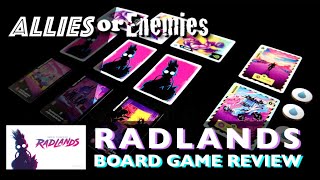




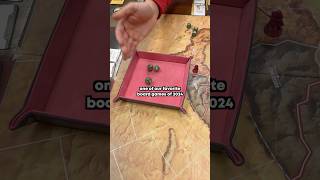























Radlands Deep Dive
What the Community Thinks About Radlands
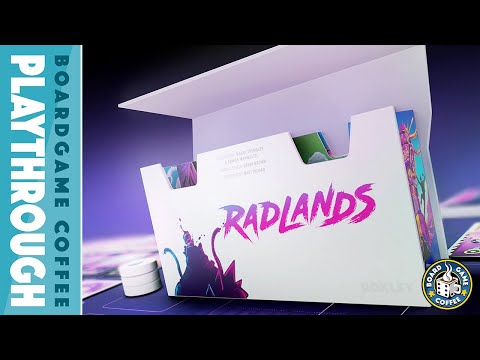
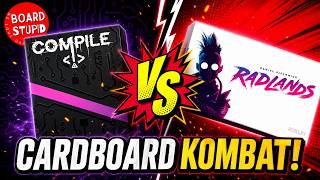
Radlands shows up across channels as a fast, aggressive two-player card duel that punches well above its small box. Board Game Critique ran it head to head against Zenith and Compile over weeks of repeat play and landed on Radlands as the clear winner, calling it the safest, best-value pick of the three at its retail price. Board Game Coffee, Brains On Games, and Allies or Enemies each came away positive, praising the price point, the artwork, and how quickly a new group can be taught the rules. Board Stupid put Radlands in a direct matchup against Compile and called the fight a near coin flip, giving Radlands the edge on theme and table presence while conceding some ground on raw replay depth.
The disagreements are just as telling. Shelfside split its own two hosts, one settling on a seven out of ten and the other on a five, with the lower score coming from a preference for deck-building card games like Magic and Yu-Gi-Oh over a shared-deck duel. Man vs Meeple described Radlands as a little sweaty, a game that rewards the kind of deep, repeated study that not every player wants to put in. Even inside the positive camp, the praise leans different directions: some channels focus on the aggression and pace, others on the camp variety, and a couple flag the shared deck as the one recurring sticking point worth weighing before buying in.
Core Mechanics That Define Radlands
Water, Cards, and the Junk Option
Every turn hands a player one card draw and three water to spend. Water pays to play cards from hand, activate abilities already on the table, or draw additional cards, and Board Game Critique singled out how clean that action economy feels once the eight core icons click, saying they never looked at the reference sheet again after their first game. Any card can instead be junked, discarded face down for an immediate, smaller effect instead of played for its full cost. Board Game Coffee walked through how junk effects vary from card to card, letting a player draw, damage an opponent, or gain an extra water depending on what got tossed, which turns even a dead draw into a decision rather than a wasted turn.
Camp Protection and the Shared Deck
Each side starts with three camps that have to be destroyed twice apiece to lose the game, and Shelfside laid out the three-column format behind that fight: each camp can have up to two people cards in front of it, and any card with a card in front of it counts as protected and cannot be damaged normally. Shelfside also drew the distinction between damage abilities, which can hit anything unprotected including camps, and injure abilities, which can only ever hit unprotected people and never the camps that decide the game. Both players draw from the same shared deck rather than building their own, which Board Game Coffee pointed out is a break from typical deck-building card games: cards bought with water come straight off the top of the shared pile, so a player chooses when to buy, not what to buy.
The Radlands Experience
A Fast, Confrontational Slugfest
Board Stupid called Radlands a proper slugfest, a high-interaction, mean game where players are constantly smashing each other's plans rather than building quietly in their own corner. Board Game Critique described the same texture from the inside of a match, describing turns where a raider damages camps through their defenses, an opponent junks a card to destroy a key person in retaliation, and a camp ability fires immediately after, calling the whole exchange super dynamic and aggressive. That confrontation is baked into the win condition itself: spreading defense too thin invites a focused beatdown on the weakest camp rather than a slow grind.
Puzzling Out Every Turn
Brains On Games framed each turn as its own small puzzle, weighing a limited set of abilities against the water and cards on hand, deciding what to play into the tableau and what to junk instead. Board Game Buzzz called out how quick that puzzle resolves in practice, describing Radlands as fast-paced and easy to sit down with for a head-to-head battle without a long setup ritual. The combination keeps sessions tight even when a hand goes sideways, since junking gives a player something productive to do with cards that do not fit the current board.
What Makes Radlands Stand Out
Camp Drafting Variety
Every game deals six camps and each player drafts three of them before the shared deck comes out, and Board Game Critique pointed to the resulting variety as the reason Radlands wins on replayability among the games they tested, noting that after ten sessions they still had not seen every combination. Board Game Coffee echoed that the sheer number of camp cards, and only ever playing three at a time, means the deck feels different practically every sitting, calling the combination possibilities awesome to experiment with.
Production and Art
Board Stupid called the table presence of the cards an obvious pro, describing the artwork as some of the best in board games and singling out the deluxe synth-style cards as an upgrade worth seeking out. Brains On Games described the components as a genuine sensory experience, from big chunky water tokens to sturdy cards, with colorful artwork that elevates the whole package. Allies or Enemies said the artwork is what attracted them to the game in the first place, adding that it drips with theme at every turn and gives even minor characters real personality.
Potential Drawbacks
Balance Swings From the Shared Deck
Shelfside flagged that not every camp is well balanced against the others, and while nothing is outright broken, certain camp combinations noticeably outperform the rest. Board Stupid raised a related concern about the shared deck: relying on drawing something useful can leave a player stuck with a run of expensive cards that do not interact well with whatever camps they drafted, and the shared powers mean the two sides feel less asymmetric than in some other dueling card games. Board Game Coffee added that games have not always felt perfectly balanced in their own sessions, though they credited some of that to still learning the card pool rather than the design itself.
Thin Card Draw and Limited Deck Building
Shelfside argued the junking mechanic, useful as it is, exists partly to restrict how many cards a player can draw, since unlimited drawing would let players stockpile a hand and dump it all at once, and there is no mulligan if an opening hand is stacked with expensive cards. That same host missed the deck-building layer found in card games like Magic and Yu-Gi-Oh, since Radlands players never assemble their own deck and instead cycle through the same shared pool. Man vs Meeple put a lighter version of the same critique in personal terms, calling the game a little sweaty and one that takes real time investment to play at a high level.
If You Enjoy Radlands
Board Game Critique's head-to-head comparison pit Radlands against two other two-player card duelers, Zenith and Compile, and came away recommending Radlands as the safer buy of the three for most players. Board Game Coffee framed Radlands as a natural fit for anyone who already likes head-to-head combat games such as KeyForge or Star Realms. Board Stupid ran an extended matchup against Compile, finding both games share drafting and a strategic protection layer even though the fight comes out close. Shelfside measured Radlands against traditional deck-building duelers like Magic: The Gathering and Yu-Gi-Oh, and one host preferred the bigger card pools and deck construction those games offer over Radlands' shared deck.
What Reviewers Are Saying
"I'm personally all in on Radlands. The fast pace, the direct aggression, the clear decision space, it's just fun. Even when you're losing, you're still in the fight."
— Board Game Critique
"The junking mechanic ends up hurting how this game handles randomness because it has to restrict the amount of cards you draw. If it didn't, well, then players could load up on a lot of cards to later junk and discard them all at once. With access to less cards, what the heck do you do if you open with a bunch of pricey units and events and your opponent just has a bunch of one cost people? There's no mulligan in this game."
— Shelfside
"Radlands is kind of a filler, but it feels like more than your average filler. This could very well be a game you just pull out for a quick ultraviolent warm-up, or it could be something you play a best of five of over the evening."
— Allies or Enemies