Beyond Solitaire Podcast 177: Anthony Chatfield on Board Game Academics
Games in This Video
18 games are featured in this video — they unlock as you watch.






Transcript
it's adbreak time I'm proud to announced that the Beyond soliter podcast is sponsored by Central Michigan University's Center for Learning through games and simulations 500-year-old vampire Jason Cox's Cooperative roleplaying game is now shipping and you should grab your copy if you haven't already on top of that there is new crowdfunding campaign on the horizon in mid January 2025 look out for keep the faith a roleplaying game about building a religion on backer kit the designer is Greg luring Albright who also designed a Hoy and I'm very proud to say that I am at work on the curriculum guide so I'm extra excited about this one also if you want to support the podcast please visit patreon.com soliter and help me keep the lights on but for now let's get off with the show hey Gamers this is Liz David from beond solitire and this week in the P I'm very happy to welcome special guest Dr Anthony Chatfield um he is a professor at Drexel uh but he is also uh one of the Ring leaders at board Gamers Anonymous so how you doing today Anthony I'm good I'm good uh thanks for having me this is great yeah so I I mean I know that y'all are board Gamers Anonymous but we are giving a name um first that's always the joke so uh tell us about the project and what its scope is yeah so there's there's a lot of stuff going on in our neck of the woods so um Chris and I uh Chris co-founder um started board Gamers Anonymous back in 2013 uh and it was just it was a podcast right we just like talking about board games so we started recording it um so we've been doing that for 11 years now
um and during that time there was a lot of different opportunities to kind of stretch Beyond just reviewing games and talking about the games we've been playing which we still do but um you know we started running charity events we started running teaching events um Chris already worked in a lot of different colleges um he's a career director and I at the time was working primarily in marketing so I wasn't really privy to the the workings of the um Academia but uh it was fascinating to me and you know so when we had opportunities to do presentation or teaching events or charity events you know we would jump on it um so it it kind of stayed like that for a long time and then during covid as as many people did um I decided to change what I do for a living and uh just like I I don't like the marketing stuff all my clients are on Hiatus um why don't I go back to school uh and and get my um degree so I can teach right so I've you know finished that during Co and coming out of that uh had the opportunity to start teaching um in composition because I have writing degrees and realized hey this is fun uh I wonder if I could weave in gaming like and I was teaching at drexell University which is very much a big thing you know their thing is whole experiential education so I hear experiential and they mean like in the workforce but I'm like board games
that's that's what I hear let's experience stuff at the table um and so that that was kind of just me on my own side doing my thing and based on that it's like oh we're both working in highered now and we have these other friends who work in higher ed and we're all using games in these different ways why don't we do something with that so about two years ago we started developing board game academics which is it's underboard Gamers Anonymous but it's it's its own thing um focused primarily like off the bat the goal was to launch an academic Journal um which we did last year uh so we held our first conference at Gen Con trade day uh in 2023 and we launched the journal early early 2024 like end of February um with uh 10 different articles from um professionals and academics throughout a variety of fields it's cross disciplinary um and it was it was a huge success we were I mean we thought it would be successful but because it was so much work right like you put this much work into anything it better be successful um but at the same time it was you know we were learning along the way all of us having worked on papers submitted papers I'd worked on literary journals but like this was you know kind of a new Endeavor to kind of explore this space but we saw an opportunity right like there are some journals out there that cater to you know the use of board games in various academic settings like it's not we didn't reinvent the wheel or anything but we wanted to look at it from a perspective that was more
uh I guess practical like theory is great and theory is a huge part of it and some of our authors definitely focused on that but like let's let's kind of put the focus on papers and and researchers who are new in the field bringing great ideas and then like what is the application of their research right so if they're teaching a class how did they how did they design and develop that class and then how did it go right um and so that's been fantastic for us um we have a bunch of new you know right now we're in the middle of peer review for issue two I just literally this morning sent all those emails out uh so that's always fun um and we're preparing for several other um new initiatives that we're kind of working our way into here towards the end of the year um so yeah lots of good stuff excellent that's really exciting yeah I was looking up um our initial contact was in 20120 and 2021 and I don't feel like any of this stuff was happening at the time is was that going up behind the scenes already or did we just do like a fun board game draft and then now things have just developed since then yeah no I mean the podcast had been going for years before that but it was just you know a thing we did um it was it and honestly for a long time it it was just like this is a way for us to stay connected as friends because I was living in Pittsburgh and Chris lives in Staten Island so like we couldn't see each other very often um so we would do the podcast every week and then meet up at two or three conventions a year and go meet with all the
Publishers and your media thing um and that was pretty much it um during Co we had a bunch of little projects we we ran a a twitch stream for a few months um in partnership with board game arena uh that was fun um we had a bunch of guests on the podcast because it was a good opportunity everybody was home so yeah often started during right like and you know this like like oh that' be cool person have on the podcast and he be play schedule hockey for like three weeks um but during Co it was so easy like you free yeah of course I'm free um so we had a bunch of people on uh and yeah the academic stuff kind of came after the fact that's super interesting I've had a lot of academics who work on video games on here and I feel like video games as a as a centerpiece for academic study I feel like that's come further than than board games is that a perception that you share and how has the landscape been evolving since you started dipping your toes in yeah yeah so I would say definitely right like doing my my own research when I was writing you know my thesis um you know just going into the pedagogical stuff I found a lot more stuff about the use of video games in the classroom than board games and the board game stuff was often very specific it was very specific populations or very specific case studies um and often in
the context of video games right so and it's not a bad thing because a lot of the stuff carries over so you know have all these different discussions about um different types of rhetoric procedural rhetoric and stuff like Ina talking about like how we can have conversations and how rhetoric develops through play but really he was writing about video games um and so I've used that I know other people use that to apply to tabletop games but we didn't really have the same language structure because we're borrowing from this other language structure um so you know I know at least in my own writing it's a lot of like here's all the ideas that we have and a lot of them are digital in nature how can we reframe them for what we're doing here because it isn't it is different right like a video game exists it's procedural because the system is procedural there's you know it's programmed to do a certain thing and it responds to the player and then it develops based on that um the board game is not it's programmed to facilitate a social interaction and then the social interaction develops the rhetoric so how how do we approach that it's different um and like that's that's kind of how I designed my class that I teach at Drexel which uh it's using board games as as a text in a writing classroom is how does that experience at the table with each other create a rhetorical situation in the same way as like reading a book or watching a movie would on your own um and I you know I as the students to compare to video games too uh
a lot of the language is the same but it's uh it's one of the reasons we wanted to start this journal too because we were looking at all the stuff out there and I know from my perspective when I pitched this class I had to write this big long paper to to kind of justify its existence be like no there's research that shows that this can work and I believe um there's a benefit to having students sit in class and play board games um and and you know it had to dig pretty deep on that and so I know a lot of the other people on our board kind of had similar experiences of like okay got to find the papers that support what I'm trying to do so I can bring it to the administration and show them that this is all pedagogically sound I'm not making stuff up or I'm not just like wanting to spend College money on board games um and so a lot of that's like well why don't we facilitate that research a little bit more like because the stuff that's out there is good but there's just not that much of it and there's so much we could say um so it it's been really fascinating to see the different angles people take the different pitches we get the different um discussions we have you know not even necessarily just with the authors in our Journal but just in general like people who are doing this research um because a lot of people are thinking about it but they're not necessarily writing about it so we want to like push them to write about it because we need more of it makes sense so okay um how do you go from talking about something that's almost anecdotal like this works well in my class I tried this with students and
they loved it how do you turn experience and experimentation which is what I think a lot of teachers just naturally do into research that's actually backed up by something um how does how does experience become data in these kinds of contexts yeah that's I guess that's always a challenge um because like from my perspective it's it's definitely like it's a case study right I I teach this class once a year maybe a couple sections I don't have a ton data um I make changes between it based on my observations and it evolves but at the end of the day it's like here's how I framed it and here's what I thought would happen here's what happened and here's how I've learned from that and you know here's all the academic backing to support that um I think what we're trying to do to I guess maybe better facilitate a more robust conversation is just find other people who are doing the same thing so we can have these conversations with each other because I without without a you know frequently what we find is these people are doing this on their own in isolation maybe they found one or two other people who are doing something similar and then they meet each other like at the conferences or online in our meetups and they're like oh you're doing the same thing I'm doing but you went this way and I went this way and maybe let's get together and see how that comes you know how we can combine that um we we've had a few people as well doing you know more Empirical research like on larger cohorts of people um in more traditional
studies um which is great so uh it's something that I personally have not done at the time for but um I I love to see it because the one thing we need I think if we want to because board games have so much potential benefit um especially in this current state of our educational system like kids are so disconnected they're so online classes are so disconnected online colleges are struggling to show people why they need to be on campus like we need more things like this that show that being with other people is important as part of the educational process um like my class doesn't work if people don't show up in class it just doesn't and I know I've talked to a lot of other people have a similar approach where like yeah if you don't come and play the game it's not you can't just play a game at home that's not the same thing you need to be with the other people that you're working in a group with to write about it um it doesn't work so it creates a different Dynamic it creates a different structure um how we pull the data out of that it's it's kind of an evolving process as we you know gather people together and figure out um you know what they're doing I think step one and then step two is how can we better you know uh present that in a way that's going to be helpful to other people right so for your own class um you are in you're in the English Department um and you're
working on narrative I find it very interesting that you talk about kind of board games providing rhetorical experiences I kind of feel like people like to say that board games are a different kind of media that does something very different from what a book does but it sounds like you want to compare the two so where are you going with this in your class and how are you leading students there yeah yeah it's it's funny like the nework reaction is that it's different right and I think some people want to hear that they like this is different and we're something cool and different and hip right um I I pitch it differently for my students mostly to make them more comfortable because what ends up happening is technically they know what they're signing up for but they don't really know what they're signing up for they're like I have to take this English 103 class this is the time I'm available I'm going to show up right so probably 70% of the students who show up in this class don't know what it is um and so you know the 30% who do are very excited we're going to play games it's going to be great but the other the rest of them are they're coming in just expecting another writing class and so I need to pitch it in a way that it's familiar to them and they can put it in a framework that makes sense so it's really about the scaffolding more than anything of if I say this is a completely different experience and we're thinking about Communication in a completely different way they get really overwhelmed very quickly um and you know people like well I I don't know I don't know anything about games I don't really I don't understand how to write about experiences that's not really that's not what I do um the way I like to frame it is you know you're already reflecting on your experience in college that's what you did in 101 and 102 you're already
reflecting on things you've read you're reflecting on how you've interacted with each other in your group projects in the peer review all that stuff this is just that but with a different kind of text and this type of text still has an author it still has a purpose right it still has you know constraints to it um they're just a different type of constraints so the rhetorical situation still exists um and with that I'm able to kind of extract extrapolate a little bit and explain to them or hopefully show them um this applies to everything right any interaction you have with anybody is a rhetorical situation and can be comparable to the things that you're writing about um and part of that is just the constant question of you know I I teach a compulsory class to a lot of like engineering students and nursing students who don't want to be there so how is this relevant to their lives it's like well they're going to be communicating in some form right right but it's not going to be writing necessarily um very few of these kids are going to grow up and be academics like us so how can I make it relevant to them let's put it in a framework that's fun and then show how that transfers to other things and so kind of the bridge to that is yeah it's just like reading a book except it's not like reading a book at all um which we get to in like week six or seven where they're like oh it's not the same but it is the same just like everything else um so what kinds of games do you like to bring in to create these kind of
experiences for students what do you find works best right so um we've actually done a lot of research as a group on this like myself I have like a huge list that I've worked up um but we've also did drawing from other people we're building a library that we're going to be publishing sometime next year um just based on like firsthand case study experiences people have but the thing that I found and that generally seems to be the case for a lot of people is it it can't be necessarily a quote unquote Gateway game um in surveying my students I always Sur survey them on the first day uh the feedback I get is nobody's played anything more complex than Monopoly it's very occasionally maybe 10 20% of students have played like tan or Ticket to Ride right um I had one student once in four years of doing this who had played something significantly more complicated I was very surprised and I was like well good for you you're going to have fun we're probably to play some lighter stuff than that um so it the first time I taught the class it had a lot of challenges there's things like this rule book's a little too complex this game has two or three mechanics in it even though it's simple but that's too many mechanics um so I need games that a have to play in under an hour because we have to play them during the class session B that are not too competitive because you never really know where people are coming from um and you don't want to create tense situations which has happened um and and three it kind of needs to be as simple as
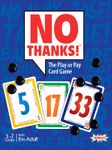
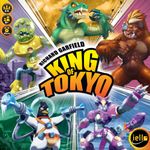
possible at the level they're at within the class at that time so like the games in week one are party games that anybody can play and I can teach in five minutes we get to week two they're like single mechanic games um you know we look at things that you're just doing a thing right so like game like Point salad or no thanks um like simple little card games that they could play two or three times and get to know and have to think about multiple things at a time so I remember I brought in the crew one year and that broke people's brains because it's trick-taking but also Co-op it's too much um King of Tokyo was fine but not if I th put in the PowerUp cards because that was too much to keep track of and it's not that they can't do it these are smart kids obviously it's just that they've never done it so it's it's the same as anything else like we have to scaffold in the information um and by the end of this term there are playing more complex games um the inflection point though in my class every time is around four or five weeks in when we shift to com Cooperative games um so I don't want to start with them because again I want them to like get into a comfort level of things they understand like it's competitive we're rolling dice we're moving things around um but when we throw the Cooperative games in the mix almost none of them have ever played a Cooperative game like at all so it's new yeah and it's it's I I wouldn't expect it but at the same time it's such a new thing that a lot of them I don't know it's just not something that they're exposed to yet um and you know
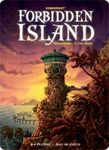
early on I was wary of bringing in pandemic just because the pandemic had just ended not even really ended it was still going on um it turns out though that is the best game for for a classroom setting uh it's it's they work together they kind of fumble through the rules together if they make a mistake it's fine they did it together um it's challenging but not too challenging can adjust the difficulty it takes less than an hour um they're all very fascinated by the theming of the game um so I don't I don't make them all play it because there are some who just don't want to deal with that theme which I respect uh so and for them I have forbidden island but that's been a really effective game um in general so or last year Matt Leck joined us in one of my sessions and the students were like really excited in a way I didn't expect I was like this will be cool he'll be there and they they were just as excited as I was I'm like Oh weird that's cool glad you like the game that's so cute all right so I have a bunch of questions that kind of come back around so what kind of what kind of classroom assignments or writing or reading exercises go alongside something like no thanks or like those one mechanism games or a party game like how do you tie like you're playing these games and rning the English class yeah that's a good question um the so each week the way I've structured this um and kind of developed it over time is each week they're going to play at least one game in class and they
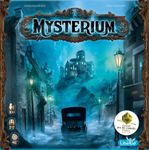
might play other stuff outside of class um they're going to have to at some point they have a group project they have to play outside of class uh Drexel has this wonderful Board Game Cafe like just below the department yeah it's great so I I send them there um you know I don't tell them they have to go there but I'm like you just go there they'll teach you something so one you're a group played mysterium and came in and taught the class how to play mysterium which was cool um but the the way that we write about things is every week they have to do a gameplay Journal this is their homework their only homework and the journal will reflect it's two parts the first part is observation so they need to tell me what happened in the game it's pretty simple just reflective observation like who won did anybody get upset were the rules difficult like what happened two 300 words tell me what happened um the Only Rule for that response is don't tell me the rules to the game that's not tell me what happened um nek reactions they always want to just tell you the rules uh the second half of the that journal is some kind of prompt related to the game types that they played so not Everybody Plays the same game every week so I try to base the questions on the theme for that week um so the first week for example we're playing party games I asked them about the magic circle and this idea of like joining into a communal activity not being the cool kid in the back who won't participate right um so what does that look like did it break at any point like if you're playing telestrations did somebody at some point just kind of break the game how what happened if they
did if you're playing just one did you really follow the rule of just one or just somebody say I don't whatever um and so like I asked him to dig into that a little bit more like why did that happen how did that affect everybody what does that experience look like um and so right after bat in week one they're like oh I can write about a board game like that's I wrote two pages about this silly party game we played for a half an hour um and then from there it's just you know the prompts just depend on the week um so like in week two they read a little bit of um Booth's book on um we talk about rhetoric and play and stuff like that so um they talk the first question I ask is what decisions did the author of The Game make that impacted the players right like what is the game doing that affects you personally which presumably n none of them ever thought about like you know they've all played Monopoly at some point we talk about Monopoly and they're all very excited to learn about the history of Monopoly but then they're mad about it it's not a great history um so like what decisions did the author make and what decisions did the author who stole it make and then how can we compare those right like so it makes for interesting discussions um so yeah I've had had a student write a really interesting paper like five pages about a fake artist goes to New York and the act of lying and and deception in in games in life and like she tied it all together and it was it was really good oh that's awesome yeah so are they doing anything that's like a traditional English class thing in this class or is it truly games focused the whole
time yeah it's it's games focused um they do all the writing they need to do right so they have three major writing assignments they have weekly homework um they have a group project they have to go do so they write three papers for me um they do a portfolio at the end of everything so I think a lot of them are surprised how much read and writing there is so I'm like no no it's still an English class you have to earn these three credits but you just get to play games in class that's all uh it's uh and that's I think the balance and one of the challenges I've seen from other people I've talked to who've tried to do this is you know where how much reading do we do how much of this do we do like I do video lectures instead of lecturing in class I I just record like a 30- minute lecture on loom classroom kind of thing yeah yeah so it's so it might be like 30 35 minutes on like the magic circle here's examples here's the reading Etc um watch this before class in class we're going to play a game you're G to write about how the game reflects the thing in the video um which honestly if I did that in 101 I don't think anybody watch the video um but in this class they do and it's great because they're like I want to play the game but I need to watch the video because he told me to watch the video so like half their homework that's funny so I'm also was curious about this in the sense of like how does your Administration feel about the way this particular class is constructed because I never took an English class that was anything like
this did you have to justify you know it as an English class did you meet with any skepticism and then how have the results like borne out year to year yeah that's a good question um I think I'm really lucky um drail seems to I don't know if it's a combination of like they're really open to different ideas and approaches or they're just not paying attention I don't know some combination of those two things um so like when I designed the class it was for another class I was taking on writing Theory and pedagogy um it was just the thing I needed to graduate so I designed the class and then they scheduled me to teach it in the spring um and it took a while to know for sure if that had been approved or where it went but like the the syllabus got put up up the chain somebody checked the box somewhere I never really had a conversation um the class has been observed a couple times and I've gotten positive feedback on student engagement my attendance is extremely high which is good um my my evaluations are very good like students enjoy the class which I think is important but it is academically rigorous as well like they do write a fair amount um it's on par maybe slightly more than I give them the first term when they're incoming freshmen and it's a lot more work at home because we spend so much time in the classroom not writing not working so they have to do more work outside of the classroom um and I'm always surprised literally every year I'm like oh that worked oh that
worked they did the work they showed up they had fun um you know you you maybe get the one kagin every now and then but most of the time it's like you know I shouldn't be surprised I know I would have fun with this but it's you know you you plow your way through 101 and 102 and drag these students through like you can do it just finish the paper and then all of a sudden they're very excited so I I think it's uh and I know again I know some people aren't that lucky I've talked to other people like I've brought this to my Administration they won't approve it they say it's not this it doesn't meet these requirements I'm like yeah I don't know what to say um you know here's i' I've let people use my paper and my justifications and my sources before you know just to try to get something across the board but I have been really lucky in that regard so I know just saying what I did doesn't always help everybody make it happen so I it's super interesting that I'm talking to you about this kind of in the wake of the release of that article in the Atlantic um the elite college students who can't read books how do you feel about I mean I'm I feel like most English professors have probably seen or thought about that article because it kind of hit fever pitch so do you feel do you have any particular feelings about your your students Reading Writing and how do you feel about your class in relation to either adapting to sort of a lack of long form reading or remedying the issue by enticing it because I'm not sure what you're doing that right yeah
that's a great question um it's it's funny I think part of the class was a reaction to my experience of this like I want and it wasn't even like reading it was just like how do I engage them more right yeah I wanted to teach for a very long time and it just wasn't the career I was in and when I finally got into the space I was like this is great this is exciting but it was kind of discouraging too when you show up to class and maybe five or six of them have read the reading for the day and the rest just kind of stare you blankly like cool all right well I'm gonna talk at y'all if you have anything to say let me know I'll just make a note that nobody did at the reading but um it just becomes very transactional like okay you didn't do it no participation points today um and it's it's fun fine that's the system but it's not I don't think the punitive nature of that helps them much it's not going to encourage them that's for sure so I was I was trying to think of a way like how do I improve engagement not necessarily make them read but like how do I improve engagement I want them to show up to class and have done what I asked them to do most of the time um and so me being a board game person with a board game company and a board game podcast I was like Bo GS I don't know um I have a colleague who takes her students on tours of the city look at murals and has a similar results because it's just they're getting out of the class they're doing something different um but at the same time I was like well I don't want to like abandon the actual reading and writing part because a probably won't let me teach this class but be you know it I
don't I don't want this to be like the EAS the skate class right like we all took that in undergrad like I remember my dinosaurs class like I get my easy3 credits for science I took biological toxins and poisons I really enjoyed it actually but oh that's fun yeah those classes are a lot of fun it's just they're easy too um so it's it was for me it was like I wanted to do both and so there is a lot of reading um that again they read probably half of um Booth's book uh just in snippits um maybe not half but good chunks of it uh in Snippets they read several different articles um from across different things they read some hinga just to get the basics in place um and I you know I I don't want to say everybody's reading everything because I don't think they are but they read a lot of it more than I'm used to which is good um so I I don't know that necessarily like I don't want to be that person who's like well if you wrap it all in sugar and sprinkle some some extra cocoa on there they'll they might eat it the medicine in there because I don't know if that's necessarily true but I I do feel strong about meeting them where they are like what they're interested in and what's relevant to them in their lives um and so assigning you know some literature that was written hundreds of years ago that doesn't really relate to who they are what they're doing or where they're going while probably an important cultural lesson isn't really going to help them learn to engage with reading
and writing a better way um so I I find it I don't know I want to engage them I also want to make it relevant to what they're doing they especially so they all know where they're going hopefully um they have Majors coming in as freshmen they're they're on a path so you know a computer science major who's like I don't care I don't care about these old books I just want to learn my code and go get a job um so like how can I teach them the importance of communication in a way that's relevant to them we can make it fun I guess I guess yeah I'm kind of kidding so another question I was kind of I've kind of been chewing on as we talk is you know you mentioned party games kind of simpler games mechanically introducing pandemic but games have so much I think emotional range and grit now depending on what you're choosing um are you like what is the weight what is the level of emotional weight that you're asking your students to engage with in games and to what level are they playing things on controversial topics or difficult topics or are you in that in favor of something else uh great question yeah it's so I I do this kind of both ways um at the beginning of the term I try to keep it as flat and neutral as possible right again they don't all know what they're getting into some of them are nervous some of them are already like I don't want to do this um so I want it to be
inviting and then basically what I do every week is I give them a menu to choose from it's like here are eight games we're going to play five of these as a class choose the three that you most want to play and I'll match everybody up right um it's a little more work for me but it avoids somebody getting stuck playing something they're like no right absolutely not and it forces them to do a little bit of research in advance right so you have your handful of students who just don't do that and whatever they get they get to play whatever they want or whatever I want um so yeah there are games like pandemic and some students were like I would never play that in a million years I'm like fair I get it you know it's been a traumatic time um and there are others who just would play play anything they don't care uh when we get towards the latter half of the term though when I really want them to start thinking about you know what games are communicating and how they're communicating it we do delve into some deeper um subject matter those games are tougher because we can't really necessarily play them in class they're longer right so we have a week um where we look at games that address climate change the shortest one we have as Daybreak it's like an hour and a half it's too long to play but we'll maybe do like a fishbowl exercise and kind of run through a couple rounds and they can see how the game plays right like this is how this works this is how we're gamifying something that's challenging for us as a society um we also have a module where like I bring in games that are problematic we like why is this game built the way it's built right like here's you know brought him mbasa put it alongside Sky mines one week like are
these These are same games mechanically why does one like this and why the other one like this and like why what are they trying to accomplish or communicate without necessarily trying to you know put it in their heads right um so try to push them a little bit in that ways um I've had a bunch of papers about how terrible secret Hitler is students have thoughts on that and it's one they've played um so once they start thinking about the rhetoric of the game they're like I know one the most egregious one like um but there's other ones too and they'll dig into a little bit further so it's it's interesting to see them start thinking about that and then towards the end of the term I ask them like link this to other media in your lives right like what are other things you've experienced that maybe have these colonialist you know underpinnings that you've never thought of that are influencing how you think about things in ways you never realized like most of them didn't realize what Monopoly is actually doing until we talk about it um and they find that very fascinating even you know it's a conversation I've had now a dozen times but it's it's it's fun to see them come to that realization and then hopefully transfer that knowledge out to other things do you find that your students change their understanding of board games and have maybe more respect for them as media by the end of your course um I always I find it really interesting when I tell people I work in board games they are just baffled that that's something that I would choose to do um uh but then you know of course once you're in it you're in it so how does
how do their attitudes about what they're doing change does anybody think it's kind of dinky at first and then get over it or yeah I'd say half of them are impressed um I do ask this question like explicitly at the end of the term like how is the beginning of the term I'm like what have you played and what is your feeling about board games just as a starting point like a survey and at the end of the term like what do you think now how has that changed and I'd say half of that movie like I never realized that a game or an experience could have this kind of rhetorical messaging or could impact me in this way and the other half are like I don't know games are fun I guess which is fine if I get half of anybody for anything I'm thrilled um but I think most of the time even the ones who just shrug there's more there because you can see it in their writing like they're thinking about it in ways like the first paper from to the third paper it changes the way they're thinking and the way they're exploring things um it's it's when they start being able to apply rhetorical language to things that are not traditionally considered rhetorical like you're not analyzing a text you're not analyzing a speech you're analyzing an experience that you had with other people um and then that that idea they can start thinking about that in other contexts like okay well what about this class this is a rhetorical experience what about your job what about you know your meeting you have with your advisor later like these are all rhetorical experiences how do these how do you how can you reflect on these interesting so I mean honestly you and I could probably talk about this
forever but I want to talk about your journal and Conference as well while we still have some time so how did you go from I'm doing this in my classroom to I guess figuring out what you were looking for in a journal and calling for papers in a way that would get you what you wanted yeah no it's um so I I give a lot of credit to Chris on that um the co-founder Chris Carbone his he's worked in highed much longer than me um and I would have these conversations basically what I'm telling you I would just be saying like on online before we started recording our regular podcast and he's like we should do something with this we should start a journal we should do something right like there's probably other people doing similar things who are teaching classes or finding ways to practically use board games in non-traditional ways um and so we had that conversation for maybe six months or so um off and on and to me honestly I'll be perfectly honest I was like this seems like a lot of work um and like we're not going to get paid for that uh but eventually like we go to conventions we have conversations with people we start recruiting people almost accidentally just by having these conversations like over lunch or over a game like Chris and I'll talk about how we use games in our careers and then other people like oh I've done this we met a a guy William Nation um he's a psychologist at John Hopkins University he his um tabletop RPGs for therapy so he's on our board as well we work with
him on a lot of things and we realized like huh a lot of people are doing this we should gather this information that that would be great um and so it kind of developed from there in terms of what we were looking for honestly when we first started it was anything um so we kind of just put a very broad blast out for papers just like you know and we have our mission statement which is about you know we want to publish papers that talk about the use of analog gaming experiences in the higher education Community to explore different ideas in practical ways right um and so that's what we got we got a bunch of stuff across the Spectrum um and out of that we saw a theme that was emerging of that practicality like a lot of people were just telling us here's what I did and here's the backing that I used to do it similar to what I had done with my class um I was like oh okay so this this is what this is what we're building here right we're showing people how they can do this kind of thing right because you know I go and I give these talks these different conventions and conferences the three of us do and people ask like well how can I do this and how what do I need and can I borrow your syllabus and do you have what can I send my administrators so they'll let me do it um and I'm like well if you're in college teaching you know here's the stuff you have if you're K to 12 I can't help you but um get creative uh but yeah it's a it really just became
one of those like we're all doing this we know it works let's formalize this gather other people publish research that's being done and show the world that yeah you can use board games they're fun yes but you can use them for other things and they help people in a lot of interesting ways one thing I noticed with appreciation by the way is that your Journal is just totally open uh no pay wall on the web um which is very different from something such as game studies but but um you know I'm assuming that was something that was built in but how are you I guess funding this work I mean so much of Academia is just volunteer yeah um but is this something that y'all just decided to put together and then also um just I'm just purely curious like you know is this gonna count as like a blind peer review um or is it just more about getting stuff out there yeah so yeah we always wanted it to be open um because the whole goal was to be helpful to people and we've all worked in Academia long enough that we've come across the paper we really needed for our research and it was $250 I was like come on like the library doesn't have access or whatever um so we didn't want to be that because like that's just the whole idea of putting gatekeeping this kind of information it just didn't feel like it fit the mission of what we were doing um the result is yeah it's a lot of volunteer work at the moment uh We've
we've gotten some funding um from organizations who are interested in what we're doing and in supporting our work um and we're you know pursuing additional opportunities we have other like projects in kind of in the thinking space separate from the journal that could be sources of revenue that would not require us to put up a pay wall on these articles um so we'll never do that we we just don't plan on it um but we we are trying to figure out a way to you know keep it sustainable long term because because we enjoy what we're doing and we think it's important but we'd also want it to be something that's not going to like burn everybody out and at the same time we want to be able to pay peer reviewers and we want to be able to pay um you know the people who volunteer their time to help us make it happen um it is it is peer- reviewed um we just sent out the the current articles for the upcoming Journal art that's coming out in January to peer reviewers so it's double blinded and yeah it's a this is this is the heavy part right here I'm the editor so I get to manage all the stuff coming and going and all the peer review and all the feedback and the questions from the authors like do I really have to do this and like I mean yes or no I don't know but then the committee is gonna decide whether to approve the article or not I don't know um but yeah it's it's it's a growing and evolving thing you know we're coming to the end of our second year um doing this and we're hoping for a lot more things next year for sure yeah yeah I was
wonder about these things just because I feel like my my output would be really different if I were still in Academia because of the need for Publications to count in a certain way and be reviewed a certain way it's why you know CMU sponsors this podcast um to get the word out about the an academic game press um would you say that um I guess journals about board games specifically are on the rise because I can think of y'all's stuff like Gam studies um analog game studies like we've yeah we've counted four um I don't know it's on the rise I think we're I think we're the newest to the you might be the rise yeah we might be the Rise um I hope so I think it's it's great Yeah the more the better um I think the and the thing about it too from our perspective at least is the more that out there the more people are publishing the more people look at that and say oh that's a for resarch to it doesn't seem as Niche if it's not just like one like I know when I was doing my research I struggled a lot to find any articles and I only found the two journals um that were relevant to what I was doing and they had sparingly few articles that relevant to what I was trying to research so I was digging into journals that had nothing to do with tabletop games and just hope you know a lot of stuff in in informatics and video game and digital journals so it we want to legitimize it I guess to some degree
that I don't know maybe sounds a little bit too like we're not we're not to that level that we can legitimize anything necessarily but just the more people doing it I think the better absolutely so um what kind of Interest have you received so far and then have you seen a jump um from last year to this one in terms of people wanting to participate yeah it's been great um we were very pleasantly surprised in our first call for papers you know the number of people who responded and the feedback we had um we published a great uh first journal and we so both times around we've done a conference in advance and then kind of the journal after the fact um a few months later uh and you know we had our conference over the summer this last year um in New Jersey and uh it was great we had a nice turnout of people a lot of people that you know obviously all the authors were there but you're always surprised when you bring in additional people on top of that who are just interested in the topics being discussed uh so this year I we didn't have to go hunting for peer reviewers we had a lot of volunteers lined up from the past like year and a half um we like we said we've had some funding come in we've had a lot our board has been growing so it's it's one of those things you start it out and there's like a handful of you and you're putting it out there and you're like well this could crash and burn in three months and then we'll just move on and it's fine and as soon as you accept those people like okay we're accepting your work we're going to work on it like well now we're committed we have to do this right we've told these people that we're going to take their work in and we're going to review it um and then you kind of walking that tight rope of like
can we get all the people we need to be able to pull this off is everybody going to submit their work is it going to be good enough to publish and it it's just every step of the way where it's been amazing to see what people are doing and the work that they're putting out there it's really really really cool um so now going into second year and we're about to put out the call for papers for the F third volume at the end of November um we're well honestly expecting a lot more submissions we had a lot more submissions for year two but um it was kind of a short turnaround on the cfp this time we're going to leave it up for a couple months um we're running it through like packs and some of the end of the year events so that we can get a little more publicity and uh yeah I think it's you know all optimism at this point last year cautious optimism and the year before that just Terror and now it's just like we feel good fantastic so we're going to end it there on an optimistic note I'm I'm feeling personally like I I'm really happy to hear optimism at games gaming Academia um but I do want to ask you um you know people who work in games usually play some so what are some of your favorites especially recently oh yeah good question um we're actually doing our top 100 list on on the main podcast right now so we're next week we're gonna have our top 20 and then after that top 10 uh so recently I got a chance to play androma Edge which was a lot of fun which just I played it and then the next week it jumped onto my list I had not played it before so that
was really good um last night I played unconscious mind for the first time which was very good Chris brought that over so it's a game about kind of the early years of Psychiatry um and kind of the development of that as a as a science so that was really fun um and been playing a whole bunch of the new Seven Wonders duel uh with the Lord of the Rings theming because I'm a fan of both of those and it's 30 minutes and I can get everybody in the family to play which you know I don't have anything like amazing or deep to say about it it's just a lot of fun hey you know what that counts uh and then just I want to make sure we had time for this where can y'all be found online if people are looking for your work yes so boardgame academics. comom is our uh official website so if you go there you will find not only the first issue which is under Journal um as well as we have all the videos from all both of our conferences so you can see all the speakers from 2023 and 2024 um but you'll also be able to sign up for notifications of when we put up our call for proposals for uh 2025 so that is going up sometime probably the week before Thanksgiving um but soon in the next month or so and uh we'll just I'll shoot an email to all of you and anybody who's interested in submitting or if you don't have a paper but just are interested in volunteering or peer review or just learning more please just let us know it's it's always fun to get those emails amazing uh Anthony thank you so much for
coming on this has been such a fun catchup yeah I got you contact like I did not place you as somebody that I had like spoken with because I was like trying to think of board game academics this has been so cool to see how board gamer Anonymous has grown and also with this project is just really cool yeah no it's this has been wonderful yeah thanks for having me all right everybody if you're looking for me I can be found everywhere online as Beyond solitire um and please uh like subscribe comment ask questions and most of all happy gaming