20 Board Games Ranked - Episode 15
Games in This Video
17 games are featured in this video — they unlock as you watch.





Transcript
hi everyone and welcome to another month in review so in this series i talk about all the new to me board games i played during the previous month and i rank them from my least favorite up to my most favorite i have 20 new board games that i've played this month and with as usual a big variation in the types of games and i have to say this month has been a real high quality month for me and played a lot of good games um two of these games are a bit of a joke really because they are kids games but i've included them on the list uh nonetheless uh before i get started on these 20 games i want to give a shout out to the show sponsor kianda dot co dot uk who are my go-to online retailer here in the uk and if you use my link in the show notes you can get five percent off your first order but without further ado let's get started on the list okay so at number 20 i have dragon chase which is the first of the two kids games that i played this month and this is a bare bones roll and move game and we're just rolling a die and moving your piece that many spaces some of the spaces you land on will give you a little boost or a little punishment but the gimmick of this game is that when you roll a certain face on that die um then you're going to press this button on this big animated dragon and the dragon is going to move around and this articulated neck might knock your player piece over making you start again at the beginning so very silly fun but you know what there was actually some legitimate exciting moments in the spot and if you embrace the carnage um you could extract some from it and i can certainly younger children would like it at number 19 i have the second of the two kids
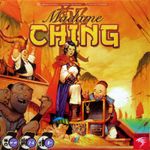
games that i played this month and this is dodo so dodo has one of the coolest table presences i've ever seen in a game so this has this kind of big tree structure and on top of that it has one of the coolest board game components i've ever seen as you have this dodo egg that goes in the top of the structure and the idea is that very slowly this dodo egg will be rolling down these kind of guttering strips of cardboard and you would be playing this matching game trying to match these symbols with these new strips um and match them up by the time that the dodo egg rolls off the last one so you're under a lot of pressure and just doing a simple memory game um and hopefully get there in time by the time the dodo is gets to the next section that's pretty much the gist of the game another one i can completely see why um kids would be excited by this one and you can actually slightly alter the difficulty um based on the age group so silly fun it is a bit of a one-trick pony but it worked and again that dodo egg was pretty damn cool at number 18 i have madame ching by bruno cathala this is a kind of a hybrid card and board game as you have a bunch of ships and the idea is you would be sailing across the board not only horizontally but diagonally as well and trying to manage your hand of cards and know when to stop because where you stop is going to give you a number of points however you only have a very limited hand of cards and you can only ever play cards in sequence going from low to high and after each card you play you're going to draw a new one which means that your kind of options are going to get squeezed and squeeze and squeeze as the numbers get higher
and higher but the kind of trick with this game was that you could only ever start your next kind of voyage i suppose from the cards you have remaining in your hand so as you're kind of ending one voyage you want to be filling your hands up with kind of lower valued cards for your next voyage so it gives you a bit of a you know a spring in your step for the next time and gives you a better boost to collect higher points so it was quite a unique concept though almost reminded me of a game like ohanami where again your margins get squeezed as the game goes on um so i like that concept however um as with a lot of cathala games they don't tend to gel with my taste too well and i thought my main kind of thing that detracted me from this game was that it was almost anticlimactic because you could pretty much go quite far straight from the get-go without having to build up any powers or anything so what it meant was towards the end of the game only the lower value tiles were available and it kind of felt like it should be the other way around you get better and better as the game goes on rather than the rewards getting smaller and smaller i thought also the game went on a little bit too long and there was some pretty nasty take that cards and all in all it just wasn't quite a game for me at number 17 i have pay dirt now this was a game i certainly wanted to like because i love the kind of setting and the theme of this game as we are digging up earth and trying to uh mine gold and this is like a pretty simple engine building game as you are placing workers or not only on your player board but also on this main board to acquire new
tiles or to trade gold in for money which i thought was a cool concept because gold is ultimately your victory condition but you need money to build a better engine so that trade-off was quite interesting um but this game um had some pretty significant flaws for me um because number one you could only ever build an engine of two cards ready which was very limiting it didn't really feel like you can get you know get much going also that all the kind of tiles and stuff you would collect throughout the game weren't layered so it felt like all the best tiles could come out straight away you could buy all the cards you wanted and then you're set for the rest of the game and then you just go for the motions of using these workers to pull these tiles across your your board basically to try and get the gold from them the gold was a little bit swingy because some of them give you more gold than others but the most of that i could forgive to be honest the thing that i could not forgive was these um these punishment cards i think they've got hardships which was the most kind of ham-fisted or the most um the most clumsy attempt of a catch-up mechanism i think i've ever seen in my life so basically whoever's winning at the game gets hit with these really punishing um cards that can completely just eliminate you from the next round and leave you with very little options and when that happens to you time after time it felt like what's the point even trying to win until the very end because you're just going to get absolutely battered by the game at number 16 i have mining colony by dr steve finn so this is a small box polyamino style game and
as you are drafting at these different tiles and different resources i'm using this kind of a bidding system where the higher number you bid and you're gonna get first dibs on the tiles out there but i did like the fact that when you draft things you actually draft things in bulk so there might be something that you really want but that might come with something that you're not too fussed about i generally like it when games do that and the rest of the game you're just building up your little player board and you have to build a foundation and then you have to lie the different kind of resources on top of it trying to create gaps in between things just the right amount so you can get more kind of um tokens and stuff on your board and get more points um you know simple concept being done time and time again but it works generally well um i think other games have done this a lot better you know simple poly amino style games and this one was just slightly subpar and i thought the game in its entirety was quite busy because there was a bunch of resources and tokens and things that just felt a bit too a bit too convoluted and a bit messy for the style of game it was just two too many components i think that was a bit of a it did take away from the experience a bit from me but it was fine but ultimately very forgettable at number 15 i have robo rally so this is a very chaotic programming style game um as you have control of your own robot and the idea is that all the players are trying to reach these three checkpoints before the other players do and you're going to do that by programming at your robot and playing these cards on your player board and then reviewing them at the same time
and these cards can be very simple instructions such as moving forward you know doing a u-turn or turning left turning right or even like moving backwards but the issue is that when you resolve these um cards they have an initiative order assigned to them meaning that obviously some cards are going to get resolved quicker than others but it also means that you can actually push people um and kind of shove them out the way meaning that their programming is going to go completely um kind of not as planned and that is kind of amplified by the fact that there are like conveyor belts and traps all over the board so that if you make one wrong move you could go walking straight into you know a pit or um and completely kind of derail yourself and slow yourself down so you know it was very chaotic this is definitely one of those games where you have to embrace that idea of things not going to plan you're not going to going to be able to very carefully map things out and you know if you're playing this in the right spirits with a higher play account then i can certainly see some enjoyment to be had here i've only actually played this for once so far at three players so i definitely want to um you know make it clear that this is a first impressions um kind of um review here but i'm looking forward to trying it at the maximum play count and just going full-on just embracing that carnage at number 14 i have welcome to dino world so this is another simple roll and write style game and this is all about kind of making your own little jurassic park i suppose and you're going to do that by drawing these enclosures um i get dinosaurs into those enclosures dinosaurs will give you more points there's public objectives as well as end game scoring and the thing that made this game unique is the fact that you
had to put these power stations down or generators um and that was kind of where the puzzle lied because you could place these generators in convenient places so they can actually power multiple cages at once to make sure all your dinosaurs are secure and i did like the idea of trying to map that out i thought that some of the drawing in this game was a bit um not fiddly but a bit time consuming at time because you have to very carefully differentiate all the different dinosaurs which meant that sometimes you just ended up writing the letter of the dinosaurs in which kind of dragged you out of the immersion a bit but all in all a solid role and write style game and one that i would certainly play again at number 13 i have steamworks which is another game where on paper it sounds so cool because this is like a worker placement engine building hybrid where you are actually building the worker placement spots as the game goes on you're gonna have three different types of energy in this game you've got gears you've got electricity and i believe it's steam and what you're gonna do is that you're going to basically put these tiles on the board connect things to each other which means that you're going to get better better and better rewards by placing your workers on them and also has some cool player interaction where you could actually use other players work replacement spots and if you do so the player who built the machine is going to get a victory point so kind of have that pushing pull of wanting to use your own cool machines but also almost inviting other people to do to get your machines because you'll get compensated for that now love the idea of it and mechanically it works perfectly fine and no issues at all however i did feel like the the vibe of
the game and the output from those machines didn't quite feel right and it didn't quite hit those kind of um peaks i would have wanted it to it felt like a low scoring a bit of a disjointed and bitty game rather than just giving you that big satisfying output when you use a powerful machine so i like the idea but in this execution it wasn't quite there for me and it was also like in terms of being ergonomic or being convenient to play it wasn't quite there because they ended up being working workplace themselves all over the board and just looking at all keeping track of everything was quite difficult especially considering that the iconography and the tiles were quite small at number 12 i have dice hospital which is a rather simple dice manipulation style game um and in this game the dice actually represent patience and the lower pit values on those dice are going to represent patients pretty much on death's door and the higher pit values are going to be a lot more healthy and the idea is you're going to use your workers and allocate them to these different spots and all the all the idea of increasing the health of your patients of course but every round you have a mandatory draft meaning that you have to keep on taking uh intaking patience and if you do not have the room for them then you're gonna suffer negative points the game flowed very well um very little down time however i did have quite a distinct um problem with the game which is this scoring system i didn't quite understand it because in this game if you end up curing a bunch of patients at the same time you get compensated a lot more than if you do them gradually and i didn't quite understand why that
was like for example if i killed one patient then i only get one point but if i say cured five six seven patients at once you can get like 20 points or something so why is it worth more points if you do them all at the same time it just didn't quite make sense to me especially considering if you are slower you're going to get punished by default anyway because you're not going to have the space to move the patients into your hospital so that just felt a bit disjointed and didn't quite make sense but the rest of the game i thought was nice it was a pleasant game and i'd play it again at number 11 i have tiny towns which i have to say was definitely one of the biggest pleasant surprises for me of the month i wasn't quite sure what to expect from this one i had that kind of um feeling that this might be a bit too light and a bit too entry level for me where in reality the rules are as simple as it gets but the gameplay is actually pretty crunchy and can be pretty damn agonizing at times where all you're going to do on your turn is you're going to draft or pick a colored cube i put it somewhere on your board and everybody else has to follow suit and also play a color of that type and it's going to go round and round just like that meaning that you are often at the mercy of the other players selecting the cube that you're placing on your board and the idea is that once you build a certain formation of colours of these cubes you can erect buildings on those spaces however the footprint of the cubes you have to put down are much bigger than the buildings meaning that the um the grid gets gobbled up really quickly and your options very quickly run out especially as the game develops and i love the way that you have to keep playing until you cannot play anymore and the idea is that once you
build these buildings they all score in different ways based on a spatial puzzle which we've seen you know in a lot of other games but again that unique thing is about how you choose those um tokens or these cubes and how you place them down i thought it worked very well and there's some good variability in terms of the different buildings you can play we only played with the base game and it was you know agonizing enough at that level so this is actually a game that impressed me i can certainly see why it's been successful at number 10 i have the taverns of tiefental uh which is another dice dropping style game and a bit of an engine builder as you are running a pub and i love the playables in this game this might be one of my favorite um examples of a playable that i've seen where everything is upgradable um it's a kind of a hybrid of a dice drafter mixed with a deck builder and at the start of your turn if you can you're going to play through this deck of cards that you've acquired throughout the game and keep on getting more and more bonuses as you do so and it almost has this kind of not pushy like mechanism but an idea that you can keep playing until all your tables are filled with customers and you can kind of manipulate that as a game goes on by you know padding out your deck and giving you more opportunities to build that engine up and then what you're going to do is you're trying to um again draft the right dice for you to trigger the different actions in your and your pub all the idea is getting many victory points as you can um and you know what it works it's it's snappy it's you know only plays out over a few rounds um and i found it engaging i thought it was a bit lucky at times because you know often you'd have bad rounds and sometimes when you had a bad round and
other players had great rounds i felt like well you know i'm a bit helpless here but generally you know more often than not if you have a bad round now you'll probably have a better round in the next ten or two just by the way the decks um play out but you know what it was pleasant i wasn't quite sure that this this is that there were the great guys drafters but you know it's good for what it is and i can certainly see the appeal of that hybrid deck building and dice placement style game at number nine i have hippocrates by alan orban so this is a game that i was very much looking forward to um and you know you can see here ranking at number nine it maybe didn't quite reach the levels i wanted it to and if you want a full description of the game i have um i have released a review of this one already so be sure to check that one out but this is a game about um or much like dice hospital about trying to take in patients and try to cure them however this one is a lot more eurofied than a game like dice hospital where you are acquiring these different patients for this kind of quite a convoluted drafting system um and then you are acquiring all the different kind of potions and things to try and cure those patients including the doctors that could administer those potions and after that you are playing a rather cool little puzzle game as you are mapping out these doctor tiles with these um with the patients and also managing that with your resources that you've acquired throughout the game and that has a very cool spatial puzzle because some of these doctors can cure multiple types of patients but if they can't cure the patients by themselves then you can tag them onto other doctors as well create this kind
of like a networking thing that going on it's very interesting and that part of the game i thought was really cool and i'd love to see it explored further the rest of the game though it really did detract from that main part because it very much felt like a game of admin and housekeeping especially because if you weren't playing this at the full player count of four players then you replace the real players with dummy players so if you're playing with two players you're gonna be playing with two dummy players as well just to proxy the um the initiative order and things to gobble up tiles on the board and that felt like a lot of work and it felt like you're constantly just moving things around and shopping things and playing dummy players rather than focusing on your own game so sadly that did knock it down a bit for me but again that core experience of the um of that of that networking mechanism was great at number eight i have stroganoff by andreas steading and to be honest if you if i did not know that this game was by stelling i would have been quite surprised to hear that because for me normally his games have quite a distinct mechanism about them and the rest of the game is built around that whereas in stroganoff it definitely doesn't feel like that is the case because it feels like it's a bunch more of disjointed mechanisms patched together to make the final product and i actually don't mean that negatively because i think that the the final product is better than the sum of its parts if that makes sense so this one is essentially a time track star games you're moving your piece from left to right visiting different tiles as you go and collecting furs trading those spurs in to get engine building benefits as
well as trying to aim towards getting victory points this is definitely one of those games where it requires about half the game or a quarter of the game to find your bearings to understand how things fit together because it feels like you're going through the motions at times and when you start to realize how you can combo things it starts to become a lot more enjoyable and the decisions start to shine through a bit more so i actually did enjoy this one it was actually kind of better than i thought it would be considering some of the mixed reviews and mixed impressions that had but it works but for me i think it's downfall is that it does not stand out from the pack it feels quite again it feels like a mishmash of mechanism rather than thinking you know this is what stroganoff is about this is why you want to play stroganoff and when a game lacks that again that unique identity they tend to fade into obscurity and i think that's going to be the case with stroganoff at number seven i have chocolate factory which i have to say was another pleasant surprise for me so this is a kind of a hybrid drafting and engine building style game but for me is all about that engine building and the way it works the way it's executed because you have this on your player boards you have a conveyor belt system which can fit in these four tiles and what you're doing is you're loading these resources onto these tiles which are all different types of chocolate and when you shuffle them along you can activate these different machines to the vertical or south of that conveyor belt spot and pay coal in order to convert them into other resources or double them or triple them all these different kind of things with the aim of cashing them in to climb up these tracks or to complete contracts so simple contract
fulfillment in terms of the um you know the way you generate points and that was all fine to be honest the drafting side of things was just generic drafting the point scoring was was fine but the engine building part i thought was pretty damn fantastic and it had me completely engaged and i was very impressed so uh yeah that is chocolate factory nice entry-level weight engine builder that's very logical and that's that's what i liked about it at number six i have okanagan which is a pretty simple medium lightweight tile placement game mixed with a bit of airy control and set collection so in this game you are placing tiles and these tiles are made up of four different terrain types um you're sharing this board with all the other players you're adding to the same map but whenever you place a tile you are forced to place one of your tokens down which will kind of dictate the infinite you have in those regions but you have three different types of tokens you can place down you have ones that will go one in every region on that tile one that will go a strength of two in two of those regions one will be a strength of three in one of those regions so i thought that trade-off was really well executed and the idea is that when you close these regions whoever wins it is going to get to select these different um kind of tokens that are available on the regions you've just enclosed if you're in second place and there's any tokens left they can also get some tokens all with the idea of trying to fill these objective cards that you got distributed out at the beginning of the game and you even have a bit of mitigation where halfway through the game you can swap those objective cards
another unique thing about this game was that if you end up losing a region in terms of influence you actually get to select a bonus on the back of those hulls which can be pretty significant so sometimes you actually want to lose the regions so that you can get one of those bonuses the reason why this one didn't quite reach the highest peaks of the list you know it did very well but it could have been at least a shield of quality was because um there is quite a lot of potential for swinging us in terms of the way the cars are distributed like for example a game i've just played this one i had an object an objective card which i ended up doing really well on by acquiring a bunch of those tokens it was a big payout the other two i didn't do so well on which was more than acceptable but through sheer luck of a card draw ended up drawing another card which synergized perfectly with my best objective card meaning that with a with a flick of a switch i ended up doubling my points and for me when a game is that swingy and there's that much potential to determine the winner all based on a luck of a card draw that is going to sadly dampen the overall effect i have on the game which could be a bit of a death now for this game which is such a shame because the rest of it is so well put together at number five i have alice's garden which by far is the biggest pleasant surprise for me of the month and probably of quite some time actually especially considering that the main mechanism of this game is polyamino tar placement which generally is something that i'm very fatigued by and just something i generally avoid because it just doesn't inspire me anymore but for some reason alice's garden has managed
to completely contradict that and bypass all my reservations because it is just so damn charming and it works so well so this one of course you are trying to fill up your player board of these polio mono shapes however all these polyamino tiles you have different symbols and all those symbols are going to score in different ways so for example some might have little chess pieces on them and if you get those chest pieces on the um on the chest piece road in the center of your board then they're going to be worth x amount of points or you want to get some symbols and columns you want to get some in rows but further apart in rows some of them will give you bonus tiles you've got a bunch of different things you need to work towards um and i like the idea of how the game structure is broken down because all you're going to do on your turn is you're going to pick the shape that you want then you're going to draw amount of those shapes equal to the amount of players plus one i believe and then everybody is going to internally draft one of those tiles and place it on their board but what that means is that when it's not your turn you are somewhat at the mercy of the other player of drafting a shape that you're not quite ready to place but that mixed with the fact that the end game is triggered by the idea that as soon as somebody cannot place a place of shape then it's over so sometimes you're not quite ready for it to end so you might choose shapes that you know everybody can place and all this comes together very harmoniously in a very nice filler game that just impressed me it works it's smooth and it's fun okay so let's get into the top four games and this is where my shields of quality start so this is where the recommendations begin i suppose so at number four i have to cal
which is a classic game by creamer and kiesling and for some reason this game has managed to evade me all these years despite me being a massive fan of their games and also being a fan of other games in the series you know mexico is one of my favorite abstract games of all time um takal has a lot of shared dna with a game like mexico um it's an area control style game and the main mechanism is that you have a an allowance of action point so i think it's ten points you're allowed and you're going to be using those points to move your workers around to establish these temples which are things you're kind of vying for in terms of area control um but i like the way that each around this game you're going to be placing a new tile on the board and you can orientate that in a way that suits you because these tiles have different kind of notches on them meaning that to go into those tiles it's going to cost you more or less action points and if you've already got like a bunch of workers in that spot already and then you place a new tile you can make it more difficult to people to come into your areas or the areas that you're trying to control which i thought was quite clever and the rest of it is pretty much simple area majorities but a small twist about this game that i tended or actually really appreciated was the scoring system where when it comes to a scoring phase rather than just being you know freezing and everybody's scoring as is you know every scores as according to the current state of the board you actually take your turn do as much as you can and then you score and it will same a thing will apply to the other players looking for their turn they'll start to move all their pieces around and then they'll score so it does mean that everybody can get full payout
from the aries which just kind of it made the game feel a bit different and it felt like you weren't so you didn't quite turtle as much on certain regions and kind of give you a bit more inspiration to venture out and to try different things rather than just again just staying with what you've got and scoring the same thing again and again which i thought was a really good touch you could certainly see why this one's aged well people still talk about it people still appreciate it and it's just a quality design at number three i have air land and sea spies lies and supplies so this is a stand alone expansion to the original air land and sea which happens to be one of my favorite two player games of all time this is really more of the same build the slight tweaks on the original you know different ways the cards interact and stuff and if you're not familiar with the airline nc series it's basically a dueling style game as you are fighting or competing over three theaters of war through pretty clever and savvy card play where every card you play has a straight value which is your kind of bid to control that region but it'll also have an ability on them which will completely mess with the other players and also kind of synergize with cars you are yet to play or have already played some of the best car synergies that i've ever seen and it just comes together so well in such a tight little package i'm not quite sure this one's as good as the original but i have played the original so much more and that was mainly because of one card where you had to kind of name a card and if you named that card you could almost nullify it for your opponent that one i wasn't so keen on but the rest of it is just fantastic and this game actually allows
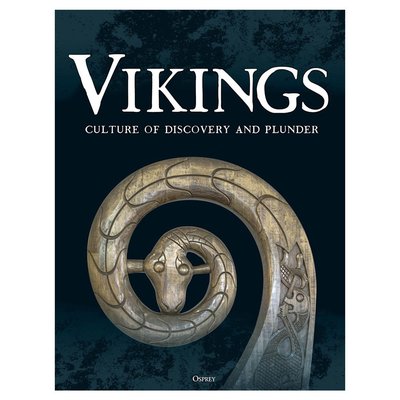
you to um mix this one and the original together to make a grander game and play over five theaters of four rather than the usual three and i've yet to do that and i'm very excited to do so hopefully i'm going to get a chance to do that soon soon and give my impressions but still an amazing game one of the best two-player games out there at number two i have vikings which just happens to be another game by michael you know this guy really knows how to piece a game together this is like a gateway plus level drafting slash tile placement game um as you are acquiring these tiles and vikings together as a pair and then putting them on your player board building these islands from left to right and placing these vikings of different colors on their designated islands and all these vikings have different roles i suppose some of them are going to be pure scoring some of them are going to be protectors which will protect you against these invading ships if you successfully defend them you will get a bonus such as money or points if you don't successfully defend them they can nullify a bunch of your other vikings which will you know mean you've wasted your time and effort to acquire them the drafting system in this game is really interesting as you have this kind of an action wheel which will designate all the prices of these pairs of tiles and vikings but as soon as the lower ones are taken by the players the prices will rotate making the more expensive ones cheaper in the future and you can really use that as a way to interact with the other players by you know hoping that somebody will buy something cheaper so that
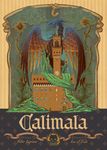
you'll get the more expensive stuff or cheaper when it gets to your turn it's something you really have to see to understand how it works but i do like the efficiency of this game where if you end up taking a a viking that you cannot place yet you end up putting them in a in a separate area then you have to acquire another type of viking a kind of boatsman and a boat to sell them back to the islands where you want them to be and that can be a bit of a time sink if you don't map it out correctly wonderful again family weight style game it's criminal why this game isn't in print anymore this game if it came out with just a re-release i'm pretty confident this will be a smash hit and finally at number one and the best game i played during the month is calamala by fabio lopiano so what this game might not be to everybody's taste in terms of this aesthetic so it certainly is that traditional dry dusty beige euro mechanically this game is a thing of beauty which is surprising considering in its essence it is a very simple area majority style game but the way it works is just fascinating so you can have a kind of a randomly distributed bunch of actions on this um on this action system where if you place a disc in between these two tiles you get to activate both of those tiles um and also if anybody's gone to that spot before you and you place your disc on top of theirs they will also get to take that action so you have to be very careful about who's going to benefit from from not only their actions but from your actions as well and what you're going to do is you're trying to fill up these different regions um with your cubes you're going to have to build boats you have to build
little trade posts um but the way that these things score is great because randomly at the beginning of the game all the different scoring criteria is going to get laid out which means that at a glance you can see what's going to score and when and what that means is that from the get-go you get to strategize about how you want to approach the game you know where do you want to dip in where do you want to control what what's your long-term plan where can you decide to stop investing in something and for me those kind of games just completely inspire me and i love having that long term planning rather than just tactical play so yeah honestly this game is like the definition of elegance in the game there's zero bloat in it very few rules but the decisions are there from the get-go and i think this is a a wonderfully designed game and a worthy winner of a number one spot in terms of being my game of the month so there we have it those are the 20 new to me board games i played during the month hopefully you've enjoyed the video and if you have please be sure to hit like and subscribe to my channel and check out my other content too i'll be keeping out on my channel over the next you know few weeks or months or so and i'm sure i'll be covering most of these games in a lot more thorough detail but for everybody else i'll see you next time on chairman of the board bye-bye