Tier Ranking the Best Thematic Board Games of all Time!







Transcript
What is up everybody? Welcome back to the channel. Today we are ranking the top 100 thematic board games of all time. At least according to Board Game Geek. I'll be judging these games not only on their quality as a game, but as a thematic experience and their ability to tell an engaging narrative, be it mechanically or or strictly through theming. You know, does the game immerse you in its story? Does it make you feel like you're living in that world? That is what we're looking for here. Now, I didn't want to half ask this. I've been working on this list for a very long time and there was a good amount of games here that I had not played. Some of which I had even heard of. So, I had to put a lot of work in just trying to find people to teach me these games. And thankfully, a lot of people on Discord gave me a lot of help, especially in our own channel, which if you haven't joined already, you definitely should. And then that way in the future for future tier lists, I could I can use you. I can use you. Doesn't that sound like an entertaining experience? Okay, enough intro. We're going to have to start this list because it's going to be a big one.
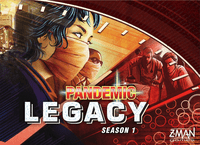
All right, so let's start off with Pandemic Legacy. And I'm just going to put the two seasons together. Pandemic Legacy is a cooperative campaign game where you and your teammates are trying to contain global outbreaks of disease. From a thematic standpoint, Pandemic Legacy does something super rare, even definitely for its time, too. It makes you feel the weight of of of, you know, sort of global catastrophe over time. You know, you don't just play through a crisis. you you live through the consequences, you know, like characters you've grown attached to, they can be lost forever. Cities can can fall and suddenly you're making decisions that feel like they sort of feel like they matter. You know, the permanence of each game state shift sort of reinforces this sense of dread. And some of the narrative twists, I won't give spoilers here, but you know, probably know what I'm talking about. They hit a lot harder because they feel sort of like earned through actual gameplay and not and not just like words on a card. Mechanically, I think the legacy format sort of supports the theme better than the base game ever did. You know, the standard pandemic formula has always felt a little it's always felt a little sterile to me. You know, like you push cubes around, you manage outbreaks, but layering on the narrative stakes and that sort of like worldaltering choices suddenly transforms these like same mechanics into something far more immersive. And as much as I dislike the base game, season 1 definitely has one of the coolest twists in a legacy game.
I think I I yeah, I think I would give this one a solid B. I think this is a good start to the list. And next up is The Elder Scrolls: Betrayal of the Second Era. The Elder Scrolls: Betrayal of the Second Era is a narrative-driven skirmish campaign game set in Tamreel, where you roam a living map, complete quests, fight tactical battles, and slowly build up your characters across a series of linked scenarios. One of the coolest thematic touches in this game is how alive how alive the world kind of feels. You know, like events pop up across the map in various cities and you could sort of choose to engage or just kind of ignore them, which kind of makes it makes the world feel like less of a static board and more like this sort of like ever evolving place. Even the act of plotting your route across the map feels like this sort of like non- mechanical programming with the occasional dice rolls pulling you into like a a Final Fantasy style random encounter. It's abstracted, sure, but it it it nails that sense of a world that keeps moving whether or not you engage with it. The tactical battles, of course, are where this game shines. Like the classes all feel like super different with powers that don't hand out, you know, the sort of boring like plus one minus one modifiers, but instead you give like you get really clever abilities that change how you play on any turn. You're sort of like weighing positioning, you know, deciding which stance to adopt, which powers to trigger, and how to counter enemy abilities. It's It's just packed with choices. And that that like delightful sense of being overwhelmed by possibilities. It's exactly what I want from a skirmish game. And it feels it feel I think this one feels much smoother than Too Many Bones. Uh I I
should really try that one again solo because I played this one solo. It's not perfect, you know, like I feel like legendary items are a little too easy to grab with town actions, especially since you have to engage in that sort of lockpicking thing uh on the actual battle map to get pretty much the exact same items. It would be cool if there were like uh quest and and and battle exclusive legendary items. Now, like I said, I've been playing this solo. I would strongly recommend playing two-handed with two characters if you choose to play solo. I because I think the tactical depth of managing two heroes makes the fights a lot more interesting and it cuts down on the frustration of of, you know, sort of bad treasure pulls too when you get into town because you can you can share between the two characters. Yeah, I think I would give this I would give this an A. This is an A tier game. I I'm still going through it. Uh I am currently going through I think six campaign games all at once and I have been for the last like month and a half.
I do not recommend this, but I am like taking my own notes because otherwise I would just like forget what happened in this game and what happened in that game. But yeah, Elder Scrolls is a it's a it's a really great game. Next up is War of the Ring Second Edition. Lord of the Ring is a two-player epic that recreates the entire conflict of the Lord of the Rings, putting the free peoples against the dark armies of Sauron. This game just freaking like bleeds theme. Like the way the fellowship sneaks through the map all sort of like armies crash around Middle Earth feels like you're I it feels like you're orchestrating the entire trilogy, you know, like like characters like Gandalf and Aragon and the Witch King just they don't just appear, you know, they sort of like they sort of emerge through gameplay almost as if the story the story was like demanding it at that time. Yeah, the game is crazy heavy, but the mechanics, they they have purpose, you know, like the action dice system adds tension to every round, capturing that feeling of like limited time and sort of like overwhelming threat. And the asymmetry here isn't just like it's not just mechanical, it's sort of like emotional, you know, like playing the free peoples feels desperate and and fragile and and sort of noble, whereas playing the shadow feels like relentless and and oppressive. It's one of the few games where like win or lose, you walk away feeling like you just lived the story. And I I think that's a hell of a feat. This is obviously an S tier game.
This game is a masterpiece in theme. And next is the current hauntness that everybody's talking about, Vantage. Vantage is a narrative exploration game where you move across cards, interact with encounters, and slowly uncover a story through dice placement and lots of skill checks. Now, I'm in the process of doing a review of this, a dedicated video for it. So, if you want more details, you should probably check that video out. It'll it'll probably be out pretty soon. I went into this game pretty excited, especially since I've enjoyed a lot of the designers like other work, but man, this this thing just fell flat. The mechanics, they feel like they feel vapid and uninspired, offering very little sense of agency. Like half the time I felt like I was playing a dull point-and-click adventure game, you know, like those old video games, except even except completely devoid of the same level of charm uh and and creativity that classics like King's Quest and Monkeys Island has, you know, like sure you're exploring, but the the joy of exploration comes from engaging meaningfully with what you find. And here the results are so often uninspired or sort of disconnected that it just things just felt empty. Like sometimes I'd h you'd have these cool moments for sure, but I feel like they're a little rare. Like I'm about 15 20 hours into it. It's just a lot of it just buried under stretches of random flavorless encounters that aren't particularly interesting. And the more I played, the the worse I kind of got. Like once you learn the importance of getting items and filling that that character grid really quickly, the difficulty just like
vanishes. the dice placement system becomes predictable since many slots literally like demand you put dice in that certain spot leaving you with very little choice. That lack of agency coupled with, you know, succeeding every time, like you can't fail this game. It just it kills any sense of tension or surprise. Like part of the enjoyment of these types of games is knowing I can fail and the sort of and the story sort of like blossoming from that failure. Most runs of the game felt like completely narratively disjointed with like little connective tissue trying to like tie everything together. Every now and then I'd stumble into a sequence that felt cohesive and thematic and for a moment it was engaging, but those moments I think were exceptions. Like most of the time the pacing was off, the choices were like shallow and the narrative felt like just random nonsense. Like Kim Kim outright hated it. And while I I don't hate it, I just I kept feeling like it was a mediocre experience the entire time. As interesting as the concept is, um I'm going to be generous here and I'm going to give it a C. Uh because there is a part of me that's leaning towards a D, but I am generally impressed with how it handles that sort of like card driven story stuff. Yeah, this is just not for me. I I don't Yeah, I don't like it.
Next is the granddaddy of thematic gaming, Twilight Imperium. Twilight Imperium is a galactic strategy epic where three to six players compete for dominance through politics, war, and shifting alliances. Thematic immersion in Twilight Imperium isn't it's it's not a layer. It's like it's the core of the game. You don't just play as an alien faction. You sort of like become them. You embody their culture and and their strengths and like bizarre political stances. or at least that's what it seems to happen at our table when this comes out once every like three years. Mechanically, everything is tuned to support that that sort of like drama, you know, like the agenda phase turns every player into like a self-interested senator. Uh the command token system makes you feel like you're you're truly managing a a sort of like sprawling empire. Uh carefully choosing when and where to exert influence. And I think the best part, the real stories happen between the systems, you know, like backroom deals, surprise betrayals, and desperate alliances formed under under under pressure. This is the type of game uh you 100% talk about the next day, and you sort of just like laugh at the results. Usually, it's usually insults and bitterness, but it's still laughter.
It's still good times. Yeah, this is of course one of the kings of of thematic games. Obviously, this is an S tier game. Next up is Star Wars Rebellion. Star Wars Rebellion is a two-player asymmetric showdown where the Empire scour the galaxy to find the hidden rebel base while the rebels strike surgically to spread hope and delay defeat. From a thematic standpoint, like Rebellion does a fantastic job of making you feel like you're playing out a sort of galactic war with wildly different stakes. You know, as the Empire, you you're everywhere, you know, fielding massive fleets, building the Death Star, and just sort of like stomping out the resistance. Whereas the rebellions, every decision feels like this sort of like desperate gamble, you know, like send lay on a mission, sabotage a factory, uh just sort of just delaying the inevitable almost. That said, as much as I appreciate what Rebellion does, I just enjoy War of the Ring more.
Not that not that you have to have one or the other. You know, Rebellion, I think, is cleaner and faster, but it sometimes feels a bit more like a sandbox of cool moments than a full like cohesive arc. you know, the space combat kind of feels a little swingy, and while the theme is like super strong, I find it doesn't hit the emotional heights of narrative weight uh that War of the Ring does. Still, these are these are minor criticisms, and if Star Wars is your jam, you'd be a full not to own and try this one. Yeah, I'm going to give this one an A tier. And Nexus Clank Legacy Acquisitions Incorporated. Plank Legacy Acquisitions Incorporated is a deck building adventure game where players sneak through dungeons, steal artifacts, and slowly build their own franchise within a fantasy corporate empire. Listen, all the Clank franchises are good. There isn't a to my knowledge, there isn't a bad Clank game. And of course, this one is no exception. And you add on a little campaign, which is also enjoyable. you know, you're still making these sort of like loud, reckless moves for treasure, but now those choices have like long-term consequences that sort of like uh ripple through the campaign, naming towns, you know, founding businesses, getting in trouble with corporate, all of it sort of like grounded in the in the chaos in a weirdly cohesive fantasy world that feels alive and really ridiculous in a in a really good way. Mechanically, the Clank system has always been about pushing your luck and that tension slots perfectly into this like ever evolving story. you know, do you stay longer and risk disaster to grab more loot? You know, the legacy elements don't just they don't just add theme, they enhance the humor and the sort of like
unpredictability. Yeah, this is I really like this one. This is an A tier game. Uh, and I think I'm combining a few a few Clank games here, but they're all A tier. They're all great. Next is Oatsworn: Into the Deepwood. Osw into the Deepwood is a dark fantasy boss battler where players lead a band of warriors through storydriven encounters and massive cinematic showdowns. The way the narrative unfolds with like secret story books and dramatic decisions gives the campaign a real sense of momentum. Although I haven't played it a ton where like a a giant rat burst out of a house or a scary baddy adapts to your combat midfight. It it can sometimes feel very exciting. You know, the theme wants to be front and center and when it lands it I think it's very immersive and pretty intense. But for me, the mechanics often get in the way of the theme instead of instead of supporting it. Like the boss battles feel more like really light puzzles than desperate fights for survival. And while the customization of the decks uh add a lot of variety, they sometimes make combat feel oddly static.
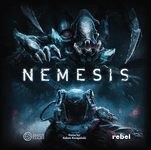
The story phase has some okay writing and it leans more into choose your own adventure than sort of like meaningful interaction. I I wanted to feel more dread, more urgency, more connection to the world, but the structure made me feel like I was like just sort of like flipping between two different games that in my opinion never really clicked. Uh I'm I've very rarely am I almost never impressed with boss battlers. I think I know a miniature gaming snob, but yeah, I think because I'm a miniature gaming snob, I just I I find most boss battlers to be pretty mediocre. And I this one's decent, but I would probably still just give it maybe a C. And next is Nemesis. Nemesis is a semi-ooperative survival horror game where players wake up on a damaged spaceship and must complete hidden objectives all while trying not to get torn apart by alien intruders and teammates. Nemesis doesn't just like deliver theme. It just like it drowns you in it. You know, from the from the moment the first intruder appears, the entire table shifts into this like panic mode. like players start eyeing each other. You know, doors get locked behind crew mates. Every noise token feels like it's it's it's just going to be your last. The game it's constantly throwing you into impossible decisions that feel perfectly in line with a sci-fi horror movie. You know, do do you help the group of fix the engines or do you quietly sabotage them and just like escape alone? It's not just cinematic. It's it's interactive cinema, you know, like it makes you feel like you're in the middle of a movie where
the has completely hit the fan and you you're probably just going to die. And the mechanics back it all up. I think the car driven actions, the the detention and movement and noise, the unpredictability of the aliens, it all creates this sort of like oppressive atmosphere of dread. You know, you don't you don't want to win, you just want to survive. And when someone crawls into the escape pod and launches it while you're just like limping around down the hall while it's on fire, it's infuriating, but it it's also really damn funny. And it's this it's kind of the stuff you like punch your friends over like after the game's done, but you want to play again and keep talking about it. And that's that to me is a really important, you know, thematic piece. Yeah, this one is of course an easy A. I I love Nemesis. All the Nemesises are good. And next up is Nemo's War. Nemo's War is a solo adventure game where you take command of Captain Nemo and the Nautilus, exploring the seas, battling warships, and pursuing whatever vision of Nemo you've chosen, whether that's science, exploration, war, or revenge. My first outing with it, it was really rough.
Like, I spent half the game rolling rolling snake eyes. And it was a traumatic experience that almost put me off entirely, but I immediately played it again, and I'm really happy I did. Uh what what sets one this one apart I think is just how much dice mitigation there is. You're constantly making these sort of push your luck decisions. You know, do you risk parts of your crew or your hall or Nemo to push harder for success? The fact that the mechanics tie this directly into the theme is absolutely brilliant. You know, it feels like the captain sort of like rallying his crew for a difficult task, leaning into that sense of of command and sacrifice that I think defines the story. Now, this game does lean on the exact same thing I usually dislike, which is rolling dice and sort of checking charts, but here I I think I think it works pretty well because you've always got multiple ways to sort of tweak the odds. And I think the narrative that emerges uh from that dice mitigation, it's it's really good. Like, it's really good. That said, rolling doubles on the white dice, which dictates uh how many actions you can get based on their difference, uh can be an absolute pissoff. Like nothing takes nothing takes the wind out of your sales faster than seeing your your whole round just completely crippled before it even starts. But in spite of that, the game has a really good flow that makes long sessions engaging. And it it's just nails the feeling of charting Nemo's like strange and obsessive journey. I I I think I would give this one an A tier.
I'm really happy I started discovering um uh solo gaming cuz I would have never played this game otherwise. This is this is a very good game. Next up is Arkham Horror the Card Game. Arkham Horror the Card Game is a cooperative narrative-driven living card game where players take on the roles of investigators uncovering cosmic horror in 1920s Arkham one scenario at a time. At its best, this game does produce an okay amount of atmosphere. You know, the way it unfolds scenario by scenario, you know, flipping cards to reveal new acts and locations feels like stepping into like a pulpy horror nolla. you know, you're managing resources, uh, clinging to sanity, and desperately trying to piece together, uh, what's happening before the clock runs out. The core system of deck construction tied to individual investigators, it works really well thematically, too. Like your character, they they feel like a person and not not a generic avatar. When you lose control of a situation, everything sort of like spirals into madness. It's it is pretty compelling. That said, I still think the base game is kind of a drag. like it's dry, it's a bit clunky and it just to showcase what makes the system good. Uh but after I have dived into a few expansions solo since the last time I played this and it it has gotten better. The storytelling sort of opened up. The scenarios felt more dynamic and the experience became more about like immersion rather than like a mechanical grind. It's not mind-blowing by any stretch of the imagination, but there's like this solid eerie rhythm to when it's firing on all cylinders, you know, like the solo play. I think it
really helped out the game for myself and for my enjoyment. Uh, so I think I've rated this before and I gave it a really long bad rating. So I think maybe I was a little wrong on that one. As a solo playing experience and rating it with a couple of expansions, I would I think I would give this one a B tier. If if I'm rating it just based on the the base game, it's like it's a low C. And next is a game I'm not even sure why it's here. Sky Team. Sky Team is a two-player cooperative game where you and your partner take on the roles of a pilot and co-pilot trying to land a commercial airplane using nothing but silent teamwork and welltimed dice placement. I've said this before in a few other videos. I love this game and I I still do as a cooperative experience. It's it's it's intense and incredibly rewarding. The no talking constraint creates this sort of like amazing tension where every die you place feels like a little leap of faith, you know, like there's there there's there's a share rhythm that emerges. Yeah, mid-flight and when you pull off a smooth landing, it's an awesome feeling, especially when you did so under like crazy harsh conditions that with with your partner, I I think it nails that feeling of of sort of unspoken coordination under pressure in a very good way that very few games can do. But when I stack this game up against the rest of the list, I have to admit like thematically it doesn't hit quite as hard. Like the setting is cool and the stakes are high, but the story isn't really unfolding so much as it's like repeating with variations. As a thematic
game, I would give this a B tier. As just a regular game, I'd give this an S tier, if that makes any sense. And next is Cthulhu Death May Die. Cthulhu Death May Die is a cooperative miniature game where players take on the roles of unstable investigators trying to disrupt an elder god summoning ritual before descending into full-blown madness. I've knocked this game before. I think I gave it like maybe a D on a previous list. Um, but in context of of, you know, thematic gaming, I do have to give it credit. You know, the idea of running head first into cosmic horror with like a shotgun and a death wish actually comes through pretty well. You know, the modular scenario system makes each session feel like a sort of standalone pulpy episode of a TV show. And the way your characters powers up as they lose sanity creates this like perfect chaotic arc of like self-destruction. It's it's it's it's not subtle, but it is enjoyable at times. Mechanically though, I it is in my opinion kind of boring for my taste. Like enemies spawn and pile up in a way that sometimes feel more like like a weird puzzle that attends horror scene. And the dice chucking combat is more about like big moments than interesting decisions. And the mythos deck the mythos decks often irritate that living hell out of me. Uh, they do that more than they excite me. I would probably put this I think I'd put this at a C tier, maybe even a low C tier. I I don't I do not like I don't really like this game. Next is Blood Bowl.
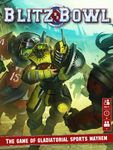
Blood Bowl is a Games Workshop longrunning fantasy football miniature game where orcs, elves, dwarves, and humans crash into each other on the pitch in a mix of sports and just absolute ultraviolence. Let me just say this upfront. I hate this game. I hate Games Workshop. I hate Blood Bowl. And I hate how ancient the design feels every time I play it. Like, why in hell are we still like consulting these like really shitty charts and rolling dice like it's the 1980s? It's supposed to be this like silly beer and pretzels thing about like smashing goblins into the end zone, but instead every damn action feels like like I'm looking up rules followed by like a dice toss and and then like the game just tells you like, "Nope, you're screwed. Too bad." It's just I find the game not fun. I find it more just exhausting, which I think is the biggest shame because thematically I love the idea. A crazy fantasy football brawl should be amazing. I mean, the entire reason I got into Guild Ball, Gilball's a miniature game, uh, was because I wanted this exact theme, but Gilball actually gave me decisions, you know, depth and and like clean mechanics.
Blood Bowl just just gives me this like endless dice check. you know, it's all luck mitigation, which can be fun sometimes in other games, but here I just find there's no real strategy and the whole affair just sort of like drags on way longer than it should, especially for a beer and pretzels game. Uh, you know, if I'm drinking beer, I don't want to be, you know, consulting a goddamn chart. And yeah, I I know people love it. When I ranked this low in the miniature game tier ranking video, I got bombarded with comments from Blood Bowl fans, but I I don't care. This game is old. It's clunky. Uh, and it's way more work than it is fun. I I would give this a D tier. Wait, no. Let me let me check the charts. Let me roll and check charts. Oh, no. It still says Dtier. Next is Kingdom Death Monster. Kingdom Death Monster is a grim dark campaign game where players guide a fragile group of survivors through a bleak, nightmarish filled world with grotesque monsters and existential dread. Oh, and loads and loads of penis and titty monsters. Look, I'm I'm as into penis and booby monsters as the next guy. Like the aesthetics, they're just completely my jam. The tone is like it's like bold and brutal and I love it. You know, it's kind of like it it's kind of like guts, you know, or or sorry, berserk. And the world building is it's cool, but the the moment the fights happen, the theme sort of just collapses in on itself. Like combat feels sluggish, flat, and oddly trivial considering how much buildup each show showdown gets. You know, like you go in expecting tension and clever play, but what you get is just like it's just
mostly flipping cards. And then there's the settlement phase, which everyone swears is the heart of the game. And I get it. You know, you customize You get some cool gear and you watch your tiny society grow, but for me, it it never clicked. It felt like reading a flowchart while like rolling dice and hoping you didn't, you know, trigger another nonsense event. uh for a game with such insane scope and and cost. It left me feeling completely detached from the world and I just never wanted to play it again. I never want to play it again. I This is a Dtier game for me. I hate Kingdom Death Monster. I hate it. I like Booby Monsters. I don't like this game though. We are on a Dtier roll. Next is Sleeping Gods. Sleeping Gods is a campaign style exploration game where you sail a ship through a vast openw world map, flipping through storybooks encounters while managing crew and slowly uncovering hidden artifacts and lore. The moment you open the box, the magic kind of my opinion kind of dies. Like the setup is miserable in this game. There are so many components to sort, save, and and track and shuffle that by the time you're ready to actually start exploring, you've already spent like 20 minutes managing trays and tokens.
And what do you get for your trouble? A drab and meandering story full of like flavorless texts and and just sort of like dead-end choices. The world feels big but but empty. And the decisions you make rarely matter beyond, you know, coins or or fatigue token or whatever. Even the combat, you know, which I think is meant to be more engaging, feels like this sort of like clunky obligation and just kind of sucks. To be honest, I should revisit this now that I've been enjoying solo campaign games more, but even then, I'm not convinced it has anything worth coming back for. In in my opinion, uh the story is like painfully dry. The writing doesn't elevate the world, I don't think. It sort of flattens it. It wants to be emotionally like evocative, but it just ends up feeling like a never-ending string of like gain this or gain that.
Uh yeah, it's just it's busy work disguises as narrative exploration. Uh, this one we're on a roll. I'm probably upsetting a lot of people here because I know a lot of these games, well, I mean, it's the top 100 thematic games, right? So, a lot of them are liked, but I don't like this one. It is a Dtier game in my opinion. Like I said, what's that expression? Don't don't yuck yuck yum. Don't let me yuck your yum. If you love these types of games, the games that I hate, that's fine. It's okay. We're different people, you know. It is what it is. I do not like this one. And next is Obsession. In Obsession, players manage noble households, host events, and curry favor with prestigious families in the hopes of restoring their estate to the greatness that it once was. Obsession's theme is so like rich and specific that it practically like I I don't know, for a Euro game, it pulls it off really really well. Like every card, every tile, every every servant feels in like sort of perfect harmony with the like sort of gentile class conscious world it's trying to portray.
You don't you don't just play a turn. You arrange an afternoon tea with the with the duchess and send footmen to the north lawn for for croquet and anxiously await the whether the you know the fair childs will grace you with their presence. Uh the mechanics capture that that gentiel tension really well. I think you know building this sort of like slow momentum um and and gaining like social capital as you're sort of like trying to claw your way uh from the bottom rungs of society. It's neat. The one fault the game has though is how slavishly adheres to that source material. I'm speaking of course of um uh Pride and Prejudice. While that's part of its charm, it also boxes the experience in a bit. Like there's a kind of narrative ceiling to what I what I think can happen here because the the dude you can court in this game, okay, is just he's just useless. You can port two people, but the dude is useless.
He's super useless. And to me it seems like a bad like design decision, but he has stated the designer that that that's the way he intended. But but the game itself, this is a good A tier Euro game, which uh does have a pretty good theme. Next is Mechs Versus Minions. Mechs Versus Minions is a cooperative campaign style programming game where players control clunky little mechs trying to hold back endless waves of cartoonish minions across escalating missions. Look, I like chaos. I like the idea of like goofy robots spiraling out of control while hordes of enemies flood the map. That part works, okay, the tone is the tone is light and the production value is insane. Uh, but the game sits in this like awkward middle space where it's trying to be an accessible low rules experience, but then it dumps a mountain of of components set up overhead and unnecessary like fiddliness uh on your turn and the game just like it kind of flops because of it, you know? Like it's a simple game that just has too much And honestly, the game has never felt, in my opinion, worth the effort. Like once the novelty wears off, the missions start to sort of blend together and the lack of strategy just just it just really shows after some time. Like the programming movement system feels funny for a bit, but eventually just turns into a slog.
Especially when one player gets locked into a bad loop, it just starts to feel like dead weight. There's always someone who spends the entire mission getting frustrated and the game doesn't do much to bring them back into the fold. It's a it's a it's a quality first impression game in my experience that does not hold up to repeated plays. Um I I'm going to slap this one with a D. Yeah, it's another D. We're just You know what? We're just getting the D's out of the way. The rest are all going to be gold. I promise. And next is Final Girl. Final Girl is a solo only horror game where you take on the role of a lone survivor trying to outwit and outlast a killer in a modular movie inspired setting. I hope you watched my my solo gaming documentary uh which was of course titled um uh Playing with Yourself. Uh and if you haven't watched it, you definitely should. Um because I the last game that I cover is Final Girl. And this one instantly stood out. Like it captures that exact vibe of an 80s horror flick. you know, one survivor, overwhelming odds, and a killer that just won't he won't die. You know, you sort of like darting through cabins and saving victims, flipping cards, uh that sort of like ramp up tension. It it it's cinematic, fast-paced, and really immersive. That said, I do have a small gripe with how swingy the game can be.
Like, a few bad dice rolls at the wrong moment or or a single punishing card, and you're suddenly getting chased down with no real way out. Um, but honestly that's fine. The game's short enough that losing is kind of part of its charm. You know, it feels like this like bru brutal movie ending and not not a waste of time. I I would give this either an A or a B. Um, I I think I think I'll stick this into the be B tier for now. Uh, I am enjoying it. I do want to try out other modules. I only have I think the one. Um, yeah, I want to try out more. Oh. Oh, make sure to check out that video of the playing with yourself video. I promise you, you I I know I'm just saying this because I'm the one who made it. I promise you, you're gonna love it. I just promise. I guarantee it.
And next is Mansions of Madness Second Edition. Mansions of Madness Second Edition is an app-driven cooperative game where players explore haunted mansions, solve puzzles, fight elder chores, and slowly descend into madness. The game really wants to be immersive, and sometimes it really is. Like the app does a lot of heavy lifting with atmospheric music, uh, creepy descriptions, and the occasional fun twist. There's a thrill, I think, in in cracking open a new tile and not knowing what's behind the door. And I'll admit that some of the puzzles and events generally caught me off guard. Uh, but for every moment of tension or or story beat that lands, there's another stretch where the pacing just kind of like it just kind of flounders. Flounders. Flanders. Flounders. Flanders. Flounders. Flounders. That's the word I'm looking for. Like you're wondering always solving the same like rotate this and rotate that puzzle. And I Yeah, there's just a lot about it that just gets really bland and really boring after some time. And the app, while useful, kind of sucks the soul out of the table. You know, like it handles everything to the point where players feel like these sort of passengers rather than participants. You know, you're constantly reading from the screen instead of the board. And it ends up feeling more like a sluggish point-and-click adventure than like a gripping mystery. You know, I'm not playing board games to feel like I'm playing Seventh Guest or like Mist. You know, I would think I would give this one a C tier. Um, I there's a part of me
that kind of misses The Old Man of Madness where it was a one versus many. Maybe I like that one more, but I'm giving this one a C. Next up is Star Wars Imperial Assault. Star Wars Imperial Assault is a campaign-based dungeon crawler set in the Star Wars universe where players take on the roles of rebel heroes battling through Imperial controlled missions either against an overlord or an app-driven AI. As a thematic experience, it gets a lot right, you know, like blasting stormtroopers, sneaking through Imperial bases, upgrading gear, and unlocking character abilities. It's a Star Wars fans dream scenario. Like the missions have that cinematic pacing you'd expect, and there's a real tension in knowing you're working against it like a sort of ticking clock while while while Darth Vader might show up at any time. You know, like the combat and the combat is pretty decent, too, for a miniaturebased board game. That is, again, I'm a miniature gaming snob. That said, it's not without its rough edges. Like the app version is smoother, but the original Overlord system can feel it can feel uneven and slow, especially for the Imperial player. Like line of sight rules and like weird fiddly movement details can sort of, in my opinion, bog things down. And it doesn't always feel like you're it doesn't always feel like you're doing clever play. It never feels necessarily rewarding all the time. And it sometimes just feels like you're just getting lucky. Um, but when the game clicks, when you when you kick down a door, you know, stun a squad of of troopers and barely, you know, escape, that's when it starts to to be really good. I would say I would say this is a good Btier game. Very good Btier game.
And next is Lord of the Rings Journeys in Middle Earth. Lord of the Rings Journeys in Middle Earth is a fully cooperative app assisted adventure where players take on the roles of iconic heroes traveling across Middle Earth, uncovering mysteries, battling enemies, and experiencing a new story-driven campaign every single time. This game sort of nails the feeling of going on adventure. I think the way you slowly piece together the map as the the the app reveals new terrain feels like you're actually exploring unknown lands and every scenario has that right mix of tension, discovery and like cinematic moments. Whether you're you're chasing orcs through a dense forest, you know, sneaking through ruins or or holding line against a a Naz Ghoul, it all plays out like a scene from the movies. Uh the card driven combat and the the skill system also reinforces that theme really well, making your characters feel distinct without relying on endless uh stat tracking on the type of like or the type of clutter that you typically get in these types of games. I'm not a big fan of apps, but the app that here does pretty good job of managing the overhead, you know, letting player stay focused on the action and story rather than the rules. Um it keeps the pace quick and the choices meaningful and the campaign engaging from session to session. It's not the deepest mechanically, but it doesn't here. I don't feel it has to be. It's about here. It's about the journey, you know, about bonding with your party, pulling off just in time saves, and feeling like you're sort of like in Middle Earth.
Yeah, I I think this one I'd give this one an A tier. I've I've always enjoyed my plays of this one. And next up and next up is Robin Suso Adventures on the Cursed Island. Robin Saguso is a brutally difficult cooperative survival game where players find themselves stranded on a deserted island, forced to explore, build shelter, scavenge for food, and survive whatever the wild throws at them. This game is a masterclass in thematic design. Like, every mechanic feeds into the sense of exploration and and sort of desperation. You you're constantly pushing into the unknown, deciding whether to risk that jungle tile or spend another night shivering under your your lack of shelter in the snow. And the event deck, the event deck is awesome. You know, like making a hasty decision early on might save you in the moment, but then, you know, 10 a few turns later, a card pops up reminding you that you ignored a weird animal scratch and now you've got rabies or some The callbacks are they're cruel, they're hilarious, and they they feel earned. like it creates a livedin world where choices sort of uh echo forward in ways that make you you shake your head and laugh while you die horribly. And unlike a lot of survival games that just feel punishing for the sake of it, Robinson Cruso makes the punishment it kind of makes it the point like you lose because you took risks.
You win because you worked together. You planned just enough and maybe you got Yeah, of course you probably got lucky with some weather here and there. every session feels like a campfire story just sort of like waiting to happen, you know? It's like it's messy, it's random, and sometimes completely unfair and I I just wouldn't change a thing. I think I think Robinson Gruso is an easy S tier game. Classic cooperative experience. And next is Battlestar Galactica, the board game. Battlestar Galactica is a semi-ooperative game of hidden traders where players take on the roles of characters from the show working together to guide the last remnants of the humanity to safety. Unless of course they're a Sylon and they're just trying to kill everybody. As a thematic game, it absolutely delivers. You know, the the paranoia, the accusations, the slow unraveling of of trust among players. It it captures the tension of being stuck in a sort of like tin can with potential traders perfectly. Like every crisis feels like it could be like a setup, you know, like a every failed skill check sort of sets off an alarm. And when somebody finally reveals they've been asylum the whole time, it feels like a genuine betrayal. It's one of those games that thrives on player psychology.
And when the table is is sort of like leaning into role playing, the game does become pretty awesome. But the core mechanics, honestly, I'm I'm kind of bored of them. The actual task you you're asked to perform, the the skill checks, the resource tracking, the movement on the ship, they're just not they're not very engaging. The tension comes from the social layer, not from what the game actually has you do. and and that's always been my sticking point with this game. It's a fantastic vehicle for drama, but not one I and not one I ever want to jump into again. Um I'm I'm going to be generous here and I'm going to give it a B because in as it stands right now, I kind of feel like it's a C, but there was a time like in the first like five plays of this, it was like an A or S tier. So, I'm just going to give it a B. Next up is Frost Punk the Board Game. Frostbunk the board game is a citybuilding survival game where you manage the last frozen city on Earth, balancing hope, despair, and brutal necessity as you struggle to keep your people alive. I grabbed a copy of this game, you know, after I tried on Tabletop Simulator primarily because I was on like I'm on this sort of solo gaming binge. And I'm really happy I did cuz this one this one hooked me. It hooked me fast. My first game was very rough. There were so many like tracks and and rules and fiddly bits. It just nearly buried me in But once I pushed through that initial wall, I realized how much depth and possibility was packed into every decision. It's one of those games that
demands it demands a replay because the learning curve is so steep, but the result is so incredibly rewarding. What makes Frost Punk stand out thematically is how it sort of captures the feel of a PC survival management game. uh instead of just like instead of just putting out fires, you're building something, you know, like you're passing laws, researching tech, ex expanding and preparing for the inevitable storms ahead. The game makes you it makes you feel powerful because it gives you these like real tools to mitigate disasters and the looming threats. And it it never feels cheap or or random. You know, the threats are they're they're visible. They're like ever creeping closer and you can prepare for them. The game's punishing, yeah, but in a way that feels fair. And every little victory that you get, it feels earned. Like you feel good. And the story doesn't just come from flavor text. Even though flavor text here is like it's pretty good, it emerges from mechanics like passing a law to put those lazy those lazy damn kids to work. You know, researching a new generator upgrade or deciding who freezes tonight. All combined into a narrative you will remember. It is it's overwhelming. The setup is insane and the bookkeeping is heavy, but it's really damn satisfying. Yeah, this might be a little too early to call. I've only played three times, maybe four. Um, I've only played the physical copy once, but I played Tabletop Simler Simulator copy a few times, but as it is right now, it is an S tier game. I I really like it. Love that tower. Next is Eldridge Horror.
Elders Horror is a globe trotting cooperative game where players are investigators racing to stop an ancient evil from awakening by solving mysteries, fighting monsters, and enduring increasingly absurd events across every corner of the earth. This is one of the better evolutions of the the classic Arkham horror formula, I think. You know, it trims a lot of the bloat and focuses more on exploration and adventure. You know, hopping from from Istanbul to to to to Buenos Aerys to Antarctica gives the game a real sense of scale and it feels like you're part of a pulp fantasy novel full of like cursed artifact, you know, ancient prophecies and and just impossible odds. Some of the best memories I've had at the table came from ridiculous event chains in this game, like someone becoming blessed and then then cursed and then determined then detained in like a dream and then then launched into space. The game is chaotic, but it's fun. But like a lot of older co-ops, it ends up feeling more like uh like task delegation than true teamwork. Like everyone splits up, does their thing, you know, rolls their dice, and hopes their encounter doesn't kill them. You aren't really strategizing together most of the time. Um you just kind of play parallel games at the same board. And the storytelling, while flavorful, is completely disconnected and random. Um, but the game is still enjoyable. I would give this I think it still holds up. I'm I'm going to give it a B. It's a Btier game. And next up is the only legendary game you need. Legendary Counters, an alien deck building game. Legendary Counters and Alien Deck Building Game is a fully
cooperative deck builder where players take on the roles of survivors trying to live through the events of all four Alien films, complete with hidden threats, face huggers, and chest bursters, and some crazy ultraviolent cards. I was honestly shocked to see this show up on the list. Like I thought this one had been just like completely forgotten. Um but I think it's a fantastic aliens representative. Like the tension sort of like ramps up as cards come like sliding down the the hive. Um Unrevealed just sort of like waiting to ambush you. The mechanics do a great job of building suspense. You you're scanning rooms, revealing horrors and screaming as your friend turns into a host for for an awful alien baby. And I just love that the game is unapologetically brutal, but it's definitely feeling a little dated these days. The UI is like clunky. The rules can be weirdly unclear, and the card flow sometimes just like slows everything to a crawl, but honestly, the the sheer the vibe carries it. Uh, and let's talk about the art. I want to keep talking about the art. garish, violent, and exactly what I want from a game based on a franchise where people um get eaten from the inside out. You know, publishers, take note, not everything needs to be soft pastels and familyfriendly animal creatures. I want more blood and I want more guts.
I give this game a B tier. It is a Btier game. It's good. And next is Space Hulk. Space Hulk is a claustrophobic one versus manyame where heavily armored space marines crawl through narrow corridors trying to survive swarms of genstealers in tight tactical slightly boring firefights. When I first covered this one in my miniature tier list, I gave it like a B. But looking back, that was rose tinted glasses talking. I think at its core, Space Hulk is super simple. you spend your action points like sort of opening doors, moving down hallways is shooting or or setting up over setting up for overwatch uh which is just delayed shooting. The theme of of grim corridors and like alien ambushes, it's there, but the actual gameplay doesn't really back up with any interesting decisions. It ends up feeling repetitive very quickly, especially once you realize most turns boil down to the same few moves every single time. This is one of those Games Workshop designs that really leans on your attachment to the Warhammer universe. You know, if you love the 40k setting, it it can carry the game for you. The minis look great. The tension of the Marines versus Gen Steelers can be pretty exciting, and this setting has okay atmosphere, but for me, without that connection, I don't give a about GW, and I don't give a about Warhammer. So, to me, it just kind of feels mediocre. The mechanics alone don't hold up. And compared to more modern dungeon crawlers or tactical skirmish games, I think this one shows his age. I think I think giving this a C
tier is fine. It's still a decent game, but I I'll probably never play it again. Yeah, it's a C tier. Next is Thunder Road Vendetta. Thunder Road Vendetta is a chaotic high-speed post-apocalyptic racing game where players control weaponized vehicles trying to outdrive, out gun, and outlive each other across a constantly scaling desert highway. I compare this game a lot to Gaslands because I just I love Gaslands so much, but I'm starting to feel like that's a little unfair because I know a lot of people just don't want to play miniature games, even if it's an accessible one like like Gaslands. And if I'm just looking at this game by itself, forgetting Gaslands, it is a good game. It is fun. It is a great beer and pretzels freaking beat him up thing that makes you feel like you're like a uh like a six-year-old little boy again just smashing cars together. Wait, six-year-old might be a little too old for that. Well, that's when I did it.
Okay. I I developed slowly. I love smashing cars together. And this game does give you that feeling. It is fun. I want to say A or B. I'm going to go B tier. I'm still kind of I'm still kind of playing it. I have it. I'm still messing around with it. I want to try some of the expansion packs and see if they made the game even better. But for now, it's a Btier game. Next is Chaos in the Old World. Chaos in the Old World is an asymmetric area control game where players take on the roles of the gods from Warhammer, each with their own strategy for corrupting and destroying the world. This is probably Eric Lang's best design before he pivoted into making endless remixes of the same plastic drenched formula. Each god plays completely different, not just in abilities, but in their goals, which makes every game feel like a like a tight violent puzzle where everyone's working against the board uh and each other. Like Cone is just like trying to kill everything and Nurgle just wants to spread disease like a like a kid coming home from daycare. And I I don't I don't remember what the other two do, but I'm sure it's nasty. The area control here is some of the best I've played. It's It's tight. It's tense. And it's filled with moments of absolute panic as a region like sort of spirals out of control. And I've always loved the dial advancement system. It it gives you a personal victory track that it feels that feels really cool, but never quite you never feel safe, you know, like it keeps the game on the edge from start to finish. This is a quality mean area control game. Cool powers. Um it sucks
that you can't buy it and I'm sorry that I it's on this list, but I didn't I didn't put it in the top 100. Okay, Board Game Geek did. Um, but it is an A tier game. And next is The Seventh Continent. The Seventh Continent is a cooperative exploration game where players traverse a mysterious land, uncovering terrain tiles, solving crypted clues, and trying to lift a curse through survival and discovery. Listen, you can't excite me with these ideas of exploration if there's nothing worth exploring. Uh, the narrative is so wildly disjointed and randomly assembled that it feels like someone cut up cut up sentences from like a dollar bin fantasy novel found in a laundromat and just like just like taped them together into into an event deck. You you wander around, you know, hoping something interesting will happen, but in my experience, it just rarely does. And even when it does, it just it buried me under like dry text and mechanical repetition. There's almost no real decision space. You're you're not playing the game as much as you're just moving through it. Like just like one of those video game cutscenes that ask you to press a button to keep going or worse like a like a like a dating sim where every dialogue dialogue option leads you to character saying something like completely nonsensical. I mean, not that I have a lot of experience with dating sims, but that's how it feels. And yes, I get that it's supposed to be a rogike.
Uh, but if your core gameplay loop is boring, then repeating it just makes the whole thing worse. It's like watching It's like watching Groundhog's Day, but the director refuses to skip anything and insists that you sit there through every single repeated moment. Yeah, I freaking hate this game. I hate it. It's a Dtier. It's a Dtier game. Yeah. Another D for the books. Next is Sherlock Holmes Consulting Detective. Sherlock Holmes Consulting Detective is a cooperative deduction game where players work together to solve complex mysteries by reading case books, exploring a massive map of London, interviewing suspects, and ultimately trying to solve the crime before Sherlock does. It's such a cool concept. Essentially, it's just like a choose your own adventure book for people who like mysteries, but it works pretty well. Sitting around the table, reading the flavor text aloud, following leads and debating theories with your friends makes for a very charming evening. The writing is pretty good. The cases are are sort of layered, and it really gives you that feeling of being part of a of a Victorian detective team, sort of like combing through a mystery. But don't try to beat Sherlock, okay? His logic jumps are so absurd that he's basically a god.
He's he's a magician, okay? A deduction magician. He'll deduce the copper based on like a num the number of buttons on a waist coat or the sound of someone's footsteps. You know, it makes Death Note look grounded. Honestly, just ignore the scoring system and enjoy the the process of getting those like aha moments uh with your group. I think because I think that's the real win here. This game for me only hits the table once in a while. And yes, I understand it's not much of a game. It is more just an experience, but it is a good experience and it's very thematic. So, I give this game an A. Is A. Next up is Near and Far. Near and Far is a campaign style storytelling game where players travel across maps, complete quests, and gather resources and attempt to build reputation and win through efficient adventuring. I've said this before, I'm not the biggest fan of Ryan's games outside of Creature Caravan, which is freaking awesome. Um, this one highlights, I think, why the narrative feels like disconnected series of side quests rather than a cohesive story. And they lack uh the lack of depth mirrors the shallow mechanics underneath. If you're not if you're not telling me a strong story through the text and you're not facilitating emergent storytelling through mechanics, then what the hell am I doing here? Like reading halfbaked flavor text and shuffling resources. It's not an adventure. It's like it's like I'm just doing my laundry. The resource management in particular felt tedious and repetitive and the overall design came across as sort of just in my opinion uninspired. My group pushed
through a decent chunk of missions mostly because one of my friends had a sort of buyer remorse and wanted to get his money's worth. Um, but it was kind of like the same loop of of gain a good rep point, you know, lose a bad one, move up this next bland quest. I I sound like I'm heading towards another D and I'm but I'm not. I'm not. I I give this a C. I just it was a bit disappointing. Yeah, I don't like this one, but it's not it's not bad. Next up is Zia Legends of Adris System. Zia Legends of Adris System is a sandbox style space adventure game where players pilot customizable ships taking on the role of traders, pirates, explorers, or mercenaries in a galaxy that's wide open for discovery. From a thematic perspective, it's hard to top Zia's sense of freedom. The map sort of like sprawls out in front of you like an unexplored star chart. And every decision you make, whether to haul goods across sectors, upgrade your ship into a freaking war machine, or just cause chaos as space outlaws, it feels like you're telling your own personal science fiction story. The ability to upgrade ships and end up with completely different builds from your friends captures the spirit of like sort of like playerdriven narrative perfectly. But I think that freedom sort of comes with baggage. The the barrier to entry here is massive. Like rules, components, setup all make it a nightmare to get to the table regularly, especially with new players. And while the sandbox design is it's admirable, sometimes it exposes cracks in the theme. Like certain
dominant strategies can emerge based on the board setup. And when that happens, the game stops feeling like an epic adventure and starts feeling like you're stuck in a sort of neverending loop. I I think that's sort of the curse of a lot of sandbox games in my opinion. Um I would still give this I'd still give this a B tier. It's a good game. Um it's definitely one of the better sandbox games. Next is Dune War of Arachus. Dune War of Arachus is a two-player asymmetric war game where one side commands House of Trees and Freeman forces defending their desert world while the other controls the Haronan and the Emperor's armies trying to crush them. Theme-wise, this thing is bloody fantastic. The asymmetry between the sides is is brilliant with powers, cards, and abilities that feel like ripped right out of Herbert's world. Uh the the Heronins feel brutal and oppressive. The Atraes are are scrappy and resourceful. Uh I feel like I just said this about War of the Ring, and War of the Ring is still my preference, but honestly, this might be it might actually be more thematic than War of the Ring, and I think that's a hell of a feat. The biggest problem here is the rulebook, though. you're going to run into gaps, unclear edge cases, and the occasional like, wait, how the hell does this work? Um, you're going to run into a lot of those moments, and it's kind of a shame because the underlying system is brilliant, and in some ways, in some ways, I think it's even more refined and better than War of the Ring. Um, but I will take Messy Rules of a game is swinging for the for the fences. And this one, this one is. Every time I've played, even on Tabletop Simulator, it's
been tense, dramatic, and and memorable. Yeah, I gave this one an A tier in my 2024 tier listing, but I think that was unfair. I think this is an S tier game. I think Yeah, this is an S tier game. I think if you were sort of debating between War of the Ring and and Doom, it doesn't matter. Just go with with whatever theme is cool cuz either way, you're going to be really, really pleased. It's an awesome game. And next up is Horrified. Horrified is a cooperative game where players team up to fight off classic movie monsters like Dracula, the Wolfman, and the Mummy while racing around the town, collecting items and protecting villagers. On paper, the theme is it's great. Who doesn't want to relive those old universal monster flex, but the actual the actual gameplay gives you very little agency? Your turns are basically like, um, move here, grab a thing, drop it off, and it rarely feels like you're making clever plays. The villains look cool and many feel different, but mechanically they're just sort of like reacting to random crap card flips without much room to outthink and and game. And that's the thing. I I can totally see families enjoying this together. And that's that's fine. But with my friends, it just felt it felt flat. Uh compared to something like Spooktacular, which is coming out this year, also light, but competitive and way more engaging. And you realize when you compare the two, you sort of realize how shallow Horrify really is. There's no tension in in the planning, no ability to manipulate the flow of the game like in let's say like like Pandemic or something or other co-ops.
It just like it's flip a card, react, repeat until it's over. Yeah, I give this one a C tier. Um it's it's not a terrible game, but it's just not it's not one to my liking. I I think it's kind of mediocre. And next is one of my favorite party games, Captain Sonar. Captain Sonar is a real-time team versus team submarine battle where each player takes on a unique crew role, navigating, managing systems, tracking the enemy, or firing weapons. It's a frantic attempt to sink the opposing sub before they sink you. This is a thematic experience is brilliant. Each role feels like a like a different part of the ship, and the game forces you to work as a crew, not just as a collection of players, you know, sitting around the table. Despite the game um just being a collection of mini games, the mechanics, you know, scribbling on on maps, calling out coordinates, tracking movements, it makes you feel like you're like you're in this like cramped control room, relying on each other to keep the sub alive while the other team launches a torpedo. You you you you feel that panic and when you line up that perfect shot, you're you're you're sort of cheering as a group. I just love team games and I I want more of them. It's it's also exactly the kind of like loud, chaotic, and hilarious environment you want from a big party style game. Everyone shouting over each other, racing against time, and trying to stay coordinated uh under pressure. The theme is great because the mechanics force like this sort of like constant communication and and quick decisions. You know, there's no down there's no downtime. It's just tension and and adrenaline from start to finish. The only real the only real
downside you you need eight people to play it and that's hard. It's hard to get eight people. At least it is for me. Um it's just not easy to pull off. But when you get eight people, this is the game you play. This is this is an S tier game. Yeah, this is an S tier game for sure. Next is Star Wars Armada. Star Wars Armada is a tactical miniature game of massive fleet battles where players command star destroyers, cruisers, and squadrons of starf fighters in a sprawling engagements across the galaxy. I first tried this around the peak X-wing hype because honestly, I just wanted more X-wing, but but Armada is very it's a very different beast. It's it's slower. It's more deliberate and and far more anticipation and planning. The key twist is that you you shoot before moving, which forces you to think two or three steps ahead, trying to predict where your opponents will be and line up your like perfect firing arc accordingly. It's it's a clever design choice that really emphasizes the sort of like massiveness of the ships. That mechanical shift makes Armada feel less like dog fighting a skirmish game and more like a traditional miniature war game. You're not you're aren't darting around with starf fighters. You're maneuvering these like behemoths that like take ages to turn and the rules around engagement reflect that perfectly. I think the way you command the command dial like locks you into choices ahead of time reinforces the theme of of commanding a massive fleet where orders take time to execute and mistakes are very very very costly. U it
still has that cinematic flavor but in a different way than X-Wing. This is more like uh uh Master and Commander and less less Pirates of the Caribbean. I would give this a high I would give this a high B tier. Yeah, I I don't think I like it as much as X-Wing, but it's it's definitely good. And next is Gloom Haven, and I'm just rolling in Frost Haven and Jaws of the Lion. They're they're all good. Gloom Haven is a sprawling cooperative dungeon crawler where players take on the role of mercenaries, carving their way through a branching campaign of tactical combat and evolving personal goals. Thematically, Gloom Haven drops you into a grim livedin world that unfolds slowly and deliberately. Uh the city events, road encounters, and personal quests feel like you're you're slowly chiseling out your character's place in the world.
And the way the game physically changes as you play with like stickers on the map and new classes unlocked, uh sealed envelopes opening up gives a sense of of permanence to your decisions. Like the game is like sort of reacting to you. Um, although the game does have a fairly wonky story that is its weak point, but really it's a it's the combat I love. I It's methodical and puzzle-like in the best way. The hand management system feels like a brilliant blend of like tempo control, uh, risk management, and and long-term planning. Every scenario becomes this like tightroppe walk between pulling off clever combos and making sure you don't burn out too early. I actually I actually feel clever after a tough fight. And that's no small feat for a mini-based board game. I'm gonna give this one an A tier. I wish the story was better, but I do like the lore. I think he's done a good job in creating something that's like different from the bland fantasy stuff. I just wish the story was better. Um, but this is an A tier game. And next is Arkham Horror Third Edition. Arkham Horror is a sprawling cooperative game where players investigate Eldrich mysteries, close gates to other dimensions, and battle cosmic horrors threatening to consume the town of Arkham. As a thematic experience, it absolutely nails that sort of like small town horror vibe. The board is a mess of locations, gates, and monsters, and the avalanche of cards and and encounters gives you this sense of that Arkham is like alive with like creepy, inexplicable events happening all around you. Every turn feels like you're stepping into a a good short
story. It's chaotic. It's bloated, but it's immersive in a way that newer slicker games, slicker thematic games often just aren't. That said, the overhead here is massive. The rule book is dense, the upkeep is constant, and after moving on to Eldrich Horror, it became clear to me how much smoother things could be while still retaining the same uh pulpy flavor. Eldrich streamlined the bookkeeping into something that felt the let the theme become a bit easier to enjoy, whereas Arkham can feel like you're doing paperwork in between moments of excitement. Uh it's it's an experience, but it's one you have to fight through to fully enjoy. Uh I would give this one a B tier. I think this I think Elder Horror is better. U but I know there's still people who really love Arkham, but for me it's a Btier game. It's still good. And next is Detective City of Angels. Detective: City of Angels is a one versus many mystery game set in 1940s Los Angeles where players take on the roles of detectives trying to solve a case while one player, the chisel, actively lies, misleads, and manipulates them to win. This is one of the few one versus many games where it actually it's actually more fun to play as the the one, you know, as the chisel bluffing, bribing, feeding halftruths and and and watching someone chase a completely wrong lead because of some well-placed It's too cool. It's too cool.
The game does a really good job of capturing that like gritty noir tone full of like shady characters and like quiet betrayals and that classic tension of like are they telling the truth or am I going to look like an idiot at the end of this? The story lines are they're pretty immersive. Um the writing is solid for a board game and it really feels like you're unraveling a mystery kind of like Sherlock but with way more player agency and and sort of like and sort of gamification. This really is one hell of a game. And and in our group at least, it had the detectives in this like really weird state where they were like semi collaborating because you're not supposed to. You are playing against each other. They were sort of like giving tiny shreds of information to their opponents to help, but not too much so that they can keep them in the dark on some important information so they themselves could win, of course. Uh and and the neat mind games that occur between the chisel and the detectives.
It's a hell of a lot of fun. I'm honestly really loving this one right now. I I need I need more expansions. I think I need more expansions. I I have a funny feeling we're going to blast through the entire base game. I'm going to give this I'm going to give this an S tier. Yeah, this is a this is an easy S tier game. Uh it's very clever design. Really refreshing to have a publisher. I'm talking about uh uh Vander Rider Games. It's really refreshing to have a publisher make adult orientated games. I'm I'm I don't want to play family games all the time. I like when the theme is a little darker, a little grittier, and yeah, it fits. It fits the theme perfectly. Great game. Next is Zombicide: Black Plague. Zombicide: Black Plague is a cooperative dungeon crawler dice chucker where players hack through hordes of zombies, grab loot, and try to survive wave after wave of shambling undead in a medieval fantasy setting. I've got a lot of good memories of the original Zombicide, and I will this one is definitely the best version of the system. Uh, the med medieval reskin works surprisingly well and it actually makes the game feel fresh compared to modern-day zombie slog. One of my buddies is a diehard fan of these games and buys like he buys all of it, okay? He buys every scrap of content that comes out of these bloated crowdfunding campaigns. So, I still so I still end up playing this stuff every now and then. And for what it is, uh, Black Plague is probably the most polished iteration. The biggest plus is that this one actually works decently in larger groups, which fits perfectly for its like beer and pretzel style. The the
friendly fire rules here are also helped massively. It fixes one of the most frustrating mechanics from the original, but at the end of the day, it is still kind of it is still still zombide. You know, you run in, you you grab the loot, you you you chuck dice, and you call it a night. Uh the characters all feel way too similar and with nothing more than like a minor plus one here, minus one here, uh instead of like truly unique player powers. And the whole franchise has always been to my in my eyes, it felt like a cash grab with all these like characters that you can get that are all kind of the same. Um to me, I don't hate it. Um like I said, it's the best of the bunch, but the best of the bunch in my opinion is still a C tier. It's a C-tier game. And next up is Rune Wars. Rune Wars is a sprawling fantasy 4X game where players command factions, build armies, gather resources, and send heroes and quests across a big messy modular map. Rose, I fully admit this one is is soaked in a rose tinted nostalgia for me. This is the classic Fantasy Flight back when they were like swing for the fences with with big bloated boxes instead of like the sad corporate skin suit that Fantasy Flight inevitably became. Ruors is one of the few games that actually earns the word epic, I think. You know, like sure, the hero miniame that fires off every round is clunky and weird, but damn if it doesn't add to that sense that the world is is alive with with side stories
and strange events happening around the wars. Uh it is a kitchen sink style design and that's why that's why it feels so rich and interesting. I think let's be real, it's a hodgepodge of mechanics and and phases sort of like stapled together. The rule book is a beast and just thinking about teaching this game makes my head hurt. It's It's not even I'm not even sure it holds up in 2025 compared to to to other designs of its ilk. But something I don't know, but sometimes that's the point. You know, the bloat, the weird subsystems, the messy interactions, they all contribute to making the world feel alive and unpredictable. No board game geek nerd has ever described this game as clean or or elegant, but it doesn't it doesn't have to be that because it's it's thematic as hell. Yeah, I it is rose tinted glasses and I don't care. This is an A tier game. I got good memories of this one. Will I ever play it again? Probably not, but it's an A tier game. Next up is Arcadia Quest.
Arcade Quest is a campaign style chibi miniature dungeon crawler where players control a small guild of heroes battling monsters, completing quests, and occasionally fighting each other for dominance. You're going to notice a pattern here, okay? I'm just not a fan of these like light dice chucking miniature games. Sometimes I can enjoy them, but more often than not, they just kind of feel they feel like a slog. And yeah, maybe that's the miniature wargaming snob in me, but I I firmly believe you can make a light miniature game that's creative and engaging. If you want examples, check out my Gateway miniature game video. Uh, Acadia Quest, it just doesn't provide that. And even though I'll admit that the minis are downright adorable and they they hit my anime love, the the base game itself just not very good. Um, it feels wildly incomplete. If you didn't dive in on the massive Kickstarter, you're left with a very small pool of scenarios that sort of just repeat themselves very quickly.
It never really feels like a fully fleshed out package. And and don't get me started on on PvP. Somehow Sean managed to make chucking buckets of dice feel dull and unsatisfying, which honestly it's an achievement in and of itself. I would give this one I I give this one a Ctier. Um, it is one of those games that I did regret backing, but I sold it for the same amount that I paid for it, so we're cut even, I guess. But yeah, Ctier game. And next up is Time Stories. Time Stories is a cooperative narrriven puzzle game where players are time agents sent into different scenarios inhabiting hosts and trying to solve mysteries by exploring locations and reading through a deck of cards over and over and over again until you're in tears. This game was everywhere when it came out, like constantly on Board Game Geek, people hyping it up as the next big evolution of storytelling and board gaming. And then uh almost overnight, it feels like it just disappeared. And honestly, good. The puzzles are are more irritating than clever. The whole loop is painfully repetitive. You walk around, you flip cards, you try random until something works. Then all you do, you just do all that garbage all over again. Uh, it's more of a chore than it is than it is a game.
Mechanically, every scenario just ends up feeling exactly the same in my opinion. Sure, the artwork changes, the the flavor text changes, but under the hood, you're stuck at the same loop of read, fail, repeat. It tries to sell itself as a rogike game, but it just misses what makes that structure fun. Uh, I said this comparison to before, you know, like watching Groundhog's Day works because the story moves forward. time stories just makes you sit through the same over and over again until the novelty is just completely drained out. It's a choose your own adventure game just completely with with like the the the spirit of joy surgically removed. Uh I hate this game. I hate it. Um it was a game that I was forced to play quite a bit because I had a couple people that really enjoyed it.
I'm happy that I don't have to play it anymore. It's a Dtier game. Next up is Galaxy Trucker. Galaxy Trucker is a chaotic real-time building game where players scramble to assemble ships out of random tiles and then watch those ships get and then watch those ships get battered, blasted, and torn apart as they trek across the galaxy. The theme here is absolutely on point. It is pure space trucking mayhem. You know, you're slapping together tiles as fast as you can, trying to cobble together something that resembles a functioning ship, and then the universe just sort of like rips it to pieces. perfectly captures the feeling of being underprepared and an overworked hauler just trying to survive another route. I think I I don't know. I've I've never been a space trucker before, but I think I think the batch crazy chaos in the in this game, it kind of is the story, you know, like one moment you're proud of your shiny cargo hold and you know, you've built this like perfect ship with no open connections and the next you're crying because it's been just blown into deep space. And that's the beauty of it. I think you have to set expectations for this game. This isn't a deep strategic game. It's just silly nonsense, destructive, and it's laughing at everyone's hard work as it just sort of falls apart. The mechanics serve the theme flawlessly, and the real-time build creates tension and panic. And the card driven voyage ensures hilariously cruel punishments for even the smallest design oversight while still providing you some semblance of control and choice. Yeah, this one, Gucker, is an easy A. Uh, I actually upgraded my copy
just so I could start purchasing the newest um um expansions. It's a great game. It's It's not everybody's cup of tea, and I get that, but I think it's a great game. Next up is Dead of Winter, a Crossroads game. Dead of Winter: A Crossroads Game is a cooperative survival game where players try to keep a fragile colony alive during a zombie apocalypse, all while juggling secret objectives and the looming possibility of a traitor in their midst. As a thematic experience, it's still a solid one. the the the crossroads cards inject great little narrative twists that make the colony feel like it's filled with like desperate flawed people sort of just like barely hanging on. The cooperative element is strong. You really feel like you're you're working together toward a shared goal and it makes it hurt. That's what makes it hurt so much more when the traitor finally reveals themselves. the theme of of of trust and paranoia comes through not because of of a flavor text, although there is lots of flavor text, but because of the mechanics constantly forcing you to to question people's motives. That said, this one has fallen out of favor for me over the years. It's it's long. It's it's too long for what it's offering. And while the setting and mood are great, the actual choices often feel particularly shallow. Um, the zombie bite roll in particular can absolutely tank a night of of gaming in a way that feels like the it feels like tension and more like sorry it feels less like tension and more like punishment. Uh, there's still fun in the social interaction, but it's a hard not to feel it's sort of drag compared to more modern designs. Um, I would give
this I would give this a B tier. It's still a good thematic game. Mostly holds up. I think there's a lot of games, well, we're going to get to it in a bit, but this is a good game. Next is Keep the Heroes Out. Keep the Heroes Out is a cooperative dungeon defense game where you play as the monsters for once, desperately trying to stop waves of bumbling adventures from looting your treasure rooms. I got to play this one thanks to some subscribers who joined our Discord. So, thanks guys. Like many entries on this list, Discord helped a lot, as did Tabletop Simulator. And if you're not part of the Discord group, definitely join it. I'll put the link in the description. We just play games and I just use you to teach me games for tier lists. So join. The theme here is is really cool because it's like flipped on its head. You're not you don't the adventurers trying to steal the loot.
You're the monsters sort of guarding that loot. It's neat. Every turn feels like like chaos as heroes pour into your dungeon and you're scrambling with your team to put out every little fire before things go even more insane and start cascading. That said, the difficulty scaling can feel really swingy. On easier settings, it's it's a really light affair, but once you go to challenging, it sometimes feels like you're you never had a chance from the start. Um, as one bad cascade can spiral into sort of like this unwinding, unwinable mess. I also wish the desk building aspect had more room to breathe in my plays. There was rarely a time to build a cool engine because it you had to leap straight into the crisis mode, you know, like it works thematically, but it leaves the card play feeling a little a little undercooked. Um, but this is still a good game. I would still give this a B tier. Um, I will play it whenever anybody suggests it. Yeah, it's a good game. And next up is Undaunted North Africa. Undaunted North Africa is a deck building scenario-driven war game where one player controls British commandos and the other Italian forces battling across link missions in an awesome campaign system. It's undaunted, you know. They're they're all good. And honestly, if you're new to the system, it barely matters which one you pick.
They're like I said, they're all freaking good. Um this one is unique because I don't think the other ones are classified as thematic on Board Game Geek. I guess it's because this one has um uh like linking scenarios and a campaign system. Um it's good. It's it's it's very good. Sort of playing through it on tabletop simulator. The missions here felt more varied than I think Normandy does. You've got, you know, demolitions, escort runs, you know, vehicle interactions, all things that weren't available in the original. It makes the skirmish feel a little more like war stories rather than just like u uh positional smallcale battles. Uh, now some scenarios feel a bit unbalanced. I remember playing as the Italians in one in mission and it just like it it felt like it was tilted against me. But honestly, I I don't mind switching sides and replaying as part of the fun. And asymmetry makes the narrative feel more authentic as a war game. Anyway, yeah, this one's an easy A tier game. Uh, if you're even mildly interested in war games, this might be the one to start with. It's very good. Next up is Paleo.
Paleo is a cooperative survival game where players control groups of prehistoric humans venturing into the wild to gather resources, craft tools, and complete missions while fending off primitive dangers. The theme works on paper, you know, like you're you're uncovering cards, hunting animals, painting caves and and scrapping by to survive. Uh, it does a decent job of evoking the sense of danger and discovery that comes with living back then. I say that like I was once a caveman, but in practice, the gameplay loop is is is pretty repetitive. You know, you flip a card, you take the obvious action, you hope the numbers line up, never really feel clever or resourceful. You just feel like you're along for the ride as the deck sort of dishes out whatever the hell it wants. And that's kind of the whole story with Paleo. It's fine. You know, it looks nice, it plays smoothly enough, and it can deliver a nice family-friendly survival game, but the choices don't feel all that deep. The story moments are light and after a few plays just doesn't offer much to keep me wanting to come back. Um, this one I think is a pretty clear se C tier. It's not bad by any stretch of the imagination. I just think it's a fairly mediocre game. Yeah, Ctier. Next is Descent: Journeys in the Dark Second Edition. Descent: Journeys in the Dark is a one versus many dungeon crawler where one player takes on the role of the overlord, controlling monsters and traps while everyone else plays heroes, delving through quests filled with combat, treasure, and story. This one's of course a classic and in my opinion it's still one of the better dungeon crawlers out there. What makes it thematic is is the tension between the
overlord and the heroes. The sense that there's an actual uh human mind behind the dungeon trying to screw you over. It's a very different flavor from rolling against AI tables or having an app spit out spawns. It gives the game a charm I feel that gets lost in um Legends of the Dark. uh that adversarial role brings so much personality to the table um with all the expansions and and variety of stories. The the setting here is very massive. It's cool. The trade-off here though is length. Like holy hell, these games can take forever. If you want the full Descent experience, you you're signing up for like sitting at the table for hours. And I get why the move to the app integration in um Legends was more appealing to some. Um, it certainly trims down the bloat, but in doing so, you lose a the heart of what made Journeys fun. It's slower, sure, but it's also more immersive and it feels truer to the dungeon crawl theme. Uh, and just way more thematic, which is why which is why we're on this list, right, in the first place. Um, yeah, I give this one a B tier. It's It's hard to get to the table sometimes.
It's a little lengthy than probably what it should be, but it's a good game. Next up is Fury of Dracula. Fero Dracula is a one versus many hidden movement game where one player takes on the role of Dracula, spreading his influence across Europe, while the others cooperate as hunters, tracking him down, trying to kill him, and his dirty little vampire spawns. This is one of those games that feels epic. The length can be a drag like like a lot of one versus many titles, it takes hours, but that's also part of its charm. The downtime and travel across Europe sort of builds suspense and the payoff is is worth it when Dracula is found or worse yet when he reveals himself. You know, playing as the hunters, you're constantly plotting with your teammates, coordinating moves and and debating theories. And that collaborative deduction makes it feel more like you're starring in your own like gothic horror story. And as Dracula, it's equally intense, you know, like you've got a fairly deep system to juggle, setting traps, summoning minions, and and leading the hunters on a wild goose chase while you inch closer to victory. The hidden movement mechanics gives you just enough tools to feel clever. Um, but not invincible.
There's always this thrilling pressure uh that the hunters are like closing in. Both sides live I think both sides live in that tension. And when the conf confrontation finally happens, it's like a memorable climactic experience every single time that really does this thematic game justice. I think I think I would give this an S tier is an S tier game. I have owned I think at this point I've owned every rendition of this game or edition. I just keep I just keep selling the one I have and then buying a new one. I probably shouldn't do that, but I'm an idiot. Um, and I love this game. Is an S tier game. And next up is the Exit series, specifically the abandoned cabin. Exit the abandoned cabin is a oneshot escape room in a box where your car breaks down. You stumble into a creepy cabin for shelter and surprise, you're now trapped and you have to puzzle your way out. I sought this one out specifically because it was the highest rated exit game. And among the four I've played, or no, three I've played, I' I definitely think this one's the best. The theme feels like the start of a classic horror flick. Like it it sort of just sets the mood perfectly.
The puzzles, I think, are are pretty clever and they're they're usually pretty creative, and I really appreciate how the series sort of pushes itself to make each entry feel pretty distinct. There's one puzzle in this cabin in particular that is that's so smart. It basically justifies the cost of admission itself. Of course, replay value doesn't exist uh since you're literally like you're cutting and writing on components and but honestly, I I don't mind. The games are they're they're pretty cheap. And if you're the kind of person who enjoys puzzles, you're gonna get your money's worth. That said, this series isn't exactly my cup of tea. You're not telling a big story or immersing yourselves in a, you know, an ever evolving world. You're just sort of like solving individual puzzles. But if that excites you, that this game is a good one. I think I'd go with either a B or C on this one. I Okay, let's go C. I think I'll go C on this one. Next up is The Loop. The Loop is a cooperative game where players act as a time agents trying to stop the evil Dr. Foe from unraveling history using cards, gadgets, and a very cool cube tower to fight back against temporal disasters. The exhaust cube tower is one of the cleverest parts of this game.
It's It's random. Yeah, but it never feels it never feels like it's pure randomness. There's this sort of like illusion of control that makes every spill of cubes tense without necessarily feeling unfair. That tension carries through the whole design, I think, like managing your energy, uh, deciding when to burn resources, and always fearing that the the real disaster is like one turn away. It's it's it's a very cool game. It nails that sort of like anxious feeling of never being fully prepared, which is exactly what I what I I don't know what I imagine time travel feels like. That said, after a few solo plays on Tabletopia, their repetition started to set in a little bit. Like a lot of like a lot of midweight co-ops, it eventually boils down to the same same loops, pun intended, of resources, you know, resource juggling and and crisis responses. the scenarios try to shake things up, but it doesn't it doesn't quite escape that feeling of like same puzzle, you know, but different day, you know, like still it's still that mix of careful card play and energy uses. It's is engaging and the evolving win conditions help keep you on your toes.
Um, but you know, oh, I especially love how you discover what you're really up against like sort of during the game rather than knowing it throughout the entire story. Uh, it does add a sense of mystery and and dread, which I thematically I really appreciate. And the way you loop your deck to replay cars just mechanically feels pretty smart. Like it feels it sort of feels like you're bending time. You know, it ties the puzzle to the story in a way that gives gives the game personality most co-op sort of lack. I think this is a good B tier game. I think it's got a lot of clever ideas and I actually kind of feel bad for playing it on Tabletopia because I feel like the the physical version of that cube tower would be much much better. And next up is Chronicles of Crime. Chronicles of Crime is a cooperative app-driven detective game where players scan QR codes, question suspects, and search locations in order to solve modern-day crimes. I think this is one of those games that sort of just rubs people the wrong way because of how dependent it is on the app. And honestly, I I kind of get it, you know, like half the time you're staring at your phone or tablet, scanning cards and listening to dialogue, and it can feel more like it can feel more like an interactive app than a board game. You know, it's a fine line that I think some games walk. The thematic intent is clear. It's trying to immerse you in a sort of like high tech crime investigation, but that constant scanning, you know, scanning things pulls you, it kind of pulls you out of the experience instead of sort of a deeper into it. Mechanically, it suffers from similar issues as Sherlock Holmes
Consulting Detective, but with the the added frustration of everything has to be solved in a very like uh strict A to a to D order. Uh narratively, that makes sense. You shouldn't be able to jump ahead to the ending without following leads. But mechanically, it's it feels tedious. You feel more like you're unlocking checkpoints in a in a video game rather than uh unraveling a mystery. And when you get stuck, the pacing just sort of it feels like it collapses. And the writing unfortunately isn't as sharp or or as immersive as in Consulting Detective. Um then the story never really takes off. I think I would give this one a C. It's a serviceable game and I I understand why people enjoy it, but it's not it's not my cup of tea. Next up is Massive Darkness 2: Hellscape. Massive Darkness 2: Hellscape is a cooperative dungeon crawler where players dive into scenarios filled with monsters, loot, and leveling up all wrapped in a flashy hacken slash package. I was originally tempted just to rate this off my memories of the first Mass of Darkness that I played a while back, but I decided to give the sequel a crack on Tabletop Simulator, and I'm I'm kind of glad I did because it's it is much better. The original was was way too simple, and it it got very boring very quickly. But I think this version fixes a lot of those problems with more interesting objectives, you know, more variety in scenarios and a class system that generally feels different to play every single time. Uh the classes are are they're the star here and each one brings its own mechanics and personality which makes the dungeon crawling feel a bit more more engaging and much more thematic.
That said, the heroes themselves fall into that sort of same trap as something like Zombide. Uh it's it's it's sort of content overload, like tons of characters with only the slightest differences between them. U clearly padding out for Kickstarter stretch goals. The core experience is still very much a light dungeon crawl, which typically isn't my jam, but I'll give credit where it's due. You know, like the variety in in scenarios makes it far more entertaining than the first game. And if you like Beer and Pretzels co-op slashers, I think this is a game that you would enjoy. This they I Yeah, this is this is definitely one of the better lighter cooperative dungeon crawler games. I think I would give this one a B. It is It is a good game. Next up is Western Legends. Western Legends is an openw world sandbox where players live out life in the wild west, robbing banks, dueling, wrangling cattle, mining, gambling, or chasing down outlaws in a race for legendary status.
I love the idea of sandbox games, the freedom and the agency. But too often they stumble from cohesive experience into like random pile of mechanics, and I think that's how Western Legends sort of felt to me. Both times I played, someone picked a single path at the start of gambling or mining or whatever, and it just sort of rode that straight to to the victory line. You know, like sure, you can try to disrupt them, but unless that also boosts your own points, you're basically just throwing the game to someone else. And that to me was sort of the problem. Underneath all the the cowboys flare and theme, it's really just a it's just a points race in disguise. Uh, it's thematic for sure, but in practice, our group found that the PvP uh interactions like uh delu, robberies, all the all the fun cowboy that you want to do in the game in the first place, they like I said, they weren't worth it mechanically. You slowed someone down, sure, but you usually just open the door for someone else to win. Oh, and all these entries, I basically just go through all the notes. I because I take notes on every single game I've ever played, and I've been doing that for now like 20 years.
Don't ask me why. I'm weird. But I remember I wrote in for this game, I just wrote one sentence and it just said it just said mining. I don't know why it says that, but but I just I built my critique off that sentence. Now, I have heard some expansions sort of smooth out the issues I have like the one I just said, but I I'm just going to rate this based on the base game because that's that's all I've played. And because of that, I would just give this a C. I It's very cool in theory, but it doesn't pull off, I think, what it's attempting to do. Next up is This War of Mine: The Board Game. This War of Mine: The Board Game is a survival experience where players guide a group of civilians through the horrors of war, scavening for supplies, enduring trauma, and making impossible citizens just to stay alive for another day. This is one of the solo games that I was most excited to play after finishing my solo gaming documentary because mostly because it promised a very adult theme, which is still, as I said before early in the video, it's very rare in board games.
Um, I I got invested in my characters almost immediately, and the game did a fantastic job of making me care about them as individuals and not necessarily just pawns. It's grim. It's emotional. And it it feels like living through a story you don't actually want to experience, but like you can't you can't look away from. The mechanics aren't perfect. Like there's plenty of chart checking and dice rolling that slows things down a bit. Uh which I really don't typically enjoy, but the strength of the theme carries it just fine, I think. And every turn has you making these sort of like tense, gut-wrenching decisions. You know, you do do steal from the old couple to survive. Uh, do you send a starving character out on a on a scavenger mission? Um, do do you let someone into your shelter knowing it'll just like sort of just drain your resources? It's heavy, but the heaviness makes the experience. I wouldn't play this multiplayer, but as a solo game, I think it works. I think it works very well. The one big negative, though, is the rule book. It's deliberately structured to sort of just teach as you play, but I just want to I just want to know the damn rules clearly, you know? I don't want to I don't like learning like that. It's It's sort of clunky and frustrating even if even if I understand its intent. Still, despite these issues, I'll remember moments from this game for a long long time. Like like the time I had to eat our household dog because well, we got to eat. This is good fun times. I don't think this game is perfect mechanically, but it's a it is a very good thematic game. I would give this like a low A high. Okay, let's go
high B. I give this a high B. Next up is Legendary, a Marvel deck building game. Legendary and Marvel deck building game is a cooperative deck builder where players recruit Marvel heroes into their decks, combine their powers, and work together to stop a mastermind and their evil scheme. Now, I'll always prefer legendary aliens over over this one. And maybe that's because of the more more graphic art and brutal story, but Marvel does a pretty fine job, too. Um, what's odd, though, is that you're not really you're not really a hero in this game. You're not you're not you're not Spider-Man. You're not Iron Man. you're just kind of like drafting pieces of everyone into your deck. Some might argue that makes you feel like you're sort of assembling a team, but since all the heroes are available to everyone, it just it doesn't work thematically. It's a it's a minor quibble, but thematically it sort of bugs me. And that's kind of the point of this list. Mechanically, it is a solid deck builder. It's straightforward. It's approachable and has a has a good flow, but I remember the base game masterminds being like pretty easy. Like maybe expansions ramp this up, but out of the box it didn't provide any tension you expect from battling like Marvel villains, you know?
Like combine that with the hero powers that while functional, don't feel especially creative, and you get a game that's fun, kind of, but not especially memorable. I think I think I would give this one a B or a C. I'm going to go high. Yeah, I think this is a high se game. And next, we have Star Wars Outer Rim. Star Wars Art of Rim is a sandbox adventure game where you take on the role of a scoundrel, bounty hunter, or smuggler traveling across the galaxy to complete jobs, collect bounties, and build up your reputation. My biggest criticism of this game is how aimless it often feels. Like the game tries to capture that like do anything you want Star Wars fantasy, but it ends up feeling like it it sort of lacks direction. You're you're floating from task to to task, but rarely with a sense of building towards something like epic.
And after just a few plays, it felt like I' i'd seen almost everything the base game had to offer. It desperately needs an expansion to to sort of just breathe more life into it, which I I haven't played. I've only played the base game. This is for sure beer and pretzels game. There are turns where you pull off cool smuggling run or or you complete a big bounty and it feels it feels awesome. And then there are turns where you basically do very little if not nothing. Combine that with the sort of long stretches of downtime while other people are doing cool and having their moments and the game can sometimes drag. Worst of all, for for a universe sort of overflowing with action and conflict, the lack of real player interaction is really disappointing, especially in a fantasy flight game. And because of those reasons, I think I would go with a I think I go with a C on this one. Yeah, I like my I like my beer and pretzels games to have much much more interaction. And next up is Aridia: The Past We Dare Tread. Aridia: The Past We Dare Tread is an openw world campaign game where players explore a sprawling fantasy land, fight battles, roleplay through quests, and slowly uncover their characters backtories across linked sessions. The best way I I can describe this game is it's like sitting down to play Dungeons and Dragons, but your dungeon master just sort of pieced out, but you still want to play anyway. I I I love that the game actually encourages role playinging between players, even rewarding you with the sort of D&D style inspiration system when you sort of lean into the role playinging aspect of your character. That that kind of stuff won't
land for every group, but for me, I thought it was pretty cool. I I love role playing and it makes the world feel much more alive when you you try that. There's even genuine character exploration here, which you almost you never see in campaign board games without uh without spoiling anything. You start as uh where are you? I think you're you're a criminal and you slowly discover more of your characters past as you as you keep going along the story. That said, this feels more like a a family adventure than a sort of like edgy campaign typically found in most of these campaign games. A lot of the encounters are very light-hearted. They are silly. Uh you don't die, I don't think. No, you don't. Other people don't die. And the rules the rules are pretty approachable. I describe this entire affair as as just charming. Uh the story is mostly a collection of side quests sort of strung together. And while I wish the overall narrative was a bit stronger, the smaller adventures are consistently fun. Combat is where I had mixed feelings. The the individual point targeting system and weapon angles, they're clever. They're clever. They push you to think about positioning in a really unique way, but it takes a while before the fights start feeling engaging. Like early combat is really shitty. Like really shitty.
And I could see some players dropping the game entirely before it really shows its tactical depth. But I think Aridia isn't really I guess it's not really about combat per se, even though the combat does do a good job. I think Aridia leans more into exploration, discovery, and role playing. And I think I think doing that it pulls it off very nicely. I would give this one a I would give this one a very high B tier. I'm enjoying it so far. I think I think this is one of the ones I I just said I'm playing a lot of campaign games all at the same time. I I think I'm going to keep going into this one and I think I'm going to introduce it to Kim and see if I can get her to start role playing because she doesn't like role playing at all. But maybe this will be like a good maybe it'll be like a good stepping stone. I should do like a a mini playthrough of that or something. But yeah. Yeah, this is a good game. Next up is Project Elite. Project Elite is a cooperative real-time game where you and your squad scramble around a battlefield rolling dice under pressure to complete objectives while waves of aliens try to kill you and your base. This one just it always gets recommended whenever I mention how much I love Escape. So, I finally I finally gave it a shot and I I I couldn't find a physical copy, so I played it on tabletop simulator, which I know isn't quite the same, but even virtually, it was a blast. Like, I'm a sucker for these sort of well done realtime games, and this one I think did deliver, you know? So, so thank you everybody, all the commenters who said that for the recommendation. I do have to try to play this in person sometime.
What I really like is how much more decision space there is here compared to something like Escape. You're not just rolling and crossing your fingers. You're you're choosing where to push forward, when to grab new weapons, and how to use your character special abilities. the unique powers to help each player feels like uh it feels distinct, which adds to the theme of being the sort of like rag tag group of specialized team of of, you know, badasses barely holding line against overwhelming odds running around and shouting and coordinating with teammates and blowing aliens away while trying to, you know, complete all these various objectives. It's crazy and it's it's fun. If I had one nitpick, it would be the lack of variety in the lack of variety in alien types. They all sort of, at least to me, they all felt like they blurred together a bit. But I I get why the system needs to stay smooth and a little simple and streamlined to keep this the sort of chaos manageable. I just really wish I could have played this sucker in person because like I I don't know. I hope one day it comes back in print because right now there's I I can't get it. I would give this an easy A. This is an easy A tier game. May maybe maybe an S tier game if I could play this in person, but for now it's an A tier game. Next up is Mage Knight: The Board Game. Mage Knight is a solo or cooperative fantasy adventure game where you take control of a powerful Mage Knight exploring, conquering, and leveling up across a sprawling modular map. You knew this was coming. If you've watched this channel for more than like 5 minutes or like a few videos, you've probably heard me rave about Mage Knight, uh, basically being like Heroes
of Might Magic in in board game form. The way you travel around the world and build your deck, recruit units, and and siege cities. It nails that that grand fantasy feeling more than anything else I've ever played. Uh the the world doesn't need a bunch of flavor text to come alive. It's it's in the system, you know, like the choices, uh the way the map reveals itself, like a like a living, breathing challenge. It's just a wicked wicked game. This is one of those games where one person, if one person were to tell me they hate it and then start like listing off the reasons why they hate it, I would just sort of like sit there with a smile in my face being like, "Yep, everything you're saying is true." And that's why I love it. Yeah, this is this is an S tier game. As I said, I mentioned this on the channel. I I mentioned this on the channel too much. Is an S tier game. I love it. Next up is John Company Second Edition. John Company's Second Edition is a negotiationheavy historical game where players represent families trying to advance their fortunes. What surprised me the most here was like the sheer amount of dice rolling. There's way more than what I expected, but the design gives you multiple ways to sort of mitigate bad outcomes. So, it feels it feels tense and doesn't feel like absolute pure luck. Still, uh this is less about dice, I suppose, and more about uh more about talking. The game is almost entirely negotiation. every office, every decision, every scrap of influence is up for debate and everything, just everything is on the table. Our first play though was like a it was a crawl. The game is fairly complex and in negotiating driven
systems, if everyone's new, nobody knows the actual value of what they're bargaining over. Um, which makes the the the early plays really awkward. Um, but I kind of find that fascinating its own right, too. like a lot of Cooworldly's designs, it feels like the game sort of demands replay repeat plays before it fully uh before you fully understand it. But once you do, the level of of of interaction is is really good. You can't really do much alone, which makes a sense thematically. This is a game of a sprawling, crumbling institution where where collaboration and betrayal are are they're all equally necessary. Uh the tension between collective goals and personal ambitions is it's really really well done. What I really admire is how the theme and and the story emerge pur purely through mechanics and and and player decisions. This isn't there's not much in the way of flavor text. It's it's it's the negotiations, the deals, the failures, and the social maneuvering that that generate the narrative. But because of all that, the game the game is long, and being being a pure negotiation game, it can be socially exhausting to to get through. I need to play it more in person to really decide where it stands for me, but so far I I think this is a good game worth experiencing. I think I would give this I would give this a B. This is a Btier game. Next up is Welcome to the Moon.
Welcome to the Moon is a flip and right campaign game where players guide humanity's journey into space across a series of eight different adventures, each layering on new rules and challenges. Yeah, Flipper Right on a thematic tier list is pretty wacky. I'm not usually a big fan of this genre, but after playing this one on board gamer, was it a board game? Yeah, board game arena a few times, I've got to admit it is pretty cool. Each each adventure tweaks the formula just enough to keep things fresh. And while I've only tackled three of them so far, they were all enjoyable. There's tons of replayability here, sort of baked into the system, and the campaign style structure gives the game a sense of of progression that you don't often see in a lot of lighter games. I did play this one solo and while it works, I think I think this one might be better play with other people. Watching how other people approach the same puzzle, I think might be kind of half the fun. Um, that said, a few of the adventures felt a little more complicated than what I think they needed to be with extra rules that in sometimes just kind of got in the way.
Yeah, I think I would give this one a B tier. Not necessarily my style of game, but it's it's pretty good. And next up is Madara. Madara Unintentional Malum Act One is a massive anime inspired campaign dungeon crawler where you take on the roles of modern characters reborn into a fantasy world fighting through tactical battles while waiting through hours upon hours of narrative text. First off, I love the art style. It's unapologetically anime, complete with the complete with all the titilation and the whole like is isakai premise where you're suddenly reborn in a sort of fantastical setting. It feels surprisingly fresh for this type of game. And and and publishers do not shy away from titilation. Okay, I say give me more. Give me more fan service. Give me more anime I want more more adult themes both in the blood and the guts and in the titilation. But holy hell, there is a lot of reading between sessions. You are faced with like pages and pages of narration. And that was fun to sort of tackle solo. I could not imagine sitting with friends and reading four straight pages of text without people like just completely checking out. The story might be pretty well written, but the pacing takes the t the pacing takes kind of beating when the game stops cold for a lore dump, you know, like it's a real drag for someone that's supposed to keep for something that's supposed to keep you uh immersed.
Mechanically, it's a sort of mixed bag. The tactical battles are interesting and there's a there's a ton of customization for your characters, which which is great, but the lack of dice mitigation can be pretty brutal. Enemy initiative cards come at like the worst times and it's always random. Compared to other modern crawlers, I think it feels this one feels a little less refined and smoothing out that sort of randomness. Um, and I think I think that hurts the thematic experience just a bit. This I would give a high C tier. I think there's something promising here. Um, I have barely even played it. Um, I I should explore it more, but yeah, I for now it's a high sea. Next up is Dawn of the Zeds. Dawn of the Zed's third edition is a super complex solo tower defense game where your small town is under siege by endless hordes of zombies and you're scrambling to hold them off while juggling desperate issues all over the map. This was another gym I found after diving deeper into into solo gaming. And I played it on uh I think I played on tabletop simulator. What makes this one hard to pin down is just how customizable it is, though. You can you can play it lighter or you can throw in just like everything. The the barricades, uh the the human raiders, diseases, better weapons, refugees, just lots of cool It honestly feels like the designer just threw in every cool idea he had. And while that is awesome, it's also overwhelming at first. And you and it sucks cuz you want to find the the best mix of modules like at the start before you start playing, but that putting in the best stuff might not necessarily be a good idea. The game is also brutally hard. I played multiple
times and never came close to winning. But in but in this case, I don't mind. In fact, I sort of liked it. U for this kind of survival experience, it feels right that victory should be rare because it makes success feel earned. It's essentially a complex thematic tower defense game. And that level of challenge is is sort of like it's part of the charm. What sells it though is is the thematic moments that just sort of like pop up. You know, raiders showing up and and tearing apart my town. uh refugees being eaten alive, last second stands where I I barely survive. They're all these like stories without relying on and pages and pages of flavor text. Sure, the dice rolling and charts can be a little irritating at times. It can feel a little mechanically dated, but they weren't really enough to kill the theme or the entertainment for me. I think I think I would give this one I think I would give this one an A. I really do think uh I'm I'm just really glad I discovered solo gaming because there's just so many games that I wouldn't have touched with a 10-fold poll and this is probably one of them.
Yeah, this is a good game. Solid A. Next up is Detective, a modern crime board game. Detective, a modern crime board game is a cooperative investigation game where players work through a series of connected cases, following leads, placing together evidence, and ultimately filing a final report to crack the case. I grabbed this one recently because I've been on a sort of like detective game kick while putting this list together. Uh, right from the start, I was torn on the whole like website registry thing you have to use to play. On the one hand, it annoys the hell out of me that I need to log in a site just to play a board game, but on the other, it's also it's also kind of cool. It allows for a lot more detail and like sort of database style information. And and thematically, it it kind of weirdly works since you're role playing detectives. digging through files using a tablet almost adds to the immersion rather than breaking it. I I yeah, I think this game is sort of the the rare occasion where it sort of pulls that off. But note-taking in general is absolutely essential, which was both a strength and a curse for my group. I ended up as the notetaker. And by the end of the case, I I couldn't even read I couldn't even read half the I scribbled. I told them my handwriting is garbage. That's that's on them. The investigation tokens, though, they felt like a like a weak link. They're so abstract and limiting that they almost get in the way of immersion. Uh we found ourselves ignoring them half the time and just playing it more like consulting detective. The endings can also feel a little shaky. More than once it didn't feel like we we we definitively solved
anything. It was more like we were going with our gut and hoping for the best. But even with that, the process of chasing leads, debating possibilities, and and weaving a story of these little pieces of information, it was enjoyable. It was a lot of fun. Yeah, I think the game is a little flawed. Uh I I should probably play some of the more recent expansions because I've only played the base game so far, but as it stands right now, I would give this one a B. It's a Btier game. Next up is Return to Dark Tower. Return to Dark Tower is a cooperative fantasy adventure game where players battle monsters, complete quests, and try to cleanse the land of corruption, all centered around a massive app-driven electronic tower sitting in the middle of the board. Let's start with the obvious, okay, that tower is super cool. It is hands down one of the best toys I've seen in a board game in years. Hell, I even think it's cooler than the Frostbunk tower.
Watching it, you know, sort of light up, rotate, and and spit out skulls. It's wicked. Unfortunately, the reliance on the app, man, I feel like I'm coming back to this a lot. Sometimes apps are good, sometimes apps are bad. Like, make up my mind. But like the reliance on the app and unlike something like detective, what we just discussed, it doesn't add to the theme. It sort of to me it actively pulls you out of it. So much of the game runs through that app that it starts to feel like you're just babysitting a digital screen rather than sort of being immersed in a world. Uh the the Vantage system is cool, but it's not interesting enough to carry the game on its own. Once the once that novelty of the tower wears off, you're left with a fairly simple cooperative system that drags on like quite a bit longer than I think it has any right to. This is one of those games where like I I get why people like it, but for me it's a C-tier game. And next is Cosmic Encounter.
Cosmic Encounter is a negotiation alliance game where each player controls a wildly different alien race using their unique and often broken powers to outwit, bargain, and backstab their way to galactic dominance. This is easily one of the best fiveplayer thematic games you can own because the theme isn't handed to you through flavor text. You know, it's it's experience through the mechanics. every bizarre alien ability changes the rules in ways that create these sort of like remember the time when stories that you'll be laughing about for for for just months. This game's chaos is sort of part of its charm. Powers often feel they feel unbalanced and honestly I don't give a because those powers are facilitating fun and sometimes that's what I want in a heavily social game. The temporary alliances are where the theme really gets good. You can be working side by side with someone one turn and then immediately betray them when it just when it benefits you. The the the push and pull between cooperation and sort of like self-interest feels exactly like u a meeting of untrustworthy galactic powers trying to play nice just long enough so that they themselves can get ahead.
Yeah, this is a this is an S tier thematic game. It's absolute classic. Next up is Unsettled. Unsettled is a cooperative survival game where players find themselves stranded on a bizarre alien planets working together to manage resources, explore strange terrain, and complete objectives before everything inevitably falls apart. When I was like putting together this list, I didn't even know that this game existed. And that's kind of it's kind of wild because it turned out to be a pretty pleasant surprise. I only got in I only got in two plays, but I'll admit I I cheated and I I read through the story just a bit and the writing here is like it's pretty strong for a board game. That said, the mechanics don't quite match the writing, you know, like the actions themselves often feel abstract and they didn't fully connect the narrative being told, which created a bit of a disconnect between the the puzzles and the story.
Still, there are some very clever cooperative elements. I loved that you can use your abilities on other players turns. It makes you feel like you're actually supporting your team instead of just like being handled your or being handed your assigned chores. I did play this one online, so I missed out on seeing the cool setup trays and the strange shaped box in person, so I didn't get to see how fast it sort of like it sets things up. And honestly, I I should try this one out with Kim. Even though she doesn't love co-ops, she does enjoy abstract puzzle games. And this definitely leans heavier in that direction than just like a pure narrative storytelling thing. Yeah, I think I would give this I would give this a B tier. And next up is ISS Vanguard. Is Vanguard? ISS Vanguard is a cooperative story-driven science fiction exploration game where you command a starship and send crews down to alien planets, managing missions through cardplay, dice checks, and narrative choices. I've been playing this one solo, though I do want to try this with friends at some point. What surprised me most is how much lighter it is compared to other Awakened Realms titles. I usually expect like heavier, crunchier systems from them, but this felt more it felt more streamlined. That's not necessarily a bad thing, but it wasn't what I was anticipating. And honestly, I didn't know if these like card-based exploration systems are for me. That's what this list has kind of taught me.
It's definitely better than something like Vantage, I think, but the constant card reading and indexing, it just sort of wears in after some time. Still, still the game is like it's well-loved and it ranks incredibly high. So maybe I'm just jaded and I'm just a crazy person. But of all the heavily narrated games I've played on this list, ISS Vanguard stands out as one of the better ones. The writing is is creative. The events feel like thematically rich and it does a solid job of making you feel like you're leading a crew into the unknown. But eventually those dice checks start coming and they can be really br like really brutal. Failure feels appropriately punishing in theory. But the problem is that the lack of meaningful mitigation of those dice checks. You're sort of just like often at the the mercy of the roles and you feel like you have very little control which leaves you feeling very powerless.
For a game about exploration and leadership, that lack of agency sort of like it sort of undercuts the theme. And thematically, some of the planets just kind of fall flat. Failing your landing roles and ending up with, you know, bad crap only to end up on a bland, repetitive planet feels kind of awful. And combat encounters, they all kind of felt the same to me. The creativity is there, but it's sort of in bursts. And the execution doesn't always keep pace. And sometimes I caught myself wondering if I was really playing if I was really playing a game or just sort of like paging through a story with dice checks just sort of tacked on. For now, I'm giving this one a C tier. This is another one of the games that I'm going through solo and I will I will continue, but for now it's a Ctier. I'm curious to see where it goes in the future. Hopefully the story gets even better. Next up is The King's Dilemma. The King's Dilemma is a legacy style negotiation game where players represent noble houses advising a fragile kingdom, voting on critical decisions that shape the realm while secretly pursuing their own agendas. We played this one was a little bit ago with uh the the variable information variant. This is not my choice since I've never played a variant on the first run of a game, but everyone swore by it and I was a guess. So, just keep that in mind for this ranking. Uh sadly, we didn't finish the campaign, so I can't speak about how it ends either.
But when I what I did play was fascinating. Like the mechanics themselves, they are they are paper thin. But the story is the star here. You know, like decisions carry weight with repercussions showing up later in in the game, which makes you feel like your actions like they actually mattered, which I think is rare in these style of games. I also really appreciate how short the sessions were. Like most storydriven games overstay their welcome, I find, but this one kept things fairly fairly tight and fairly light. Even as more mechanics and wrinkles were introduced, it still flowed relatively quickly, I started thinking less of it like a traditional legacy game and more like a like more like a social party game that you play with your bros when you're in the mood to argue and role play. And that's that's the big issue here. This is a super super heavy player dependent game.
And of course, the game is not without its flaws. Like luck plays a huge role and sometimes house goals seem to sort of like uh at least in my experience, they felt like they conflicted in some very frustrating ways. The actual gameplay is is pretty bare bones and I kept wishing there was a stronger mechanics to back up the narrative, but as a social experience, it's it is excellent and it creates the kind of memorable conversations that a lot of modern games don't. Yeah, I'm kind of torn on this one because it it's not the typical style of game I enjoy, but it is one hell of an experience. I I'm going to give this an A. I think this is an A tier game. I I really should get my own copy and see what it's like without the variant, too. And next is Forgotten Waters. Forgotten Waters is a cooperative story-driven pirate adventure where players take on quirky roles, make choices through an app-driven narrative, and try to survive a campaign of swashbuckling chaos and misfortune. This one was often pitched to me as a sort of like next evolution of Dead of Winter. So, I was I was pretty excited to try it. Um though, now people keep telling me Freelancer is even better than this one. And I think is there something called W? Yeah, Wandering Galaxy just came out this year. bros, just let me know in the comments which one is actually the best because I I just I can't keep up with the crossroad system right now. Um, but I I I did play this one. Um, I played one campaign and holy hell, it took like I think it took four hours, at least the session we played. Um, that's that's long for what is essentially a storydriven game. And it's pretty light, too. So 4 hours is a is a ton of time.
Mechanically, like I said, it's it's very simple. you just place your avatar on an action each round, but the twist is you're making these choices under a sort of time pressure. Uh which which admittedly at first felt gimmicky, um but ended up being pretty pretty damn cool. That tiny push of urgency made every basic worker placement feel like tense and and thematic, like you know, like you're like you're actually scrambling as a pirate crew under pressure. And thankfully, the app just sticks to to narrative. It doesn't try to run the whole damn game. The game isn't perfect by any stretch of the imagination. There is a lot of luck going on and like I said before, you know, length is a major issue. I still I still had a good time. Um, but I don't know. I don't know if I'll play another campaign because it's just it's really long. I'm going to go with a B tier on this one. It was fun. It was fun. Let me know if that some of the other um crossroads systems are better than this one. But I I did enjoy this one. I thought the writing was quirky and and funny at times. I just wish it wasn't so long, but still a good game. Next up is Sword and Sorcery. Sword and Sorcery is a cooperative dungeon crawler where players control resurrected heroes, battling through tactical encounters, leveling up and facing off against waves of AIdriven enemies in a campaign style adventure. I set aside uh an early morning to play this one two-headed solo. And honestly, I spent most of that time like just buried in damn like rule books. This game is like fiddly as hell.
And it's not it's not something you can just like drop in and out of casually. the rules overhead is like it's huge and I felt like half the battle was just remembering all the steps and like conditions to keep things running smoothly. Combat 2 often felt more like u it felt like more like bookkeeping than excitement. Every swing of the the sword came with multiple steps to process modifiers to track and AI behavior to follow. The enemies weren't they weren't badly designed. they actually demand, you know, smart tactical positioning, but but their predictability meant they rarely surprised me. It was more about like executing the sequence correctly than being immersed in a in a, you know, a desperate fight. Uh, and and that sort of pulled me out a little thematically.
That said, there are some really cool ideas here. The alignment system is something I I kind of wish more dungeon crawlers would experiment with. It's I it's kind of lifted straight out of Dungeons and Dragons where your moral alignment gives you you sort of like unique bonuses and adds a neat layer of role playinging to the campaign for a game this this rulesheavy. Those thematic touches are they're kind of crucial and they keep things they keep the player engaged especially in your own personal like character growth. It sounds like I'm crashing on this game but I I think I think it's a good game. I think I think I would give this I would give this a B tier. Yeah, I'd give this a B tier. Uh, full disclosure, I've only played once, and this is not the kind of game you play once and then shove for months. I have a funny feeling my issues might actually go away with more plays, but as it stands right now, it's a Btier game. Next up is The Witcher Oldworld. The Witcher Old World is an adventure board game where players roam the continent, taking on contracts, fighting monsters, and building their decks to unleash flashy combos in battle. I'll be honest, I was a I was pretty surprised to see this sitting in the BGD Chop 100 thematic games because my experience was just really underwhelming. Like I played it when it first came out just just the retail base game with no modulars or Kickstarter and I was a little pissed. Like I'm a I'm a big fan of the books and this did this did not live up. The biggest problem every monster felt the same. They all use the same uh they use the same deck and so combat never changed much no matter what creature you were supposed to be fighting for. For a world as rich as The Witcher with like
such such deep deep lore, especially with in regards to the monsters, the sameness just it felt really irritating to me. And it wasn't just the monsters. The whole game felt oddly flat. Like thea locations all kind of like blended together without much distinction. And the story cards, while different on paper, rarely made sense in context. like they often felt disconnected from what you were doing in the actual story. Like add that to a slower slow as hell pace with horrendous downtime and the whole experience just sort of it just dragged. I will say one bright side is that the deck building and combat were pretty good. Like pulling off cool combos with your cards was fun and it was thematic, but it felt wasted in a system that wasn't I don't feel like was doing much else to keep me engaged.
Maybe this one fares better solo or maybe with expansions that supposedly fix its problems. But I don't know if if a retail copy feels this barren or repetitive without a bunch of add-ons, that's to me that is a failure in design. I went in really excited, high hopes, and instead came out just like frustrated, especially after hearing the later the the Kickstarter version was uh was the real game. Um that kind of like two-tier release leaves a it leaves a sour taste in my mouth. Uh, and so for that, so for that I give this the big old juicy D. And next up is Cthula Wars. Cthulu Wars is a big loud dudes on a map area control game where players command different Lovecrafty and factions, summoning massive monsters, and throwing dice at each other until one ancient power dominates the world. The first thing you notice are, of course, the miniatures. They are freaking huge. I think I think there are honestly miniatures you could probably kill somebody with. Like I know I keep a few by my bedside just in case there's like intruders late at night. These bad boys immediately they they they sell the theme and there's no denying how much fun it is to like march these like monstrous figures around the map. And each faction is like crazy asymmetric too which is I think the best part of the design. Uh playing with them feels like u it feels like breaking the rules in clever ways. And I think that's exactly what you want in this style of game with with with player powers. That said, this isn't one of my favorite area control games. It's very pure and it's like focus like the the push for territory, you know, summing monsters,
rolling dice. There's not much else layered to this to keep it interesting if you're not already a fan of the genre. Still, uh it plays relatively quickly compared to a lot of other big box conflict games. And it is approachable once you get past this the the spectacle. Uh it doesn't feel dated even a like I think a decade. Yeah, a decade later because it it leans so heavily into its core identity, which is giant minis uh smashing together on a map. Yeah, it's not my personal favorite in this genre, but it is good. I I think I think it's a Btier game. And next is My Father's Work. My Father's Work is a narrative-driven worker placement game where you play generations of a family of mad scientists carrying out bizarre experiments, making poor moral choices, and building a legacy of creepy ambition. What a freaking weird game. I just I actually I just cracked this open last night. It's so it's it's pretty fresh in my head and I say and I have to say it it's fascinating to see such a simple worker placement system paired with actual like heavy theme. Like worker placement usually is pretty damn dry, but here it's actually telling a it's telling a pretty cool story. We played uh uh fear of the unknown and I I loved how the rules shifted from what I've read in the manual and then teaching the new mechanics on the fly through the scenario. It made the story feel like more alive and different. So, I'm excited to try some of the other modules. The generational aspect is just it's pretty cool. like workers age and they and they die kind of like uh the board game village and as time passes you unlock new characters which gives a
real sense of progression and and storytelling sort of uh baked into the mechanics and the narration didn't work for us in the app that is so I just I just ended up reading aloud in the best dramatic voice I could muster uh which at the time I guess we're in a good mood so it added to the fun drawback here is how texthe heavy it is even with the we just played two players the game took almost like 3 hours and I can see a full table making this game way longer. The narrative it's it's strong, but it it can slow everything down. Still, the story is cool. The premise is unique, and the whole game feels like nothing nothing I've played in a long time. It's definitely not it's definitely not perfect, but it's just so damn I think it's creative. And for first play, I walked away pretty impressed. This might be recency bias, but I did really enjoy it. And I think I think I would give this an A. I'm excited to try the the other two boxes. Next up is Destinies.
Destinies is an app-driven competitive narrative game where players wander through a dark fantasy world exploring tiles, completing quests, and racing to fulfill their personal destiny before anyone else. Going through this list, I was shocked at just how many like appdriven hybrid RPG style games exist in this hobby. And this this is another one. And while I don't I don't mind an app helping with setup or narration here. felt like everything went through that tablet. You know, do you do you want to move? Well, okay. You enter that in the app, then move your piece. Uh you you want to do a skill check. Okay. Roll the dice physically, then then feed the results into the app. You want to go into a building? Neat. Okay. The app spits out these like choices for you. It's it's it's not it's not unplayable, but over time it wore on me and it started to feel like I was just sort of like managing an interface instead of engaging with the board. Um maybe maybe this experience is a bit better solo but with multiple players the downtime was really rough. The other big issue was narrative consistency. Maybe this I don't know if this was our error because in competitive each player has their own story line but sometimes those stories directly contradict each other like one person I don't know defeats a character while in someone else's arc that same character is alive and like helping them. It pulled me out of immersion like super fast. And for a game that leans so hard on narrative, that's a that's a big issue. That said, there are parts I liked. The secret win conditions here were interesting, giving me vibes of like uh Nemesis or Dead of Winter, where you're working you're working in the
same world, but really you're sort of chasing your own personal goals. It added it had tension that made the race to complete objectives feel sort of exciting, even if the journey there wasn't necessarily smooth. Yeah, I'd give this one a C. It's it's pretty light. Not particularly for my taste, but I could see I could see why people like this game. But for me, it's a C. Next up is Alien Trespass Odyssey. Alien Trespass Odyssey is a sprawling story-driven campaign game of Greek inspired myth and sci-fi weirdness where you lead giant titans against terrifying primordial monsters. So, this is yet another giant campaign game with a ton of story, piles of mechanics, and hundreds and hundreds and hundreds of hours of gameplay. And another one I another one I just bailed on. In my defense, my group bailed, too. So, I don't feel too bad about it. After about three sessions, I realized I I couldn't even remember what had happened last time, which is usually for us the death kneel for a for a good campaign game.
The combat system borrows heavily from Kingdom Death Monster, which already a game I don't like. And while this is a little more interesting, it still leans way too hard into randomness. I rarely felt like I was in control, which is the exact opposite of what I want in a tactile minis game. Um, t tactical, sorry, minis game. All miniature games are tactile, but I want tactical. On top of that, we spend way too much time thumbming through the rule book, like despite everyone reading the the rules beforehand. The game is just sort of overflowing with mechanics and subsystems and the exceptions to certain rules, but instead of providing real depth, as sometimes those things do, it just felt like uh it felt bloated and silly. The encounters were another big disappointment. So many of them felt too similar, like almost to the point of being identical, like same monster, same terrain, same setup. It it gave me the sense that that play time was just sort of being padded, which is the last thing I want in a campaign game that's already a massive time sync. Yeah, I really didn't like this one. And I had a lot of issues. I think we all had issues uh with this game because obviously we didn't continue. I would give this I would give this a D. Next up is Shadows of Brimstone City of Ancients. Shadows of Brimstone: City of Ancients is a dungeon crawl set in a twisted wild west where cowboys, samurai, and even Vikings dive into mines that open portals to other worldly horrors. I remember playing this one back when we were deep into Last Night on Earth, or much later than that, actually. And buying up like pretty much every Flying Frog release we could find. This was like, oh my god, this is so many years ago. And then a
few years, like five or six years after we started, we're kind of done with Last on Earth, we bought this one. um you know was like cowboys mixed with cthulu horrors, weird portals to other dimensions, timebending enemies, just lots of cool to experience with with a group of buds. The game kind of felt like it leaned into that sort of Diablo loot grind energy. You know, you'd run these sort of short missions, like crawl through dark mines, uncover portals, and come back with like piles of loot and character progression. Uh the loop was satisfying in the moment, especially with a group committed to the theme. It had a lot of charm and I still love that it went full weird with its with its setting instead of uh sort of playing it safe. But here's the thing, the game is it was work. Like bookkeeping was constant. The rules overhead felt sort of bloated. The combat is so basic that after a while it's just like it's just dice chucking and repetition. Um even back when it was new, I remember thinking we were spending more time fiddling with rules and crap than actually doing cool stuff.
And now with so many modern dungeon crawlers, um sort of just like cleaning up that that design, this one feels a little dated. Although I haven't played in a long time. Uh still I'm trying to remove the nostalgia glasses here, I think, because I would give this one a C tier. I'd give this one a C-tier. Maybe I should revisit it. Like I said, it's been it's been a long time. Next up is Too Many Bones. Too Many Bones is a cooperative diceb building RPG where you play as quirky little gearlocks taking on increasingly tough encounters in a fantasy world. I played this one at a full player account when it first came out and I really did not enjoy it. Uh the rule the rules were sort of like messy, often contradictory and the keywords overload was just like completely exhausting. Worse, the game has that sort of uh I call it like the netrunner problem where familiar mechanics are sort of renamed into thematic terms, which some people find charming, but I just find them I find it irritating. I'm a kromagin. I guess there's definitely there's definitely depth here, but it's buried under a mountain of rules. We were constantly consulting forums to clarify things, and I never felt like I just I can never felt like I settled into the game. The the tiny little battle maps also didn't help. limiting tactical maneuvering in ways that made combat feel a little cramped. Uh, especially, maybe I'm only saying that critique because I just recently played Elder Scrolls, which I found a bit more smoother and more refined, but still maintained that same level of depth and perhaps even had more depth. That said, I can't say everything was bad. You know, the counter cards were generally fun. They were well
written. They were flavorful, and they they they highlighted this the experience. The combat itself, once it clicked, had flashes of like really solid play. I understand why people love this one because it does provide a ton of customization and progression of your character. But overall, Too Many Bones felt like a frustrating slog more than a rewarding adventure, at least in my plays. Maybe it shines more at lower player counts or, you know, repeat plays once all the keywords are, you know, secondhand. But for now, I think I would give this a C tier. Uh, it is a game that I suppose one day I'll revisit, but I would probably revisit solo now that I'm solo gaming. Next up is Earthborne Rangers. Earthborn Rangers is a cooperative narrative-driven adventure game where you take on the role of rangers protecting and exploring a vast wilderness. Mechanically, Earthborne can feel really repetitive sometimes. You're constantly drawing cards from the path, performing a performing a test and resolving the outcome, you know, like like just rinse and repeat stuff. I don't feel, at least so far in my play, um that it's a game that's really testing me or making me feel clever for pulling off some sick combos. you know, like once you've explored an area like the, I don't know, the lake or the beach or something, you kind of know what's in that deck, which diminishes the thrill of discovery when you visit those areas uh in the future. Thematic elements, though, are handled in a neat way through the little uh the little symbols trigger on cards, like suddenly the the weather shifts. Um an animal takes a in the woods or whatever. It gives the impression that the world is alive and moving forward, whether you're
involved with it or not. Uh the issue though is it leans heavily into bookkeeping. Sort of like um not to it not as bad but sort of like Sentinels of the Multiverse where every new effect seems to demand another layer of tracking and that can sometimes that can wear with a little thin. On the positive side, there's a solid amount of variety in how you build your ranger. Like choosing aspects and and and specialists gives you a lot of like sort of flexibility and the deck as a as a stamina system is is pretty clever. every time you push your your through your deck, you're burning energy for the day, which creates some some cool tension. That said, there were moments where I was just sort of like um I was digging through the path deck, hunting for a specific card, and it started to feel like I was just wasting time, especially solo. I got this one set up upstairs um cuz it's one of the games that I'm going through solo, the the whole campaign hopefully. But right now, as it stands, I think I would give Earthborne Rangers a B or a C. I'm going to go high C right now. I'm going to keep playing and and hopefully that rises, but for now it's a C. And next is Oath. Oath: Chronicles of Empire and Exile is an evolving strategy game where players v for control of a crumbling empire, shaping not only the outcome of current sessions, but also the starting conditions of the next. The core mechanics are actually really simple, like your actions are easy to grasp, but the real challenge is learning how to chain them. Like chain them together and exploit your abilities in ways that that completely break the game. At least at least in a way that's fun for you, maybe not fun for other people. Like many of
his designs, oh thrives on on constant table talk, you know, like the game doesn't mechanically balance itself. It sort of relies it relies on players to gang up on whoever is pulling ahead. It's basically a Game of Thrones, perhaps even more so than the Game of Thrones board game itself. What's cool is that Oath does a good job blending narrative and strategy. Like the role playing isn't just uh it's not just a layer of fluff. It's it's tied to tactical depth and adaptation. The map, the cards, and the sort of conditions of victory evolve as you play with forces you to constantly like sort of rethink your approach. Uh every game feels like its own political saga with with betrayals and uneasy alliances and and sudden upsets. It's it's it's it's very cool. It's very clever. But that variability is like a two-edged sword.
Like many asymmetric games, Oath is is it's very tough to revisit if you let too much time go, you know, like there are so many keywords, roles, and and sort of shifting rules that that teaching it to new group is a bloody nightmare because new elements enter the system constantly. It kind of feels a little overwhelming at times, like you're always sort of like learning a new game every single time you sit down to play. But despite all that, Oath is fun and it's one I really should go back to. It's it's been a few years. Uh, but I I do remember it fondly for the time that we played it, and I think I think because of that, I would give it a solid B. It is a good game. Next up is Tainted Grail: The Fall of Avalon. Tainted Grail: The Fall of Avalon is a massive narrative-driven campaign game that blends survival mechanics, exploration, and Aorian legend twisted into something far darker and stranger. We played this one hot off the presses about, I don't know, 5 years ago or so. And as the initial excitement sort of wore off, it eventually just got abandoned. Just like so many other campaign games that swallowed our time and our money, locations, they just sort of like bled together and everything felt repetitive, which seems to be a reoccurring issue in this genre. For all the for all the grand promise of exploration after a while, it felt like we were just sort of like grinding through more of the same stuff. That said, the story was good for what we experienced. like there were cool choices, some genuinely strong narrative beats and decisions that that sort of like actually felt like they carried impact later on. And and the writing was actually surprisingly solid,
too. Something you start to realize after slogging through so many uh campaign games with flavor text is that like a lot of writing in a lot of board games is just really bad. But this one, this one's pretty good. Combat was also fairly engaging. It wasn't just like it wasn't just mindless dice chucking. there was a real challenge to trying to synergize with your teammates and play things out efficiently. Uh maybe maybe this one also plays a little better solo, though I suspect it might get a little easier that way if I played it by myself because just it'd be it's a lot easier to coordinate with with uh with yourself. And I do love the perma death thing. Honestly, I can't imagine finishing 20 hours of campaign like dying and just saying like, well, I guess we'll just restart the whole thing. But but you know what? I have a funny feeling there's a few few of you out there who are freaking psychos in my audience who do absolutely that. And to to you, hats off. And again, I guess this is another one I should probably revisit solo one day. I I mean, I probably won't. I'm just saying that to be nice. I would give this uh I'd give this one a C tier. This is a Ctier game.
So, we're ending on a high note here, boys, which is absolutely great. Last game, guys. Millennium Blades. Millennium Blades is a satirical board game that brilliantly recreates the life of competitive trading card gamer. From frantic real-time pack buying and trading to flashy tournament play, it captures both the chaos and thrill of building the perfect deck. The brilliance here is how it feels like a dozen different games blended into one cohesive package. You know, you've got the the frantic real-time buying and trading phase where you're sort of like scrambling through stacks of cards trying to piece together something playable. It's it's it's messy. It's stressful and it's glorious. Yeah, sometimes you're you're grabbing a card before you've even finished reading it, but that but that chaos is exactly what makes the whole thing feel so authentic to the experience of of I think ripping open packs and finding something awesome. It I think it's really cool how the game sort of emulates that feeling in a in a weird roundabout way. And then of course comes the tournament. laying down your cars and unleashing a ridiculous combo feels feels super satisfying. And it's the kind of moment where you like you look around the table expecting people to just like I don't know just like stop what they're doing be like damn I you're a genius. Um and it doesn't happen but that's that's what you feel should happen. The variety here is immense, too. Like with all the different sets, expansions, and that sort of you mix and you can throw in, Millennium Blades has almost infinite replayability, but that also means setup can be an absolute beast. And I imagine keeping it all organized in physical form is probably half the battle. I I I
got to admit, I've actually only played this once, so maybe it has recency bias. Maybe it's just like maybe it'll drop when I play it a bit more. But for now, it's an S tier. We're we're ending the list on an S tier, I think. Yeah, I'm a big fan of level 99 games. And that is it, boys and girls. That is the entire list. Uh that took uh I did break it up. I had to take breaks because my throat was hurting. I think that took 4 and 1/2 hours of filming. I'm hoping this video isn't that long. I think I can edit it down. We'll see. We'll see. There was a lot of games that I had to get through. And I'm I'm Yeah, there was a lot of campaign stuff here. I know there's going to be some people that are upset, but like I said in in one point in the video, don't let me yuck your yum, okay? Just because I don't like a game doesn't mean doesn't mean anything, okay? You like what you like. And you have to keep in mind that a lot of these games, these campaign games, I didn't play all the way through. I like played enough. And maybe some campaign games are like a good anime where it's like you kind of have to stick with it for it to get good. You know, you got to let the game cook. And there was a lot of games that maybe I just didn't let cook. If I didn't and you know of a game uh that I need to give a second chance to, definitely let me know in the comment section. Let me know if I'm wrong. Let me know if I'm right. And you got to you got to subscribe to the channel. I see a bunch of people watching, but nobody's subscribing. It helps out me, you know.
Maybe one day I could quit my job like all the other YouTubers and just do this for a living and then and then I'd be so happy because I could play even more games. But thank you for everybody much for watching. Oh, and join the Discord. Join the Discord. Those guys were like super helpful in helping me play some of these games and I still have a few games left to play for the 2025 year end list. So maybe I can use you. You can you can teach me some games that I don't know. Yeah. Join us in Discord. Thank you for watching. Subscribe and all that Goodbye.